|
A Message from the President
Dear Members, Supporters, and Friends,
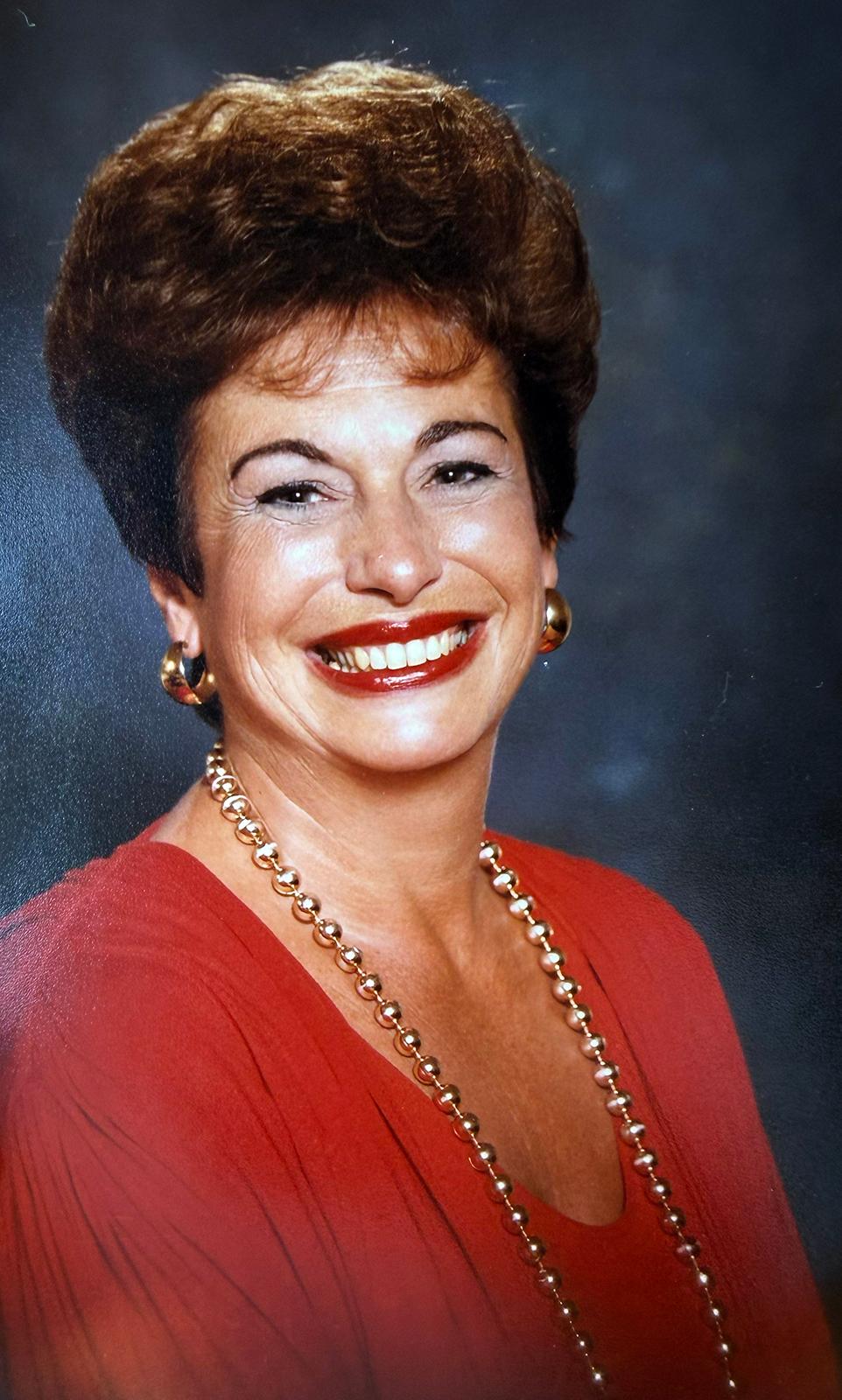
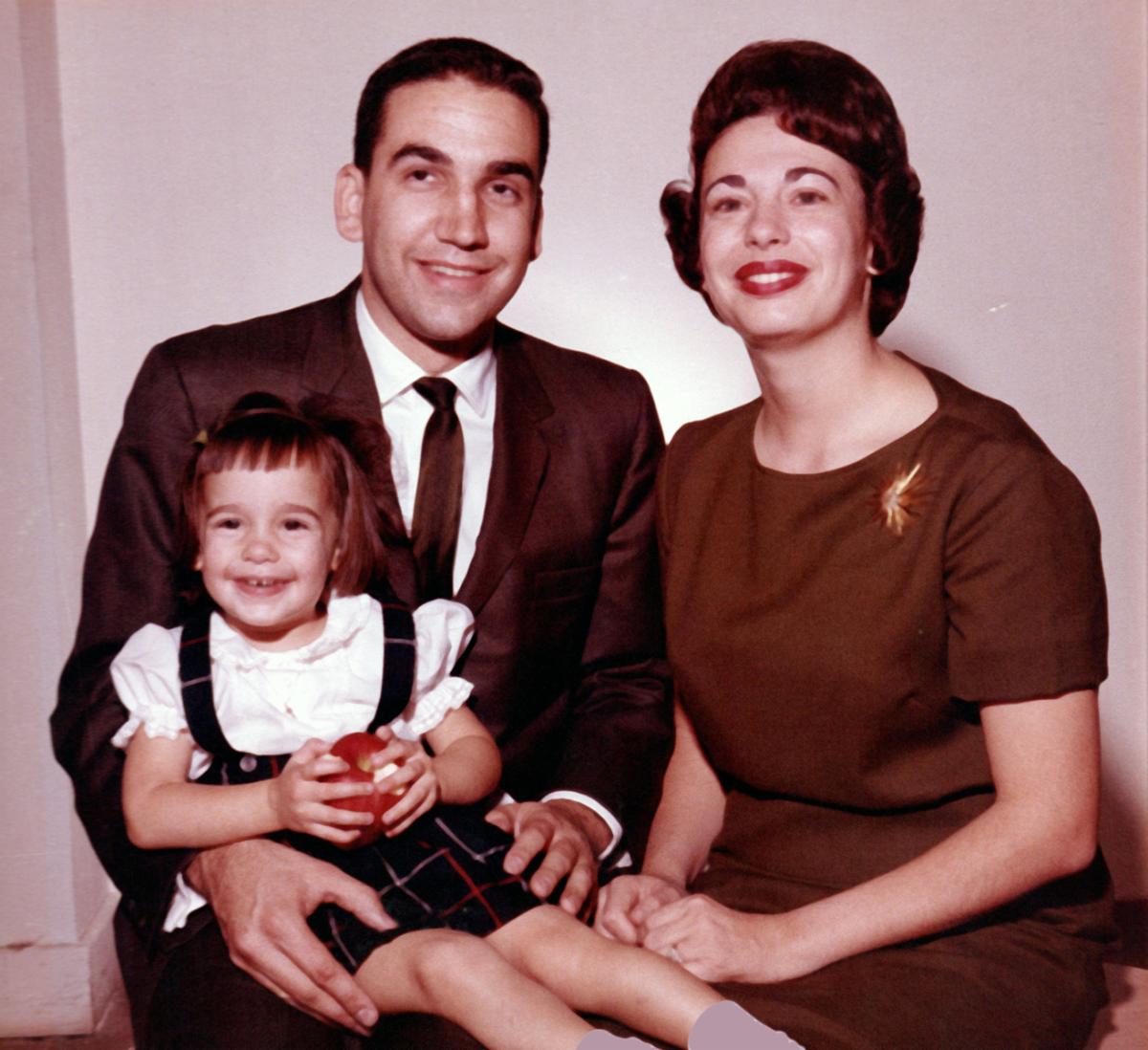
I want to say from the start that this past month has me quite jumbled up. Sadly, my mother, Darlene Trafican Laval, passed away after a lengthy and bumpy journey of 88 years with us. Some of you will remember her bright smile, always red lipstick, and the love she had for her extra-large Italian American family, her many colleagues in Fresno Unified and beyond, as well as each and every student she taught, mentored, or scolded through a long and storied career in education. While writing her final tribute – sometimes being the historian in the group weighs heavily – and with her services coming up, I am overwhelmed while looking through some of the ephemera we have collected – photos, Fresno High yearbooks, and her wedding album. Seeing her with my siblings and me at various ages, with her friends, and, most poignantly, with her grandchildren, cause a wave of nostalgia, disbelief, smiles, and wonderment on where the years have gone.
| | |
So naturally, I was thinking of how lucky we are to have such a vast historical record of both sides of my lineage and how vitally important it is for people to preserve their own stories in a proper way. Too often, we see brilliant collections of everyday life become scattered across generations. People tend to think their “regular” legacies don’t matter. That couldn’t be further from the truth.
Communities are not made only by a few whose names you might recognize – they derive their color, culture, and very make-up by those that choose to settle and spend their years in a place.
A dear friend of mine and former amazing employee at the FCCHS, Carole, reposted my President’s Letter from last month stating the multi-cultural tapestry we have made her proud to be a Valley resident. If you recall, we were talking about family traditions.
| |
This led me to really refocus on one of the core missions of the Society – helping people preserve their own histories. We have just applied for Cycle 3 “Measure P” General Operating funds and a large part of our ask centered around being able to conduct workshops, free of charge, for anyone interested in archiving their own treasures properly, as well as learning how to do research and genealogy. We sure hope the funds are awarded as we have a lot of community outreach to do (which is way more fulfilling than raising money all the time). Although, you can support your ever grateful FCCHS by clicking this link: valleyhistory.org/donate. As we enter the final quarter of the year, non-profits like ours are really scrambling to secure funds since the federal and state faucets have been turned off - temporarily we hope - and we could use a strong fiscal quarter – think of the tax benefits…
In the meantime, here are some tips on archiving – that is such a scary word, but basically, it just means protecting your photos and “stuff.”
| |
Number one, decide who will be the keeper of the family records. With digitization, it is much easier to share images, but the originals must be protected. You can find archival sleeves and boxes online at many locations. This is a start.
Secondly, do not, DO NOT, divide everything and surrender them to branches of your tree. The integrity of the history is easily lost in this manner.
Next, while identification of who is in photos is critical, please don’t write on the back of the photographs. There are archival pens that can be used to tell who everyone is – this is hugely valuable and MUST be done – but use archival sticky notes or paper to chronicle Uncle Ralph Manfredo and Great-grandma Mary Manfredo Trafican on separate sheets, not ON the picture. Reach out to older family members to help but don’t wait too long or you know what happens…
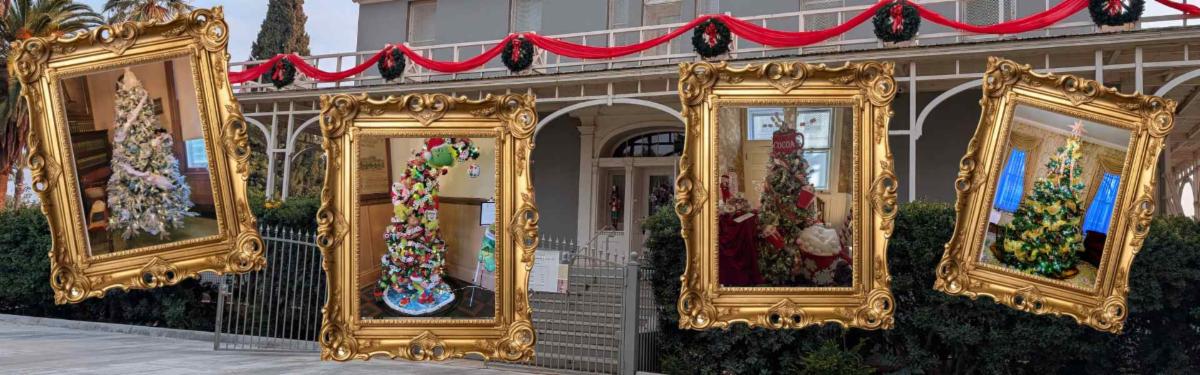
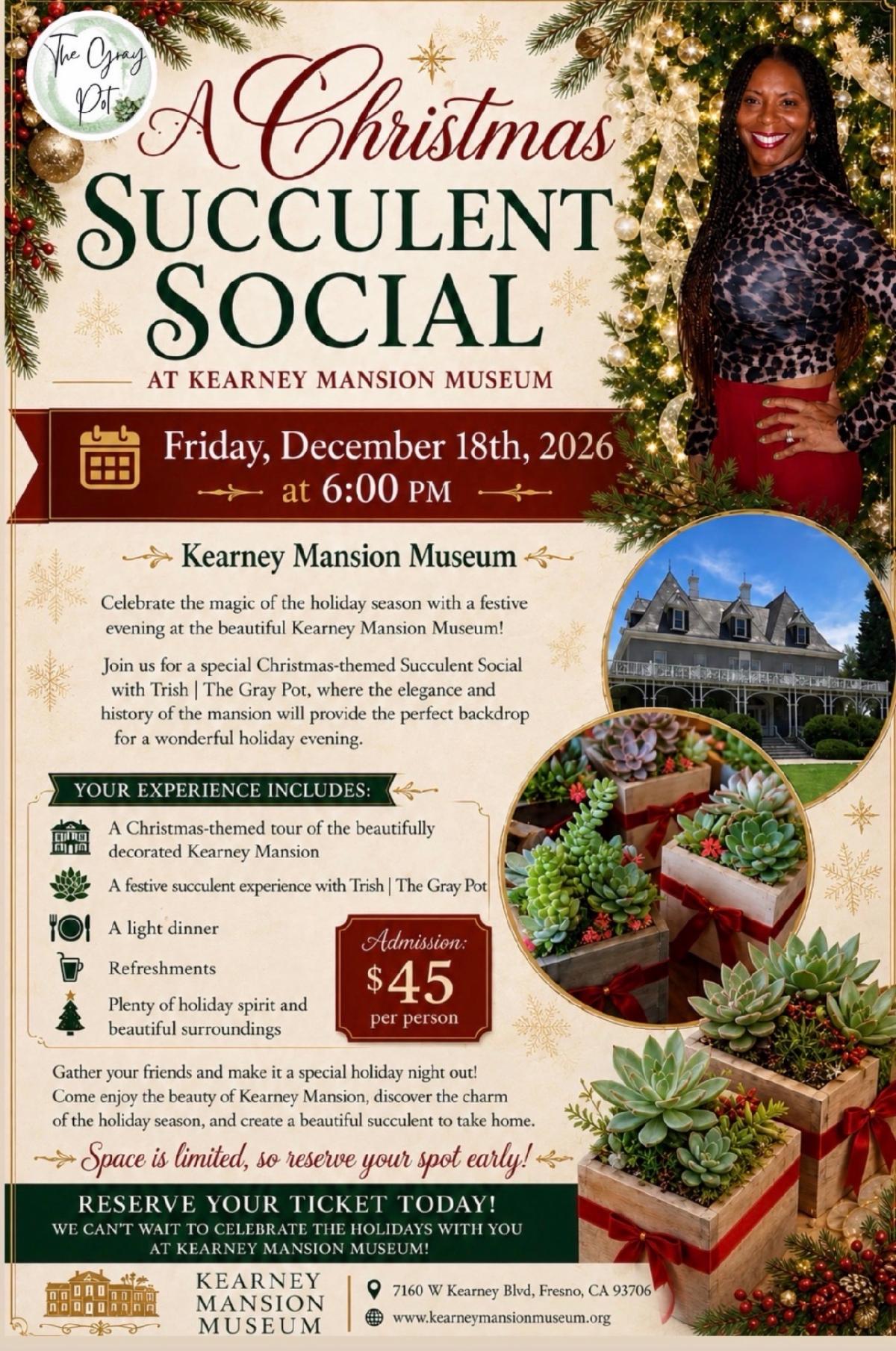
This is just a quick start guide – much easier than the one that comes with a new printer for sure! There are many more ways we can help. Stay tuned with The Grapevine for all the latest in workshops, 250 Voices: One America, One Fresno tapings, Fields of Fresno Ag Tours, Mystery Dinners, Christmas at Kearney – Santa and shopping will be back – and even Moonlight Mahjong, Saturday night at AOK. And don’t forget to listen in to Valley Legends…the Legacies Continue each day – the link is provided in an article below.
| |
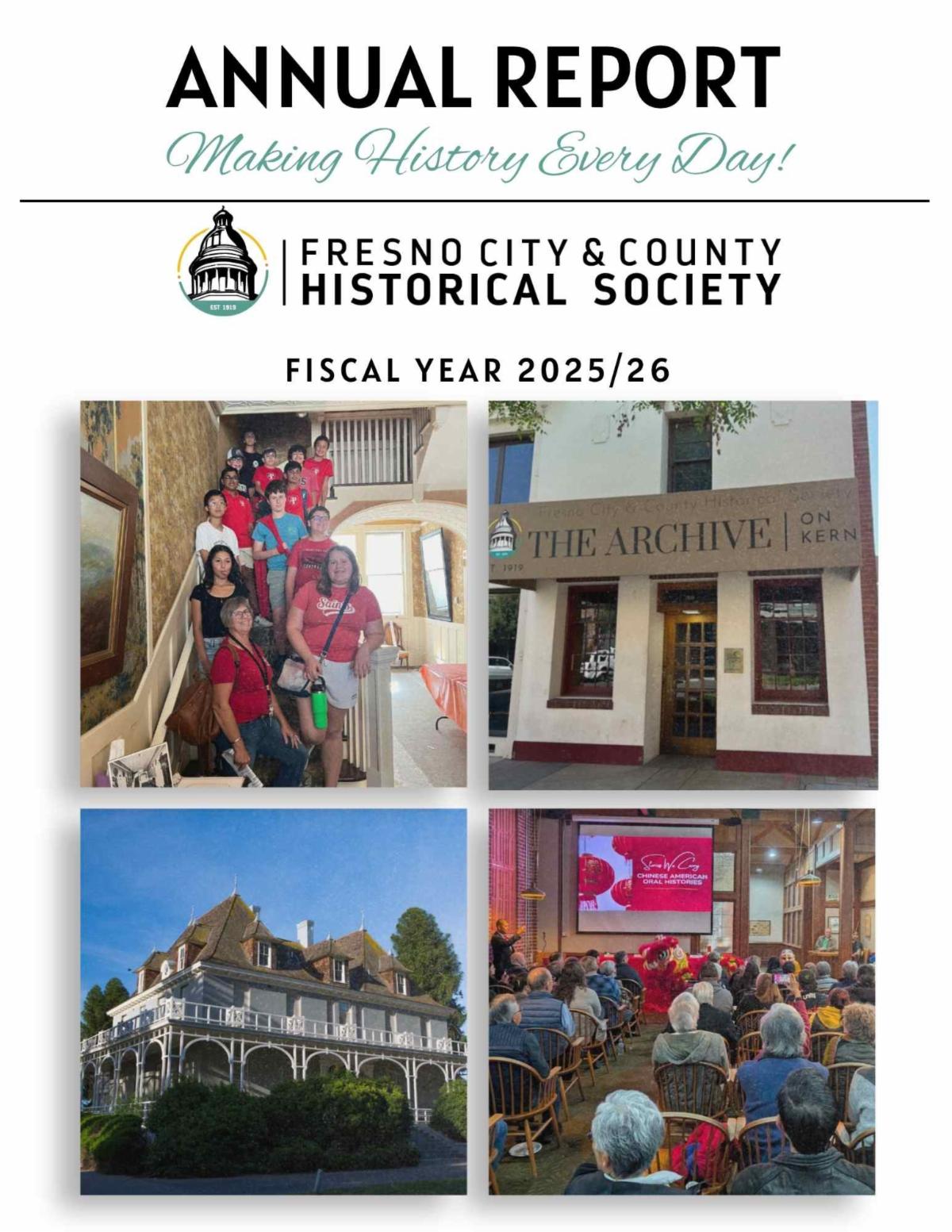
Speaking of helping, I am often asked what the Fresno Historical Society actually does and why one should support this 107-year-old organization. So, we decided the time was right to produce an Annual Report. Well, needless to say, even we were shocked by the amount of work that was accomplished in the 2025/2026 fiscal year by our small, underfunded but wholly dedicated staff. We have printed copies of the report, but please take some time to click here to see the digital version. Let’s just say, an investment in the FCCHS is being wisely utilized. Just think about what we could do if The Archive on Kern was fully funded so we can build our vault! If that seems as if we are “tooting our own horn,” read the Annual Report and tell me why we shouldn’t be doing just that.
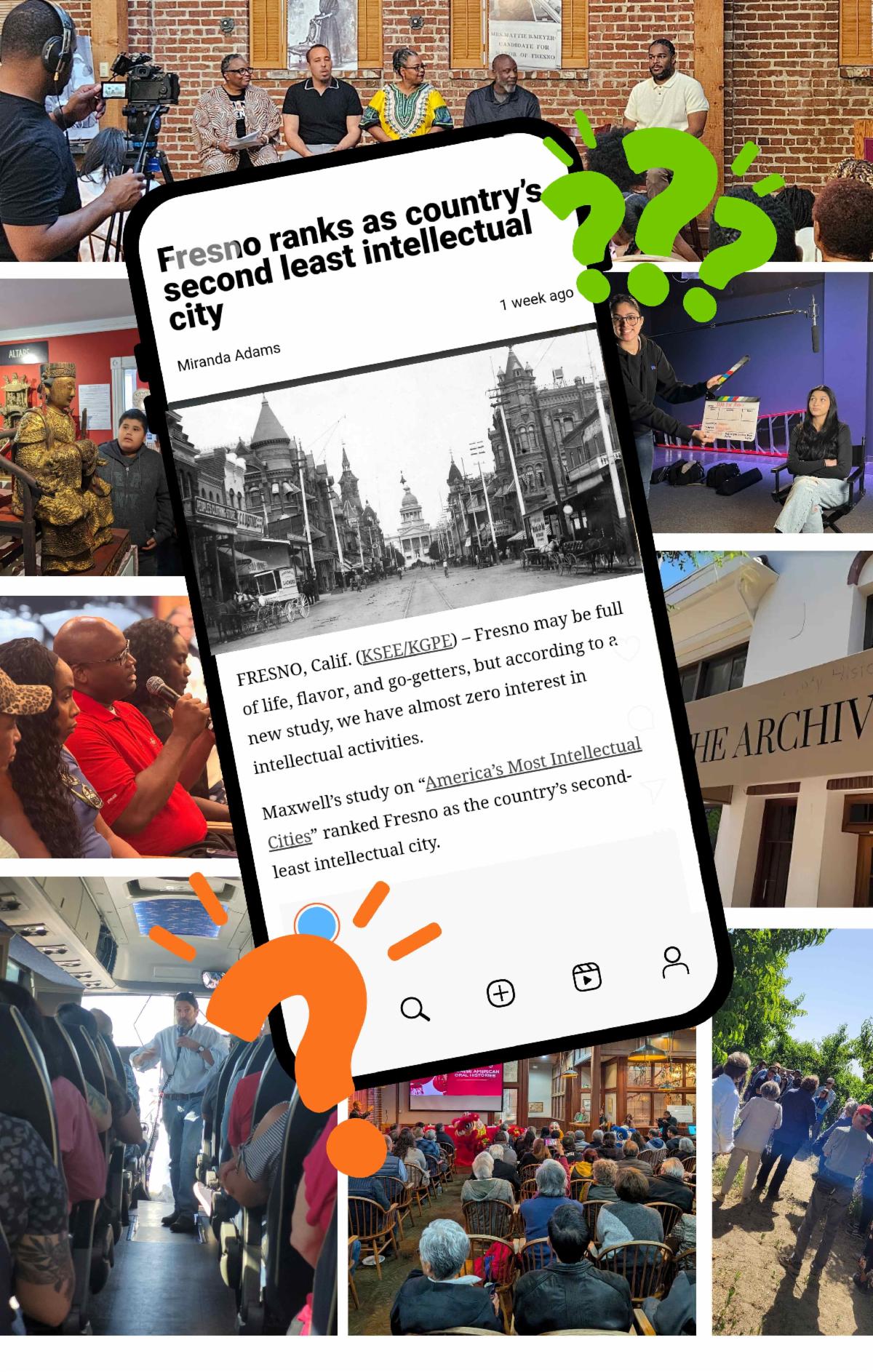
Now, there is one more topic I must address. A Maxwell Social Study concluded that Fresno is America’s 2nd Most Unintellectual City, stating “Riverside, Fresno, and Las Vegas are the least intellectually engaged of the 50 largest U.S. metros.” HMMM.
In case you missed the story, here are some excerpts:
| |
“To determine America's most intellectual cities, we ranked the 50 most populous U.S. metropolitan statistical areas (Census American Community Survey 2024 1-year estimates, table B01003). The San Juan, PR, metro was excluded because several federal datasets used in the study do not cover Puerto Rico; the Hartford, CT, metro was included in its place. Each metro was scored on seven weighted measures:
- Museums, historical sites, and similar institutions per 100,000 residents (Census County Business Patterns 2023, NAICS 712; weight 17.6)
- A public library composite of outlets, visits, and programs per capita, equally weighted (IMLS Public Libraries Survey FY2024; weight 17.6)
- The share of adults 25+ holding a graduate or professional degree (ACS 2024, table S1501; weight 17.6)
- Active, degree-granting, Title IV colleges and universities per 100,000 residents (IPEDS 2023; weight 11.8)
- Adult-education schools per 100,000 residents (CBP 2023, NAICS 6116; weight 11.8)
- Bookstores per 100,000 residents (CBP 2023, NAICS 451211; weight 11.8)
- Search interest in intellectual activities, measured as average monthly Google search volume from August 2025 through July 2026 across 16 keywords (including "book club," "philosophy lecture," "chess club," "trivia night," and "author talk") for each metro's principal city, divided by principal-city population (weight 11.8)
“Within each measure, metros were scaled so the highest-performing metro received the measure's full weight, and scaled scores were summed to a 0 to 100 Intellectual Life Score. Rankings describe the highest-ranked metros among the 50 studied, not all U.S. cities.”
Here were some of the conclusions – this is just a selection so please don’t take it out of context.
“Nearly 7 in 10 adults (68%) said they crave smarter social environments as they get older, but their usual venues aren't keeping pace. Among adults who go to bars, a large majority (83%) said those spaces feel intellectually empty at least sometimes. Alcohol is losing its centrality, too: about half (49%) said it plays no role in their social life.
“That preference for something more substantial becomes concrete when people are offered an alternative. About 2 in 3 adults (66%) said they'd trade a night of drinking for one built around ideas, and openness climbed to 94% once "maybe, depending on the event" was included. The five most appealing formats:
- A science or expert talk with drinks after (71%)
- A philosophy or big-ideas night (65%)
- A storytelling night (65%)
- A chess or strategy games night (64%)
- A salon-style dinner built around one big question (61%)
“Those nights remain more aspiration than routine. Just 23% said a typical night out already revolves around conversation and ideas, while 38% wished it did and 35% wished it involved learning something new. The same pull toward substance over the usual scene held among singles. A lecture, book event, or class was the top choice for meeting a partner (26%), followed by dating apps (10%) and a dinner party or salon (8%). Only 3% preferred to meet someone in a bar.
“That interest carries a willingness to pay, too. Overall, 61% of adults said they'd consider paying for a membership to a social club built around ideas and conversation, including 8% who said yes outright and 53% who said it would depend on price.”
“THE APPETITE FOR SMARTER NIGHTS IS THERE, BUT THE ROOMS AREN'T”
“America's intellectual life runs through some unexpected places, and the survey shows the gap isn't in appetite. Most adults, regardless of where they live, said they'd trade a night of drinking for one built around ideas, but far fewer said their area actually has anywhere to do that. The demand for smarter, more substantive nights out already exists nationwide. What's missing in some places is the room to have them.”
| |
Well, first of all, the Maxwell people are clearly NOT reading The Grapevine newsletter as you are right now! And we are hardly the only organization offering many opportunities for intellectual stimulation – the 90-year-old San Joaquin Valley Town Hall, numerous thought-provoking special speakers at Fresno State, Fresno City College and all our institutions of higher learning, and OSHER, the engaging program for life-long learners are just a few examples.
There are social groups, who will remain anonymous, and boatloads of community-based conversations taking place formally and informally each and every day across the entire region. The arts thrive at the Philharmonic and the Fresno Art Museum; at Arte Américas, the Armenian Museum, the African American Museum, the Veterans Memorial Museum and the Heritage Center of the Clovis Veterans Memorial District, throughout and beyond the Cultural Arts and Mural Districts; at our many memorials to good times and bad – such as the Japanese Assembly Center displays at the Fairgrounds and in Pinedale. And this is such a truncated list.
I cannot describe all the ways this designation offended me, personally, who strives every month to provide stimulating content. What do you think? Certainly we always want to bring more “intellectualism” to the Valley, but from where I am typing away right now, we have ALWAYS been a bastion of ideas, inventions, and just good old-fashioned debate.
Because I am honored to come from a family of inventors, photographic storytellers, writers, and creatives, “unintellectual” is not the way I would ever describe the 9th Most Diverse City in the nation. Would you? Show you care by joining with the Fresno Historical Society to continue the incredible work we can do with your support. Let’s make the Maxwell study eat their words…are you in? DONATE!
Thank so many of you for your consoling and kind words on my mother’s passing. I may not get to thank you each personally, but know each thought is warming my very sad and heavy heart.
With sugar and spice in my soul,
Elizabeth Laval
President
Fresno City & County Historical Society
| | |
FIELDS OF FRESNO AG TOURS
The Jewel of Fall: Pomegranates in the Central Valley
By Shelsea Avalos, Ag & Community Tours Coordinator
| | |
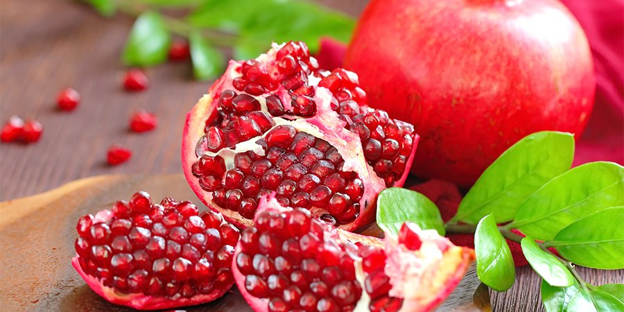
Few fruits capture the colors of autumn quite like the pomegranate. With its deep ruby exterior and clusters of jewel-like arils tucked inside, this ancient fruit has become one of the Central Valley’s most recognizable fall crops.
California leads the nation in pomegranate production, with the overwhelming majority of the crop grown in the Central Valley. Fresno, Kern, Madera, and Tulare counties are among the state’s leading production areas, where long, hot summers provide the conditions pomegranates need to develop their rich color and distinctive sweet-tart flavor.
Pomegranate season generally stretches from early fall into January, making October and November prime time to find the fruit at markets, farm stands and grocery stores throughout the Valley. California growers cultivate thousands of acres of pomegranates, and a portion of the annual crop is also shipped around the world. The fruit is so closely tied to our region that neighboring Madera celebrates it each year with the Madera Pomegranate, Fruit & Nut Festival, which takes place at the Madera District Fairgrounds.
| |
Although we usually think of pomegranates as trees, they naturally grow as large shrubs and can be trained into a tree-like shape. Pomegranate plants typically begin producing fruit within a few years of planting and can remain productive for decades. In late spring, bright blossoms appear on the branches. After pollination, the base of the flower gradually develops into the fruit we recognize months later.
One of the most interesting features of a pomegranate is its crown. Unlike an apple or peach, the crown is not where the fruit attaches to the branch. It is actually the remains of the flower from which the fruit developed.
Fresh-market pomegranates are typically harvested by hand using clippers. Inside the tough rind are hundreds of juicy arils, the edible red “jewels,” prized for their sweet-tart flavor and used in everything from salads and desserts to beverages and savory dishes. The Wonderful variety remains the most widely planted commercial pomegranate in California.
| |
Native to a region stretching from present-day Iran toward northern India, pomegranates have been cultivated for thousands of years and were introduced to California by Spanish settlers in the 18th century. Today, they are a distinctive part of the Central Valley’s fall harvest and a fitting example of the diversity of local agriculture.
That same spirit will carry into the Fields of Fresno Ag Tour Season Finale on Saturday, November 14th, with Ruby & Amber Harvest.
| |
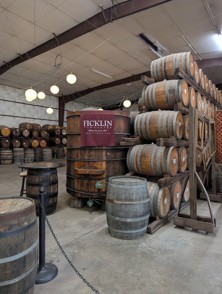
The final tour of the 2026 season will highlight the flavors, colors and stories of autumn in the Valley. Guests will visit Home Grown Cellars in Madera, explore the history and winemaking traditions of Ficklin Vineyards known for their vintage ports, and stop at a local U-Pick farm for another look at the fall harvest. Lunch will be catered by Max’s Bistro as guests enjoy one last day of discovering the farms, families and producers that help shape Central Valley agriculture until early 2027.
From ruby-red fruit to the amber tones of a fall vineyard, Ruby & Amber Harvest will bring the Fields of Fresno season to a colorful close.
| |
This is your last chance to board the luxury motor coach this season, so secure your tickets today and join us for one final Fields of Fresno adventure!
And to everyone who has joined us along the way this season, I extend my heartfelt and sincere gratitude. Thank you for supporting the Fields of Fresno Ag Tours and for helping make my first season as the Agricultural & Community Tour Coordinator such a success. It has been a pleasure sharing the farms, people and stories that make our Central Valley agricultural community so special.
Reserve your seat and join us for a one-of-a-kind experience today!
| | |
Have questions about the tour? Reach out to me directly:
Shelsea Avalos
Agricultural & Community Tour Coordinator
savalos@valleyhistory.org
| | | Proudly made possible in part by: | | MYSTERY IS ON THE MENU
OCTOBER 22nd to 25th at THE ARCHIVE ON KERN | | | | |
You are invited to test your detective skills this October at the ever-popular Fresno City & County Historical Society's Annual Mystery Event.
The event is filling up fast, with Saturday night's performance already SOLD OUT.
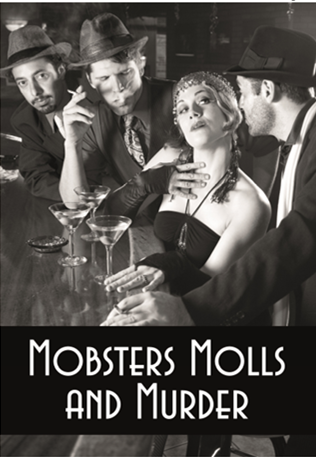
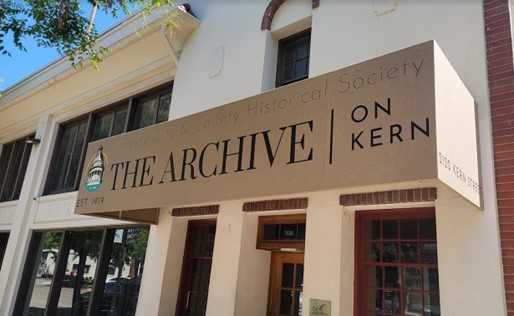
This year, the Society’s fundraising Mystery Dinner makes its debut at the historic Archive on Kern. With its vintage charm and unforgettable atmosphere, this stunning venue provides the perfect backdrop for an evening of suspense, secrets, and murder.
Tickets for this one-of-a-kind immersive experience go quickly, so gather your favorite detectives and secure your invitation to murder before it’s too late.
| |
A Murder Most Mysterious…
It’s the height of the 1930s in Fresno, and Mickey Scapone rules one of the Valley’s largest bootlegging operations.
As owner of A-O-K — the hottest speakeasy in town — he has built an empire of jazz, fine dining, flowing cocktails, and dangerous connections.
But this October, A-O-K has gained something new: a murder.
Mickey Scapone himself has been killed.
Now every guest is a suspect, and it’s up to you to uncover the truth before the night is over. Question suspects, follow clues, and solve the crime so the killer escapes.
Those clever enough to crack the case will earn prizes for their ingenuity.
Event Details
- Evening performances: Event begins promptly at 6:00 PM, October 22-25, 2026
- Matinee performance: Event begins at 11:00 AM, October 24, 2026
- All tickets include a welcome cocktail, a progressive meal and dessert and prizes for the sleuthiest sleuths and crime solvers.
| | HALLOWEEN – 1913 STYLE
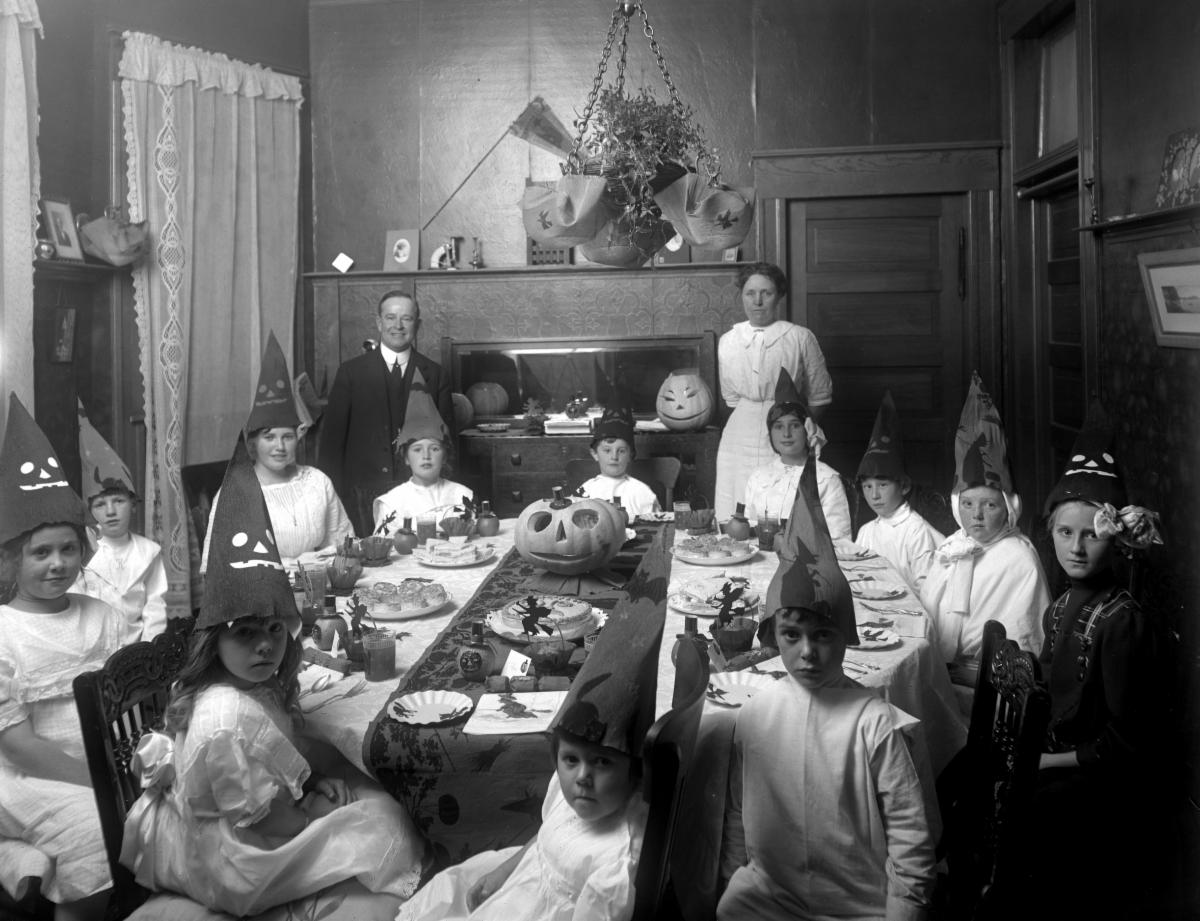
The Fresno Herald, November 1, 1913 | | "AUTOS ARE TAKEN BY HALLOWE'EN MISCREANTS”
“Chief Says It Is ‘Too Much’ and He Will Advocate ‘Sane’ Hallowe'en" | |
“Although warnings had been issued by Chief of Police Coyle to the effect that thefts and destruction of property would not be tolerated on Hallowe'en, last night, the large force of police officers, special officers and deputy sheriffs were kept busy rounding up miscreants. Many young men and youngsters were taken as far as the jail doors before the officers succumbed to their pleading and permitted them to go to their homes.
“During the night there was much carrying away of gates, tearing down of fences and moving of vehicles and sheds. Several autos were taken, among them a Ford owned by R. A. Copeland. A Dorris machine, No. 29370, was found by the police and placed in a garage. A Harley-Davidson motorcycle was also found and taken In charge by the police. T. C. White's small electric machine was taken from the front of the Fresno hotel building. White intends to prosecute to the full extent of the law, if those responsible for the theft of his car are found. A Ford machine, license No. 109863 and car No. 2340143, was stolen from K and Fresno streets. It was owned by S. J. Wall, who reported the matter to the sheriff and also intends to prosecute if possible.
“The stealing of automobiles was the most offense of Hallowe'en crowds last night. In former years this has not been done. Chief Coyle states that this cannot be tolerated in future and that next year he will advocate ‘sane Hallowe'en.’
“Patrolman Preston was one of the victims of the miscreants. While the officer was out chasing youngsters away from other people's premises, they invaded his own yard and got away with two boxes of large green oranges which they picked from the trees.”
| | |
“As a few years ago it was considered necessary to kill and maim thousands on every Fourth of July celebration, so it still seems necessary to some people to celebrate Hallowe'en by committing all sorts of petty crimes that the perpetrators would not think of committing any other time. While it is too late to reform last night's misdeeds, It is not too late to start a movement for sane Hallowe’en observance in the future.
“There is nothing funny about stealing automobiles, destroying fences, cutting bicycle tires, removing gates, defacing property and countless other ‘pranks’ that are indulged in on Hallowe'en. No youth who lays claim to decency or intelligence would stoop to such acts. And no youth has the right to be a criminal for a night, even though that night happens to be Hallowe'en. Of course, it is impossible for any police force to curb all the vandals on Hallowe'en. Knowing this, the law breakers take advantage.
“There is only one way to assure a sane Hallowe'en celebration and that is by a campaign of education. If a young man can be taught that by committing petty crimes on Hallowe'en he is only succeeding in making a fool of himself and incurring the just ridicule and enmity of others he may be induced to mend his ways. There must be a different Hallowe'en spirit. By all means let us have fun galore, spooks, witches, harmless practical joking and such pranks as are in keeping with traditions, but the line must be drawn at lawlessness. Chief of Police Coyle says ‘the limit’ was reached last night and that he will agitate a movement for a sane Hallowe'en next year. He should be backed up by the community.”
| | |
ARCHIVAL SPOTLIGHT:
Dolls of the Past; Eyes that Follow, and a History Held Within
By Donald Spencer MSc., Archivist.
| | |
Hello Friends of the Archives,
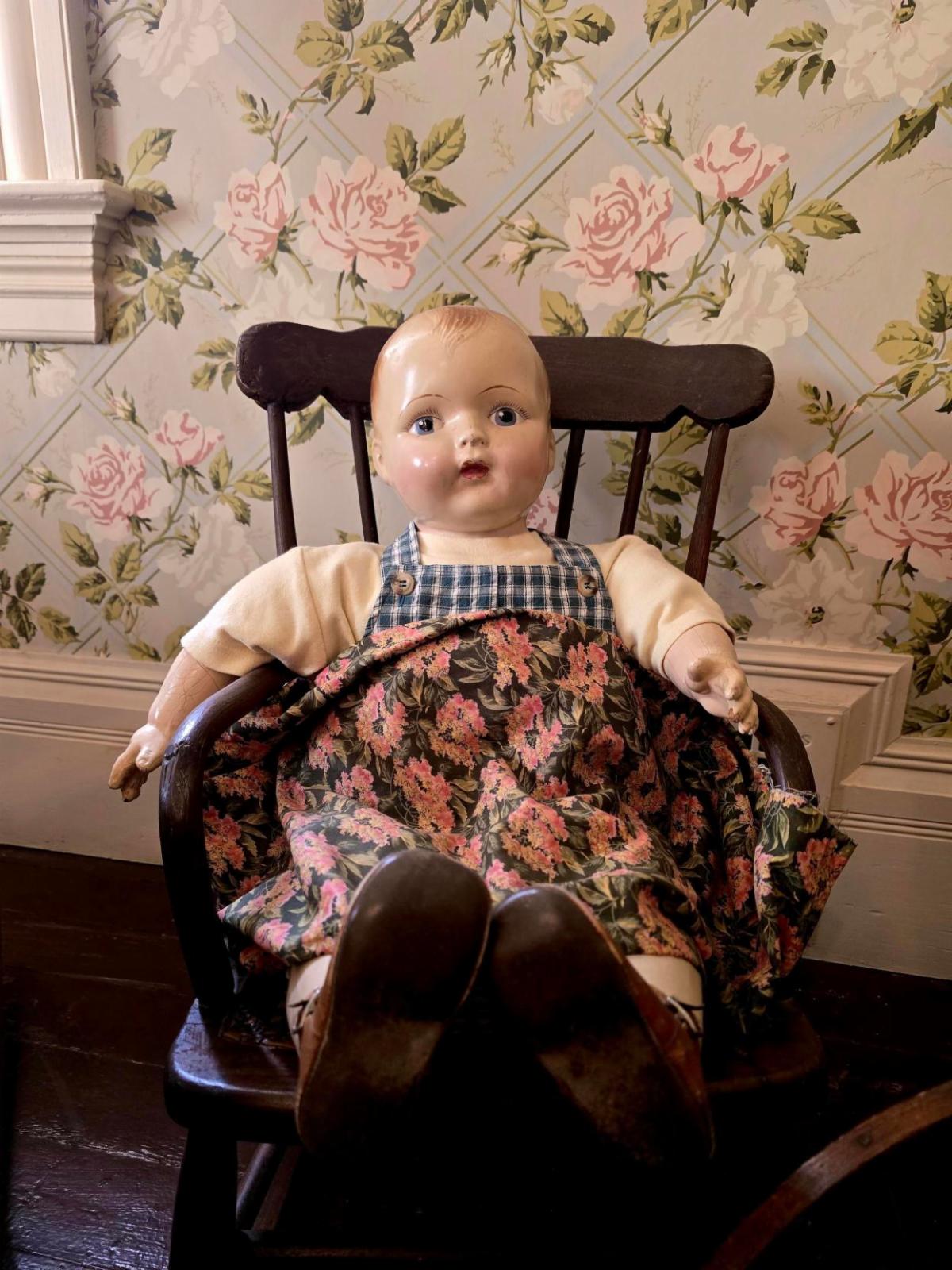
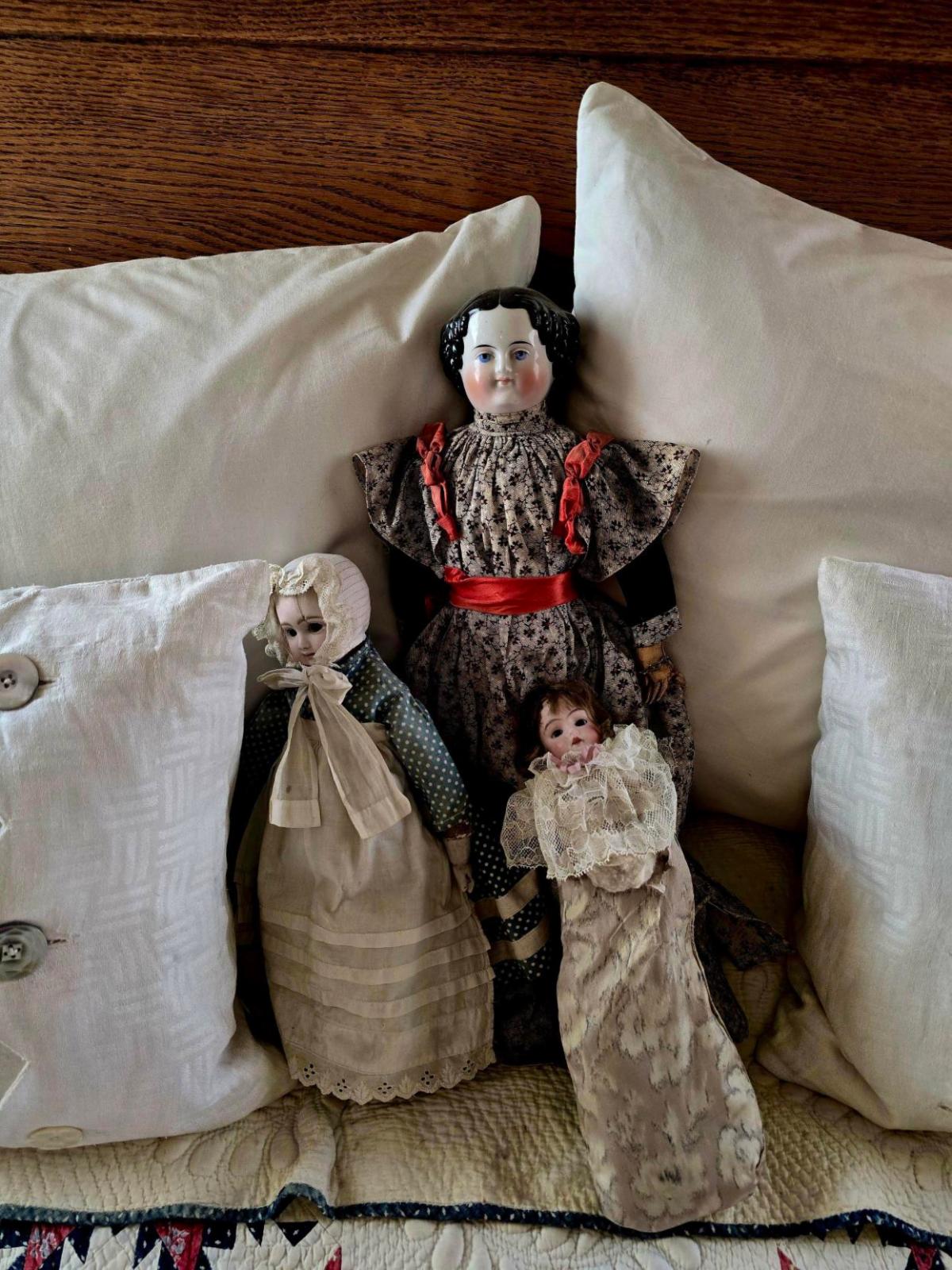
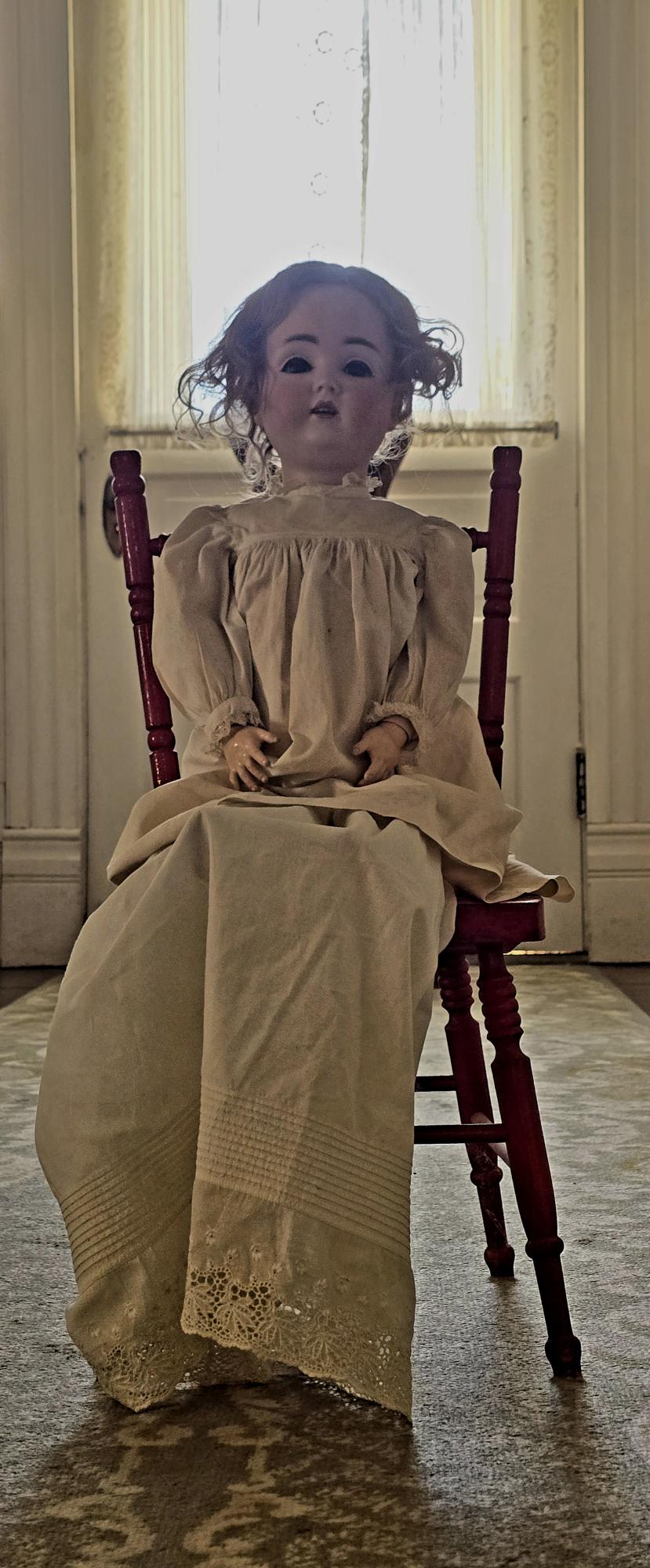
As we head into the fall months, I figured that it would only be fitting for the archives to engage with the festivities of ALL Hallows Eve. Allowing us the perfect opportunity to take a closer look at one of the Fresno City & County Historical Society's more unusual and fascinating collections. Through popular media, the mind recalls all manner of topics that send a shiver up our collective spines during the Halloween season. Witches, ghouls, haunted houses, clowns, and axe-wielding maniacs. However, there is one certain object that seems to have a special ability to induce the feeling of unease more so than the rest, no matter the time of year. That being, dolls.
| | The Archives contain a surprisingly large number of dolls, and entire doll collections representing different periods, styles, materials, and traditions. While it is the hope that these children's toys would strike visitors as charming reminders of childhood, or to display what type of entertainment children had available to them in the past. However, more times than not, old dolls invoke a sense of uncanny discontent, or definitive fear in the hearts of modern viewers. | Since time immemorial, dolls have been a part of human history. Archaeologists have discovered pieces of an alabaster doll with articulating limbs from Babylon, and a plethora of dolls made of wood and clay were found in Egyptian gravesites, which were created around 3000 to 2000 CE. Other examples of ancient dolls come from the Greco-Roman era where these human effigies were utilized for religious purposes. In that period, Roman girls of a marriageable age would dedicate their old dolls to female deities. During the Victorian era, which are the dolls seemingly most feared by the general public, dolls were made of porcelain and decorated with ornate dressings. Likewise, in this period of high infant mortality rates, the use of mourning dolls came into fashion to venerate the passing of a child, using the deceased child’s hair for the toy, and caring for it as if it was the child itself. In the current era, the masses are inundated with visual media of possessed malicious dolls. The likes of Annabelle, Chucky, M3GAN, and the Clown doll from Poltergeist haunt the minds of many, not to mention real world ghost tales of dolls such as Robert, or the real-life raggedy Ann toy, Annabelle to whom the movie franchise is based on. | |
Beneath the Halloween-season fascination with old dolls is a much more important historical story. In our collection we do not harbor such figurines of malcontent. Here in the Archives, we have amazing collections that tell us a story of hobbies, passions, and history.
Dolls are objects that can tell us a great deal about the people who owned them. Unlike many historical artifacts that were created specifically for work, business, government, or some other practical purpose, dolls were often personal and personalized objects. They were given as gifts, played with by children, dressed and redressed, carried from place to place, and sometimes kept for decades after their owners had grown up. A doll can therefore preserve a small piece of someone's childhood and early memories. One such doll in our collection was donated to us from Donald Tacchino. The porcelain doll belonged to his previous wife, no doubt kept by her from girlhood into adulthood withstanding the trials and tribulations of life side-by-side with her. Another large collection gifted to the Society, was once part of a robust collection of antique dolls. Within that collection are Victorian, Japanese, Chinese, and modern Barbies in conjunction with several dollhouses. Furthermore, upon a tour of the Kearney Mansion any visitor can view an assortment of these toys from a bygone time in the children's room on the second floor.
These objects, beyond the visceral reaction they garner, are important to an archive. When we look at an old doll as historians, we are not simply looking at a toy. We can ask who owned it, when it was made, where it came from, why it was purchased, and what it meant to the person who eventually donated it. The clothing, materials, construction, hairstyle, accessories, and even signs of wear can all provide clues about the period in which the doll was used. Perhaps that is part of the fun of looking at historical dolls. They allow us to see how different generations understood childhood, beauty, fashion, craftsmanship, and even what a toy should look and function like. What one generation considered charming, another might consider unsettling. What seems ordinary to us today may someday appear just as strange to future generations. What will four generations from now think when they find their grandmother's Labubu collection?
Every doll in a museum once belonged somewhere to someone. It may have sat beneath a Christmas tree, been carried around by a child, been carefully dressed for a special occasion, or remained tucked away in a family home for generations. Eventually, that personal possession became part of the historical record. So, as Halloween approaches, perhaps take another look at that old doll sitting, or menacingly staring at you, in your family's attic or closet. It might not be haunted, but it may have a story. And what is history, other than a ghost story, remembering those who once walked among us, and made us who we are now.
| | |
ROOTS OF THE VALLEY:
The Story Behind Del Webb
| | This past month, the County of Fresno has put the Del Webb building back in the headlines. However, few know the origins not only of this highlight of Fresno’s downtown skyline, but also of the mystery man himself. Yes, Del Webb was a person. Let’s learn more… | |
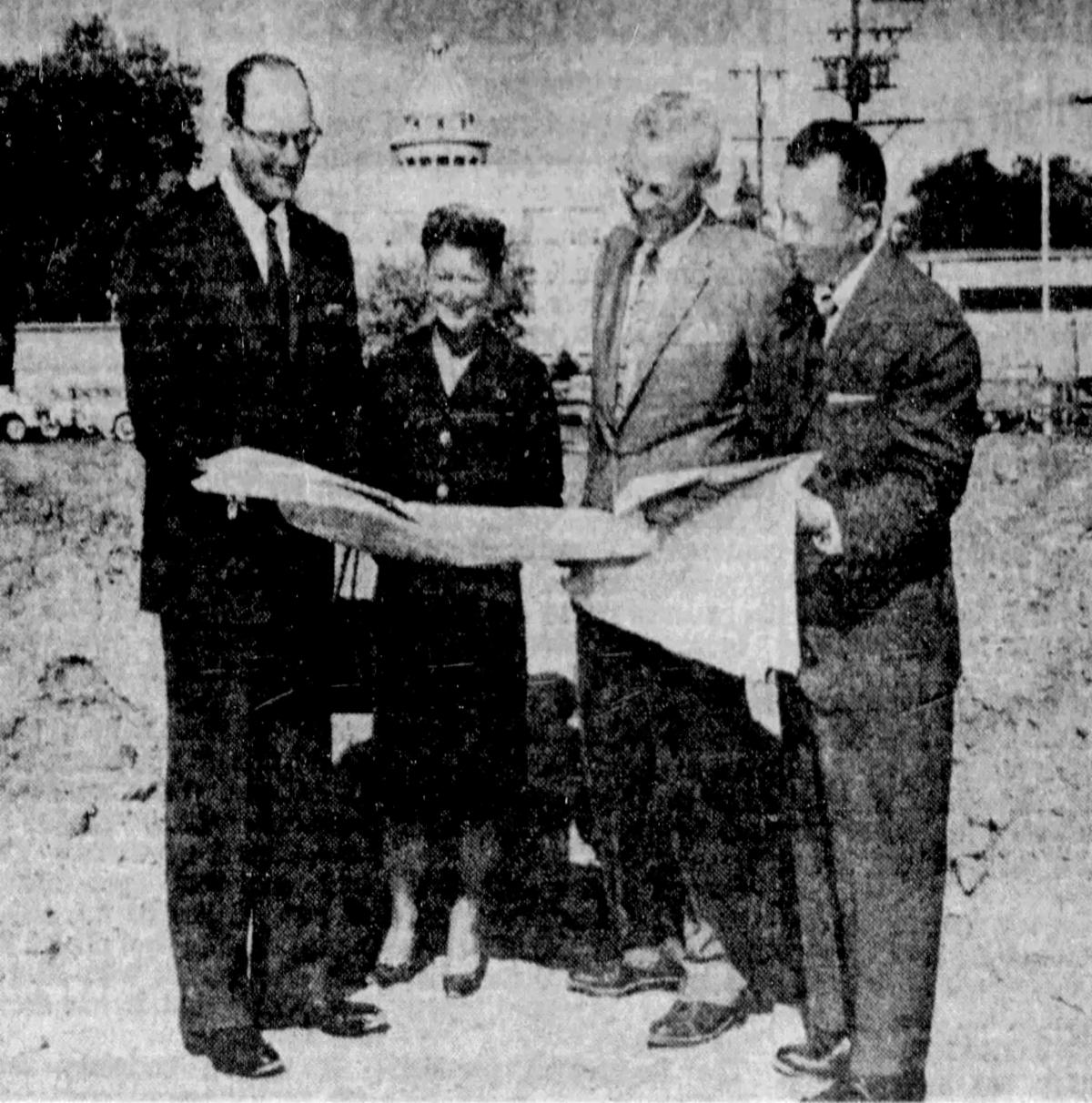
PLANNERS - Del E. Webb, left, co-owner of the New York Yankees and a native Fresnan, looks over plans for a $3 million hotel on the site of the old civic auditorium. His associates in the multi-million-dollar venture are, left to right, Mrs. Elizabeth Farrar, Milo E. Rowell, and Paul R. Bartlett. In the background is the dome of the county courthouse.
| | |
Delbert Eugene Webb (May 17, 1899 – July 4, 1974) was born in Fresno, California, to Ernest G. Webb, a fruit farmer, and Henrietta S. Webb. He dropped out of high school to become a carpenter's apprentice, and in 1919, he married Hazel Lenora Church, a graduate nurse.
In 1920, Webb was a ship fitter, and they were living with his parents and two younger brothers in Placer County, California. At the age of 28, he suffered typhoid fever, and moved to Phoenix, Arizona, to recover. In 1928, Webb began Del E. Webb Construction Company.
He received many military contracts during World War II. In 1942, he led the construction of the Poston War Relocation Center in Arizona, one of ten Japanese American internment camps built during World War II, which held over 17,000 internees. Construction began on March 27, 1942, and was completed in three weeks. This was accomplished by a crew of 5,000 laborers working double shifts.
A former semiprofessional baseball player and a lifelong fan, Webb and partners Dan Topping and Larry MacPhail purchased the New York Yankees in 1945 for $2.8 million from the estate of Col. Jacob Ruppert, Jr. After buying out MacPhail in October 1947, Webb and Topping remained owners of the Yankees until selling the club to CBS in 1964 for $11.2 million. During those 20 seasons, the Yankees were in 15 World Series, winning 10.
| | |
In 1946, mob boss Benjamin "Bugsy" Siegel hired Webb as the general contractor for the Flamingo Hotel and Casino in Las Vegas. After boasting about his claim that he had personally killed 16 men, Siegel said to Webb, "Del, don't worry, we only kill each other," after seeing the panicked look on Webb’s face.
Aside from Howard Hughes, Webb would become the largest casino owner in Nevada after his Webb Corporation acquired the Sahara Nevada Corporation and its holdings of the Sahara and Mint hotels in Las Vegas, In 1948, Webb was contracted to build 600 houses and a shopping center called Pueblo Gardens in Tucson, Arizona. San Manuel, Arizona, a mining company town and later a resort town, followed. Established in 1953, the town was built by Webb (along with M.O.W. Homes Inc.) for the Magma Copper Company. It required the building of streets, shopping centers, schools, a hospital, and parks. This was a prelude to Sun City, Arizona, which launched on January 1, 1960, with five home models, a shopping center, a recreation center, and a golf course. The opening weekend drew 100,000 people, 10 times more than expected, and resulted in a Time cover story. The immense success of Sun City established a nationwide market blueprint for age-restricted senior housing communities.
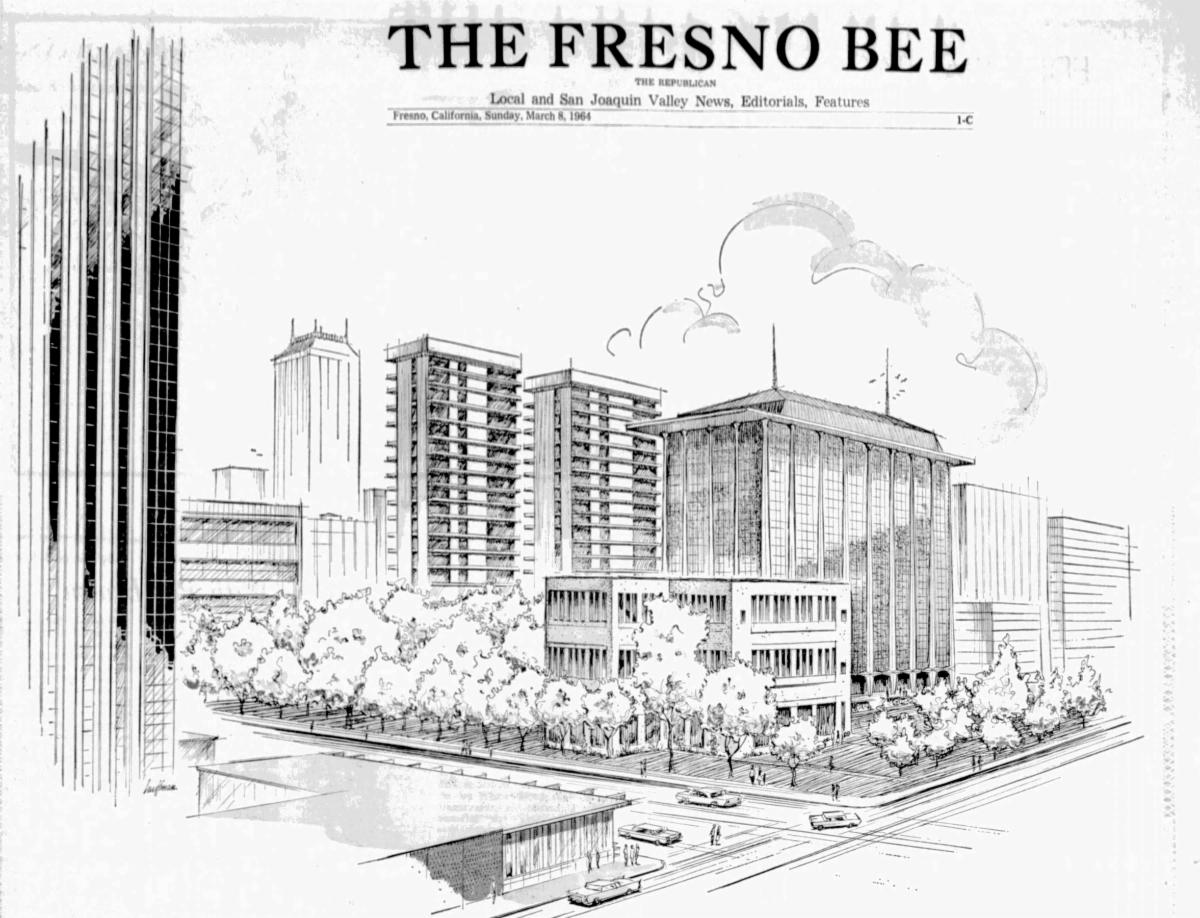
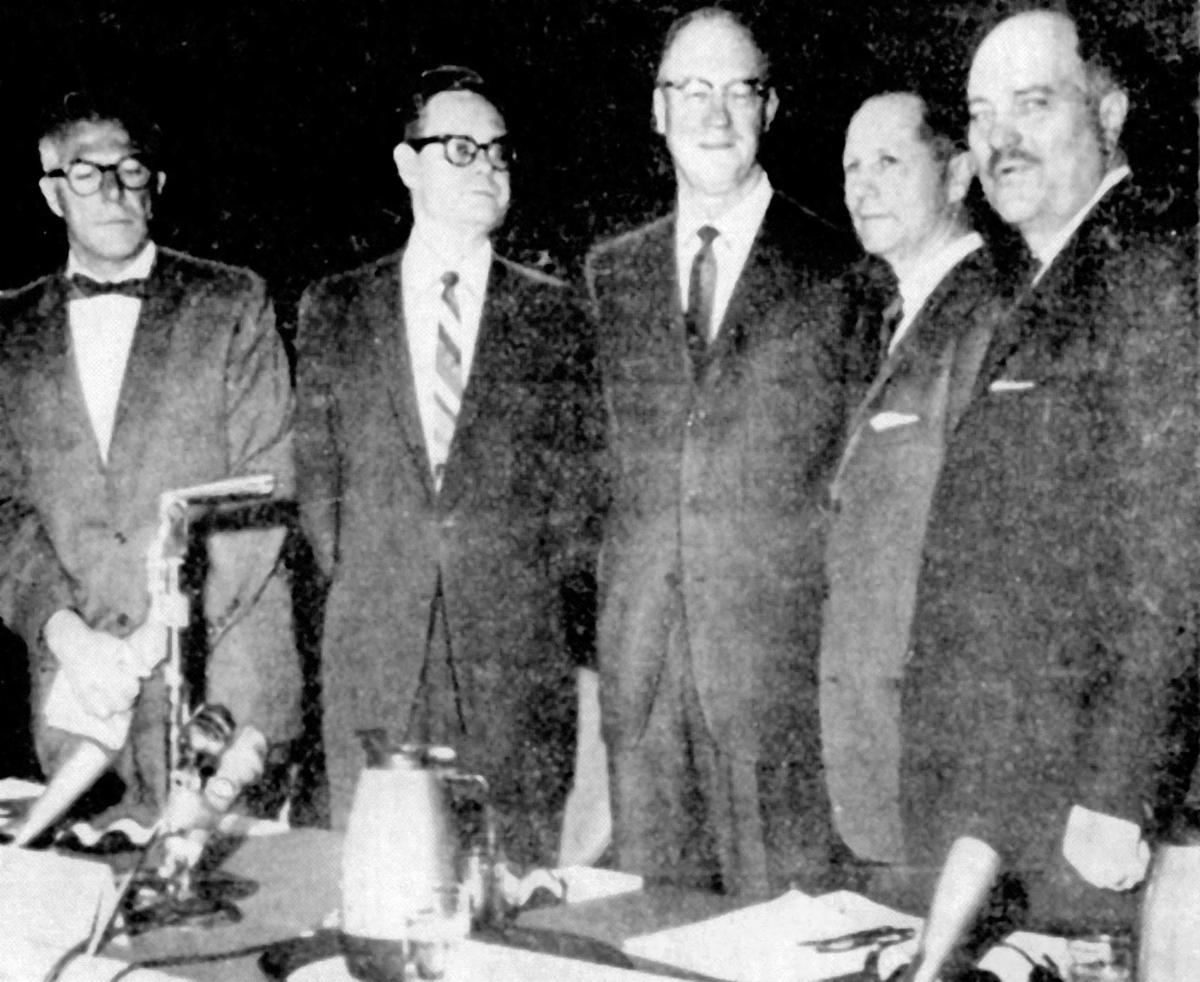
| The Fresno Bee reported enthusiastically on the building’s opening on March 7, 1964. | | CEREMONY OFFICIALS - Five key men in Fresno today and in the future gather here for talks prior to the opening of Del Webb's TownHouse and Fresno Center. Left to right are Edgardo Contini, one of the architects of the Fulton Street Mall; William L. Slayton, federal commissioner of urban renewal in Washington; Del E. Webb; Lieutenant Governor Glenn M. Anderson and Mayor Wallace D. Henderson | | |
“Webb Opening Points To Big Fresno Future”
“A Fresno native and his home city drew several rounds of praise and applause today as the new 22 story Del Webb TownHouse and Fresno Center were opened.
“In ribbon cutting ceremonies at the Tulare Street entrance to the sunken plaza a glowing picture of Fresno's future was painted by Lieutenant Governor Glenn M. Anderson, Federal Commissioner of Urban Renewal William L. Slayton, Mayor Wallace Henderson and Edgardo Contini, a senior partner in Victor Gruen and Associates, the firm designing the Fulton Street mall. Webb, a native Fresnan and corporate owner of many major developments, was assisted in the ribbon cutting by Anderson and Mayor Henderson."
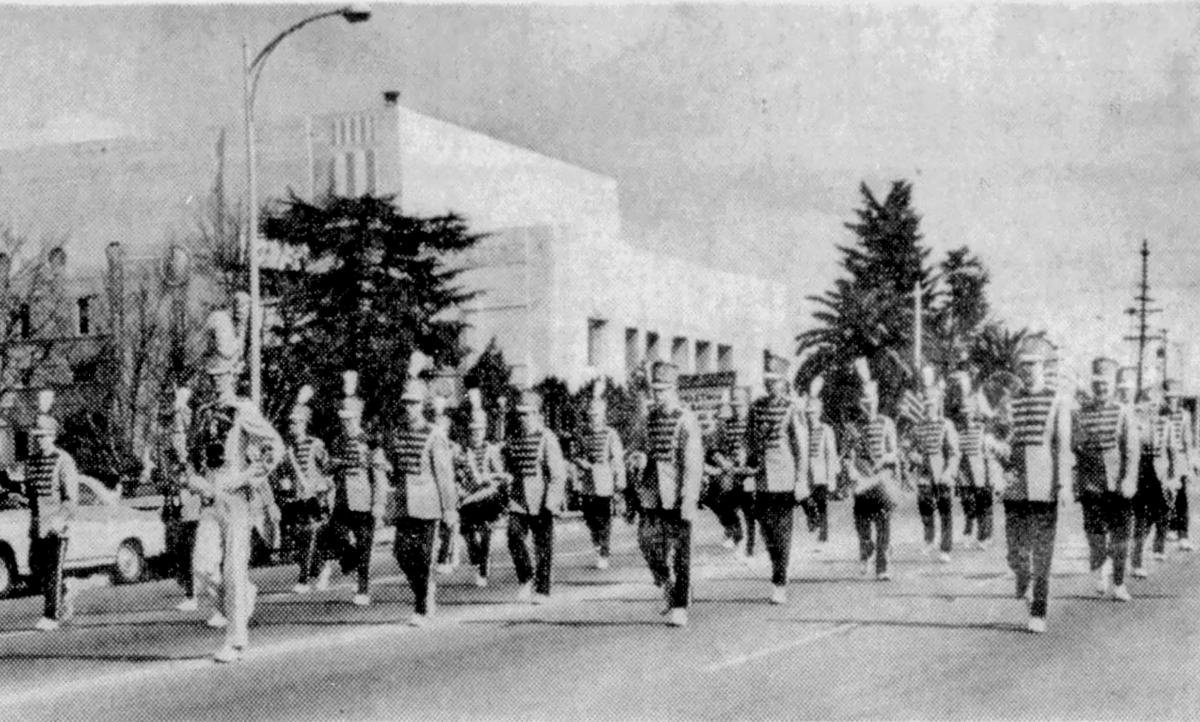
| High Steppers – The Bullard High School Band steps out smartly as it moves past the Fresno Memorial Auditorium during the parade | |
“30 Unit Parade”
“The ceremonies followed a parade with 30 units through the downtown area to the front of the building.
“While Webb and his $8 million project were in the spotlight, the impact upon the total community and its future were not overlooked.
“Webb emphasized during a press conference that the corporation's selection of Fresno for the venture was based upon extensive research which indicated a healthy future. He noted that the facility already has bookings for activities through 1966. ‘Fresno has a need,’ he said.
“Later he said the corporation will also keep its eye on Fresno for future project opportunities. ‘If there is an opportunity we will be here building it,’ Webb said.”
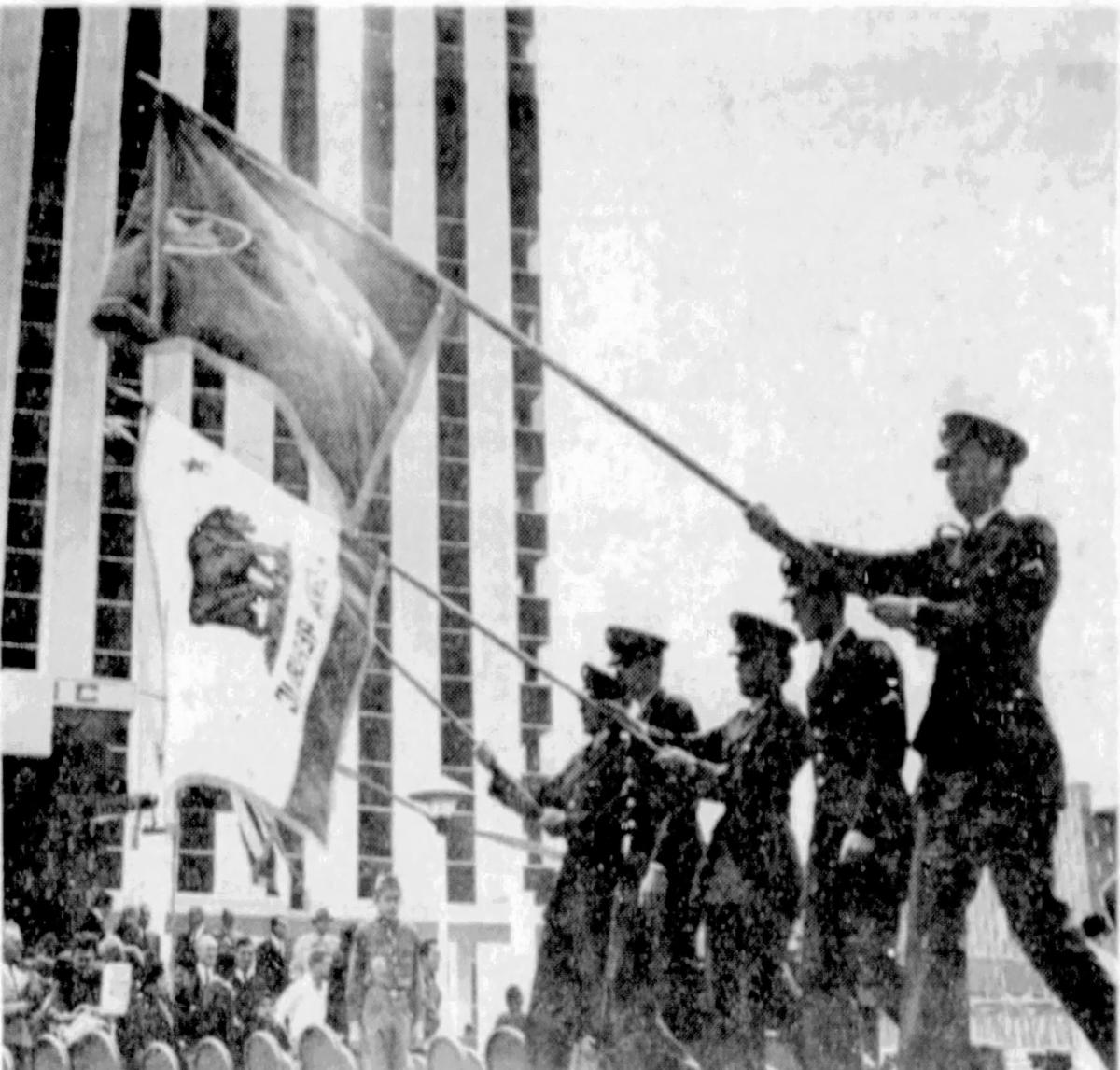
| SALUTE - A California National Guard color guard dips its flags in salute as it passes the reviewing stand in front of the 22 story Del Webb's Fresno Center | |
“Points To Growth”
“Anderson pointed to statewide growth and urban renewal programs in ‘anticipation of our growth from our current population of 17½ million to 30 million persons’ by 1980. He cited Fresno's interest in development and urban renewal as a statewide example.
“Contini termed Fresno's interest in growth such as Webb's project and urban renewal as unique.
"’Fresno has always viewed urban renewal as a catalytic function and has had the real spirit from the start. It has expanded its program with the support of government and business, all based upon the problem of revitalizing the central area. What is more important, it is not just paper plan, it works.’"
| |
“Future Impact”
“Mayor Henderson covered the future impact of the Webb project with 225 employees, new conventions coming in and the corporation offices here. He also cited the future impact of the Fulton Street Mall and the Fresno convention center.
"’I would estimate that $200 million in new money will be spent in Fresno in the next five years,’" Henderson said.
“The mayor also briefly reviewed the various urban renewal projects under way and emphasized that future projects are being considered. ’But right now,’ he said, ’we have our hands full.’"
“In a speech to members of the Fresno County and City Chamber Commerce, Slayton called Fresno ‘an excellent model renewal.’"
“Fresno, he said, ‘indeed has put its money where its mouth is’ in implementing the Fresno Plan to revitalize the downtown district.”
| |
“Plunged Into Action”
"’Planning has been plunged into the action field,’ Slayton said. ‘We now have a vehicle, urban renewal, to carry out the plans that heretofore were but hopes and dreams. And since the action vehicle is at hand, we have to put up or shut up.
"’We can no longer just talk in pious terms of the city and what we want it to be. We must decide specifically what is to be done this year, and next year, and the year after, to make sure our cities are rebuilt as we want them to be. ’There is an old saying, and a true one: money talks. In short, we have to put our money where our mouth is.
"’When I was apprised the other day of the generous financial contributions that Fresno businessmen had made through your Downtown Association and mall assessment district, I realized that Fresno, indeed, has put its money where its mouth is.’
“Slayton urged Fresno to continue pressing its downtown redevelopment program.”
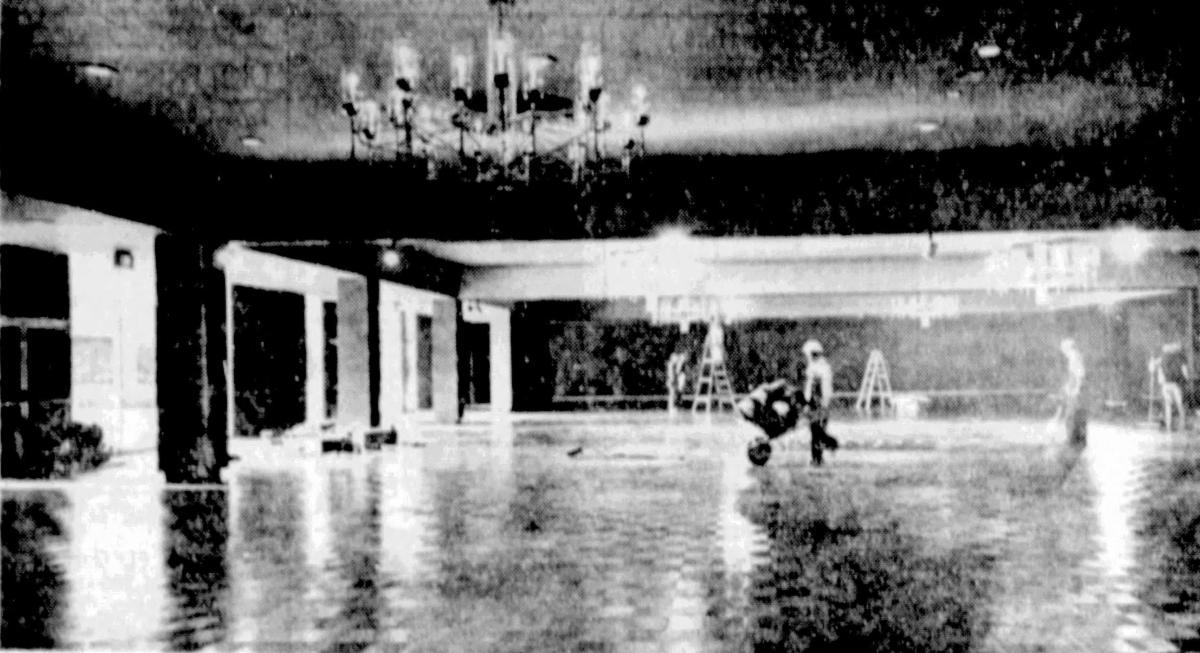
| THE FINISHING TOUCH - Workmen are completing the cleanup job in the Champagne Ballroom of the Del Webb Fresno Center and TownHouse. Soon the ballroom will echo to the sounds of music and the chatter of guests | |
“Good Design”
"’You have a good design here in the Fresno plan. Make sure that you follow it, that you do not allow yourselves to be detoured by the siren songs of quick profit or ephemeral savings.
"’What you are building here in the central business district is going to last a long, long time. Let us make sure that our children and our children's children will be able to enjoy the fruits of our investment in dollars, energy, ingenuity and effort.’"
“Slayton called the Fresno plan ‘exciting’ and ‘one of the most ambitious, imaginative plans for central business district development that I have yet seen,’ and a tribute to business leaders, government and citizens who have supported it.
“In a press conference this morning, Slayton said Fresno’s mall treatment of the downtown district ‘is a first’ in urban renewal nationally. He predicted the project, which will go into construction March 30th, ‘will encourage other cities to do the same thing.’"
“Master of ceremonies for the ribbon cutting was Chamber of Commerce President Richard Worrel. Also on the speakers' platform were Fresno Assemblyman George N. Zenovich, Sloan P. McCormick, chairman of the board of supervisors, Mrs. Webb, and the owners of the property on which the new Webb building complex is located, Milo E. Rowell, Paul R. Bartlett, and Mrs. Elizabeth Farrar.”
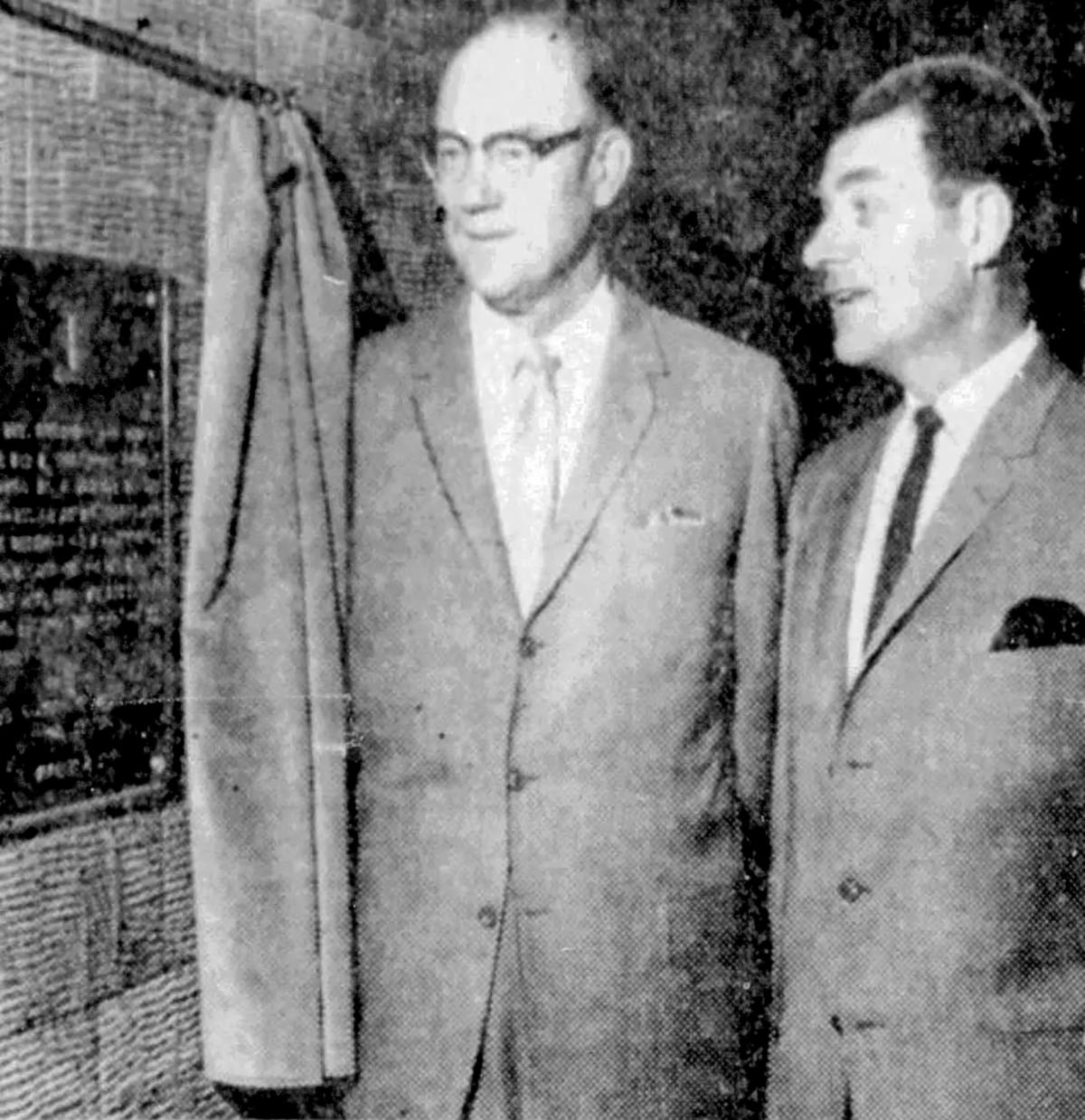
| NICE GOING, DEL - Del E. Webb, left, and F. G. (Scotty) Robertson, president of the Downtown Association of Fresno, admire a plaque installed in the new Webb building paying tribute to the builder | |
The Del Webb’s TownHouse hotel and center in downtown Fresno had its grand opening in March 1964.
Building Details
-
Original Name: Del Webb’s Fresno Center / TownHouse Hotel
-
Current Name: Golden State County Plaza (Fresno County Plaza)
-
Height: 21 stories (218 feet tall)
-
Location: 2220 Tulare Street, Downtown Fresno
- Construction: Began in 1962 and finished in 1964 by Fresno-born developer Del Webb.
| |
Webb’s Obituary was printed in The Fresno Bee on July 5, 1974.
“Death Ends Del Webb Horatio Alger Career”
“Del E. Webb, a native Fresnan, an owner of the New York Yankees when they were in their prime and head of the vast Del E. Webb Corp., died Thursday in Rochester, Minn. He was 75. Webb, who had undergone surgery for lung cancer at the Mayo Clinic in March, died of complications following additional surgery.
“His career followed the standard Horatio Alger story line. He had learned the carpentry trade from his father, the late Ernest G. Webb, a contractor who also was in the sand and gravel business. When the firm ran into business troubles, he abandoned school and began working as a carpenter and playing semi-pro baseball. He had hoped to become a major league pitcher, but a sore arm and a bout with typhoid fever -contracted during an exhibition game at San Quentin Prison-ended that possibility.
“Webb moved to Phoenix, Ariz., and with few more assets than a saw and hammer and opened his own contracting business in 1929. The firm became one of the largest and busiest in the Southwest. and during World War II the company built some of the biggest military installations in the West - airfields, Army and Navy training bases and hospitals. After the war, the firm built veterans hospitals, industrial plants and warehouses. The Korean War brought still more major building contracts.
“With the start of the space age, the company built such projects as a multimillion-dollar radar system manufacturing plant for Hughes Aircraft, an engineering laboratory for Hughes scientists and nuclear field laboratory facilities.
“The company built the nation's largest rocket engine test stand in the nation at Edwards Air Force Base, embedding the 22-story structure in a mountain side.
“In January 1945, Webb joined Dan Topping of New York in the purchase of the New York Yankees. They sold 80 per cent of the team in 1964 and the remainder of their interest in 1966 to the Columbia Broadcasting System. During Webb's tenure, the team won 15 American League pennants and 10 World Series.
“The Del E. Webb Construction Co. became the Del E. Webb Corp. in 1960, reflecting the wider scope of its activities. The company's complex activities included the development, building and management of various properties and was well known for hotel ownership and operation as well as varied construction projects. Webb hotels include the Sahara and Mint in Las Vegas and the Sahara Tahoe at Lake Tahoe. Nevada, the TownHouse in Phoenix and Mountain Shadows at Scottsdale, the Newporter Inn at Newport Beach and the Hawaiian Kuilima on Oahu.
“Webb returned to his hometown for the March 1964 opening of the 22-story Del Webb TownHouse and Fresno Center, an $8 million project. The hotel suffered financial reverses and was closed last August. It was sold in December for a reported $4.5 million, and the name was changed to Fresno's Townhouse.
“Webb's firm continues to be represented in Fresno as the prime contractor for the new St. Agnes Hospital.
“The firm's corporate headquarters is located in Phoenix, and one of Webb's best-known developments is Sun City, a retirement community launched near Phoenix in 1960. It now has a population of 32,000. The company has district offices in Los Angeles and Chicago.
“Webb's will requested no funeral and specified his body be cremated and the ashes scattered over Arizona. He is survived by his widow, Toni. of Phoenix, and a brother, Halmer J. Webb of North Hollywood.”
| Revitalization of downtown Fresno has clearly been at the heart of conversations, plans, and dreams for more than six decades. Let’s hope Fresnans in 2076, America’s Tricentennial year, are not having the same concerns and find something way easier to talk about. By the way, when the Del Webb opened, the restaurant on the top floor had an excellent club sandwich – hats and gloves for young ladies were required! | | |
SAN JOAQUIN VALLEY TOWN HALL CORNER
Celebrate Women Who Shaped America
| | |
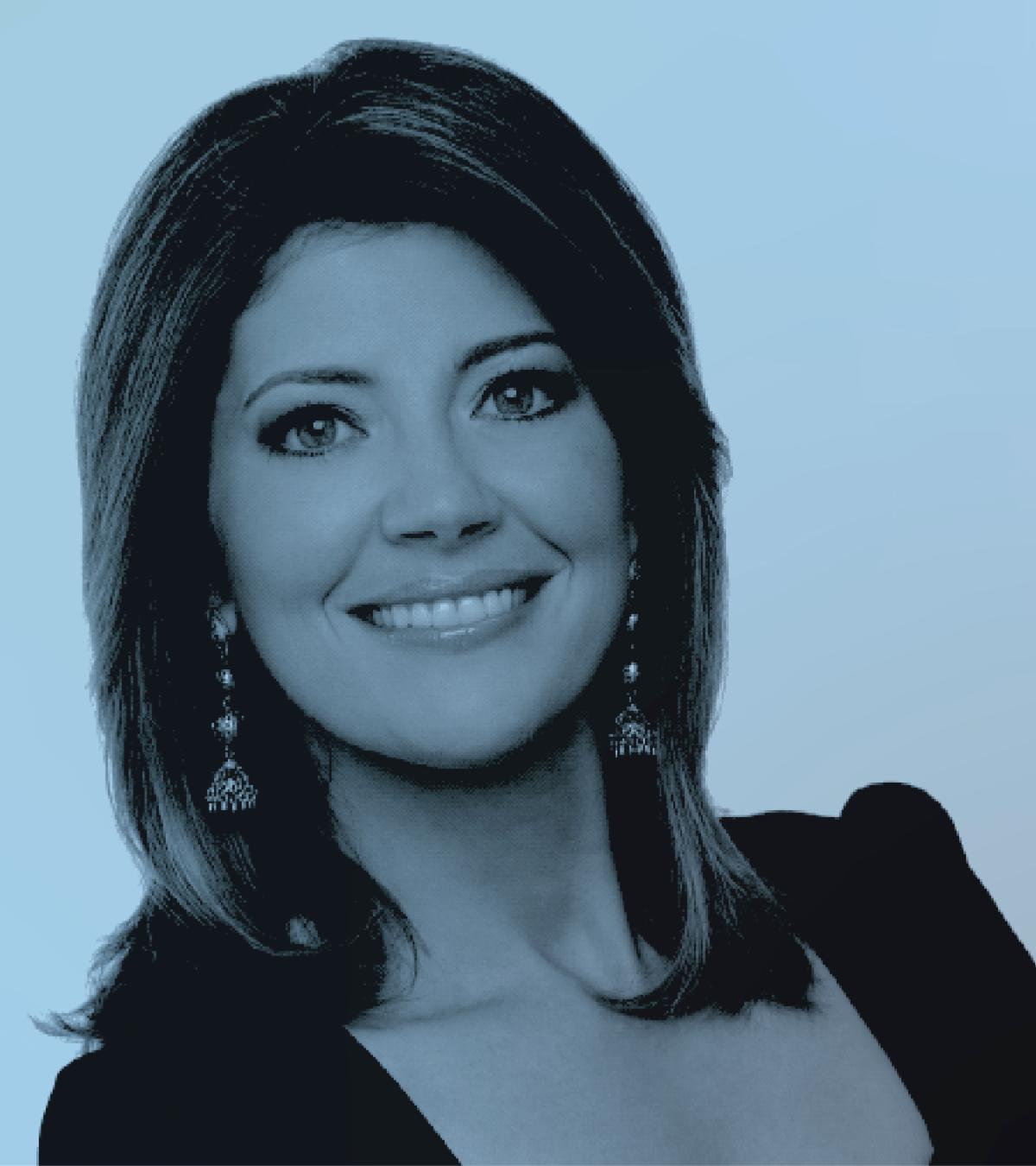
NORAH O’DONNELL
CBS News Senior Correspondent and 60 Minutes Contributing Correspondent
One of the most respected journalists in American media, former CBS Evening News anchor Norah O’Donnell is known for her commitment to high-quality journalism, sharp interviews, and global reporting. For more than five years, she served as the managing editor and authoritative presence at CBS News. To commemorate the 250th anniversary of our nation’s founding, O’Donnell will present subjects from her book, We the Women: The Hidden Heroes Who Shaped America, a portrait of unsung women who changed the course of history in their fight for freedom.
| | | | |
STORIES THAT SHAPED US
By: Renee Delport, Central Valley Community Foundation
"Six Stories that Shaped Us" Initiative marking 60 years since the founding of Central Valley Community Foundation
| | Harvesting Hope and Cultivating Big Dreams | |
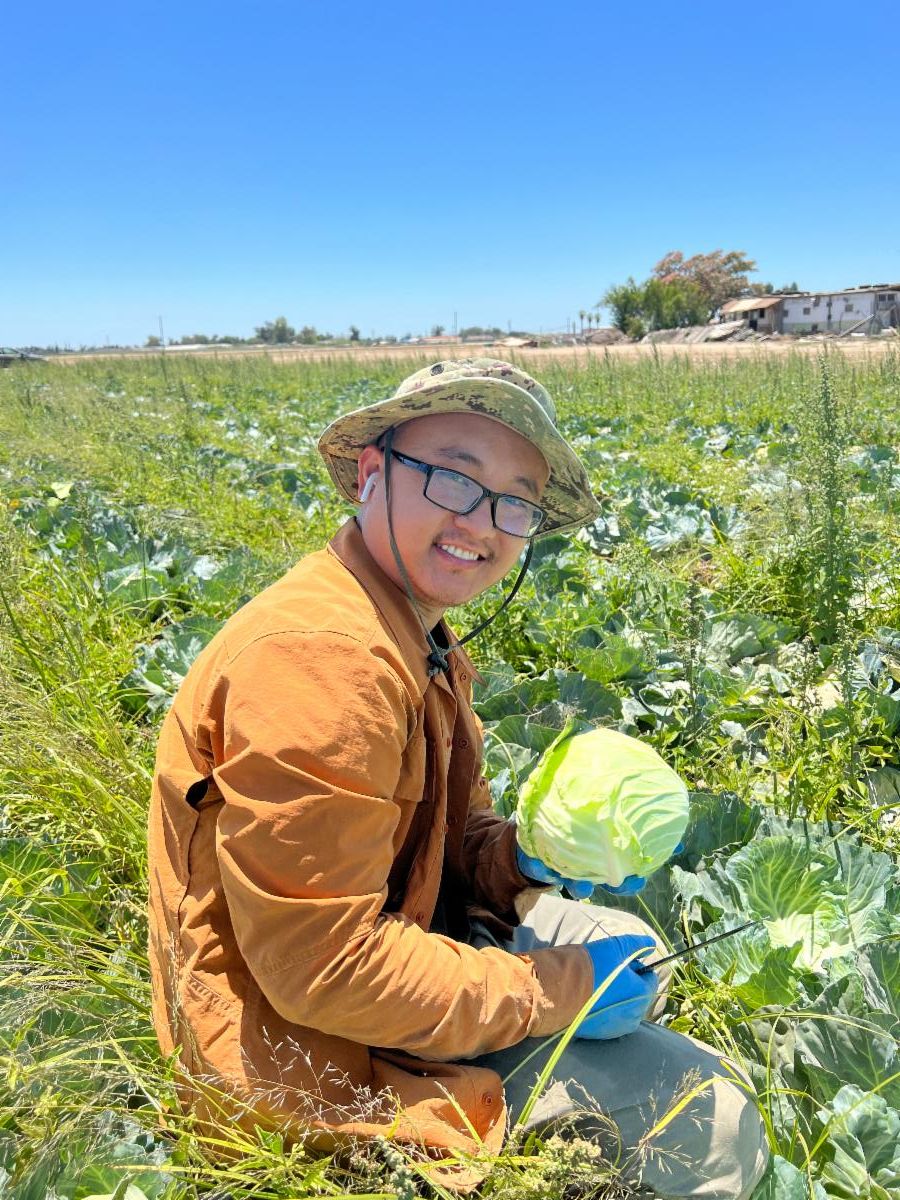
Keng Vang has the heart of a farmer and the spirit of an entrepreneur. After graduating from Fresno State and working briefly for the U.S. Forest Service, Keng found his passion. He started Fresno BIPOC Produce, a food hub serving Black, Indigenous and people of color farmers.
When he launched this endeavor in 2021, Keng had little more than determination and a commitment to help small farmers participate in the Central Valley’s agricultural abundance. He started with no capital, no equipment and no warehouse, just a vision to build something that would help underserved growers sell their produce and strengthen the communities they feed. Three years later, that vision has grown into a thriving regional network supporting more than 200 small farms across Fresno, Madera, Merced and surrounding counties.
The turning point came when Keng connected with community partners like the Community Alliance with Family Farmers (CAFF) and the Farms Food Future (F3) Initiative. Through their support, which includes technical assistance, education and market connections in addition to funding, Fresno BIPOC Produce gained the infrastructure it needed to scale. By 2024, the business had grown enough for Keng to hire employees and purchase three vehicles. Today, Fresno BIPOC Produce has a growing staff and a network of farmers who rely on the hub to bring their crops to market.
This impact allows small farmers to dream big. With support accessed through CAFF and F3, Keng’s sales increased, and his profit doubled. “When my profit goes up, it means more money is going back to the farmers,” Keng said. “I’m so happy I can help farmers sell their produce.”
That growth isn’t just a business milestone; it’s a lifeline for the farmers whose produce now reaches schools, food banks and institutions serving low-income communities.
Keng’s ultimate goal is to “give people access to nutritious food.” That mission includes encouraging farmers to grow crops that meet community demand. This includes vegetables like bok choy, tomatoes and Asian cilantro that reflect the heritage of many families in the Central Valley.
As Fresno BIPOC Produce expands, so does Keng’s vision for the future. With support from the Central Valley Community Foundation, he purchased 2.7 acres in Southwest Fresno, where he plans to build a cold-storage warehouse. In Fresno’s triple-digit heat, access to cooling facilities is essential, but prohibitively expensive. Most of the Central Valley’s existing freezers and refrigerators serve large growers. Creating a shared space for small farmers will offer storage, stability and a home base for future agritourism and regenerative agriculture education.
The work is deeply personal for Keng. Born in a refugee camp in Thailand to Lao Hmong parents, he grew up surrounded by elders who farmed to survive. The Central Valley’s fertile soil drew generations of Hmong and immigrant families seeking opportunity, and those relationships remain central to his work today. “Many of the farmers I work with, I call them grandma, grandpa, auntie,” he said. “They look at me as their son, grandson, and that’s why they trust me. It’s not just heritage, but they’ve seen how I work, and they know that I’m here for them.”
As Fresno BIPOC Produce continues to grow, Keng remains grounded in gratitude. “I am so grateful to the [Central Valley] Community Foundation for being a great partner and for trusting me and my work. Without their support and partnership, I wouldn’t be where I am today.”
| This story is part of the Central Valley Community Foundation’s “Sixty Stories That Shaped Us” initiative to help mark 60 years since our founding. We invite you to join us in celebrating this milestone and this special place we call home. To learn more, visit centralvalleycf.org and follow us on Facebook, Instagram and LinkedIn @centralvalleycf. | | |
MAKING HISTORY EVERY DAY
Smithsonian selects Fresno
to host major culture festival
by: James Sepeda, Yourcentralvalley.com, Sep 3, 2026
| | |
FRESNO, Calif. (KSEE/KGPE) – The Alliance for California Traditional Arts is bringing a three-day folklife festival to downtown Fresno in October.
The free three-day festival runs from Oct. 2 to 4 and will highlight and celebrate the rich cultural diversity of the Central Valley.
“The Great Valley Gathering is a festival of the people, by the people, and for the people of the
Central Valley. That is the idea of cultural democracy, where every person has a right to create,
shape, and share their own cultural meaning. As the state with the largest immigrant population
and the second largest Native American population in the nation, there is no better place to host
this gathering,” said Amy Kitchener, Executive Director of ACTA and Festival Director.
The festival will kick off on Friday, Oct. 2 at 4 p.m. at Courthouse Park in Downtown Fresno.
“The gathering is one of approximately 40 nationwide selections for the Smithsonian’s ‘Of the People’ initiative celebrating the nation’s 250th anniversary.”
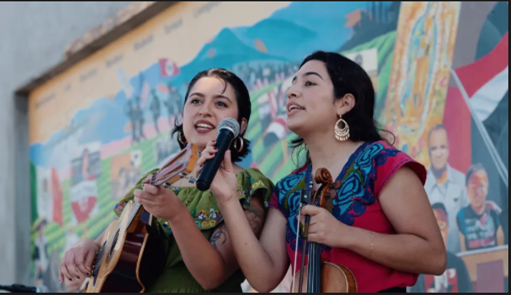
The festival will showcase the Central Valley’s diverse cultures through music, dance, Native traditions, foodways, folk arts, and community storytelling, with Saturday night culminating in the Great Valley Cypher featuring Fresno hip-hop legend Fashawn.
| | | | |