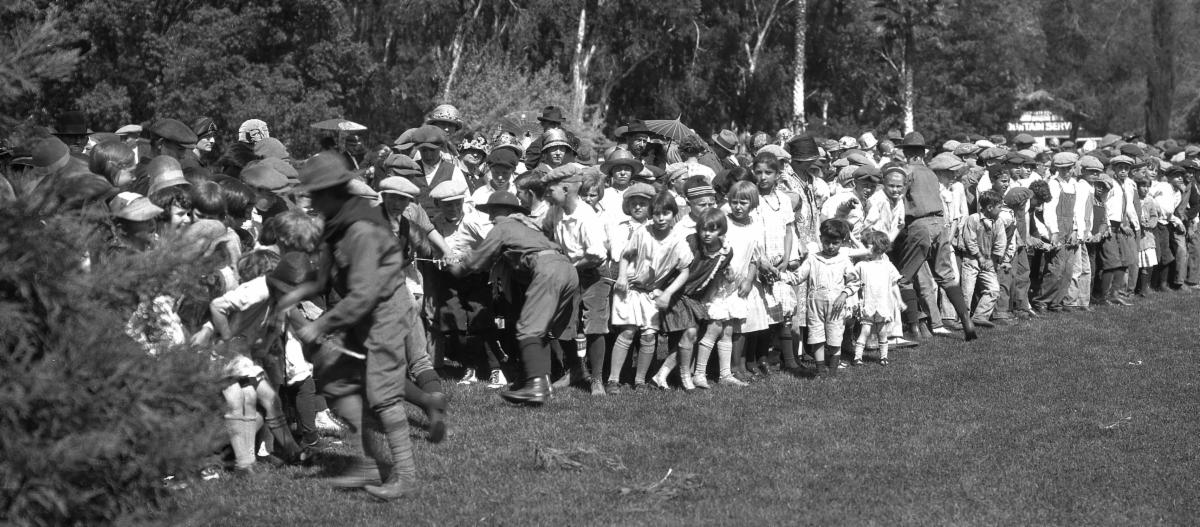
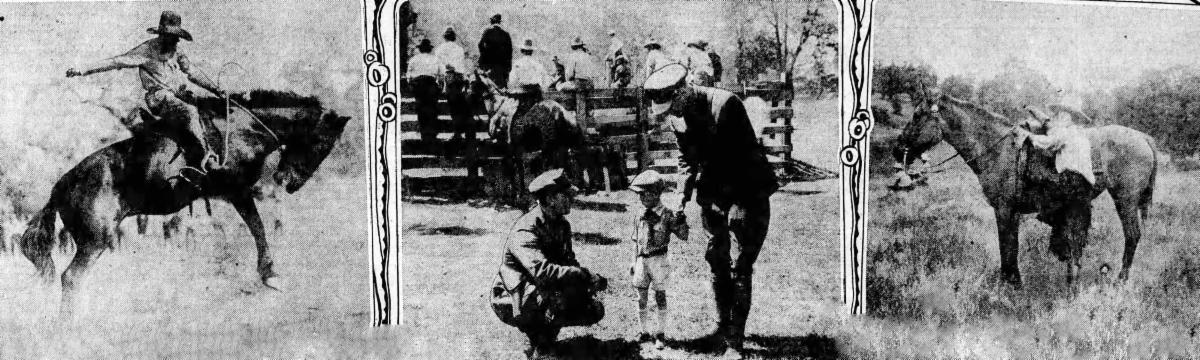
Roeding Park Easter Egg Hunt, 1925 - Boy Scouts try to hold the eager children back. Pop Laval Foundation. | | |
A Message from the President
Dear Members, Supporters, and Friends of the FCCHS,
| | |
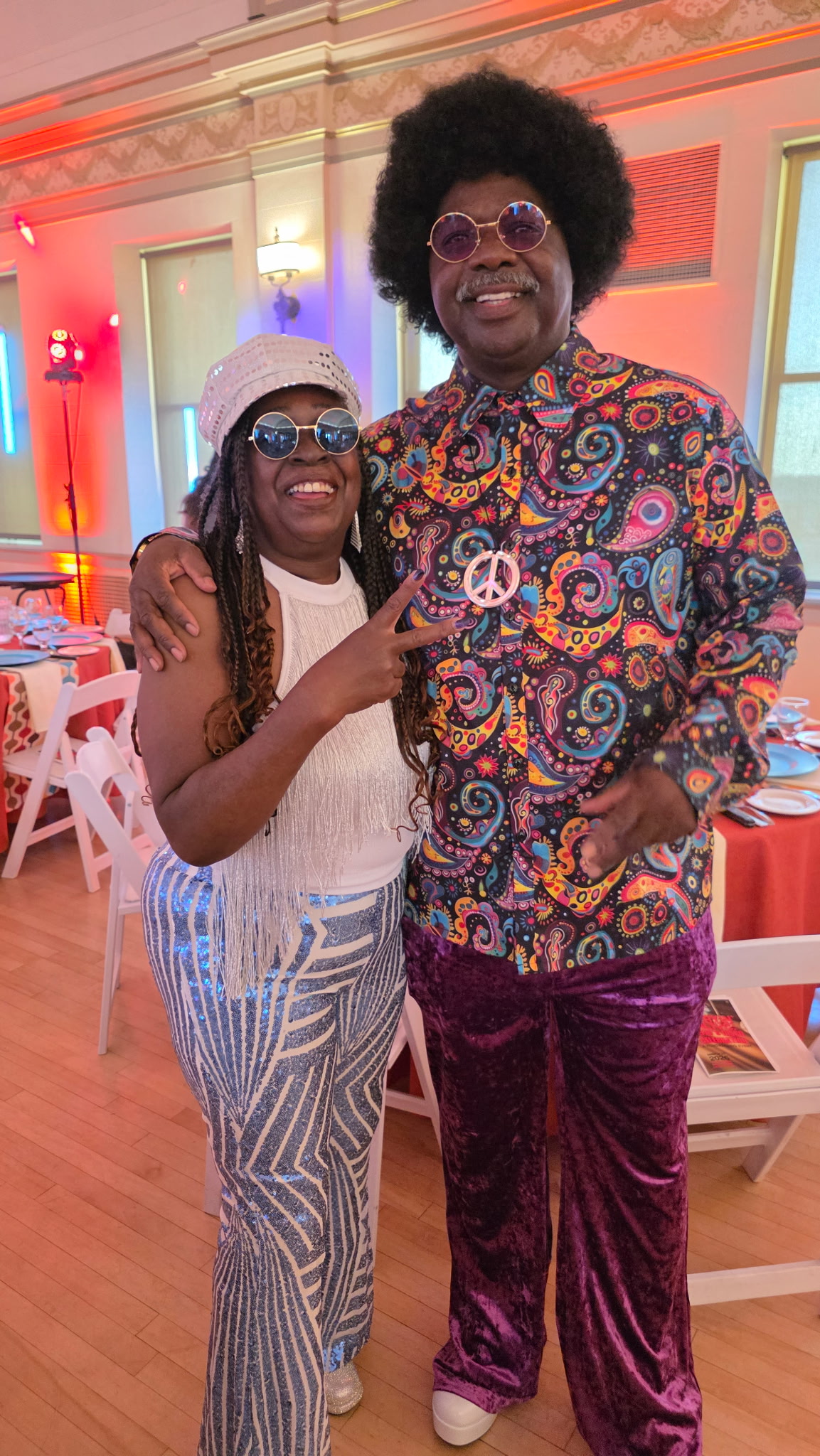
Firstly, I want to gratefully thank all the wonderful guests who supported our 1970’s Gala on March 27th. Despite whatever else you had going on, you made time to celebrate the Fresno City & County Historical Society's 107th Birthday – and what a bash it was! From the music to the décor, to the far-out costumes (were they costumes or just from the back of your closet?), the night was made for dancing and honoring The Archive on Kern and our renovation of that special building into the premiere archival space in the Valley. Of course, you can ALWAYS support us by becoming a member and making a donation HERE. Please do.
I think we needed to party a bit – let’s face it, the first quarter of 2026 has been pretty bleak/grim/sad/scary as we watch a world of uncertainty that we simply cannot control right now. Unfortunately, this has not just been at the global level – Fresno has undergone a completely devastating loss from one of our most trusted institutions as well as the toppling of a legacy, perhaps far too delayed, of a former Icon of a man, César Chávez,
who was widely revered and forevermore will live only in infamy.
This has all been a lot.
| | | |
From the perspective of history, so much has changed so quickly. Thankfully, we can document multiple points of view and perspectives so future truth-seekers don’t get so mired in fake news and early AI errors that the actual stories cannot be discerned. That is our job. But, as people, we, our staff, and probably many of you, feel discouraged and outraged at all that is happening. I wish I could say everything we are concerned about will resolve soon – that would be premature. What can be said is that positive change is occurring on a number of fronts, so we are hopeful for a good turn.
What I have been thinking about a great deal, is What’s In A Name. With technology and digitization, we have learned that we have the capability to research historical and local figures and, quite often, we do not like what is uncovered about past actions, beliefs, and behaviors.
First, I would recommend that we stop naming buildings, stadiums, cities, heck – anything – after an individual, living or not. Why? Because as I have written before, the line of acceptable history is moving constantly. Sure, that has been the case to some degree forever – that is how progressive change is affected. However, there are so very many aspects to consider and just as many opinions. Let’s dig a bit deeper.
| |
Say you were a figure of prominence in Fresno over a hundred years ago. You were highly regarded as a businessman and philanthropist in your later years. A facility you were significantly involved in establishing was dedicated in your name. Everyone agrees this is a wonderful tribute. Enter the 2020s where all secrets can be revealed by a deep dive online into old newspapers or records. Now it is made known that for several years in your earlier life, you were a member of a widely reviled organization with dubious motives, even in the 1920s; a completely unacceptable relationship now but legal and almost normalized back in your day.
Immediately, your name is removed. Is this good policy or bad? More importantly, perhaps, is WHO is or should be the arbiter of decisions such as this at a time where everyone is a self-appointed guardian of Political Correctness?
| Head over to Fresno State. Do you realize the once-lauded Henry Madden Library has been renamed? Do you know why? Directly taken from the University’s own final report on the matter, we should examine the reasons: | |
“Based on the available records, the (FSU) Task Force’s report concluded that Dr. Henry Miller Madden:
- expressed deep antisemitic and pro-Nazi views before World War II, some of which included violent statements;
- continued to express antisemitic sentiments after the war;
- never apologized for, expressed remorse about, or otherwise attempted to make amends for those views at any point;
- never expressed empathy or sympathy for Jewish victims of Nazi crimes, including the Holocaust;
- made racist remarks about Jews and other ethnicities, such as African Americans, Chinese, and Mexicans, as an administrator at California State University, Fresno;
- stated in writing that his some of his policies and actions as an administrator were influenced by his racist views;
- donated his papers to the university after personally curating the contents and with full knowledge that they contained antisemitic and racist statements.
“The final report is the result of the task force’s thorough review of Dr. Madden’s extensive personal papers, which include more than 100,000 letters and documents, and other archival collections.”
| |
It is my understanding that these documents, or at least many of them, were in Fresno State’s own archive (they hold the Henry Madden papers) BEFORE the decision to honor this man publicly on the Library. How did this all slip by the California State University Board of Trustees initially?
Last but not least, remember the controversy over naming the Bulldogs’ stadium after Valley Children’s in 2021. GV Wire reported the following in July 2022:
| |
“Valley Children’s Healthcare’s $10 million, 10-year deal for the naming rights to Fresno State’s football stadium has prompted a backlash on social media and across the community that some say will make them think twice before donating to support the children’s hospital.
“The deal, which was announced in August 2021, was finalized last week when the California State University Board of Trustees voted to approve it. Bulldog Stadium will now be known as Valley Children’s Stadium.
“But the deal isn’t sitting well with some area residents who say Valley Children’s is ‘squandering funds’ and inappropriately putting its name on a facility where sports injuries such as concussions are likelier to occur.
"The critics ask, why not buy naming rights to a school of nursing, or something more appropriate to children’s healthcare? And why does Valley Children’s even need to market itself, since it is already well-known to Valley families, whether or not they’ve used its services?
“‘A nonprofit spending $10 million on stadium naming rights is certainly unusual,’ said Jan Masaoka, CEO of the California Association of Nonprofits.
“‘It’s rare for a nonprofit to spend a large amount sponsoring a building name,’ she said. ‘That’s a lot of money. Who’s their competition? It’s usually that sort of thing that prompts a big push, in response to a perceived concern.’
"Valley Children’s is, in fact, in competition with healthcare providers all over the country to attract the best pediatric subspecialists and clinicians. And, those health professionals are becoming harder and harder to find, president and CEO Todd Suntrapak told GV Wire.
"'With every Fresno State football game scheduled to be nationally televised this year, attaching Valley Children’s name to the football stadium will gain a lot more national exposure and possibly open a few more eyes to the job opportunities here,' Suntrapak said.
“‘If we had to try and secure the number of mentions that we will receive and as the stadium is named and those broadcasts occur, if we had to try and secure that number of mentions just by buying it on the spot market to try and enhance our national brand recognition, we would easily outstrip the investment that we’re making in Fresno State,’ he said.
"'Valley Children’s devotes about $4 million to $5 million annually to marketing, which has included radio and TV spots, print advertising, bus wraps, and billboards, he said. The potential to recruit more physicians and clinicians was worth devoting $1 million of the marketing budget each year for the naming rights agreement,' Suntrapak said.
"'Marketing is among Valley Children’s business expenses paid for through its revenue stream, not out of donations,' he said.”
| |
Hmmm, it would be interesting to know how the community feels now. Certainly, the argument can be made that dozens of major sporting venues have corporate names for nationwide exposure. This is a long-standing trend.
I am curious how YOU feel. Are these dollars well spent in order for arguably one of the best facilities in the nation, VCH, to compete for valuable resources in an ever-shrinking donor pool?
The bigger and critical dilemma is one without a simple answer. Monuments across the country have been installed, removed, and now reinstalled due to opposing shifts in our political winds. Around the world, we have observed statues to Lenin, Saddam Hussain, and so many others come down, perhaps rightfully and correctly.
| |
Watch how this all plays out during America’s 250th Birthday Year – called the Semi-Quincentennial, by the way.
Should historical figures of any stature be removed from the reverence of the public for acts committed at a time when whatever they did was considered unexceptional and legal? Certainly, criminals lose their place of positivity as was seen across California in the past couple of weeks. But should anyone be honored with their names splashed across a community in the first place? And, again, who should decide? Who is the decision-maker?
This leads to the idea we grapple with and grumble about – revisionist history. The common trend now is that if the topic makes anyone uncomfortable, it should be avoided in schools. Does this make sense? Just because a messy and horrible time in our past is taught does not, in any fashion, mean it is currently acceptable – but if history is buried, how do our youngsters ever learn what is right and wrong and see how progress can be made?
History teachers, authors, and organizations such as the Fresno City & County Historical Society are here to ensure the past, ugly, glorious, average, or superlative, gets recorded from as many points of view as possible so generations, current and future, can become educated and form their own opinions. Period. Even when outside pressure would like us to change our mission. Period.
In the meantime, shall we slow our roll on naming places after HUMANS who are, as we know more than ever, increasingly imperfect in the eyes of current beholders. Please help us continue to preserve truth by supporting the FCCHS HERE.
A very heavy topic in a truly uncertain environment.
| | |
Optimistically yours,
Elizabeth Laval
President
Fresno City & County Historical Society
| | |
FIELDS OF FRESNO AG TOURS
2026-27 SEASON
| | |
BACK IN SEASON: BLUEBERRIES, ROOTS & ROWS
The Fields of Fresno Ag Tours return on Saturday, April 25, marking the first tour of the 2026 season.
Spend the day getting a closer look at where these “blue gems” begin, with a route that highlights a fresh mix of stops and experiences across the Valley. This tour brings together a selection of locations that reflect various stages of the agricultural process, from early growth to enjoying the final product.
Ease into the morning at Kearney Mansion with coffee, a light breakfast, and time to enjoy the grounds as the day begins before the day begins. Take a moment to check out the recent renovations at the Kearney Mansion Museum before we head out together.
TOUR STOPS
Kearney Mansion Museum — Fresno
Start the day with breakfast, coffee, and time to explore the historic grounds before departure.
Marthedal Farms — Fresno
Visit a multigenerational farm and see where the Valley’s blueberry season takes root.
California Blueberry Nursery — Selma
Hear from owner Greg Willems and learn how blueberry plants are grown and prepared for farms across the region.
Sweet Girl Farms — Reedley
Stop by the farmstand with owner Liset Garcia and enjoy fresh, locally grown produce.
Marechal Vineyards — Sanger
Enjoy a wine flight, lunch, and a guided tasting experience with co-owner and Events Director, Jenifer Marshall.
The day unfolds across each stop with insight into the people, places, and work behind one of Fresno County’s standout crops.
We will return to Kearney in the afternoon, with an optional 1:30 PM tour available.
Breakfast, lunch, and transportation are included.
Tickets are on sale now. Spots are limited. Secure your seat today! Members receive $10 off Ag Tour tickets.
Be on the lookout for additional tour dates and a season pass option coming soon!
PRIVATE AG TOURS: Let Us Plan It for You
Looking to treat your hardworking staff, team, friends, or family to an unforgettable, customized experience? We have got you covered.
Our private Ag Tours are designed from start to finish with your group in mind. We handle planning, scheduling, and coordination so you can step into a fully curated, immersive experience.
Choose from one of our tour options or let us build something around what you would like to see. From agriculture and local history to food, wine, and unique destinations throughout the Valley and beyond, we will create an experience that fits your group. Adventures are not limited to outdoor settings; there is more to explore than you might expect in our own backyard.
Message us HERE to start planning your private tour.
| | |
2026 FRESNO CITY COLLEGE HISTORY WALKING TOUR
April 30, 2026 5:30PM
| | | | |
Join us on April 30th at 5:30pm for a fun and informative walk through Fresno City College! Dive into the past as we explore the campus and share stories that shaped its history. Perfect for history buffs and curious minds alike. This event is a great way to connect with the community and learn something new. Don’t miss out on this unique experience!
The tour will step off from the campus library and will trace the history of the school on a walk through campus before concluding with refreshments and a special lighting of the Bulldog on the Library Building.
| | |
MOTHERS' DAY TEA PARTY
MAY 9, 2026
| | |
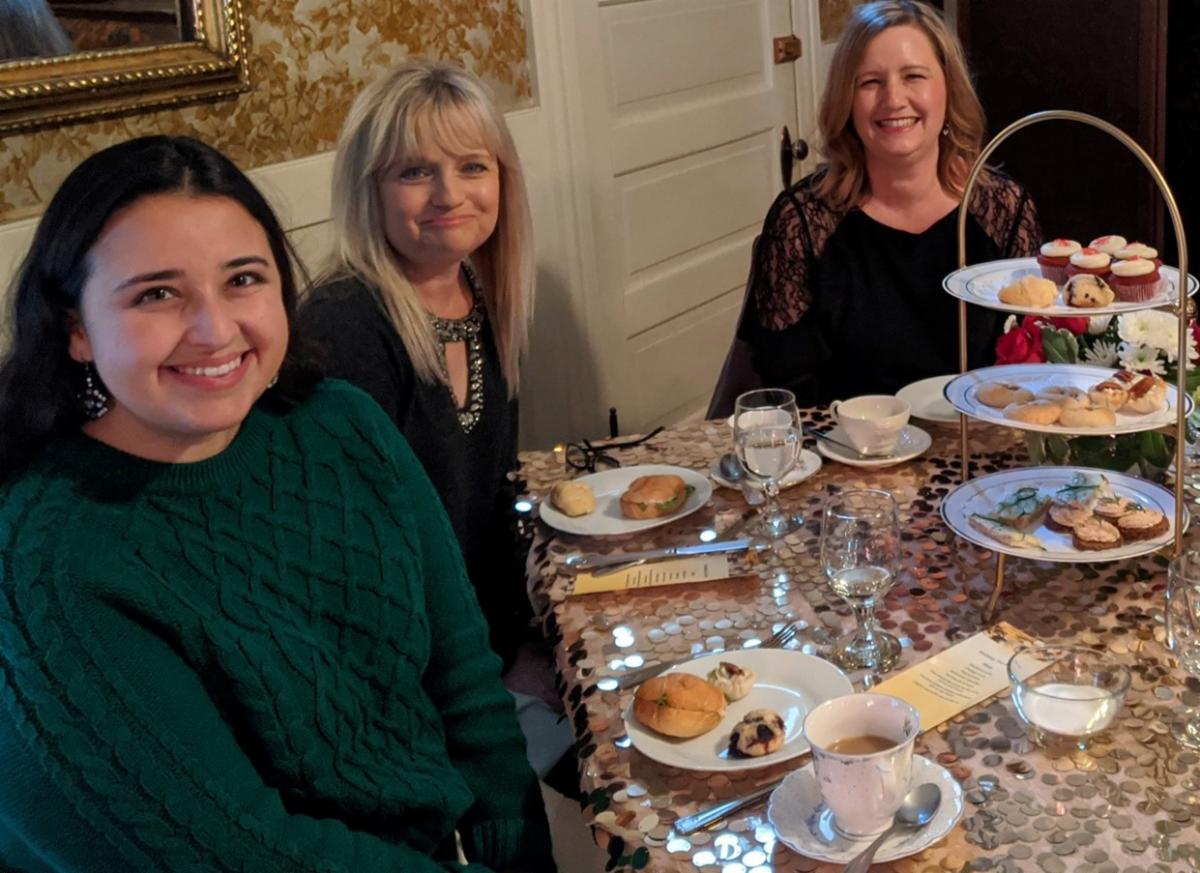
Join us and celebrate Mom on Saturday, May 9, 2026, at the Kearney Mansion Museum with a traditional tea party. This special event offers your choice of seating in the Mansion Dining Room or on the Veranda overlooking Kearney Park.
The event offers two seating times for tea at 11:00 AM and 3:00 PM and includes a traditional tea service and a tour of the Kearney Mansion Museum and Gallery along with a 10% discount on store merchandise.
Seating is limited, secure your tickets today.
| |
|
SEEDS OF SUCCESS: THE PEOPLE AND INNOVATION BEHIND FRESNO’S AGRICULTURAL LEGACY
By Cami Cipolla, Director of Educational Services and Community Engagement
| | |
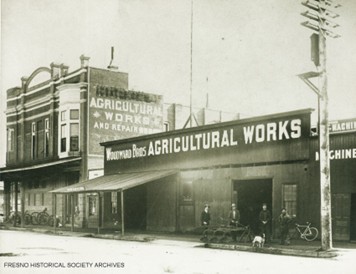
This past month, we have been researching Fresno County’s agricultural roots in preparation for our education booth at the Fresno Chaffee Zoo Ag Day – Food for Thought: Seed to Table event held on March 21st. Diving into the Archives, we uncovered incredible materials that help tell the story of how Fresno became an agricultural powerhouse.
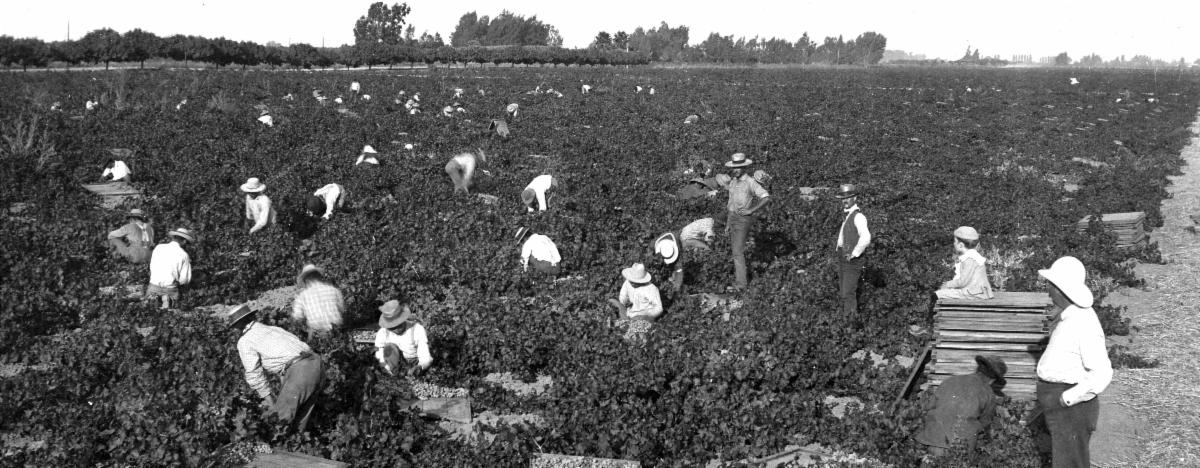
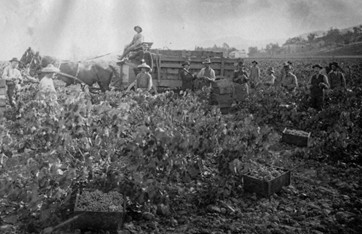
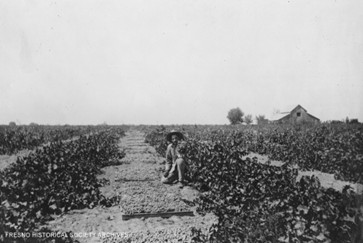
One highlight of this exhibit is the crops that flourished in the Valley, especially grapes. The establishment of commercial vineyards in Fresno County is credited to Swedish brothers Francis T. Eisen and Dr. Gustav Eisen. Beginning in 1873, F.T. Eisen planted grapevines while Dr. Eisen spent years experimenting to improve the production of wine, raisin, and table grapes.
By 1875, the Central California Colony began selling land in twenty-acre parcels, promoting the region’s fertile soil. As settlers planted vineyards, grape production flourished across the Valley. While M. Theo Kearney’s Fruit Vale Estate became one of the largest producers, many smaller vineyards also succeeded through careful cultivation and irrigation.
| |
Fun fact: Fresno County’s raisin industry began by accident! During the scorching summer of 1875, grapes dried on the vines at the Eisen Vineyard. F.T. Eisen decided to sell them anyway, marketing them as “Peruvian Importations” in San Francisco. Once discovered to be locally grown, Fresno raisins quickly gained a reputation for quality, launching one of the region’s most important industries.
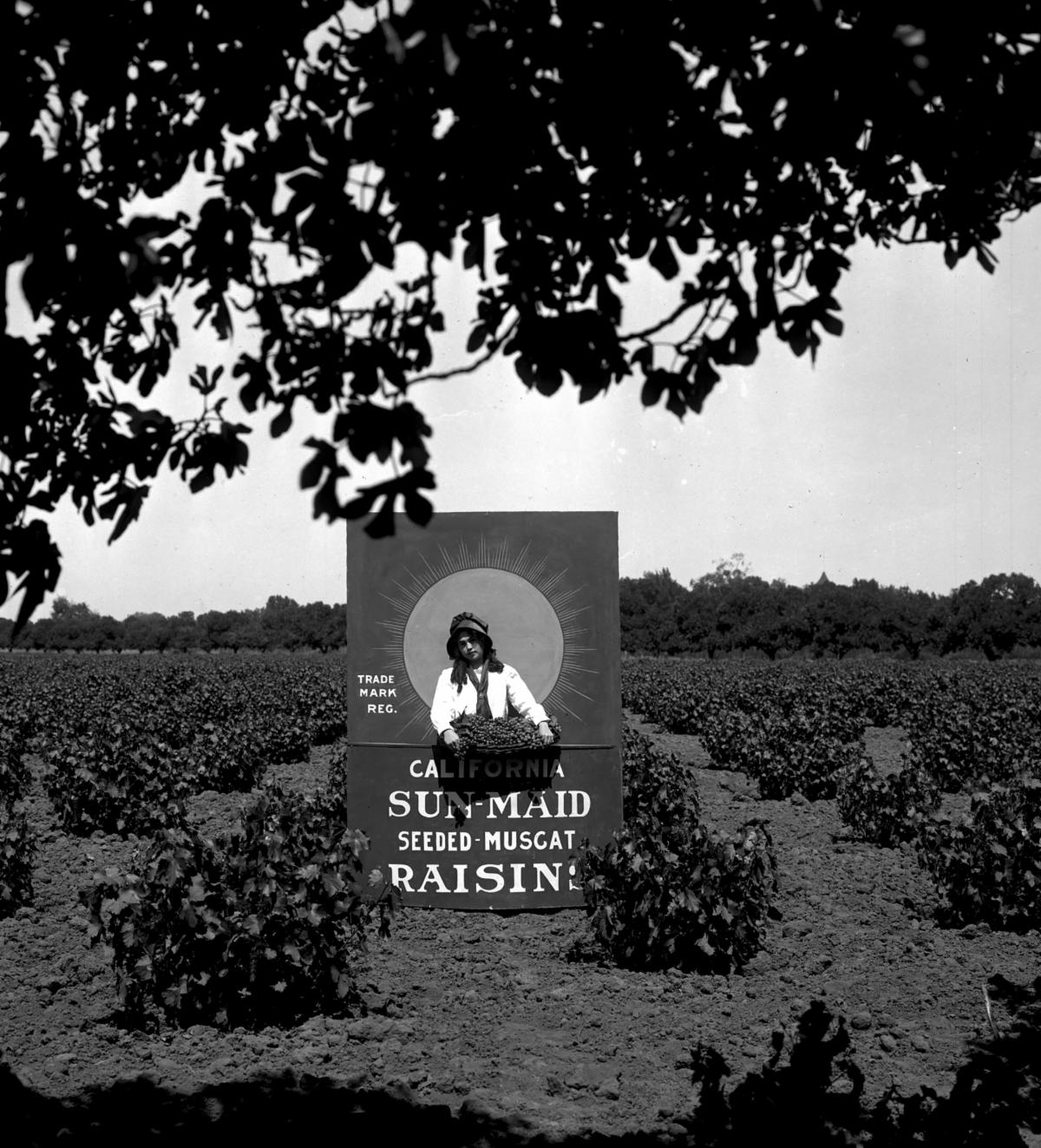
That industry would later be shaped by Sun-Maid. Founded in 1898 as the California Associated Raisin Company, it rebranded in 1915 and launched a national marketing campaign. The now-iconic image of Lorraine Collett in her red bonnet became a symbol of California agriculture. Through creative advertising, from cross-country raisin trains to the famous California Raisins, Sun-Maid helped make the Valley’s crops known worldwide.
| | |
Agriculture has always relied on innovation. Early farmers used labor-intensive methods, but over time, new technologies transformed the industry. Grain elevators improved storage and transport, milking machines revolutionized dairy work, cotton harvesters replaced hand-picking, and combines allowed farmers to harvest grain more efficiently. These advancements helped shape modern agriculture in the San Joaquin Valley.
Of course, agriculture in Fresno County is also a story of people.
Armenian immigrants, including the Seropian brothers, arrived in the 1880s and quickly became leaders in vineyard cultivation and fruit packing. By 1930, Armenian farmers owned nearly 40% of the raisin acreage in Fresno County, playing a major role in the region’s agricultural success.
African American farmers also helped shape the Valley. Beginning in the late 1800s, many families established farms and built communities. Towns like Allensworth became important centers of Black agricultural life, reflecting resilience, independence, and community-building.
Japanese immigrants contributed significantly as well. By the 1890s, thousands were working in Fresno County’s fields, and many later established their own farms. Despite facing discriminatory laws, Japanese farmers developed thriving agricultural communities and became leading producers of fruits and vegetables.
Women, too, played a vital role. Farmers like Julia Fink-Smith and Augusta Fink-White pioneered raisin production, while a group of female educators, Minnie F. Austin, Lucy Hatch, E.A Cleveland, and J.B Short successfully operated the Hedgerow farm, proving that ladies were not only capable farmers but leaders in agriculture.
Through the dedication and innovation of these diverse communities, Fresno County grew into one of the most productive agricultural regions in the world. Today, with a gross production value exceeding $9 billion, Fresno County remains a global leader in agriculture, continuing a legacy of feeding communities near and far.
| | | |
ARCHIVAL SPOTLIGHT
Preserving Your Past: A Simple Guide to
Caring for Family Treasures at Home
By Donald Spencer MSc., Archivist.
| | |
Hello Friends of the Archives,
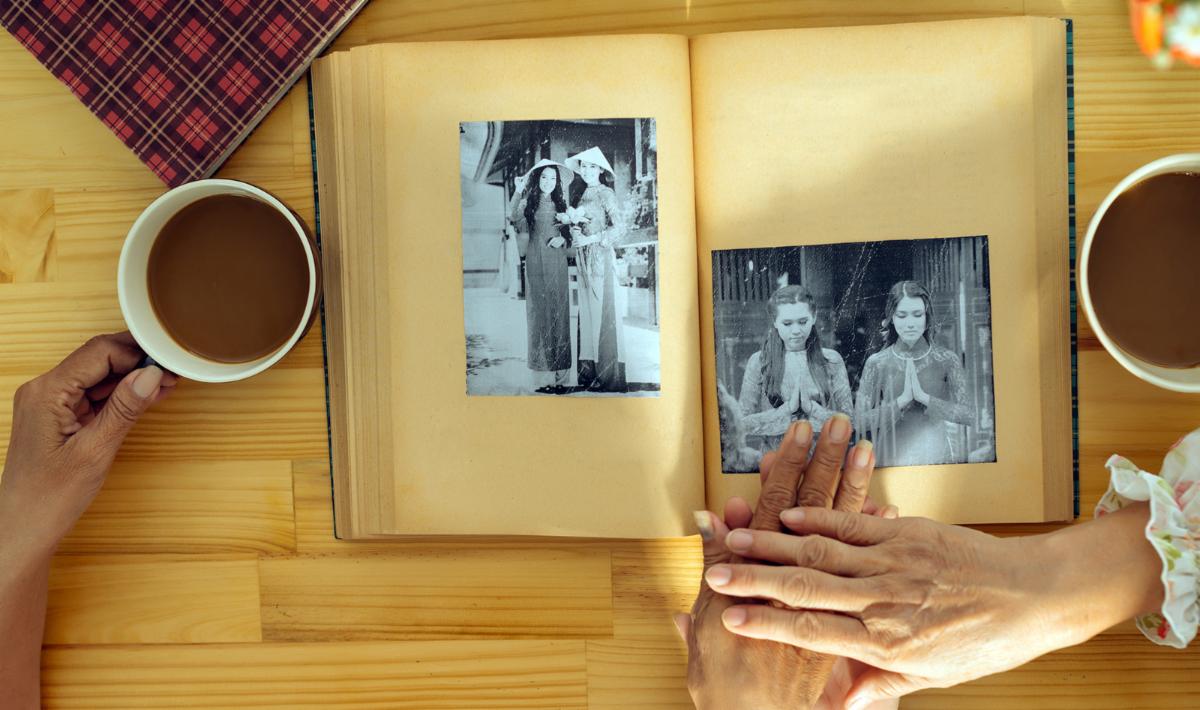
In my time here as the Archivist for the Society, I have received a very common question that I have found quite interesting. The question is simple, but an important one; “How can I preserve this item at home?” Whether it is a box of family photographs, a cherished heirloom, or even something new that you already know will carry meaning for years to come, preservation does not have to begin in a museum, it can start right at your table.
Many individuals in the greater Fresno area are either not ready or wanting to donate their historical items to the archives, which is completely understandable. Maybe a family member wants the item later in life, perhaps you want to gift it, or you love the item, but it does not fit within the context parameters of the Fresno Historical Society. Well, I am here to help, nevertheless. At its core, preservation is about slowing down the natural processes of aging and damage. While professional archives use specialized materials and controlled environments, there are many practical and affordable steps anyone can take to protect their own personal collections.
The first, and certainly most important, principle is environmental control. Heat, light, smoke, grease, and moisture are the greatest threats to most materials, especially paper items. Whenever possible, store items in a cool, dry, and stable space where you can almost guarantee what changes will happen in that space. Attics, garages, or basements where high temperatures fluctuate and humidity is almost a certainty. A closet inside your home is often a much safer option because its temperature is controlled by your home cooling system, it is dark, and much more likely to have a low humidity level compared to, let us say, a basement. Keeping all older or historical items away from direct sunlight is incredibly important and always in the forefront of a preservationist mind. Sunlight will increase fading, yellowing, and the deterioration of all items, paper or not, over time. Worst of all it is irreversible. Thus, when it comes to preventive care, keeping your family treasures in a dark or light controlled area is paramount.
| |
Equally important is proper handling. Clean, dry hands go a long way in protecting paper materials. Long gone are the days of gloves while holding old or fragile parchment, newsprint, or vellum papers. Clean dry hands are the best methods for paper because gloves can increase the chances of tears or mishaps because of the lack of tactile dexterity with the pages. Moreso, the natural oils in your freshly clean fingers can help rejuvenate certain materials like vellum (leather pages). Going forward, it is a universal rule to handle items as little as possible, and always support them fully, especially fragile book spines or delicate material items. Avoid using tape, rubber bands, or metal paper clips because these can cause permanent damage, marks, or indentations.
For storage in your homes, simple upgrades can make a huge difference in the longevity of your possessions. At the simplest level of material demands, using acid-free folders, envelopes, or boxes helps prevent long-term deterioration of paper and photographs. These materials are widely available online, or at office supply stores. Another helpful step is organization and documentation. Storing your items or acid-free boxes on metal wire racks helps evade the accumulation of dust that can harm the artifacts in the long term. Likewise, labeling photographs, identifying people, leaving cards with an item that gives a short history, and recording dates or stories ensures that the meaning behind the item is not lost over time. This preservation of information helps family members truly know the significance of what something is. That way when these collections are passed down to the younger generation, the story carries on and identifies the items as important instead of some “random” stuff in a closet. A photograph without context can quickly become just an image, and an object with no story quickly loses its luster. With mere a name or a note, any object then carries on its decade’s worth of history, and that family member who owns it next no longer is confused by it but instead sees themselves as the next stage of that item's history.
For those working with more delicate or valuable items, there are additional options. Digitization is a very useful resource to consider using. Scanning photographs or documents can create a backup and make sharing easier while reducing the need to handle originals. These digital copies can be backed up in a cloud-based service, assuring their survival and accessibility for many more years. There are also many reputable suppliers of archival materials, including companies like Gaylord Archival which offer preservation supplies at a range of price points. Amazon is also another great and affordable resource, however, consider looking into local business to support first.
Preserving your history does not require perfection. Even small changes like moving items out of a garage, placing them in a protective folder, or simply writing down a name, can make a lasting difference. These easy actions help ensure that the objects and stories you value today remain accessible for future generations. And best of all, most of this preservation work can be done while binge watching your favorite shows. So, make it fun, and not a chore. In many ways, archives begin at home. By taking a few thoughtful steps now, you are not only protecting your belongings, but you are also preserving your story. Whether you donate to the Fresno City & County Historical Society, or pass it on to a loved one, this work helps us all immeasurably.
| | |
NEW COURTHOUSE PARK WALKING TOURS!
BY Debbie Unger, Tour Manager
| |
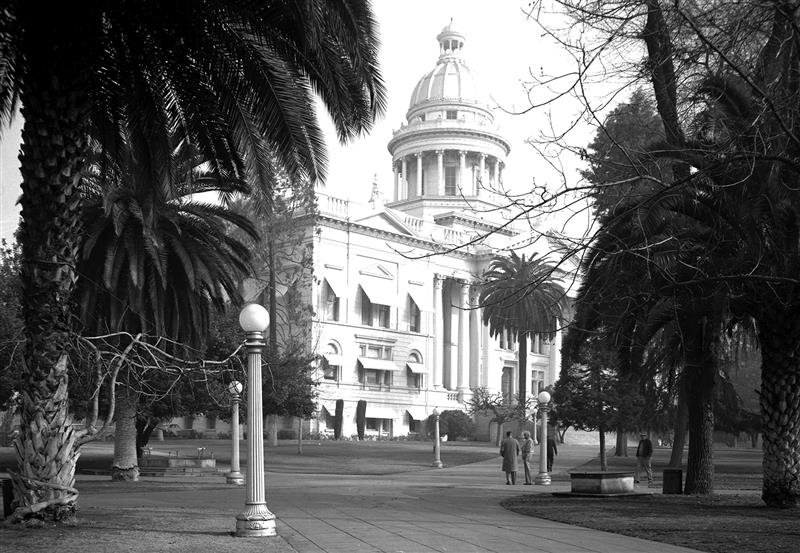
Exciting things are happening this spring! Beginning April 17, 2026, the Fresno City & County Historical Society will offer an add-on expedition to Courthouse Park in downtown Fresno. We invite you to join us for this new experience!
The Archive On Kern tours begin at 3PM where you will be guided through the history of the Fresno Printery Building, tour the exhibits inside and depart at 3:45PM for the new Walking Tour of Courthouse Park! You'll definitely want to plan to arrive a few minutes early and wear comfortable walking shoes.
The Walking Tour ticket can be purchased separately online or at the door and are available on Fridays and Saturdays at 3:45PM. This provides a wonderful opportunity for visitors to experience Fresno’s history in a whole new way.
Courthouse Park has been at the heart of Fresno’s story since the City’s earliest days. Your guide will tell you all the stories; how the park became the civic center of the growing community, stories of the historic courthouse that once stood there, and who currently owns the original cupola! You will also discover how the surrounding area helped shape Fresno into the city it is today.
This tour is a perfect weekend option for history enthusiasts, downtown visitors, and anyone curious about Fresno’s past. Our dedicated guides will share historical insights that make the past come alive right where it happened.
So come downtown and come take a walk through history with us—we look forward to seeing you! Get your advance tickets online today!
| | |
VOICES OF THE VALLEY: PRESERVING FRESNO’S STORIES, PAST AND PRESENT
By Cami Cipolla, Director of Educational Services and Community Engagement
| | |
Founded in 1919, the Fresno County Historical Society preserves primary source materials that tell the diverse story of the San Joaquin Valley. Its collections, spanning 1848 to 2026, document the region’s development through the records of civic leaders, businesses, and community organizations. The Society also supports educators by providing local resources that connect national events to Fresno’s unique story.
In 1977, the Society launched the Ethnic Oral History Project to record the life histories of African American and Mexican American community members. Funded through the Comprehensive Employment and Training Act (CETA), the project gathered 31 audio oral histories between 1977 and 1978. These interviews explored migration, education, discrimination, civic life, and major events such as World War I, the Great Depression, World War II, and the Civil Rights Movement.
Today, these recorded narratives, complete with transcripts and summaries, remain invaluable resources for researchers, educators, students, and the broader community. The Society continues to expand this work, collecting oral histories that reflect the rich diversity of California’s Central Valley.
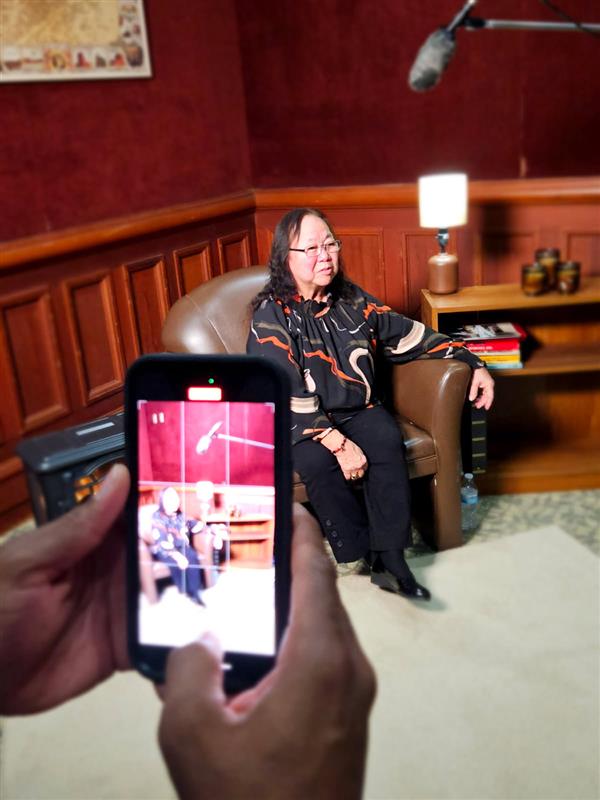
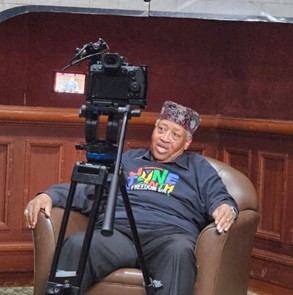
In the last 18 months we are proud to report that we have completed 42 video interviews. Participants represent eleven ethnic groups and range in age from 26 to 92, with storytellers from neighborhoods across Fresno. Each conversation offers a deeply personal perspective shaped by immigration journeys, cultural traditions, and lived experiences.
We are intentionally gathering stories that reflect Fresno’s complex cultural fabric. Our commitment is to ensure that every resident has the opportunity to share their story and preserve their heritage. This dedication to inclusion is central to our work.
Through this effort, we are helping usher in a more inclusive, community-driven approach to historic preservation—one rooted in the voices of everyday people. The impact is profound, not only for those who participate, but for future generations who will benefit from this growing archive of lived experience.
We have documented stories of triumph and loss, migration and resilience, identity and discrimination, and the pursuit of opportunity. These narratives illuminate the full spectrum of human experience and deepen our collective understanding of Fresno’s past, present, and future.
Oral history is more than storytelling, it is the preservation of cultural memory. The story of Fresno lives not only in official records, but in the voices of the people who have shaped it. We are honored to help preserve those voices.
In addition and in collaboration with Rich Media and the Chinese Consolidated Benevolent Association (CCBA), the Chinese American Museum Project recorded four powerful oral histories featuring Beverly Cho, Mary Fung, David Joe, and Franklin Ng. These stories are available to view on our YouTube channel, Our Valley History (@ourvalleyhistory146).
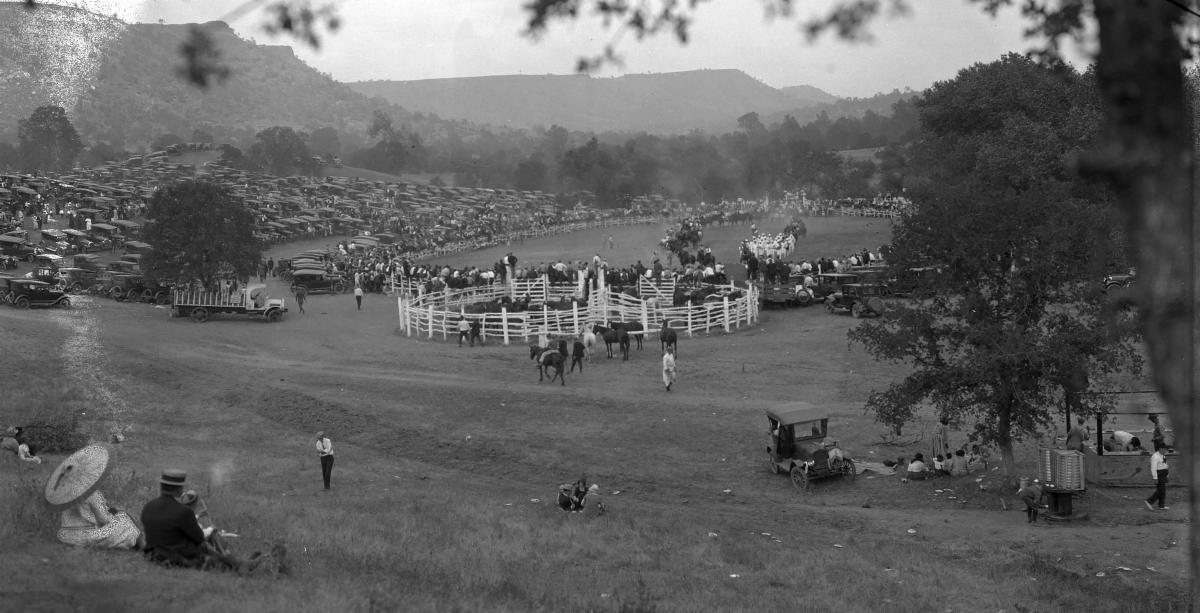
| | With the Clovis Rodeo coming up this month, we thought we would take a look back to a unique article from The Fresno Morning Republican published in Spring 1926. A reminder that this was written in the vernacular of the day and every reader should consider that, although this piece would never get published today, only 100 years ago – a simple century – this was perfectly acceptable journalism read by all. | | |
“OLD SPANISH RODEOS WERE COLORFUL"
"GALA EVENTS IN EARLY CALIFORNIA HISTORY”
“Californian Roundups Of Early Days Colorful”
“Back in the days when the early Spanish dons ruled over vast grants of land it was the custom of the rancho owner to hold each year a rodeo to which he invited his neighbors for miles around. And chief among the honored guests was always a padre from a distant mission, who was noted for his story telling proclivities. Nothing was left undone for the comfort of the guests and in those days rare old wines were served generously. Riders rode hard and their reward for exceptional horsemanship feats was an encouraging smile from a beautiful senorita. Of course, there were scores of guitars and mandolins, gaily bedecked caballeros, and beautiful senoritas, and the deep blue, star-studded sky overhead. The thousand night sounds and odors of California nights also loaned to the atmosphere complete romance.”
| | Wes Qualls Rodeo near Auberry, May 10, 1925. Pop Laval Foundation. | | |
“Rodeo--in Spanish it is the equivalent of cattle market: present significance, it is "round-up." This last phrase is characteristic of the vast domain west of the Rockies.
“Rodeo and round-up are two old words as far as California usage is concerned and their application goes far back into the dim. blue mists of long ago, back to the time when some jovial padre, Californian of early days, was the honor guest at a rodeo for two reasons perhaps. One showed him as a representative of the church and the rancho don, never failed to include in his invitation a padre. The other was the spiritual trend of rodeo, which it was agreed be submerged more or less, was turned into channels of storytelling. And the good padres of old Spanish days in California were men, spiritually and physically.
“Rodeos of the early Spanish California days were the big social events on the ranches and on these occasions the ranch owners for miles around the point of festivity were invited. This, then, gives a brief outline of old-time rodeos.
“Today a rodeo is a commercial enterprise which, in most instances, is said to have paid the sponsors. Any person is welcome to the 1926 rodeo - if he has the necessary peso.
“In the old days invited guests rode horseback or in ox drawn carts. Today the highly polished auto in nickeled trappings makes the trek. Among these at a recent rodeo was an Ajax six sedan from the Childer -Nash company, Van Ness avenue, as The Republican scout car. The only difference between the old and the new is the mode of travel and yet, at the old-time rodeo, there was taken from the program more real enjoyment than is offered today.
“There is in ‘Rodeo In Southern California,’ by H. A. Vachell, in Living Age for 1904, a delightful word picture painted by the author which is so forceful as to leave in mind all the vivid incidents.
“According to Mr. Vachell, all neighbors of a don giving the rodeo for 100 miles around were invited for participate. Preparations for the fiesta began several weeks in advance and as soon as the invitations were received senoritas looked to their guitars and mandolins, which were restrung and polished. Talk of the caballeros turned to brave deeds and feats of horsemanship. Meanwhile the major domo ship. ‘did his stuff.’ He saw to it that the roughly hewn, heavy timbered tables were placed in shady willow nooks along a burbling, crystal clear stream that meandered across the don's property.
“On the eve of the rodeo those coming from a long distance began to arrive. Some brought along as many as six vaqueros and strings of horses, 40 to 50 in number. Father Jerome of Santa Barbara mission also arrived, the honored guest. Since he was best of good fellows, the don had no need to worry about Father Jerome's entertaining his many guests, as he was an excellent storyteller. Most of the guests arrived by sundown, only those living in close proximity to the rancho postponing their arrival until early the day of the rodeo.
“Rodeo eve, and at the back of the rambling, red tiled adobe rancho, peons and Indians gathered to listen to the commercial harangue of Isaac, the wandering son of Israeal. Isaac is just as welcome at the rodeo as another guest and he certainly took advantage of every opportunity to display his wares which included sheer mantillas, robozos, embroidered gloves, and silk hose. Isaac's audience is held spellbound by the multi-colored display and he never leaves the rodeo without a heavy purse.
“After 6 o'clock vespers and a hearty meal followed by the various old vintages, Father Jerome would leave his host to join the brave caballeros. in their dressy, velvet clothes, waist jacket, and flaming sashes. Before a cheery campfire in front of the rancho Father Jerome called back sweet memories of Spanish California, interspersing his story with deeds of the caballeros of Old Spain. Above, the stars lent their glittering points to further enhance the blue black of the heavens, vying, it seems, with the steady flame of the campfire, to throw into silhouette the seated restful members of the good father's audience.
“Off to one side is another group composed of the young people whose happy voices rise in still evening air in love ballads so dear to all in those grand old days. Dancing is an extremely important factor on rodeo eve and the pretty and accomplished young women dancers are highly popular. Gradually the various groups grow smaller and smaller until at last only the stars above keep watch. The campfires have sunk to a red glow. Off in the direction of the corrals the horses nicker occasionally accompanied by the dull thud of a restless hoof.
“All about the still night air is pungent with hundreds of sweet California odors. Shrilling of crickets and the dreamy song of the mocking bird make earth seem unreal.
“Long before the sun rises on rodeo day above distant mountain crests, vaqueros are in saddle and from the nearby ranches drove from canyon mouth and hills the cattle be featured in the rodeo. Reliving those scenes of a century ago, we see a stubborn, two-year -old break from herd and crash his way down rocky, brushy hillside, down which one would hesitate go on horseback.
“Near the rodeo ground, the barbecue is being prepared. Soon a few Indians bring from the rancho house, the salsa, a sauce expertly compounded of chilies, tomatoes, and onions, while the padrone himself superintends the cooling of the wines. Real work is about to begin. Cutting out and branding calves is arduous. Clouds of dust hang heavily over the corrals. Then comes the respite during which the barbecued meat and other good things are enjoyed. And, after this sumptuous banquet, sweet indeed is the siesta.
“A stout Mexican is comfortably ensconced on the ground in the shade of a pepper tree, snoring lustily. Beside him, equally interested in sleep is a handsome youth with black curly hair. In sleep this youth's features are delicate, almost effeminate and yet, he is none other than the notorious outlaw, Don Pedro Raminez, slayer of men, lover of many women, and destined to be shot down like a dog by a sheriff's posse. Two hours later, Don Pedro slaps the big Mexican awake. Other dashing vaqueros awaken and chaff each other. While Don Pedro is a dandy pure and simple, yet his horse's needs come before his own desires. In saddle, Don P.’ is the grand person. Perhaps little Magdalena drops a 'kerchief and at the same time coquettishly lowers her eyelashes. With an enviable grace, Don swerves his stallion, a few quick strides, an easy' sweep from the saddle and lo, Magdalena feels her 'kerchief gently thrust into her eager hands.
“Over at the corral preparations are complete for the rodeo show. In its center is a long-horned bull. A gate is opened. In dash two mounted vaqueros. The bull comes to life, paws the earth vengefully and decides flight is better than fight, so he turns tail and is chased, around the corral several times. Two other vaqueros are stationed just outside the gate, one on either side of the entry. With a whoop gate is opened again and Mr. Bull makes for his apparent freedom. As he passes outside, the two foot-vaqueros make a grab for his tail. One gets a death strangle and it is up to this lucky fellow to throw the bull within 60 feet of the corral. If he succeeds, he is a hero.
“Again, a champion rider hears a thirsty maiden mention the fact that dust is very dry and choking. The enterprising young don without word swerves his mount and dashes to the house. A few minutes lates he swings into view balancing gracefully a tray holding several filled champagne glasses. With a rattle of trappings and a cloud of dust the exultant caballero flourishes the tray to a waiting duenna. Not a drop mars the highly polished silver platter.
“Then for the bloodthirstily inclined, a grizzly bear has been captured several days previously, and he has been starved to make him ferocious. Into the corral with an equally ferocious bull goes the grizzly. The fight is on. (sic…Censored.) Nine times out of 10 the bear wins. Thus from one event to another until the program is run off there is excitement, interest, and joyous fun.
“Up to about 15 years ago California rodeos were carried out by a group of ranchers. In those days there was set aside each year a week to 10 days of play by cattlemen for their employees and themselves. They, too, put on races, dances, roping contests, drank hard liquor, smoked sweet tasting perfectos, but ‘rolling your own’ topped the list of popular smokes. Each cattleman interested in this play period provided some meat. Cash prizes were offered winners of the various contests and to pay for these the rodeo committee sold good liquor, restaurant dinners, and held dances. Since 1910, or thereabout, ranchers have commercialized rodeos. Many interesting fairs have been staged. However, at these, you pay your dollar, see a program of events and then go home, all the same day.
“Since this is the period of the year for rodeos, Valley people are given ample opportunity to see how the modern rancher stages these events. Among the recently held rodeos that proved interesting. were those at the Qualls ranch, Auberry, Rufus Hughes at Oakvale, Piedra show.
“Scheduled today is the Coarsegold affair sponsored by the Madera County Cattlemen's association, and on May 9, Harrison brothers on Clovis road.
The Coarsegold show this day is a real attempt on the part of Medera county cattlemen to establish in time a rodeo on a par with that of Pendleton, Oregon, and to outrival the Salinas rodeo and compare favorably with the Cheyenne roundup.
“How different are the rodeos of today. Only small bits of the early Spanish rodeo days are echoed in 1926. All are commercial or have for their aim to cement cattlemen into a union of strength. Such is the aim of Madera cattlemen. The only reasons an admission is to be charged is to pay riders for their performance and to start a fund to make permanent and to enlarge the Coarsegold rodeo.
“Nowadays, the paying ‘guest’ at a rodeo arrives in all the splendor of a highly polished automobile. A few come horseback and rarely do you see a horsedrawn vehicle. The old Spaniards of California handed down to posterity rules of etiquette that have long since been forgotten. However, the spirit of the rodeo is alive and always will be alive as long as California keeps up its immense industry.”
Article penned by Arthur J. Ulm
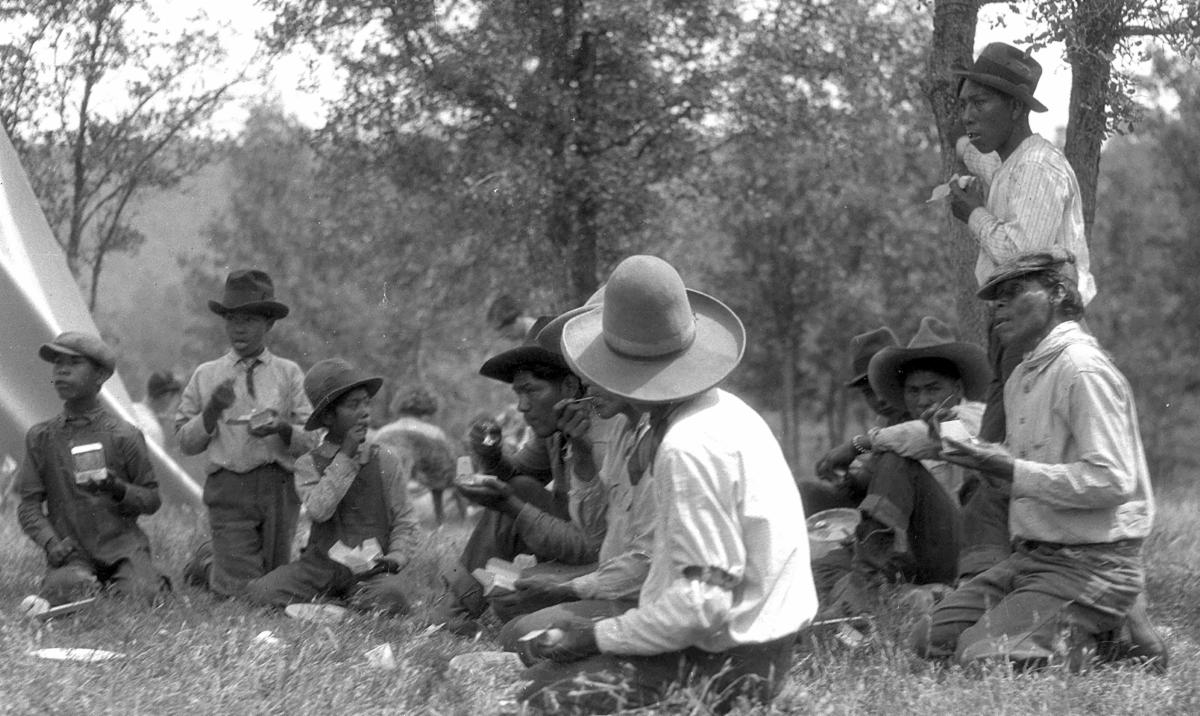
| | Native Americans picnic at the Auberry Rodeo, 1925. Pop Laval Foundation. | | Appalled or intrigued, thank goodness someone, regardless of their obvious point of view, was able to capture a story like this in such colorful language. Can’t you just smell the barbeque, and hear the swish of the ladies’ skirts as they danced joyfully to music that spoke to them of their culture, their history? So many of our Valley towns are known for their proud rodeo traditions. Imagine people 10 decades from now reading about all the festivities in 2026. Making History Every Day…. | | |
MAKING HISTORY EVERY DAY
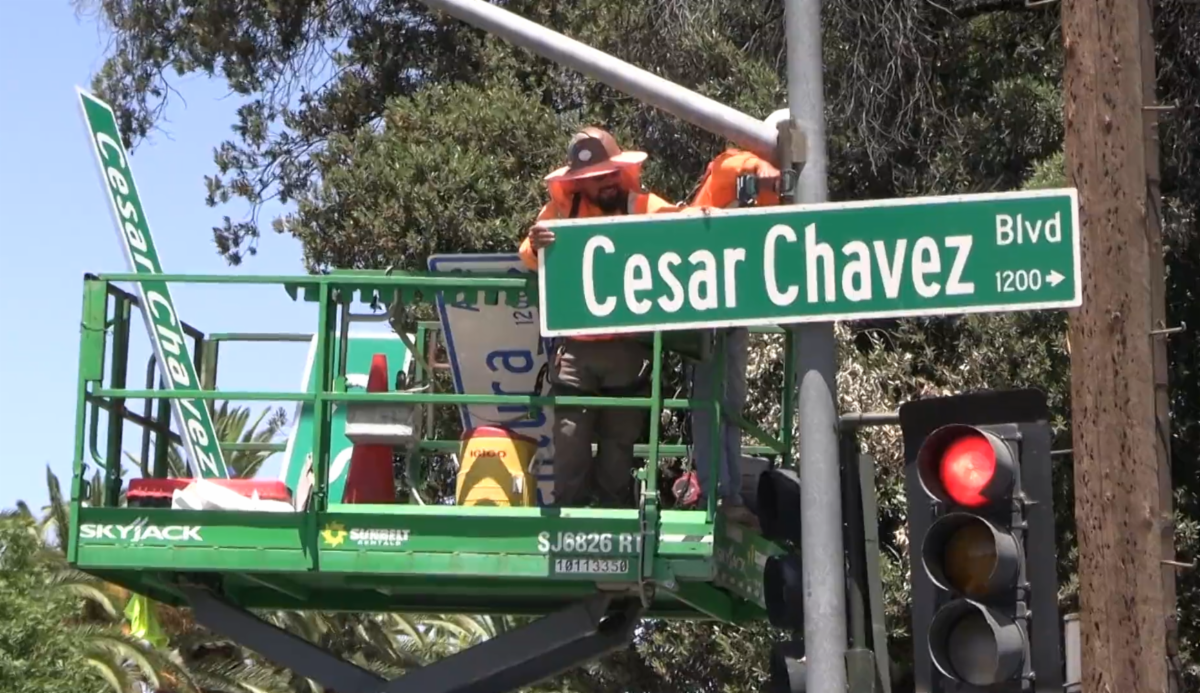
Fresno leaders plan to rename César Chávez Boulevard
after bombshell report
By Thaddeus Miller. Reprinted from: The Fresno Bee, March 19, 2026.
| | |
Hours after a bombshell New York Times report that civil rights leader César Chávez allegedly groomed and abused children and raped women, Fresno leaders and advocates called for the removal of his name from street signs.
Chávez, who died at 66 in 1993, has long been viewed as a civil rights icon and revered figure for his work in organizing farmworkers in Fresno and the San Joaquin Valley. The Times report listed civil rights icon Dolores Huerta among his accusers, as well as women who were as young as 8 when they said they were first groomed and later assaulted by Chavez.
The city of Fresno put his name in 2024 on a major thoroughfare that once shared the names Kings Canyon Boulevard and Ventura and California avenues.
One of the local leaders to carry the idea to fruition was Councilmember Miguel Arias, who said Wednesday he felt lightheaded and thought he might faint when he heard the allegations from Huerta, who said Chávez raped her in 1966.
He called for the removal of the roughly 200 streets signs along the 10-mile stretch of the boulevard.
“When the matriarch, though I would describe it effectively, when the abuelita sits you down at the dinner table and tells you the truth about what happened back in the day, we have a responsibility to listen and to act in a way that honors the pain and sets a new standard for the rest of us to adhere to,” Arias said.
He said it would take some time to figure out the process to remove the names, but said he would pursue it.
In its 2022-23 budget, the City Council earmarked $1 million to cover the costs for replacing city street signs at intersections.
Acting City Council President Nelson Esparza told The Bee on Wednesday he planned to a sign the order for a special meeting of the council for Thursday, when a regular meeting is already scheduled.
“I’ve heard enough, I’ve seen enough,” he said. “I support the survivors.”
Esparza said he planned to vote for bringing the signs down, calling the allegations “heartbreaking.” He said he was told the city retained many of the signs that were replaced by César Chávez Boulevard.
Fresno County Supervisor Luis Chavez, who is not related to the civil rights leader, was on the City Council in 2023 and was among the majority that voted 6-1 to change the name.
He said on Wednesday he no longer supports the street name.
“Had I known then what I know now, I would not have supported that,” he said in a written statement. “As a foster parent for seven years, I’ve seen the devastating effects of sexual abuse of children. I have zero tolerance for that.”
Chavez stressed the movement to fight for the rights of farmworkers should not be overshadowed by feelings for the acts alleged of the civil rights leader. He praised Huerta and the other victims who spoke up.
The effort to rename the boulevard was not without controversy. Local residents argued the change could be a hassle and expense for business owners with Kings Canyon or other addresses. Members of the African-American community noted the California Avenue piece of the stretch of boulevard held historical value.
Sections of the road that fell within county islands never saw the change, including the Kings Canyon signs that remain in the area of Clovis Avenue. The Board of Supervisors voted unanimously against the change.
A nonprofit that formed around the time the City Council was discussing a potential name change also called for the street to return to its former names. Called 1 Community Compact, the group filed a lawsuit, that alleged the council’s decision to put the resolution’s vote on the consent agenda was a way to “limit” council debate and public participation.
A judge ruled in favor of the city.
A César Chávez statue at Fresno State was covered by a black cloth, according to an eyewitness on Wednesday. The school’s media office told The Bee a statement was being prepared.
Read more here.
| | SAN JOAQUIN VALLEY TOWN HALL CORNER | | | | |
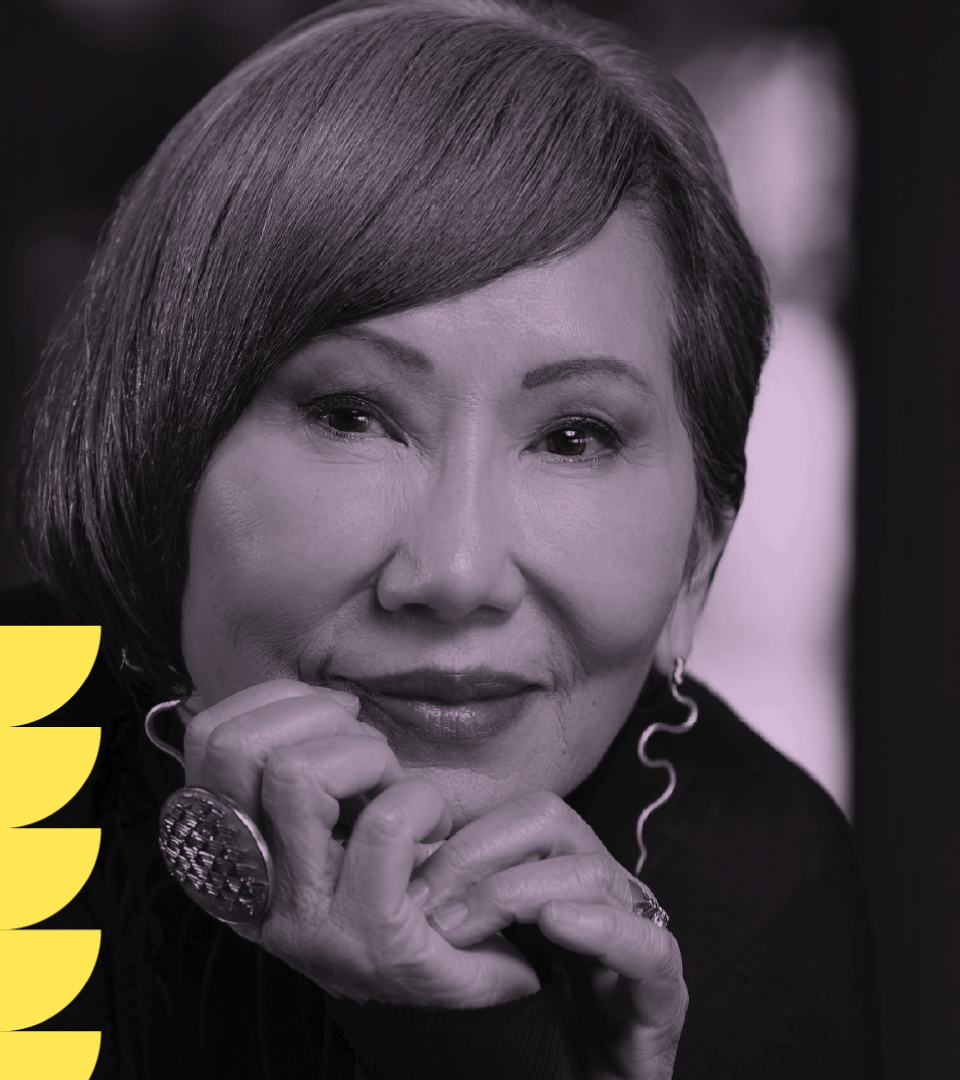
AMY TAN
APRIL 15, 2026 @ 10:30AM
WILLIAM SAROYAN THEATRE
The Backyard Bird Chronicles
Feathers, Flight, and the Art of Paying Attention
Best-selling Author
Discover the unexpected joys of birdwatching with Amy Tan, beloved author of The Joy Luck Club, as she shares insights from her beautifully illustrated memoir, The Backyard Bird Chronicles. With warmth and wit, Tan reveals how observing nature became a source of creativity, mindfulness, and wonder. This conversation will inspire you to see storytelling—and the world around you—in a whole new light.
| | | | |