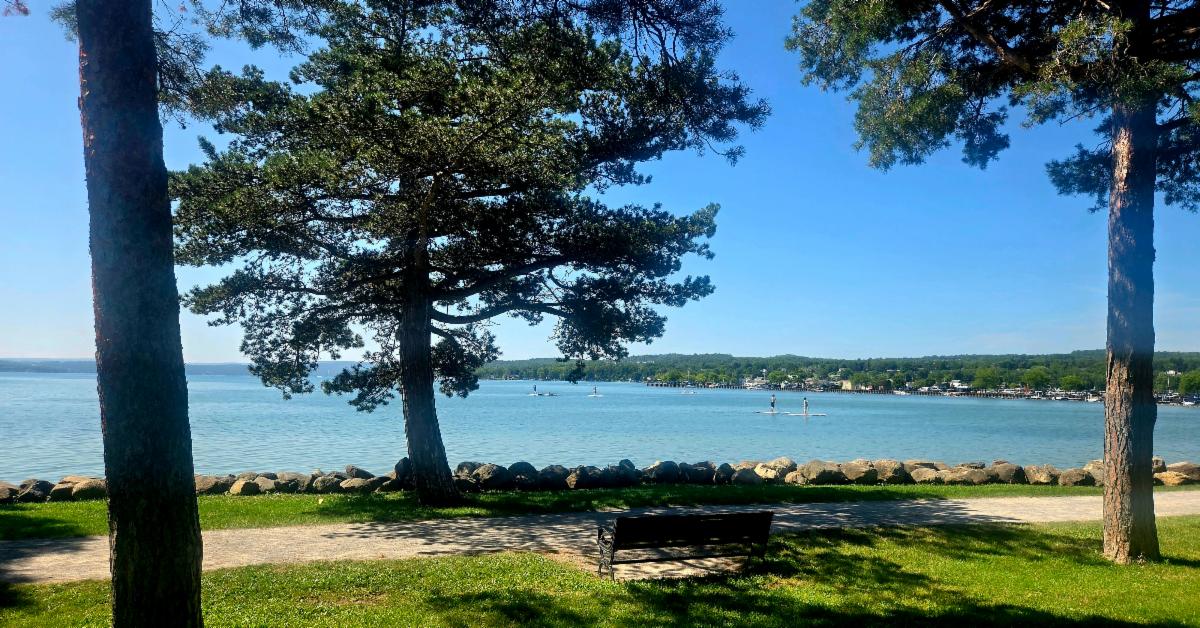
Water Quality Update for Friday, August 21st, 2026 | | Did someone forward you this email? Click HERE to subscribe directly. | | The CLWA Weather Station is located at Canandaigua BoatWorks on the east side of the lake. | | Friday morning at Kershaw was a beautiful time for some paddleboarding. | | |
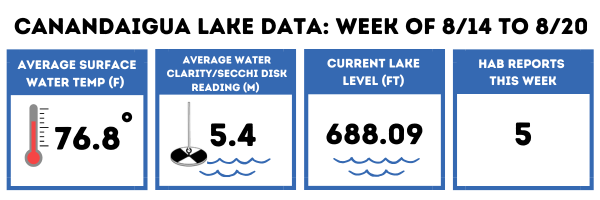
Average lake surface temp, water clarity and lake level are all about the same this week as last. We have 5 harmful algae bloom (HAB) reports in this week's dashboard - but they are all from last weekend on Saturday and Sunday. We have had no new bloom reports during the week. We had some rain overnight on Monday and then again a bit on Wednesday, with temperatures cooling off and the high only 72 degrees F on Thursday. Today and tomorrow have warmed back up and are looking like great days to be out enjoying the lake. Sunday will depend on if the forecasted afternoon thunderstorms show up or not.
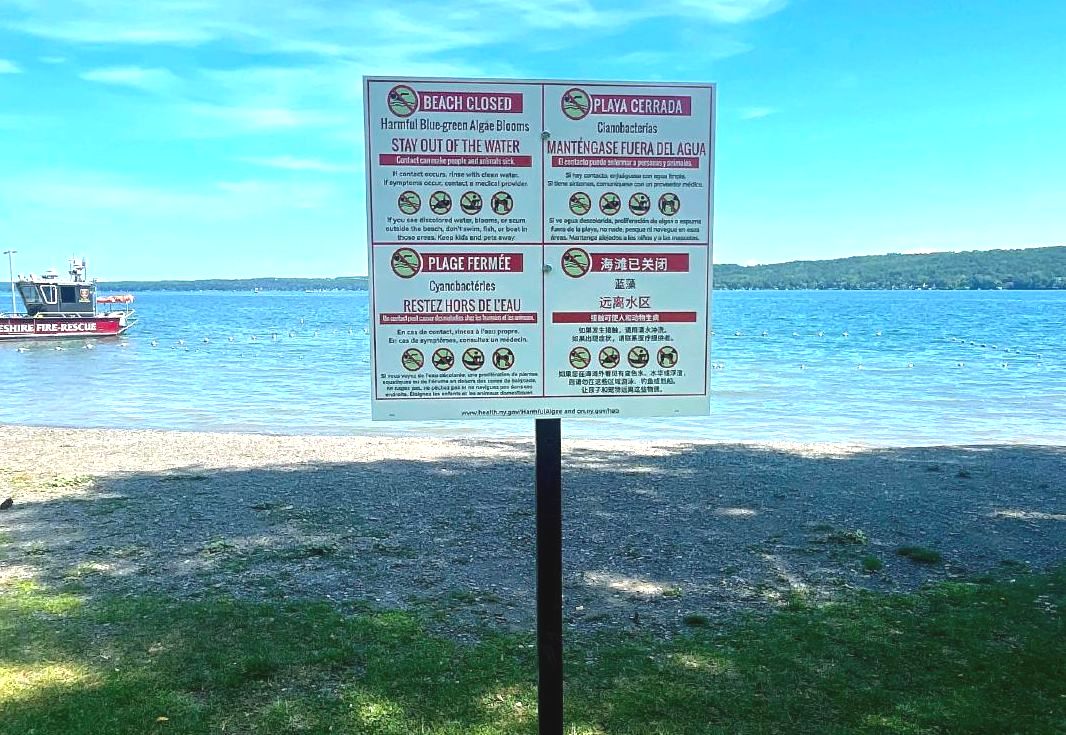
**Update - before we managed to hit send - we got word that Onanda Park's beach had to close today due to a HAB. The water is looking better already - but per DOH protocol they must wait 24 hours once it looks clear for DOH to collect a sample to be tested. Unfortuntaly due to the timing - this means the beach will be closed all weekend. **
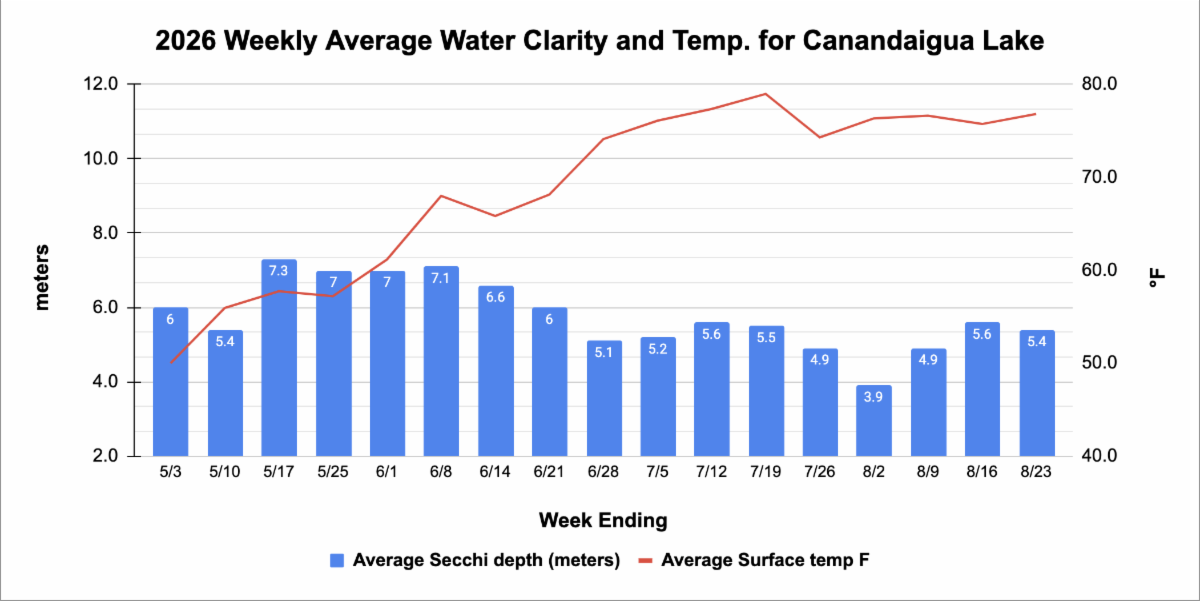
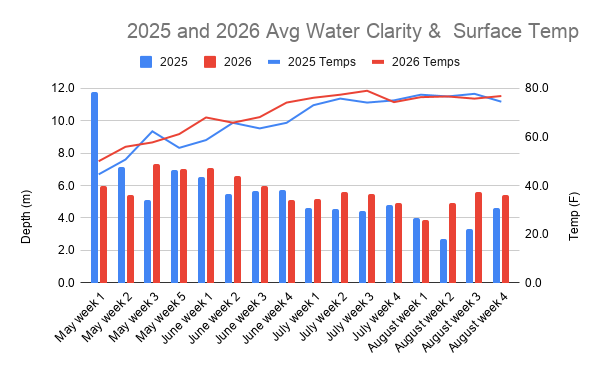
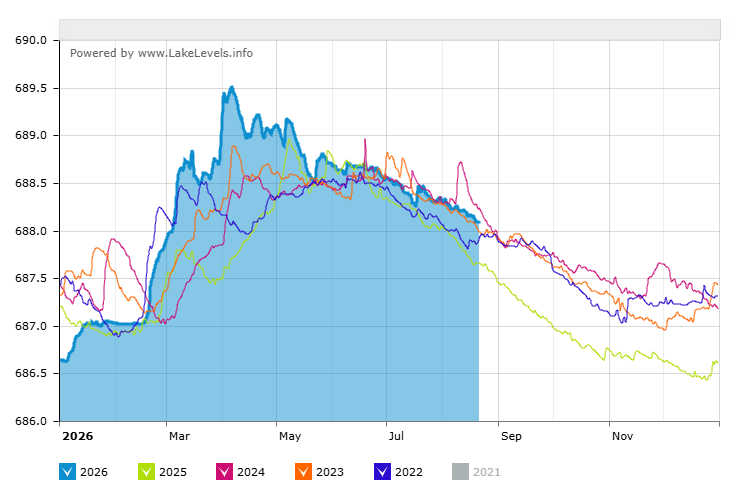
| | Weekly water clarity and temp data collected by our dedicated CLWA Citizen Science volunteers. You can see that average water clarity and surface temp are about the same this week as last. | | How is 2026 comparing to 2025 so far? Average surface temps are just about the same right now as they were last year. Water clarity (measured by secchi disk depth) has seemed a bit better actually - and is overall very similar except for the difference at the beginning of the season. Last year this week our average clarity was 4.6 meters. This year our weekly average is 5.4 m this week - a noticeable difference as you can see on the chart below but less so compared to the previous two weeks. | Lake level is about the same this week as last. Currently both outlet gates are closed and the feeder canal gate is open at the required minimum - 0.25 ft open. There are a few different places you can find the lake level online. NOAA is one. Lake Levels online also has nice charts - where you can easily see the whole year and compare to the last few years. The chart gets a bit busy when you look at multiple years! - but as you can see below - so far our lake level is on track for a normal year - unlike the low levels last year caused by the drought last summer. | | |
In this weeks update:
- HABs Update
- Research into HABs Triggers
- What is Lake Fetch?
- Boat Launch Steward Program Update
- August is Water Quality Month
- Water and Wildlife Summer Camp
- Upcoming events
| | |
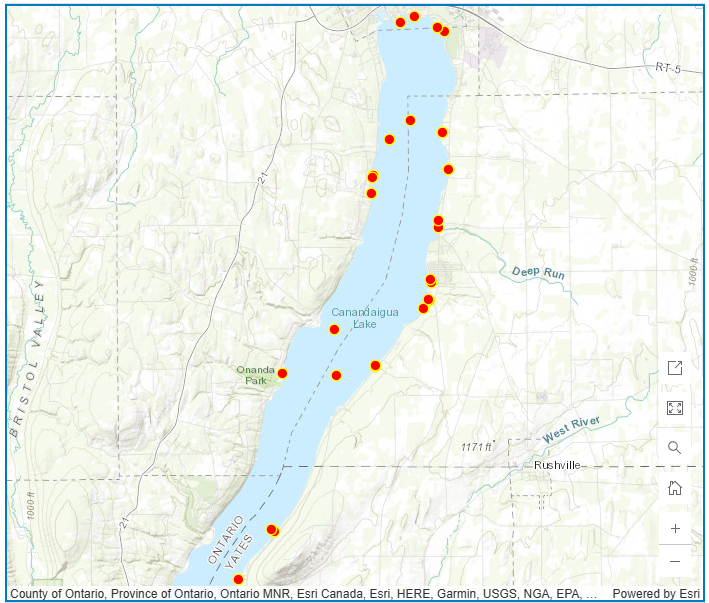
We have had 5 harmful algae bloom (HAB) reports come in this week so far from our volunteers. Our HABs map shows where reports have come in this season to date. Reports have come in mostly on the north end of the lake so far - on both sides - and also mid-lake - but are starting to work their way down south as the season progresses. Most reports have been streaking/spots - relatively light blooms. We haven't had any reports of very heavy, pea soup looking blooms yet although a few of the photos are starting to look like heavier blooms than the past few weeks.
Today the Town of Canandaigua had to close the beach at Onanda Park due to a HAB. The water is looking better already - but per DOH protocol they must wait 24 hours once the water looks clear for DOH to collect a sample to be tested. Unfortuntaly due to the timing - this means the beach will be closed all weekend at a minimum.
| | Confirmed bloom reports from volunteers have come in mainly from the north end of the lake so far this summer on both sides and also mid lake. The map is interactive on our website and you can click to view reported blooms to see their date and location details. | Beach closed signage posted at Onanda Park on the west side of the lake Fri Aug 21. | |
Remember: HABs are constantly changing.
They can appear, move, and disappear quickly. A bloom reported in one location does not mean that the entire lake is affected or that conditions are the same everywhere.
Our HAB map is a helpful tool for seeing where blooms have been reported, but it is not an exact, real-time picture of conditions across the lake. Before swimming, boating, or letting pets near the water, take a moment to look at the water where you are. If you see water that looks like spilled paint, pea soup, or has unusual discoloration or surface scum, stay out.
When in Doubt - Stay Out!
Knowledge is power! Knowing what HABs look like and staying informed can help you safely enjoy Canandaigua Lake all summer long. Stay observant, stay informed, and help us spread the word!
Scoll all the way to the bottom of this email for our general HABs reminders, resources, and ID info.
| | Harmful Algal Bloom Triggers | |
What makes some lakes more likely to experience harmful algal blooms (HABs) than others? NYSDEC looked at data from 163 New York lakes collected through the Citizens Statewide Lake Assessment Program (CSLAP) between 2012 and 2017 to look for patterns.
The analysis found four factors associated with a higher likelihood of HABs in New York State lakes:
- phosphorus levels,
- the presence of zebra and quagga mussels,
- the length of a lake’s “fetch,”
- and the direction of that fetch.
Phosphorus was one of the strongest factors. For every small increase in phosphorus, the likelihood of a lake experiencing a HAB increased. This reinforces what we already know: excess nutrients, often carried into lakes by runoff, can fuel algal growth.
The study also found that lakes with longer fetches—long stretches of open water where wind can build up—were more likely to experience HABs. Lakes with their longest fetch oriented toward the northwest also had a higher likelihood of blooms. Wind may play a role by concentrating algae in certain areas or mixing the water and nutrients.
The presence of zebra and quagga mussels was also associated with more HABs. These invasive mussels can change lake ecosystems in ways that may make conditions more favorable for cyanobacteria, the organisms responsible for many HABs.
These findings provide valuable clues, but they don't tell the whole story. HABs are influenced by many local conditions, including water temperature, sunlight, wind, and rainfall and runoff events.
For Canandaigua Lake, the findings highlight why it is important to look at both nutrient sources and the unique characteristics of the lake itself when we work to understand and reduce HABs. This week - we thought we would talk a bit more about fetch since that might be an unfamiliar term for many of you.
| |
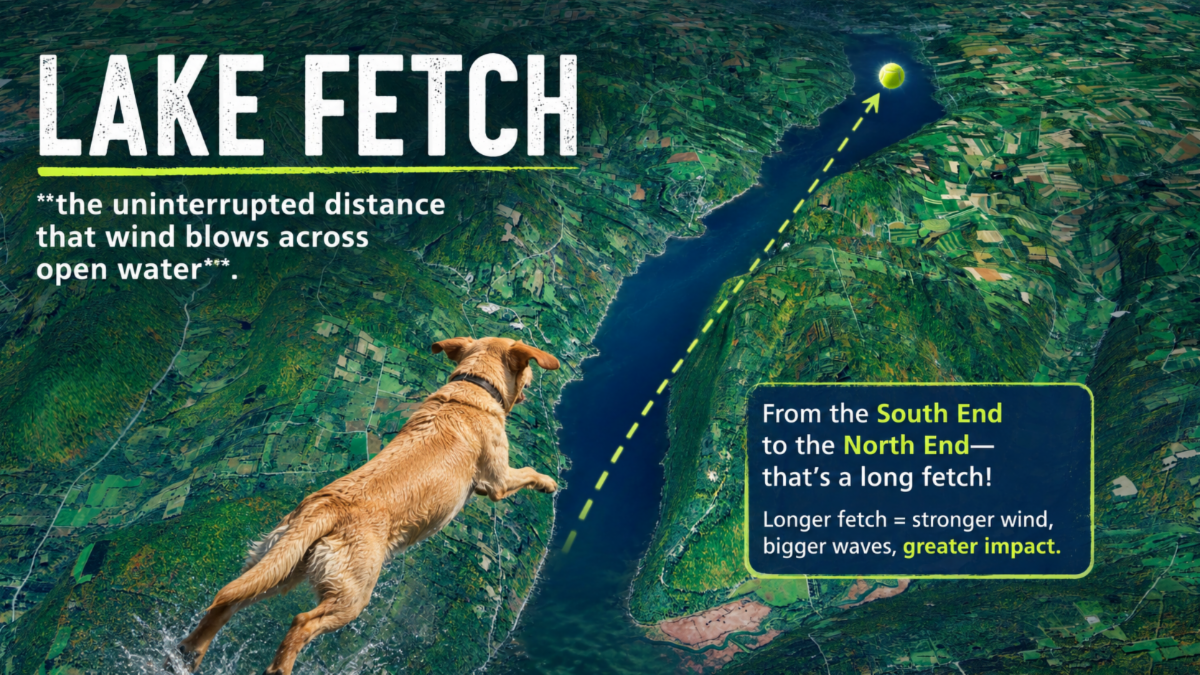
Lake fetch is the distance wind travels over open water before reaching land. For Canandaigua Lake, our maximum fetch is about 15.5 miles—the full length of the lake—because of its long, straight shape. However, the effective fetch on any given day depends on wind direction and can be much shorter. The lake averages just 1.1 miles wide, with a maximum width of 1.5 miles.
While our winds predominantly come from the west, the surrounding valley can channel them along the lake’s north-south axis on a regular basis, creating long stretches of open-water fetch.
| How is Fetch connected to HABs? | |
The NYSDEC study found that lakes with longer fetches were more likely to experience HABs, although exactly why is not yet clear. One possibility is that longer stretches of open water allow wind to mix the lake more deeply, potentially bringing nutrients from deeper water or sediments toward the surface. This type of nutrient movement can contribute to what is known as internal loading - a potential source of phosphorus not traditionally thought to be a concern for a deep, oligotrophic, low phosphorus lakes like ours. Internal loading of phosphorus is usually associated with shallow, high nutrient, eutrophic lakes. More research is needed to understand whether this mechanism plays a meaningful role in HABs, particularly in lakes like Canandaigua that are deep and stay thermally stratified in the summer with deep cool, well oxygenated waters, and have relatively low in-lake phosphorus levels.
A recent study presented at the Skaneateles Lake Research and Data Summit in January of this year looked at this very question. Michael Kelly from Rensselaer Polytechnic Institute presented on 'Weather Driven Hydrodynamic Controls on HABs on Skaneateles Lake' based on the published reasearch paper 'A sequence of weather-driven hydrodynamic events stimulates the formation of harmful algal blooms on an oligotrophic lake' in the Journal of Limnology and Oceanography in 2024. The study found that a series of hydrodynamic events immediately preceded HAB events on Skaneateles Lake in 2018.
"HABs were first preceded by interactions between internal waves in the thermal structure of the lake with the northern slope of the lakebed. These interactions
disturbed sediments resulting in upwelling of nutrient-rich sediment and possibly cyanobacterial cells into the lower water column. Next, moderate winds stimulated Langmuir circulation which facilitated the transport of material from the lower water column to well-lit surface waters. Finally, the sequence culminated with a calm wind period, which is often classically associated with surface HAB formation."
Given the many similiarities between our two lakes, it is possible that similar hydrodynamic events on Canandaigua Lake could be impacting our HAB events in a similar way as well. More research is needed to better understand these in lake hydrodynamic processes but this recent work on Skaneateles may help increase our understanding of why our lake is having HABs despite our overall low in-lake phosphorus levels.
| Boat Launch Steward Program Update | |
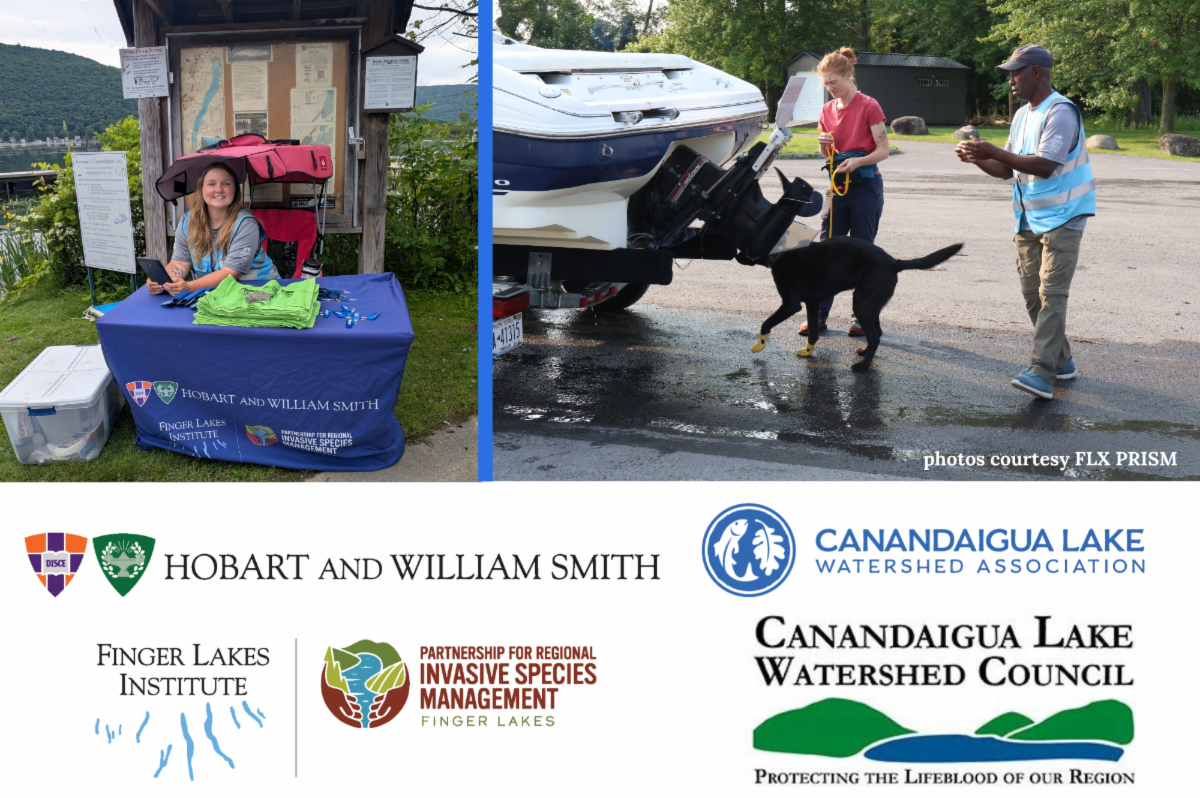
Boat launch stewards inspect boats for aquatic invasive species (AIS) and educate boaters about preventing the spread of AIS by practicing Clean, Drain, Dry. The Finger Lakes Partnership for Regional Invasive Species Management (FLPRISM) staffs two boat launches at Canandaigua Lake with watercraft inspection stewards - Canandaigua State Marine Park and Woodville DEC Boat Launch. The Canandaigua Lake Watershed Council (CLWC) obtained and administers state grant funding for this program for the past 8 years, and the CLWC and CLWA partner to provide local match dollars required by the grant. The City of Canandaigua is also a key partner in keeping the decontamination station at the north end running. They fill the water and gas needed to operate the high pressure decon wash station.
Inspections to Date 2026:
- Canandaigua State Marine Park: 4,063
- Woodville DEC Boat Launch: 2,071
Decontamination Efforts
- 165 watercrafts decontaminated at Canandaigua State Marine Park
If you are at the launch and see one of the stewards - be sure to say Hi and thank them for all their work this summer helping protect our Lake!
| August is Water Quality Month | | |
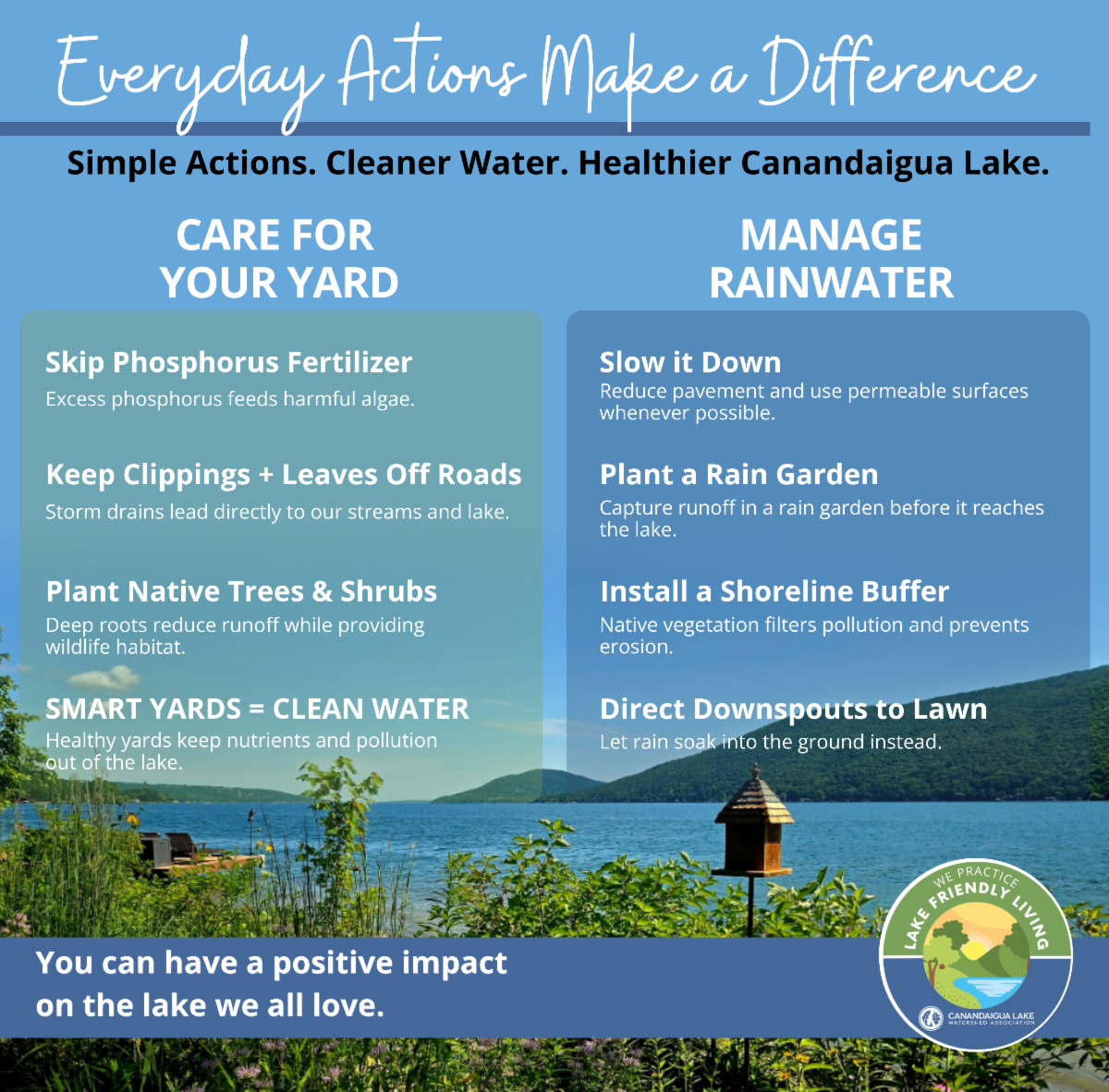
Protecting Canandaigua Lake is something we can all be part of. Through the choices we make on our properties and in our daily lives, each of us can help to protect our lake and maintain the clean, healthy water we are so fortunate to enjoy by following Lake-friendly Living.
Everyday Actions Make a Difference
A few simple choices around your home can help keep pollutants out of Canandaigua Lake:
- Dispose of waste properly: Take unused medications, paint, and motor oil to approved collection or hazardous waste programs—never flush or dump them.
- Pick up pet waste: Pet waste contains bacteria and nutrients that can wash into storm drains and waterways.
- Wash your car wisely: Use a commercial car wash that treats its wastewater instead of washing your car in the driveway.
- Go easy on lawn chemicals: Reduce (or better yet - eliminate altogether) your use of fertilizers and pesticides to help prevent nutrients and chemicals from reaching the lake.
| | Water and Wildlife Summer Camp 2026 | |
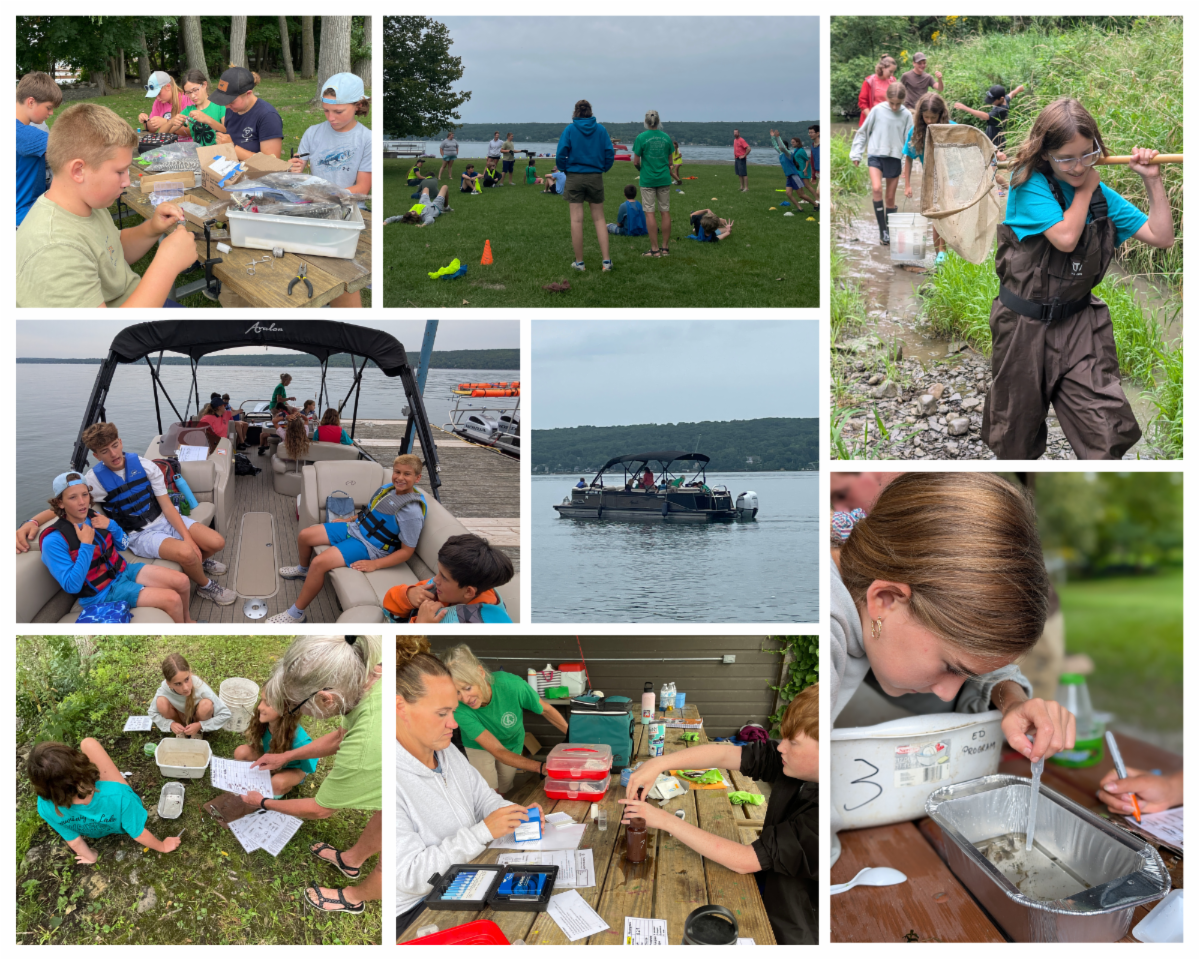
The Water and Wildlife Summer Camp for middle school students at Onanda Park is wrapping up today, completing the fifth year of another fun-filled week of hands on science activities and environmental exploration! Some of these exciting activities have included:
- Studying the health of streams around the lake by exploring the streams looking for aquatic macroinvertebrates and vertebrates
- Learning about fish and other watershed wildlife, foodwebs, fossils, invasive species, and more!
- A boat trip on the lake studying water quality along with chemical analysis of lake water samples
- Hiking at Onanda and fun educational and active games
- Fly tying, fly fishing, and much more!
This week would not be possible without the amazing camp educators, Lynn Ocorr, Abby Zanowick, and Jamie Anderson! They are quite the team! Lynn is a retired Biology teacher from Canandaigua and Abby and Jamie are current science teachers there! We are so grateful for their commitment and expertise to this camp over the years helping inspire the next generation of lake stewards. THANK YOU for all you do!
Also, a huge thank you to Jordis, an FLCC graduate heading off to Paul Smith's College this fall, for offering her fish and wildlife expertise this week at camp, and to Julia who was our first Counselor in Training this week. You two have been amazing and a huge asset to the camp. THANK YOU!
We also want to thank all our fabulous partners who participate in the week's festivities or make the week possible with their generous support:
-
A huge thank you to the Guido and Ellen Palma Foundation for awarding us a grant to help make the camp affordable to all for the 4th year in a row. THANK YOU for your continued generosity!
-
A huge thank you to some of our CLWA members for providing some scholarships to campers. You are too kind!
-
A huge thank you to Seager Marine's Freedom Boat Club for donating the boat trip for the 4th year in a row and to Laurali Deats for being their amazing captain every year! THANK YOU!!
-
A huge thank you to Fitgerald Brother's for giving an incredible discount on their bus services for the 5th year in a row! THANK YOU!!
-
Thank you to all the educators and organizations coming out to share your expertise including John Bateman from FLCC, Edith Davey, reitred Soil and Water educator, Wildlife Rockstars crew, Dawn Richardson from the DEC, Laurel Williams and Lydia Martin from Finger Lakes PRISM, wildlife rehabilitator Casey Wright, and to any educators I may have missed coming out to the camp today to wrap-up the week! THANK YOU!!
Also, a huge THANK YOU to the campers, campers' parents, the Town of Canandaigua, CLWA Members and the broader watershed community for your support of the program and helping to get the word out on this amazing camp! We appreciate you all so much.
| Get your Flares for the Ring of Fire! | | |
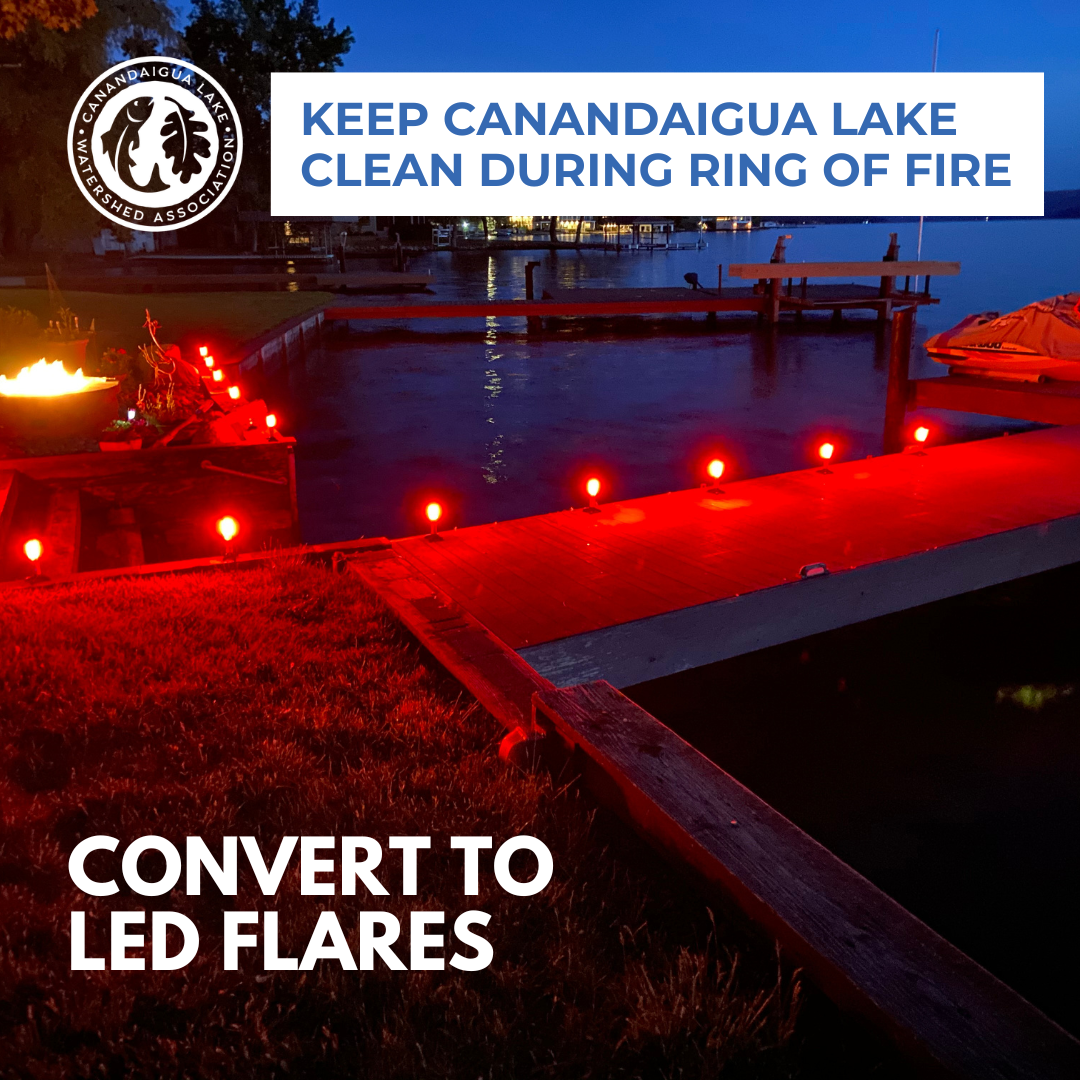
Can you believe the Ring of Fire is on the horizon? The summer is flying by! This year the event will be held on Saturday, September 5th starting at 9 PM. The event begins with the lighting of a ceremonial bonfire at the top of Bare Hill. Right after, participants along the shoreline will light their flares to create a continuous glowing red ring around the Canandaigua Lake perimeter.
In the past, traditional incendiary highway flares created the beautiful red glow we know and love during the Ring of Fire. While creating an exciting fizz and bright light, they also leave behind potassium perchlorate burn-off, which contaminates the air, soil, and lake, in addition to leaving behind metal spikes that can pollute the lake.
We are happy to share that many participants have switched to an environmentally-friendly LED flare. Learn more about them and their benefits at the link below and consider transitioning to this option if you participate in the Ring of Fire.
| |
|
When: Wednesday, September 16th, 6:00- 7:30 PM
Where: Heron Hill Tasting Room on Canandaigua Lake, 5323 Seneca Point Road, Canandaigua, NY 14424
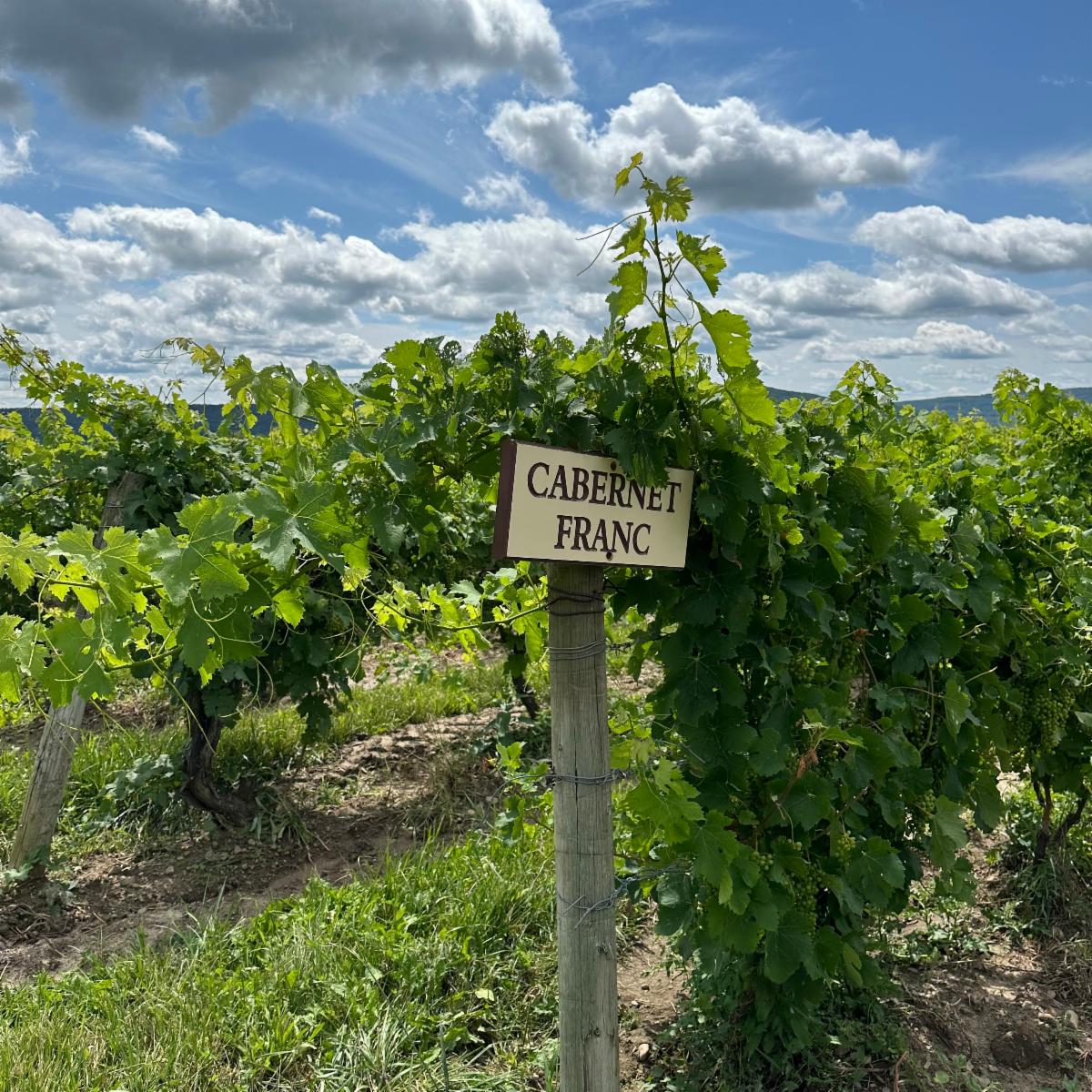
Join Heron Hill and the CLWA for a special tour of the Heron Hill Vineyard's at the Heron Hill Tasting Room on Canandaigua Lake. You will learn about the history of the vineyards, its day to day operations, and all of their sustainability efforts implemented in order to help protect water quality!
You will also get to enjoy live music, light snacks, and have the opportunity to purchase some of the limited-edition Heron Hill wine crafted especially for CLWA. Wine's for sale include a Chardonnay and Cabernet Franc, crafted from grapes grown at Heron Hill’s Ingle Vineyards, located on the west side of Canandaigua Lake and owned by winery founders John and Josephine Ingle.
| | Mayflowers Native Plant Open House | |
When: Tuesday, September 22nd, 6:00- 7:30 PM
Where: Mayflowers Nursery and Garden Center, 2505 NY-332, Canandaigua, NY 14424
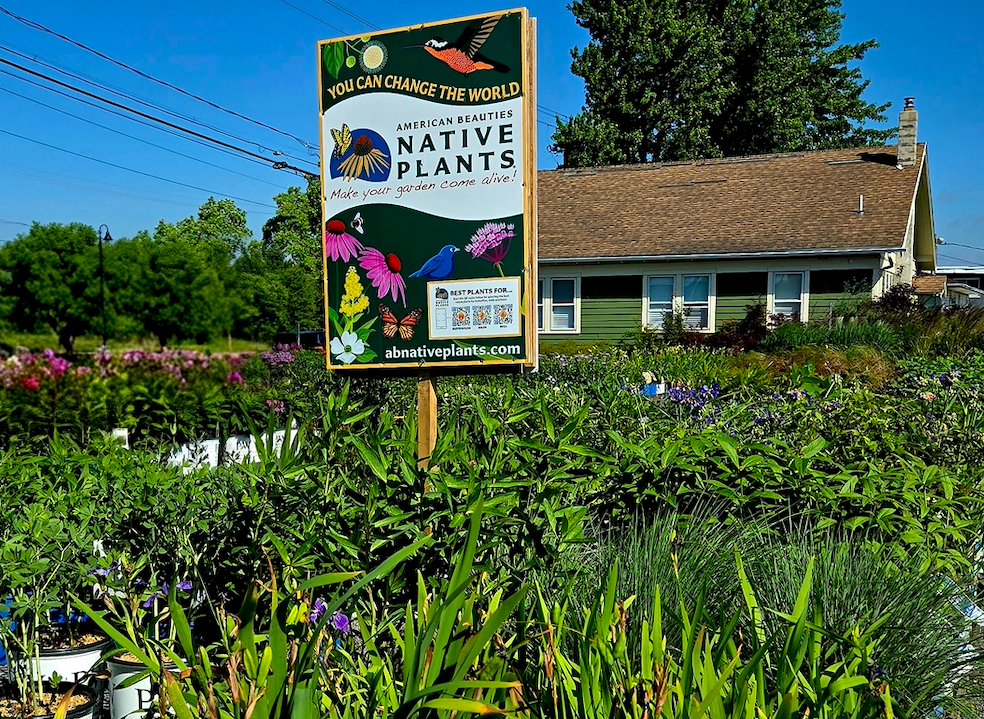
Join the CLWA and Mayflowers Nursery and Garden Center for a tour of their facility and to learn more about the benefits of native plants, Mayflowers' native plant offerings, and other things you to can do to live lake-friendly. The fall is an excellent time to plant so we hope you can join us to learn more and find some native plants you and your garden will love!
| Trail Work Day with Finger Lakes Land Trust (FLLT) | |
When: Friday, October 16th, 10:00AM-12:30PM and 1:30-4:00PM.
Where: Great Hill Preserve, 4756 S Hill Rd, Middlesex, NY 14507
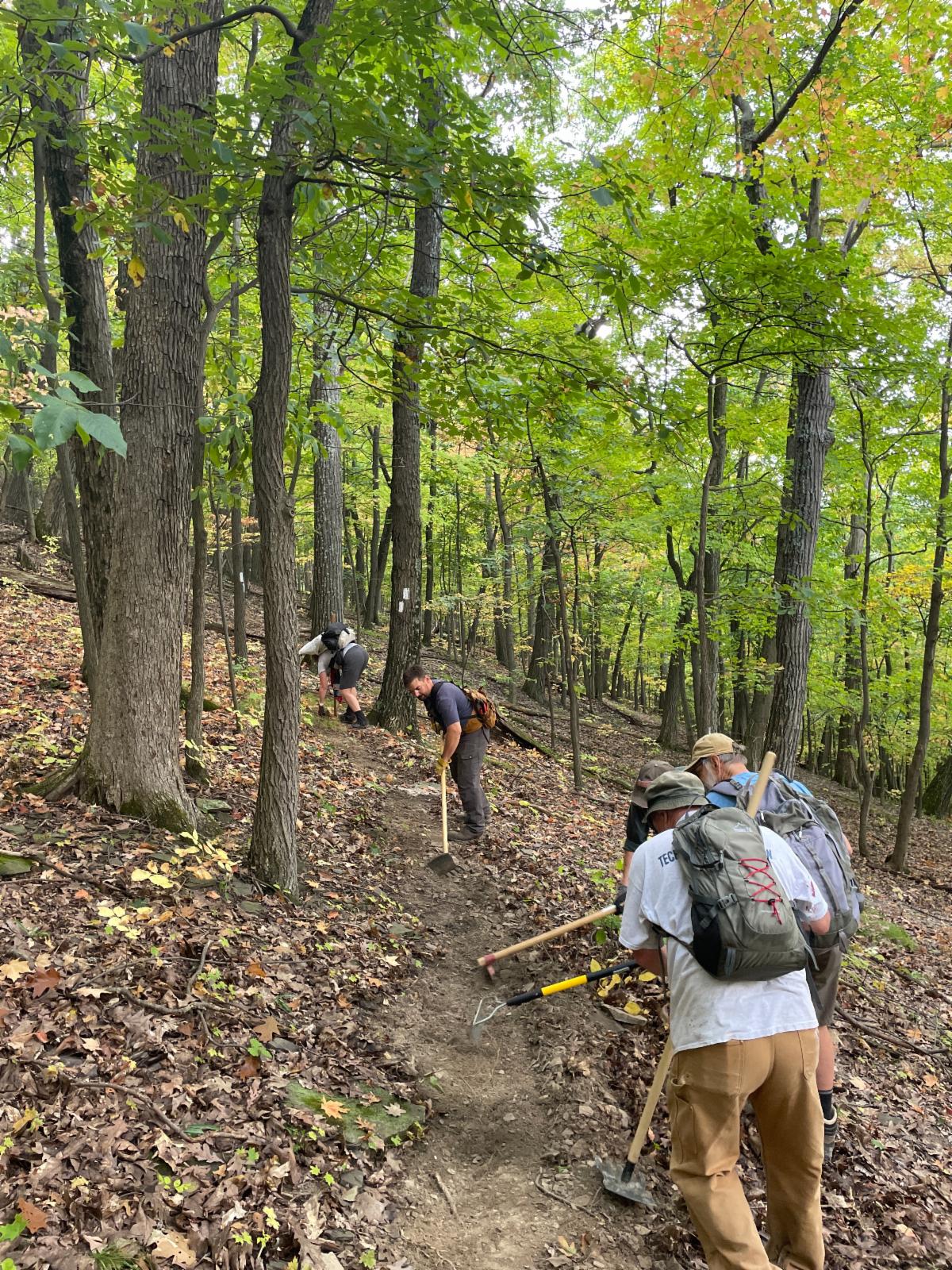
Join the Canandaigua Lake Watershed Association and the Finger Lakes Land Trust (FLLT) for a second year of trail work at the Great Hill Nature Preserve in Middlesex NY. The main focus of the day will be side- hilling and working on switchbacks. All gear, including gloves and clippers, will be provided by FLLT.
*Meet location will be Clark's Gully parking area because parking is a bit tricky at the preserve. We will then carpool to the preserve.*
Please wear appropriate attire for trail clean-up and bring plenty of water and a snack if you'd like.
*Registration is required so we know how many volunteers to expect! Thank you!*
*Rain date is October 23rd, 10:00 AM-12:30 PM and 1:30-4:00 PM*
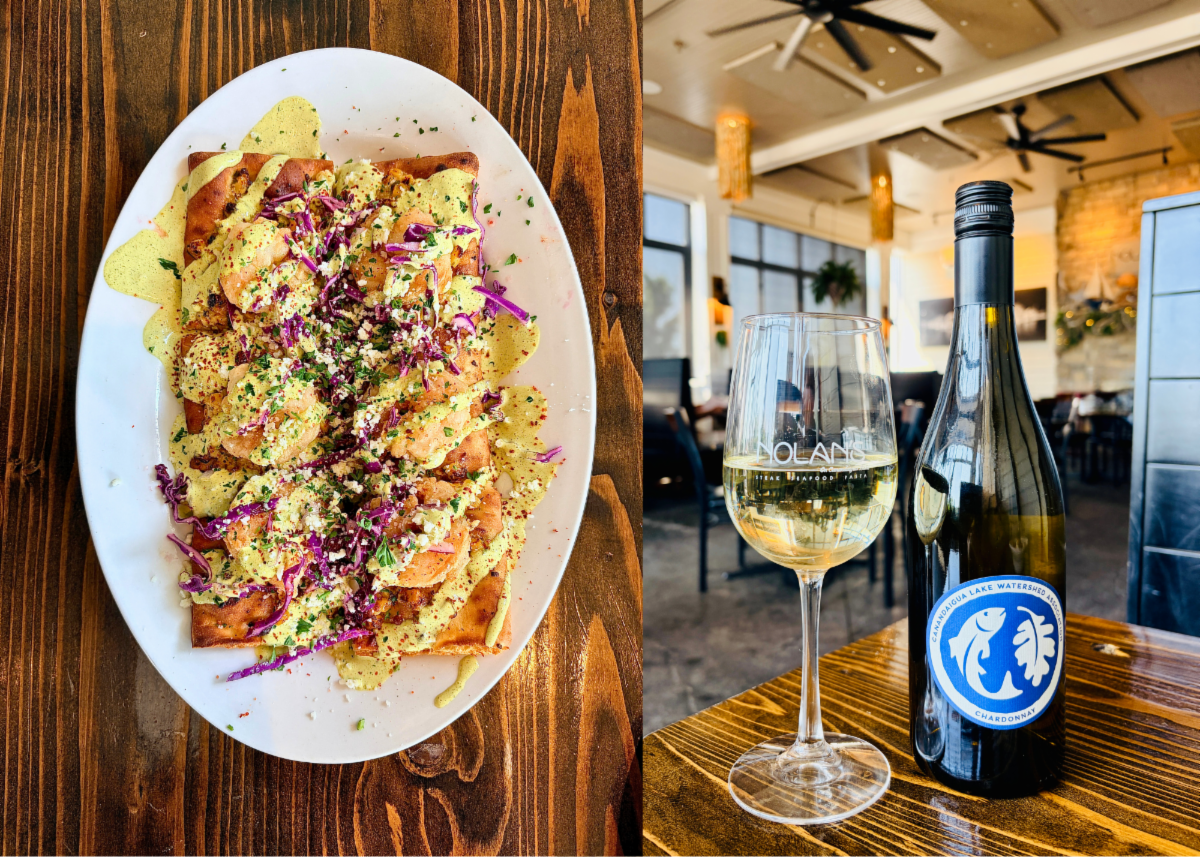
| This Month is Packed with Exciting Partnerships! | 'Savor the Flavor. Support the Lake' Partnership Is Back! | August's special is Baja Flatbread - Toasted flatbread topped with street corn salad, crispy shrimp, pickled red onion, purple cabbage and drizzled with Nolan’s Baja sauce. | |
Now in its second year, the collaboration between Nolan's on Canandaigua Lake, Heron Hill Winery, and CLWA brings together local food, Finger Lakes wine, and lake stewardship to inspire residents and visitors alike to help protect the lake that make Canandaigua such a special place to live, work, and visit.
From July 1st through September 30, Nolan's will once again feature a limited-edition Heron Hill Winery Chardonnay in support of CLWA. A portion of every bottle sold will be donated to CLWA to advance our mission of protecting, preserving, and restoring Canandaigua Lake through science, education, and advocacy. Read all about the partnership here in the Democrat and Chronicle.
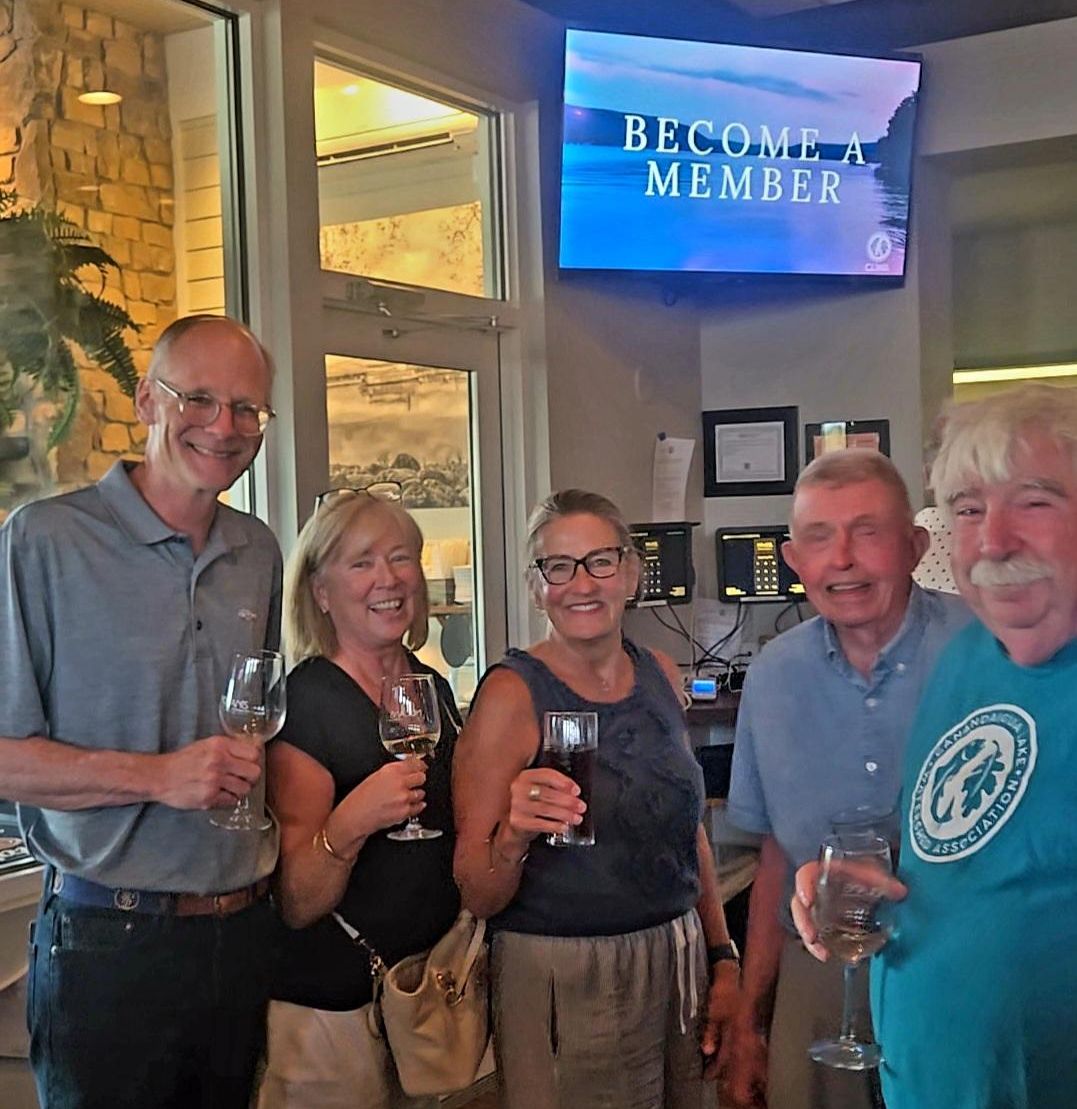
| CLWA board members stopped by Nolan's after our meeting earlier this week to grab a glass of Heron Hill Chardonnay in support of our partnership with Nolan's. | Make a Splash Campaign with Wegmans | |
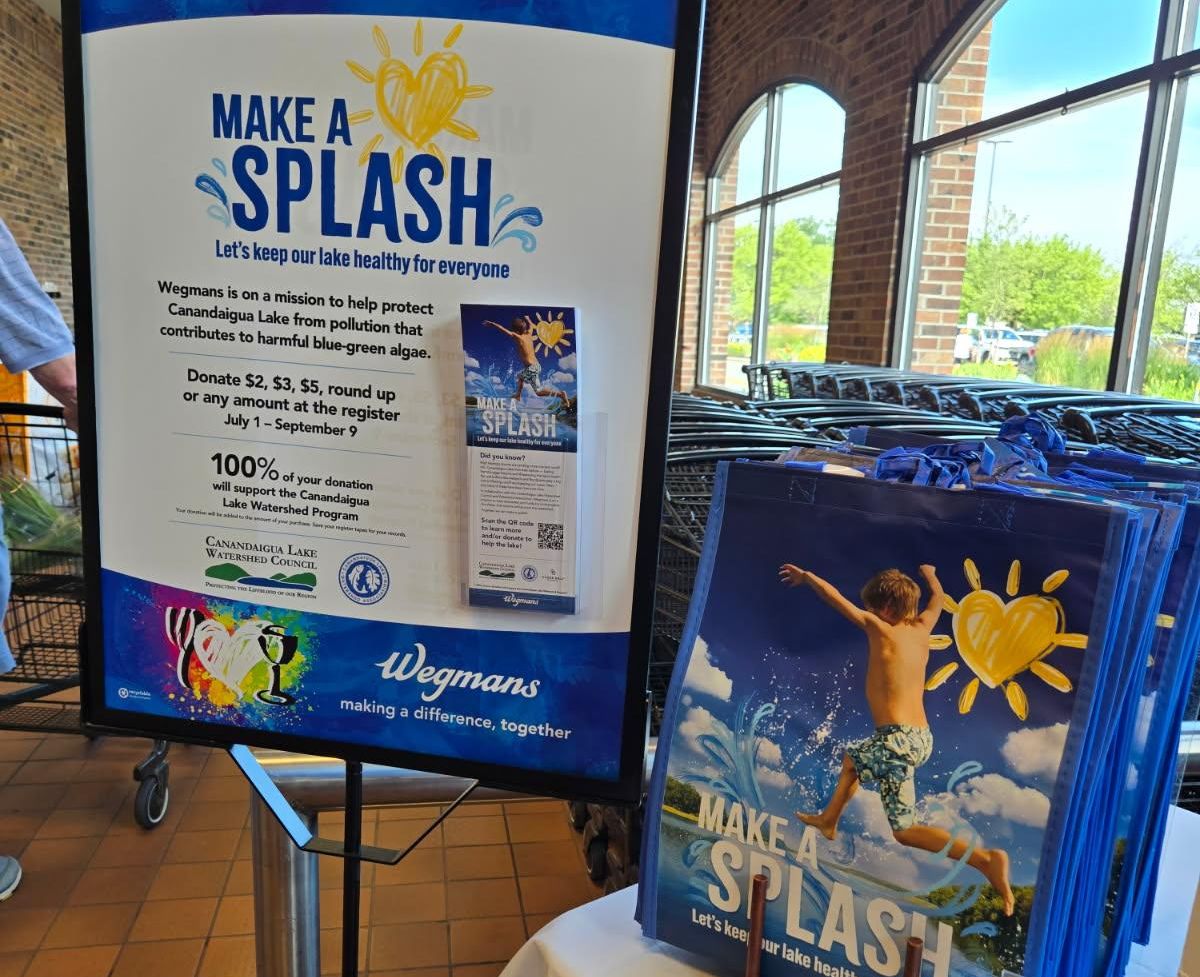
The Make A Splash Campaign is back at the Canandaigua Wegmans through the end of September! You can help by purchasing a limited-edition Make A Splash reusable bag or making a donation at checkout. Proceeds are shared equally between the Canandaigua Lake Watershed Council and the Canandaigua Lake Watershed Association.
Thank you to Wegmans and everyone who supports this community effort. Together, we're making a lasting difference for Canandaigua Lake.
| | |
Stay informed so you can enjoy Canandaigua - or other New York Lakes - safely and confidently this summer.
We have a map on our website homepage for Canandaigua Lake reported blooms from our volunteers.
NYHABS Map
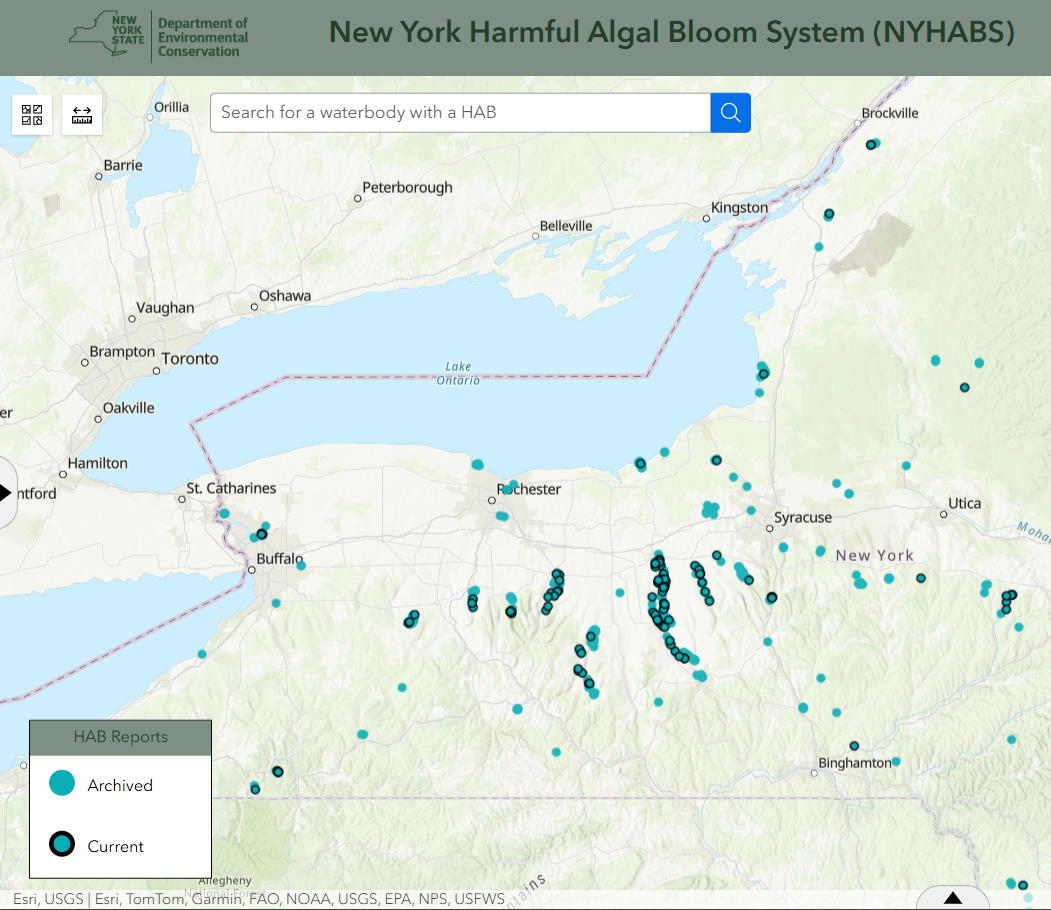
The link below leads to the NYHABS interactive map and displays the location of HABs in New York State. Each blue dot outlined in black represents a HAB reported in the past 2 weeks. There may be other waterbodies with HABs that have not been reported to DEC. All reports through our monitoring program are shown on our own map on our website. CLWA staff uploads all HABs report to the NYHABs database that we receive through our trained volunteers. You can also upload a HABS report directly to DEC here.
Visit NYHABS map here NYHABs map on August 21 shown below.
| |
About HABs
Cyanobacteria, sometimes referred to as blue-green algae because of their color, are among the oldest organisms on Earth. They are naturally occurring in our lakes, generally in low numbers.
When triggered by the perfect storm of conditions - such as heavy rains followed by a few days of warm weather with calm winds - cyanobacteria may begin to increase, forming “blooms”. HABs can appear quickly and persist for hours or days, or they can disappear almost as quickly as they formed.
Since previous research informs us that high levels of toxins (microcystin) may accompany the blooms, humans and our pets should avoid coming into contact with the water when an active bloom is observed.
How to identify blooms
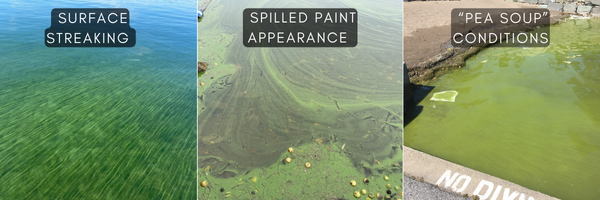
Use visual cues to identify potential blooms. They can appear like pea soup, spilled paint, surface streaks or scum. The color is typically green, blue-green, or yellow, but can also be brown, red, or purple. When blooms are discovered, they are usually found along shorelines or in cove areas. They are most often seen along the stretch of shoreline that is impacted by the prevailing winds. However, during significant bloom events, sometimes they can be found in open water areas.
Visit the NYS DEC website to learn more about identifying blooms.
| |
Remember - conditions can change rapidly. Please use caution when out on the lake and look for characteristics of HABs including water that looks like:
- Pea soup, spilled paint, surface streaks or scum
- Color's that are typically green, blue-green or yellow but can also be brown, red or purple
- Typically found along shorelines or coves
Please, to keep yourselves and pets safe, avoid any water conditions that appear to be bloom-like. Don't hesitate to reach out to us at 585-394-5030 with any questions or email us at HABS@canandaigualakeassoc.org if you are concerned about water quality. Sending us photos of the water is strongly encouraged. Have a wonderful weekend and stay tuned.
| |
What should you do if you suspect a bloom
When in doubt, stay out!
- Don't swim, wade, jetski, waterski or tube in a bloom.
- Shower if exposed to bloom conditions. Wash pets off if they have gone into bloom-infested waters.
- Don't consume fish from the lake during blooms.
- Do not use PRIVATE water drawn from the lake during a bloom. Public water supplies have safeguards in place and can be utilized unless you are otherwise notified.
-
Report the bloom to the NYSDEC NYHABs portal: on.ny.gov/habform
| | | | |