| |
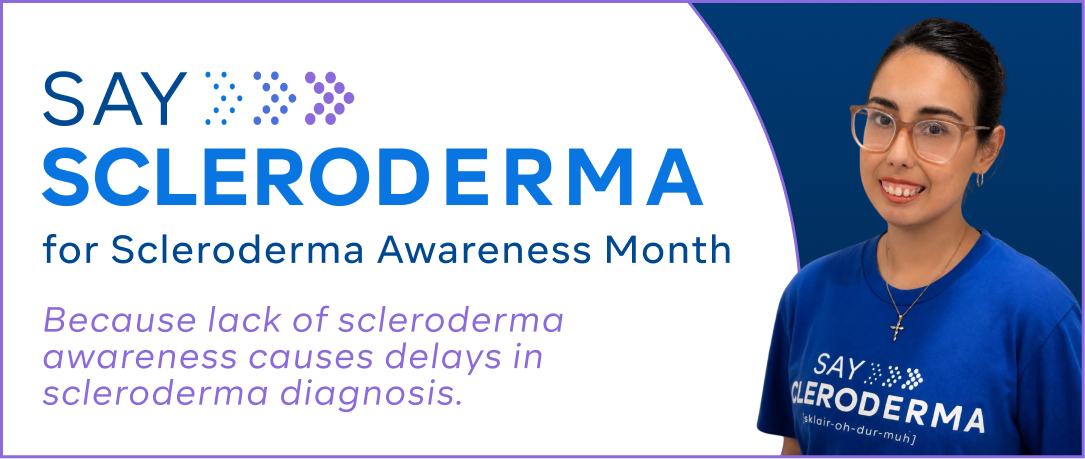
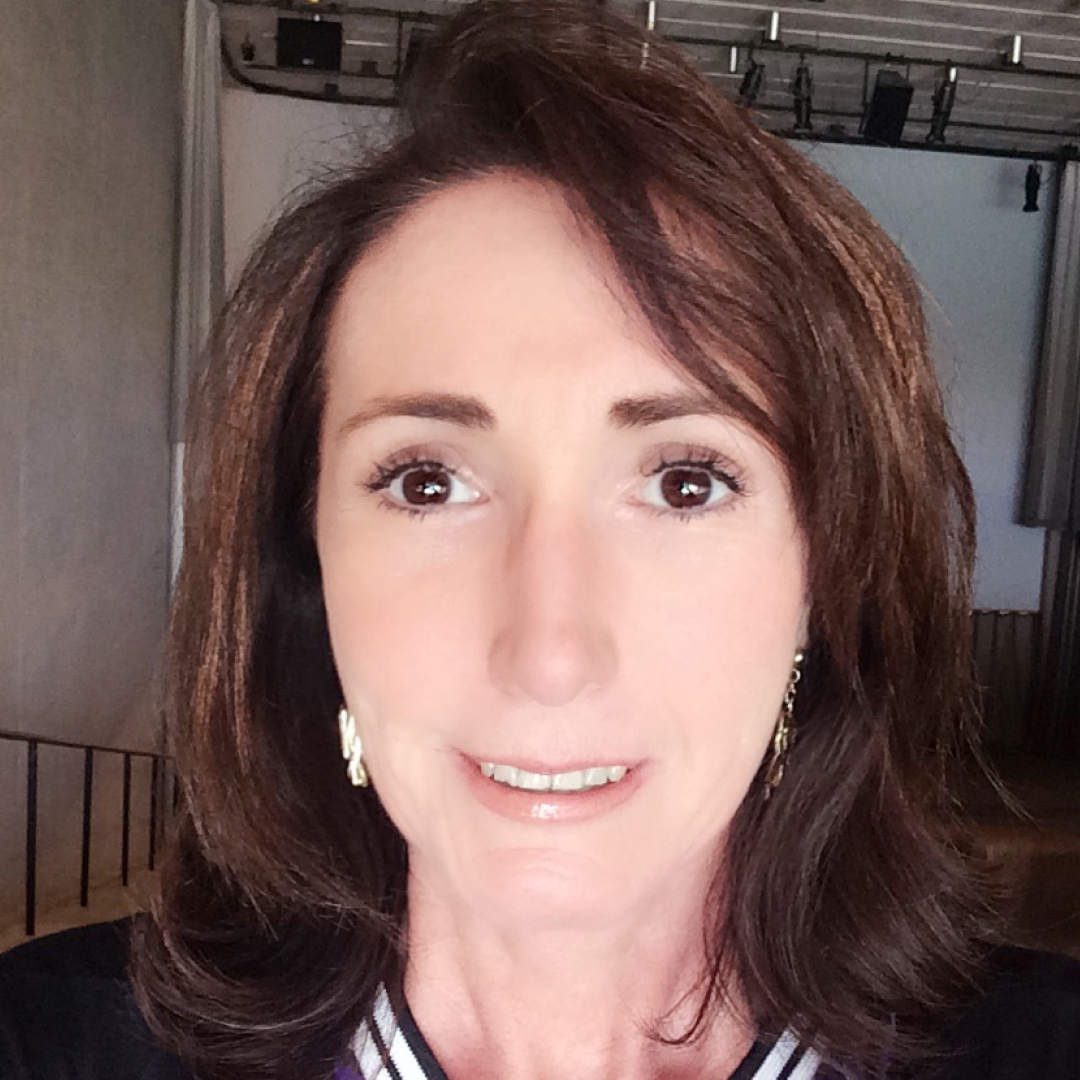
Pictured: Kimberly G. (dx 2008) | | |
This month, we're asking you to say it with us: #SayScleroderma. Launched in 2020 by the SRF, this movement is built on the idea that the more people who know about scleroderma, the closer we get to a world without it.
Together, we're uplifting the voices of those living with scleroderma, sharing critical facts about the disease, and turning awareness into action.
Everything you need to participate in #SayScleroderma lives on our website, so head to the link below to try our custom profile photo frame and explore ready-to-post social content.
| |
How The Community Is Joining Us to #SayScleroderma
| | | | |
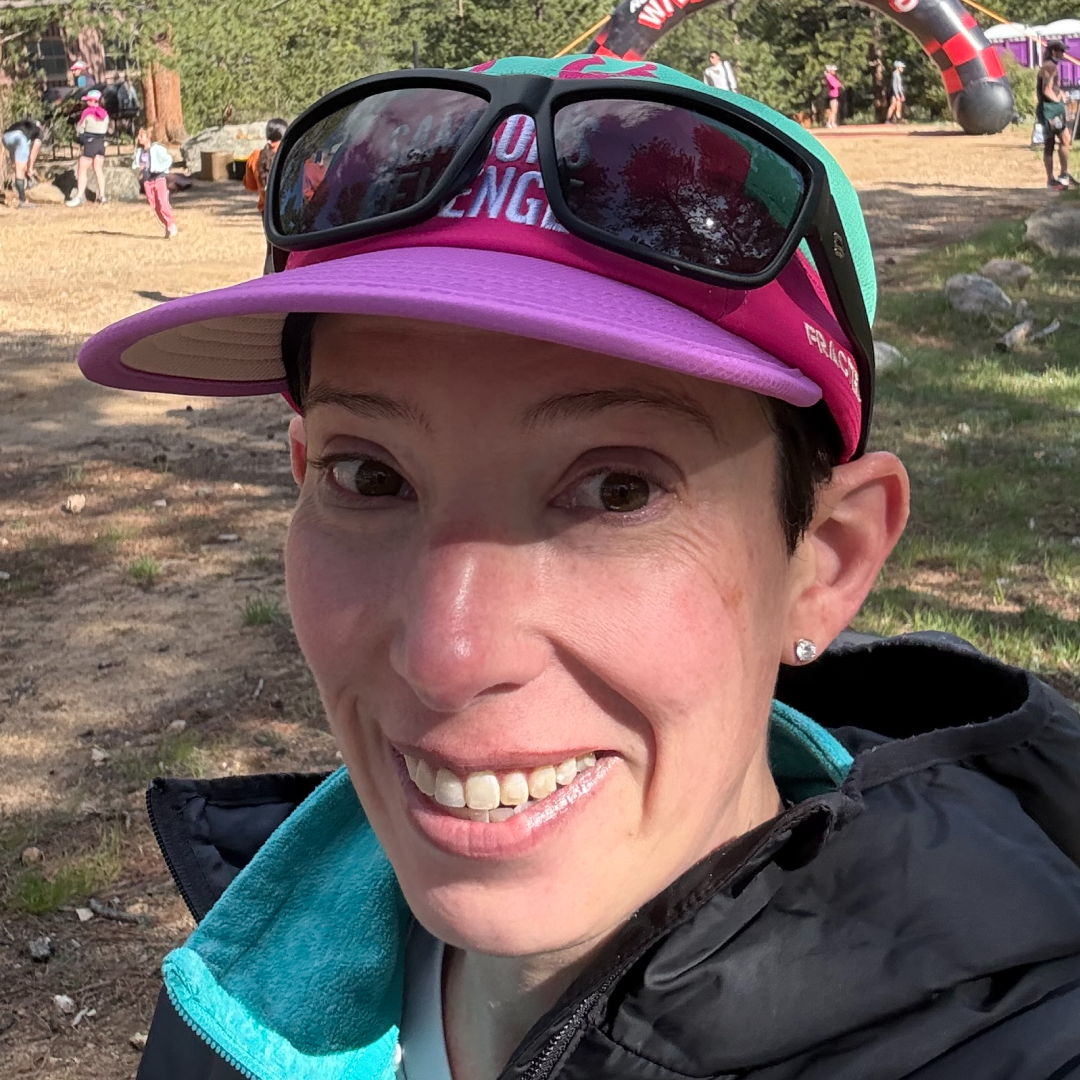
Recently, Ronna B. (dx 2022) took on Samson's Revenge, a 25k run through the Colorado Rockies at 8,000 to 9,000 feet, carrying the names of fellow scleroderma community members with her every step of the way.
Learn about Ronna's run for scleroderma awareness.
| |
#SayScleroderma—Now You Can Wear It Too!
| | |
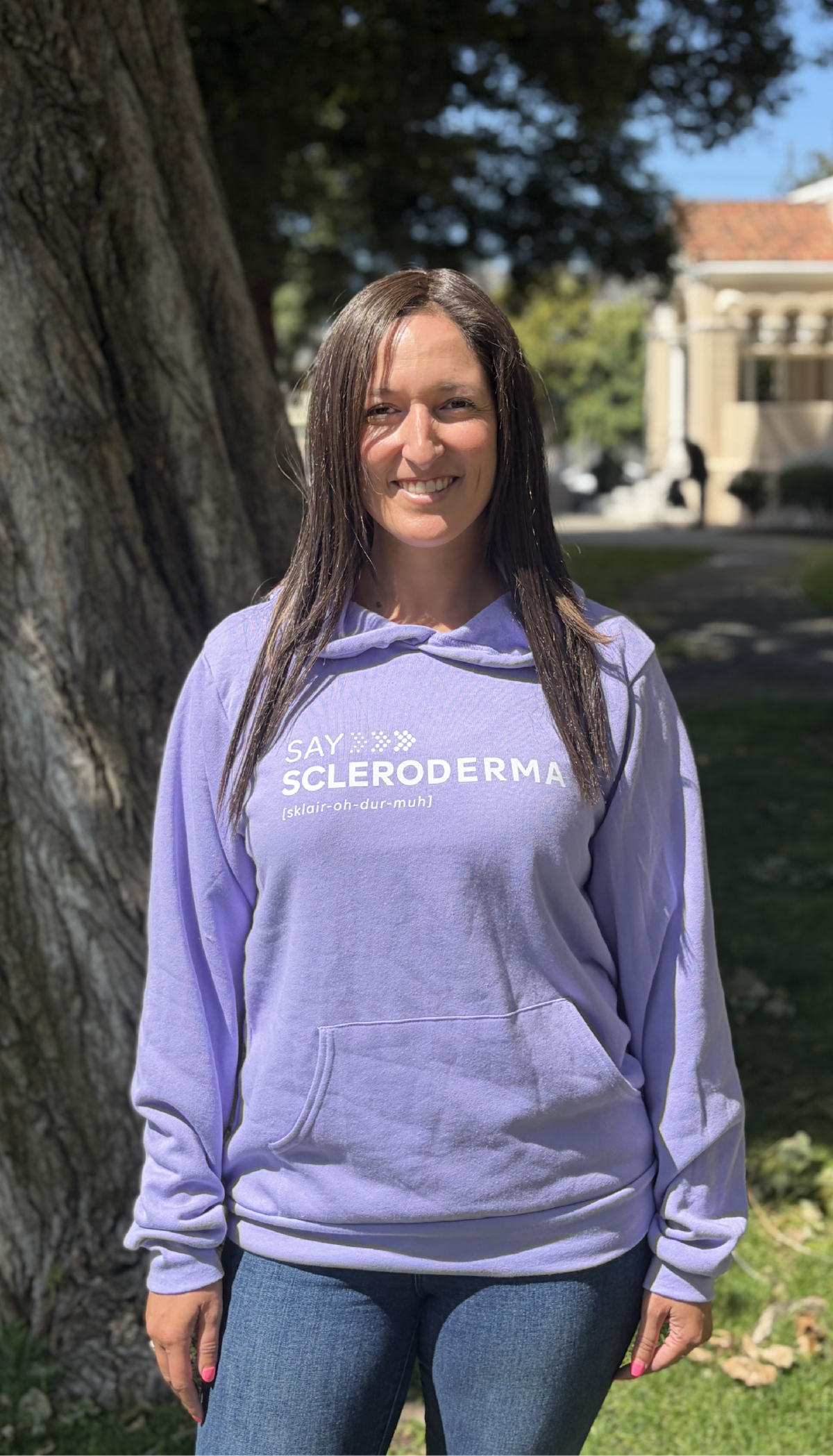
Rep the #SayScleroderma movement in style with our brand new hoodies, tees, hats, and more!
Every item is an opportunity to spark a conversation about scleroderma and the urgent need for a cure.
| The SRF does not receive any funds or profits through shop sales, so raising awareness can be more accessible. | | Pictured: Alex P. (dx 2022) | | | | |
|
Join us for the 5th Annual Scleroderma Patient Forum—happening THIS WEEK! Registration is still open for this FREE, online, half-day event:
🗓️ Thursday, June 11, 2026
⏰ 9 AM PDT / 12 PM EDT
At the Forum, you can attend educational sessions on cutting-edge developments in research, disease management, and your role in finding a cure. You'll also get an opportunity to ask questions in a live Q&A after each session.
Check out the event agenda, featuring renowned clinicians and researchers such as Dinesh Khanna, MD, Joe DeRisi, PhD, Kathryn Torok, MD, Toby Maher, MD, and more.
| | | | |
Join the 2026 SRF Research Challenge | | |
Every year, we hold our annual Research Challenge to fund the critical science that brings us closer to a cure for scleroderma.
Please join us by making a gift today—and thanks to the Schimberg Family Foundation, every dollar will be matched, meaning your gift will go twice as far!
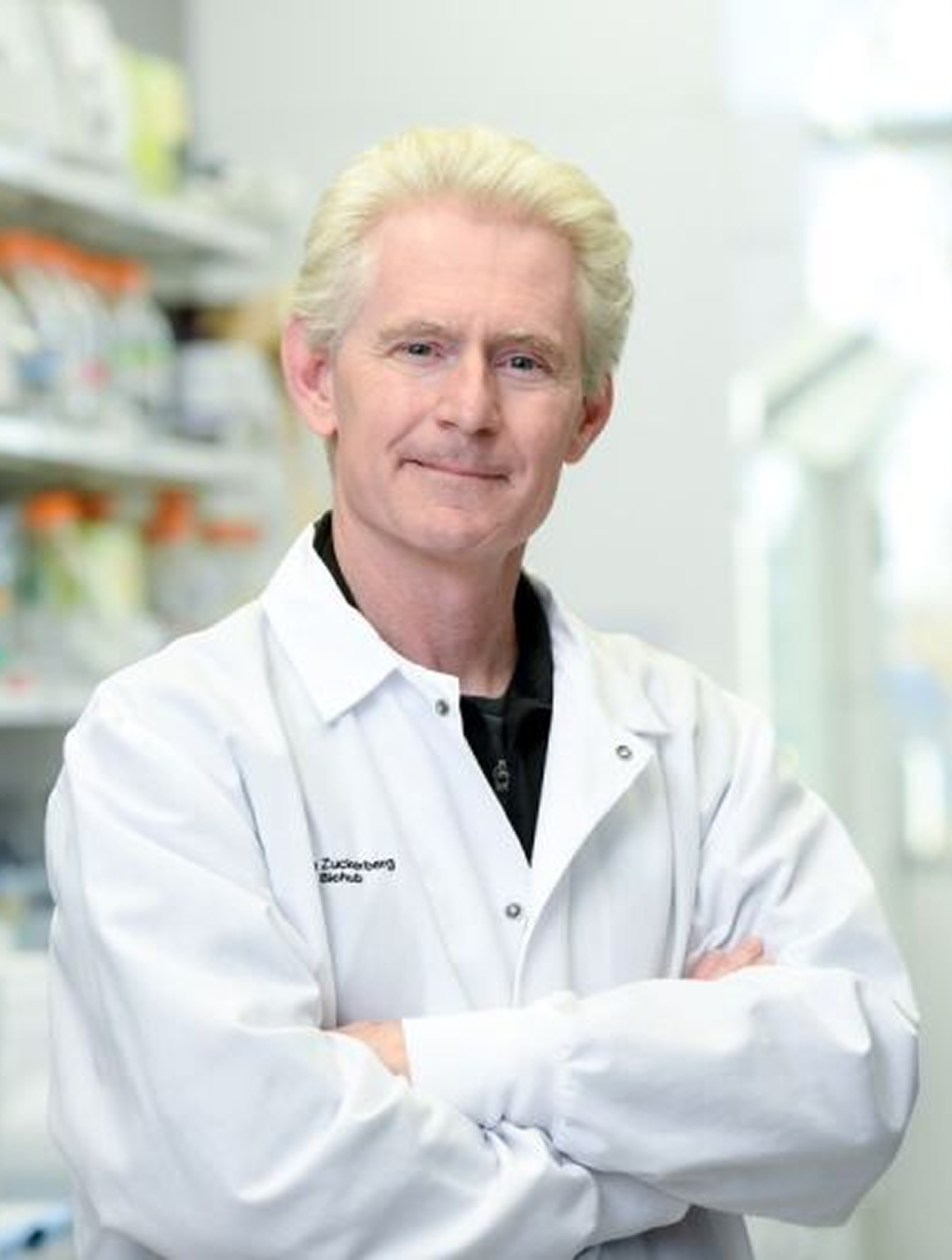
Your generosity supports scientists dedicated to understanding and defeating this disease, like Joe DeRisi, PhD at the University of California, San Francisco (pictured).
Dr. DeRisi and his colleagues are currently aiming to uncover hidden patterns that drive scleroderma. Their project will enable the largest and most comprehensive look to date at the role of scleroderma autoantibodies, leading to insights into disease development, subtypes, and potential new therapies.
There is no cure for scleroderma—yet. But research is changing what's possible, and you can be part of what comes next.
| | | | |
The Cure Crew in Action This Scleroderma Awareness Month | |
No one embodies that spirit of Scleroderma Awareness Month better than the SRF Cure Crew. This grassroots network of dedicated volunteers is raising awareness, funds, and helping keep the momentum going for scleroderma research every single day.
Read on to meet a few of the incredible Cure Crew members making an impact this June and beyond.
| | | | |
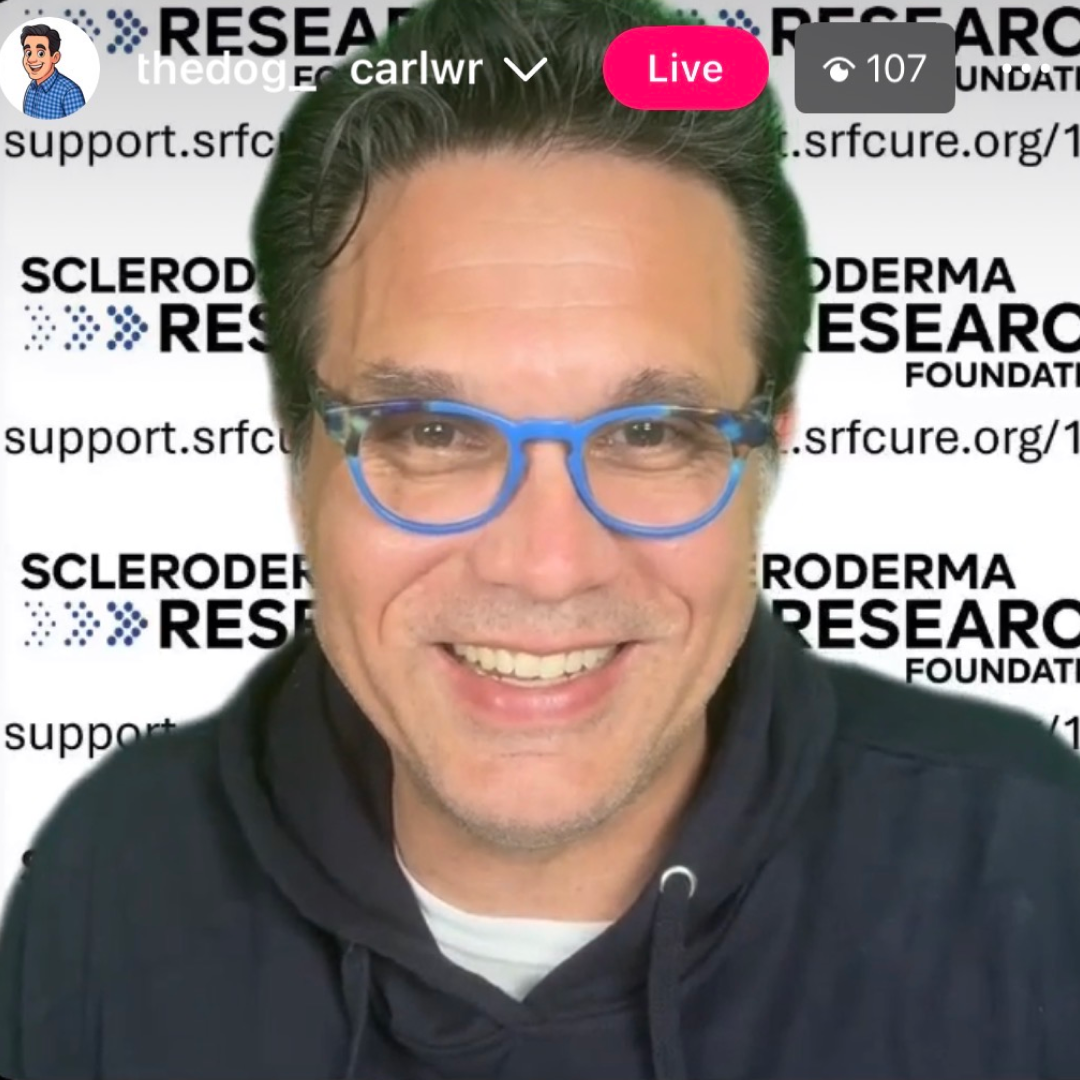
Carl Mayer Raises Funds and Awareness for Scleroderma Research
On May 17th, Carl Mayer brought back his #15DollarGameShow on Instagram Live in honor of what would have been Bob Saget's 70th birthday. The show was an incredible success, raising over $2,300 for the SRF.
| | | | |
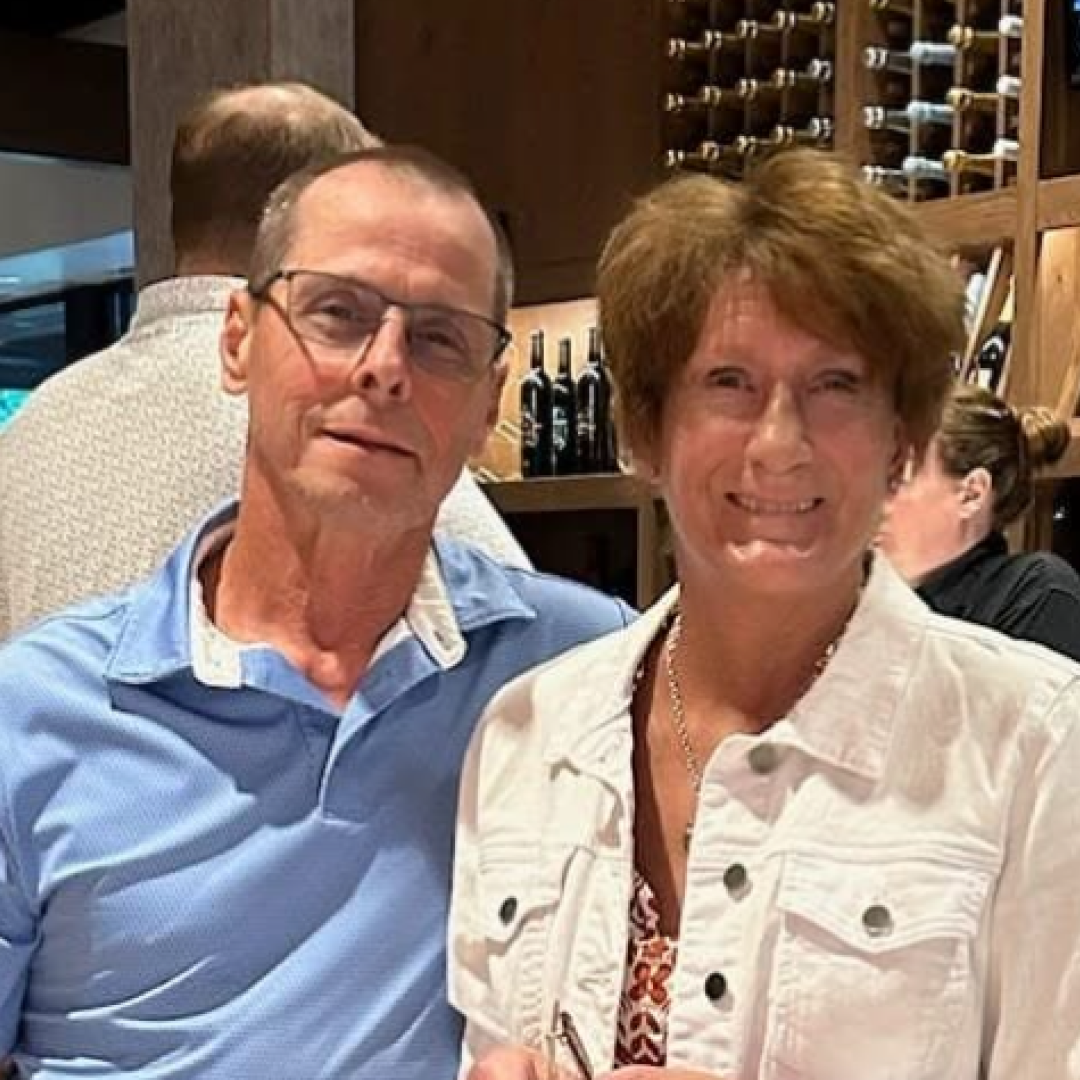
Taylor S. Remembers Her Aunt's Battle with Scleroderma
“She handled everything that came her way with so much grace and strength," says Taylor of her late aunt Carol (dx in 2023).
Read Taylor's full tribute here.
| |
Join and #SayScleroderma with the SRF Cure Crew
| | June is this community's moment to make scleroderma impossible to ignore, but it can't be done without YOU. Every new Cure Crew member means more awareness, more funding, and more progress toward a cure. | | | | |
Recent Study Introduces A Powerful New Tool for Understanding Scleroderma
A new study co-authored by SRF-funded investigator Kathryn Torok, PhD, introduces a powerful new computational tool called STARS (Spatial Transcriptomics Across Resolutions for Single Cells) that allows researchers to read gene activity at the level of individual cells within tissue samples—a level of precision that has not previously been possible.
Until now, scientists could identify general regions of activity in tissue but struggled to pinpoint what individual cells were doing. STARS uses AI to combine tissue images with genetic data, identifying specific cell types, locations, and molecular behavior, including rare immune cells and fibroblast subtypes that earlier methods missed entirely.
This work may be particularly relevant to scleroderma, where interactions between immune cells and fibroblasts, which are the cells responsible for excessive scarring, drive much of the disease. STARS offers a new level of cellular detail that could help researchers better understand which specific cell types are contributing to tissue damage in scleroderma, and why.
| | | | |
Your Scleroderma Questions, Answered
Each month, SRF Chief Medical Officer Dr. Gregory Gordon responds to questions from the scleroderma community.
Question: Does regular exercise in someone with mild interstitial lung disease reduce the risk of developing pulmonary hypertension or other heart complications?
Answer: Regular exercise is beneficial for everyone, supporting heart health, wellbeing, and overall fitness. For people with systemic sclerosis, these benefits are particularly important. Research suggests that exercise can improve flexibility, reduce joint stiffness, maintain muscle strength and support overall cardiovascular fitness.
For patients living with lung and heart complications of scleroderma, exercise programs can improve exercise capacity, the ability to perform daily activities and overall quality of life, even if the exercise does not reverse the underlying disease.
It is important, however, for patients with systemic sclerosis to speak with their doctor before starting or changing an exercise routine, particularly if they have significant heart or lung involvement. Some patients may need a formal exercise test first to ensure it is safe to increase their activity level.
Read this month's full Q&A, including a second question about tests for early detection of lung and heart complications.
| | | | |
CONQUEST at EULAR 2026 in London | | |
SRF representatives were in London, England on June 3-6 to participate in the 2026 European Alliance of Associations for Rheumatology (EULAR) Congress and share information about CONQUEST, the SRF's global clinical trial designed to speed the development of potential new treatments for scleroderma.
Participation in premier international forums like EULAR allows us to build the connections that help us move science forward and reflects our ongoing commitment to keeping scleroderma at the forefront of global rheumatology.
| | |
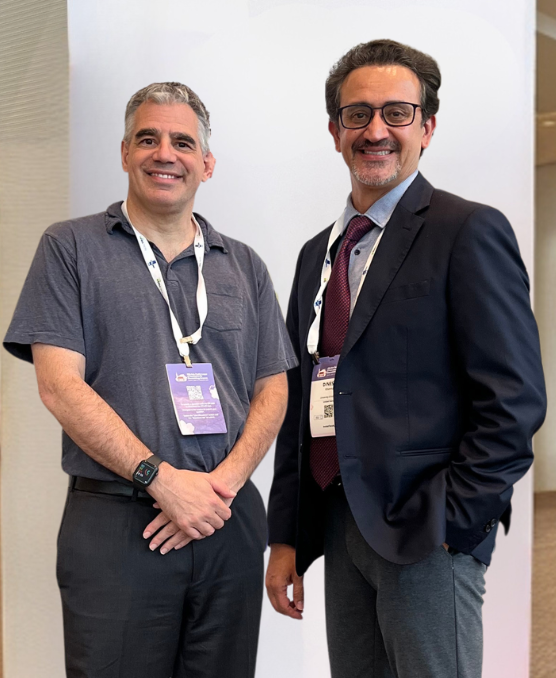
Representing CONQUEST were Gregory Gordon, MD, JD, Chief Medical Officer of the SRF, and Dinesh Khanna, MD, Co-Chair of the CONQUEST Steering Committee.
T
| | | | |
|
New SRF-Funded Study Examines How Protein Complex May Drive Sex Disparity in Scleroderma
Coauthors include funded investigators Jinwoo Lee, PhD; Diana Dou, PhD; Ami Shah, MD; David Fiorentino, MD, PhD; Lorinda Chung, MD; and SRF Scientific Advisor Howard Chang, MD, PhD
| | |
A new SRF-funded study offers a potential explanation for why autoimmune disease, including scleroderma, affects women at far higher rates than men. The researchers focused on XIST, a molecule found only in women that forms large complexes with proteins inside cells.
They found that the immune system can mistakenly target these complexes, producing autoantibodies, and identified specific "hotspots" within them that are particularly prone to triggering this response. A process called NETosis, where immune cells release their contents into surrounding tissue, appears to be the mechanism that initially exposes these complexes to the immune system.
The findings are directly relevant to scleroderma. In two patient cohorts, individuals with high levels of autoantibodies against a key XIST-associated protein were significantly more likely to experience severe manifestations of Raynaud's phenomenon, including digital ulcers and gangrene.
These results point to a new potential biomarker for identifying scleroderma patients at risk for severe vascular disease, and suggest new answers as to why women experience a disproportionate burden of autoimmune disorders. conditions
| | | | |
Scleroderma Research in the News | | | | |
| |