The Scleroderma Research Foundation Monthly eNewsletter | | |
Throughout February, this community came together to shine a light on Raynaud’s and rare disease. You showed up in countless ways, including using custom profile photo frames, resharing social posts, hosting fundraisers, and having conversations with the people you know.
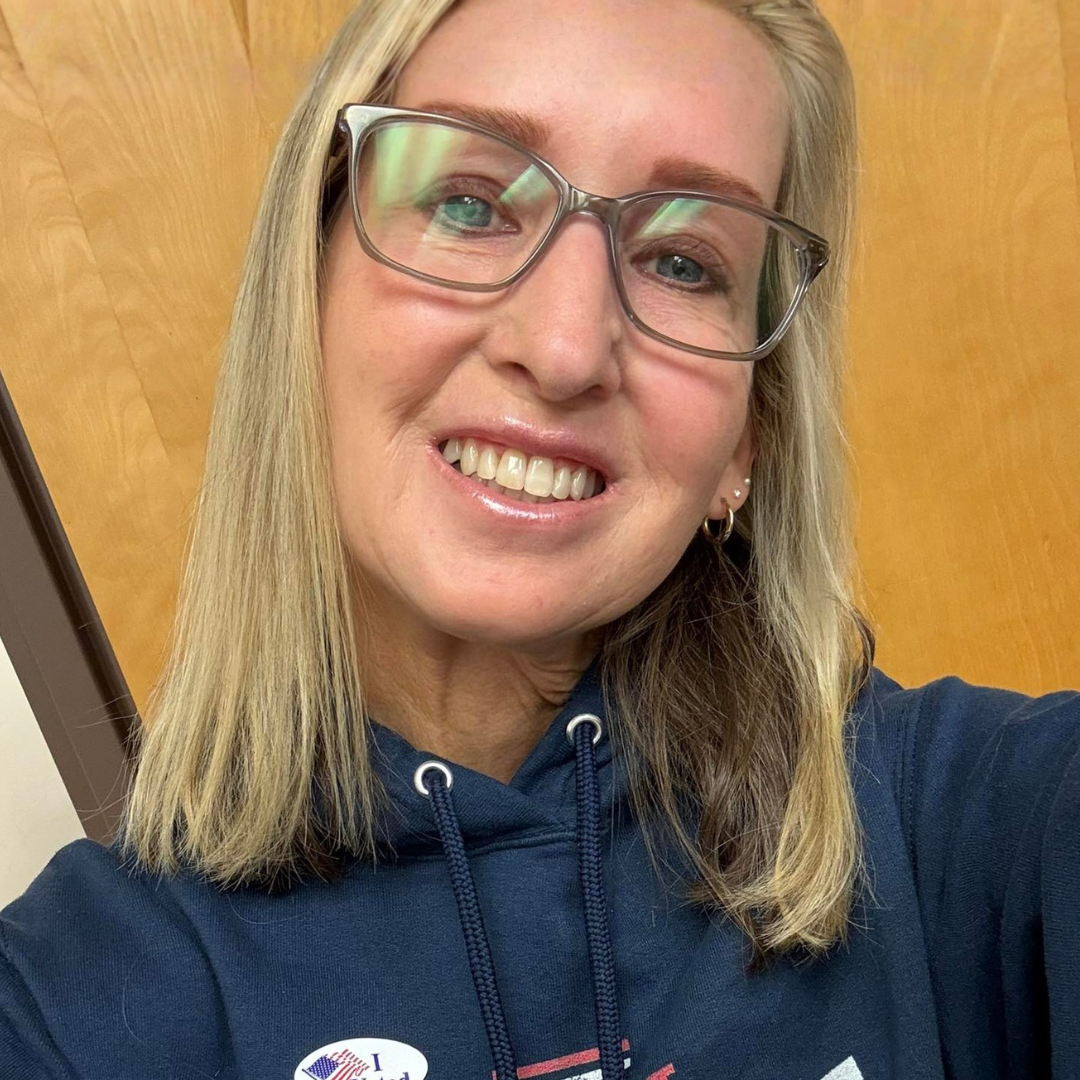
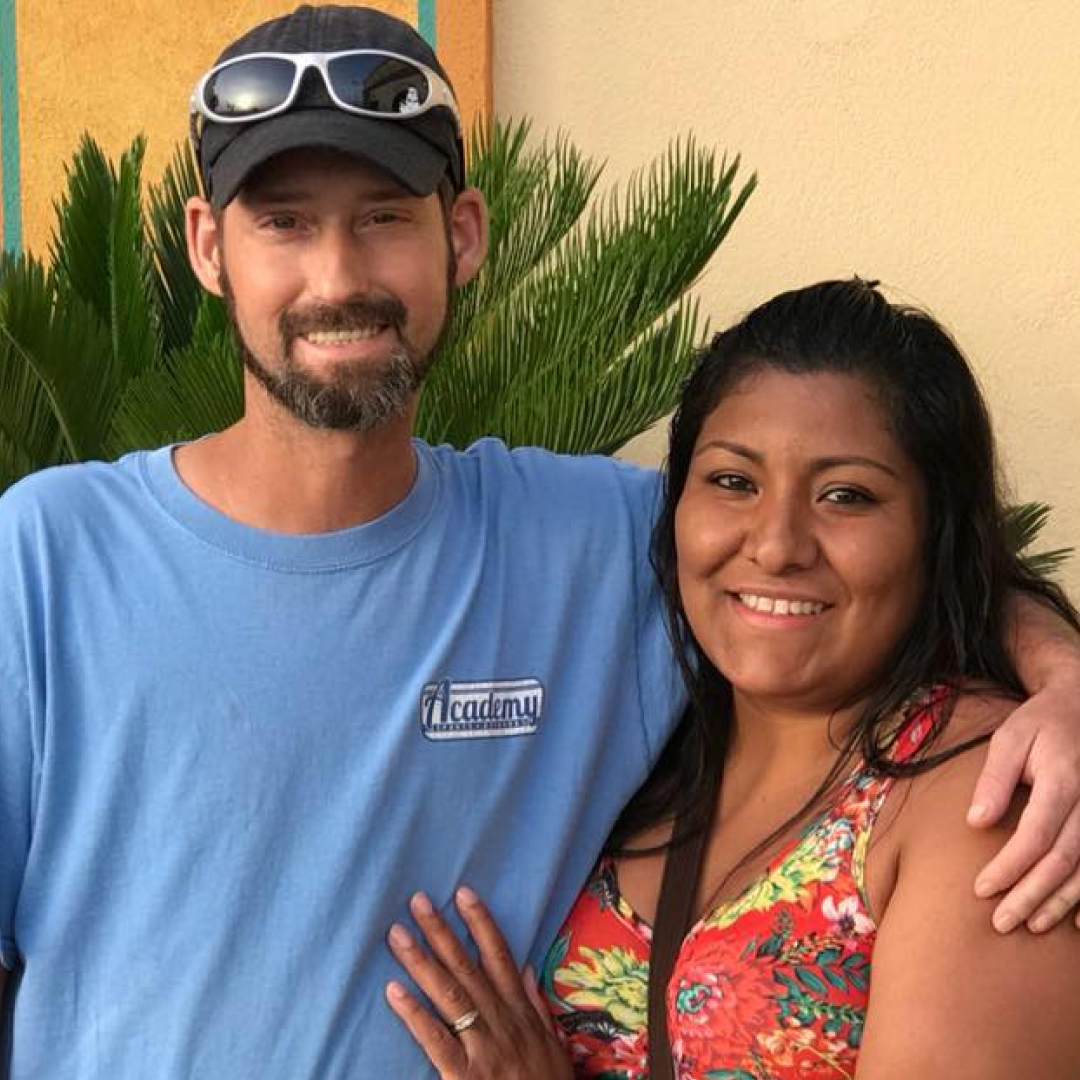
By sharing your stories, you put real faces and voices to scleroderma—like Julia and Nora.
| | “Raynaud’s has never really sidelined me. I just roll with whatever my body serves up as best I can,” says Julia P. (dx 2011). | | "People who are living with a rare disease are fighting something that few people understand," Nora R. says of her late husband Andy's (dx 2018) battle with scleroderma. | | Thank you for lifting up Raynaud’s Awareness Month and Rare Disease Day with your stories, energy, and advocacy! This community is helping drive awareness further than ever before. | | |
Join us in celebrating five years of the SRF Scleroderma Patient Forum! Each June, this event brings together leading experts and the scleroderma community together for a day of learning and empowerment.
Register now for this year's Forum:
🗓️ Thursday, June 11
⏰ 9:00 AM PT / 12:00 PM ET
This FREE half-day virtual event is designed for YOU—people living with scleroderma, caregivers, and anyone seeking trusted, up-to-date information. Whether newly diagnosed or years into your journey, there will be valuable insights for every stage.
Learn about disease management, current research progress, and what lies ahead in the search for a cure. You’ll also have opportunities to connect, learn, and ask questions throughout the day.
| | When you register, you will be automatically entered for a chance to win a special prize celebrating five years of forums—so sign up today! | | SRF-Funded Investigator Publishes New Insights on Blood Vessel Growth in Nature | |
A new study published in Nature, led by SRF-funded investigator Ryan Flynn, PhD, sheds light on how the body controls the growth of new blood vessels, a process known as angiogenesis. By uncovering a previously unrecognized regulatory mechanism, the findings may help explain vascular complications seen in diseases such as scleroderma.
The researchers found that certain RNA molecules on the surface of cells help signal when and where new blood vessels should grow. A key protein called VEGF normally tells the body to form new vessels. The team discovered that these surface RNAs, along with nearby proteins, can group together and bind VEGF, slowing down blood vessel growth. When the researchers removed these RNAs, VEGF signals became stronger and more blood vessels formed.
This work may be relevant to scleroderma, where blood vessels are damaged and new vessels fail to form properly despite elevated VEGF levels. The findings suggest a new mechanism that may influence blood vessel repair and point to a promising area for future research and treatment development.
This study demonstrates how the research our donors help to fund is advancing understanding of the biological mechanisms underlying scleroderma and related conditions, paving the way toward more effective therapies.
| | Longtime SRF Scientific Advisor Named Managing Director at Vie Ventures | |
The SRF welcomes the news that renowned immunologist Jeff Bluestone, PhD, has been named Managing Director at Vie Ventures—a biotech venture capital firm that advances therapies for autoimmune and immune-mediated diseases, including scleroderma. The firm was co-founded by SRF Board Chairman Luke Evnin, PhD, and Steven St. Peter, MD.
Dr. Bluestone is a globally recognized immunologist and biotech leader whose work has helped define modern understanding of immune regulation, tolerance, and translational immunology. He also has a longstanding connection to the SRF, having served on our Scientific Advisory Board (SAB) from 2012 to 2022.
As a member of the SAB, he worked alongside a distinguished cohort of other scientific leaders, helping guide the SRF's research program and shaping funding priorities to accelerate progress toward a cure for scleroderma.
|
| |
From early symptoms to ongoing care, questions about living with scleroderma don’t stop after diagnosis.
Your Scleroderma Questions, Answered is a monthly Q&A column featuring responses from the SRF’s Chief Medical Officer, Dr. Gregory Gordon, who shares guidance grounded in decades of clinical expertise.
| | | In this edition, he addresses questions about how doctors determine when scleroderma begins and the routine screenings used to monitor health over time. | | |
Q: How do doctors determine how long scleroderma has been active in a patient?
A: For many people, the first symptom is Raynaud’s phenomenon, where fingers turn white or blue and may feel painful when exposed to cold temperatures or stress. Raynaud’s can begin months or even years before other signs of scleroderma appear. However, Raynaud’s is common and does not automatically mean someone has scleroderma. In fact, most people with Raynaud’s never go on to develop the disease. Because of this, doctors usually do not suspect scleroderma when Raynaud’s appears by itself.
Doctors typically start to evaluate for scleroderma when additional symptoms develop, such as thickening or tightening of the skin, ongoing digestive problems (like reflux or trouble swallowing) or shortness of breath. At that point, they may order blood tests, imaging studies, and other exams to confirm the diagnosis.
| | Want more insight? Read Dr. Gordon’s full answer, along with his response to another community-submitted question. | | How Amy Finds Fulfillment in Research Participation | |
“Being able to be part of a study that could help treat—or even save—a person’s life is a humbling experience,” Amy G. (dx 2001) says of her decision to participate in scleroderma research.
"I was always motivated by research because this disease is so rare and is a personalized disease for each individual," she explains. "Research and clinical trials are a must to help patients sustain quality of life."
Participating also gave Amy a sense of empowerment, knowing her voice mattered and that her experience could help shape care for others. “The researchers are very focused on our wants and needs, and they truly take our perspective into consideration,” she says.
If you’re curious about clinical trials or wondering whether research might be right for you, SRF Carebox Connect can help you explore options based on your location and diagnosis. By completing a simple questionnaire, you can learn about nearby clinical trials you may qualify for and what participation involves.
| | Why Vaccine Science Matters for the Scleroderma Community | |
The SRF is unequivocably dedicated to evidence based basic and clinical research. We are deeply concerned that policies and rhetoric emanating from the Administration are undermining American’s confidence in proven medical technologies, drugs, and, in particular, vaccines.
“For people living with scleroderma and other autoimmune diseases, viral infections are not abstract risks—they can have enduring impacts on immune function and overall health,” says SRF Chief Medical Officer Dr. Gregory Gordon. “Evidence-based vaccine policy is a critical part of protecting immune health.”
Protecting and strengthening vaccine research isn’t just about preventing infection—it’s about preventing lifelong, life-altering disease. Viral infections are not always “mild” or temporary, and the science is clear about their long-term consequences. For the scleroderma community, this is a critically important issue.
In a recent op-ed published by the Washington Post, former FDA Commissioner Dr. Scott Gottlieb commented on the consequences of the anti-vaccine movement. Read his full article below.
| | Carrying Hope Forward: Lois’s Legacy Through Planned Giving | | |
While many people think about the immediate impact of charitable giving, there is another meaningful way to make a difference for those living with scleroderma: including a gift in your will or estate plan. Planned giving offers a way to support the causes that matter most to you while helping ensure your values continue to shape the future.
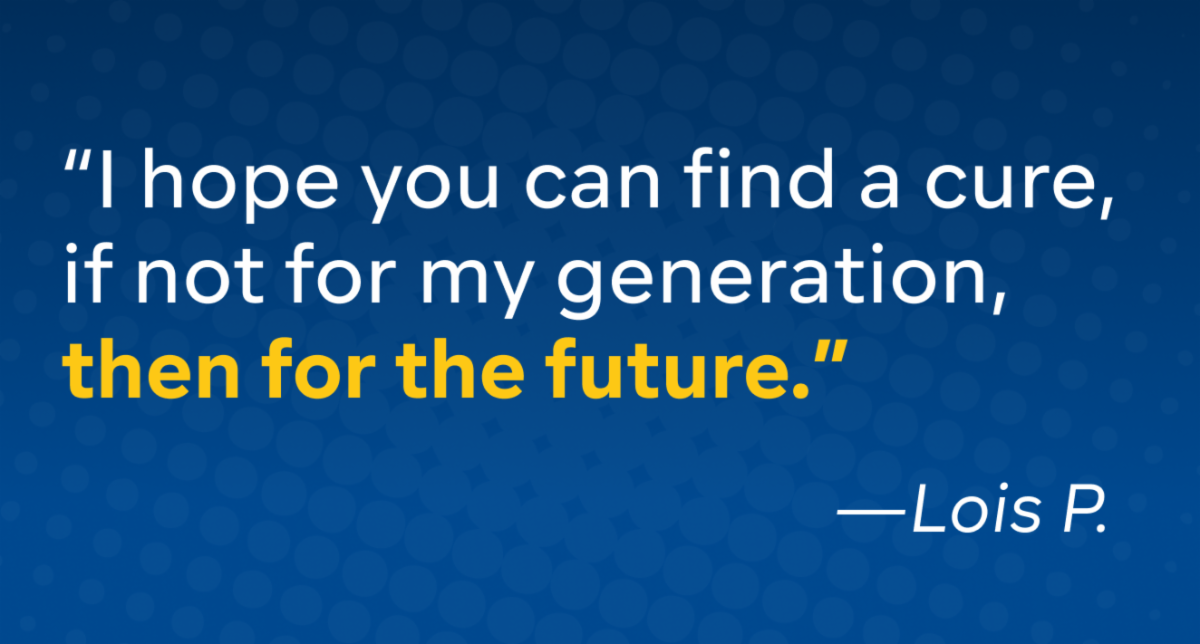
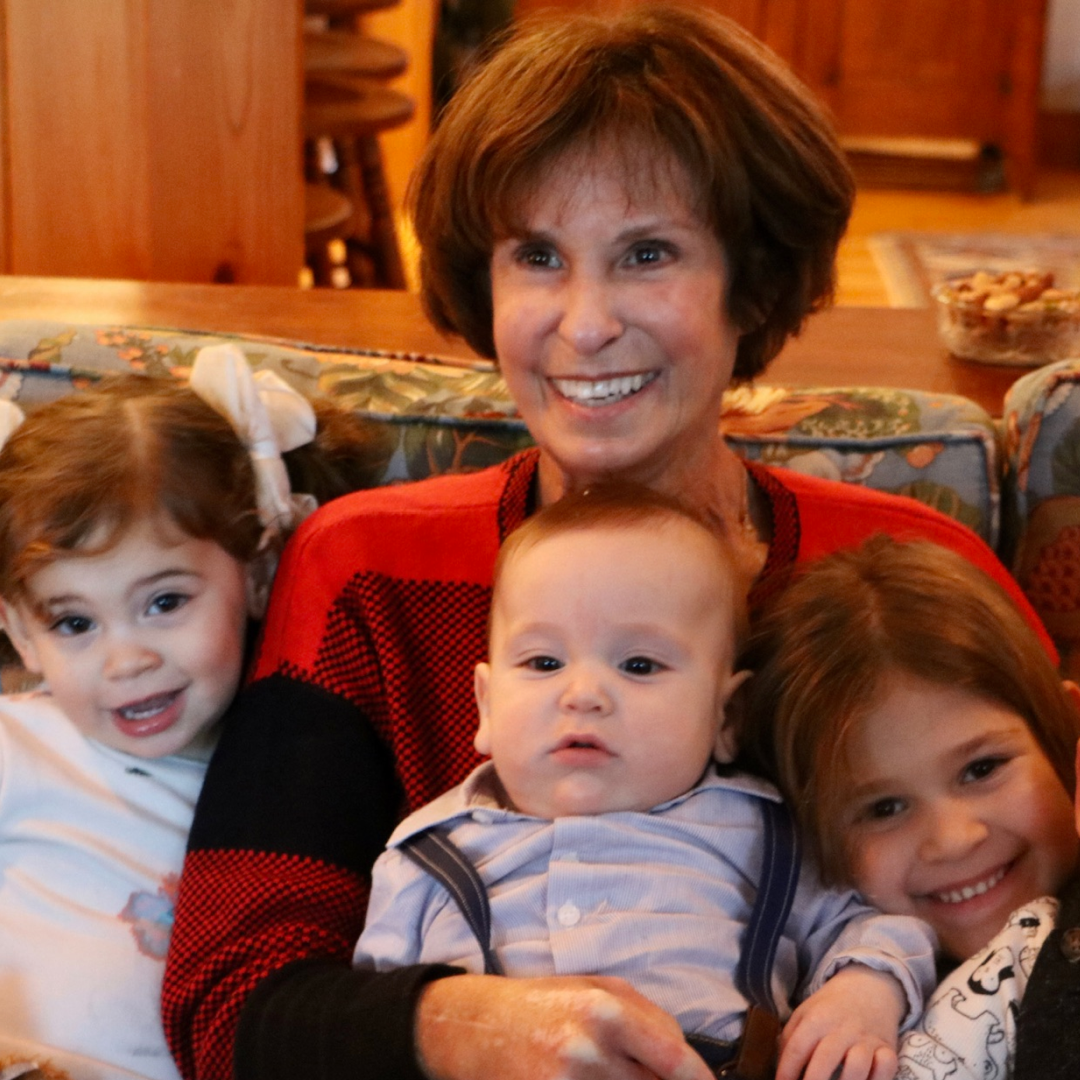
Lois P. understood that well. As someone who lived with scleroderma, she became a devoted supporter of the SRF in 2004 and believed strongly that research is the path toward better treatments—and ultimately a cure. Recently, through a generous bequest, she chose to continue that support beyond her lifetime, helping sustain the progress that gives so many in our community hope. We are deeply grateful for her many years of commitment and for the impact her gift will make possible.
Many of the most promising research advances we’ve funded have been made possible by forward-thinking supporters like Lois who chose to include the SRF in their estate plans.
If you’d like to learn how a planned gift could make a lasting difference, the SRF offers free tools and resources to help you explore your options and plan with confidence.
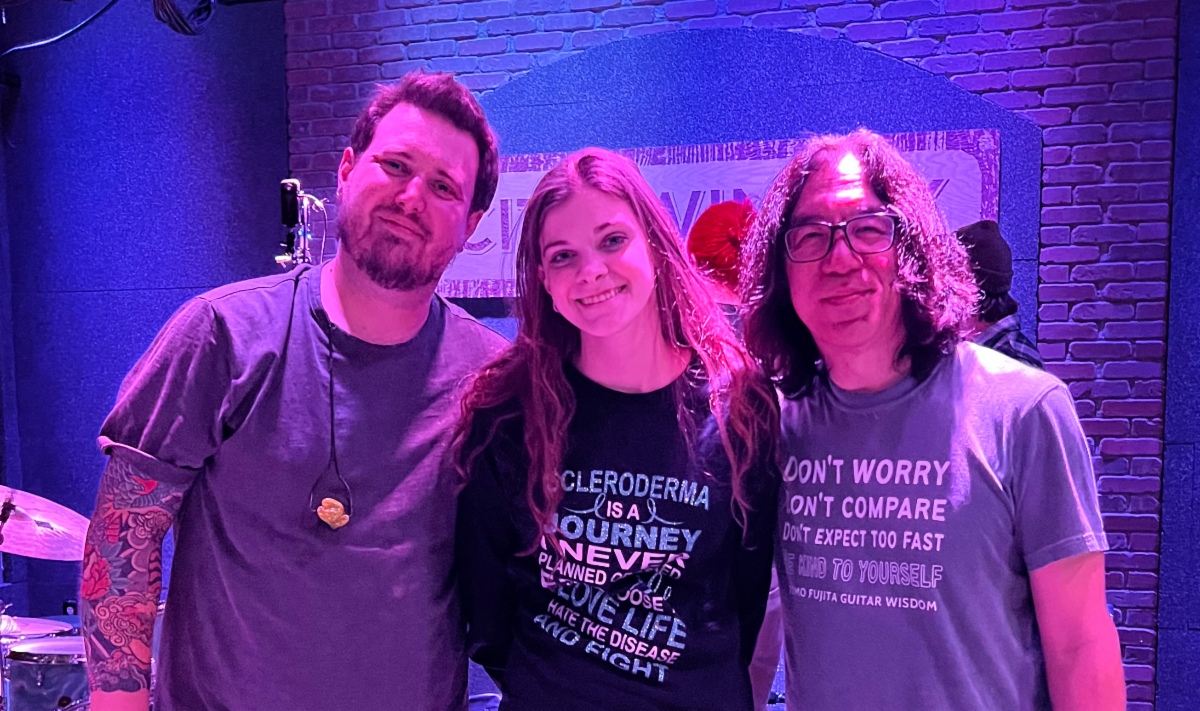
| | Pictured: Jordan C. with his sister Jessie C. and Tomo F. | | |
“I got involved with the SRF Cure Crew to support my little sister’s journey with scleroderma. Adding a charitable effort to my John Mayer tribute act felt like the perfect way to bring people together to enjoy some great music, talk about scleroderma, and keep the idea of finding a cure on people’s minds."
—Jordan C., SRF Cure Crew Member
| | |
Across the world, Cure Crew members like Jordan are channeling their passion and talents into powerful fundraisers that advance research and bring hope to people living with scleroderma.
The SRF Cure Crew is the SRF’s grassroots volunteer program, uniting people who believe in the power of research to change lives. From concerts to sports tournaments, members are raising critical funds and awareness while building momentum toward better treatments and, ultimately, a cure.
| | Community Fundraising Spotlights | | |
Skylar H. Dedicates Mitzvah Project to Scleroderma Research
"I am doing this in memory of my grandma, Kathy, who was always full of love," Skylar says. "My goal is to raise money to help ensure that other families don’t have to lose their grandmothers to this disease."
| | |
Molly S. Hits the Stage to Support a Friend with Scleroderma
"It feels important to not only raise money, but also to get the word out that scleroderma is a rare disease, and that it is severely underfunded in research," Molly says.
| | |
The Cure Crew is about more than just fundraising—there are so many ways to make a difference for the scleroderma community.
Whether you’re sharing your story, raising awareness, supporting research, or rallying your network, every action moves us closer to a cure.
| | Scleroderma Research in the News | | Check out the latest research updates from the wider community from this month. While we didn't fund these projects, we're encouraged to see a continued focus on understanding scleroderma. | | |
SRF-funded investigator Dinesh Khanna, MD, MSc, co-authored this study examining soluble CD13, a protein in the blood, as a possible biomarker for scleroderma. The research team found that the protein was often elevated but did not reliably reflect disease severity.
| | In Case You Missed it: Recent SRF Highlights | | Research is at the center of all we do to find a cure. | | Know someone who might be interested in this information? Forward this newsletter to them! You can also encourage your network to sign up for our emails, too. | | | | |