| |
|
Register now for the fifth-annual SRF Scleroderma Patient Forum, an online, half-day event hosted by the SRF that anyone can attend for FREE.
Join us on June 11, 2026, at 9 AM PDT/12 PM EDT for educational sessions on new developments in research symptom management and your role in finding a cure for scleroderma. You'll also have a chance to ask questions in a live Q&A after each session.
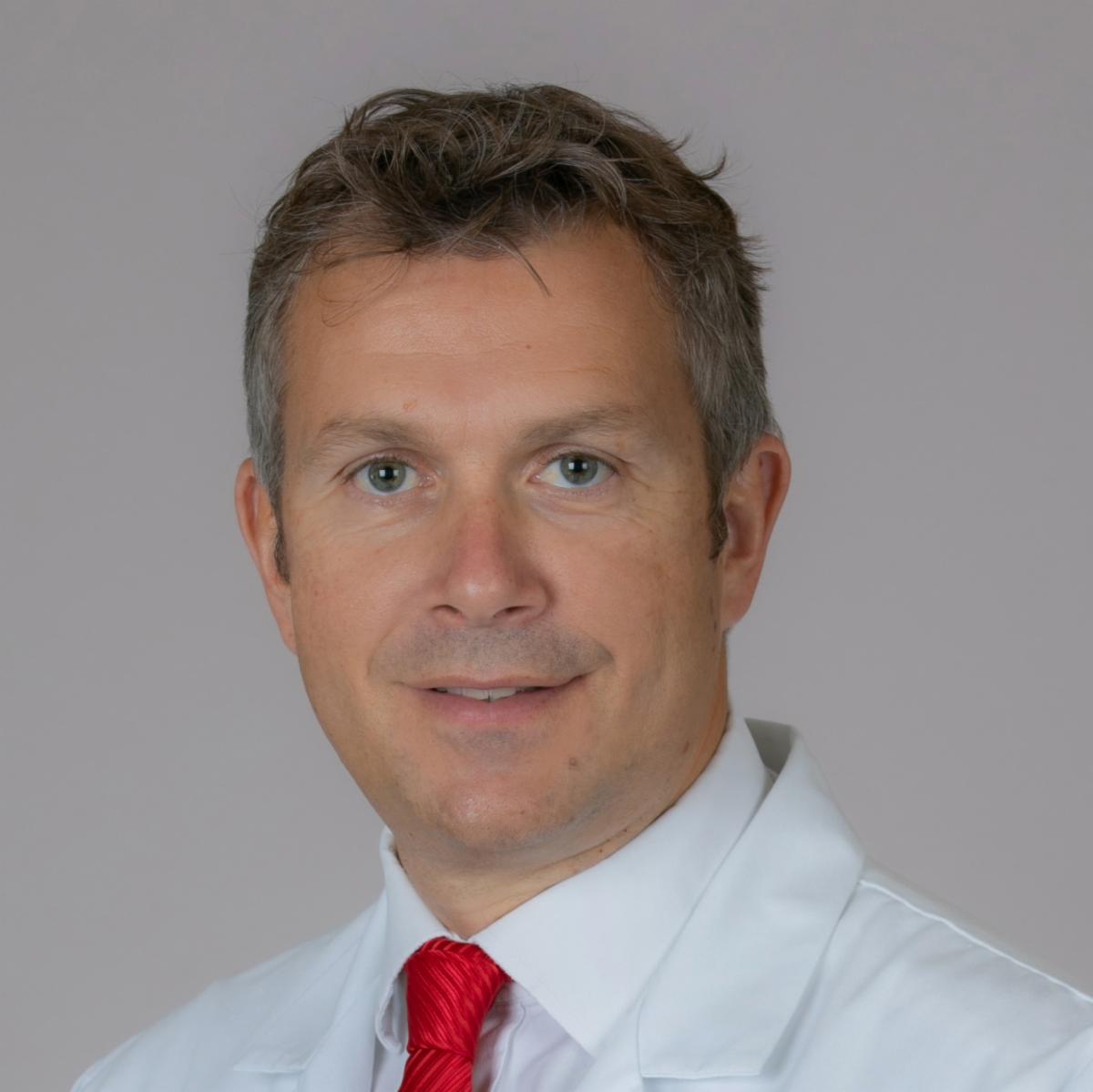
| | The latest session addition to the agenda: Toby Maher, MD, PhD (Keck Medicine of USC), will explore lung complications, one of the most common issues that people living with scleroderma face. | | | | | |
Quarterly Update: How Your Support Is Advancing Scleroderma Research | |
From new research insights to expanding clinical trials, the first months of 2026 reflect the steady momentum your support makes possible. Among the highlights: a landmark Nature study by SRF-funded researcher, Ryan Flynn, is advancing our understanding of vascular complications in diseases like scleroderma, and 150+ CONQUEST trial sites are now open, enrolling patients worldwide to accelerate the evaluation of the treatments for SSc-ILD.
Read the Q1 update from SRF Executive Director Joanne Gold to see how your support is moving us closer to better treatments and, one day, a cure.
| | | | |
Get Ready: June is Scleroderma Awareness Month | |
Too many people still haven't heard of this disease, so when you join us to #SayScleroderma, you help us change that. June is just around the corner, and whether you're new to the scleroderma community or have been with us for years, your voice matters—next month, we want to hear it!
There are so many ways to take action for Scleroderma Awareness Month: add our custom frame to your profile photo, share our posts with your network, or simply start a conversation. Find everything you need to make an impact with the resources below.
| | | | |
New Research Sheds Light on GI Complications in Scleroderma | |
A new study published in The Journal of Rheumatology, co-authored by SRF-funded investigator Elizabeth Volkmann, MD, examined how gastrointestinal (GI) symptoms affect people living with scleroderma. By mapping how symptoms group together, the findings could help doctors better assess and treat one of the most burdensome aspects of the disease.
The researchers analyzed GI symptom data from 773 patients and found that symptoms fall into four categories: upper GI symptoms, bloating, diarrhea and incontinence, and constipation. A small subgroup of patients, about 6%, experienced a more severe form of GI disease characterized by longer disease duration, a specific autoantibody called anticentromere antibody, diminished quality of life, and greater emotional and social impact from their symptoms.
GI complications are among the most common and debilitating features of scleroderma, yet they remain difficult to evaluate and treat. A better understanding of how symptoms cluster together could point the way toward more targeted therapies and improved care, particularly for the subset of patients with the most severe GI involvement.
| | | | |
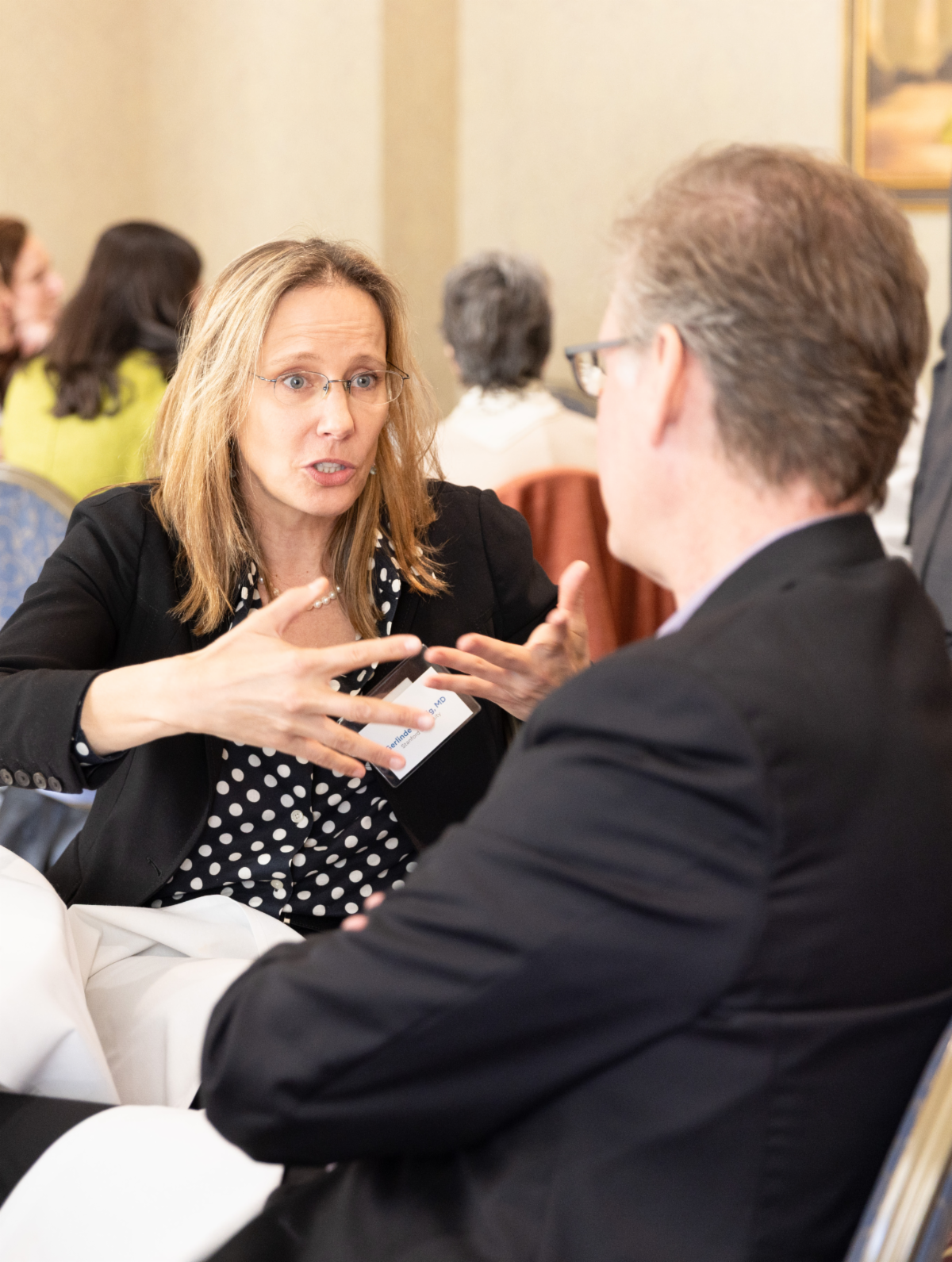
This year's convening—which took place this past weekend on May 8 & 9— was an intense two-day collaborative research event that serves as a cornerstone of our Research Program. At the event, an esteemed group of more than 50 people, comprised of Scientific Advisors, funded investigators, research applicants, and industry partners gathered to share updates, debate new ideas, and chart a course of innovative scleroderma research advancement. | | Pictured: SRF-funded researchers Gerlinde Wernig, MD (Stanford Medicine) and Paul Wolters, MD (UCSF) at this year's Science Workshop | | | | |
Your Scleroderma Questions, Answered | Each month, SRF Chief Medical Officer Dr. Gregory Gordon responds to questions from the scleroderma community | | |
Question: Does needing supplemental oxygen always mean it's permanent, or can it sometimes be temporary?
Answer: Supplemental oxygen use can sometimes be temporary, depending on the reason it was started. Many acute causes of low oxygen levels are reversible with appropriate treatment. A common example is a lung infection, such as pneumonia.
In contrast, when supplemental oxygen is started due to a gradual, progressive decline in lung function, it is more likely to be needed long-term. However, treatment can still play an important role in slowing disease progression, improving symptoms, and helping to preserve remaining lung function.
Read this month's full Q&A, including a second question about scleroderma-associated interstitial lung disease.
| | | | |
Transform a meaningful moment into lasting impact
Honor life’s most important moments by helping drive progress toward a cure for scleroderma. A donation to the SRF—whether made in celebration of a life milestone or in memory of a loved one—transforms your joy or remembrance into meaningful support for those affected by this disease.
From birthdays and anniversaries to tributes that carry someone’s legacy forward, your gift extends far beyond the moment itself, creating impact that lasts. Celebrate a life, honor a legacy, and make a difference with your gift to the SRF.
| | | | |
Remembering Bob on His Birthday | | May 17 is a day we hold close, as it would have been Bob Saget's 70th birthday, and we wouldn't miss a chance to celebrate him. He was a brilliant comedian, a beloved SRF Board Member, and was a dedicated champion of the scleroderma community. | | | |
For more than 30 years, Bob poured his heart and soul into our mission—helping build Cool Comedy • Hot Cuisine into a signature event that continues to raise unprecedented awareness and millions of dollars for scleroderma research.
On his birthday, we remember him with so much love and honor his passionate commitment to finding a cure for scleroderma.
Learn more about how Bob championed the scleroderma community.
| | | | |
SAVE THE DATE
Cool Comedy • Hot Cuisine
October 13, 2026, in Los Angeles
Mark your calendar and plan to join us for an unforgettable evening of comedy, gourmet cuisine, and support for scleroderma research.
Talent line up will be announced this summer but Table Sponsorships are available now (a limited number of individual tickets will go on sale this later this year).
All proceeds go directly towards the SRF’s mission to support the most promising and innovative research aimed at finding a cure.
| For questions or more information, please contact Anoushka Donnelley, Director of Philanthropy at anoushka@sclerodermaresearch.org | | | | |
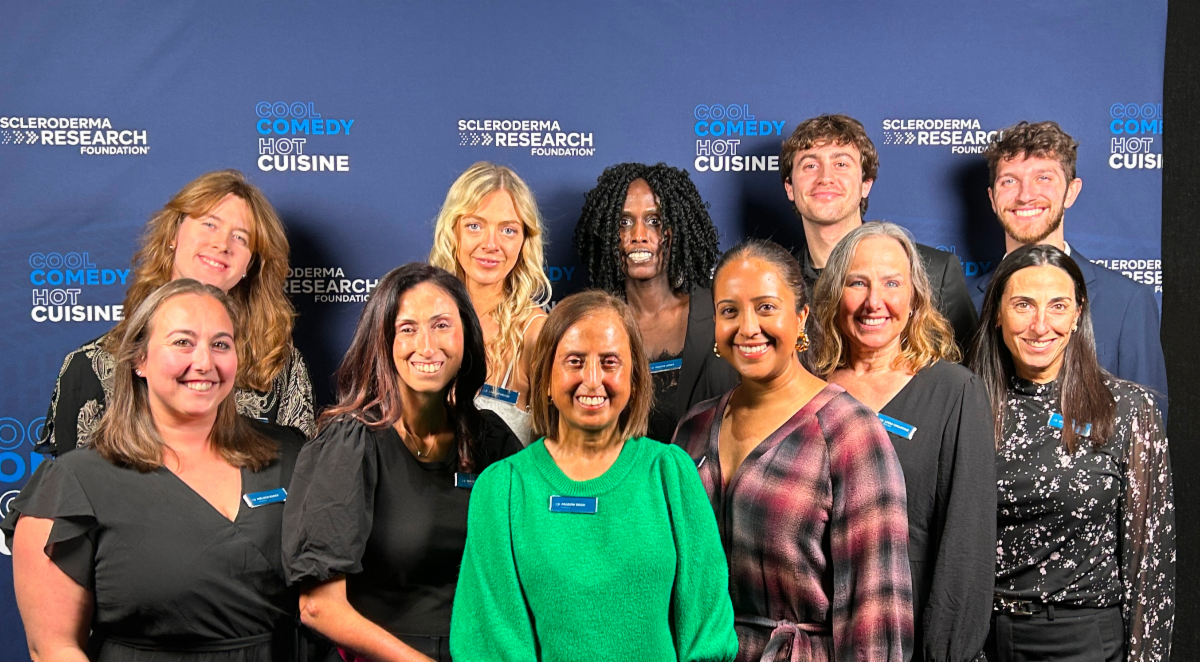
Driving Our Mission Forward: The SRF Cure Crew | Pictured: Cure Crew members volunteering at the 2025 CCHC in NYC | |
The path to a cure for scleroderma is paved by those who turn their passion into action. That's the SRF Cure Crew: a grassroots network of dedicated volunteers who are raising awareness, funds, and helping keep the momentum going for scleroderma research every single day.
Read on to see how a few of these incredible volunteers are making an impact.
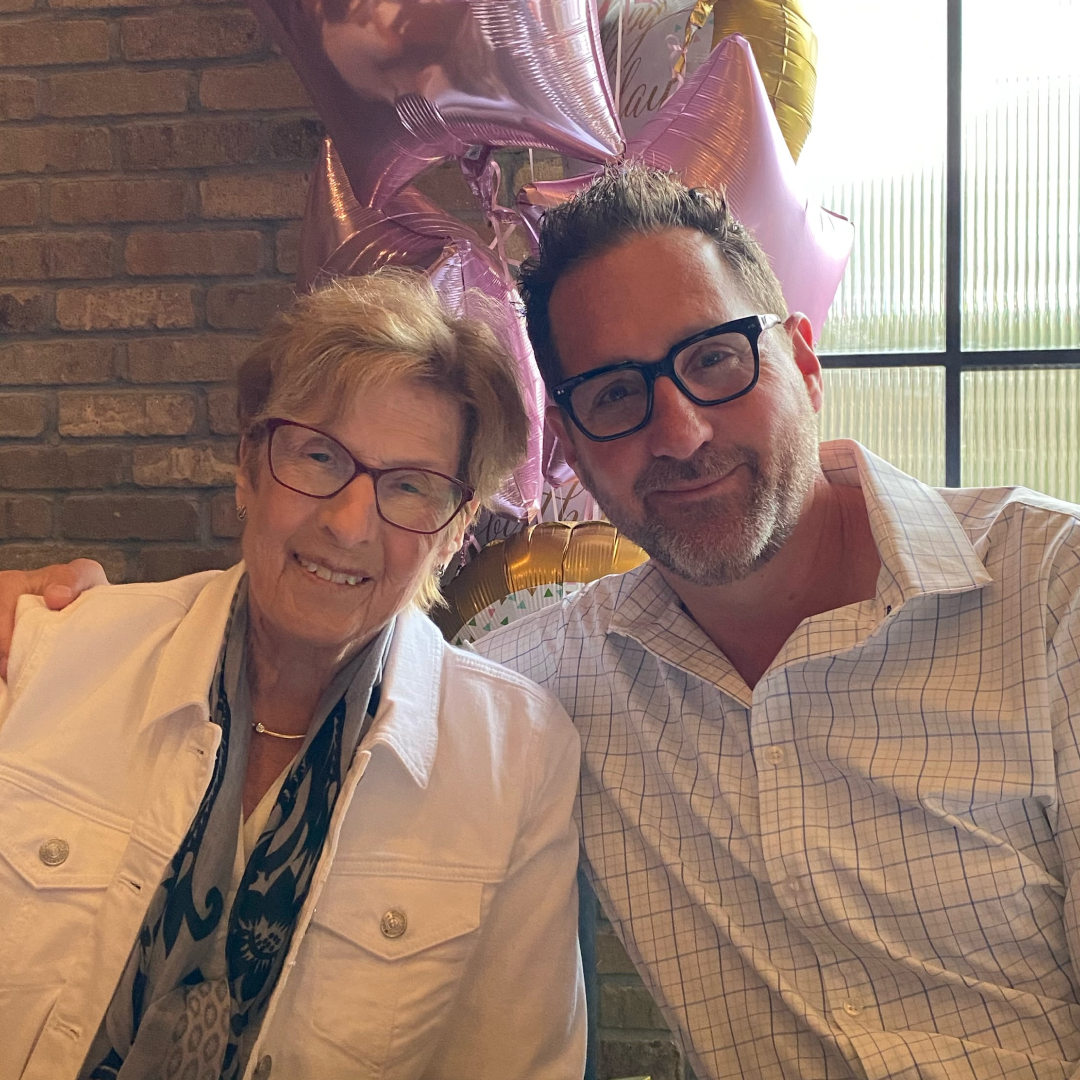
| | Pictured: Brian and his mother, Roberta, who passed from scleroderma complications in 2022 | | |
ESM Foundation's 3rd Annual Charity Golf Tournament
Brian E. and the ESM Foundation are hosting their 3rd Annual Charity Golf Tournament in Carlsbad, CA on Monday, August 24. The event will raise funds to benefit the SRF, as well as the Fibromuscular Dysplasia Society of America, so you can hit the links for two causes that matter!
Learn more and register for this event.
| | | | |
Peg Shares Her Late Daughter Carolanne's Story
"She was compassionate to those who suffered and always extended her hand to help,” Peg says.
Read the full story on our blog.
| | We need your help! Every new Cure Crew member means more awareness, more funding, and more progress toward a cure. Joining is as easy as deciding to show up, and every bit of your participation makes a difference. | | | | |
Scleroderma Research in the News | | |
Check out the latest research updates from the wider community this month. While we didn't fund these projects, we're encouraged to see a continued focus on understanding scleroderma.
Delayed Gastric Emptying Predicts Adverse Outcomes in Systemic Sclerosis
This study was co-authored by SRF-funded investigator Zsuzanna McMahan, MD, MHS, examining whether delayed gastric emptying can predict serious outcomes in scleroderma patients. The research team found that gastric dysmotility was independently associated with a significantly higher risk of death or lung transplantation.
Genetic links to systemic sclerosis may differ by sex, new study finds
CONQUER Steering Committee Co-Chair Shervin Assassi, MD, MS, co-authored this study examining how genetic factors linked to scleroderma may affect women and men differently. The researchers identified several sex-specific genetic regions associated with the disease, offering early insights toward more personalized treatment approaches.
Autoantibodies tied to symptoms, complications in scleroderma study
Liver enzyme levels help diagnose autoimmune hepatitis in SSc: Study
| | | | |
| |