| |
SRF Statement on the Recent CAR T-Cell Trial Pause | | |
The Scleroderma Research Foundation is deeply saddened by the news of the deaths of three participants who developed a rare and severe inflammatory complication in clinical trials of a CAR T-cell therapy for autoimmune diseases. Please join us in extending heartfelt condolences to their families and loved ones. We recognize that this news is also greatly concerning to people living with systemic sclerosis, particularly those participating in or considering clinical research.
CAR T-cell therapy remains an investigational approach with potentially transformative benefits. Its scientific and early clinical promise does not lessen the gravity of these deaths or the obligation to understand them fully. These events underscore the importance of conducting clinical research in closely monitored clinical trials and allowing the evidence to guide the path forward.
The SRF is fully committed to supporting rigorous, responsible research across a broad range of therapeutic approaches and to keeping the scleroderma community informed as reliable information becomes available. Overall, we are strongly encouraged by the broader momentum in autoimmune disease research and clinical development—including B-cell depletion and immune-system “reset.”
| | | | |
The Scleroderma Health & Resources Survey: Filling a Critical Research Gap | | |
Resource utilization and scleroderma health data are valuable tools to help researchers better understand the true burden of the disease, so future research and treatments focus on outcomes that matter most to people living with scleroderma and their families.
Recently, the SRF launched the online Scleroderma Health & Resources Assessment Survey to gather valuable patient insights on symptoms, healthcare experiences, quality of life, caregiving needs, and day to day challenges of living with scleroderma.
People living with scleroderma are the experts on their own experience—and that expertise matters. Their stories can shape future studies, sharpen how outcomes are measured, and keep research grounded in what they actually experience.
We’re delighted to report that more than 650 people with scleroderma have already completed the survey, giving researchers real insight into the gaps that still need to be addressed.
Thank you to all those who have already participated, but if you haven't done so yet and would like to share your lived experience, there's still time. The survey is open until September 15th—please consider lending your voice!
| | | | |
Join us for CCHC 2026: Big Laughs. Bigger Impact! | | |
Cool Comedy • Hot Cuisine (CCHC) returns on Tuesday, October 13 at the Beverly Wilshire in Los Angeles.
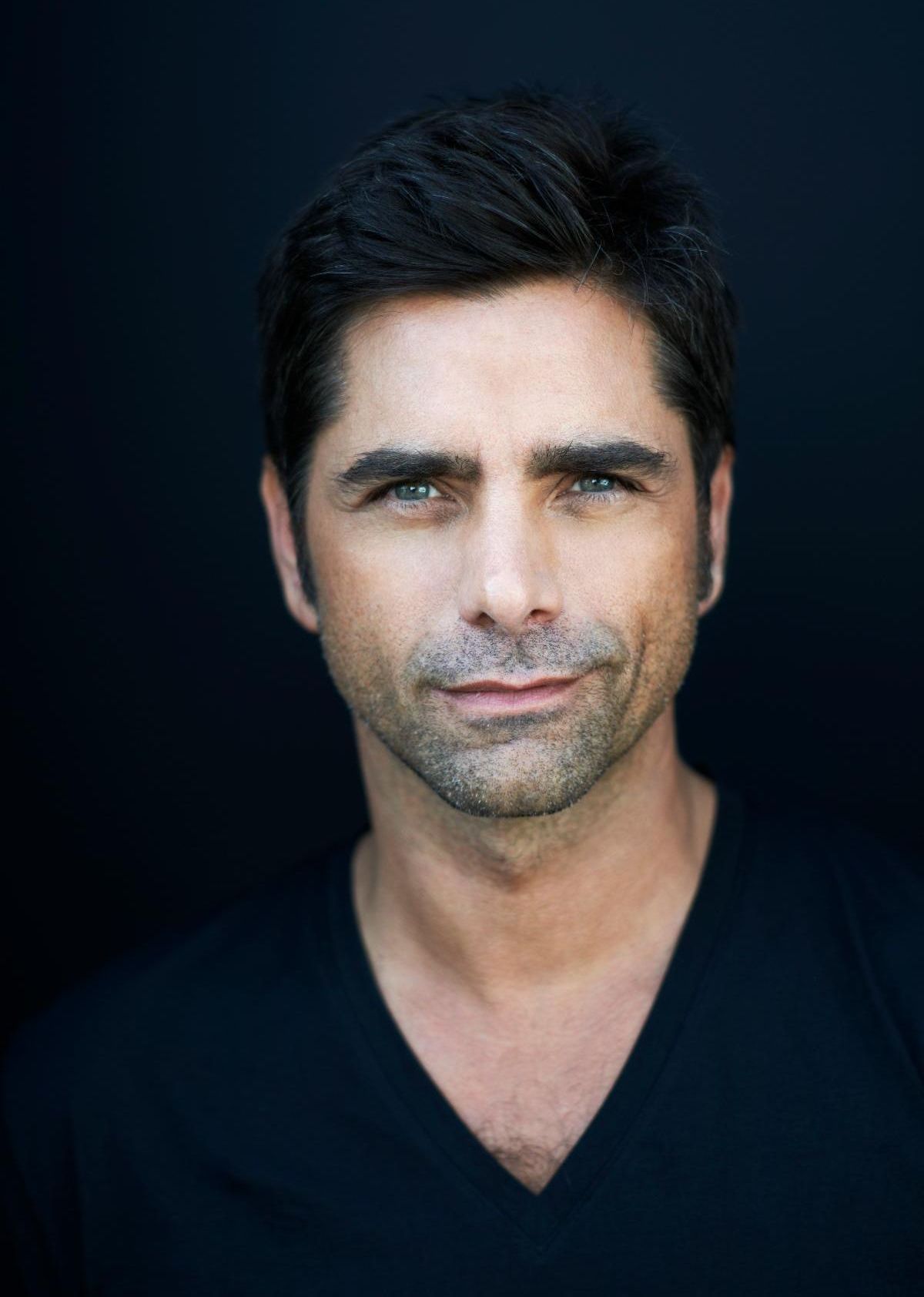
We're beyond thrilled to honor sitcom legend John Stamos with this year's Bob Saget Legacy Award, celebrating his incredible commitment to advancing scleroderma research in the spirit of our beloved SRF board member Bob Saget.
CCHC brings together top talent for a night packed with big laughs and an even bigger mission: raising critical funds and awareness for scleroderma research. This star-studded event is way more than a party. It's a platform that propels scleroderma and the need for a cure into the national spotlight.
This year's incredible talent lineup is not to be missed! We're welcoming back event host Jeff Ross, joined by co-auctioneer Seth Green and comedians Matt Friend, Ron Funches, and Lisa Ann Walter, with more special guests to be announced. We're deeply grateful to each of them for generously donating their time and talent to help advance scleroderma research.
Every ticket, sponsorship, and donation goes directly toward funding the SRF's research and education programs. Tickets and sponsorships are available now.
| | | | |
ILD Day 2026: Raising Awareness for a Serious Scleroderma Complication | |
Interstitial lung disease (ILD) is one of the most severe complications people with scleroderma can face, and one of the most common. Early detection can change the course of the disease, which makes awareness around ILD so crucial.
This year, the Scleroderma Research Foundation (SRF) is joining 13 partner organizations for the sixth annual ILD Day on September 16, uniting under one shared goal: raising awareness and connecting people with trusted resources and support. Through collaboration, our reach extends further than any single organization could manage alone.
| | |
Staying Ahead of ILD: Understanding Treatment and Progression
Tuesday, September 15
9 AM PST / 12 PM EST
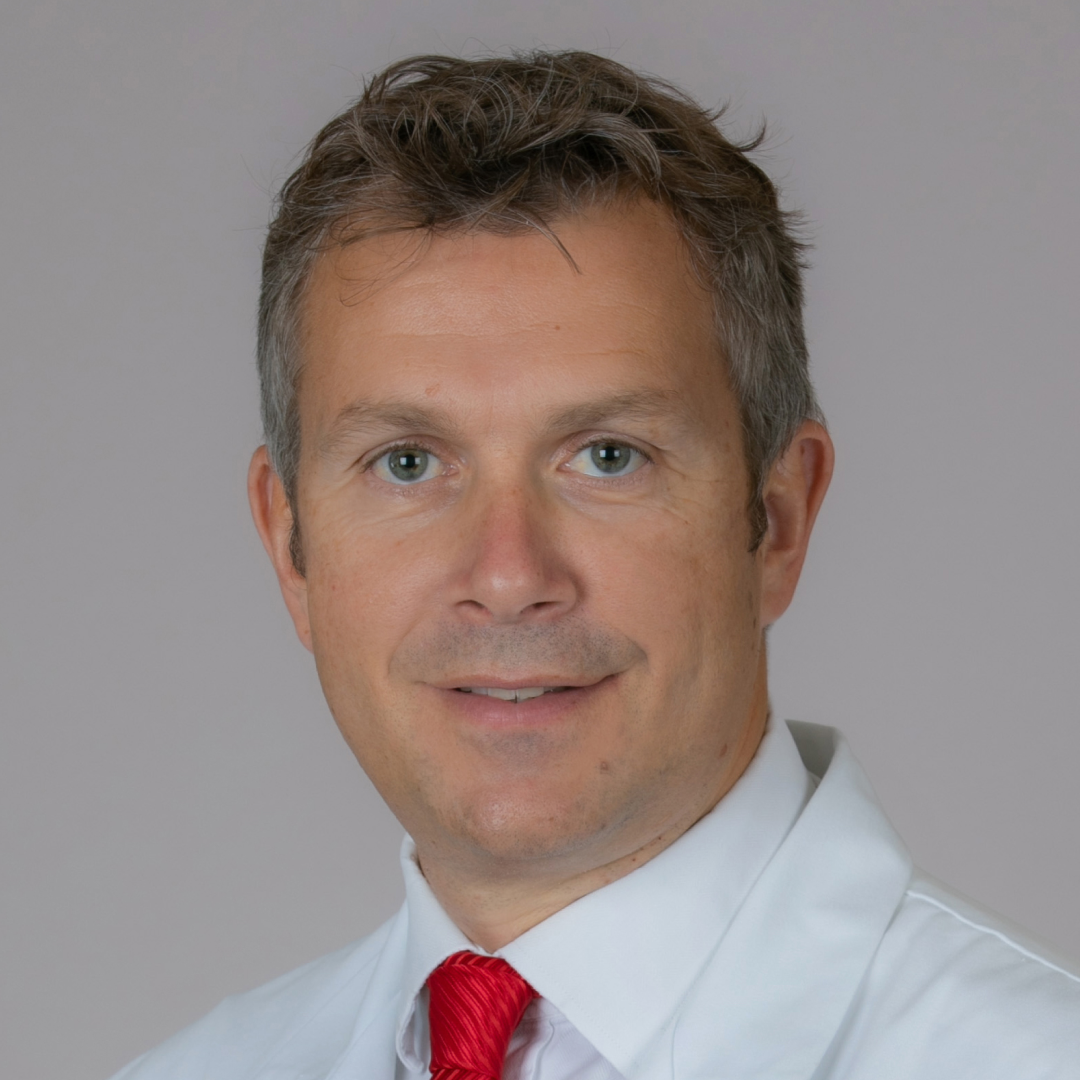
Join the SRF for our free webinar and learn about scleroderma-associated interstitial lung disease (SSc-ILD). Toby Maher, MD, PhD (Professor of Clinical Medicine at the Keck School of Medicine of USC) returns to this year's event to discuss how SSc-ILD progression is recognized in people with scleroderma, and how early recognition shapes treatment decisions.
Have questions about SSc-ILD? Bring them to the live Q&A following Dr. Maher's presentation, moderated by SRF Chief Medical Officer, Dr. Gregory Gordon. Secure your spot at the event today.
| | |
Personalizing ILD Medicine: The Right Treatment for the Right Patient
Wednesday, September 16
10 AM PST / 1 PM EST
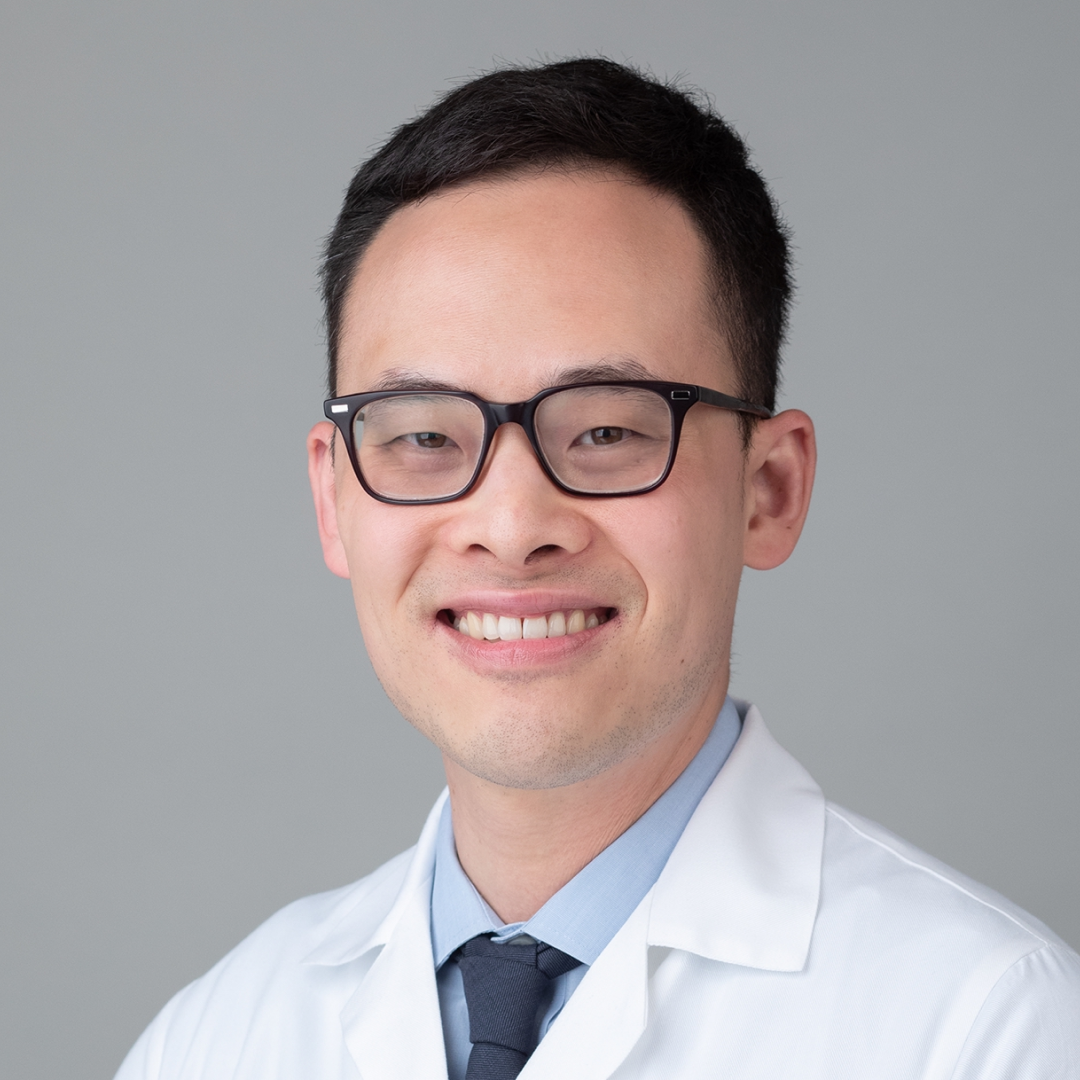
The Pulmonary Fibrosis Foundation (PFF) is hosting a webinar on ILD Day, featuring John S. Kim, MD, MS, a pulmonologist and associate professor of medicine at the University of Virginia School of Medicine. His research focuses on interstitial lung disease and combines imaging biomarkers, genomics, and clinical data to identify people at greater risk of developing the disease.
The presentation will focus on precision medicine for treating ILD. Learn more and register for this free event on the PFF website below.
| | | | |
The SRF Cure Crew: Making a Difference, Year After Year | | |
What does it take to move the needle on scleroderma research? People who care deeply—and turn that passion into action, again and again.
That's the spirit behind the Cure Crew, the SRF's grassroots volunteer program comprised of people from around the world who are dedicated to raising awareness and vital funds for a cure.
Their continued commitment, advocacy, and hard work are helping fuel progress toward a world without scleroderma. Below, meet a few Cure Crew members whose sustained efforts are making a real difference.
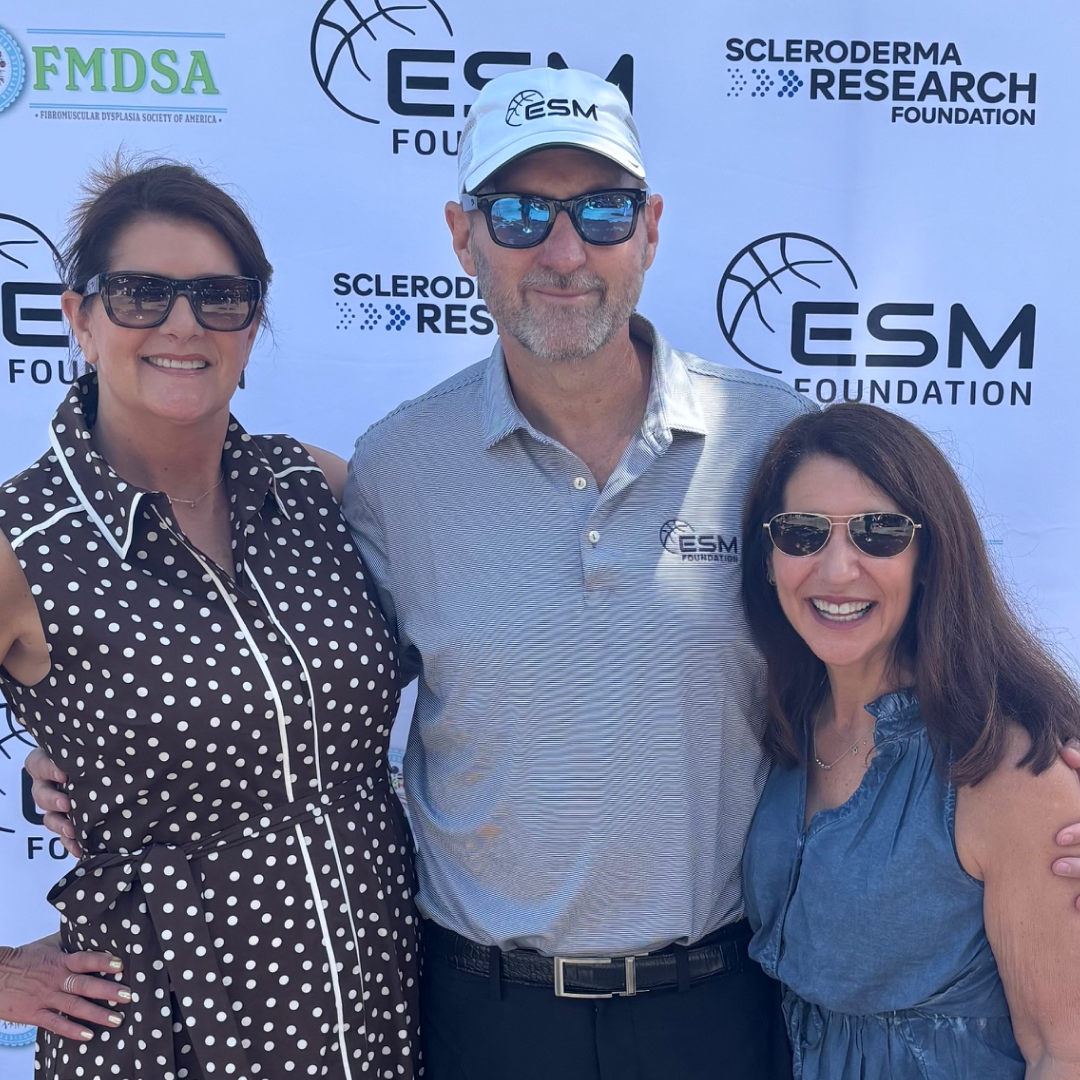
| | | | The ESM Foundation's 3rd annual Charity Golf Tournament, held August 24th, raised nearly $50k for two causes close to ESM CEO Brian Elfus' heart, including the SRF, in honor of his mother Roberta, who lived with scleroderma, and the Fibromuscular Dysplasia Society of America (FMDSA). | | | | |
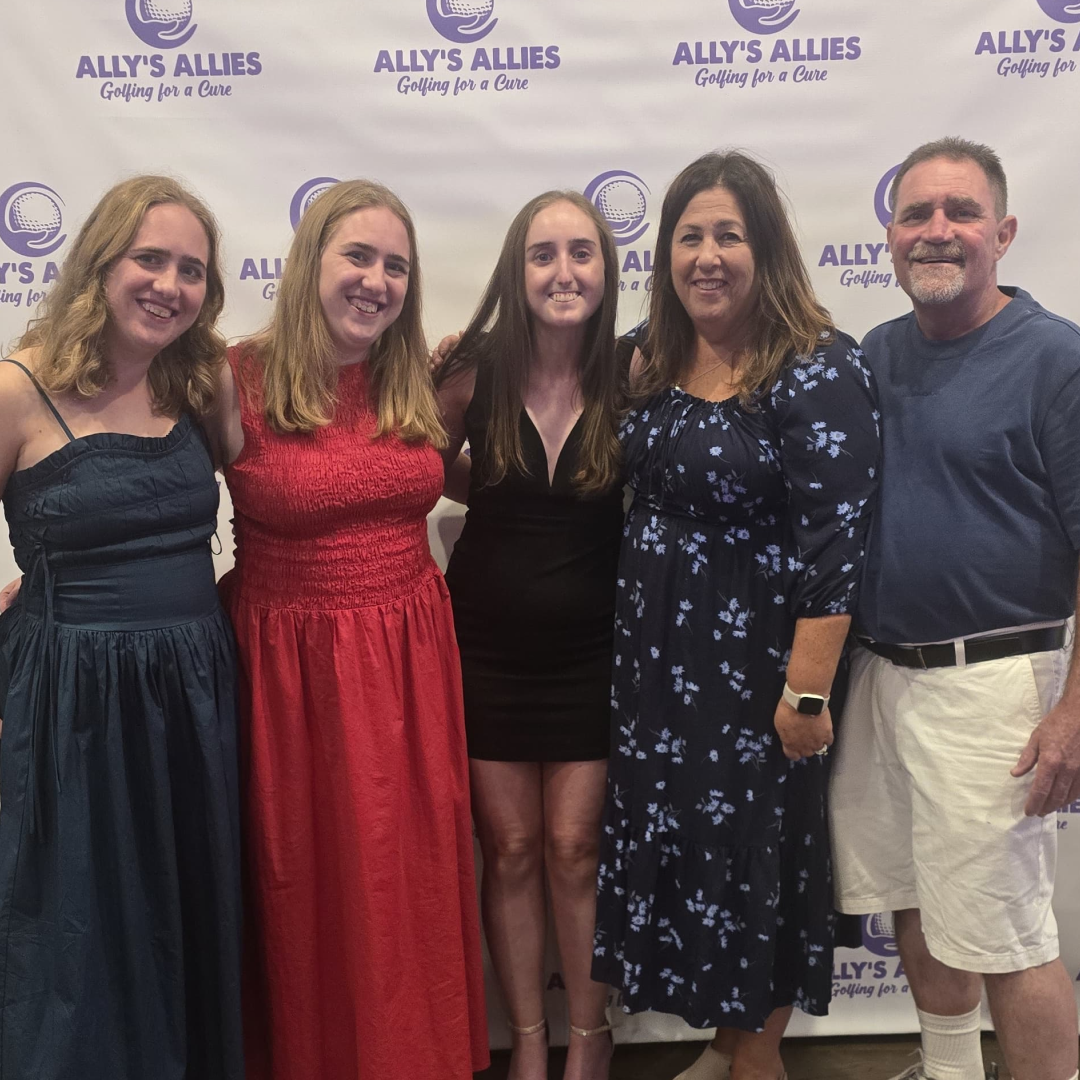
For the 4th year running, Ally's Allies returned to host their Annual Golfing for a Cure, raising $27,000 to support scleroderma research— bringing their four-year total to over $100,000! Ally W. (dx 2022) and her mother, Linda, founded the organization together, turning Ally's own journey with scleroderma into action for the community.
| | | | |
| | Mark the Moment, Move Research Forward | |
Honor life's most important moments by helping us drive progress toward a cure.
A donation to the SRF in celebration of a milestone or in memory of a loved one can transform joy or remembrance into
meaningful support for those with this disease.
From birthdays to anniversaries to tributes that carry legacy on, your gift will create impact that lasts.
| | | | |
Your Scleroderma Questions, Answered | | |
Each month, SRF Chief Medical Officer Dr. Gregory Gordon responds to questions from the scleroderma community.
Question: If someone gets a lung transplant, what prevents scleroderma from affecting the new lungs?
Answer: After a lung transplant, the patient's scleroderma will not directly affect the new lungs. But that does not mean there are no concerns. Scleroderma-associated lung disease develops through a slow process in which the patient’s immune system attacks healthy, native tissue. The immune system produces autoantibodies directed at the lung, which injure the small blood vessels and delicate lining cells. That injury triggers local fibroblasts, leading to lung fibrosis.
This process typically builds gradually over years and depends on repeated, ongoing injury over a long period of time. Donor lungs carry none of this history and the patient’s autoantibodies will not interact with it in the same way. So, the patient's scleroderma does not directly damage the new lung tissue
Read his full response to this question, along with his response to a question on exercises for people living with ILD, on our blog.
| | | | |
Upcoming Community Events | | |
Patient Education Conference hosted by the Scleroderma Foundation Greater Chicago
🗓️ Saturday, October 17
📍 Chicago, IL
Join the SFGC for a free, in-person day of education and support. Learn more and sign up for the event on their website.
| |  | |
Researcher Spotlight Webinar Series: Scleroderma hosted by the Arthritis National Research Foundation
🗓️ Wednesday, October 14
⏰ 9AM PST/12 PM EST
Hear from two leading scleroderma experts at this free online event. Learn more and register here.
| | | | |
Scleroderma Research in the News | |
Check out the latest research updates from the wider community this month. While we didn't fund these projects, we're encouraged to see a continued focus on understanding scleroderma.
Blood protein may help predict lung decline in scleroderma-related ILD
Coauthors of this study include Shervin Assassi, MD, MS, and Toby Maher, MD, PhD, both leaders within the SRF's research initiatives.
Abatacept Reduces CD319+ (SLAMF7) Cytotoxic T Cells and Cytokine Production in Systemic Sclerosis
Coauthors of this study include SRF-funded investigators Dinesh Khanna, MD, MSc, Michael Whitfield, PhD, and Johann E. Gudjonsson MD, PhD.
Study maps shift in prescribing patterns as guidelines evolve
New cellular clues to complications of scleroderma
Lack of small blood vessel damage patterns may predict milder SSc
Aminaphtone Effective for Stabilizing Microvascular Damage in SSc With Secondary RP
| | | | |
| |