|
| |
IN THIS ISSUE
Policy Corner
News Feed
Training & Events
Resources
Job Announcements
| | |
Policy Corner
Strengthening Medicaid Retention in a Shifting Landscape
| | |
Changes in Medicaid eligibility, including implementation of H.R. 1 (PL 119-21), are expected to significantly impact coverage across the US, with an estimated 7.5 million more uninsured people by 2034. In January 2027, new federal requirements will move adults in the Medicaid expansion group to a six-month renewal cycle. Estimates project 2–3.1 million people could lose coverage from more frequent renewal, with another 3–7 million affected by new work requirements. While children and other Medicaid eligibility groups will maintain 12-month continuous coverage, research shows that covering adults through Medicaid expansion helps children.
States are using multiple strategies to help eligible families and children remain covered:
-
Automated renewals are critical for continuity in Medicaid coverage. Many states renew coverage using existing data (i.e., income records; SNAP or TANF participation) so families do not need to take additional steps or risk being dropped accidentally. But performance varies widely: in 2024, some states renewed over 90% of cases automatically, while others were closer to 20%.
-
States with better retention of children in Medicaid use multiple approaches. Strong-performing states combine automated renewals with persistent outreach to families; community-based support; early and sustained planning efforts; and high-level leadership commitments.
-
Human support still matters. In-person assistance increases successful enrollment in coverage, especially for communities facing technological barriers or complex application processes.
-
Better contact strategies deliver results. States are moving beyond static records by integrating external data sources like databases from the National Change of Address and the U.S. Postal Service and managed care organization lists, reducing returned mail and preventing coverage losses.
States are working toward a new era where proactive retention strategies must be built into coverage systems. While tools like continuous eligibility and federal outreach investments support continuity, upcoming policy changes may increase the number of eligible families losing coverage. Long-term success will depend on states treating these strategies as a sustained priority, rather than a temporary response.
Resources
| | | |
Unwrapping Wraparound: Innovations in Care Coordination
In this week's Unwrapping Wraparound episode, Covi and Conan sit down with Implementation and Training Manager Lisa Spera to explore what happens when systems offer only “too little” or “too much” support—but nothing in between. Together they explore FOCUS, the evidence-informed model for the often overlooked "middle" tier of care coordination. This episode drops Wednesday, April 22. Bookmark our website and follow us on Spotify to never miss an episode!
| | |
CMHAM Social Media Toolkit
As May approaches, the focus is shifting from awareness to action for Children's Mental Health Action Month (CMHAM). Following the leadership of the National Federation of Families, Innovations Institute is supporting this shift by offering a 2026 Social Media Toolkit designed to help communities elevate their work on behalf of children, youth, and families. The toolkit includes customizable weekly content, platform-specific strategies, and Action Green graphics to support a unified national presence.
| | | | |
Title IV-E Prevent Plan Amendments
The Children's Bureau released a Dear Colleague Letter and model language to support States and Tribes in amending their Title IV-E five-year prevention plans to include new home visiting services. The guidance outlines sample program language and requirements for well-supported home visiting models, allowing jurisdictions to incorporate these services through the existing amendment process. Use of the pre-reviewed language can help streamline federal review and accelerate approval.
| |
CMMI Launches ASPIRE Model
The Center for Medicare and Medicaid Innovation (CMMI) at CMS announced the Accelerating State Pediatric Innovation Readiness and Effectiveness (ASPIRE) Model, a voluntary 10-year initiative focused on improving care for children and youth under age 21 with complex medical and behavioral health needs in Medicaid and CHIP. The model will support up to five states in implementing coordinated, whole-person care approaches with a focus on improving outcomes and reducing reliance on higher-intensity care settings.
| | | | |
SAMHSA Grant Reviewer Opportunity
SAMHSA is recruiting peer reviewers with experience in substance use, mental health, and recovery programming in Fiscal Year 2026. Peer reviewers help to ensure that grant applications are evaluated through an objective process and provides accurate feedback to SAMHSA and applicant organizations. Learn more.
| | | |
|
Tuesday, April 23
12:00 – 1:00 PM ET
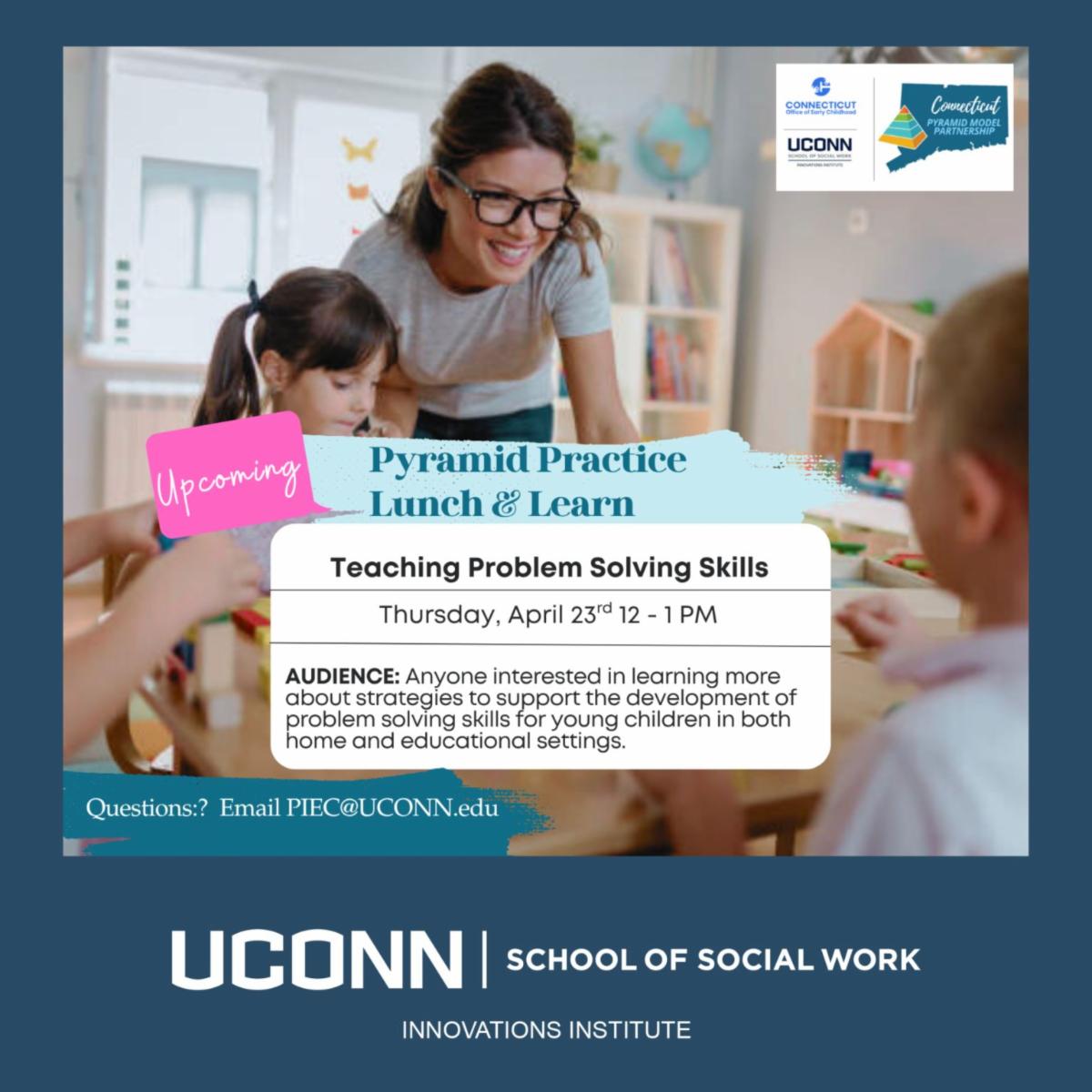
Join Innovations Institute's Parent, Infant, and Early Childhood (PIEC) team for the monthly Pyramid Practice Lunch & Learn. The April session will explore strategies to support the development of problem-solving skills for young children in both home and educational settings.
| | |
Tuesday, April 21
2:00 PM ET
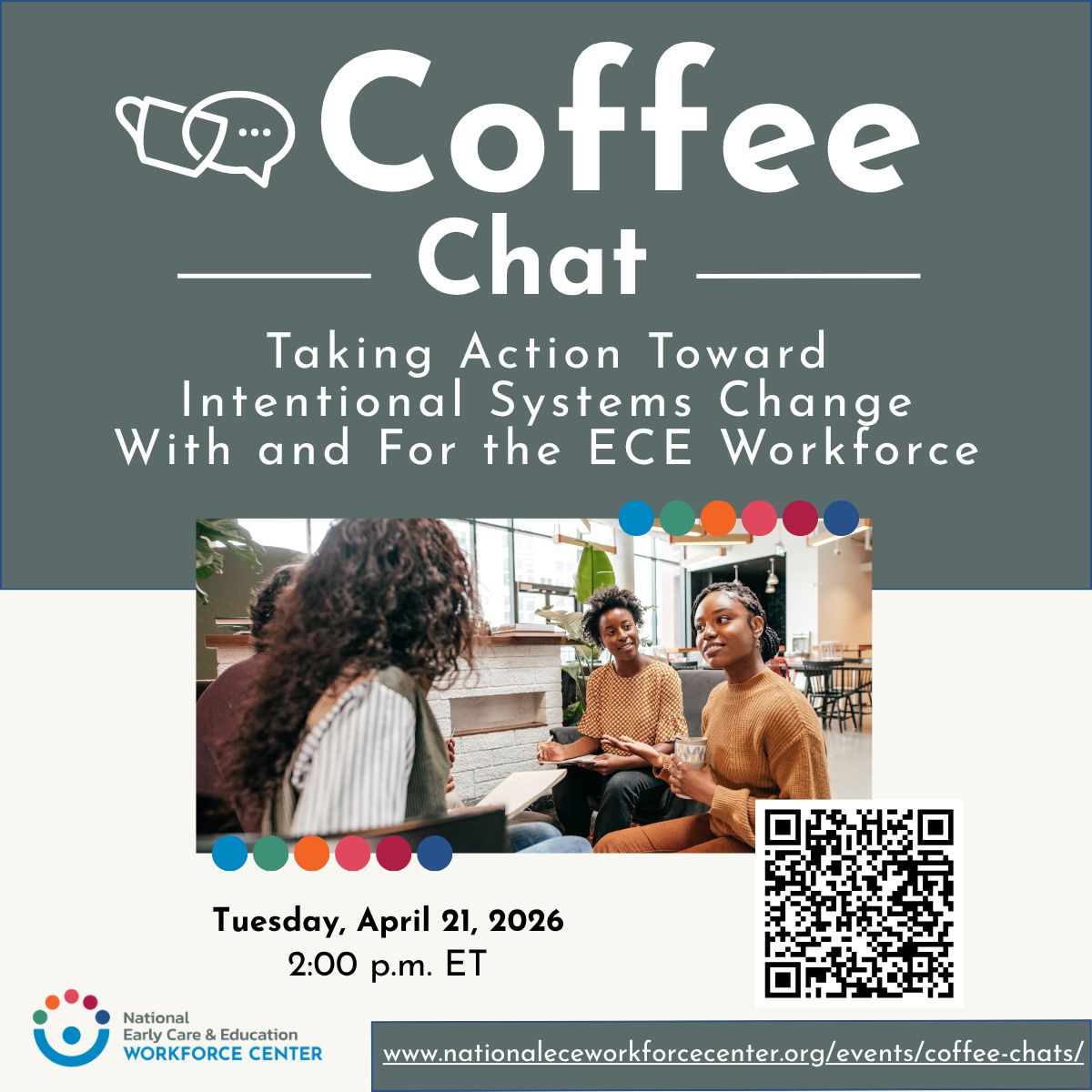
Join the National Early Care and Education (ECE) Workforce Center for a coffee chat to explore tools you can use and steps you can take to create sustainable change in your state or community. Coffee Chat discussions are designed to foster community building and allow attendees an opportunity to engage with each other and the Center.
| | | | | |
Thursday, April 23
12:00 – 1:30 PM ET
As part of The Urban Institute–Georgetown Law Series on Health Justice, join legal scholars, health professionals, and people with lived experience for a discussion of actionable, trauma-informed strategies to protect and promote the health and well-being of youth with disabilities. Attend this hybrid event virtually or in-person in Washington, DC.
| | |
Fund IRL: Turn Social Media Accountability into Youth Opportunity
Thursday, April 9
2:00 PM ET
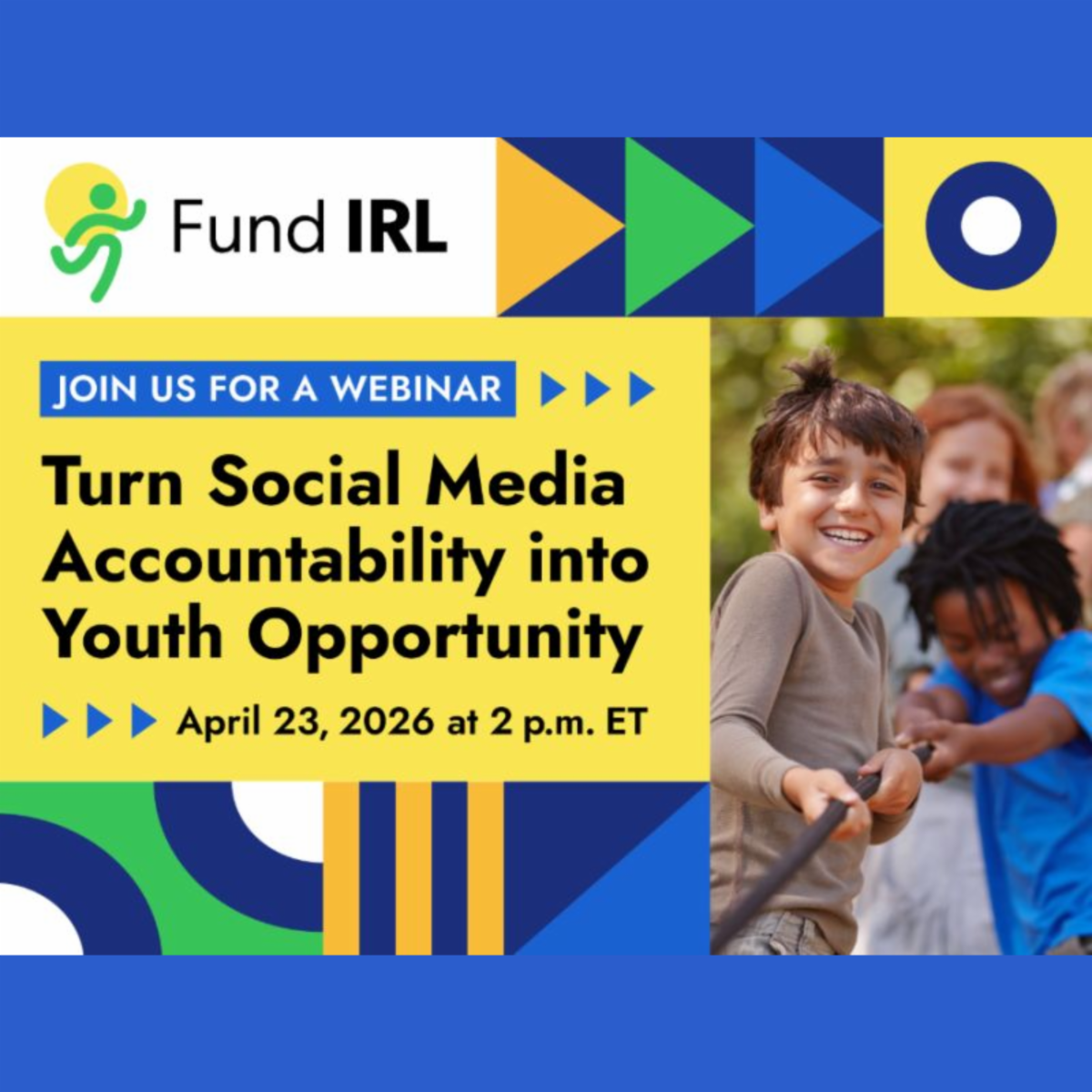
Join the Children's Funding Project to learn about Fund IRL, the national coalition working to ensure potential settlements or other payouts from current lawsuits against social media companies go toward the after school, mentoring, and youth development programs that help young people thrive. Participants will learn ways to activate and advocate to invest in the well-being of young people across the country.
| | | | | |
From Toolkit to Practice: Improving Attendance for Students Experiencing Homelessness
Tuesday, April 28
12:00 – 1:30 PM ET
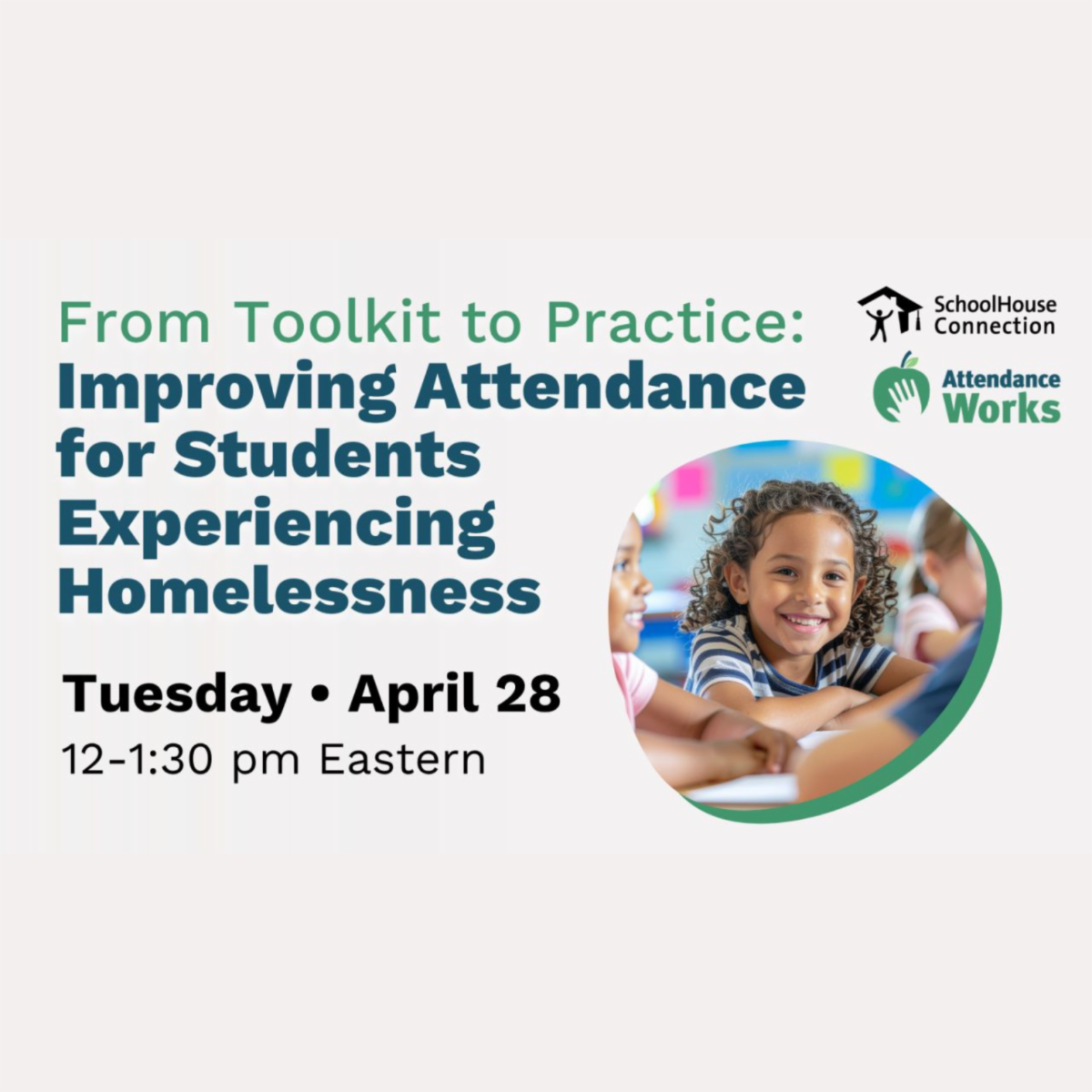
SchoolHouse Connection and Attendance Works developed a Local Educational Agency (LEA) Toolkit filled with adaptable templates, sample materials, and practical resources being used by urban, suburban, and rural districts across the country. The toolkit is designed to help districts move from ideas to action and strengthen attendance support for McKinney-Vento students.
| | |
Psychosis CARE 2026 Virtual Conference
April 28 & 29
8:30 AM – 2:00 PM ET
This virtual conference invites a broad audience to engage in Community Awareness, Resources, and Education as it relates to Psychosis. This annual event features breakout sessions led by speakers who are experts in the field of psychosis. Attendees can expect to learn more about early identification of psychosis, resources for supporting individuals experiencing symptoms of psychosis, and more.
| | | | | |
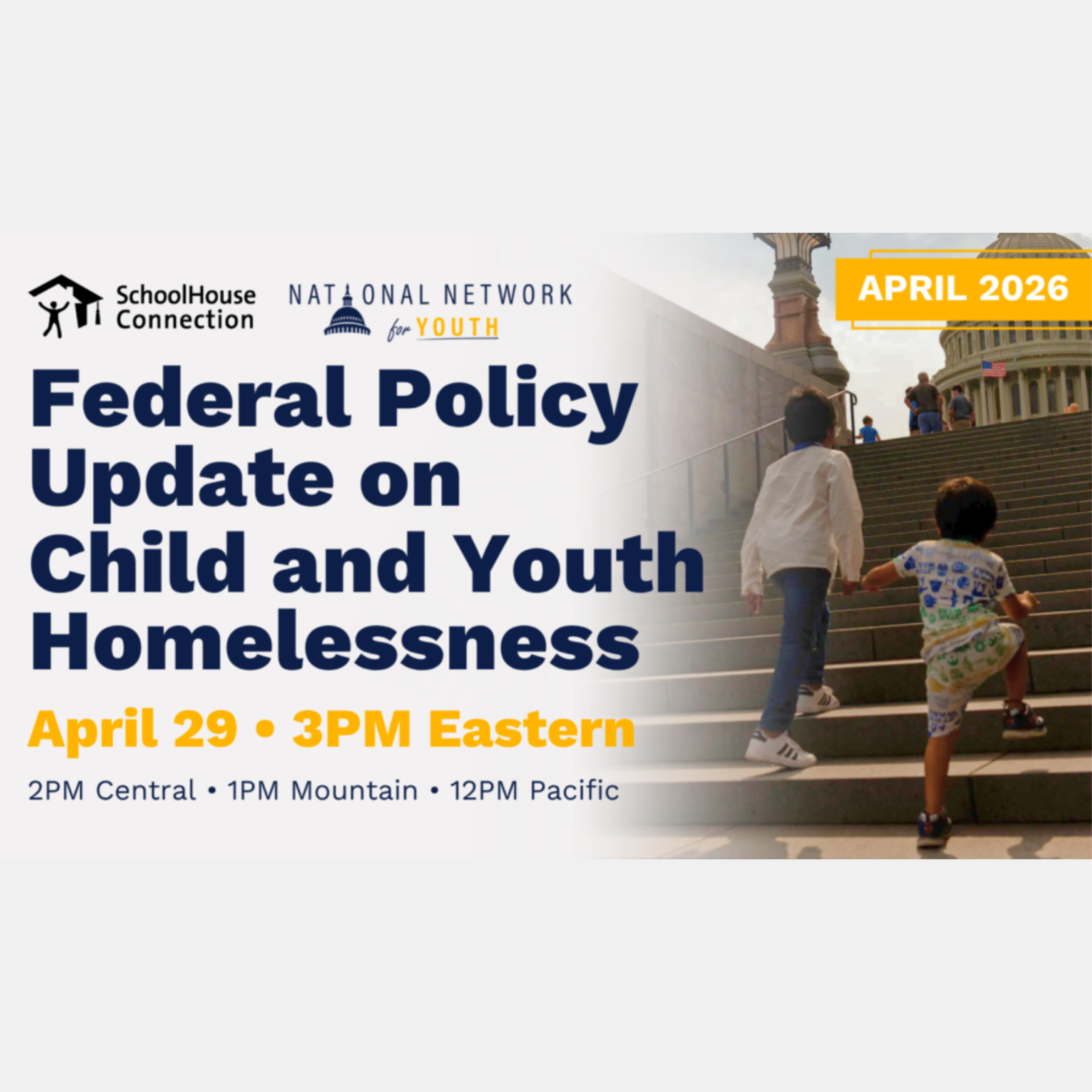
Federal Policy Update on Child & Youth Homelessness (April 2026)
Wednesday, April 29
3:00 – 4:00 PM ET
This webinar from SchoolHouse Connection and the National Network for Youth will provide the latest federal policy updates related to child, youth, and family homelessness. The session will cover the status of FY2027 federal funding for key programs, updates on federal actions and lawsuits, and opportunities to advance recently introduced legislation.
| | |
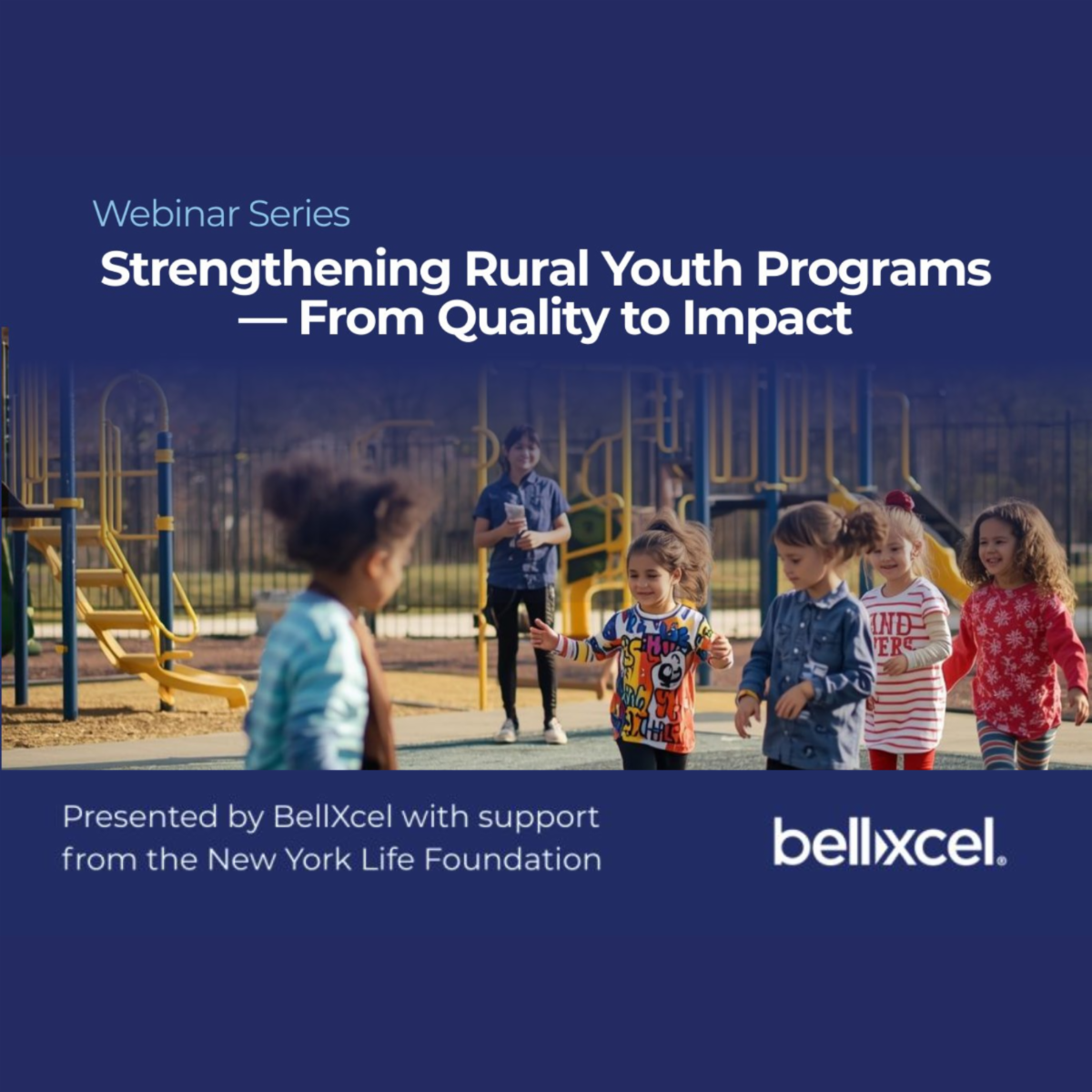
Strengthening Rural Youth Programs: Measuring What Matters—Data Collection in Rural Youth Programs
Thursday, April 30
1:00 PM ET
Join BellXcel and rural youth program leaders to learn more about practical, evidence-based strategies to strengthen program quality, data use, and impact storytelling in rural communities. In this session, participants will learn how to blend qualitative data and storytelling with quantitative measures to capture the full scope of program impact and youth outcomes.
| | | | |
New SAMHSA Fact Sheet
SAMHSA issued a new fact sheet, Beyond the Screen: Creating Healthy, Engaged Elementary School Classrooms, which explores how passive screen time ca affect attention, sleep, behavior, and learning, while offering research-informed strategies to support student well-being. It also provides practical tools for teaching responsible technology habits, reducing passive media use, incorporating screen use questions into wellness screenings, and helping families build healthier screen routines.
| |
New Suicide Prevention Resources
The Suicide Prevention Resource Center (SPRC) recently released new visualizations of the latest data on suicide, including free PowerPoint slides. The data includes information on suicide deaths, attempts, means of suicide, and differences among demographic groups. This data in this section of the website includes the magnitude and patterns of suicidal behavior in the US and is updated regularly.
| | | | |
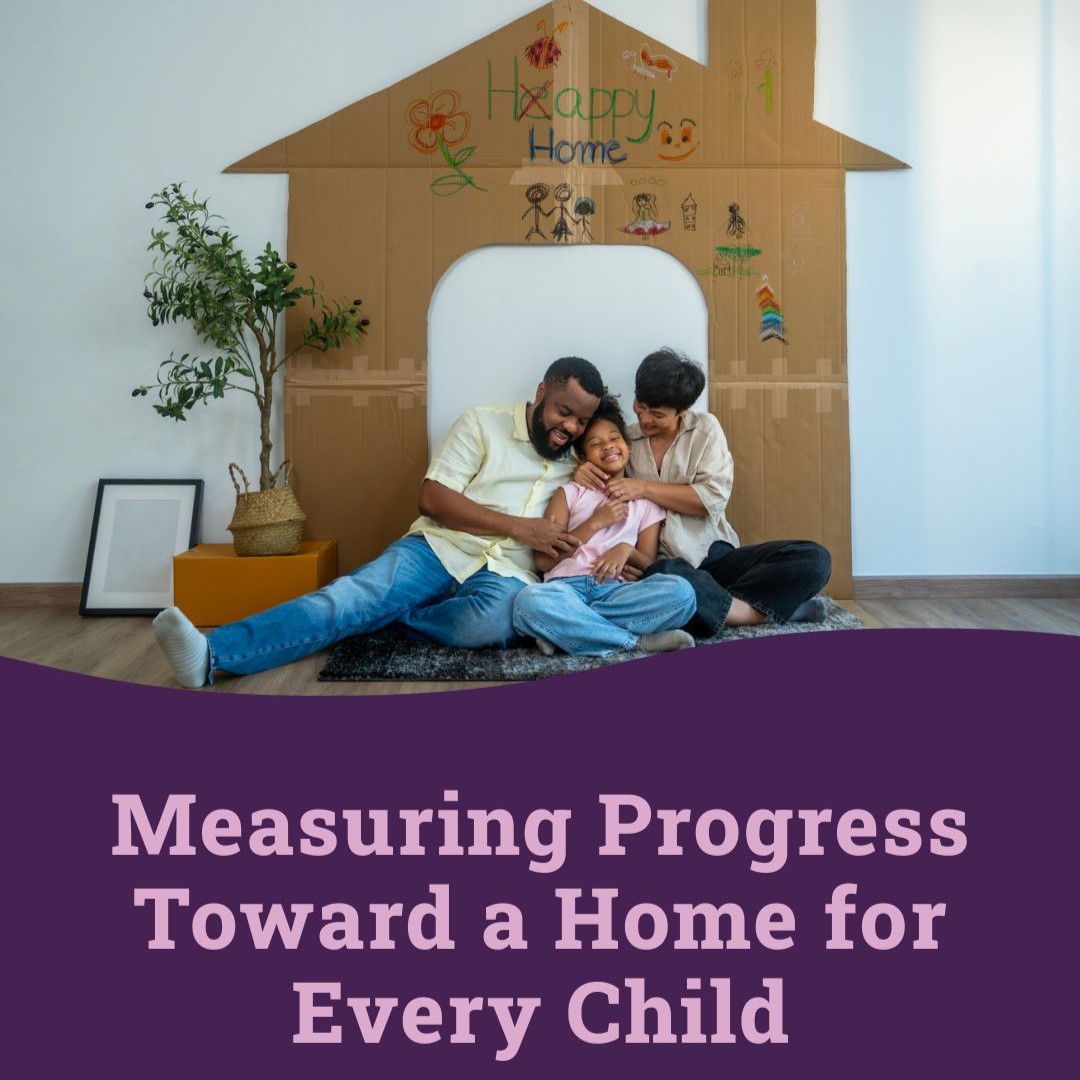
Report: A Home for Every Child
Ensuring that children experience safe, stable, and family-based homes is a shared priority across the child welfare field and a central focus of the federal A Home for Every Child initiative. Child Trends' new report examines what current federal data can and cannot show us about children’s experiences in the child welfare system, identifies gaps that limit our understanding of the full scope of those experiences, and highlights opportunities to strengthen measurement in ways that improve usefulness without increasing reporting burden on states and Tribes.
| | |
Colorado State University
| | |
Do you have a job opportunity you would like to share with the field?
Be sure to indicate any applicant deadlines.
| | | | |