|
| |
IN THIS ISSUE
Policy Corner
News Feed
Training & Events
Resources
Job Announcements
| | |
Policy Corner
Medicaid & CHIP Scorecard
| | |
The Centers for Medicare & Medicaid Services (CMS) recently released the 2025 Medicaid and CHIP (MAC) Scorecard. This annual scorecard includes selected health and program indicators from various measures and datasets, with data reported by states and calculated from administrative processes. States and CMS can use the MAC Scorecard to drive improvements in areas such as state and federal alignment, beneficiary health outcomes, and program administration. The 2025 MAC Scorecard Map provides a list of all measures included across program characteristics (care delivery; data to support program improvement; eligibility and enrollment; and expenditures) and pillars related to health care quality performance and federal and state program administration. The Scorecard enables users to explore data with customizable charts and tables and to analyze up to three states at a time in more detail. Users can group measures by content area and search by characteristics, such as the Child Core Set.
Below are some of the findings from exploring the data available in the Scorecard:
-
From 2016-2024, 1915(c) waiver amendments had the highest percentage of all amendments that were approved within the first 90-day federal review period (94% in 2023 and 91% in 2024). Since 2018, approximately 80% of State Plan Amendments (SPAs; not disaster-related) were approved within the first 90-day federal review period. In 2024, 1,226 SPAs were approved. (Data Source: CMS’s analysis of administrative data.)
-
In 2023, 41.5% of all births in the US were covered by Medicaid; Louisiana, Mississippi, New Mexico, Oklahoma, and New York had the greatest percentages of births covered by Medicaid in that year. (Data Source: National Center for Health Statistics.)
-
78.2% of Medicaid enrollees were enrolled in comprehensive managed care in 2024, up from 68% in 2016. (Data Source: Managed Care Enrollment Report.)
-
In 2023, 44.8% of children ages 6-17 discharged from a hospital for treatment of a mental illness or self-harm received a follow-up visit within 7 days after discharge. This figure represents the median rate; rates ranged from 18.2%-73.2%. (Data Source: Child Core Set 2024.)
Resources
Authored by Deborah Harburger, MSW, Assistant Extension Professor & Director, Policy & Financing, Innovations Institute, UConn School of Social Work
| | | |
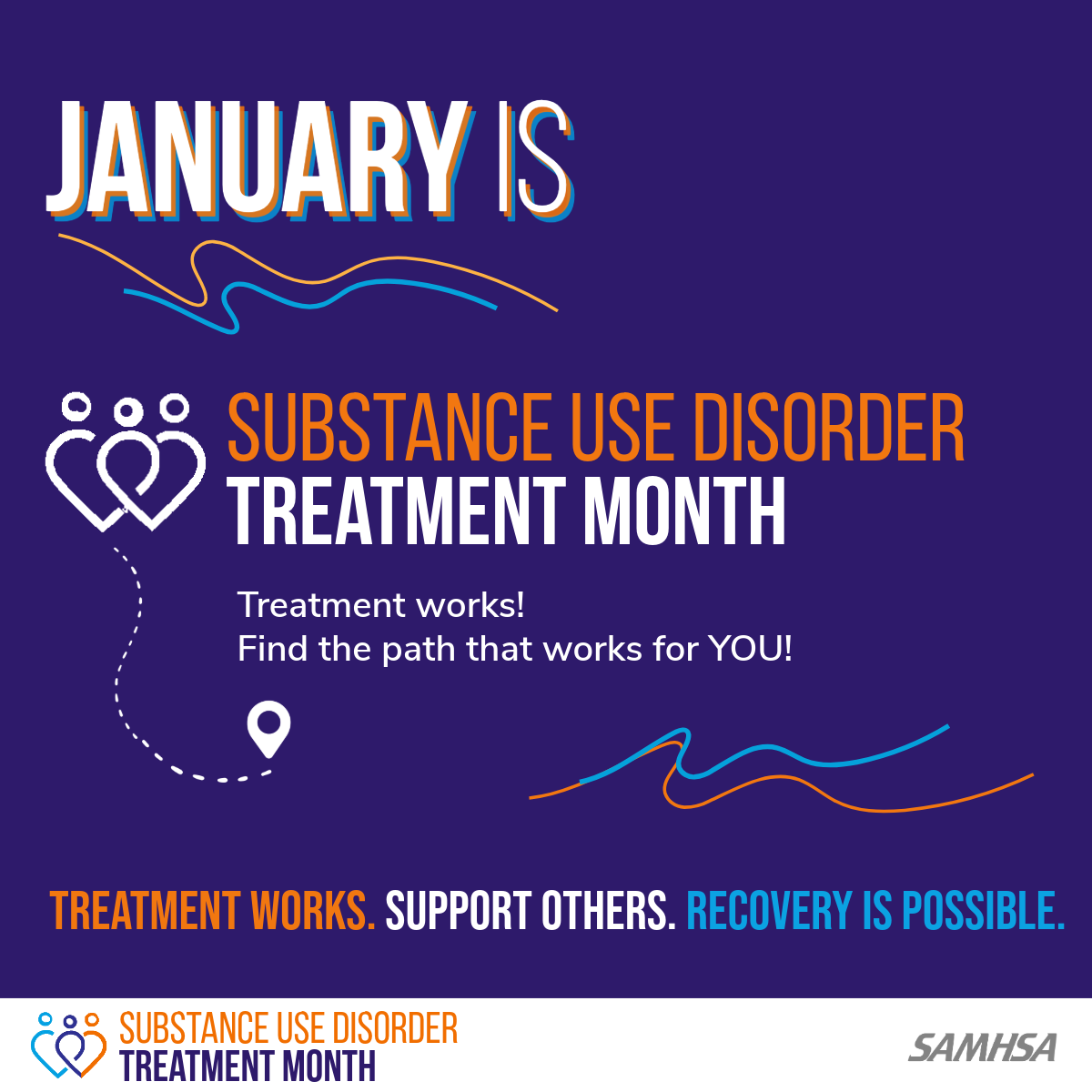
Substance Use Disorder Treatment Month
January is Substance Use Disorder (SUD) Treatment Month, an annual observance to raise awareness of SUD and educate communities about effective treatment and recovery resources. Check out SAMHSA’s SUD Treatment Month digital toolkit and help improve the lives of those affected by SUD.
| |
CrisisTalk Launches Podcast
For over six years, CrisisTalk has been a go-to resource on key issues in crisis response and behavioral health systems. Now pivoting to a podcast format, the first episodes delve into the intersection of AI and mental health and feature thoughtful discussions and critical conversations with experts and system leaders.
| | | |
Ready-to-Use Resources Webinar Series: Carry the Message Toolkit
Thursday, January 15
2:00 – 2:30 PM ET
The National Center on Substance Abuse and Child Welfare (NCSACW)’s new webinar series offers practical, ready-to-use tools that offer actionable strategies and insights that improve practice and policy in communities and systems. This webinar features the Carry the Message Toolkit for substance use disorder treatment agencies to help child welfare meet the safety needs of children.
| | | | | |
30 Years of Model Courts & Implementation Sites
Friday, January 16
1:00 PM ET
This session from the National Council of Juvenile and Family Court Judges commemorates 30 years of the Model Court project, highlighting key lessons learned, innovations implemented, and the enduring impact of this initiative on building a more responsive, family-centered court system.
| | | | |
Engaging Caregivers in the Community
Wednesday, January 21
2:00 – 3:30 PM ET
Join this webinar from the Grandfamilies and Kinship Support Network to learn about intentional and practical strategies for engaging kinship families in the community and about building trust and creating lasting partnerships with kin caregivers. The webinar will be one hour followed by 30 minutes of Q&A.
| |
Adoption Competency Network Workforce Brief
The Center for Adoption Support and Education released the inaugural edition of the Adoption Competency Network Workforce Brief in an effort to equip the workforce with the knowledge and skills needed to thoughtfully respond to the clinical and relational needs of children and families impacted by child welfare. The quarterly publication will share insights, resources, and updates from across the network.
| | | | |
Workforce Readiness for Justice-Involved Youth
A new report from Next100's Derrell Frazier centers the voices of 35 justice-involved young adults in Maryland to identify barriers they face in finding meaningful work. Beyond the Box: How to Create Real Second Chances for Maryland's Justice-Involved Youth offers concrete policy recommendations on removing employment barriers, integrating mental health support into workforce services, simplifying access to resources, guaranteeing peer mentorship, and ensuring training programs connect to real opportunities.
| |
Child Trends NCANDS Analysis
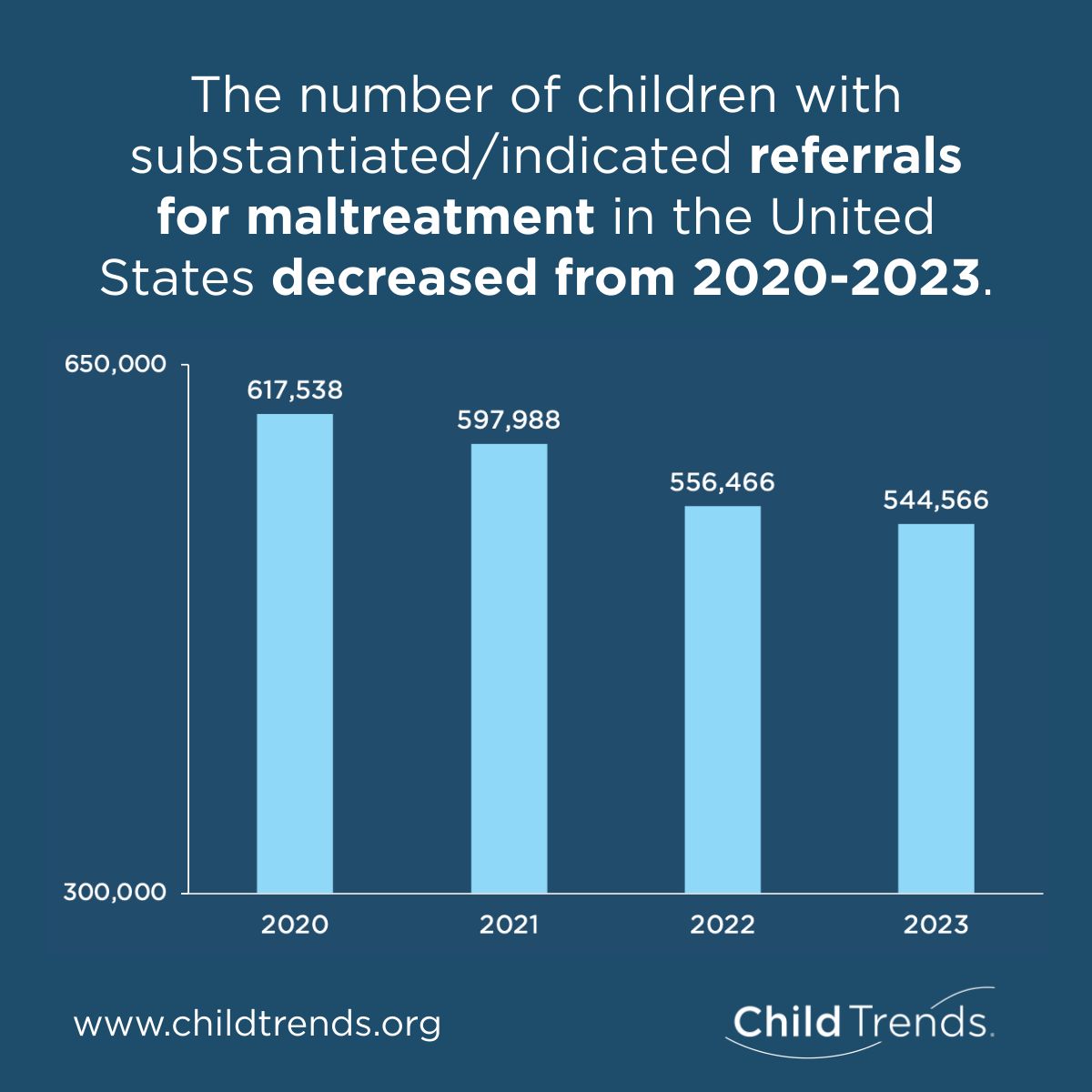
Recent Child Trends analyses of the National Child Abuse and Neglect Data System (NCANDS) show that the number of reports of substantiated or indicated maltreatment decreased again in 2023, extending a trend observed over the past three years. This finding persists despite the number of referrals to child welfare agencies.
| | |
Innovations Institute, UConn School of Social Work
| | |
Do you have a job opportunity you would like to share with the field?
Be sure to indicate any applicant deadlines.
| | | | |