|
| |
IN THIS ISSUE
Policy Corner
News Feed
Training & Events
Resources
Job Announcements
| | |
Policy Corner
Building the Workforce that Children & Families Need
| | |
Children, youth, and families across the country are facing growing barriers to behavioral health care because the workforce needed to deliver that care cannot keep pace with the demand. Today, more than 40% of Americans live in a mental health care Health Professional Shortage Area (HPSA), with particularly severe gaps in adult and child psychiatrists, school counselors, mental health counselors, and marriage and family therapists.
These shortages are especially significant for children and families enrolled in Medicaid and CHIP and in rural communities, contributing to long waitlists, increased emergency department use, and avoidable placements in inpatient and residential settings. The recently released State Medicaid and CHIP Toolkit for Children’s Behavioral Health Services and the EPSDT Requirements identifies workforce capacity as a foundational strategy for ensuring children receive timely, medically necessary behavioral health services under Medicaid’s Early and Periodic Screening, Diagnostic, and Treatment (EPSDT) benefit.
These workforce shortages, particularly for children’s behavioral health services, are the result of factors that include low reimbursement rates, high administrative burden, insufficient support for supervision and early‑career providers, and underuse of non-traditional but effective services like family and youth peer support. Inseparable and SAMHSA highlight opportunities to expand access through multidisciplinary care teams that include peer support specialists, community health workers, trainees, and other paraprofessionals.
Federal guidance firmly establishes the behavioral health workforce as essential infrastructure, not a downstream implementation issue. CMS outlines several policy levers available to states, including modernizing Medicaid rate setting, reimbursing services delivered by trainees, expanding team‑based care models to include peers and community health workers, streamlining credentialing and other regulatory obstacles, and reducing financial barriers to entering these professions. SAMHSA similarly encourages states to integrate community health workers and peer support specialists into behavioral health care teams to improve access, particularly in underserved communities. Together, these strategies can strengthen and expand the behavioral health workforce while helping states meet their EPSDT obligations.
Treating the behavioral health workforce as a policy priority—not a temporary staffing challenge—offers a concrete pathway for states to improve access, meet federal requirements, and better support the professionals who serve children, youth, and families every day.
Authored by Kelly English, MSW, PhD, Senior Advisor for Behavioral Health Policy and Assistant Extension Professor, Innovations Institute
| |
Leadership Partnership Announced
Innovations Institute has joined the College for Behavioral Health Leadership and the Global Leadership Exchange in a new strategic collaboration to strengthen leadership development and continuing education for behavioral health professionals. By combining academic expertise, national leadership, and global collaboration, the partnership aims to build leadership capacity, advance evidence-informed practice, and strengthen behavioral health systems serving children, adults, and families. Learn more about this exciting collaboration.
| | | | |
Optimize your Crisis Response
When resources are limited, crisis teams need strategies that help them respond earlier, stabilize faster, and reduce reliance on higher-cost interventions. Crisis 365 Academy for Comprehensive Crisis Care does exactly that through an evidence-informed curriculum designed to equip crisis responders with practical, trauma-responsive tools to meet national standards and save lives. View the fall curriculum to see what makes this training unique and register your team today!
| |
New Unwrapping Wrap: MRSS
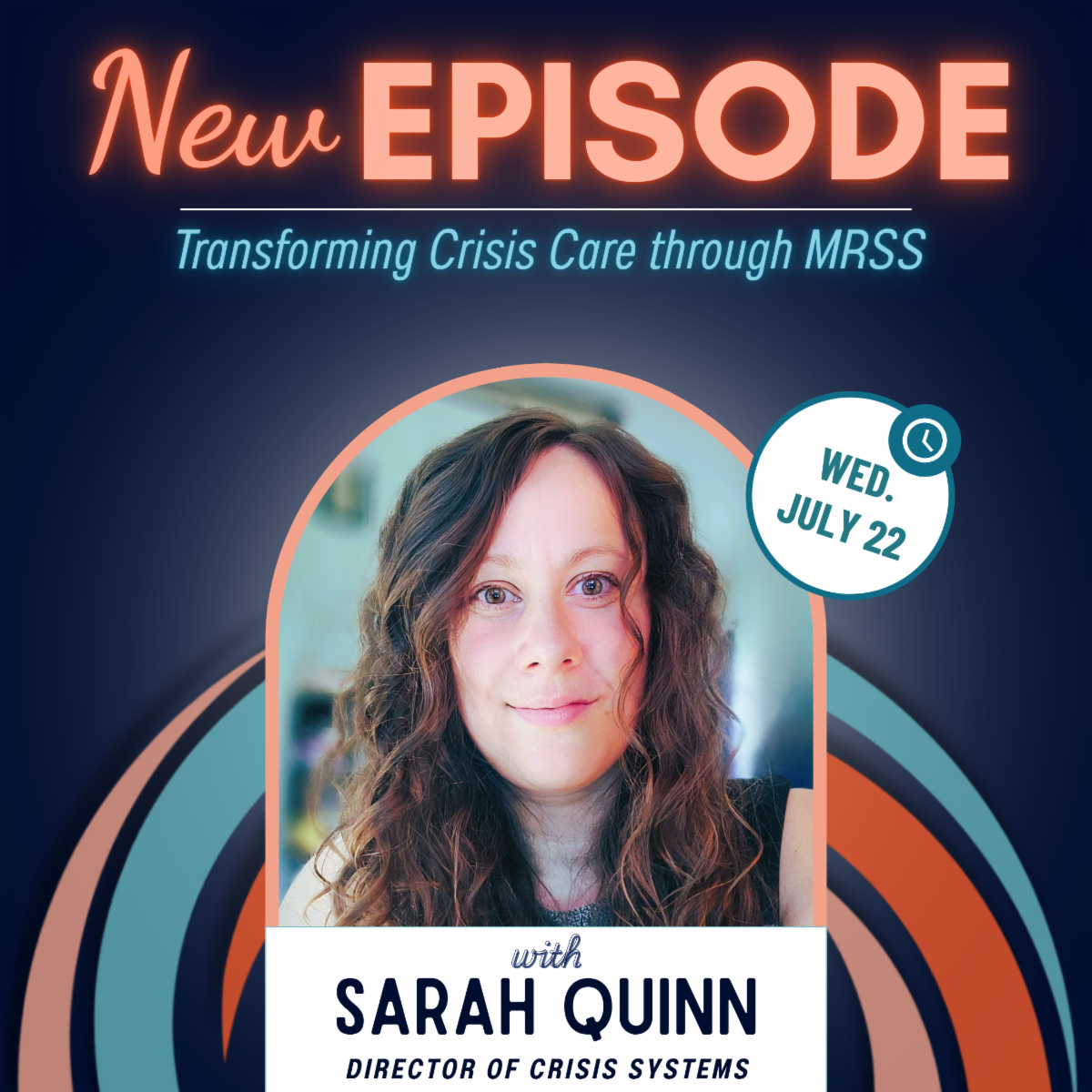
What does effective children's crisis care look like? Sarah Quinn, Director of Crisis Systems at Innovations Institute, joins our Unwrapping Wraparound podcast to explore how Mobile Response and Stabilization Services (MRSS) are helping children remain safe at home through family partnership, relationship-based practice, and coordinated community supports. Transforming Children's Crisis Care through Mobile Response drop Wednesday July 22. Follow us on Spotify to never miss an episode!
| | | | |
SAMHSA 2026 NOFOs
This month, SAMHSA released multiple Notice of Funding Opportunities (NOFOs). The following are relevant to children and families:
Applications for all four programs are due by Monday, July 27, 2026.
| |
Survey: Experience with FEP Care
University of North Carolina's Department of Psychiatry is recruiting participants for a survey on attitudes about text messages, financial incentives, and other data communication means to help patients at special clinics for first episode psychosis (FEP) make appointments, take medication, and/or avoid substances. Those over 18 who have received specialty care for FEP, as well as family members and clinicians of of a patient may be eligible. Learn more.
| | | |
Thursday, July 23
1:30 – 2:30 PM ET
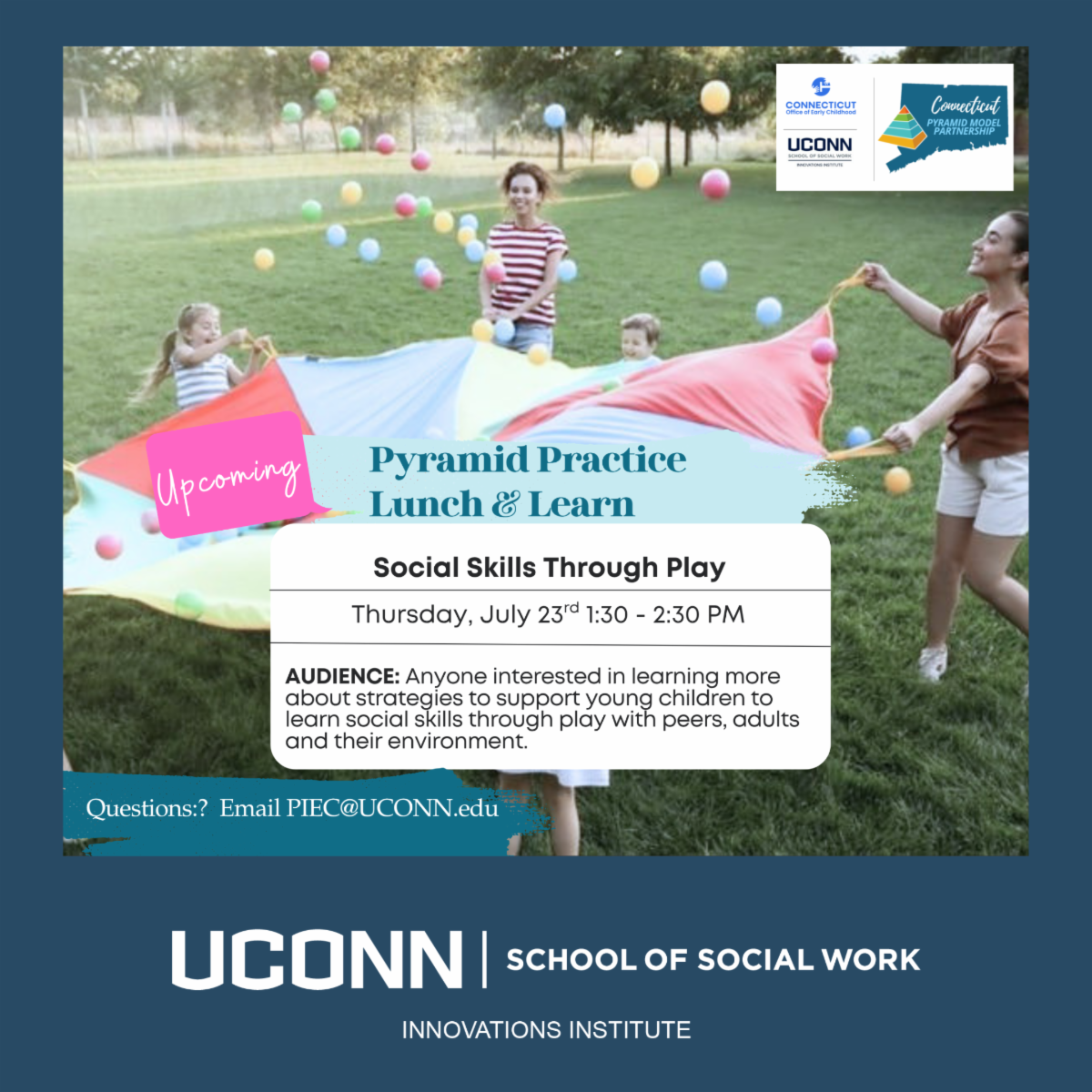
Join Innovations Institute's Parent, Infant, and Early Childhood (PIEC) team for the July Pyramid Practice Lunch & Learn for those interested in learning strategies to support young children to learn social skills through play with peers, adults, and their environment.
Please note the time has shifted later in an effort to accommodate providers who have more flexibility during the typical toddler afternoon nap time.
| | | | | |
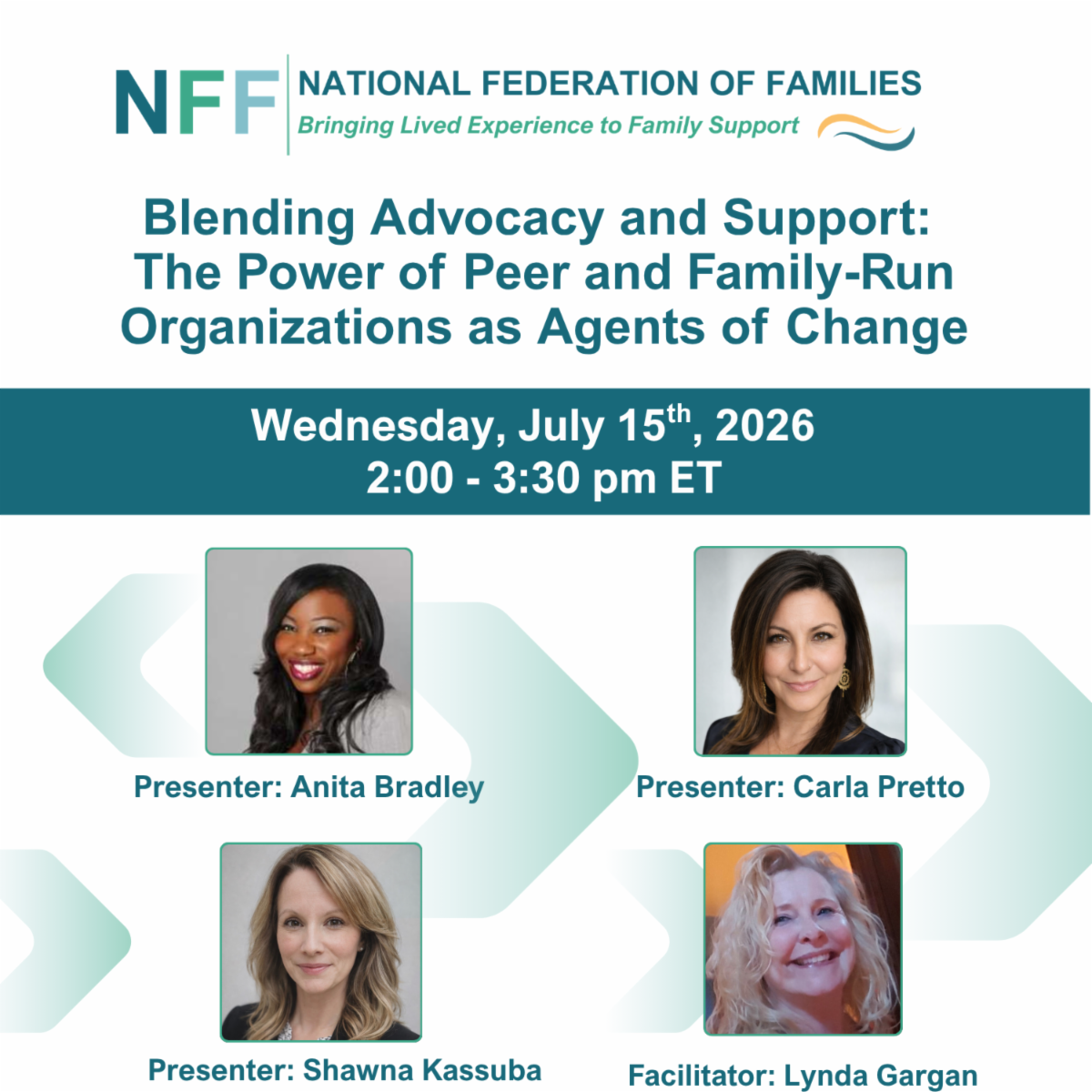
Blending Advocacy & Support: The Power of Peer & Family-Run Organizations as Agents of Change
Tuesday, June 30
2:30 PM ET
As renewed calls for institutionalization threaten to reverse decades of progress in community-based care, the National Federation of Families launched a five-part webinar series to examine the issue and advance solutions. The third session will explore the power of peer and family-run organizations as agents of change and how they balance dual roles as advocates and providers.
| | |
Supporting Youth Mental Health Through Integrated Partnerships
Thursday's, July 16 & 23
3:00 – 4:00 PM ET
Join the American Academy of Pediatrics' National Center for Adolescent Health and Well-Being for a two-part roundtable series on strengthening adolescent and young adult mental health systems integration. These sessions will off space for open dialogue, peer learning, and practical reflection on strengthening partnerships that support adolescent and young adult mental health.
| | | | | |
Understanding the Importance of Care Coordination for Individuals with SED or SMI who are Homeless
Wednesday, July 22
2:30 – 4:00 PM ET
The intersection of serious mental illness (SMI), serious emotional disturbance (SED), and homelessness presents complex challenges for health and behavioral health professionals. This SAMHSA-Sponsored webinar will provide an in-depth exploration of care management and care coordination as essential approaches to improve continuity of care, engagement, and health outcomes for this population.
| | |
Strategic Communications for 988: Increasing Awareness, Trust & Utilization
Thursday, July 23
1:30 – 3:00 PM ET
This webinar will equip crisis system leaders, public health officials, and communication specialists with practical approaches for building campaigns that increase awareness, trust, and appropriate utilization of 988. Topics include developing targeted outreach, aligning messaging across partners, and leveraging media and community partnerships to extend reach and impact.
| | | | | |
First Tuesday of each month, Aug-Sept
2:00 – 3:15 PM ET (all sessions)
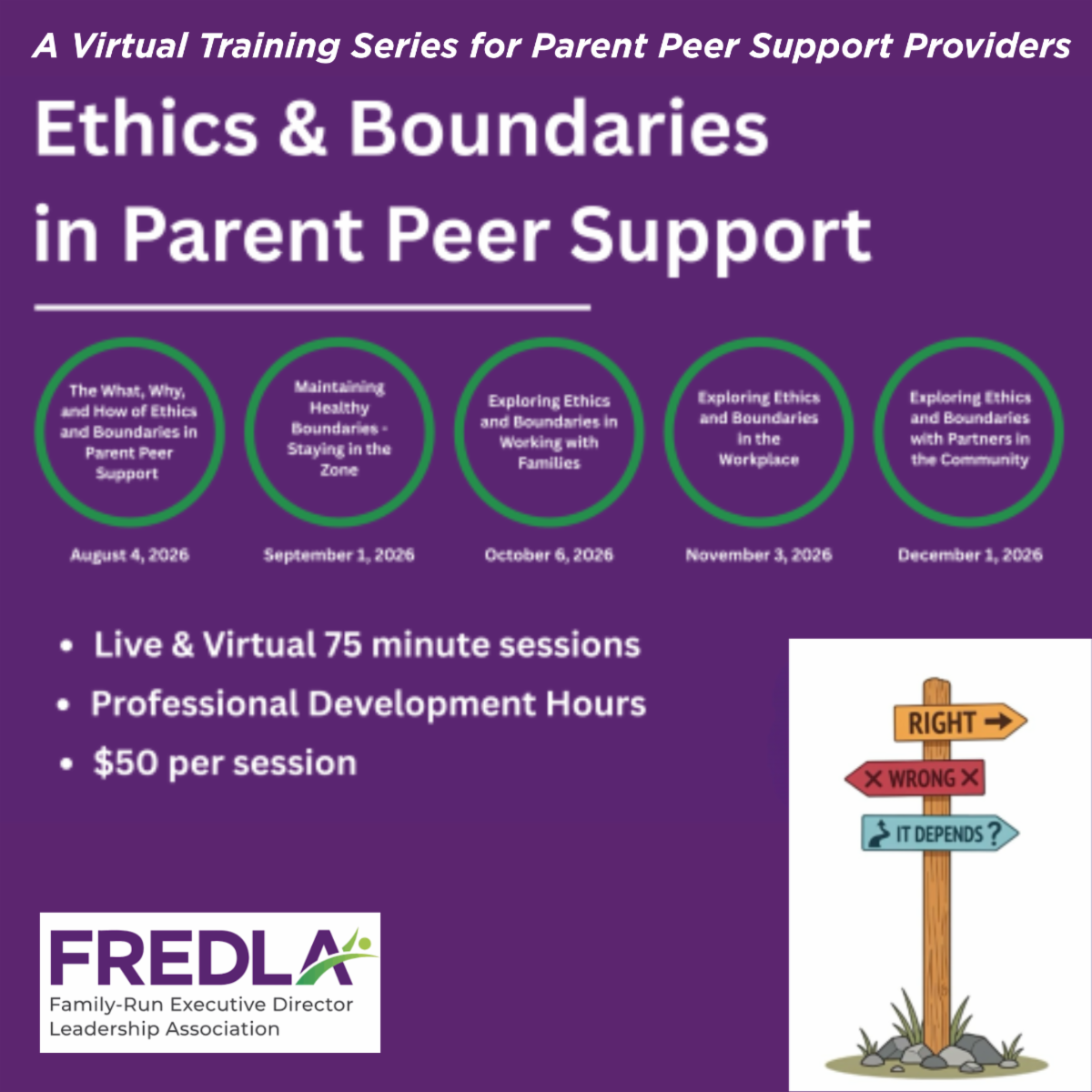
Join the Family-Run Executive Director Leadership Association for a five-part series on skills to manage Parent Peer Support Partners' unique ethical situations and challenging boundaries. The series breaks down the components and complexities of ethics and boundaries when working with families, within the workplace, and in interactions with community partners. The first session is scheduled for Tuesday, August 4.
| |
GAO Report on Suicide Prevention
A new U.S. Government Accountability Office (GAO) report examines the first three years of the 988 Suicide & Crisis Lifeline, documenting nearly 19.1 million calls, texts, and chats since its July 2022 launch. The report highlights rising demand, improving call answer rates, and SAMHSA's ongoing efforts to strengthen performance, expand local routing, and improve access to timely crisis support. Read the full report.
| | | | |
Advice & Resources for & by Youth
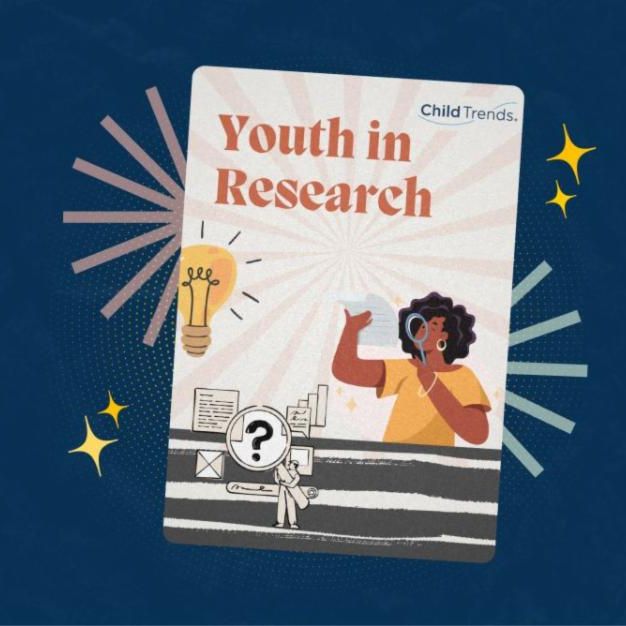
Authored by youth researchers, the Youth in Research Zine (i.e., short magazine) shares guidance, reflections, and resources with future youth researchers. The zine reflects the voices and perspectives of young people with lived experience in foster care who have served on the Evaluation Advisory Board and as interns for Child Trends' evaluation of the Conrad N. Hilton Foundation's Foster Youth Initiative. The creators "hope these pages remind you that youth are not just voices to be heard; we are partners, thinkers, and builders of the future we deserve."
| |
American Journal of Public Health Special Issue
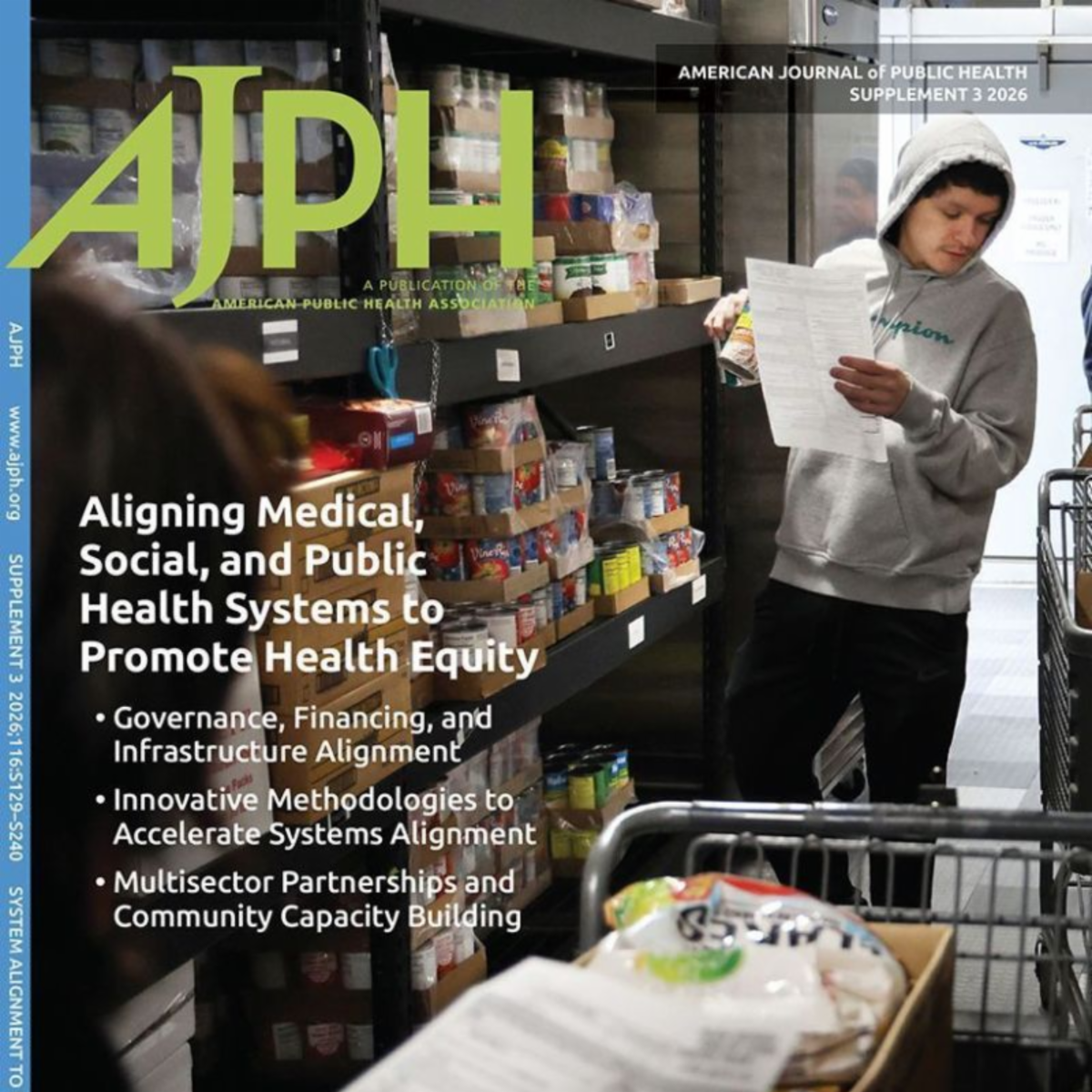
A new American Journal of Public Health supplement featuring research from the Robert Wood Johnson Foundation's Systems for Action research program explores creative strategies to align social, medical, and public health systems to provide care specifically in communities who have been historically marginalized. All articles in this special issue are published open-access and freely available.
| | | |
Do you have a job opportunity you would like to share with the field?
Be sure to indicate any applicant deadlines.
| | | | |