|
| |
IN THIS ISSUE
Policy Corner
News Feed
Training & Events
Resources
Job Announcements
| | |
Policy Corner
Advancing Children's Behavioral Health through Medicaid Partnerships
| | Innovations Institute welcomes NAMD, the National Association of Medicaid Directors, as a special guest author for this issue’s Policy Corner. Innovations and NAMD partner across initiatives, including the Children’s Behavioral Health Collective. | | |
Medicaid is the single largest payer for behavioral health services in the country, a major source of coverage for children and youth with special healthcare needs, and the provider of coverage for almost every child in foster care in the U.S. Its outsized role in behavioral health often demands close collaboration among state child- and family-serving agencies. Sometimes partnerships are strained due to leadership changes, different funding streams, and disparate policy levers.
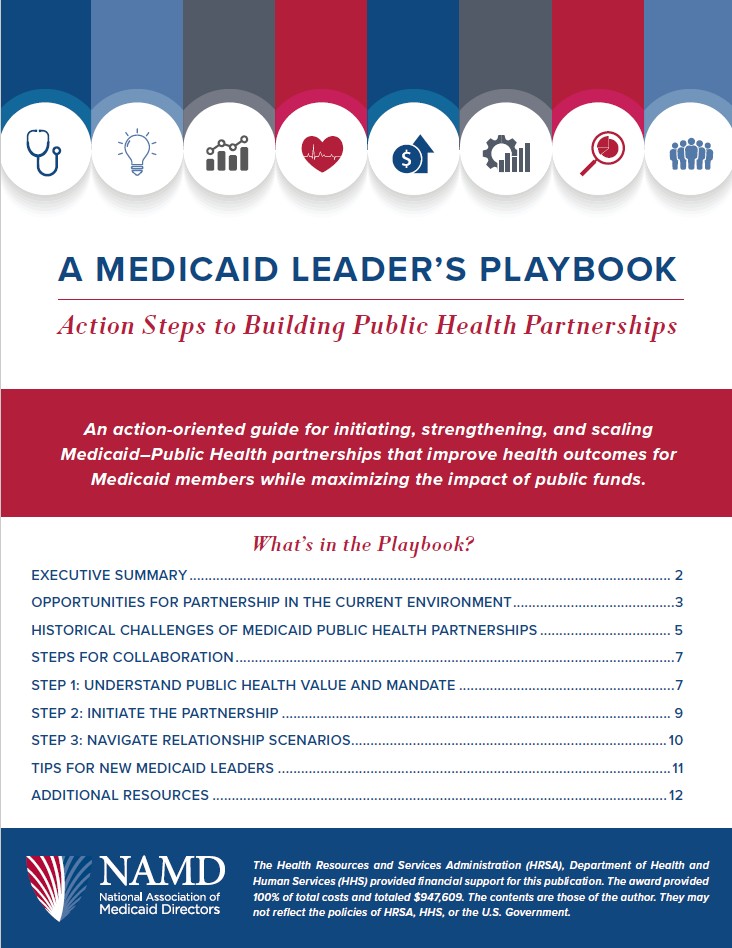
NAMD developed a The Medicaid Public Health Playbook and blueprint to support Medicaid-public health partnerships, with tools that can also be applied to cross-agency partnerships supporting children’s behavioral health. The playbook outlines actionable strategies that state leaders can adapt, and highlights practical tools, such as memoranda of understanding, cross-agency governance structures, and routine communication channels that help formalize collaboration and maintain momentum beyond initiatives and administrations. It also addresses common challenges states face when working across systems.
The playbook features examples of how Medicaid agencies partner with sister agencies to improve behavioral health outcomes, including:
- Single point of entry and unified screening tool across Medicaid, child welfare, and behavioral health agencies;
- Medicaid reimbursement for peer support specialists in schools;
- Partnering on interventions like public health-managed naloxone programs supported by Medicaid and private insurance coverage; and
- Providing coverage for services for youth who are incarcerated, post-adjudication.
While states vary in their policy approaches to improving children’s behavioral health, strong cross-agency partnerships are an important facilitator of successful implementation. NAMD's Playbook gives a framework for state leaders to build sustainable partnerships, including between Medicaid and public child- and family-serving agencies.
Resources
Authored by Cory Caldwell, MHA, Senior Policy Analyst & Neda Jasemi, MSPH, Senior Policy Analyst, National Association of Medicaid Directors
| |
SAMHSA CMHI NOFO
Last week, SAMHSA released the Children's Mental Health Initiative (CMHI) Notice of Funding Opportunity (NOFO). This program aims to address the mental health needs of children, youth, young adults, and their families, birth through age 21 with a serious emotional disturbance, by providing a comprehensive spectrum of mental health services and supports. Applications are due by Monday, April 20, 2026.
| | | | |
Child & Adult Core Set Data Updates
Last month, the Centers for Medicaid & Medicaid Services (CMS) released updates to the Child and Adult Core Set Data Dashboard, which features dynamic displays of performance data on Child and Adult Core Set measures. CMS has broadened the scope of the Dashboard over the past several years, including a new feature that allows users to review measure data over time. More information on the Child Core Set and Adult Core Set is available on Medicaid.gov.
| |
Safe Online Standards (S.O.S.)
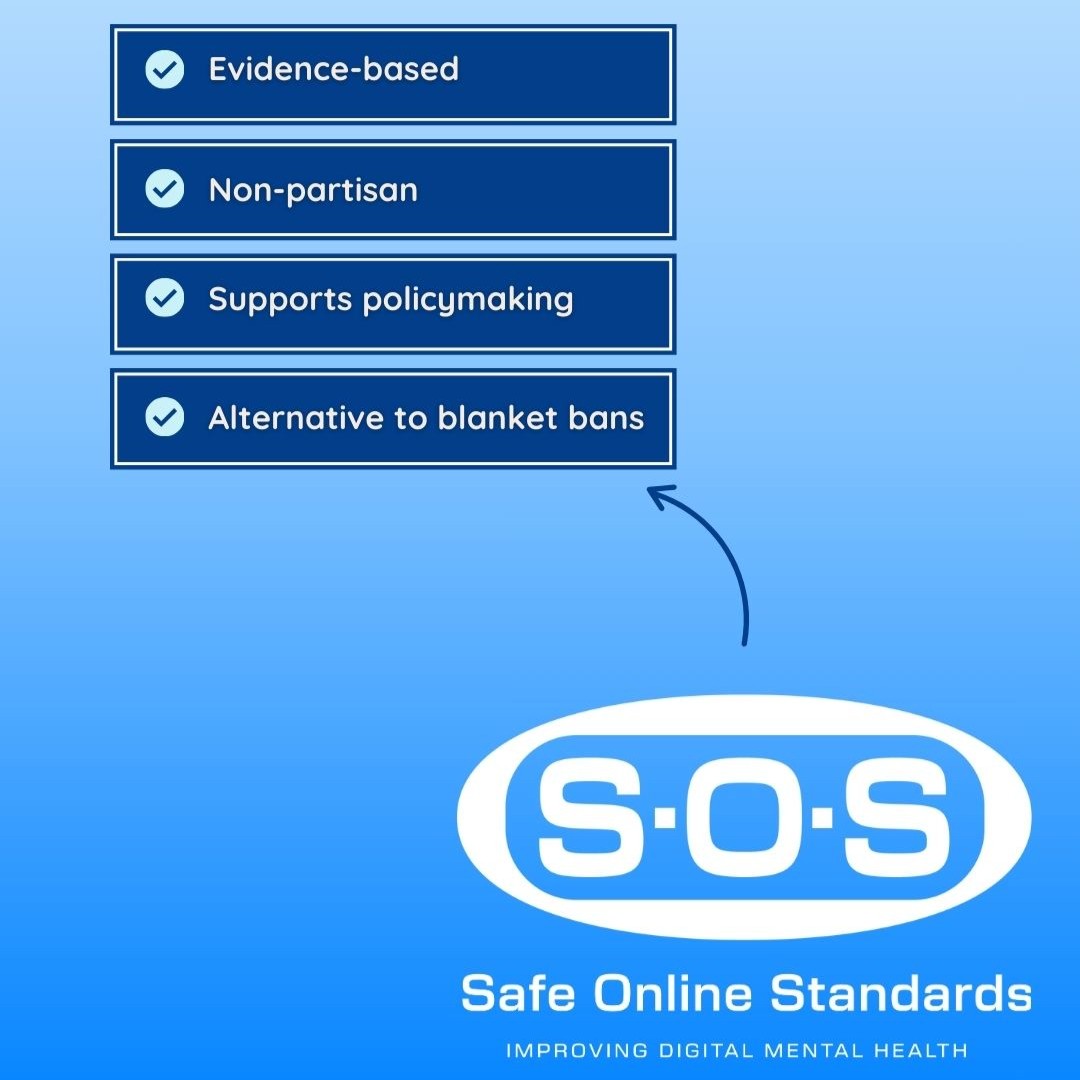
The Mental Health Coalition recently launched Safe Online Standards (S.O.S.), the first independent framework to evaluate how digital platforms support the mental health and wellbeing of young people, including their exposure to suicide and self-harm content. The evidence-based standards evaluate platform performance across 24 benchmarks in five key areas affecting youth mental health and safety. Developed with global experts, the public rating system brings greater transparency and accountability to how online spaces are designed for youth ages 13–19.
| | | |
|
Countdown to Crisis 365!
Simply saying what works in not enough.
In this video Innovations Director of Crisis Systems Sarah Quinn explains why Crisis 365 is our latest contribution to the field. This Academy is designed specifically to equip crisis teams and frontline staff with practical, evidence-based tools that move beyond theory. Join a national community of practice to build workforce confidence and improve care.
The Spring Academy starts April 9. Secure spots for your team today.
| | |
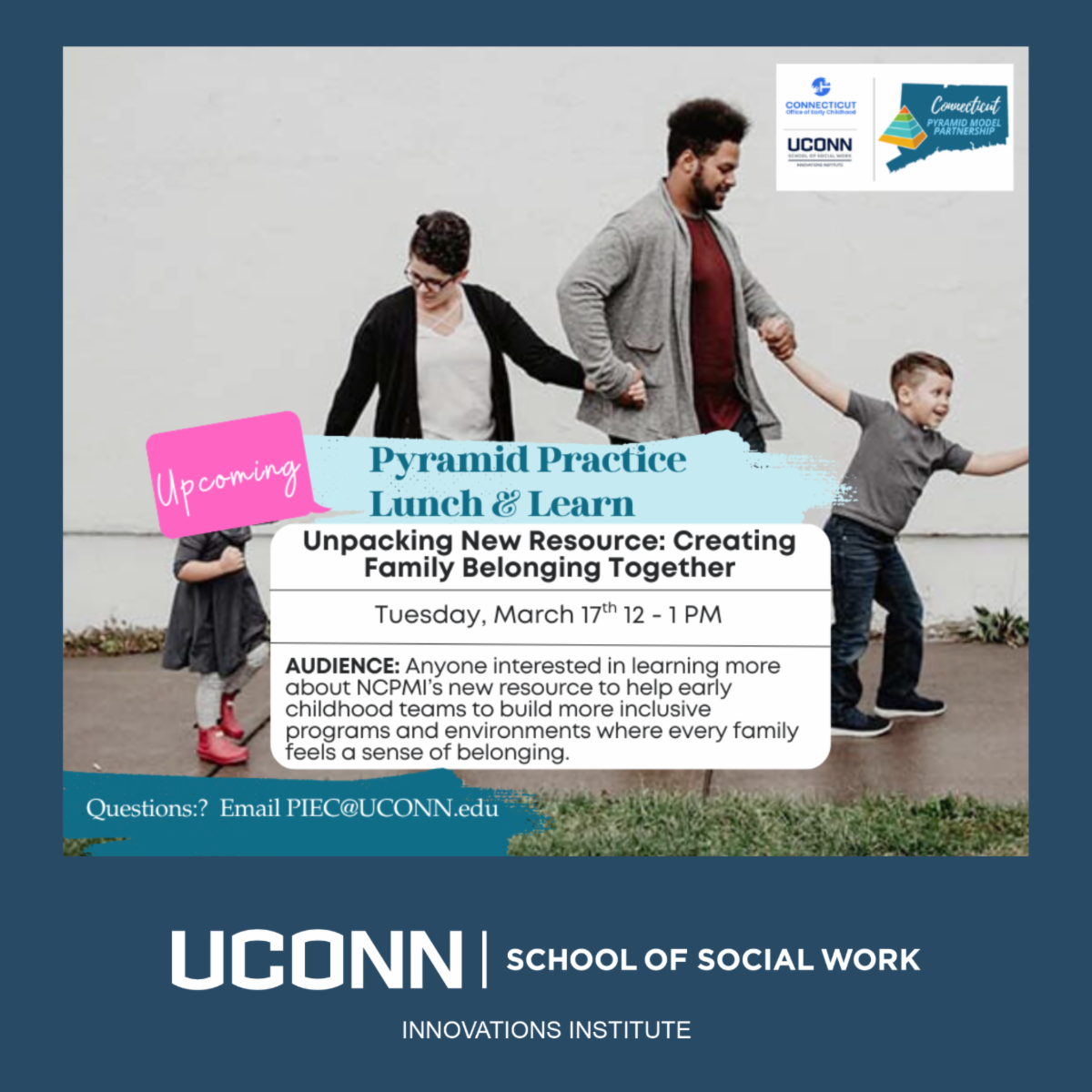
Tuesday, March 17
12:00 – 1:00 PM ET
Join Innovations Institute's Parent, Infant, and Early Childhood (PIEC) team for the monthly Pyramid Practice Lunch & Learn. The March session will explore a new resource from the National Center for Pyramid Model Innovations that helps early childhood teams build more inclusive programs and environments where every family feels a sense of belonging.
| | | | | |
6th Annual Summit: Suicide Safer Care in Clinical Practice
March 10 & 11
1:00 – 5:00 PM ET
This two-day virtual conference brings together leading experts in suicidology for a practical, evidence-based training addressing the challenges we face. Participants will receive direct guidance from intervention developers, current updates into emerging suicide prevention challenges, and concrete steps to work with clients at risk with greater confidence, competence, and clarity.
| | |
We're In This Together: Engaging Youth & Families in Early Psychosis Care
Wednesday, March 18
2:00 – 3:30 PM ET
This Child Welfare League of American (CWLA) webinar will highlight the good work of First Hope, an early intervention in psychosis program in Contra Cost County Behavioral Health Services, and the winner of CWLA's Dr. Alexander Gralnick Award for their work with children and families where schizophrenia and other psychosis conditions are present.
| | | | | |
The Work After the Work: Embedding Long-Term Recovery in CYF Crisis Systems
Thursday, March 19
2:00 – 4:00 PM ET
This SAMHSA-sponsored webinar will explore recovery within child, youth, and family (CYF) crisis systems through a System of Care framework. It will highlight how continuity of care, community responsive support, and firsthand-experience partnerships create pathways that reduce relapse, prevent re-crisis, and support sustained recovery across the crisis continuum.
| | |
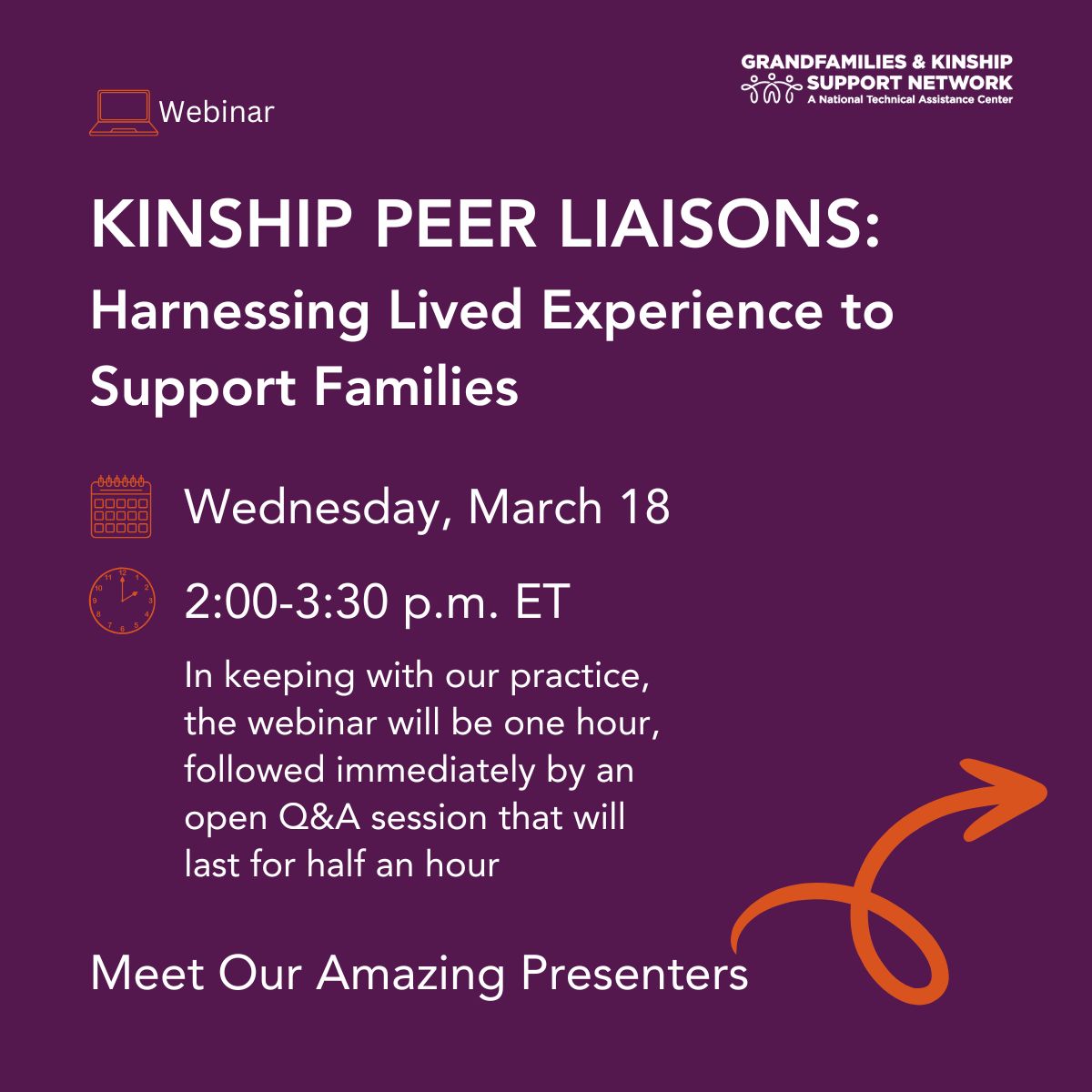
Kinship Peer Liaisons: Harnessing Lived Experience to Support Families
Wednesday, March 18
2:00 – 3:30 PM ET
Join the Grandfamilies and Kinship Support Network as they explore lessons learned and practical strategies for implementing individualized peer support for liaisons/mentees. A train-the-trainer curriculum is being developed to promote replication of peer mentorship among an array of organizations serving kinship families.
| | | | | |
1915(c) HCBS Waiver Payments and Financing Trends
Tuesday, March 24
2:00 – 3:30 PM ET
This training will provide an overview of active Home and Community-Based Services (HCBS) waiver programs under Section 1915(c) of the Social Security Act including populations served, eligibility, and the mechanisms states use to finance, pay for, and administer 1915(c) programs. Presenters will also share National data that spotlights key financing and payment trends.
| |
Suicide Screening & Assessment
The Suicide Prevention Resource Center recently published the Suicide Screening and Assessment Fact Sheet which presents two approaches to evaluating suicide risk and provides links to the latest resources and FAQs to support the integration of suicide screenings and assessments into systems of care.
| | | | |
New SAMHSA Advisory
A new SAMHSA advisory, Model Standards for Crisis Care Workers, introduces National Model Standards for Crisis Care Workers, which is designed to ensure that anyone, anywhere, at any time can receive compassionate, effective crisis care. It presents ten standards for crisis care workers that states can offer to build a skilled, representative, and billable workforce.
| |
Medicaid/CHIP Enrollment Tracker
To help policymakers, stakeholders, and researchers monitor enrollment trends as states implement new policies, last month Georgetown Center for Children and Families launched an expanded 50-state Medicaid and CHIP enrollment tracker. The tracker shows enrollment data for Medicaid and CHIP in all 50 states and DC, from January 2025 to the most recent month available.
| | | | |
New Medicaid Primer
A new resource from SAMHSA, Medicaid Primer: An Overview of Medicaid and Behavioral Health, is designed to help new staff within state behavioral health (BH) agencies understand Medicaid and its intersection with BH to support strong collaboration with state Medicaid agencies. Based on input from current state BH and Medicaid leaders, the document highlights effective strategies for partnering with Medicaid authorities to improve BH care.
| |
Boston ABCD
Colorado State University
Public Consulting Group
| | |
Do you have a job opportunity you would like to share with the field?
Be sure to indicate any applicant deadlines.
| | | | |