|
| |
IN THIS ISSUE
Policy Corner
News Feed
Training & Events
Resources
Job Announcements
| | |
Policy Corner
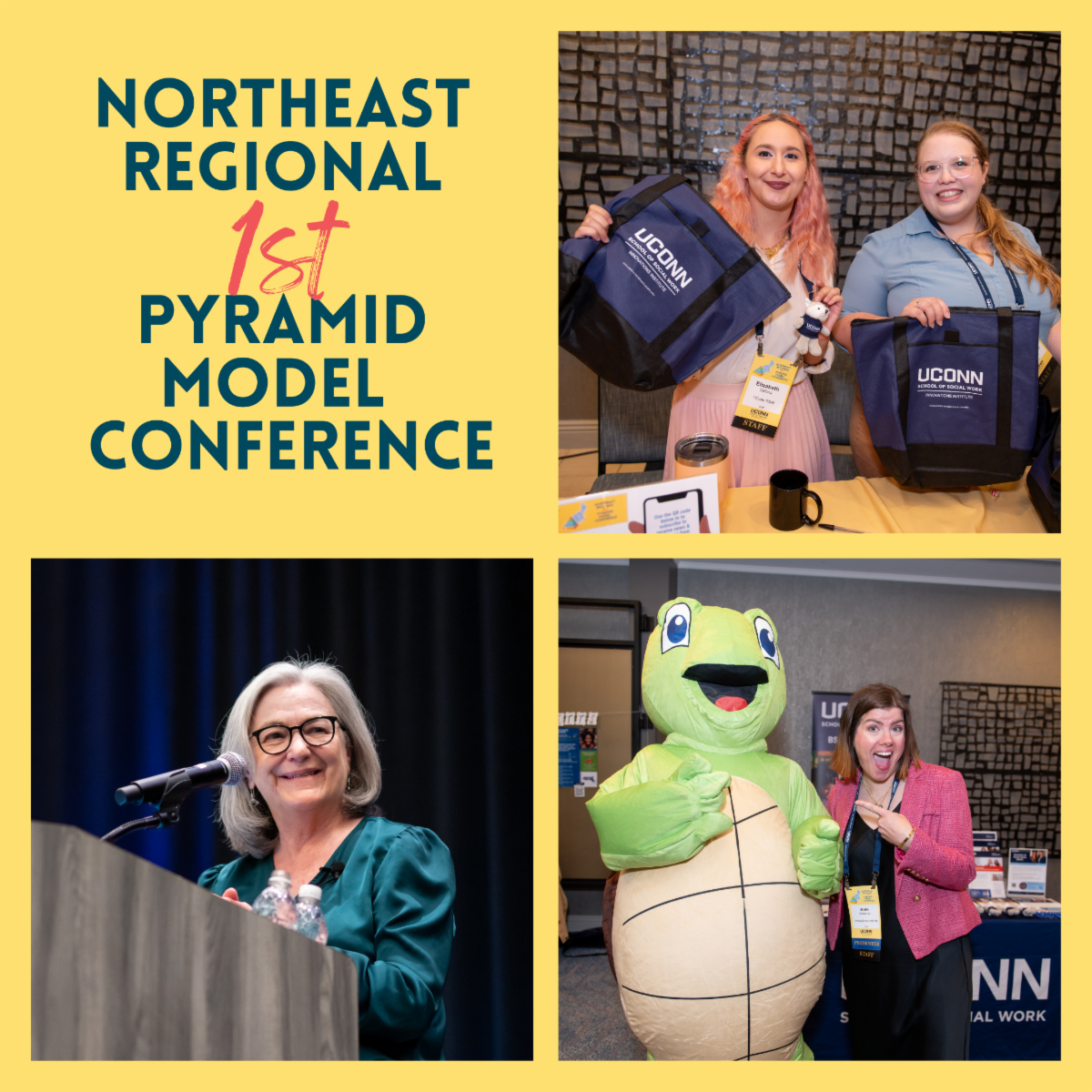
Uniting to Support the ECE Workforce: Reflections from the Northeast Regional Pyramid Model Conference
| | |
In October, Innovations Institute’s Parent, Infant, and Early Childhood Team hosted nearly 450 early care and education (ECE) professionals for the inaugural Northeast Regional Pyramid Model Conference. One of the keynote speakers, Dr. Lise Fox, co-founder of the Pyramid Model and Principal Investigator of the National Center for Pyramid Model Innovations, reflected on the Model’s 25-year history and wide dissemination in 30+ states and multiple countries. She addressed some of the persistent challenges facing the ECE workforce, including historically low compensation. Dr. Fox called out the importance of addressing this issue as a critical lever in strengthening early childhood systems, improving quality, and supporting families and communities: “When there’s a crisis, at the end of the day, you plan for a long-term solution—you don’t just hope the crisis won’t be there tomorrow.”
| | |
It is widely acknowledged that the ECE workforce — including teachers in child care programs, Head Starts, public schools, home-based caregivers, and support staff — is foundational to both children's school readiness and the broader economy. These professionals nurture young children's development, enable parents to work, and support community well-being. Despite this vital role, compensation for early childhood educators remains markedly lower than that of K-12 educators and other sectors with comparable responsibilities and qualifications.
Some states and localities are implementing innovative approaches to addressing this persistent challenge:
-
D.C.'s Early Childhood Educator Pay Equity Fund requires licensed child-care facilities to pay eligible educators at least the minimum salaries set by the Office of the State Superintendent of Education. Early evaluations show higher wages improve retention and continuity of care, supporting better outcomes for children. However, budget constraints led lawmakers to reduce the Fund, with ongoing debates about its future in the current fiscal environment.
-
Maine implemented the Early Childhood Workforce Salary Supplement System to assist child care providers in paying competitive salaries, consistent with the focus of their Children's Cabinet on recruiting, preparing, and retaining a diverse ECE workforce.
-
Kentucky is working to recruit and retain more ECE workers by expanding eligibility for child care subsidies, making child care staff automatically eligible for child care assistance.
- Legislators in New York have proposed a bill (S5533) that would establish a "permanent child care workforce pay equity fund" with dedicated funding to improve workforce conditions and ensure more equitable pay.
States and jurisdictions can build a more stable, effective early learning infrastructure that benefits children, families, and communities by adopting policies that ensure competitive and sustainable compensation for the ECE workforce.
To learn more about the Pyramid Model and opportunities to strengthen efforts in parent, infant, and early childhood mental health and well-being, contact Innovations Institute.
Resources
Authored by Kate Sweeney, MSW, LCSW-C, Assistant Extension Professor & Co-Director, Parent Infant Early Childhood, Innovations Institute, UConn School of Social Work
| |
Youth HOPE Month
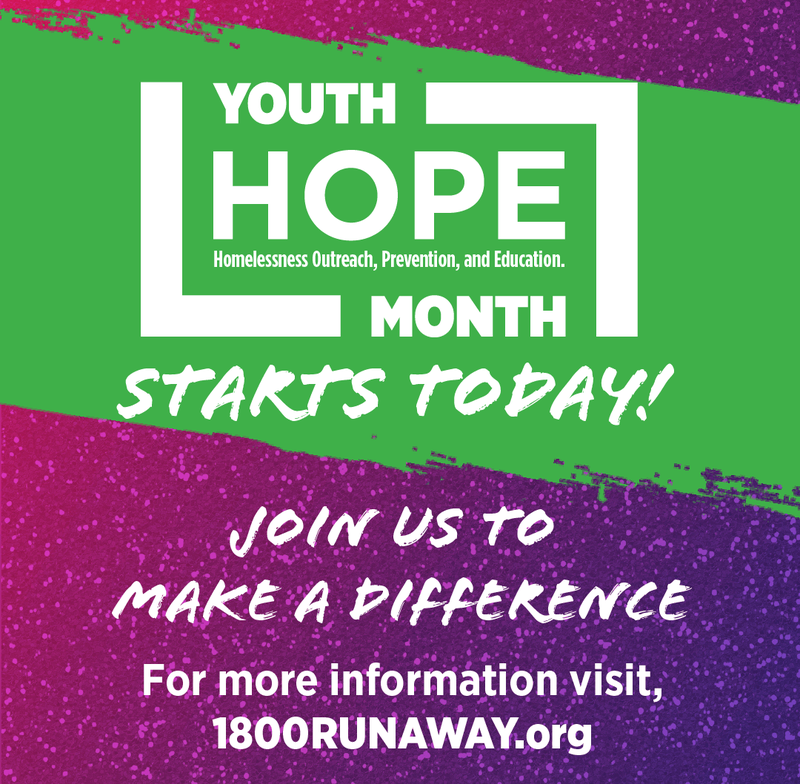
Youth HOPE (Homelessness Outreach, Prevention, and Education) Month each November is a powerful opportunity to shine a light on the estimated 4.2 million young people between 13 and 25 who experience homelessness or are unhoused in the U.S. Learn more about how your community can get involved.
| | | | |
Suicide Prevention Community of Practice
The National Association of County Health Officials is accepting applications for its Suicide Prevention Community of Practice for Local Health Departments. The online group will share resources, support prevention efforts, and convene for peer learning. Applications are due by 5:00 PM ET on Wednesday, November 12.
| |
CMMP State TA Cohort
The Center for Maternal and Child Health Medicaid Partnerships (CMMP), a national TA center that brings together state and territory Medicaid, Title V, and CHIP programs, is accepting applications from states and territories for the 2026 CMMP State Technical Assistance Cohort (STAC). Learn more and apply by January 31, 2026.
| | | | | |
Monthly Pyramid Practice Lunch & Learn: Family Engagement
Tuesday, November 18
12:00 – 1:00 PM ET
Join Innovations Institute's Parent, Infant, and Early Childhood (PIEC) team for the monthly Pyramid Practice Lunch & Learn. November's session will provide concrete strategies to engage families and support them with Pyramid Strategies. To view recordings from prior sessions, visit our YouTube channel.
| | | | |
Connected for Kids Launch Webinar
Thursday, November 13
1:00 – 2:00 PM ET
Connected for Kids is a new national effort to bring together cross-sector leaders in education, youth development, mental health, and pediatrics to co-create a roadmap for flourishing in the elementary years. This webinar will introduce the initiative and share how communities and national partners can get involved.
| | |
AMCHP Policy & Partnerships Town Hall Series
Thursday, November 13
2:00 – 3:00 PM ET
Join the Association of Maternal and Child Health Programs (AMCHP) to learn about the latest in federal maternal and child health policy and to hear from national, federal, and state partners in the AMCHP Policy and Partnership Town Hall Series.
| | | | | |
FAFSA 2026-2027: Strategies to Support Unaccompanied Homeless Youth & Foster Youth
Thursday, November 13
3:00 – 4:15 PM ET
This webinar hosted by SchoolHouse Connection and the National Network for Youth will cover the 2026-2027 Free Application for Student Federal Aid (FAFSA) process for unaccompanied and foster youth, discuss common barriers for this population, and share strategies that can help students pursue postsecondary education.
| | |
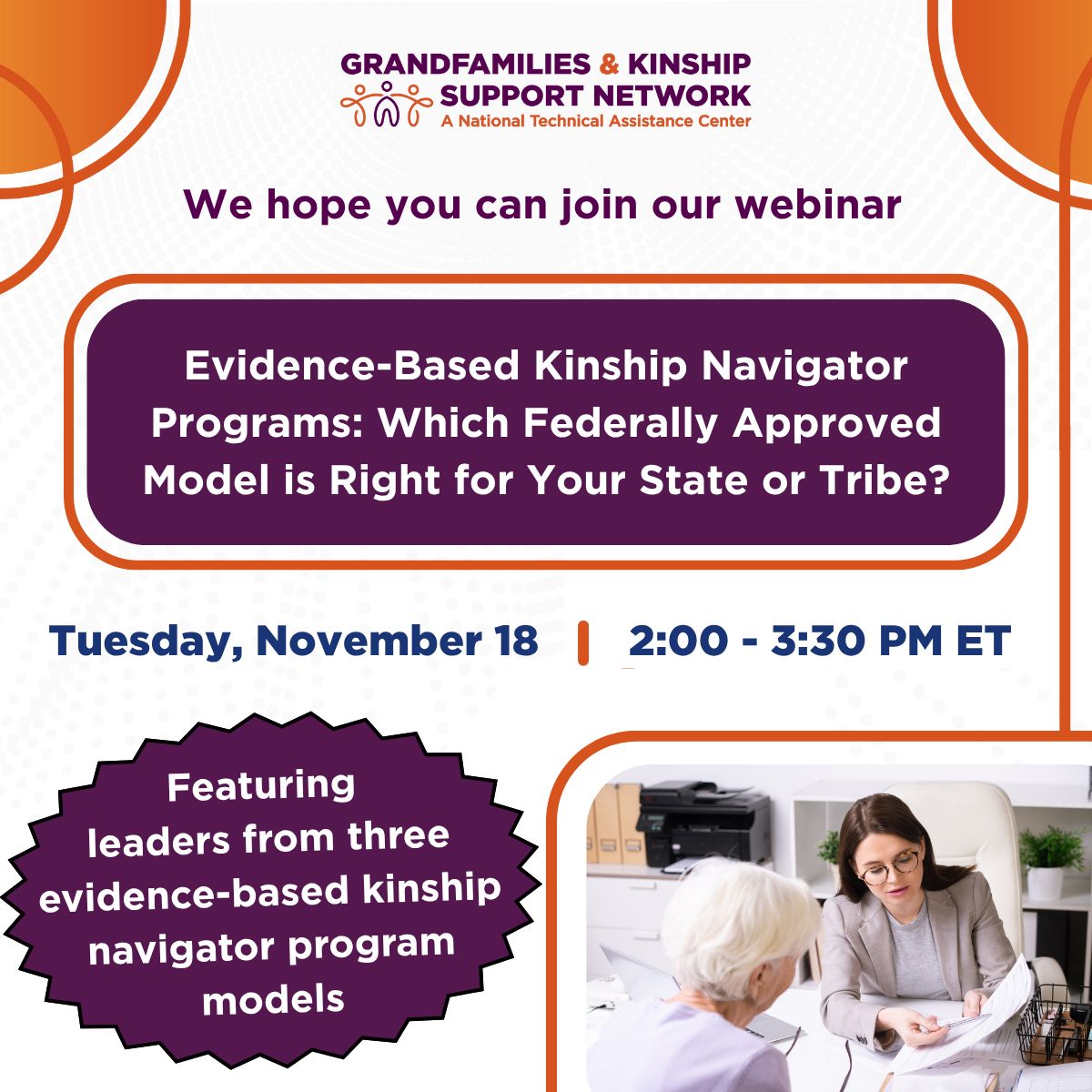
Evidence-Based Kinship Navigator Programs
Tuesday, November 18
2:00 – 3:30 PM ET
This webinar will review three kinship navigator program models deemed evidence-based by the Title IV-E Prevention Services Clearinghouse. Participants will hear from leaders from each of the three featured program models.
| | | | | |
Federal Policy Update on Child & Youth Homelessness
Thursday, November 20
1:00 – 2:00 PM ET
This webinar will provide the latest federal policy updates related to child, youth, and family homelessness, including the status and impact of the government shutdown; prospects for FY2026 funding for federal programs serving children, youth, and families experiencing homelessness; changes to SNAP eligibility; and more.
| |
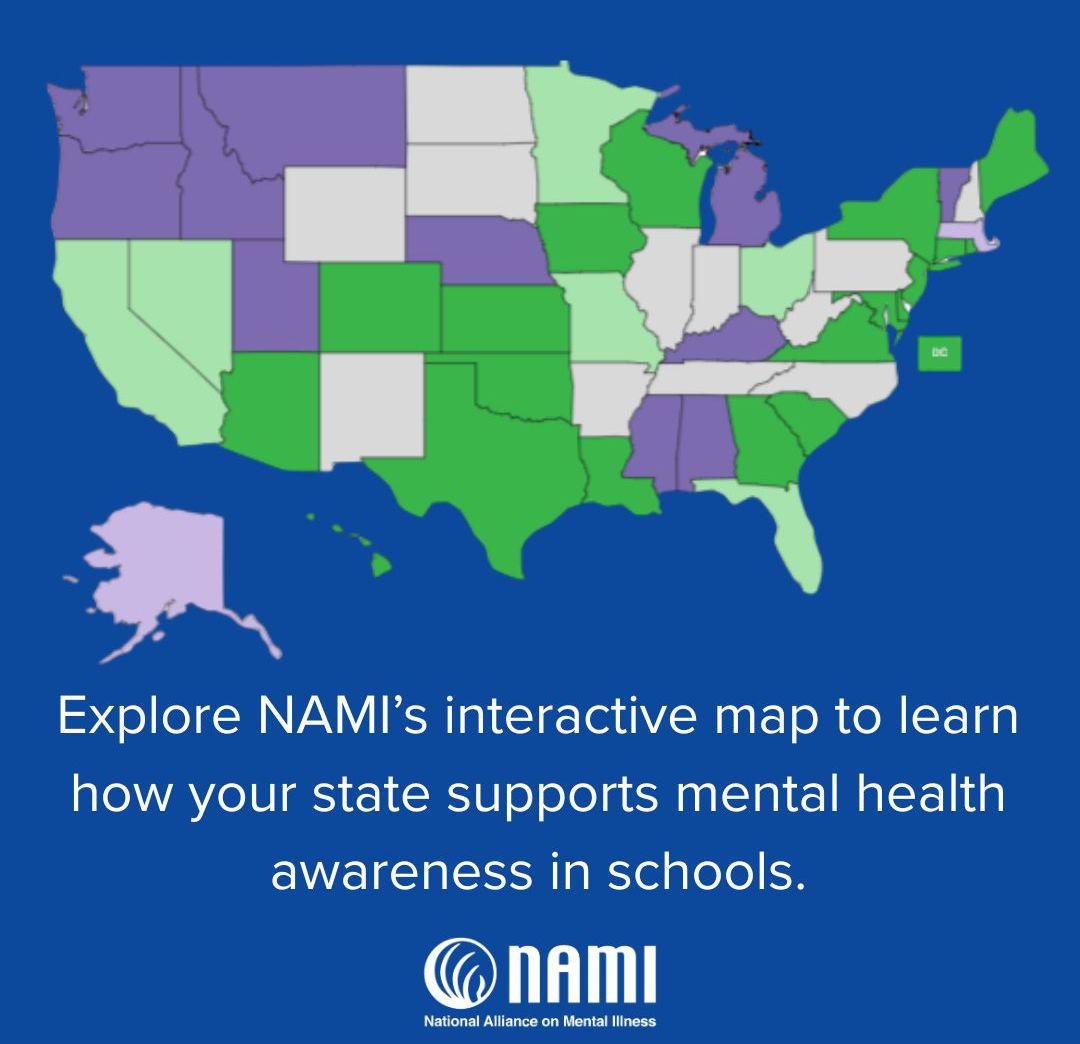
School Mental Health Education Map
NAMI's new School Mental Health Education Map shows how each state is addressing mental health education in K-12 schools, providing a state landscape of mental health education requirements in schools across the nation.
| | |
Innovations Institute, UConn School of Social Work
| |
Colorado State University (CSU)
| | |
Do you have a job opportunity you would like to share with the field?
Be sure to indicate any applicant deadlines.
| | | | |