|
| |
IN THIS ISSUE
Policy Corner
News Feed
Training & Events
Resources
Job Announcements
| | |
Policy Corner
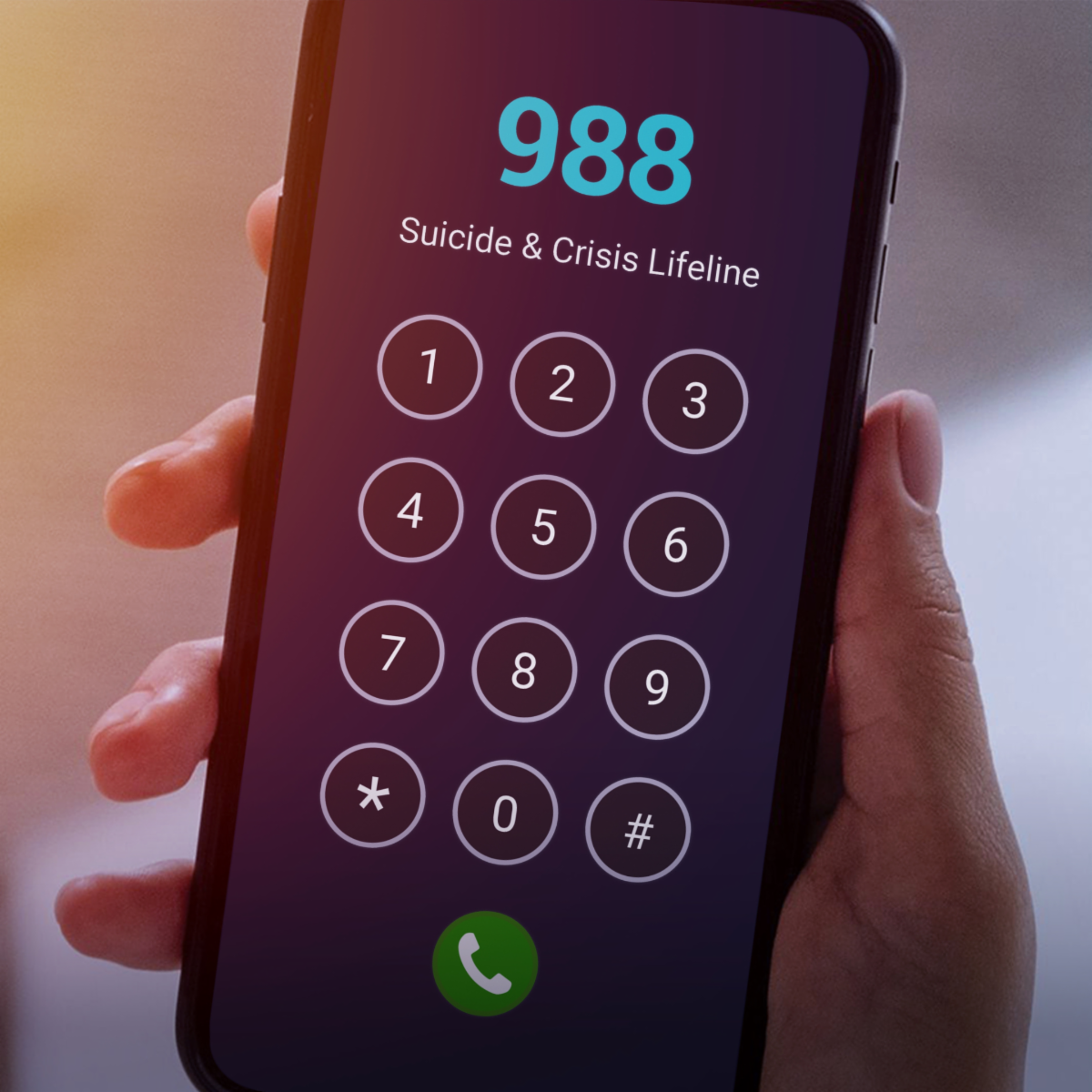
Beyond the 988 Call
| | |
Suicide Prevention Awareness Month offers an opportunity to recognize how the country’s crisis response infrastructure has evolved since the 988 Lifeline launched in July 2022. From July 2022 through September 2025, over 19 million calls, texts, and chats were routed to 988 crisis centers, with volume growing substantially across methods. Emerging research found the launch of 988 was associated with an 11% reduction in suicide deaths among adolescents and young adults. These gains are meaningful, and they bring the next policy challenges into focus.
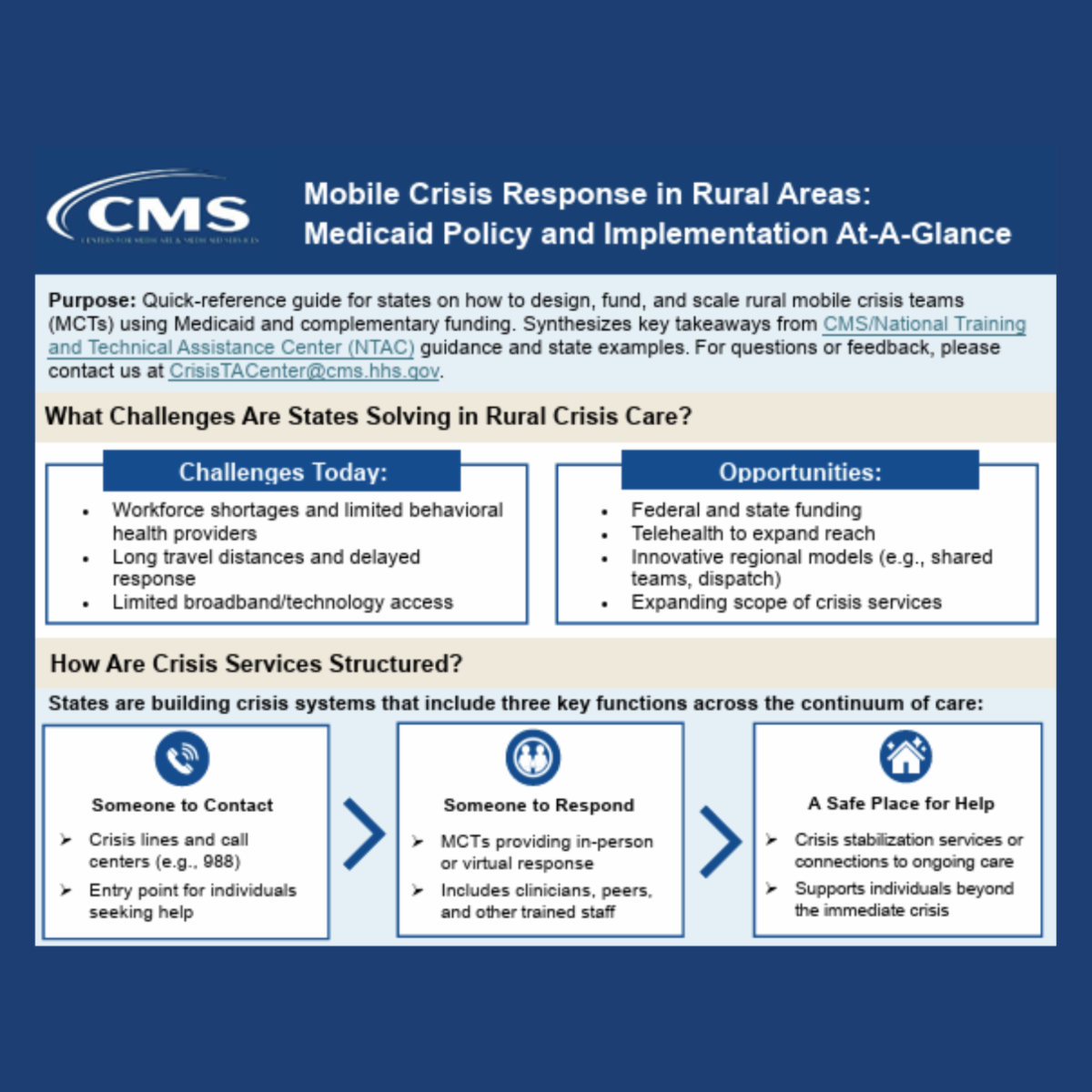
The 988 Lifeline is part of an effective crisis continuum that includes “someone to contact, someone to respond, and a safe place for help.” The future success of 988 depends on whether crisis systems can translate contacts into the right in-person response, a safe place for stabilization, and continued care when needed, yet these components remain unevenly connected. Many states have a patchwork of approaches to mobile crisis response, with variability in model and service delivery even within states. Although mobile crisis teams now operate to some capacity in all 50 states, not all 988 centers are able to dispatch mobile teams, make direct referrals to providers, or assist with scheduling appointments. Research on innovative state approaches underscores the importance of cross-agency collaboration in building a more coordinated response.
Effective crisis care for children and youth requires that youth and families define the crisis; individuals providing crisis response have expertise working with children, youth, and families; timely responses are provided in homes, schools, and other community settings; families are involved throughout; and warm handoffs are made for services and support. Without these elements, families may successfully reach 988 but not get the help they need.
As 988 enters its fifth year of operations, policymakers should strengthen connections between contact centers and mobile response, build youth- and family-responsive capacity, sustainably finance the full crisis continuum, and measure whether people receive timely, appropriate follow-up. The next phase of 988 is not only about answering more contacts—it is about ensuring that reaching out leads to responsive care.
Resources
Authored by Becky Lieman, MSW, Marketing Associate, Innovations Institute
| | | |
Head Start on Housing Partnership
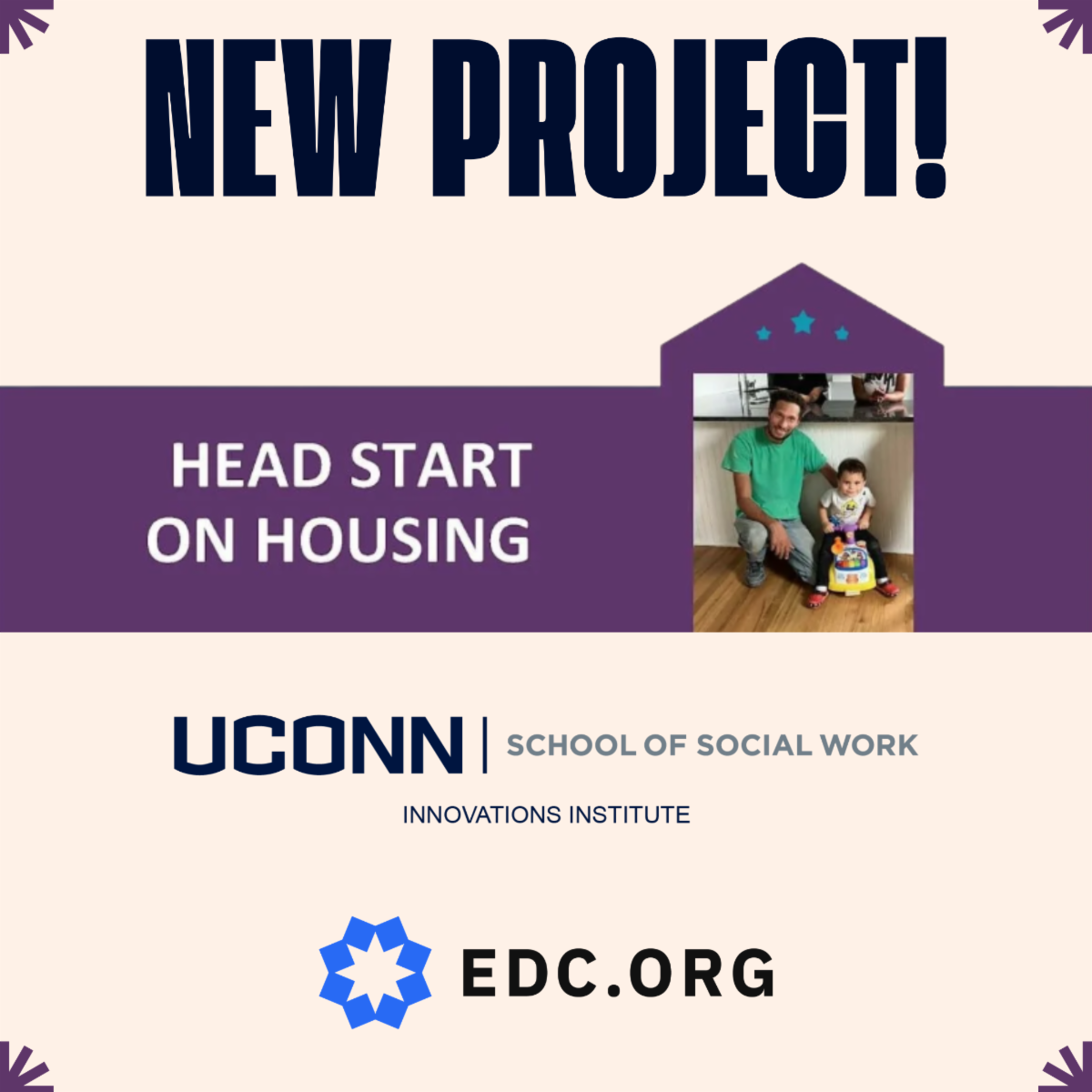
Innovations is thrilled to join EDC to evaluate an innovative Connecticut initiative addressing family housing instability. Supported by CoLab at the Constellation Fund, Head Start on Housing is the nation's first program providing Housing Choice Vouchers directly to Head Start and Early Head Start families. Innovations' Parent, Infant, and Early Childhood team will evaluate early childhood, housing stability, and economic outcomes alongside CT Housing, Office of Early Childhood, and Head Start Association partners.
| |
Welcome Dr. Jon Ahuna!
Innovations Institute is thrilled to welcome the inaugural Sheila A. Pires Postdoctoral Research Fellow, Dr. Jon Ahuna, to UConn! The fellowship is named for Sheila Pires, a national leader in child-serving systems transformation and author of the System of Care Primer. Joining us with a PhD in clinical-community psychology, Dr. Ahuna will evaluate system policies, develop state mobile crisis guidance, examine sustainable behavioral health financing and research strategies for complex care coordination across child- and family-serving systems.
| | | | |
Youth Voice & Leadership in SOCs
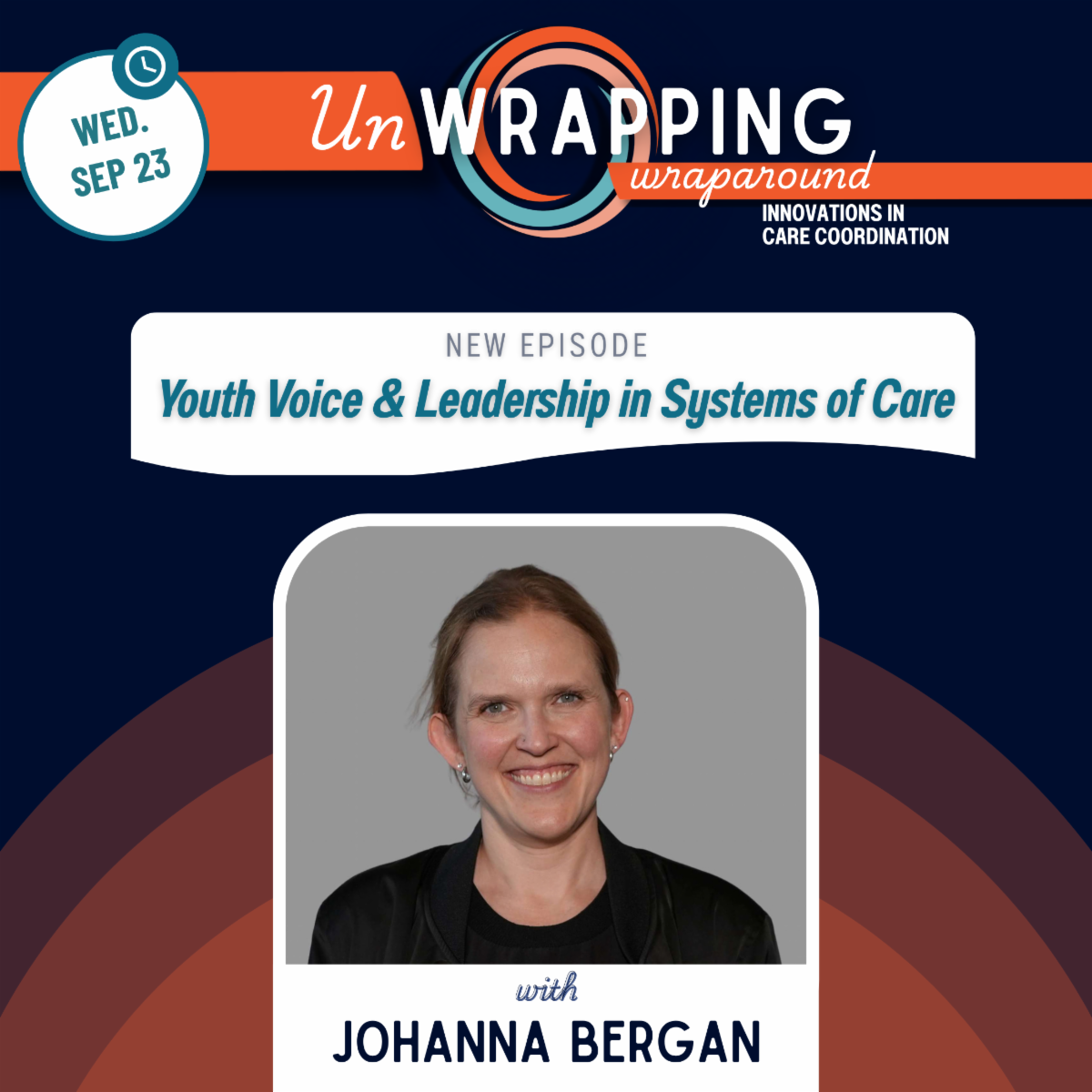
In next week’s episode of Unwrapping Wraparound, podcast hosts Covi and Conan chat with Johanna Bergen about youth-driven care and the importance of authentic partnerships between young people and system professionals. Drawing from her experience, Johanna shares challenges and sources of hope, while highlighting how youth peer support partners can empower other young people. The episode drops Wednesday, September 23. Follow us on Spotify to never miss an episode!
| |
Maximizing Limited Resources. Elevating Frontline Practice.
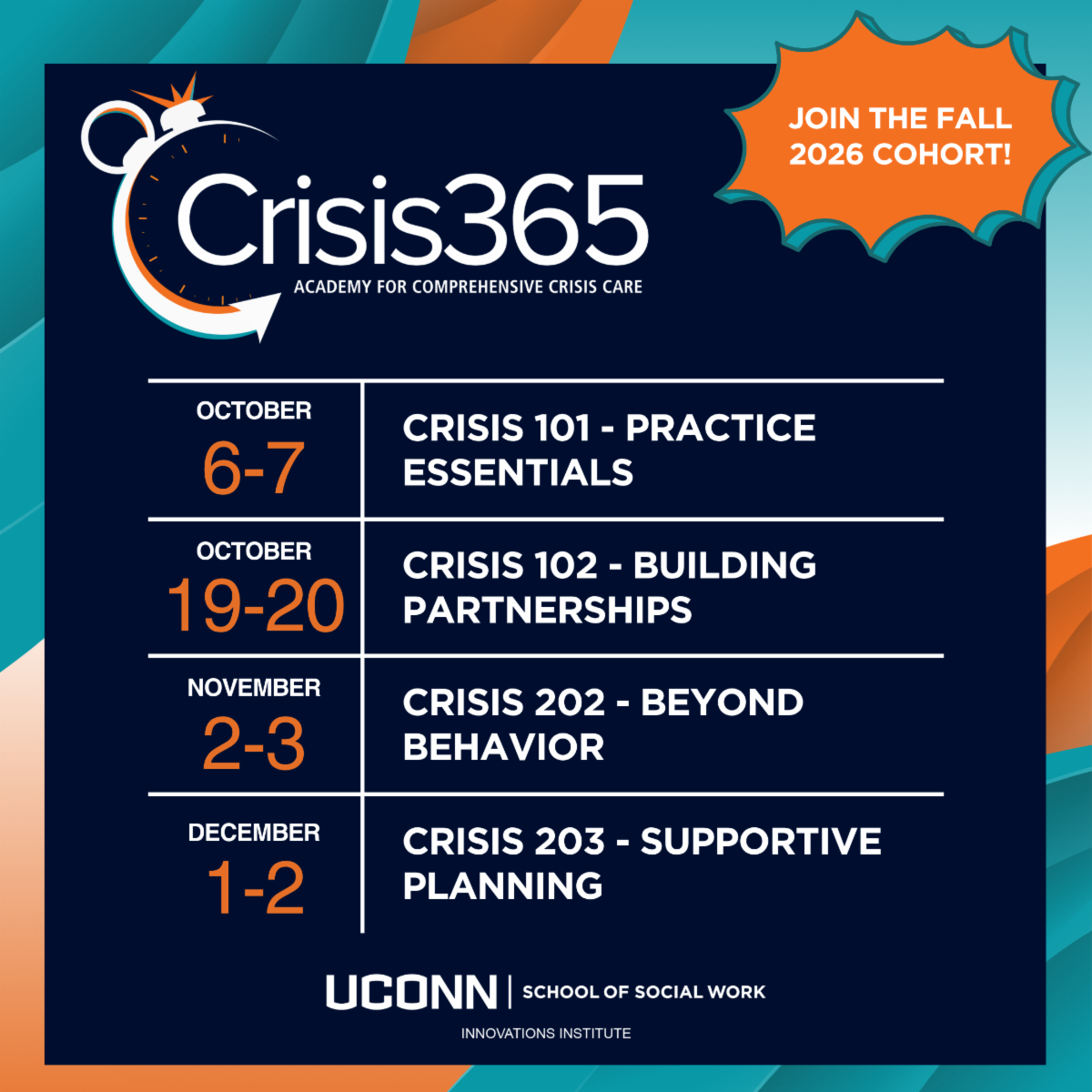
Crisis systems cannot always add more staff, funding, or infrastructure—but they can strengthen how effectively their existing workforce responds. Crisis 365 helps frontline professionals and supervisors build shared knowledge, learn from one another, strengthen practice, and apply practical strategies across the crisis continuum.
Get the details and register today!
| | | | |
Home Visiting Model Developers
The Home Visiting Evidence of Effectiveness (HomVEE) review invites early childhood home visiting model developers to express interest in having their model reviewed and reported on their website. HomVEE conducts thorough and transparent reviews of home visiting research literature and provides assessments of the evidence of effectiveness for home visiting models that serve families with pregnant women and families with young children from birth to age five. Learn more about why this matters, who should express interest, and how to submit on the HomVEE website. Submissions are due by October 15, 2026.
| | |
Tuesday, October 13
1:30 – 2:30 PM ET
Join Innovations' Parent, Infant, and Early Childhood (PIEC) team for the October Pyramid Practice Lunch & Learn for anyone interested in learning more about strategies to support children with moments of praise and opportunities to focus on and grow positive behavior interactions.
| | | | | |
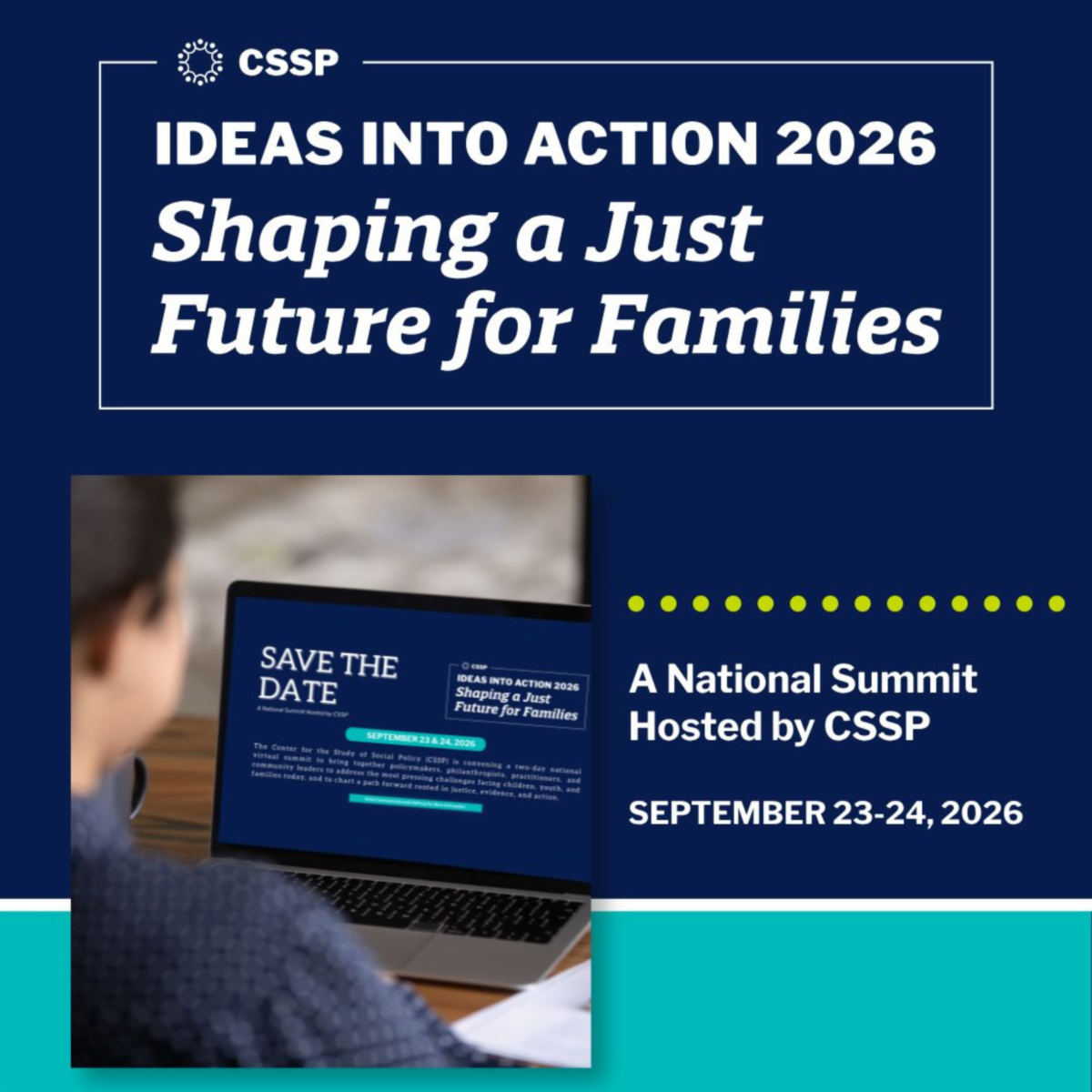
Ideas into Action 2026: Shaping a Just Future for Families
September 23, 11:00 AM – 5:00 PM ET
September 24, 1:00 – 5:00 PM ET
This virtual summit from the Center for the Study of Social Policy brings together leading voices, including policymakers, researchers, service providers, funders, organizers, young people, and families who are directly impacted by public policies and systems. Two days of engaging and practical workshops will explore bold policy proposals and practical tools to address some of the most urgent challenges facing children and families today.
| | | | |
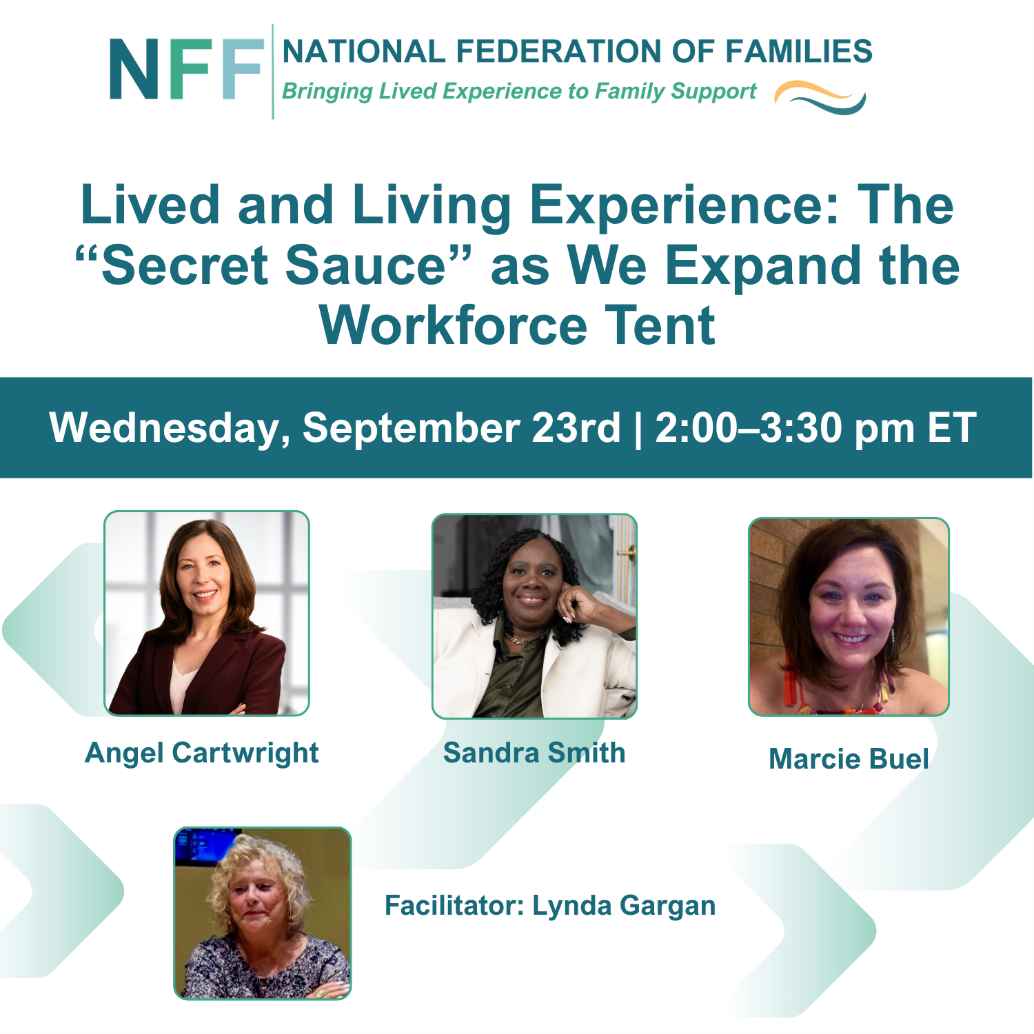
Lived & Living Experience: The "Secret Sauce" as We Expand the Workforce Tent
Wednesday, September 23
2:00 –3:30 PM ET
Expanding the workforce tent to include many forms of family support can strengthen families and communities. An expert panel will highlight the unique value of family peer support across the lifespan, roles, and relationships, including support in correctional systems, sibling-to-sibling support, child-to-parent support, and other emerging approaches that recognize families as essential partners in healing, recovery, and system navigation.
| | |
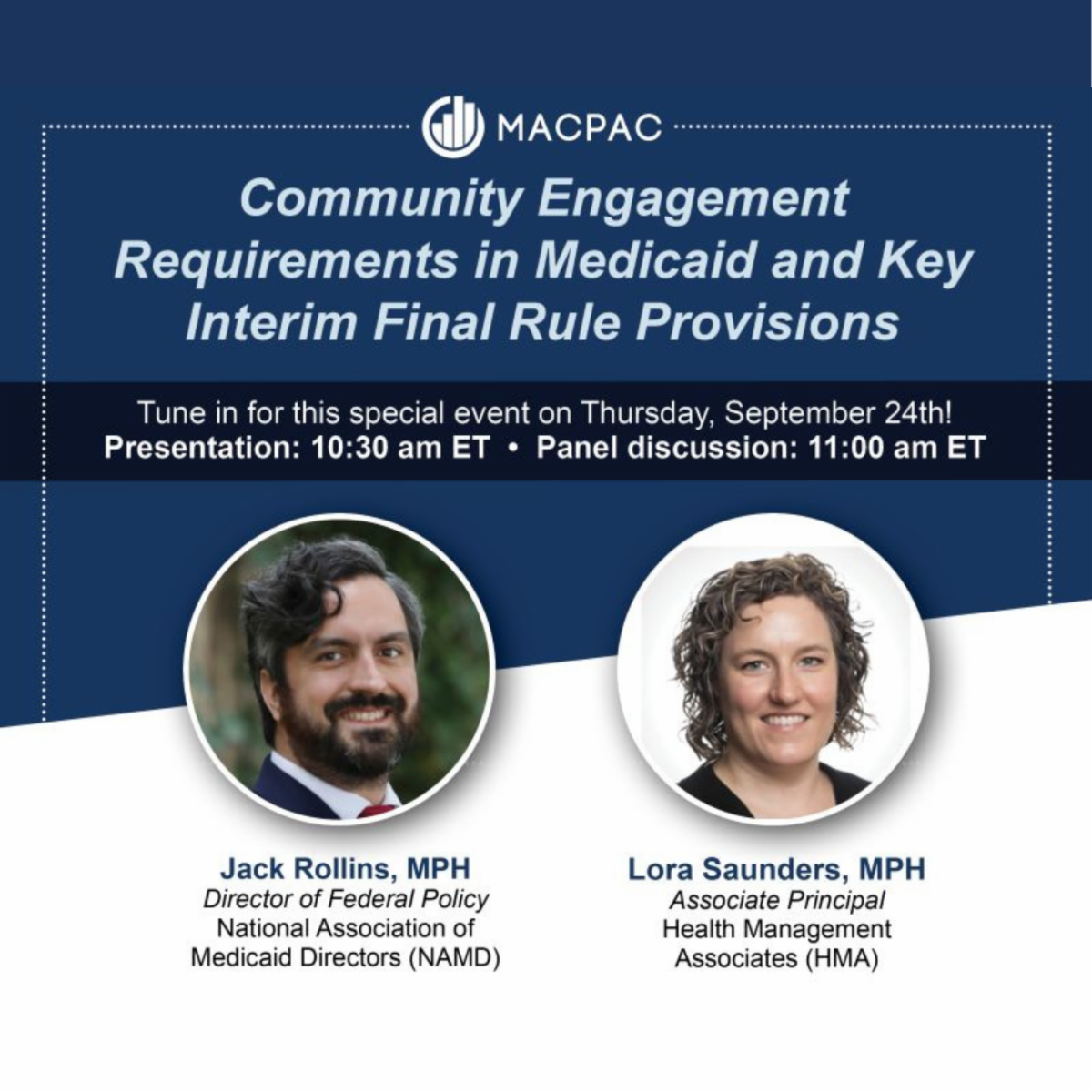
MACPAC September 2026 Public Meeting
September 24, 10:30 AM – 5:15 PM ET
September 25, 10:00 AM – 12:00 PM ET
Join the Medicaid and CHIP Payment and Access Commission (MACPAC's) September 2026 meeting, which will include a panel discussion on community engagement requirements in Medicaid, proposed rules on state directed payments and health care-related taxes, utilization management for medications for opioid use disorder, and more.
| | | | | |
Youth & Family Recovery for the
Future
Tuesday, September 29
1:00 – 2:00 PM ET
Recovery is not simply the absence of symptoms — it is a process of building meaningful lives, healthy relationships, and opportunities to thrive. This webinar will explore emerging definitions of youth recovery as well as strategies that elevate youth voice, strengthen family engagement and family recovery, expand youth and family peer support.
| | |
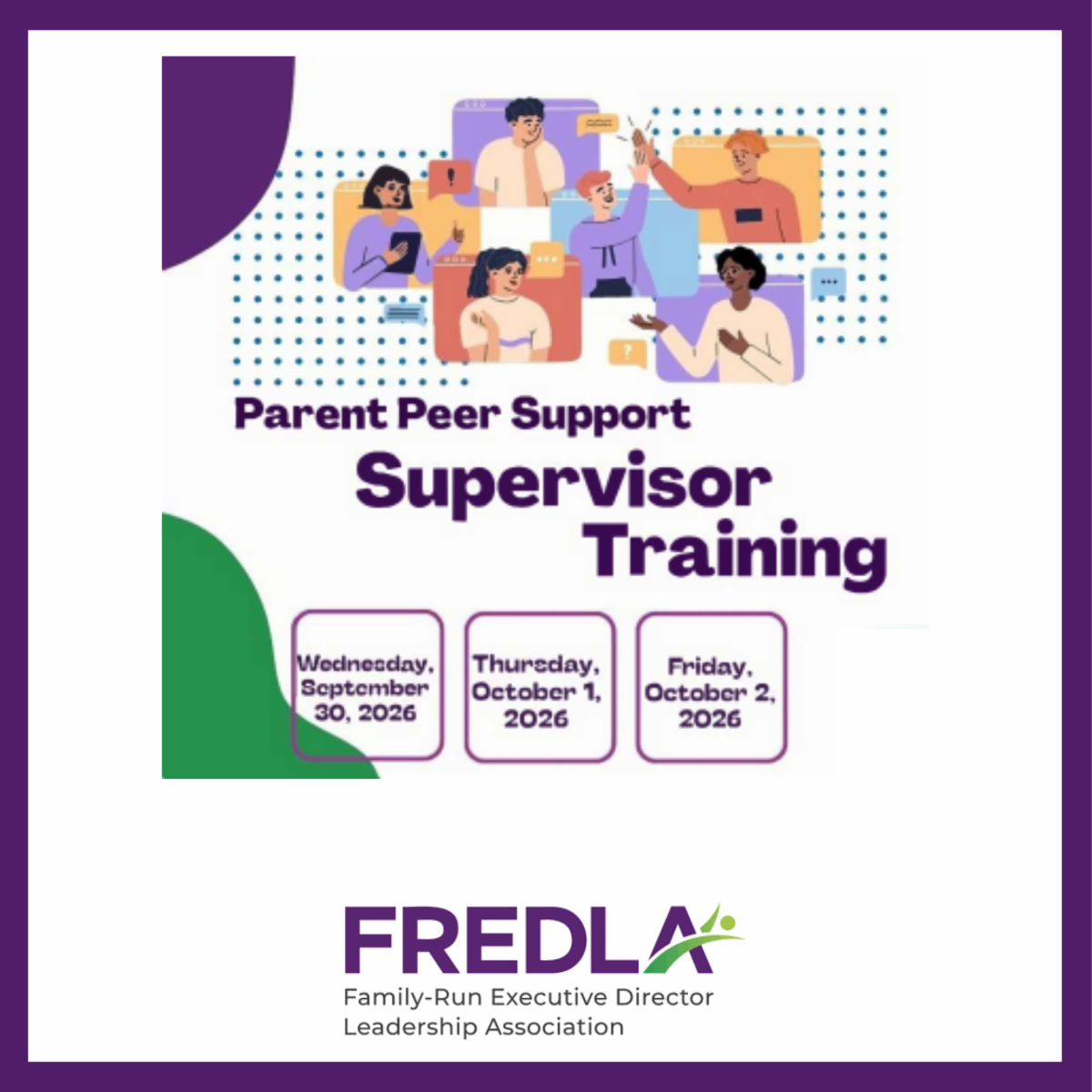
Supervision & Support of the Parent Peer Support Provider
Wednesday, September 30
Thursday, October 1
Friday, October 2
11:00 AM – 4:30 PM ET
Effective supervision employs an approach that promotes the unique lived experience of the Parent Peer Support Provider (PPSP) and encourages ongoing professional growth. This curriculum is part of the larger Parent Peer Support Practice Model and addresses supervisory skills that will enhance your ability to fully support the work of the PPSP.
| | | | | |
Integrating AI into Peer Support
Tuesday, September 29
12:00 PM ET
Join Think Bigger Do Good for a conversation about the opportunities and challenges of integrating artificial intelligence (AI) into peer support. The June 2026 paper offers a practical framework for responsibly integrating AI into peer support services while preserving the lived experience, trust, and human connection that are central to recovery-oriented care.
| |
Suicide Prevention Practice Resource
National Network for Youth's new practice resource, Preventing Suicide Among Youth Experiencing Homelessness, offers practical strategies for providers serving youth, young adults, and young parent families experiencing homelessness to strengthen protective factors, recognize warning signs, and support young people before, during, and after a mental health crisis.
| | | | |
Mobile Crisis in Rural Areas
A new infographic from the Centers for Medicare & Medicaid Services (CMS), Mobile Crisis Response in Rural Areas: Medicaid Policy & Implementation At-A-Glance, offers a quick-reference guide for states on how to design, fund, and scale mobile crisis teams using Medicaid and complementary funding. The resource synthesizes key takeaways from the CMS/National Training and Technical Assistance Center guidance and state examples.
| |
2026 NRI Workforce Report
The National Research Institute (NRI) released a new profile report, Crisis Services Workforce Shortages & Initiatives, 2026, identifying major workforce shortages in behavioral health crisis settings. The report compares reported 2026 shortage levels with 2023 shortages and finds in many states workforce shortages are getting more severe. It also identifies state initiatives that grow, recruit, and retain behavioral health workers.
| | | |
Center for Adoption Support & Education (CASE)
| | |
Do you have a job opportunity you would like to share with the field?
Be sure to indicate any applicant deadlines.
| | | | |