Stories of Resilience, Innovation, and Impact | |
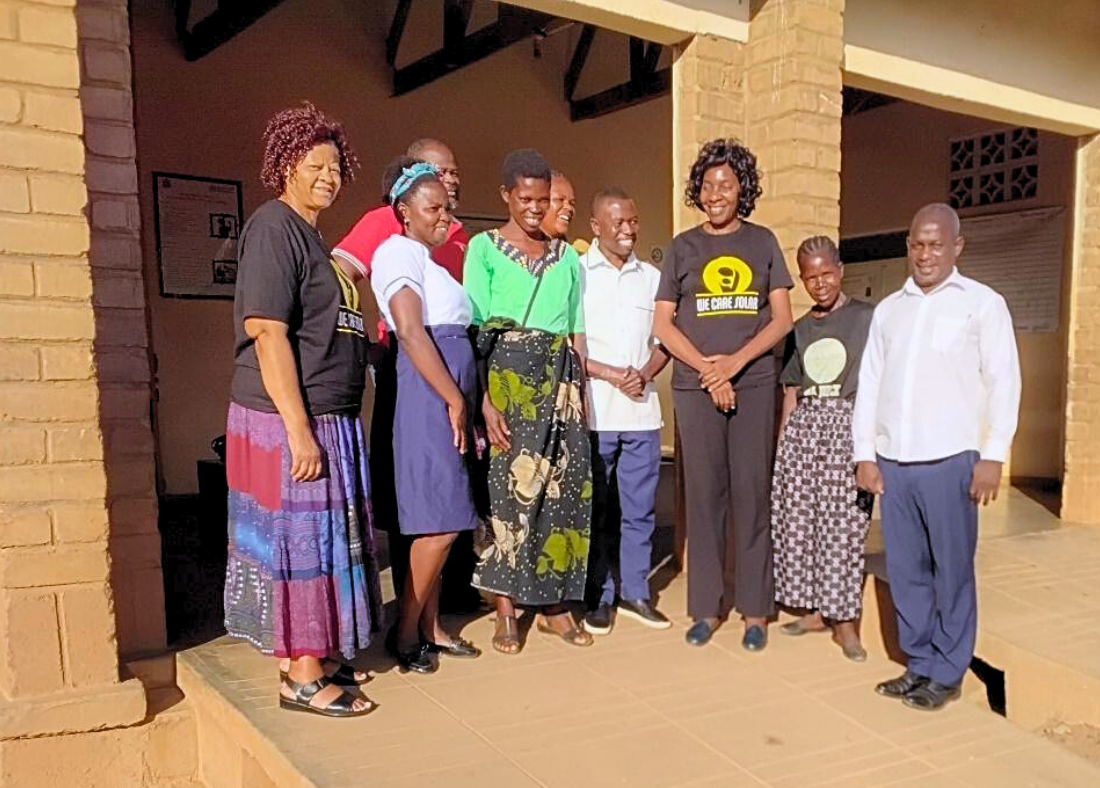
Chankhungu Health Centre, Malawi, December 2024 — (left to right): Dr Fannie Kachale, Charity Chanjoka, Dr Henry Phiri, Lucy Lufeyo, Chikondi Manyusa, Eunice Mwandira, Rosita Alick, Venancio Bonongwe. | |
|
Dear Laura,
Can you imagine giving birth in total darkness?
This was once the reality for mothers in Chankhungu, Malawi—until the Solar Suitcase arrived.
Since its installation on July 5, 2024, this life-saving innovation has transformed maternal care at Chankhungu Health Centre. In just nine months, the health centre managed 789 deliveries—an average of 80 babies born each month, now under the safety and dignity of sustainable light.
In addition, the Solar Suitcase serves the primary care needs of the surrounding area, bringing light and hope to 34,423 people in the broader community.
But this isn’t just about numbers. It’s about the stories of midwives who can now work confidently and mothers who no longer have to deliver their newborns in the dark. It’s about hope, resilience, and the power of your support.
| |
Delivering in Darkness: Voices of Mothers | |
|
For Lucy Lufeyo, a mother who delivered three of her children in complete darkness at Chankhungu, the experience was fraught with anxiety. She recalled her last delivery in 2014:
“I was not able to see the face of my baby until in the morning when it was light. We were being asked to bring candles to the health facility to use for lighting during labor, which was costly for us. At times you could save some money but could not get the candles as the shops were closed at night.”
| |
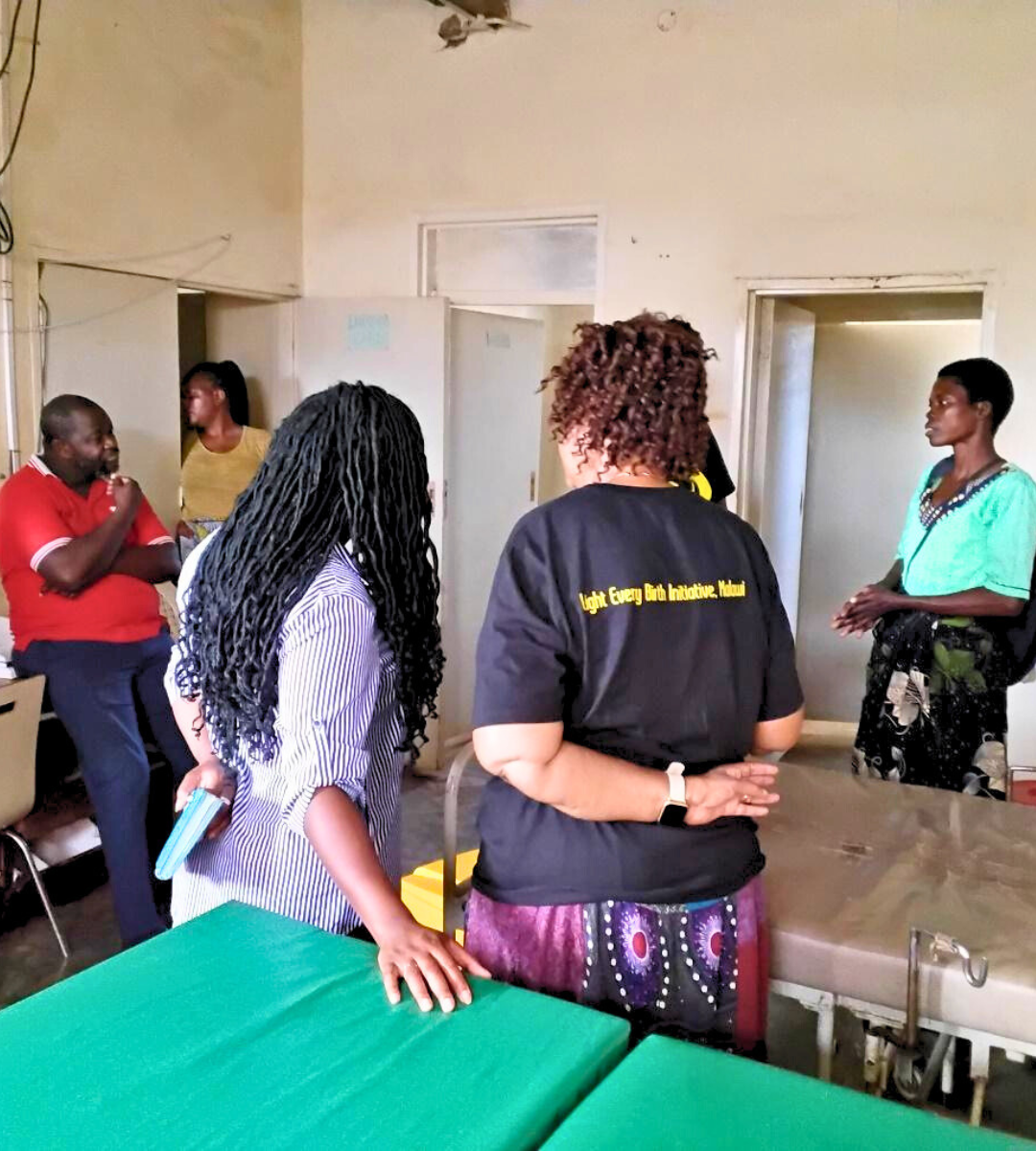
Lucy Lufeyo (far right) pictured in a light green telling her story. | |
|
Lucy reflected on the midwives’ plight:
“I feel bad that there are times that we blame midwives for not doing good work, but truly, how can one perform well in darkness? I couldn’t inform my husband about the baby because I didn’t know whether the baby had an abnormality or not. I had to wait until morning when I could have a clear picture of my baby.”
Mothers often endure sleepless nights, overwhelmed by uncertainty and rising anxiety. A moment meant to bring joy is instead clouded by fear and worry.
| |
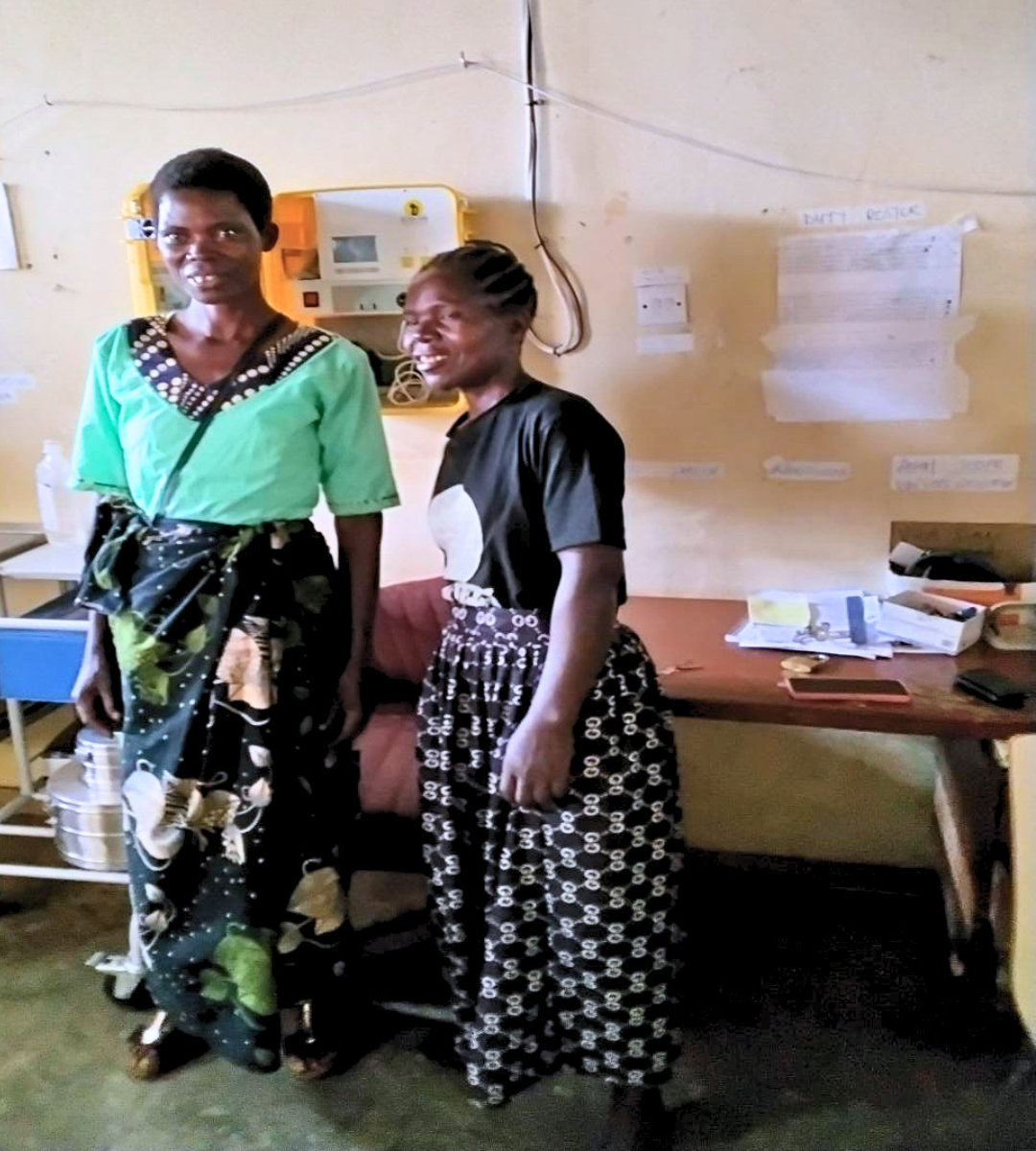
Rosita Alick in a black t-shirt smiling because of the light in the labor room. | |
|
For Rosita Alick, the absence of light deterred her from going to the health centre during her first delivery.
She gave birth at home because the health centre’s conditions mirrored her own—no light. By the time of her second delivery, she reluctantly brought candles, held by her mother, to illuminate the labor room.
“I felt uncomfortable having my mother hold the candle while I was in pain. Candle wax spilled on my thighs as I was giving birth.”
| |
Midwives’ Challenges in the Dark | |
|
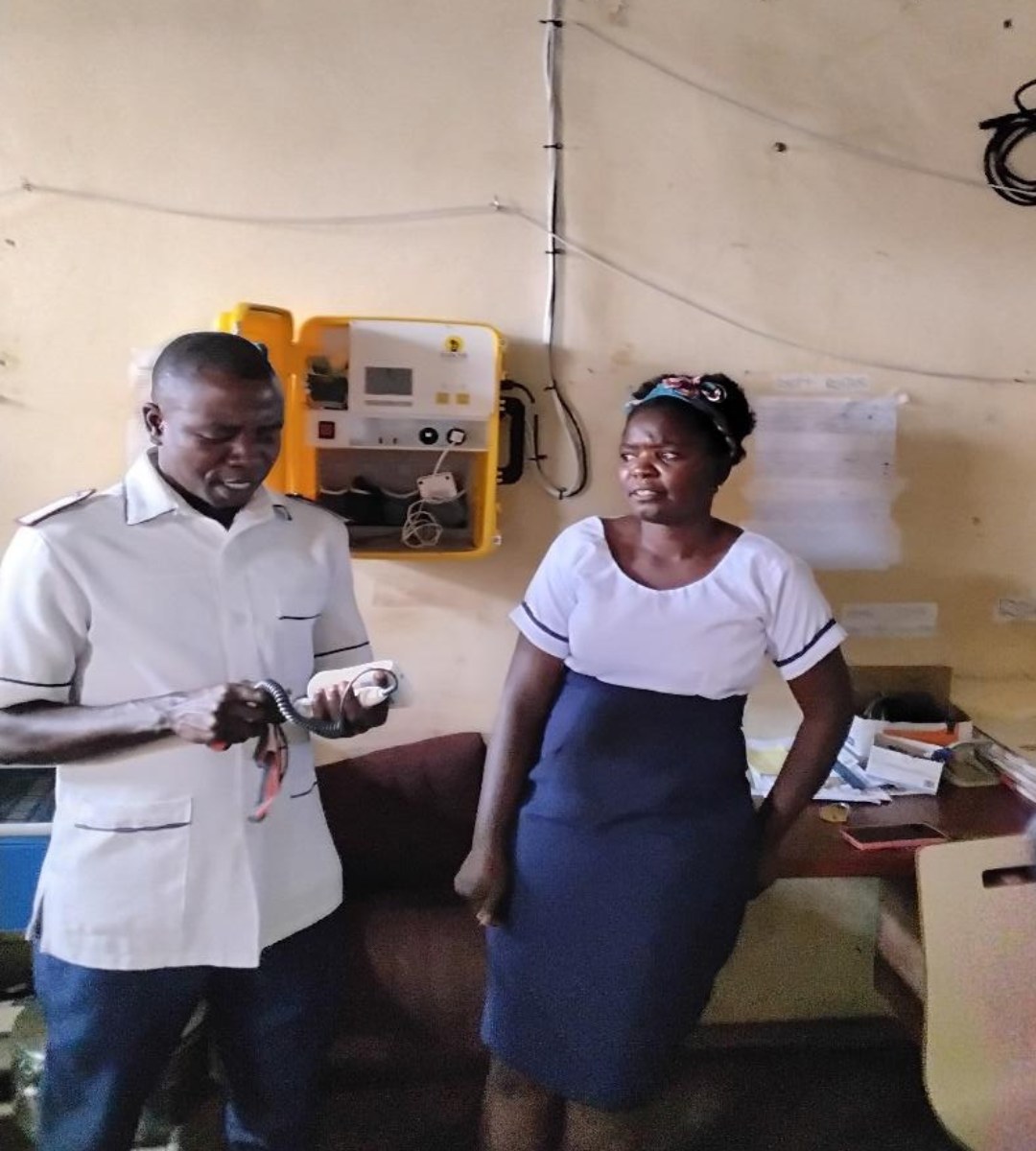
Midwives at Chankhungu spoke of their challenges before the Solar Suitcase installation. Deliveries relied on candles or phone torches, which were unreliable and dangerous.
The lack of light also affected critical postpartum care leading to delayed referrals and preventable complications. One midwife lamented:
“I felt bad when the district personnel blamed us for the mismanagement of the patient when the reason for not inserting an intravenous infusion was beyond us.”
| |
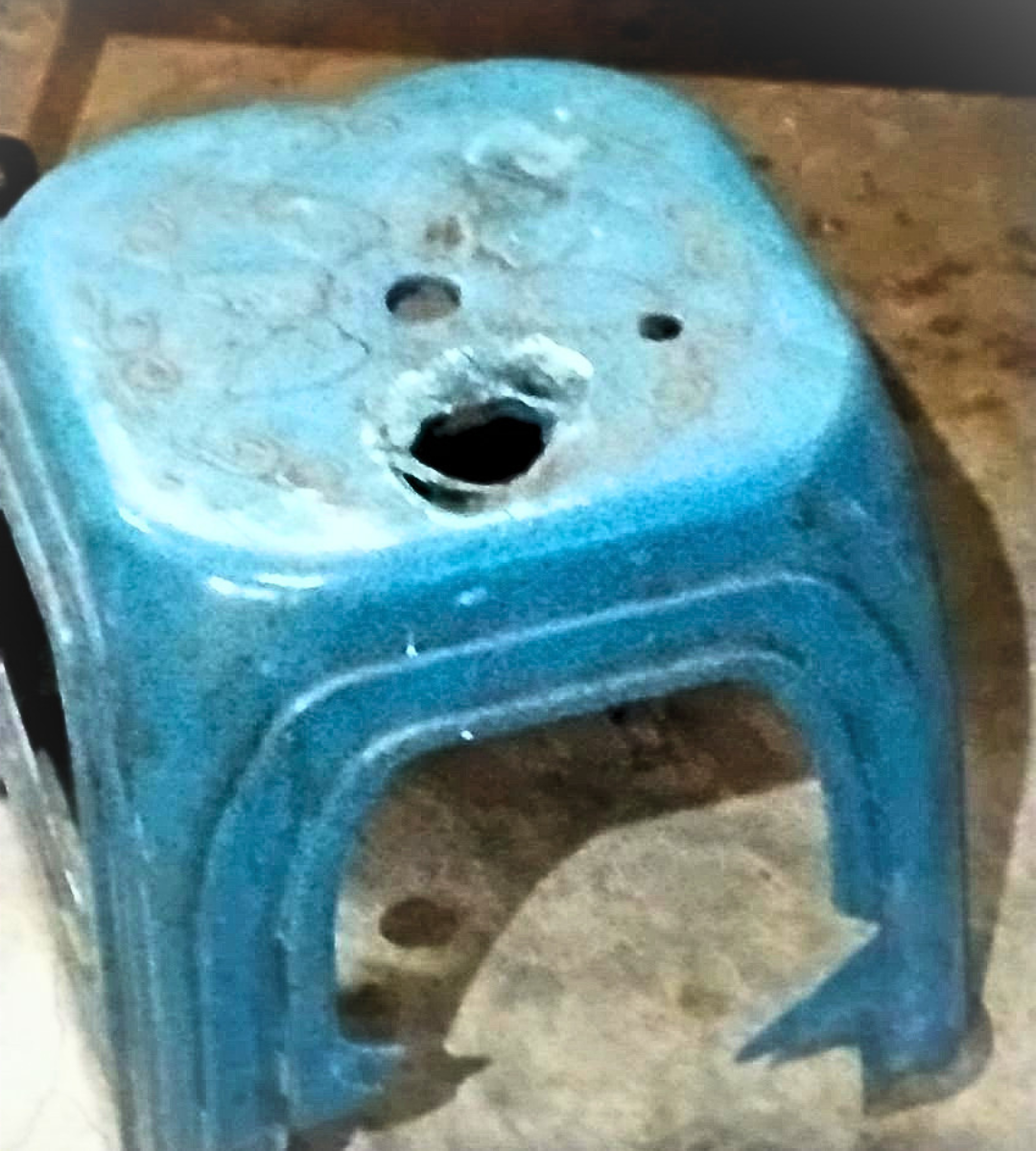
The plastic stool, burnt through, used in the delivery room as a stand for candles by midwives. | |
Chankhungu HC Midwives (left to right): Chikondi Manyusa, Charity Chanjoka | |
Since the Solar Suitcase’s arrival, the story has changed. Midwife Chikondi highlighted the impact of new tools like digital fetal dopplers, which allow timely identification and referral of fetal distress cases. | |
|
The visit to Chankhungu Health Centre was a powerful testament to the impact of light in healthcare.
This would not have been possible without the generous support of the Judith Neilson Foundation.
At We Care Solar, we remain committed to empowering health workers and mothers with the tools they need for safe and dignified births.
Together, we are lighting the way for communities like Chankhungu to have healthier futures.
| |
The Root of Language: The Meaning Behind "Ai ndi pakati" in Malawi | |
|
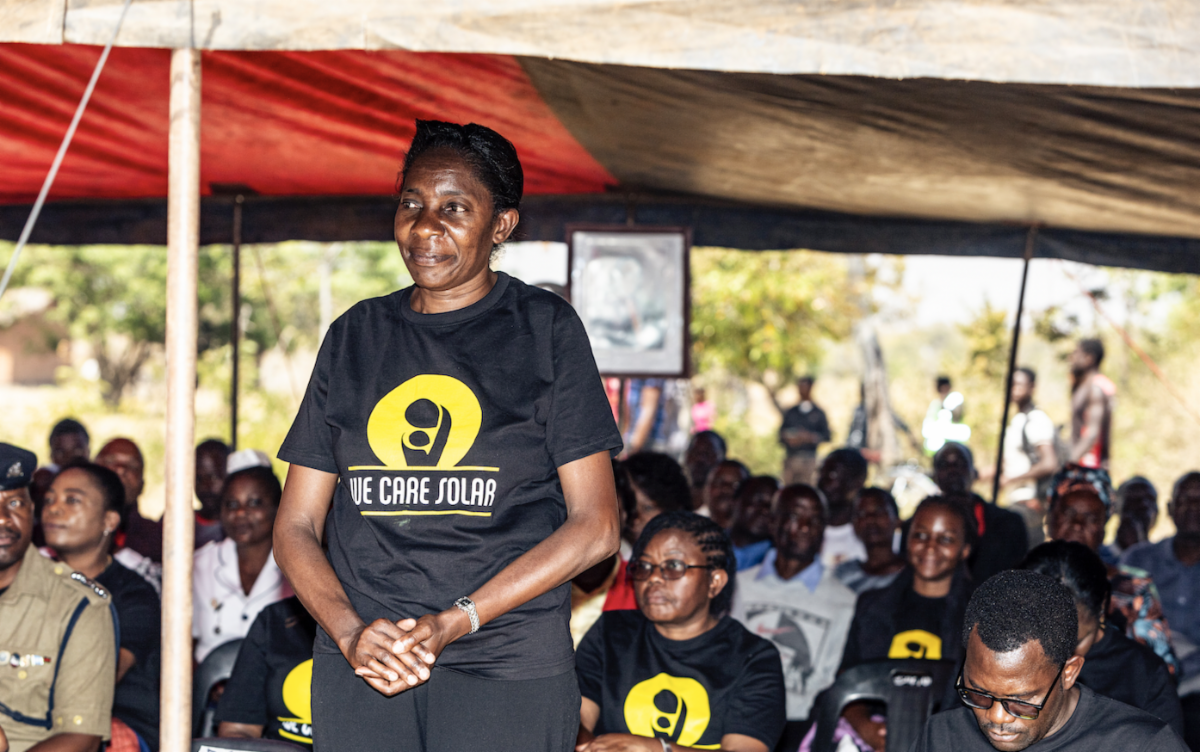
Malawi, August 14, 2024 — At the launch of We Care Solar's Light Every Birth initiative.
We Care Solar Country Program Manager, Eunice Mwandira | Photo by: Asodzi Photography.
| |
|
In many Malawian communities, "Ai ndi pakati," meaning "in the middle," describes pregnancy.
This expression reflects a profound cultural understanding of the liminal space pregnancy occupies—historically seen as a precarious balance between life and death.
Limited access to maternal healthcare, compounded by the challenges of delivering care in remote and under-resourced settings, means that pregnancy is often fraught with danger.
Eunice Mwandira, Malawi Country Program Manager at We Care Solar, notes that while older generations understand the gravity behind this phrase, many youth today may not fully grasp its historical significance. However, the stark reality remains: maternal health challenges persist in many Malawian communities, where expectant mothers and healthcare providers continue to navigate these life-and-death moments.
We Care Solar is working to transform this narrative. By equipping health facilities with solar-powered lighting and energy solutions, we are addressing critical barriers to safe maternal care. Reliable lighting enables healthcare providers to deliver life-saving interventions, perform nighttime deliveries, and confidently respond to emergencies.
These innovations are helping to ensure that pregnancy no longer represents a perilous journey but a hopeful one, bridging tradition and progress to create brighter futures for mothers and their newborns–no longer in the middle.
| |
Cultivating the Next Generation of Solar Solutionaries in Illinois | |
|
Our education program, We Share Solar, equips students to tackle energy inequality by building solar-powered solutions for communities.
Through our Solar Solutionary Program, young innovators combine hands-on STEM learning with global citizenship.
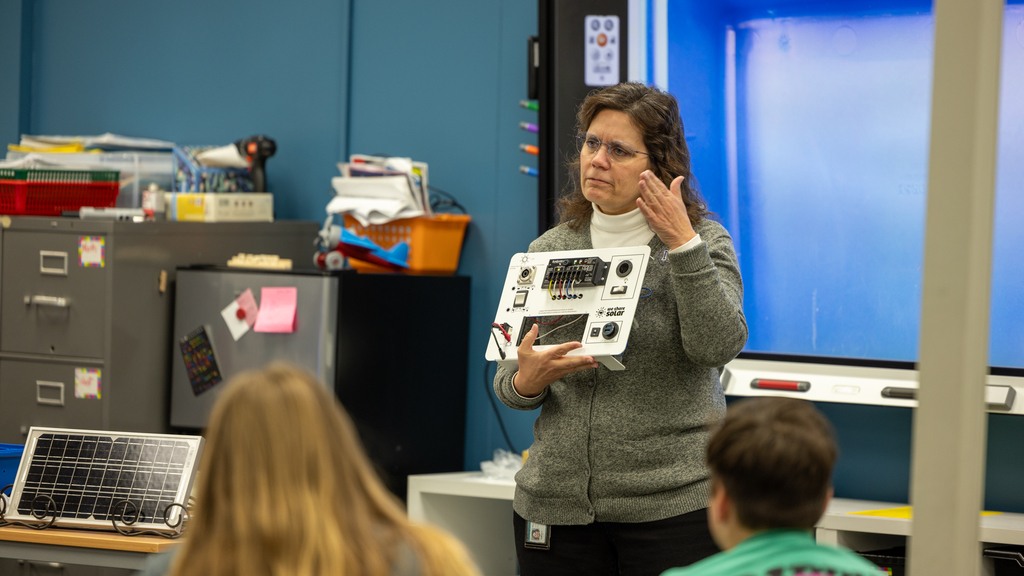
In Rockford, Illinois, seventh graders at Thurgood Marshall Middle School assembled 12-volt DC We Share Solar Suitcases – portable power systems designed for off-grid schools.
These suitcases will bring electricity to 40 schools in the Bidi Bidi Refugee Settlement in Uganda, providing light and energy to classrooms serving over 12,000 refugee students.
Guided by their STEM teacher, Stacy Wallace, the students gained practical electricity and wiring skills while learning about their work's global impact.
“We’re taking all this stuff for granted, and other countries don’t have all this stuff, like electricity,” said seventh-grader Pratham Mehta.
The We Share Solar Suitcases are a simple yet transformative solution, powering light bulbs and small devices to improve education in regions like Bidi Bidi, the second-largest refugee settlement in the world.
The statewide launch of the We Share Solar program in Illinois is generously funded by Cultivate Power.
By participating in We Share Solar, these students are not just learning – they’re changing lives. Together, we’re building brighter futures, one Solar Suitcase at a time.
| |
|
Thank you for supporting community-based solar solutions.
With gratitude,
The We Care Solar and We Share Solar Teams
| |
Support our healthcare programs | |  |
Support our education programs
| | | | | |