~ Supporting economic justice, democracy and sustainable development in Haiti ~ |
|
Pandemic. Insecurity. Reforestation. |
|
The year 2020 came in with quite the bang and caused major confusion around the world. Haiti was no different. Through all of the noise, the Lambi Fund of Haiti continued its efforts to assist grassroots organizations in gaining the means necessary for economic projects around their communities. The objective always remained ensuring that the organization members that we partner with have the means to create better lives for themselves and their families as well as the ability to reinforce the organizations’ community activities.
Lambi’s support touched on environmental development, support of agricultural production, animal husbandry and reinforcing the capacity of grassroots organizations’ investments in community credit funds.
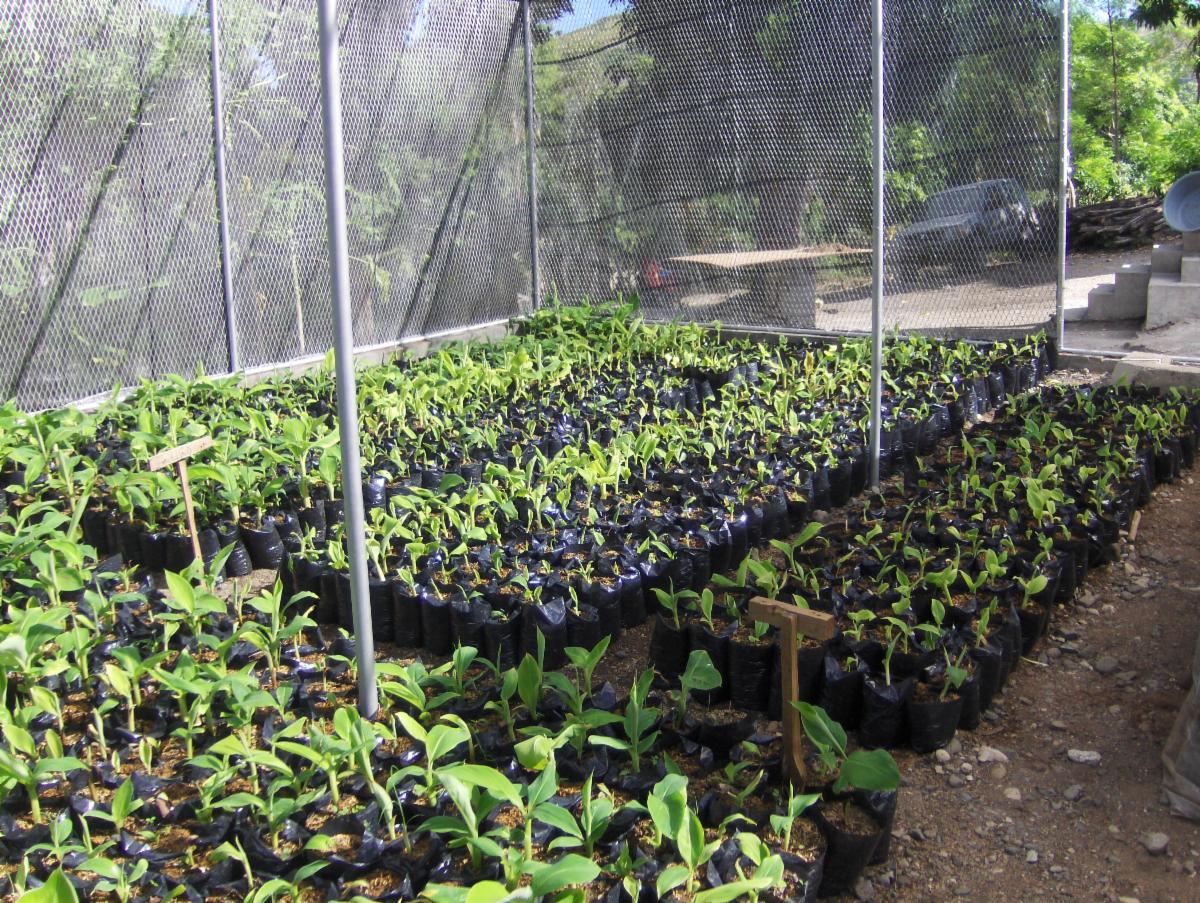
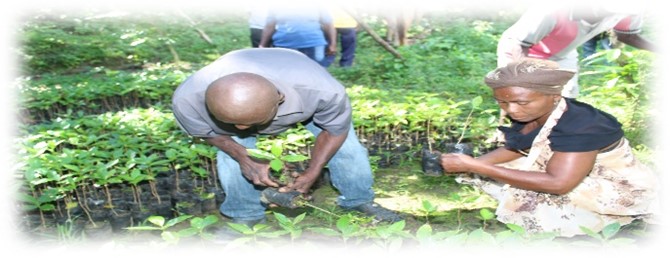
As Lambi continued to support our partners through the added environmental aspect of each project, the focus of sensitization on the major issue of deforestation remained the top priority. The main goal has been bringing attainable solutions and actions to assist the groups in combatting deforestation in their neighborhoods. Those actions focused on the production of seedlings for the reforesting of these areas, as well as training on sustainable agriculture (nursery techniques, climate change, agroforest fields, etc.).
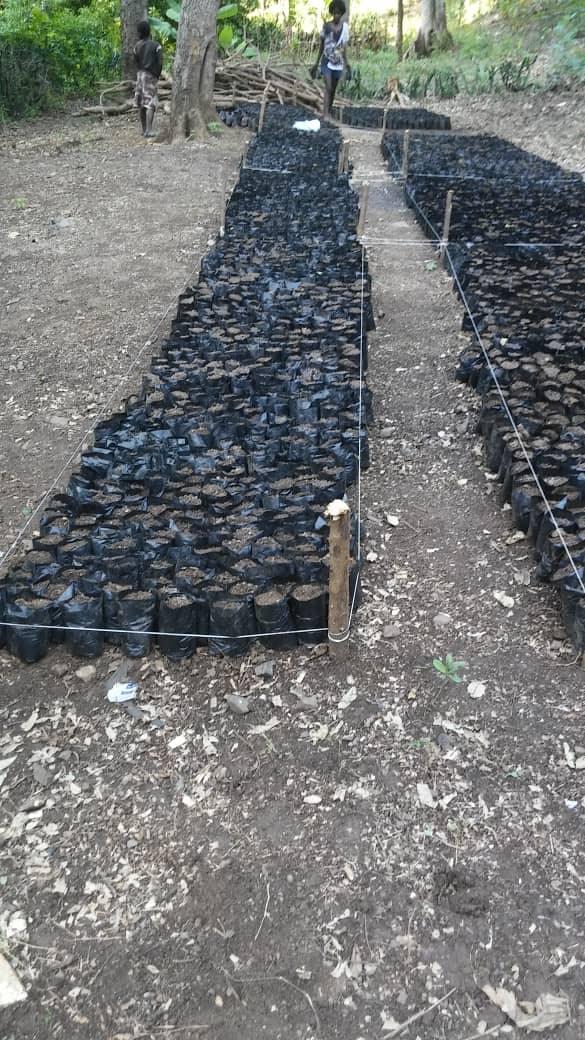
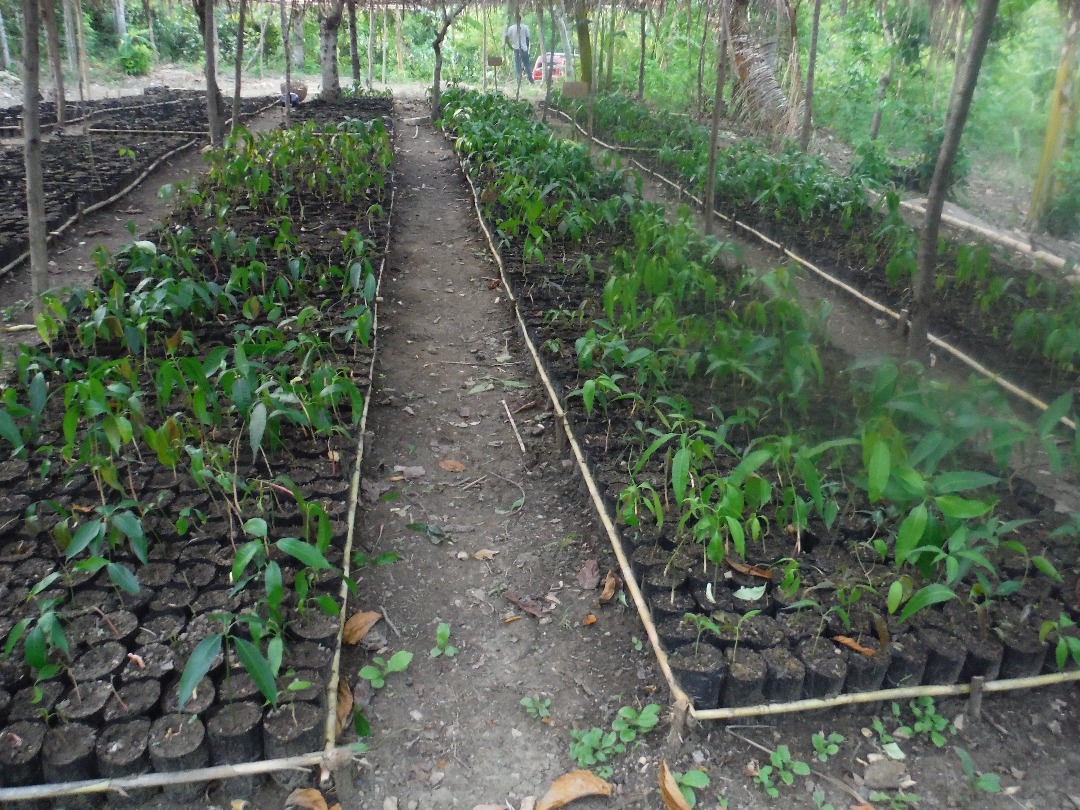
More than 14 organizations received support from the Lambi Fund in 2020; among them, ten already had projects that were in progress and the other four had projects that had just launched. The organizations that benefited came from 10 different communes throughout two of Haiti’s major Departments (Artibonite and South). More than 1,500 organization members, participated in the activities that were conducted throughout the duration of the projects. There was an astounding total of 512,184 seedlings produced and another 120,000 seedlings that are currently growing in the 8 nurseries.
|
|
From the Executive Director's Office
The political and social crisis that we are living in Haiti since President Jovenel Moise mounted power has affected the lives of everyone in the country. The population is revendicating against the expensive cost of living and the injustices at the hands of those charged with leading the country. The constant country-wide lockdowns caused by instability and manifestations inhibited the Lambi staff from safely traveling to the project sites regularly. In addition to those issues, there is a new phenomenon sprawling throughout the country, in particular the capitol, called "kidnapping" that has created a greater situation of tense insecurity.
Despite these difficult situations, the Lambi Fund continued on its mission to assist the grassroots organizations' members in building economic projects in the rural communities where they live. The objective remained to allow the members to find the means necessary to build better lives for themselves and their families as well as supporting the works of our partner organizations which were already developed around their communities.
Lambi continued to work in the filed as planned with extended effort from the Regional Monitors in the South and Artibonite when the staff members from the capitol were unable to leave the city due to all of the unrest on the streets. The monitors live in reasonable proximity to the organizations' headquarters; this allowed them to remain in constant contact with our partners on top of the regular communication with the staff located in the capitol in an effort to keep everyone abreast of what's happening in the field, the progress of the organization activities and the decisions that Lambi would have to make to keep the work moving forward.
Lambi's support went towards environmental sustainability, agricultural production, wheat transformation, animal husbandry and the reinforcement of the investment capacity of our partner organizations in their credit fund and training programs.
In 2020, Lambi conducted follow up evaluation of 10 projects (4 in the South and 6 in the Artibonite), organized 6 training workshops (3 in organizational development and 3 in nursery techniques) and launched the investigation of 5 new projects (2 in the South and 3 in the Artibonite).
Since March 2020, the COVID-19 pandemic was added to all of the rampant insecurity making life extremely difficult in Haiti. As in any unexpected crisis, Lambi continued to support our grassroots partners and their families by addressing the immediate issue that halted life as we knew it. The COVID-19 program was broken down into these 3 phases to assist the members and their communities in safely facing the pandemic:
- Education and distribution of materials
- Support for the organizations' current activities
- Agricultural production support in response to expert's prediction of food shortage following the COVID-19 pandemic
In conclusion, we can say that Lambi has been and continues to operate in fulfilling its mission despite the involuntary setbacks and limited funds which are needed to implement new projects. They remain a top goal. Another top goal for 2021 is the launch of 4 new projects along with the expansive environmental project that we are working towards which entails the production of 480,000 seedlings. With many hands, the load is lighter. We are depending on your continued support in order to bring these to reality!
|
|
The Coronavirus pandemic continues to scar people across Haiti physically, mentally, emotionally and financially. While we are grateful the death toll in Haiti has not hit the astronomical numbers that we have seen around the world, the economic toll has been devastating. Farmers left with harvests that cannot be sold because of quarantine restrictions, land that cannot be planted because of lack of financing or access to supplies, and families unable to buy food. The ripple effect of this pandemic continues to stun many.
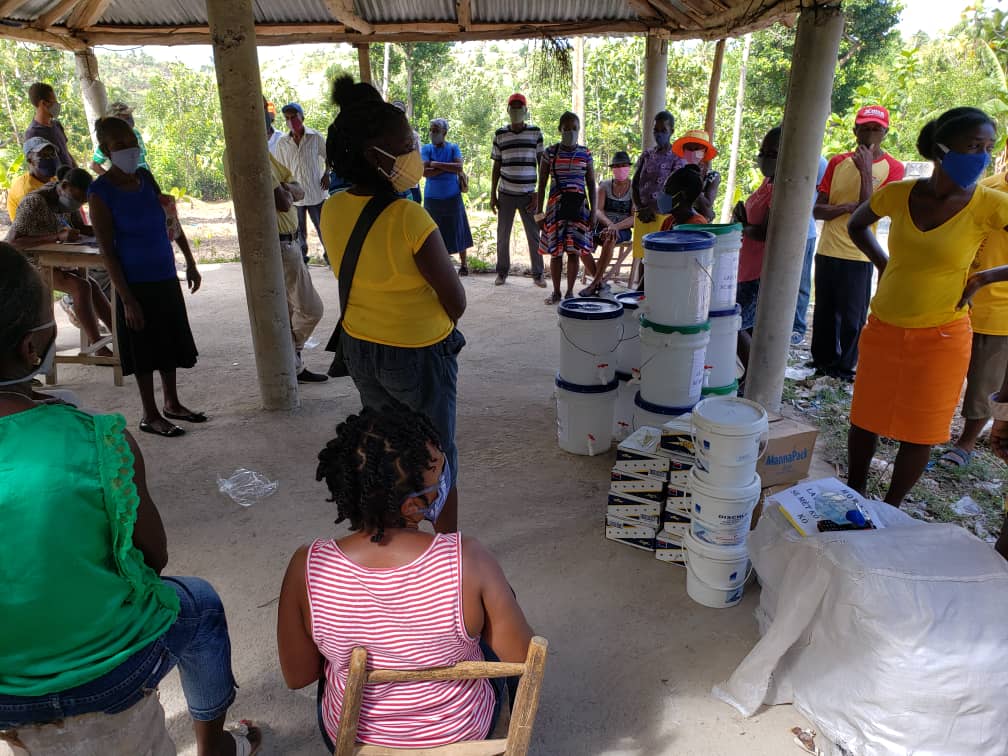
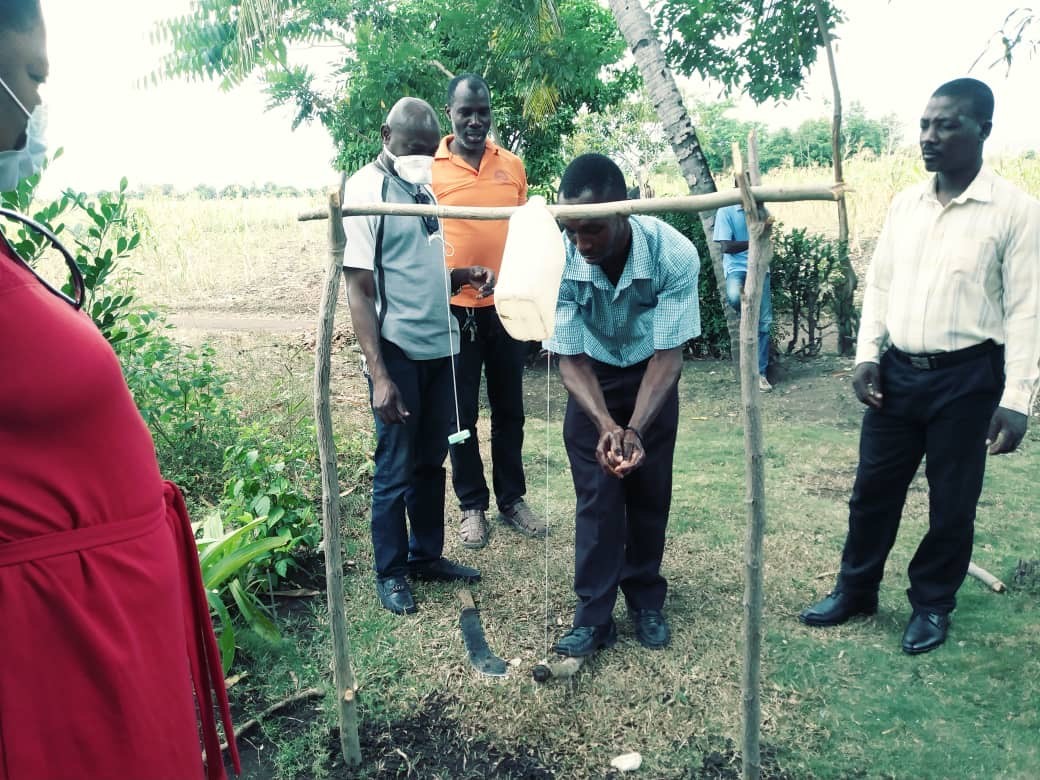
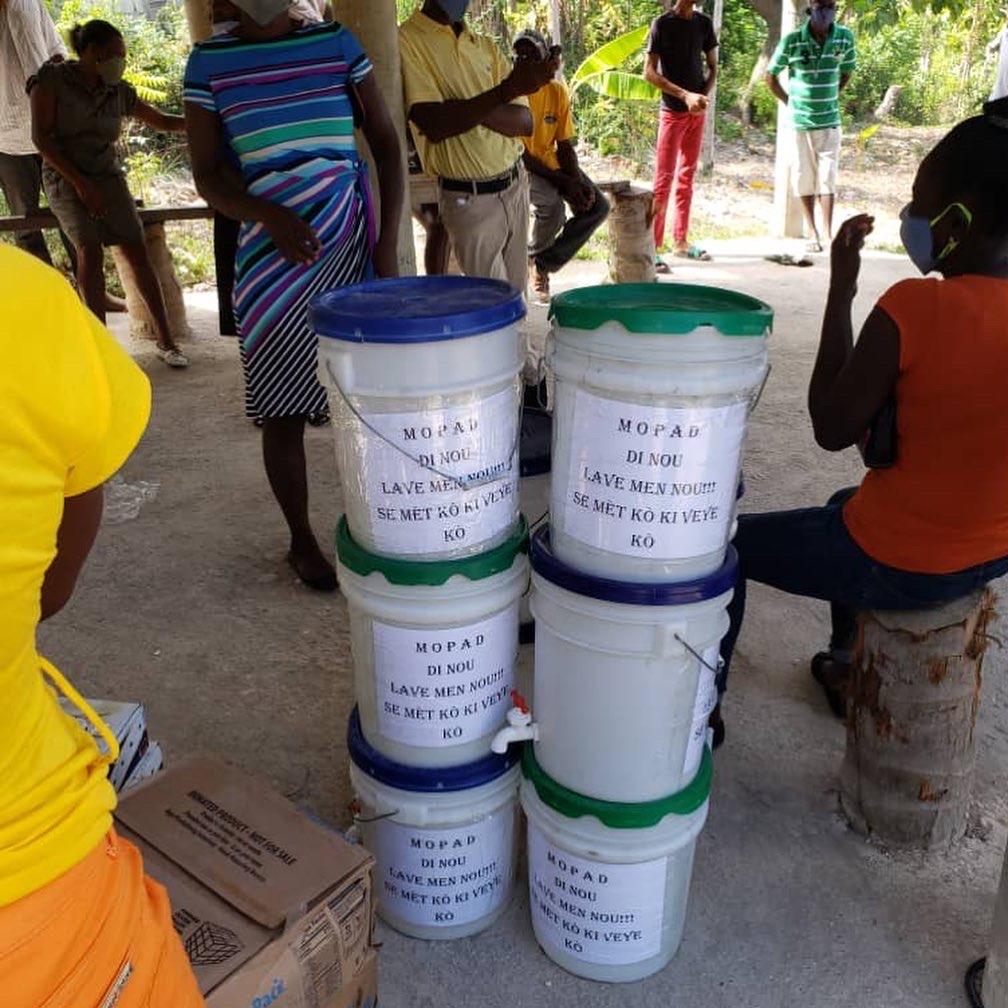
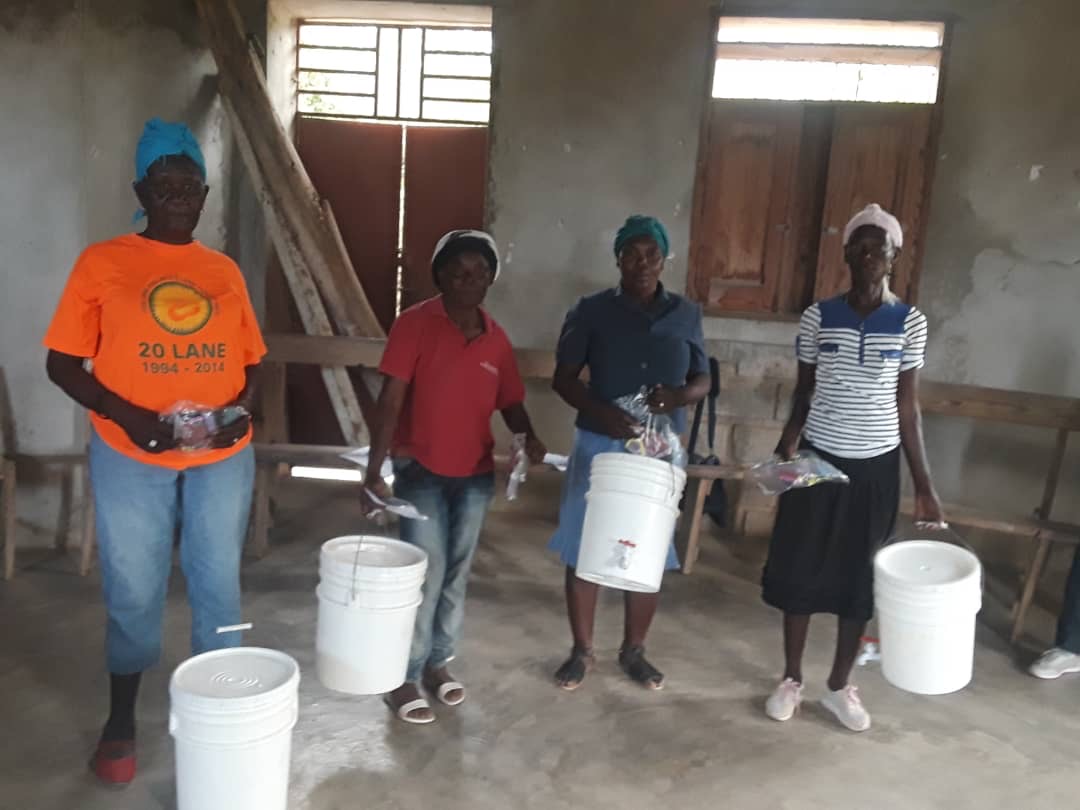
The Lambi Fund team shifted gears in the beginning of 2020 with the COVID-19 emergency response program which allowed us to distribute approximately 2,500 masks along other materials that enabled organization members throughout the Artibonite, South and Northwest regions to protect themselves, their families and community members. Hand soap, disinfectant and buckets were also distributed to build community handwashing stations after information on preventative/safety measure were disseminated during training sessions and public service announcements played for all to hear.
The third phase of the program was to provide financial support to organization members, which assisted farmers in acquiring the materials necessary to begin their planting. This started with 14 organizations (seven in the South, seven in the Artibonite). Between those organizations, 350 farmers received funds that made up for the loss they suffered while the country was in lockdown mode making it impossible for them to go about their business of selling goods for income.
|
|
Response in the Artibonite - In the Artibonite region, 175 farmers were beneficiaries from the following seven organizations:
-
TK-TPLA: Têt Kole Ti Peyizan Latibonit (Small Peasants Heads Together of Latibonit)
-
OPGDSC: Oganizasyon Peyizan Garyen pou Devlopman Savann Kare (Garyen Peasants Organization for the Develpment of Savann Kare)
-
ODEPERIB: Oganizasyon Devlopman Peyizan Rivyè Blanc (Peasants Organization for the Development of Rivye Blanc)
-
OPDERGM: Oganizasyon Plantè pou Devlopman Ravin Gwomon (Planters Organization for the Development of Ravin Gwomon)
-
APCHVRO: Asosyasyon peyizan pou chanje Vizaj Ravin Olya (Peasants Organization to Change the Image of Ravin Olya)
-
AGPK: Asosyasyon Gwoupman Peyizan Kanpèch (Peasants Group Association of Kanpèch)
-
APEAG - Asosyasyon Plantè ak Elvè Akil Gwomon (Association of Planters and Breeders in Gwomon)
The selection process was a bit more complex up north due to the large numbers of members that each organization had. Only 25 members from each would be selected to receive the funds, so a specific set of criteria had to be applied for it to remain fair and have the most positive impact. The members who were placed at high priority 1) were the most vulnerable and in need financially, 2) had the greatest number of dependents that they were responsible for, 3) were unable to plant on land that they had already cultivated due to lack of means or 4) were experienced in planting independently along with receiving assistance from their family members as laborers in agriculture. Several meetings had to take place with the members to ensure that the selection process was being adhered to and that the beneficiaries fit the criteria.
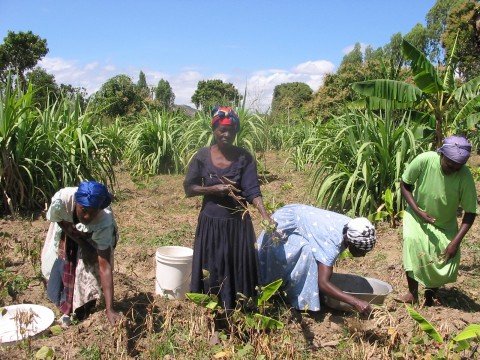
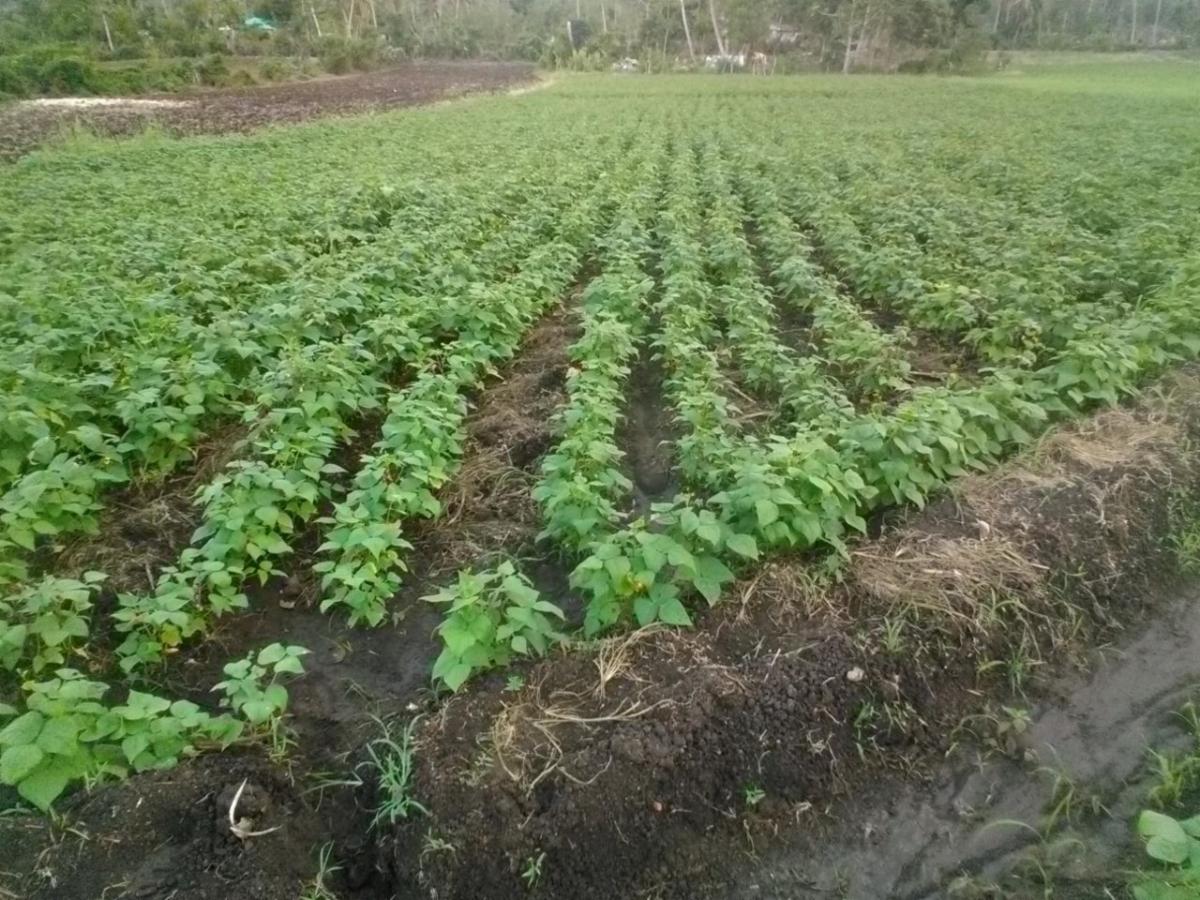
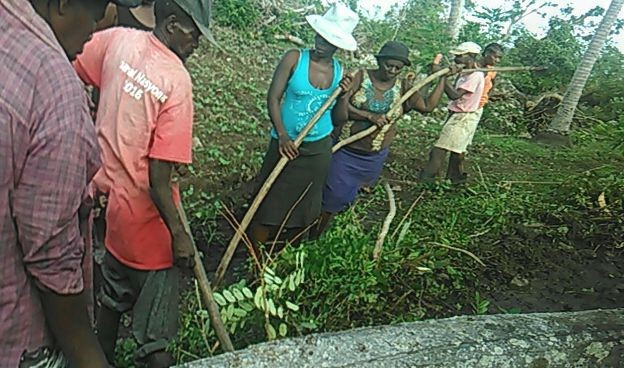
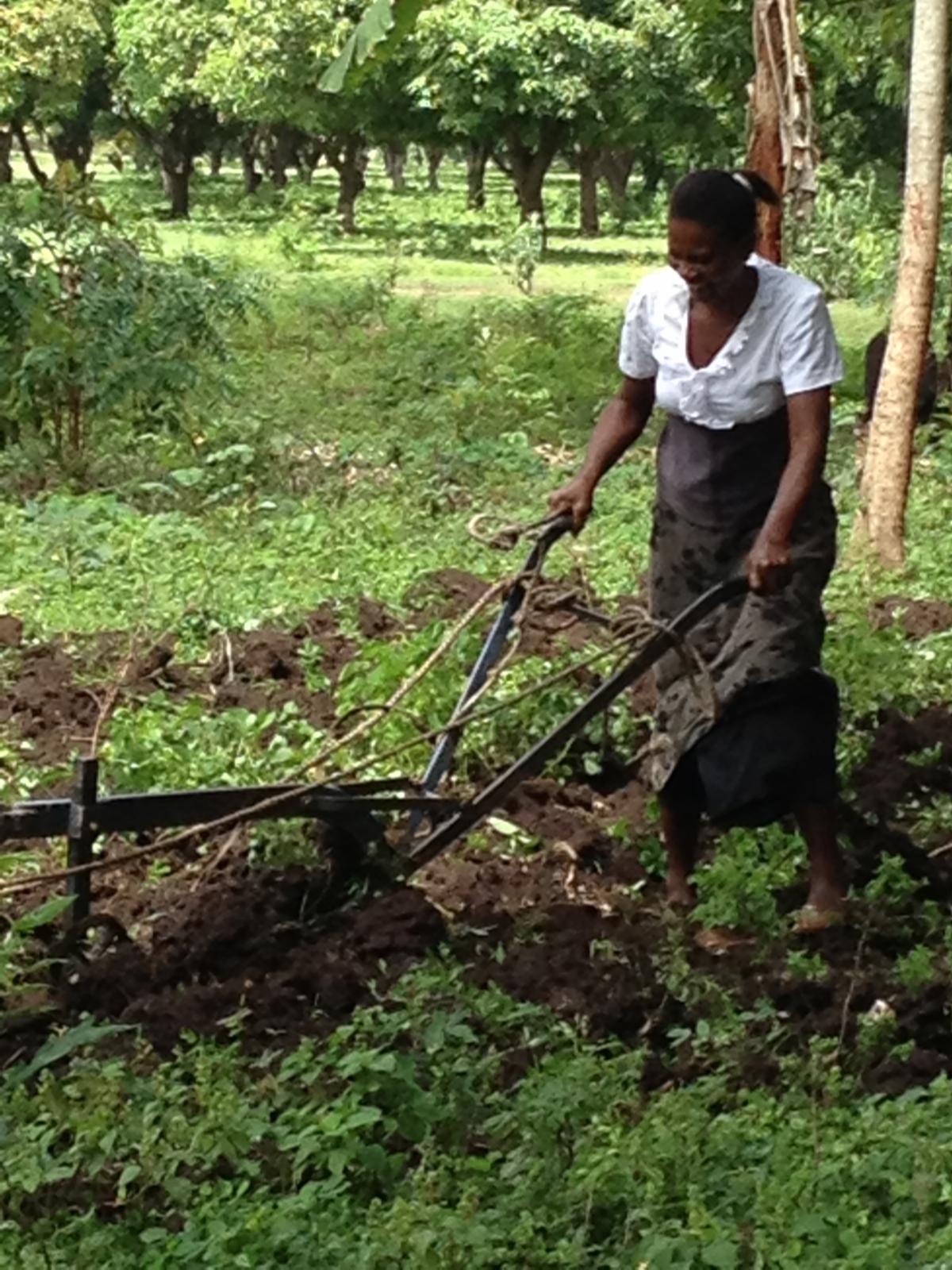
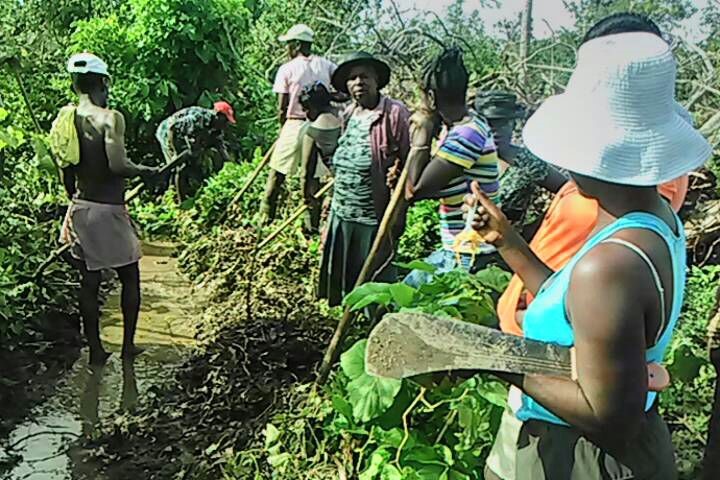
This assistance focused in the Gwomon commune as the cultures that they normally plant are faster in producing harvest that could combat food insecurity in the area - even after the pandemic ends. At the time that this phase of the project had commenced, there was excessive rain. The organization members organized “konbit” (collectives) to work and prepare the land. Through this agricultural solidarity, they helped one another in tending to their gardens swiftly so that they would not succumb to weeds or experience any further delays. They planted sweet potatoes, yucca, okra, strain beans and 2-month beans.
|
|
Response in the South - In the Southern region, 175 farmers were beneficiaries of these funds. These farmers are mainly from the following organizations spread throughout the communes of Cavaillon and Torbeck:
-
MPL: Mouvman Peyizan Lafrezilyè (Peasant Movement of Lafrezilye)
-
OPDTM: Oganizasyon Peyizan pou Devlopman Twa Mango (Peasant Organization for the Development of Twa Mango)
-
KOKAP: Koperativ Agrikòl Kafe Plezans (Agricultural Coffee Cooperative of Plezans)
-
KOPADET: Konbit Peyizan pou Devlopman Tòbèk (Peasant Collective for the Development of Tobek)
-
APTK: Asosyasyon Peyizan Têt kole Kavayon (Heads Together Peasant Association of Kavayon)
-
OPBK: Oganizasyon Peyizan Bèsi Klona (Peasant Organization of Besi Klona)
These organizations did not all plant at the same time because some needed to plant on dry land, during the rainy season or land that is just watered. MPL, OPDTM and KOKAP planted on dryland during the month of October. Some of the beneficiaries were able to0. utilize the funds to pay off debt that they incurred during the previous month as well. These farmers planted beans, corn, sweet potatoes and peanuts. All of their gardens have already harvested.
The following planting session for OPBK, TKL OMEO, APTK and KOPADET occurred in the end of November going into December. These beneficiaries planted beans, peanuts, sweet potatoes as well as an assortment of peppers. These gardens are flourishing with some of the peppers and peanuts already harvesting. All of the cultures they planted are preparing for harvest within the 3 months as planned in the program goals. There are also some of the organizations, like APTK, that faced additional planting delays because of very heavy rainfalls in their area (Cavaillon).
Despite everything that was going on and all of the troubles the members faced, there was still a praise-worth level of solidarity within the organization members who joined forces in helping each other with their planting in an effort to minimize the cost of hiring outside labor. Another form of solidarity within the program was the Cavaillon farmers, specifically APTK, who after completing their planting in the month of October sold seeds to other members who were preparing to plant in December. This on-the-spot access to the supplies needed helped the next group tremendously and allowed them to complete their gardens at a much faster pace than other local farmers who had to get their supplies from outside vendors.
The South members expressed much gratitude for this emergency support along with the constant help that they received from the Regional Monitor who never left their side.
|
|
|
|
|
The economic position of the grassroots organizations that we partner with continues to be critical. Although the emergency funds that they received was not a huge amount, it still helped them to accomplish a lot more that they would have without it. We have received such great feedback from our partners thus far; this program assisted them in so many ways allowing them to produce food and bring in some income to care for their families. Many of them dubbed the project “sensovè” (holy savior) because it meant so much to them in this time of worldwide panic.
While the country was in lockdown due to the pandemic as well as political unrest, our Regional Monitors continued to work side-by-side with each organization every step of the way. This was done through site visits over the two-month time period it took to launch and execute and through meetings conducted by the organization leaders as a group and separate meetings with the organization members as well. It was essential to make reassure them that they had support and were not alone in the absence of leadership on a government level. This also helped to minimize panic in their communities.
|
|
Ancestry Day in Haiti is a public holiday celebrated annually on January 2nd, immediately following the country's Independence Day. While in most parts of the world people are still reveling in the New Year, Haitians take the time to remember their history. This year we celebrated with award winning Haitian author and avid supporter of Lambi Fund, Edwidge Danticat. |
|
|
|
|
|
Our Women Partners = Perseverance |
|
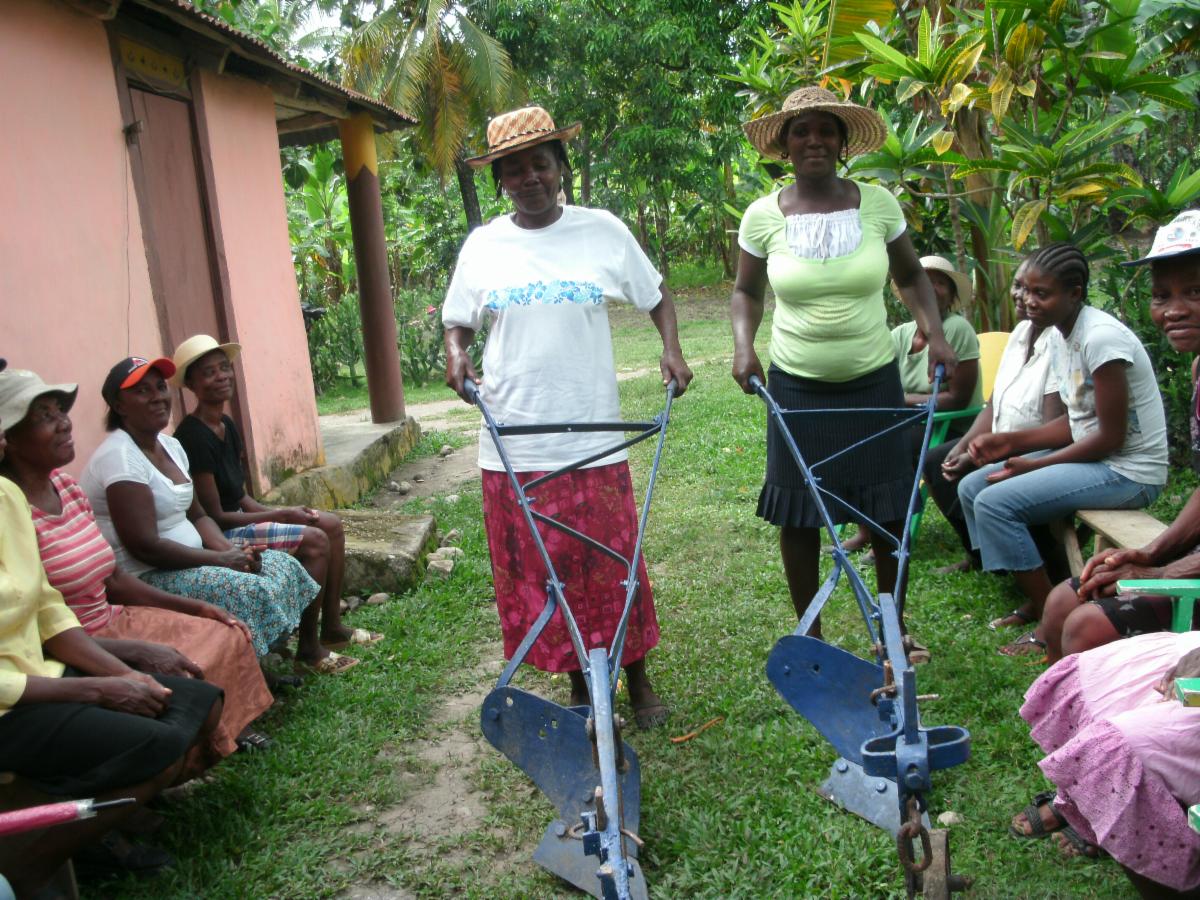
The months of December 2020 and January 2021 were quite busy for the members of Asosyasyon Fanm Vanyan Fyevil (Fyevil Association of Courageous Women). Our Regional Monitor worked closely with the management committee of AFVF along with 2 two of their previously contractaed Veterinarians to evaluate the progress of this project and their goats. Approximately 21 members participated in these meeting where they discussed the following:
- Difficulties they faced in acquiring essential medications needed to care for the ill goats.
- Revamping the process of distributing the baby goats.
- Monitoring the evolution of the troop and how the goats are interacting with each other.
- Necessity of reform in an effort to minimize miscarriages among the goats.
Based on those points, here are the solutions that the women were able to come up with:
- The veterinarians will assist the organization in getting the medications needed that are most prevalent throughout the troop.
- Closer monitoring of the female goats that suffer more than one miscarriage to move them elsewhere when necessary.
- More frequent meetings to be held throughout the organization to discuss, in detail, the distribution method so no one is skipped accidentally or feels they were skipped.
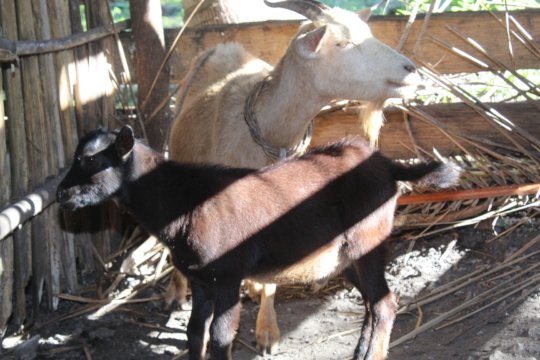
Although the itnernal work was a lot, the goats continued to produce. There were 16 goats that were born between last month and this month. The original troop now has 216 kids born from the inception of the project. So far, 172 have been distributed to 120 of AFVF's members. Even the kids have given birth! 48 of the once baby goats already gave birth to 73 kids of their own, bringing the total throughout the organization to 350 goats!
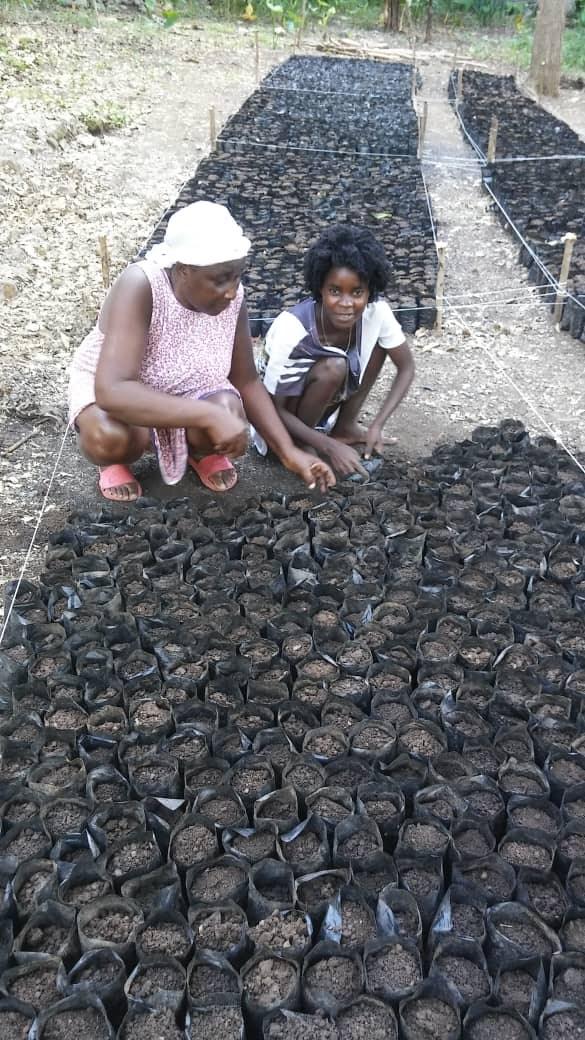
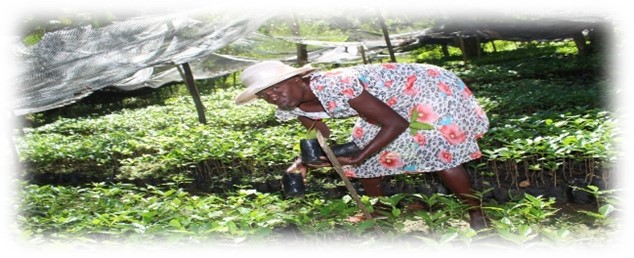
In addition to their flourishing goat project, these women have also begun filling bags to prepare their seedlings for the reforestation aspect of their project.
|
|
|
|
Reforestation Is The Priority |
|
|
|
Planting trees helps recover the depleted Haitian terrain for current and future generations. Haiti is still considered the most deforested country in the western hemisphere. Planting trees not only improves the land and soil to assist farmers with planting, but it also prevents natural disaster like land/mudslides from occurring. Throughout 2019 and 2020, the Lambi Fund of Haiti continued to extend its environmental management framework to community organizations. The goal is to raise awareness on environmental degradation also to take concrete action to protect the environment. Those actions have mainly focused on 1) tree seedling production to assist in reforestation and 2) training programs which are focused on the environment: tree nursery techniques, climate change, agro-forestry. Fourteen organizations received support from Lambi Fund, including ten that already started projects that were underway and four that launched new projects going into 2020.
More than 1,500 members of the grassroots organizations we partner with participated in all of the activities carried out with these projects in the Artibonite and South regions. Some of the shade trees planted were cedar, cassia, chestnut, acacia, pine and mahogany trees. Some of the fruit trees were papaya, orange, grapefruit, lemon, mango, and avocado. The organizations distributed these seedlings to their members as well as public gathering places around their respective communities such as schools and churches. These seedlings were used to replenish space that is needed for either agroforestry or small community forests of approximately 5-10 hectares.
To accomplish all the tasks set forth throughout the year, Lambi’s staff supports the organizations in the planning and implementation of all project activities. A team of nursery technicians also provide them with the necessary guidance in seedling production in nurseries, distribution, planting and in monitoring the trees.
One of our partners that had the largest production goal was KOKAP. This organization had a goal of 120,000 seedling production of coffee and cacao. The cacao production was completed back in 2019 and they continued to produce 60,000 coffee trees in 2020 despite several uncontrollable delays. Lambi has extended the evaluation period to make up for that lost time and give them a chance to complete distribution to the members as well as the planting of those trees. As of December 2020, KOKAP has distributed 50,149 coffee trees to 150 members. They are distributing the last 9,851 of the 60,000 coffee trees that are left in the nursery.
Hard work is no stranger to our partners and their resilience shows up during the most strenuous times. As we continue to work closely with our partners in rural Haiti, their strength and dedication to creating better lives for themselves and the people in their communities speaks volumes.
|
|
|
|
Welcome to our newest Board members!
Nancy Felix is Director of Software Development with Home Advisor. She has spent her entire career in the IT industry and loves leading teams, mentoring, growing others and innovating.
Nancy holds a Master of Business Administration from the University of Colorado Denver, a Math/Computer Science from the State University of New York in Binghamton.
She brings to Lambi Fund her passion to help others as well as make a difference in her community and in Haiti.
|
Andre Celestin is a Licensed Professional Civil Engineer and has been living in New York since 1969. He designed and implemented a water project for the town of Point-a-Raquet, Lagonave, Haiti.
He is a past board member of IHDAH.
He has been married for 48 years. He and his wife have one married daughter and two grandsons.
|
|
|
|
|
New partnerships on the horizon!
We are working hard to raise the funds needed to support these 4 new grassroots organizations that have been fully vetted along with continuing our major reforestation and food security efforts. These new partners are:
-
Oganizasyon Sosyo Kiltirel ak Ekonomik pou Devlopman Veret - OSCED (Socio Cultural and Economic Organization for the Development of Veret) Rice Mill Project
-
Mouv. Peyizan pou Pwogrè ak Devlopman 12èm Seksyon Komin Aken - MPPDSCA (Peasant Movement for the Progress and Development of the 12th Section of Aken) Goat Husbandry Project
-
Oganizasyon Fanm an Aksyon Pliche - OFAP (Organization of Women in Action in Pliche) Coffee Regeneration Project
-
Asosyasyon Pou Devlopman Dori - ADDO (Association for the Development of Dori) Cornmeal and Millet Mill Project
|
|
|
|
|
|
|