|
Friends of St. Marks Wildlife Refuge
Reflections Newsletter - December 2023
| |
|
Friends President's Message - Tom Baird
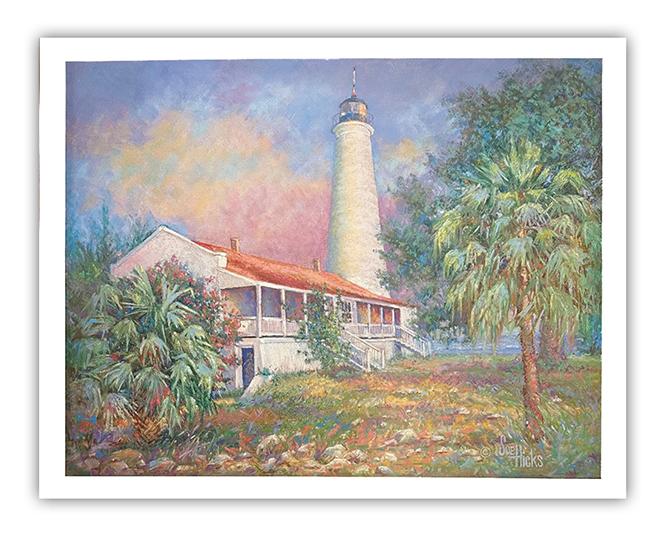
The winter months are a great time to visit St. Marks National Wildlife Refuge. Not only are migrating birds on full display, but vegetation changes offer new colors in the landscape. The cool weather also keeps the pesky biting insects at bay. And while chilly some days, for the most part we enjoy very pleasant winter temperatures. Consider what winter is like for the northern-most wildlife refuge - The Arctic National Wildlife Refuge. That refuge reaches across more than 19 million acres (the size of South Carolina) in Alaska. Of course there are no public facilities on that refuge and to visit you need to come by air. However, you might see caribou there (aka reindeer). St. Marks NWR is easily visited by car and has wonderful public facilities, including an historic lighthouse. So we are indeed fortunate in being able to visit nature, wildlife, and vast vistas near to home.
The Friends Board would like to thank all who participated in this year’s Monarch Festival. We enjoyed meeting visitors from both near and far and gaining new members. A great many people signed up to receive the newsletter and we hope you enjoy the articles in this issue. All proceeds of membership and the Friends Nature Store go to support refuge programs, so if you enjoy visiting St. Marks NWR, please go to our website, https://www.stmarksrefuge.org/donate and join the Friends by making a contribution.
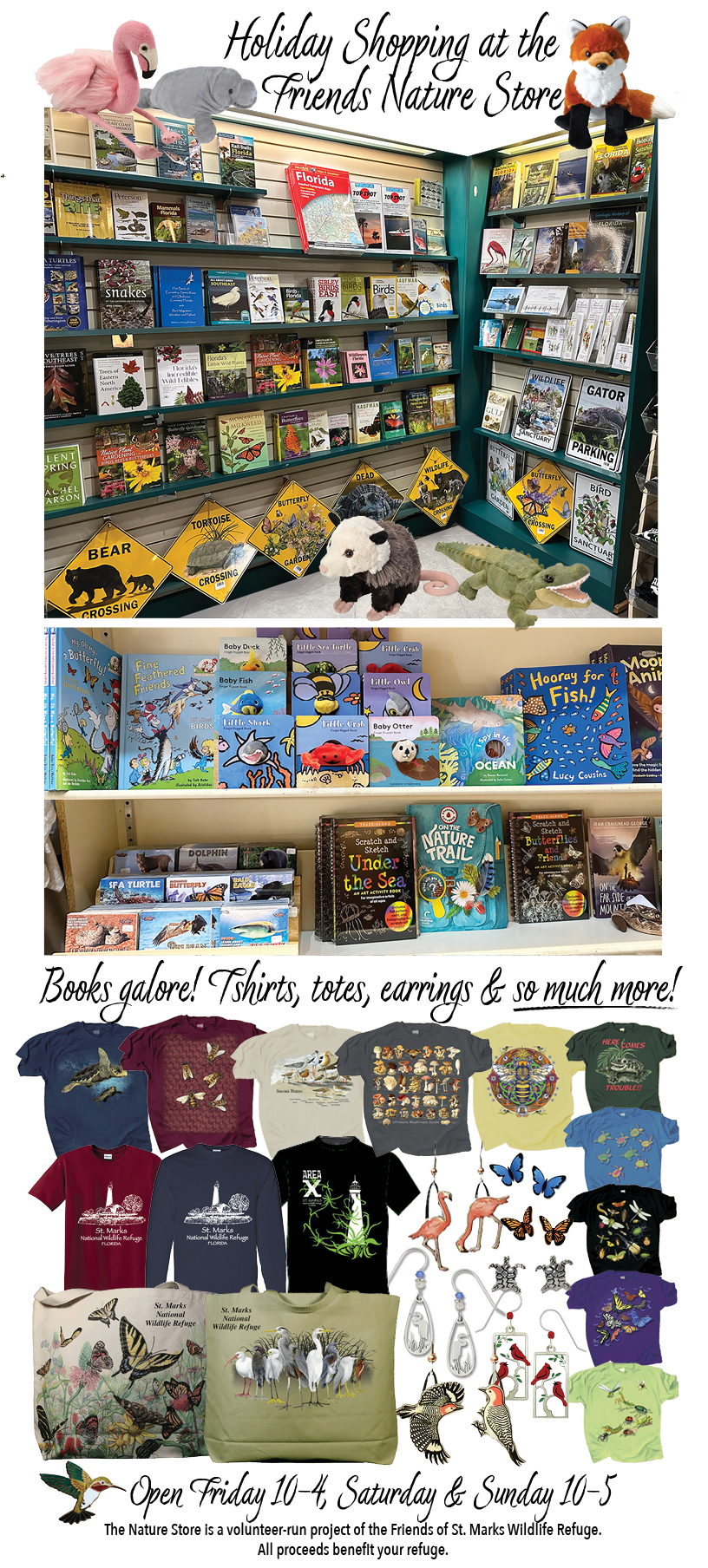
And of course, you won’t find a better place to shop for holiday gifts than the Nature Store! If you want to find something unique for that hard to buy for person, visit the Nature Store and let one of the Friends volunteers show you items that will appeal to that person that loves the outdoors.
On behalf of the Board of Friends of St. Marks Wildlife Refuge, we wish you all safe and happy holidays! We’ll see you at the Refuge!
| |
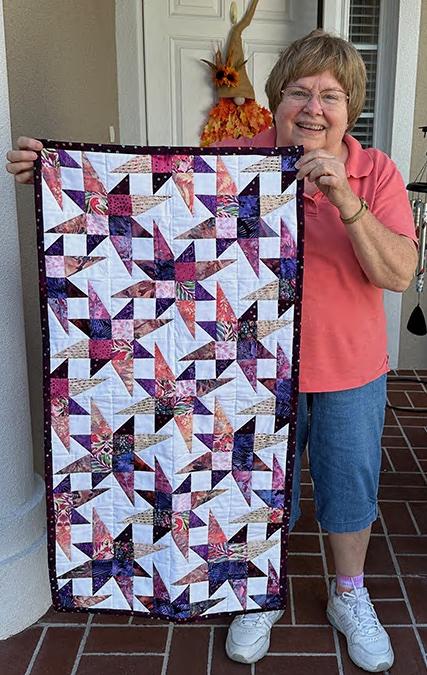
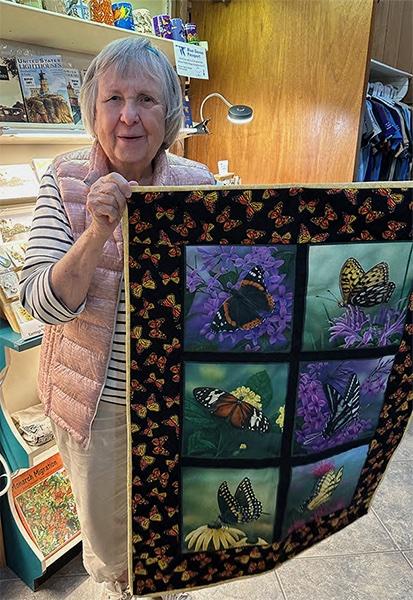
Congratulations to the winners of this year’s Monarch Festival raffle! | |
Linda Stright happily shows off her new “Where’s Pinky?” quilted piece, created by Friends’ Board Member Desiree Cureton. | |
Ellen Lauricella was delighted with her “Butterfly Magic” wall hanging created by Friends’ Board Member Katasha Cornwell. | |
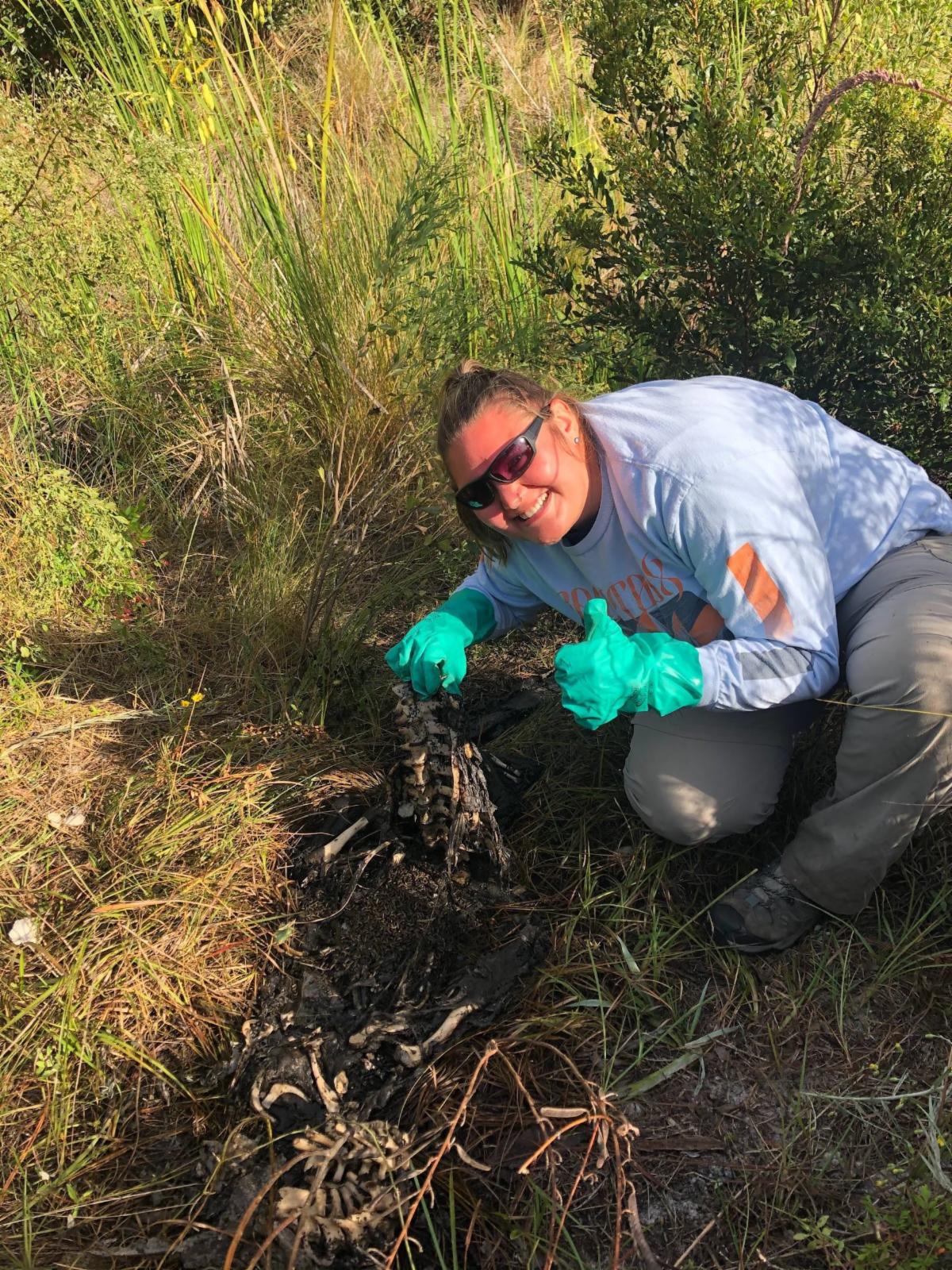
Emeleigh and her lucky find | |
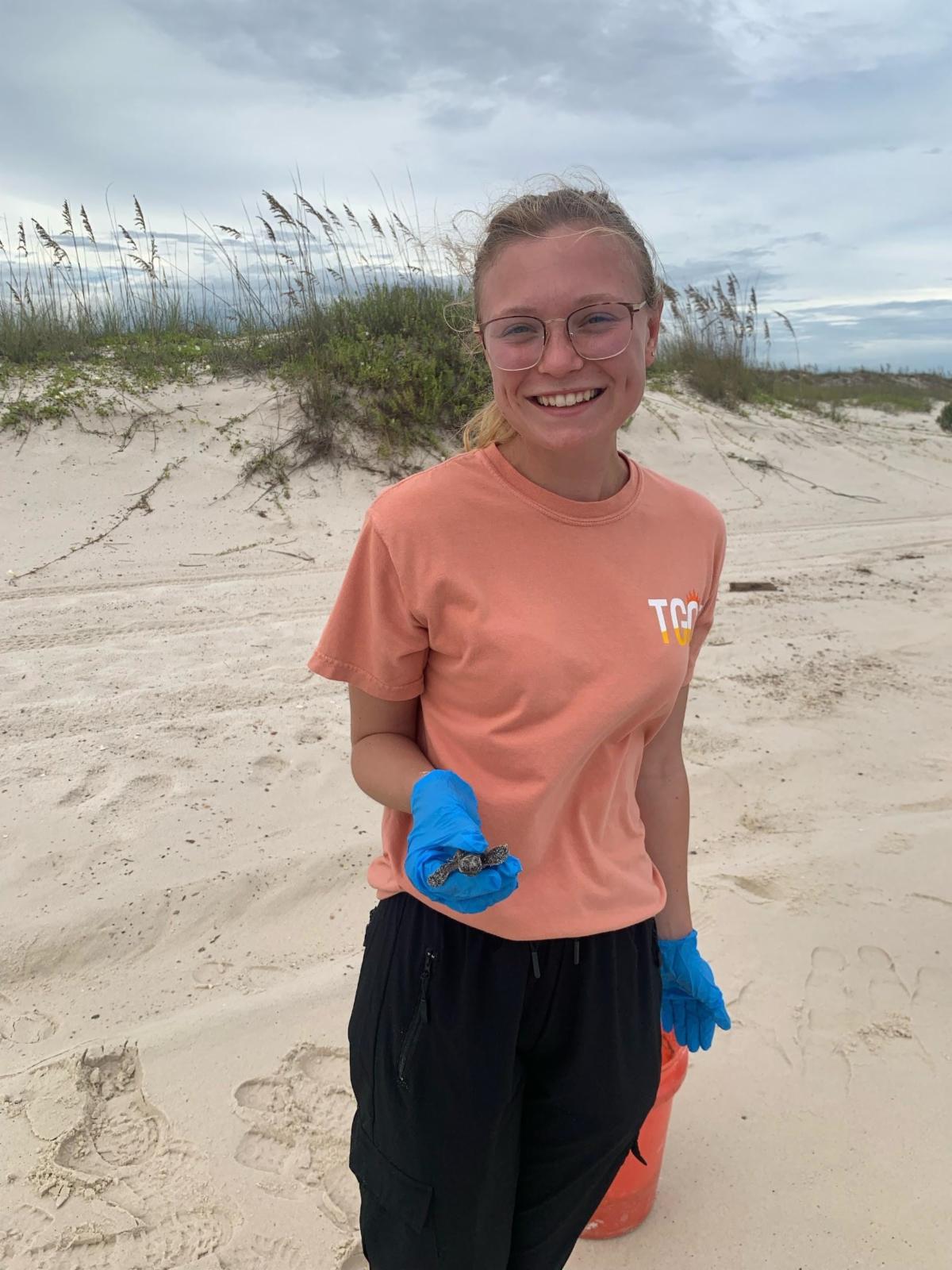
Kayden & Loggerhead hatchling | |
|
Refuge Report
Internship Summary and Heartfelt Thank You
Text and Photos Courtesy Kayden Barber & Emeleigh Luckenbaugh
The internship had a wild start–our first day we were evacuated to Bon Secour NWR in Alabama because of Hurricane Idalia. We were able to go out with the interns there and help with sea turtle nest inventories. Luckily, there were a few live hatchlings left in one of the nests so we were able to release our own hatchlings and watch them get swallowed by the waves. After that, we drove over to Mississippi Sandhill Crane NWR to watch how they would sample and band cranes. Learning about the different methods they used in the past to catch the birds and seeing this endangered subspecies was great–even if we were unsuccessful in actually catching one. We both enjoyed the opportunity to explore the other refuges and meet fellow interns. It was great getting to hear their stories and what experiences they have learned through their internships along with making more friends.
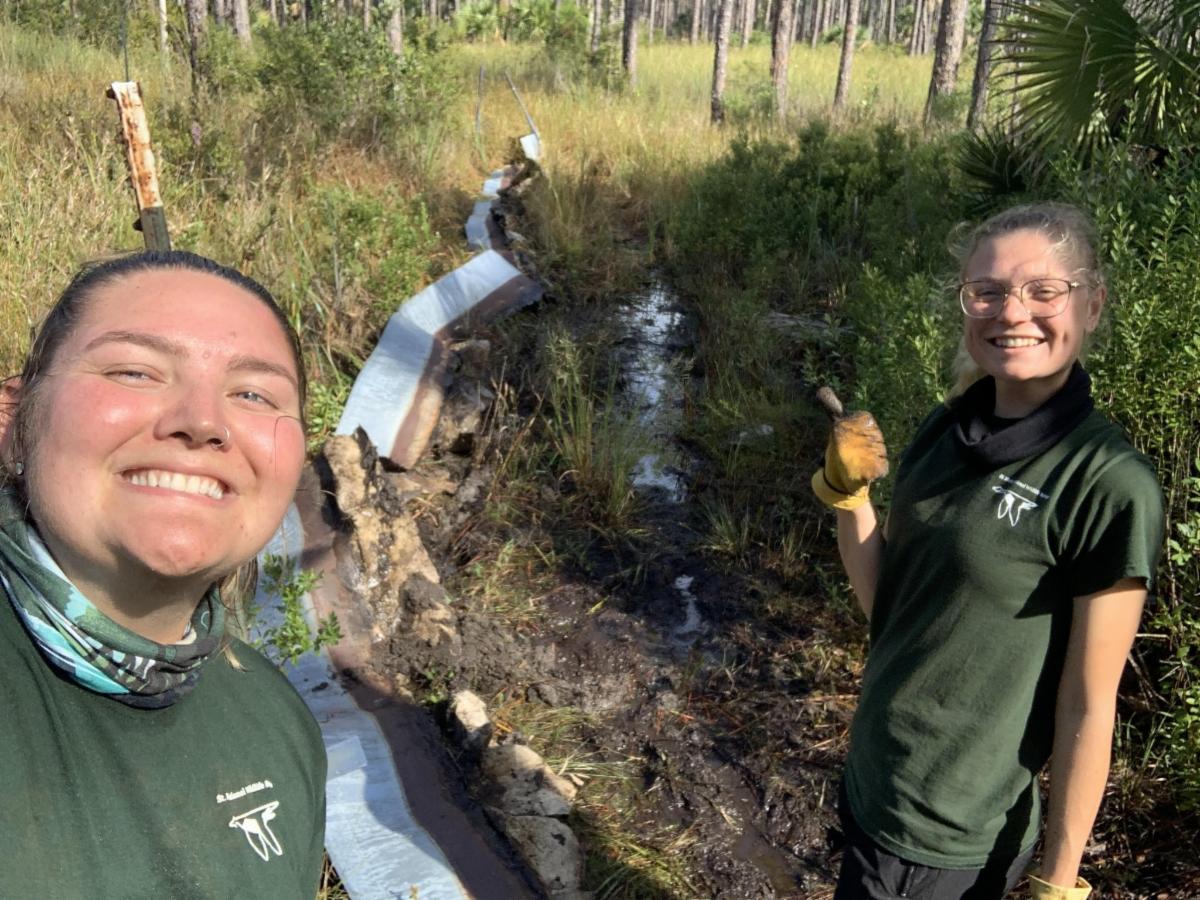
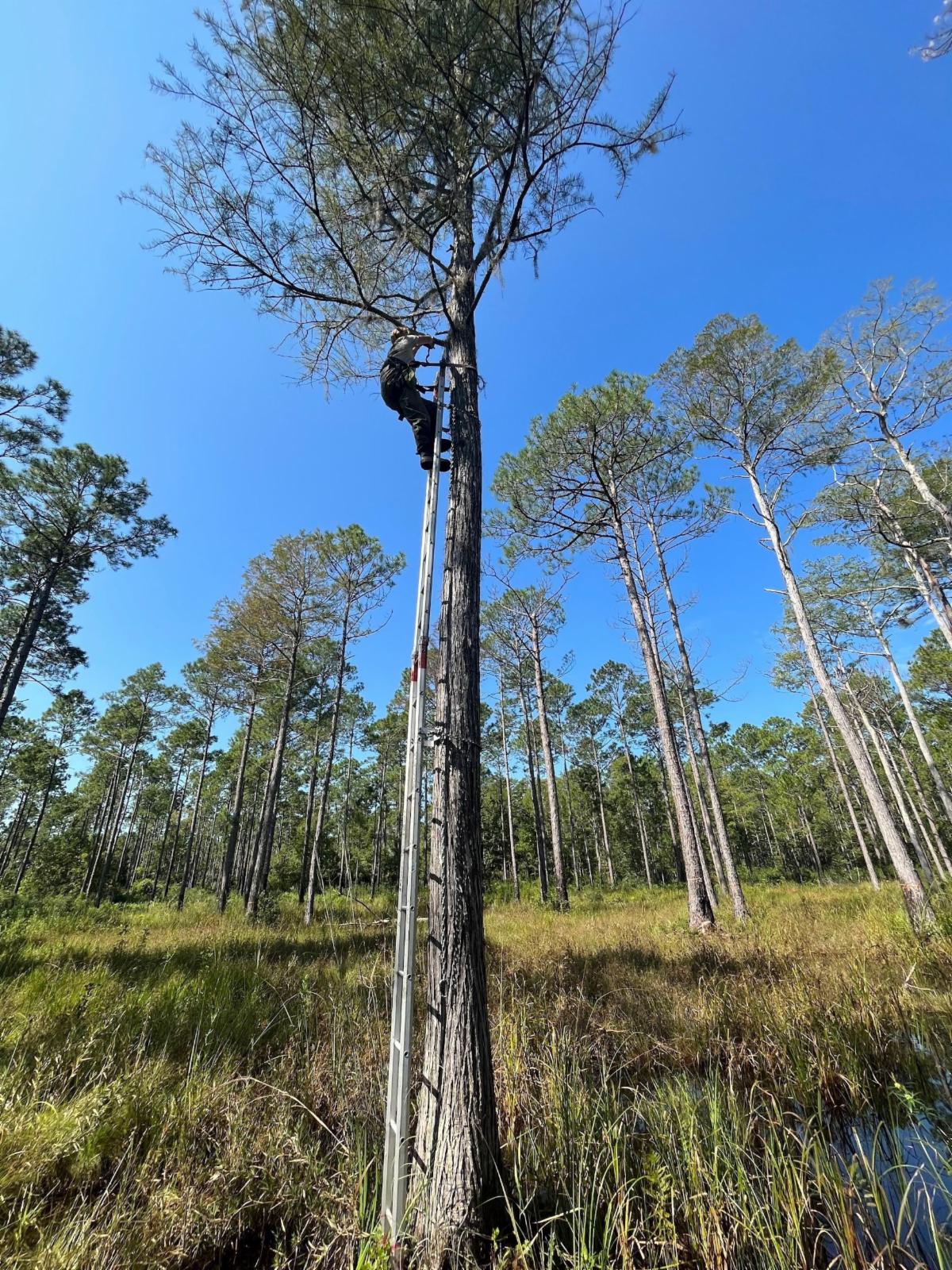
Being able to work on a project for a threatened and endangered species has been a once and a lifetime opportunity. Our primary focus was Frosted Flatwood Salamander habitat assessments and prepping the headstarting tanks (even though we did not get to see any)... It felt great knowing the work we were doing was having a direct impact on the survival of this critically endangered species. We were able to sit in on a few salamander meetings with multiple agencies and see professionals collaborate to find a solution for their common goal. We both enjoyed seeing different ponds in various conditions and learning what the ideal habitat should look like as well as the restoration process. Neither of us fully understood the complexities before moving to Florida of fire as a tool for habitat management. As a fun day, Amanda took us out to a pond to collect game cameras that were tracking the hydrology to learn how to climb tree ladders. It was a weird feeling knowing the only thing keeping you secure was the harness–not the ladder–as you shimmied up the tree all the while building the ladder yourself. Kayden had an easy time, but Emeleigh had a…difficult...tree. Not only did she have to fight off fire ants, but the tree was shaped wonky. It was kind of scary watching from the bottom and seeing her climb a ladder that wasn’t touching the tree as she yanked it back into place. Tank preparation was a messy business; the day usually ended with both of us covered in muck and algae. It also required a LOT of leaves–special leaves from Panacea. We both are now conditioned to spot turkey oaks while driving. While collecting leaves we were able to see our first Gopher Tortoise on the refuge! Emeleigh almost cried–she is a big herpetologist. Unfortunately our truck Jimmy–named after Jimmy Buffet– got a flat tire while we were out in Panacea collecting leaves and we had to get rescued. Not only did we learn how to change a tire, but we also found out there are actual bigfoot-feet? in the area! Our source was very reliable–a passing local.
| |
One of our favorite activities was driving around doing water control. In the beginning, we didn’t think we’d ever learn all the roads and make it to our destination without getting lost at least two times. Now, we’re able to go out–without a map–and make it just fine. Water control management really allowed us to get out and explore the refuge and build our navigation skills. It also gave us some offroad and mudding experience with good ol’ Jimmy. Luckily we only got stuck a few times, but we did need to wash the truck pretty often. Being an active part in managing water levels for waterfowl and shorebirds was a cool experience. It was nice knowing our actions were creating habitat for both groups and being able to watch as it progressed.
Slowly the mudflats would appear and the shorebirds would flock by the hundreds in Tower Pond and Mounds 3 filled with waterfowl. It definitely helped our bird identification skills. We never knew what we’d see as we were driving around the refuge. On one of our trips, Emeleigh found a deceased alligator. Seeing the skull, osteoderms, and thousands of maggots was really cool. We also got some experience with invasives and herbicide application. We sprayed around the water control structures. We both were excited to learn this skill as it's used by every land management entity out there.
One of the highlights of this internship was being able to see and participate in the collaborative efforts of multiple agencies. Getting to witness the effort it takes for everyone to come together on a common goal is inspiring especially in a time when global warming and climate change is always a constant and often a negative topic. We were able to attend the Frosted Flatwoods Salamander habitat meetings and discuss with other biologists what it will take to restore ponds for new salamanders to be introduced to. We were able to assist USDA in their efforts to trap and eradicate the feral hogs on the refuge. We got to help assemble the traps and learn about the methods they use to ensure successful culling in addition to sampling the heart blood to test for African Swine Fever. You can either collect the blood through the heart or if skilled enough through the eye (we tried it is very difficult). Florida FWC was kind enough to take us out and help them survey for American Oystercatchers on and around the refuge. Both Caity and Ezra were extremely knowledgeable about birds and surveying with boats which comes with its own logistical complexities. It was great being able to experience different sampling methods. We were also able to meet with Tall Timbers multiple times and specifically work with Jim Cox (who is an amazing Ornithologist), we first met to attend a Black Rail meeting and then again to search for Bachman’s Sparrows. Neither of us had any birding experience, so it was cool learning how they would sample using call-back recordings. By the end of the day trip looking for Backman’s Sparrows, we were able to recognize their response! We also got to see how territorial Brown Breasted Nuthatches could be. They were not very happy we were disturbing their peace. Jonathan Chandler took us through a small portion of Apalachicola National Forest to show us their salamander ponds and management methods which is much different than the available habitats we see here at St. Marks. We were able to assist a PhD student with University of Central Florida to look for pygmy rattlesnakes for her research (we unfortunately did not see any that time). Lastly Don Morrow took us out for bird surveys and we got to see wood ducks taking off as the sun came up and so many shore birds! Counting the little plovers was far more difficult than either of us could have imagined. Don must have amazing eyesight.
Not everyone has the chance to say they have their own private island, and that is exactly how we felt every time we got the chance to go to St. Vincent and help with the hunts and sea turtle surveys. We were able to drive our truck on and off the barge which was super scary in the dark, but by the end of the internship we were professionals at it. We got to learn a little about what it is like to work on an island and critically think about the logistics. We also had the opportunities to interact with the public and see what “primitive” hunting is like on an island. Also getting to see all the hunters with their gear on the ebikes and even a hoverboard was entertaining. Although we never saw a whole Sambar deer we were able to see the rump of one our first night on the island and one quartered during the hunts. Kayden was swarmed by bats one evening and Emeleigh was stabbed with both burrs and cacti while wearing sandals searching for snakes…. We are still young :). Spending our evenings watching dolphins and getting smoked out in the cabin (aka all the smoke alarms went off) by the law enforcement officer (Joey) while he was cooking sausages is something we will never forget.
| |
|
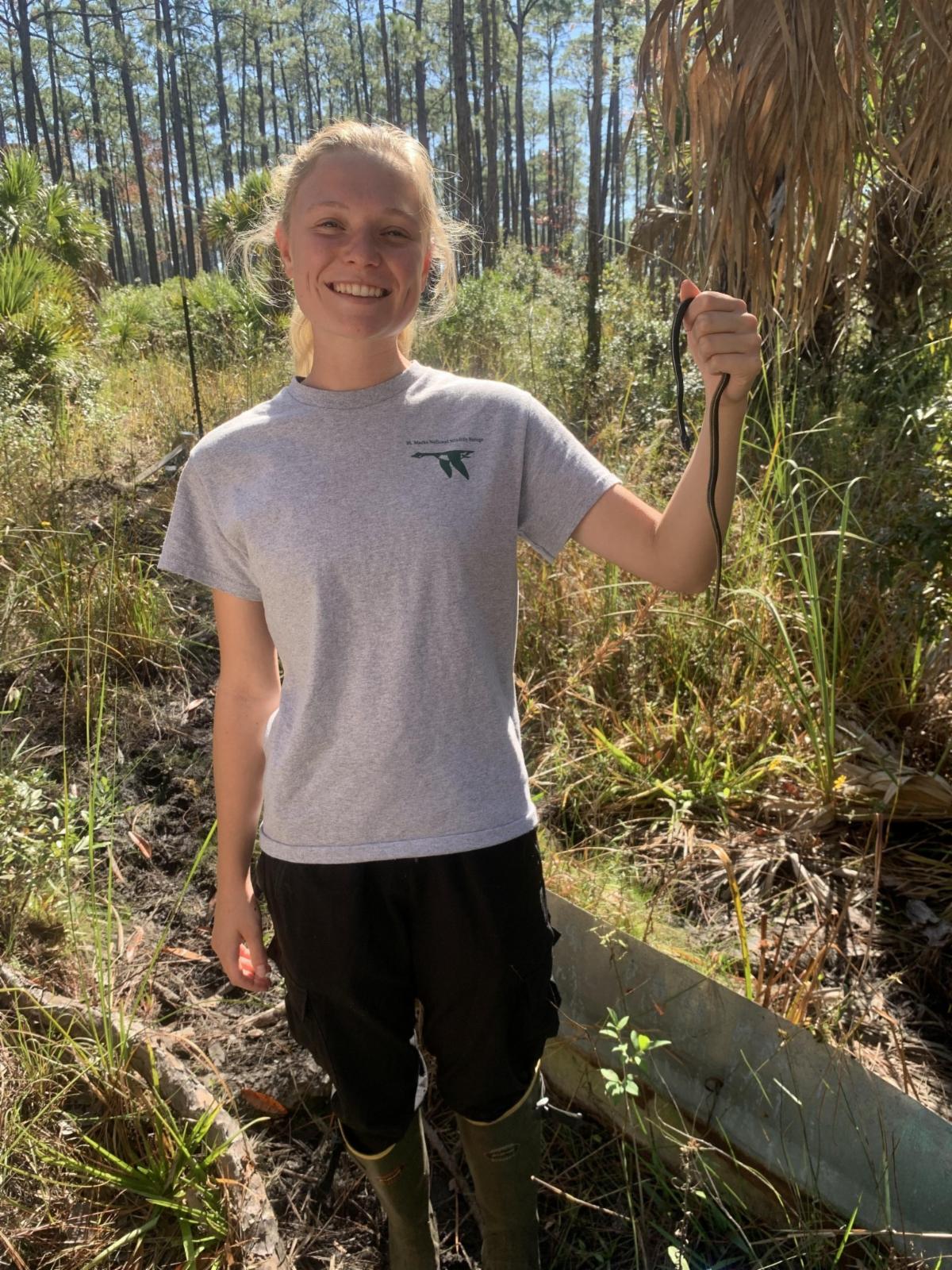
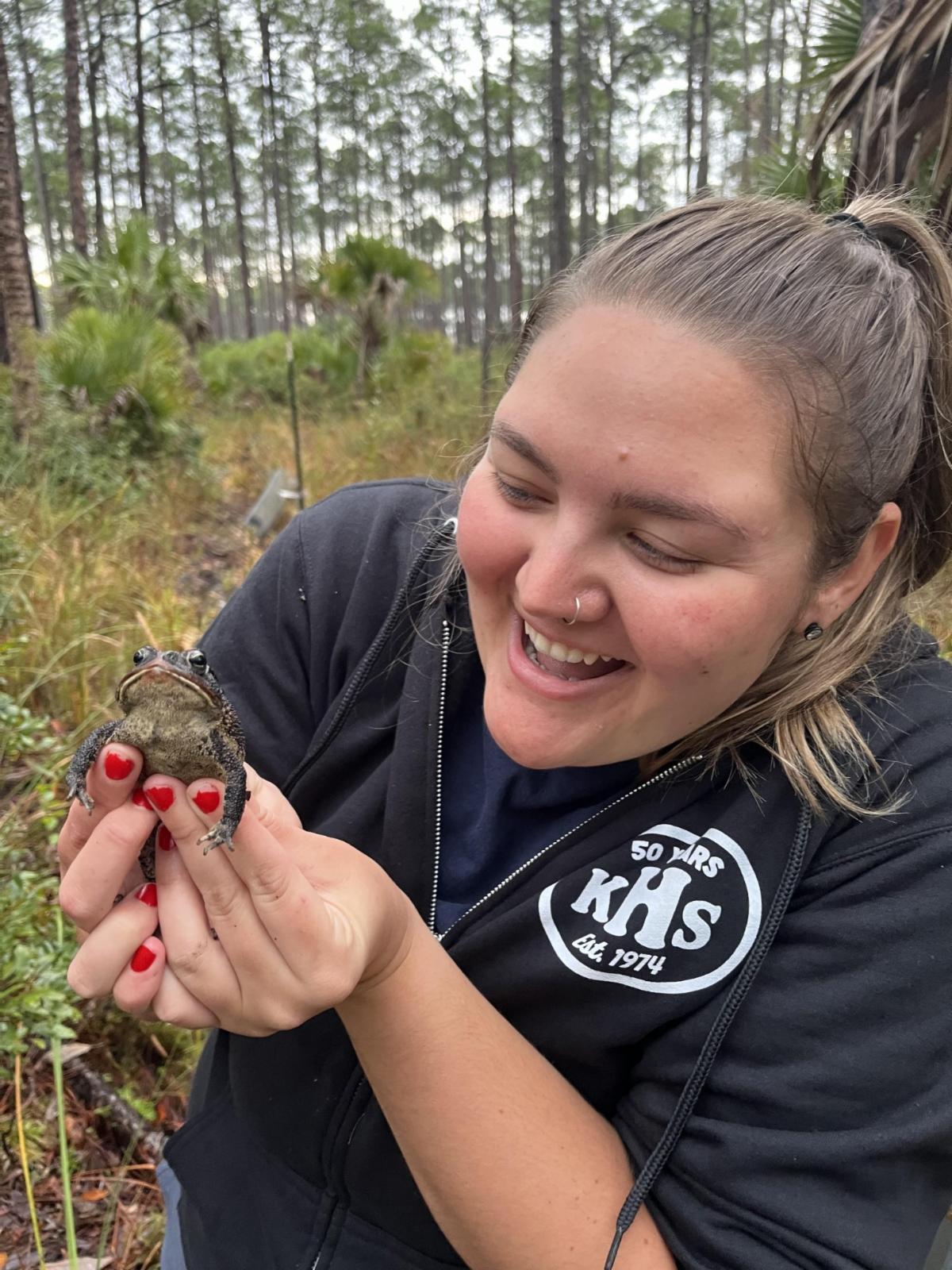
Kayden and Ribbonsnake Emeleigh and Large Southern Toad
When the interns at Mississippi Sandhill Crane NWR told us they had some of the nicest refuge roads we did not believe them but quickly learned they were right. Thankfully we were able to become experts in off road navigation and 4x4 driving while here at St. Marks. Although intimidating we are thankful we have been able to learn to drive in and around all these difficult and very muddy situations. We were given the opportunity to take the courses on how to operate ATVS, UTVS, and trailering which was something we were both looking forward to. Not only was it fun but we were also taught how to use this equipment which is commonly utilized for fieldwork. We were also trained on how to properly use a winch which is a little intimidating at first. But we were able to use this training in the field: We had a large pine tree in our way while driving a meat run on St. Vincent NWR and had to use the winch to remove it from the narrow road. We also were able to get through the online portions of the fire training to become certified which is integral to being a biologist in the southeast.
This internship was our first federal biology position and has given the both of us an amazing experience that has allowed us to acquire full time jobs afterwards. Kayden is going on to work for FWC as a Bio II in the Everglades where she will be prescribing fire off an airboat along with other wildlife surveys. Emeleigh is going to be a Research Associate working for Texas A & M Natural Resources Institute and the DoD at Eglin Air Force Base. Her main duties will involve monitoring Snowy Plover and Least Tern populations as well as cavity drilling for Red Cockaded Woodpeckers, Gopher Tortoise monitoring, Sea turtle nest counts, assisting with Reticulated Flatwoods Salamanders, and more! We want to thank you for giving us this chance to build our skills in the biology field and kickstart our careers! There are skills we have learned from this internship that college alone could not give us. You have given us the opportunities to have a leg up against all the others within this field and helped us become successful biologists for the future.
| |
|
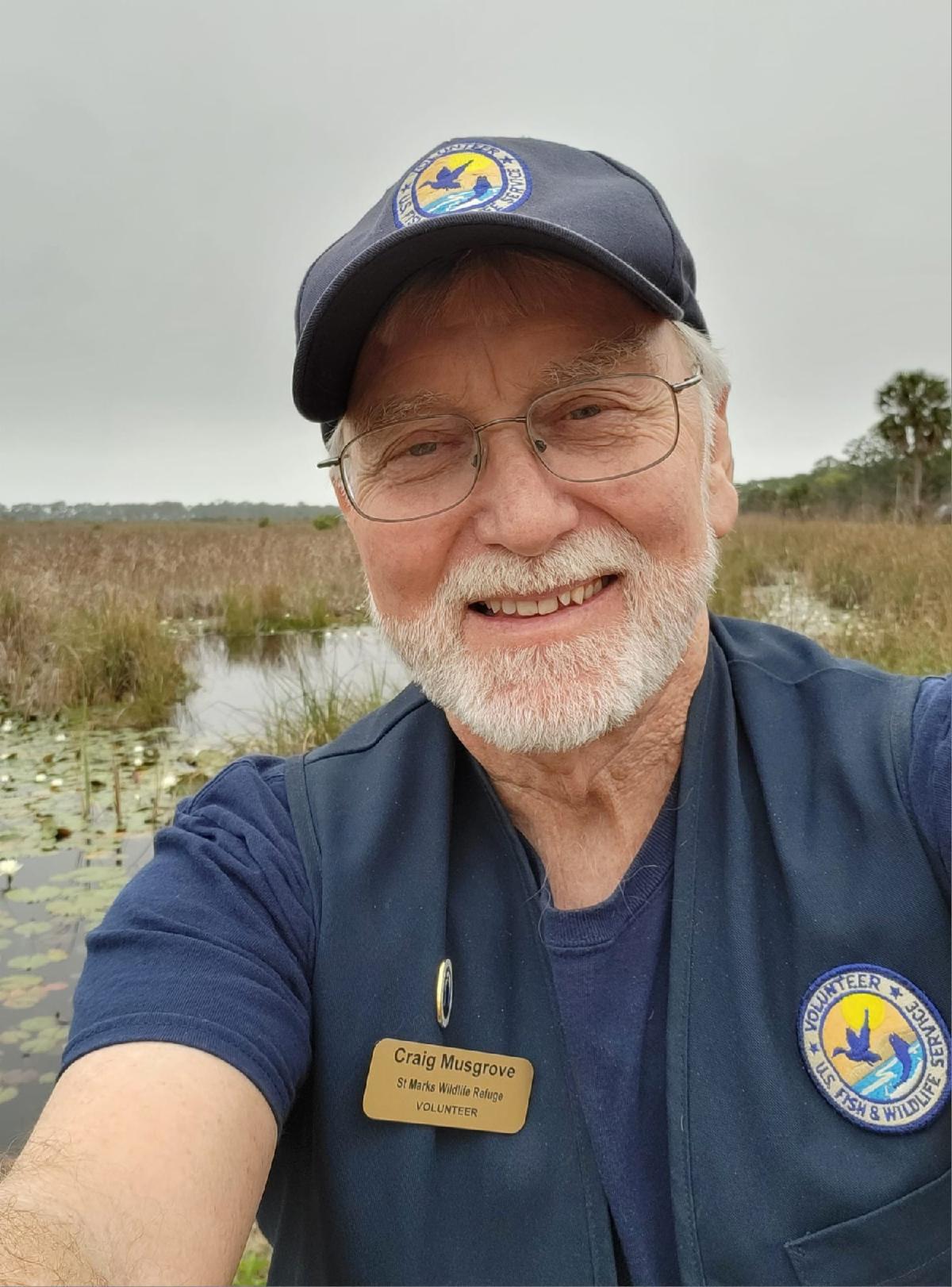
Welcome New Board Member Craig Musgrove
Growing up as a native Floridian, I spent many summer days pedaling my bike to swim and snorkel at Silver Springs. It was 25 cents to swim and 25 cents to rent a mask and snorkel! I spent many summer days collecting return bottles for my summer adventures at Silver Springs!! Juniper Springs, Salt Springs, and Silver Glen springs were some of my stomping grounds as a youth. My family pulled up stakes from Florida and we moved to Fairfax County, Virginia in the 1960’s. The saying “Virginia is for Lovers” is so true as I remember the beauty and the majesty of the Virginia mountains in the Shenandoah National Park. As a high school kid, and with my parent’s blessings, my best friend and I would pack enough food and supplies to spend three weeks hiking and camping in the Shenandoah National Park. What fond memories!!
I graduated from high school in 1971 and entered Virginia Tech the next year majoring in biology, pre-med. A career change was made while going to Virginia Tech and graphic design and illustration ended up being my calling. I loved every minute working as an illustrator in the private sector before serving the citizens of the State of Florida for 25 years as a graphic designer/illustrator. Finished my career working as a staff chaplain for the State of Florida - Florida Department of Corrections. The most fun and exciting job I ever had was working with inmates in Florida’s state correctional institutions. It was so fulfilling lifting up another soul letting them know how special they are in the eyes of God!
I love the out of doors! Hiking and “finding new areas” in the woods (“finding new areas” meant I got lost in the woods and new ground was discovered as I was finding my way out of the swamp bottoms or piney woods!) I love to fish and launch my gheenue at the Aucilla River boat landing to find new areas to redfish! Been lost a dozen times in the myriad of bayous but I always made it out to Apalachee Bay and when I could see the St Marks lighthouse way off in the distance I knew I could find my way home!!
I love our precious refuge! There are many more sunrises left in my life to explore and fish and enjoy each and every day to its fullest! Wishing you many more years of sunshine, happiness, and fellowshiping with the ones you love. Introduce your kids and grandkids to the “out of doors”. It may be the best decision you ever made for the choices they will have to make in their lives.
| |
|
Mourning the Loss of a True Friend of the Refuge
Text Courtesy Tom Baird and Katasha Cornwell. Photos Courtesy Friends Archive
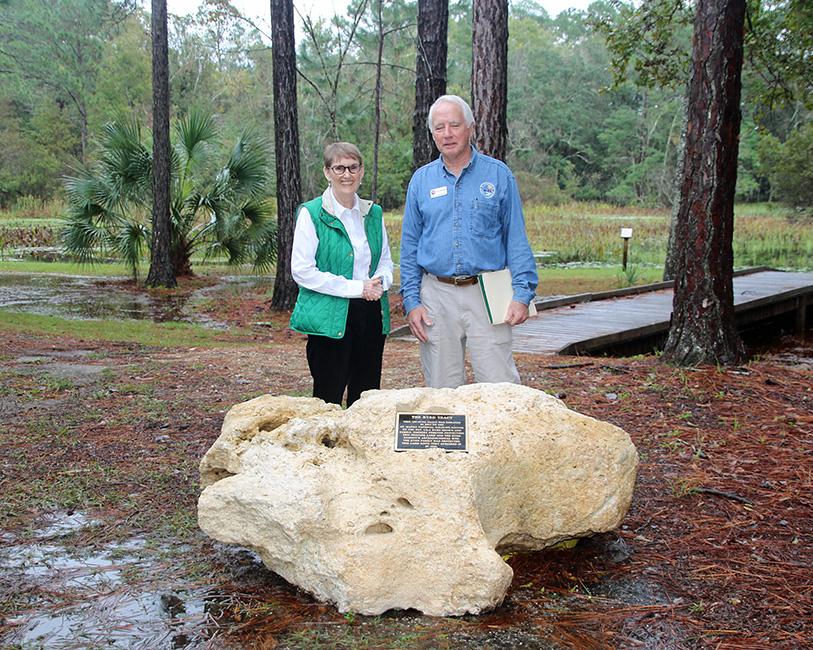
Long-time Friends Board member Paul Hamilton passed away earlier this month. Paul was responsible for acquiring the Byrd Hammock archaeological site and adding 600 acres to the Refuge, acquiring Smith’s Island rookery for Federal protection, and starting the intern program, as well as pushing the Friends to become a professional non-profit.
Paul's legacy will live on with over 50 interns having passed through the amazing program (as witnessed by Emeleigh and Kayden in their article above) since 2014. As well as with the Friends Board's current efforts to secure the remaining parcels of Byrd Hammock to bring the entire site under the protection of the USFWS. Please visit this link to read more about Paul's life and contributions to his community and environmental education.
https://www.gracefcs.com/obituary/dr-paul-hamilton
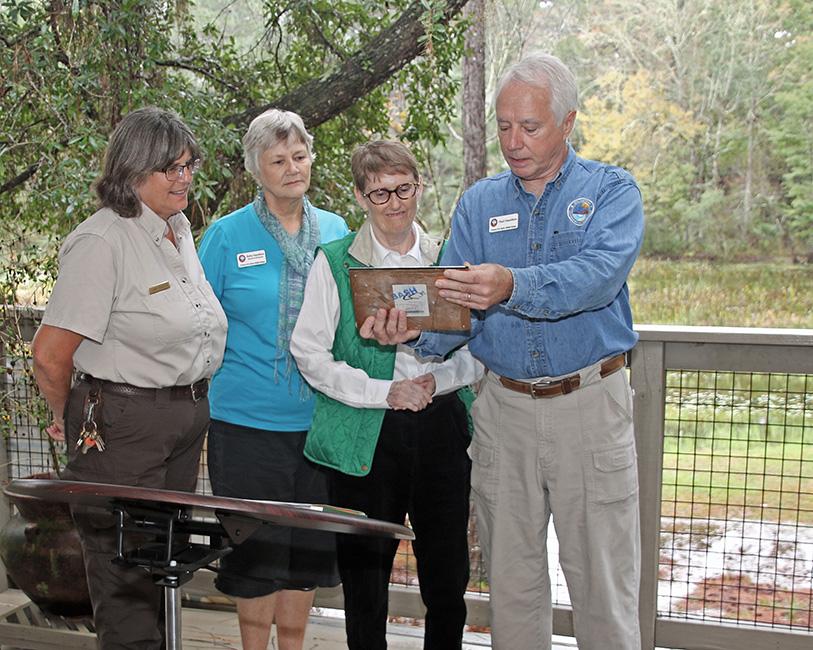
Photo above - left to right: Terry Peacock, SMNWR Manager, Betty Hamilton, then President of St. Marks Refuge Association, Inc., Rev. Lila Byrd Brown, and Paul Hamilton, SMRA Development Committee.
Photo below - left to right: Rev. Lila Byrd Brown and Paul Hamilton in front of the Byrd Hammock rock and plaque.
|  | |
|
Nature Store Volunteer Outing
Text and Photos Courtesy Cyndi Johnstone
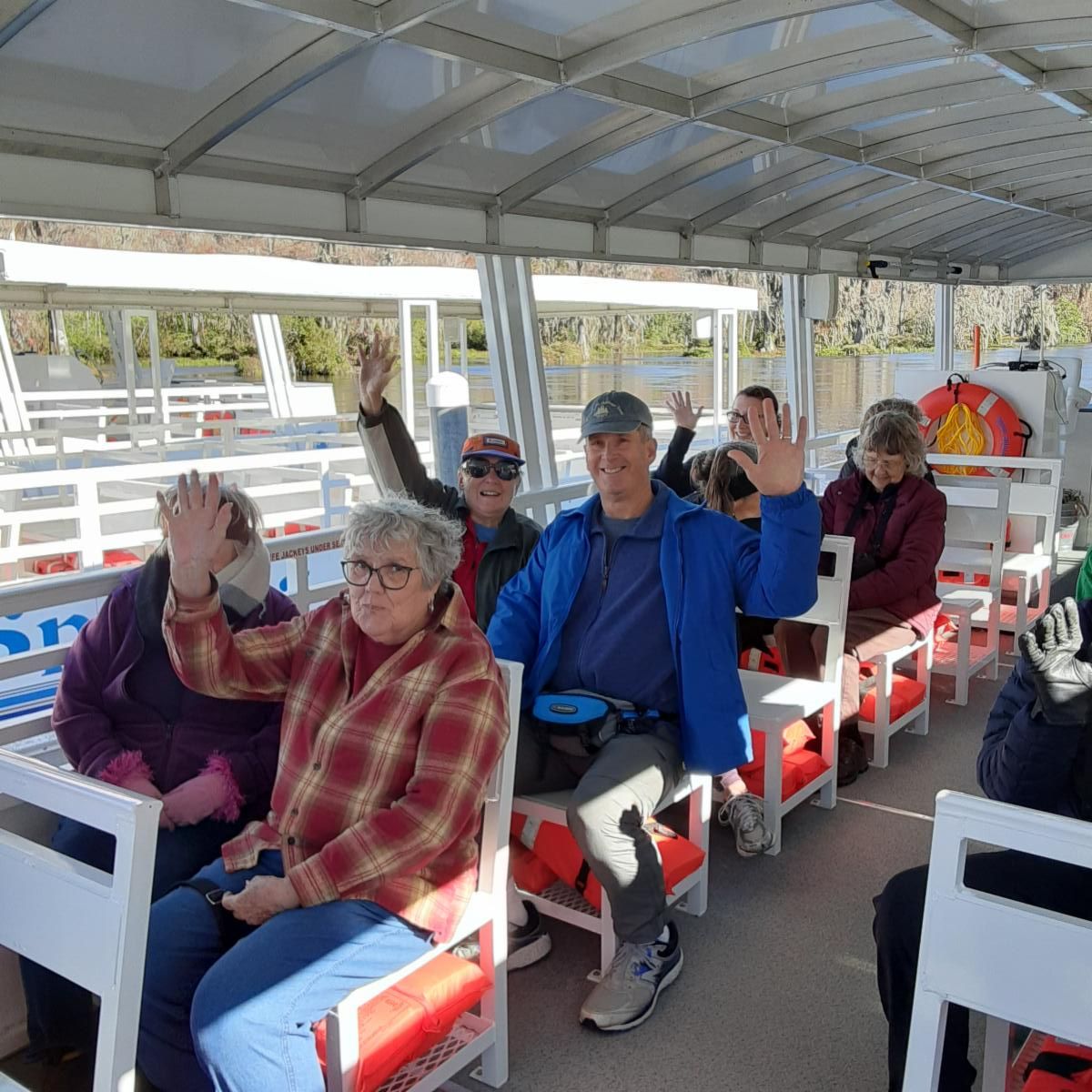
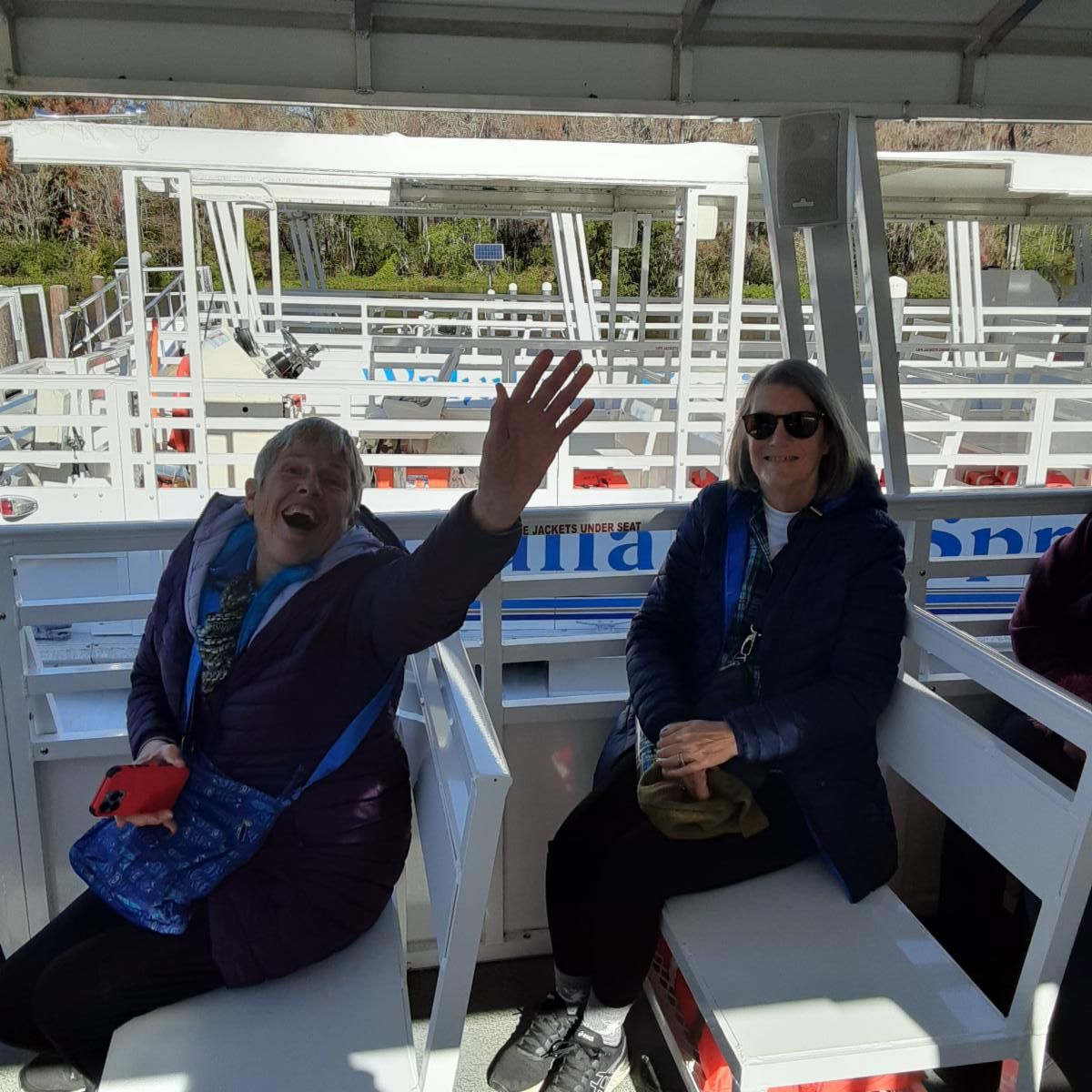
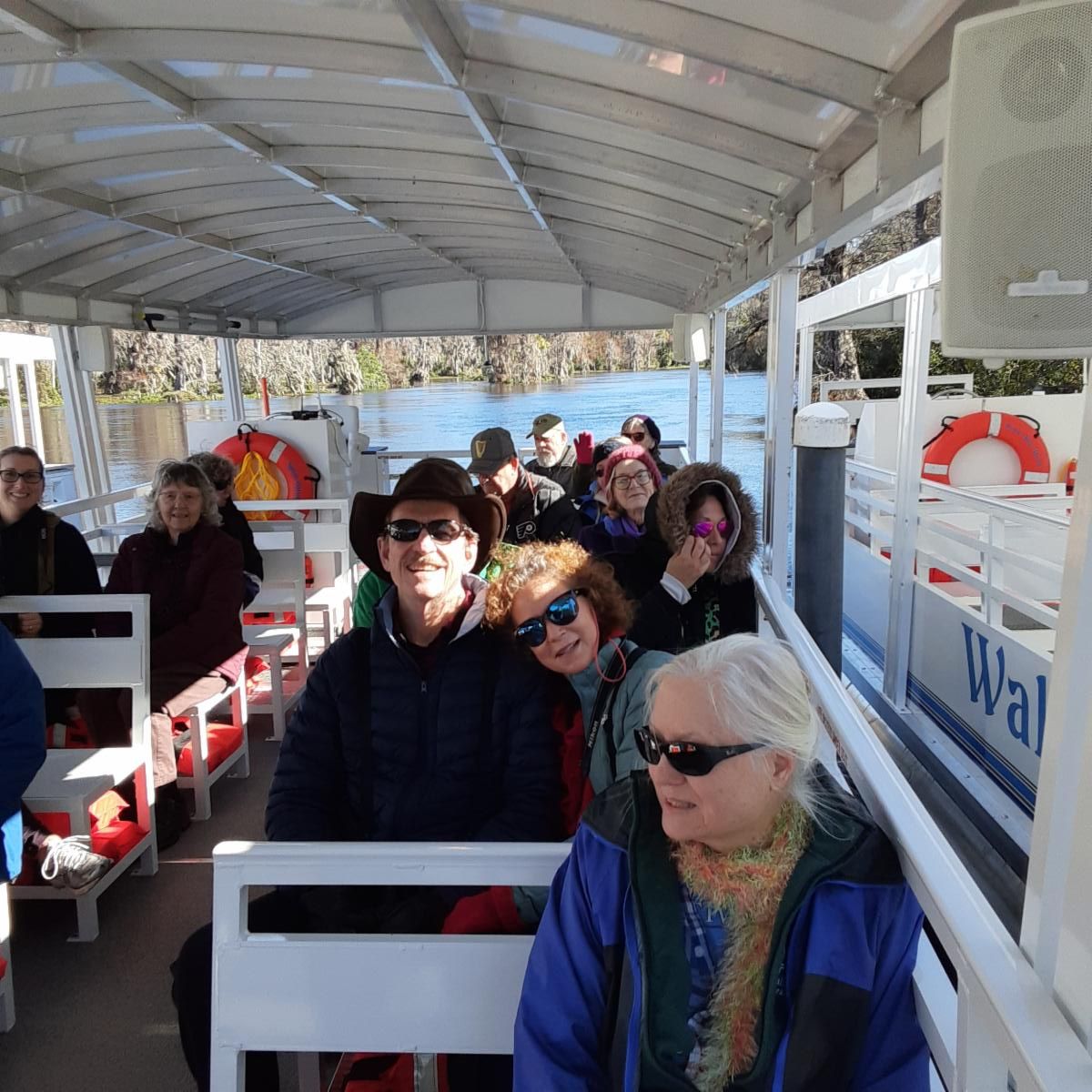
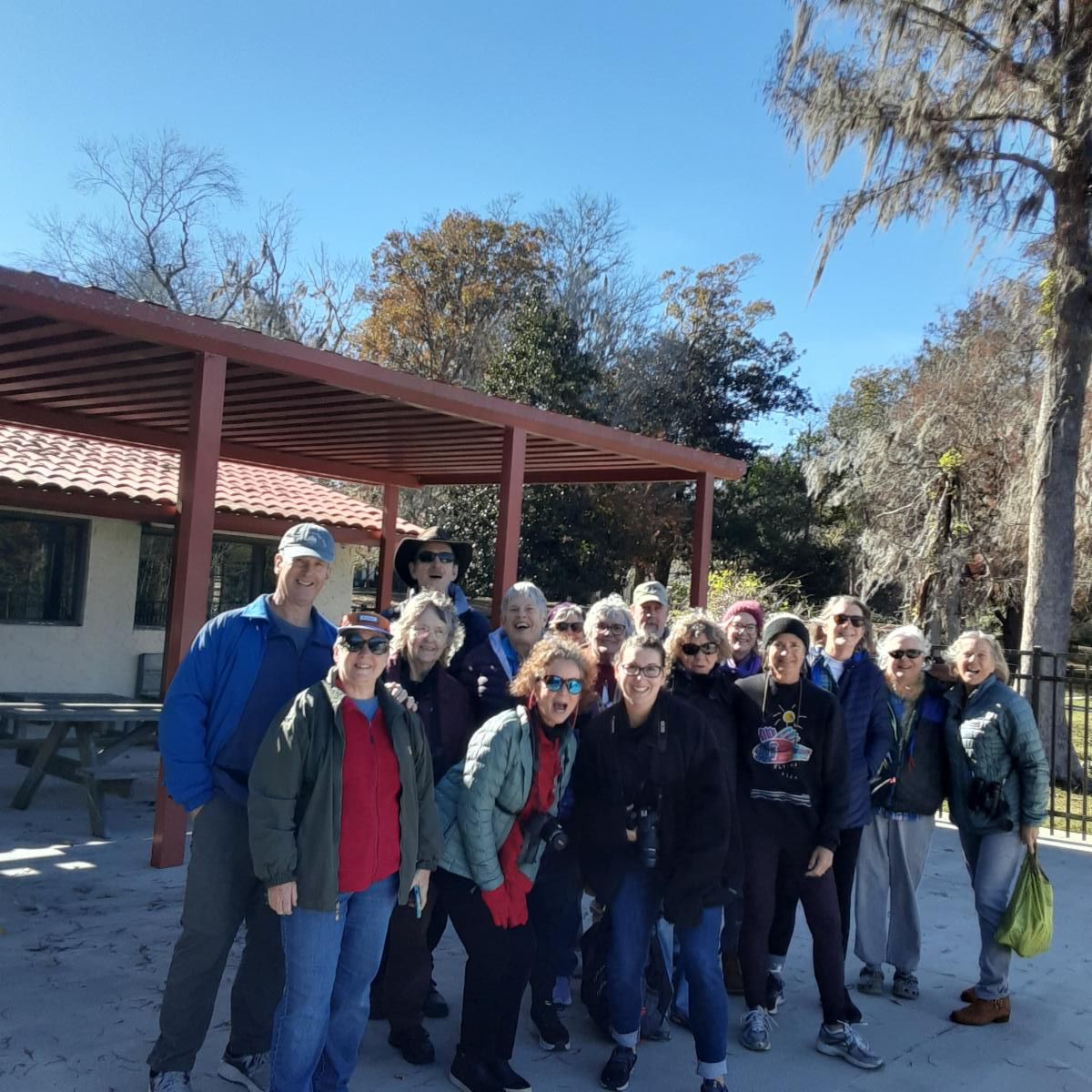
Sharing good times and laughter, too, the volunteers from our Nature Store went to Wakulla Springs for the Jungle Cruise and lunch at the Lodge on December 6th.
To our surprise, our gang of 20 didn't have the whole boat to ourselves, but shared the boat with a couple from Germany. We all ooohed and awwwed over sunning Alligators and Manatee. One giant male Manatee churned the water violently with his tail to scare us away-we were wave riding. Our crew shouted out plants such as a native purple Swamp Aster, Dahoon Holly, birds like Hooded Mergansers, and watched as White Ibis launched from the tree in front of us as we merrily sailed along. It helps when you go with a bunch of nature lovers. The couple from Germany said we should be "tour guides"...some of us are. lol.
Walking from the boat to the Lodge for lunch we all caught up with others we hadn't seen in a bit since we all work different days at the Nature Store. And, some folks had to leave after the boat ride. Many hugs and stories went around. After lunch, with the party over we slowly walked to our cars.
| |
Lighthouse Repairs and Improvements to Begin
Text and Photo Courtesy Tom Baird
Major restorations on the St. Marks Lighthouse and Keeper’s Quarters culminated in the relighting of the light in the lantern room on July 13, 2018. With slightly more than five years since repairs were completed, it is not surprising that deterioration is occurring. With the keeper’s quarters dating from 1866, one would expect to constantly be replacing wood and repainting. Add to that the deterioration that occurred during the Covid pandemic when the lighthouse received no use and almost no maintenance.
To address the current conditions, in January 2023, Kenneth Cureton, AIA, conducted an overall assessment for the Friends Board of both the lighthouse and keeper’s quarters to gauge the situation. Ken was the State Architect for the Florida Division of Historical Resources during the 2014 – 2018 restorations and is therefore very familiar with the historical structure. His list of findings has guided the Friends Board in tackling repairs and modifications needed.
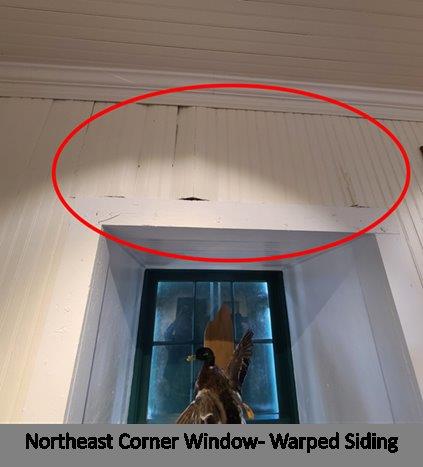
With the resumption of programs at the lighthouse and weekly use, declining conditions are apparent. One is that while temperatures are comfortable, consistent high levels of humidity exist. This has led to bead-board and molding buckling and poses a threat to the artifacts on display. To diagnose this problem, in April the Friends Board contracted with Tomahawk Engineering and Consulting, Inc., mechanical engineers, in Tallahassee to diagnose the HVAC problems. They installed data-loggers (sensors) throughout the structure and monitored conditions. Their final recommendations were received by the board in October.
At the November meeting the Friends Board voted to initially proceed with three of the recommendations. The first is to install a second dehumidifier. The Refuge can purchase the equipment and the Friends will pay for the installation out of the Lighthouse Fund. Once the additional dehumidifier is in place and operating, data loggers will be re-installed to monitor whether the humidity problems are being corrected.
The second item is to address the humidity caused by the in-floor cistern in the north room of the keeper’s quarters, the traditional kitchen and dining area when families lived at the lighthouse. This is an historical remnant of how families procured their fresh water by collecting rain water from the roof. Data shows that the north room runs consistently higher humidity levels and is likely due to standing water in the cistern. With the approval of Rick Kanaski, USFWS SE Regional Archaeologist & Regional Historic Preservation Officer, this feature will be partially filled with sand. This is a reversible treatment and still allows the public to see into the underground cistern.
The third item is to direct water away from the building foundation. When originally installed, the gutter over the porch was not constructed per design. The outflow from the gutters needs to be carried away to rock sumps (dry wells) away from the base of the porch. French drains and rock sumps are to be installed. The areas do not need archaeological assessments as this was previously done under contract with the U.S. Coast Guard and artifacts removed. Sterile fill now surrounds the base of the lighthouse.
These are just the initial steps to address deteriorating conditions. Corrosion is starting in the cast-iron lantern room and there are leaks. All these items and more are to be tackled shortly. The lighthouse now has weekly inspection by keeper Allen Van Brundt and Refuge Maintenance Chief Dan Hickey. In that way deterioration can be noted and corrected in a timely manner. Friends Board member Desiree Cureton is an expert on historical structures and helps guide the board in prioritizing needs.
The Friends will continue to provide technical support and financial assistance when needed to ensure the historic St. Marks Lighthouse will not again fall into disrepair.
| |
|
Wildlife Tours Continue in the New Year
Wildlife Tours at the Refuge (with an emphasis on birds) are free with a reservation.
Call 850- 925-6121 or stop by the Visitor Center to make a reservation
Registration for multiple people is available, but a name must be associated with each reserved spot. Please see the Tour Guidelines below for additional information.
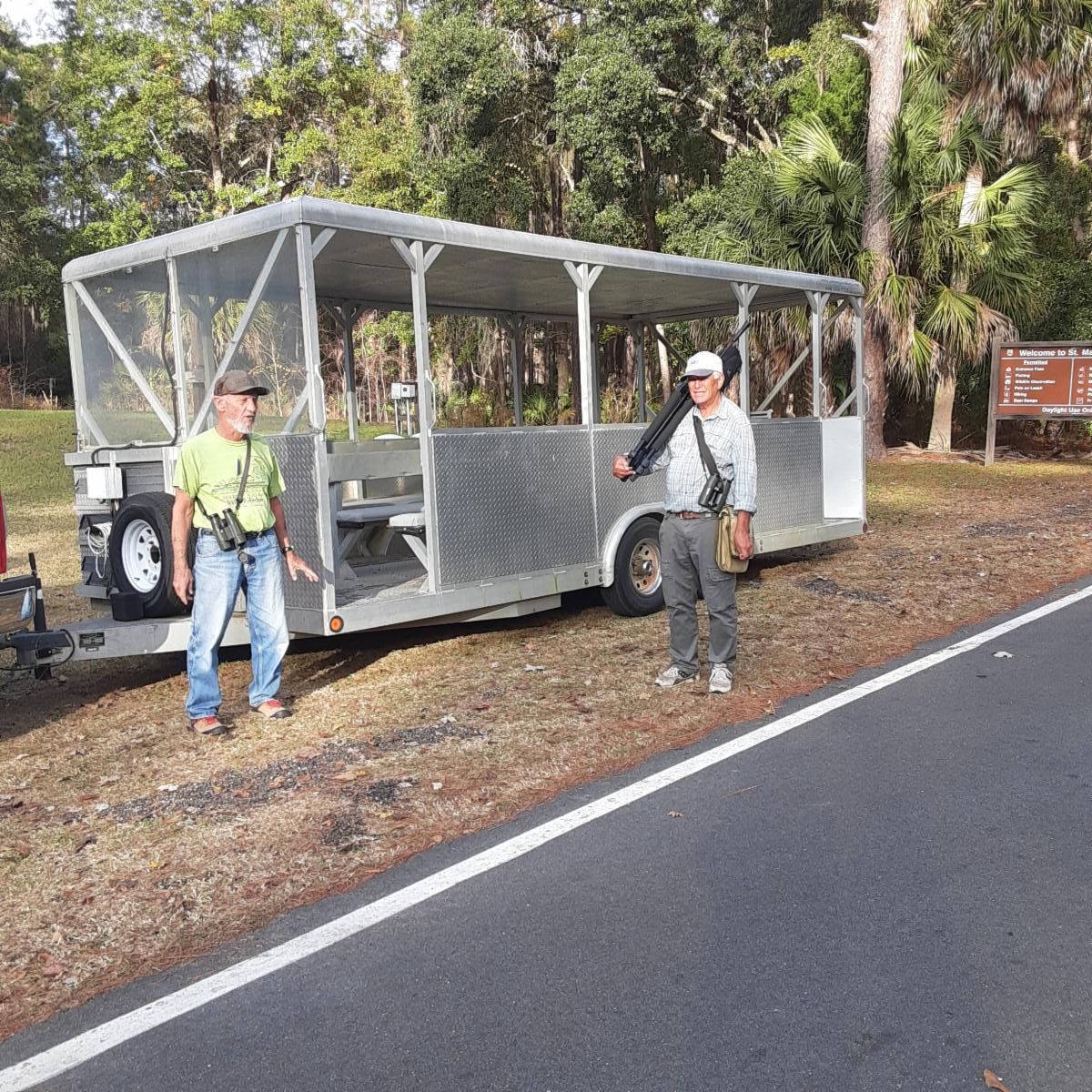
Matt Johnstone and Don Morrow after a recent tour.
Tour Dates for the 2024 Season
Your tour guides will be Don Morrow on Saturdays and Matt & Cyndi Johnstone on Sundays.
January 6 from 9 to 12 and 1 to 4
January 7 from 10 to 1
February 4 from 10 to 1
February 10 from 9 to 12 and 1 to 4
March 2 from 9 to 12 and 1 to 4
March 17 from 10 to 1
| |
|
Some Things To Keep in Mind for Your Tour
Participants will meet at the Visitor Center parking lot at 1255 Lighthouse Road. We ask that participants please park across the street from the VC parking lot. The tours are three hours long, may have up to twenty five participants, and there are no bathrooms available on the tour routes. Bathroom access will be available at the departure point. It is therefore very important that participants arrive early enough - a half hour prior is not unreasonable - to organize their gear, attend to any other needs, and be ready to go at the designated start time. The tours begin with a brief but important orientation to make the tour safe and enjoyable for everybody; latecomers are very disruptive to this necessary introduction. The tours are frequently fully booked; no-shows at the starting time may be replaced with folks on the waiting list or those hoping for a walk-on. To allow more people to participate we ask that people only sign up for one tour a day unless space is available the day of the tour.
To better enhance our tours and events we ask that our guests follow the guidelines listed below.
1. Pets will not be allowed on any tour.
2. For your safety and tour enjoyment, we recommend that all participants wear closed-toe shoes, bring a bottle of drinking water, sunscreen, and bug spray (please apply away from the other participants).
3. For your comfort and enjoyment, we suggest that you dress for the weather, wearing or bringing layers. It is also a good idea to carry a lightweight rain jacket for unexpected showers or cooling weather.
4. Practice “pack it in, pack it out”. Any trash, including biodegradable food and packaging, is to be taken back with the participant and disposed of off-site.
5. Attendees must arrive early enough to use the restroom prior to tour start time. If tour is scheduled to start at 9, it will be pulling out of the meeting area at 9.
6. Leave all plants and animals alone. DO NOT engage in any of the following: -Eating any leaves and/or berries found alongside trail -Approaching, handling, or attempting to feed any wildlife -Collecting any material, with the exception of trash, on refuge property
7. Be aware of your surroundings. The refuge is home to venomous snakes, alligators, burrowing animals, and some endangered species. Stay safe, when getting on and off the tour wagon watch your step and try not to disturb any habitats or animals with loud noises.
8. As a courtesy to all visitors, those that sign up and are no shows will not be allowed to sign up for another tour.
Photos Courtesy Katasha Cornwell and Cyndi Johnstone
| |
|
Lighthouse Open Dates
Come out from 10am to 2pm on any of the days below and our friendly, dedicated volunteers will be happy to share their knowledge and love of this local landmark with you. Free tour with your daily entrance fee. Dates for the New Year to be posted on the website soon!
Friday, December 15
Wednesday, December 20
Thursday, December 21
| |
Become a member of the Longleaf Society today by clicking this graphic. Your monthly giving provides a tremendous boost to the Friends of St Marks Wildlife Refuge to keep providing the programs and services you have come to expect from this award winning organization. | |
|
We Encourage our Friends to SHARE!
As almost all of you know, the Friends give 100% of their support to the St. Marks National Wildlife Refuge. An important way for you increase that support is to share our message. Therefore, when you get this newsletter, we encourage you to send it on to a friend. You can share it via email or through various other social media. Here's the link to the Friends Newsletter page. Scroll to the "current" entry and copy the link.
Text and Photo Courtesy Phillip Pollock
| |
|
Bird Reports Assist Visitors
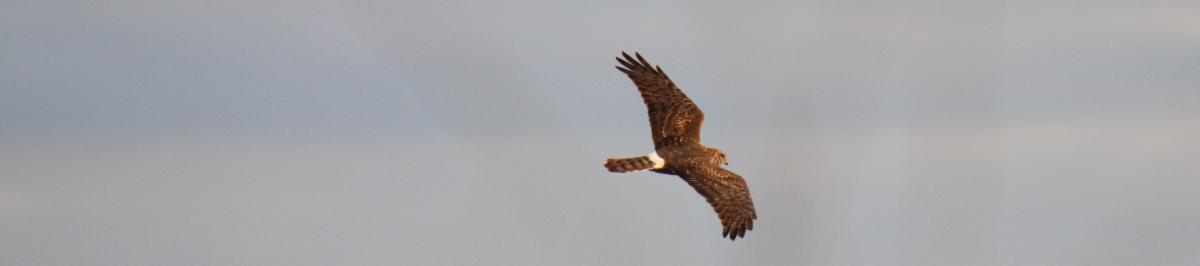
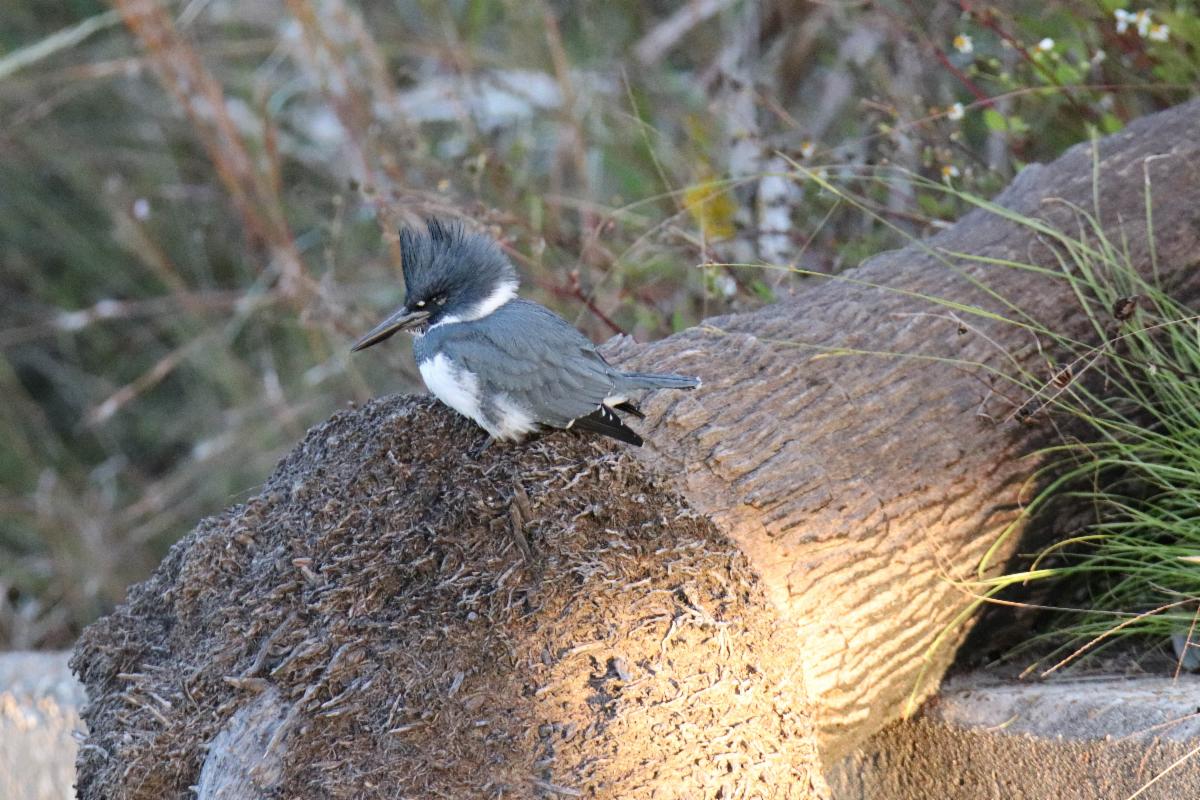
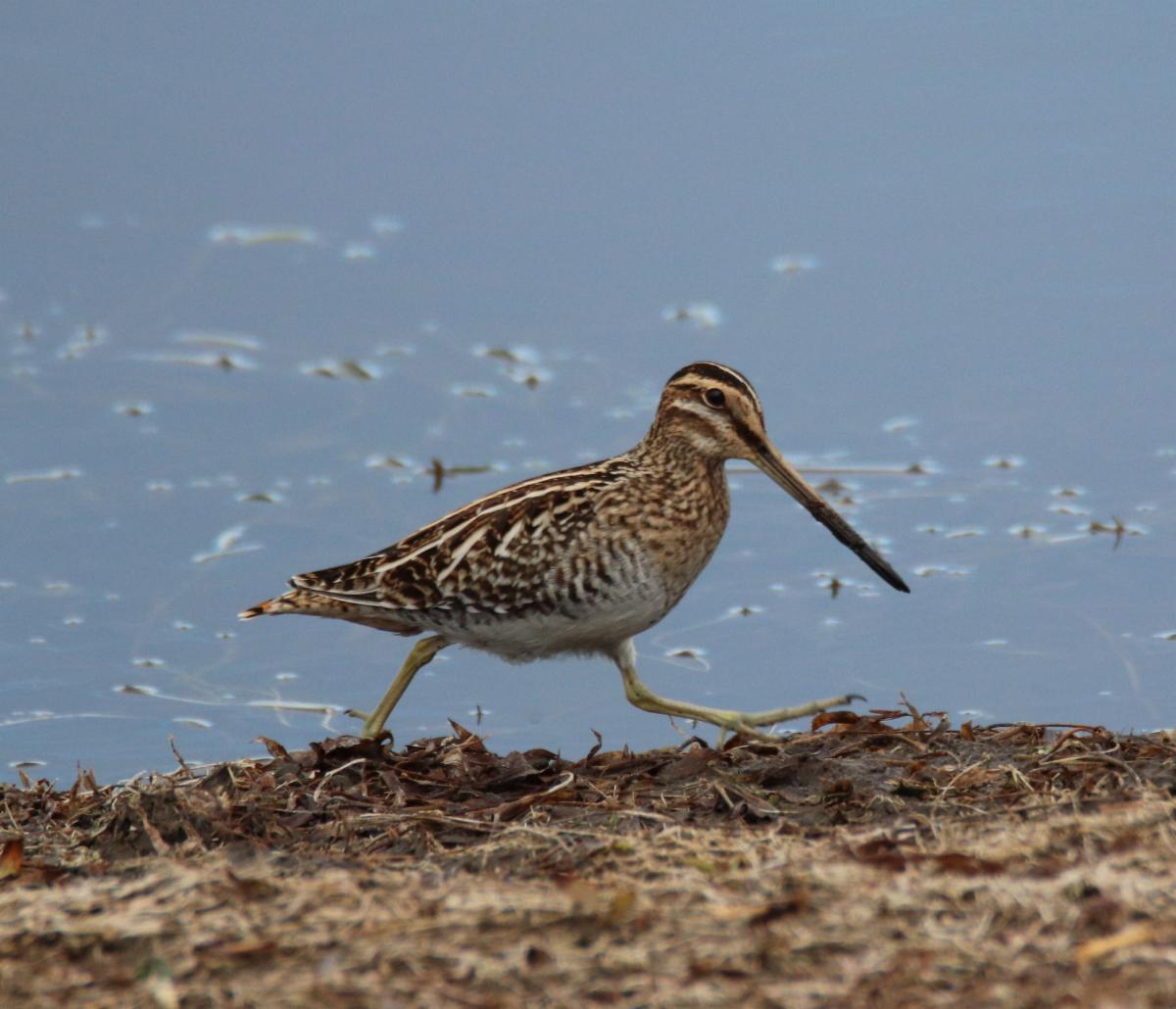
Don Morrow and Matt Johnstone, St. Marks National Wildlife Refuge volunteers and expert birders, create concise bird-sighting reports on a week-to-week basis. Read their current and past reports here.
Photo Courtesy Katasha Cornwell
| |
Have you considered including the Refuge in your will? The Friends of St. Marks Wildlife Refuge can provide information and guide you through the process. Just call the Refuge at 850-925-6121, and ask to be contacted by the Friends' Development Committee, or email us. | |
|
Reflections newsletter is a benefit of membership for Friends of St. Marks Wildlife Refuge.
It also serves as an important supplement to
the Friends' website.
Both the newsletter and the web site provide members and the public information about volunteer activities and events at the Refuge.
Reflections editor: Katasha Cornwell
Reflections Editor, Phillip M. Pollock
| | | | |