|
Friends of St. Marks Wildlife Refuge
Reflections Newsletter - Fall 2026
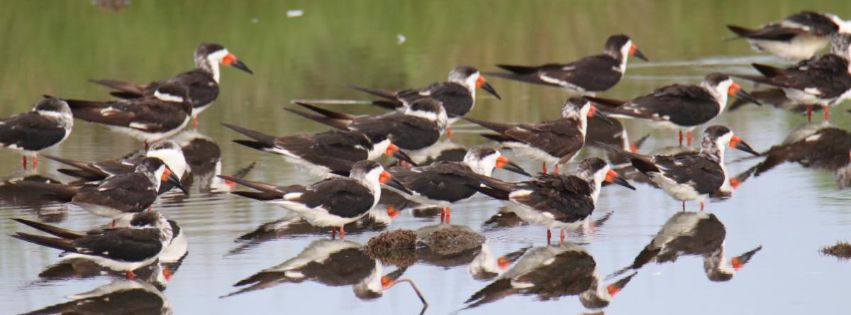
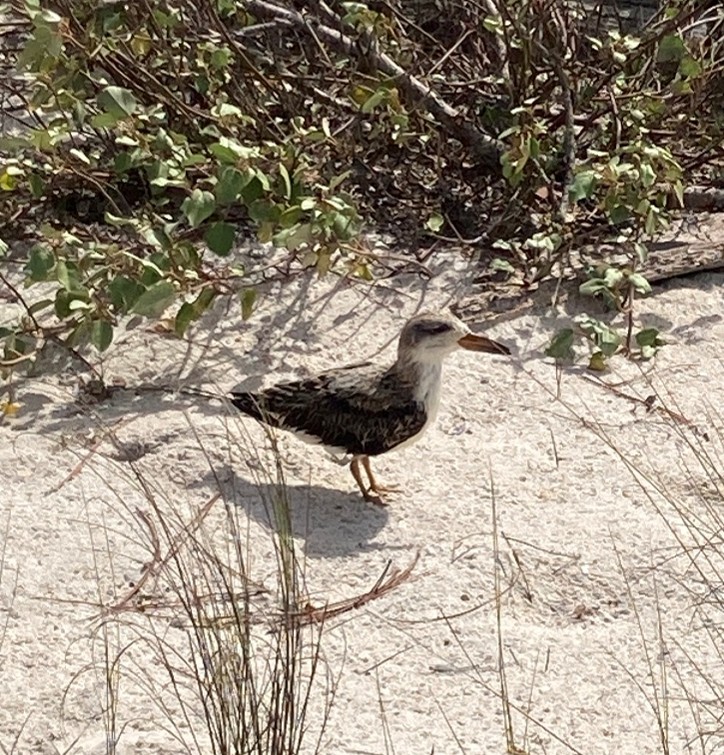
| | Black Skimmers in Lighthouse Pool | | |
Friends President's Message
Text and Photos Courtesy Katasha Gruver
Hiatus
Sometimes it pays to step back and reflect on our routines. Do the things we do regularly still bring joy, offer value, or move us toward a goal? Sometimes we just need a break; a chance to miss a task, to let others ask, “Hey, what happened to…?”, or to realize it’s time for a pivot.
If you noticed a lack of newsletters over the last few months, you caught me on an unplanned hiatus. It wasn't intentional, but after our spring issue, I simply needed a dose of renewed inspiration. As the air turns cooler, fall feels like the perfect season for a pick-me-up, especially when thinking about St. Marks National Wildlife Refuge.
Looking back on this break, I realized that taking time off mirrors my seasonal habits at the Refuge. During the warmer, buggier months, my husband and I stop driving down Lighthouse Road or visiting fair-weather trails like those off Wakulla Beach Road. Managing the yellow flies and mosquitoes takes more insect repellent than I’m willing to spray (trust me, I’ve tried!). But stepping away from our usual routines opened the door to new discoveries. With 80,000 acres, the Refuge holds countless hidden gems for those of us who tend to stick to the same favorite spots.
Here are a few highlights from our summer off the beaten path:
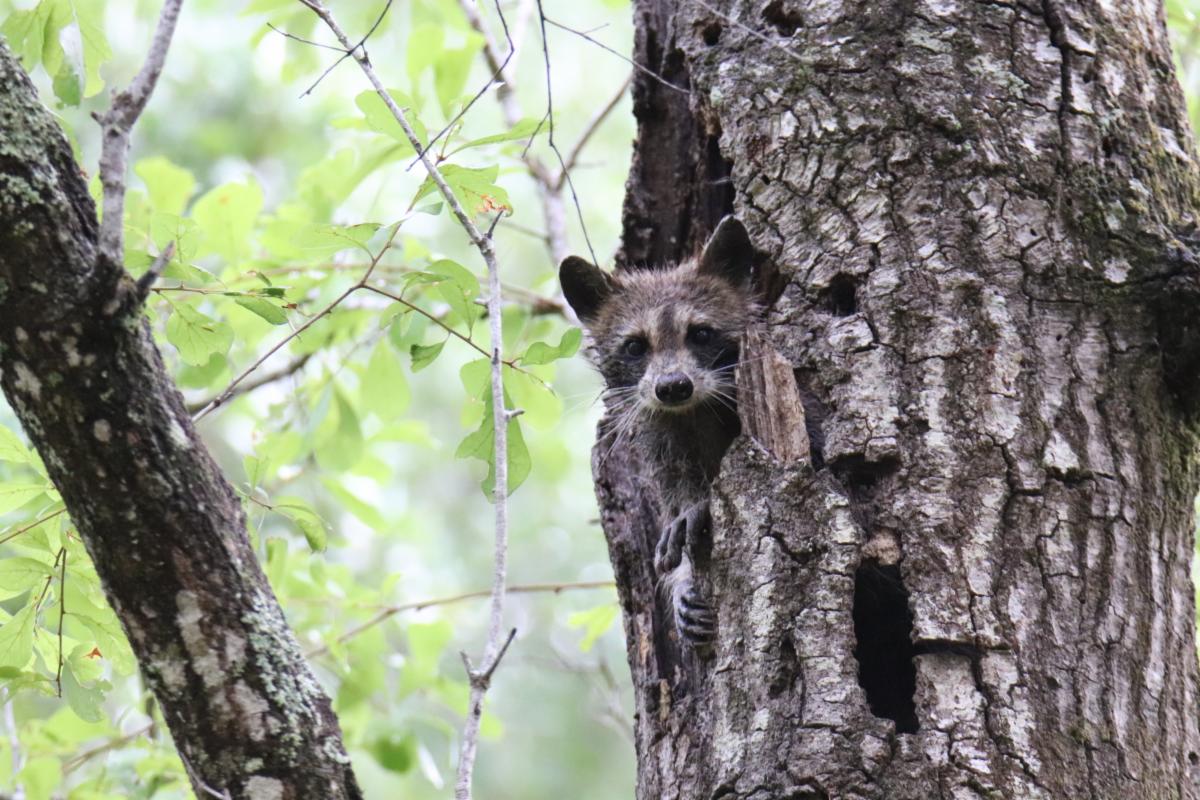
Exploring Purify Bay Road: We spent time checking out sections of the Florida Trail and surrounding Refuge roads. It’s a gorgeous area offering easy loops with your choice of single or double-track paths. On our first trek, we spotted several stems of butterfly weed and clasping milkweed. On our second hike, we stumbled upon a Chuck-will's-widow chick (as we quickly turned back to a different section of trail), spotted a raccoon high in a tree, and took in a stunning stretch of coastline. We recently returned to the primitive “park” at the end of the road to watch the sunset, greeted by a pair of dolphins heading out to Apalachee Bay on the falling tide.
| |
A Visit to "Mama Duck" Pond: We walked out to this little pond on a recently acquired tract where the Refuge, Salt Strong Alliance, and the Friends are hosting the next Family Fishing Day. Tucked away among the pines, it’s a peaceful spot you won't want to miss.
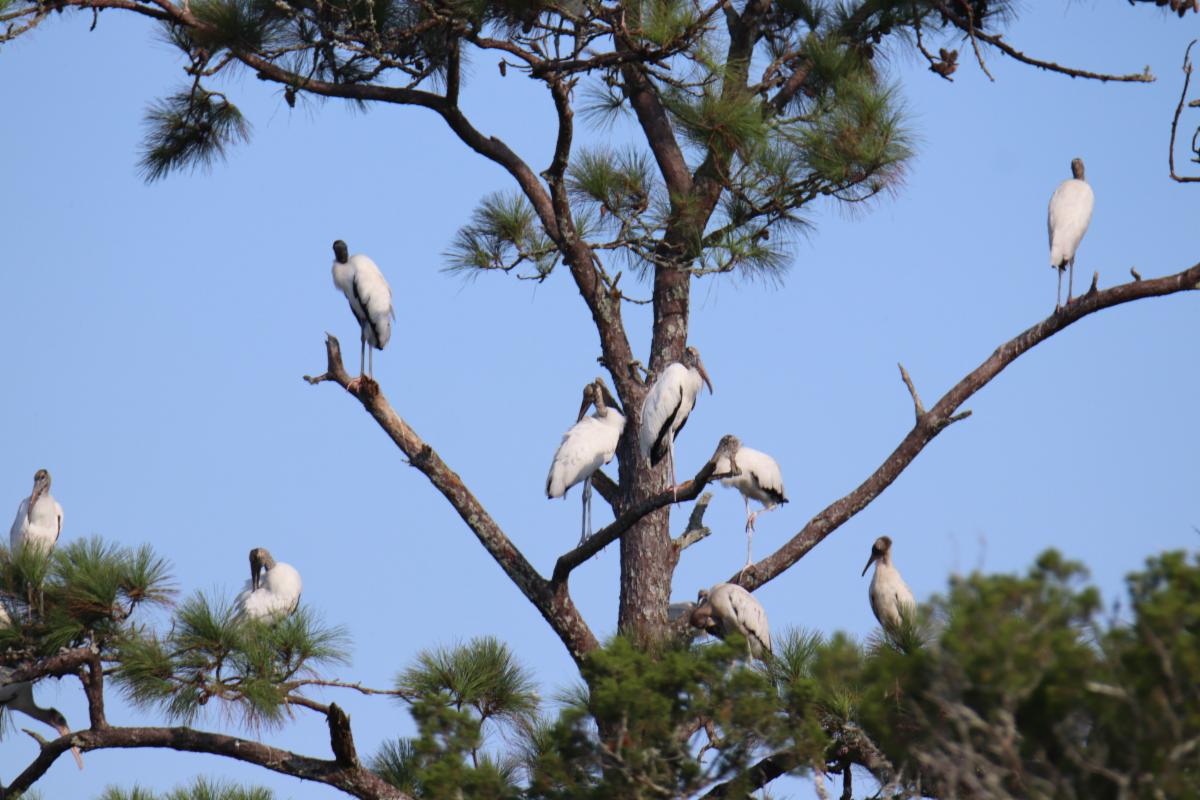
Cow Creek: We took our Gheenoe out into Cow Creek, navigating up the narrow water body, twisting and turning until making it to a favorite running trail turnaround spot to see a familiar view from a completely new perspective. And while we didn’t see lots of birds, a flock of wood storks saw us off on our voyage. Then we spotted a green heron, several greater yellowlegs, and a small gathering of oyster catchers.
| |
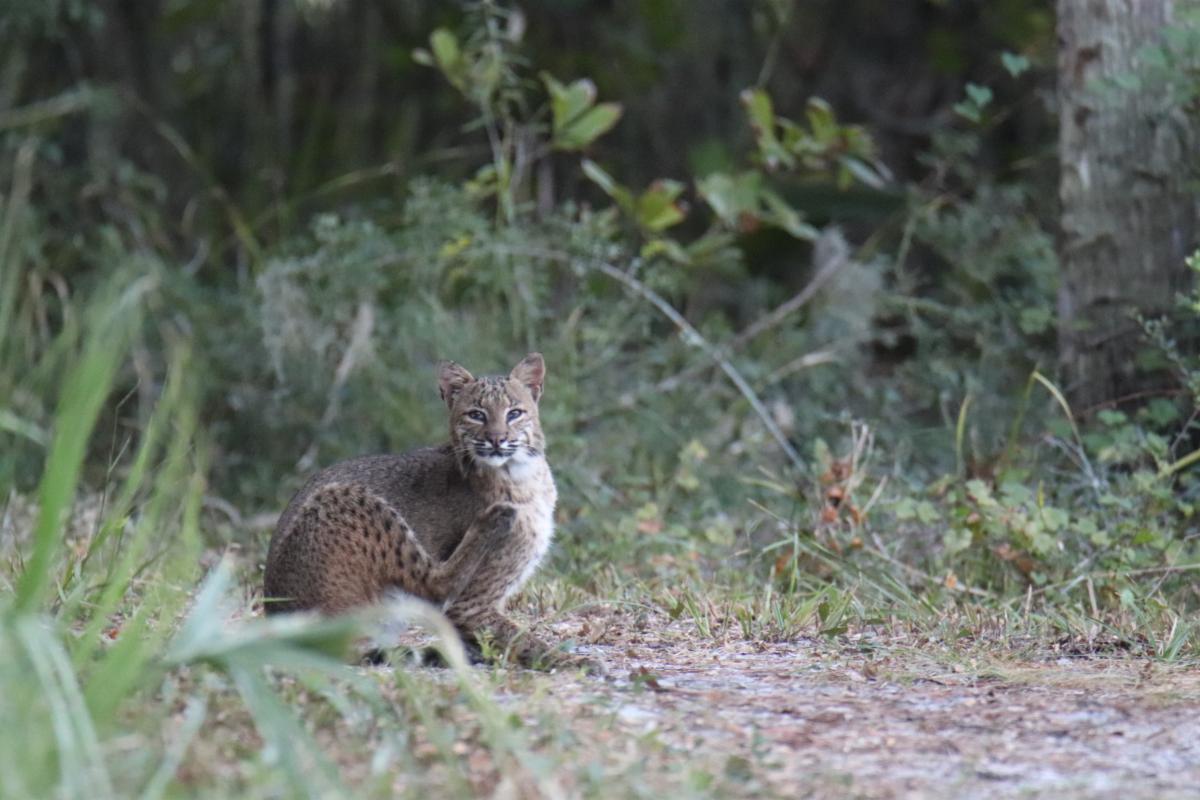
And when we finally made our way back down Lighthouse Road to revisit our old, familiar trails, the Refuge delivered its usual magic. Long runs were rewarded with sightings of black skimmers, oystercatchers, and roseate spoonbills gathering at Lighthouse Pool. On one crisp, late-September morning, I was even treated to the sight of a bobcat lingering along the edge of the trail, not caring one bit about me.
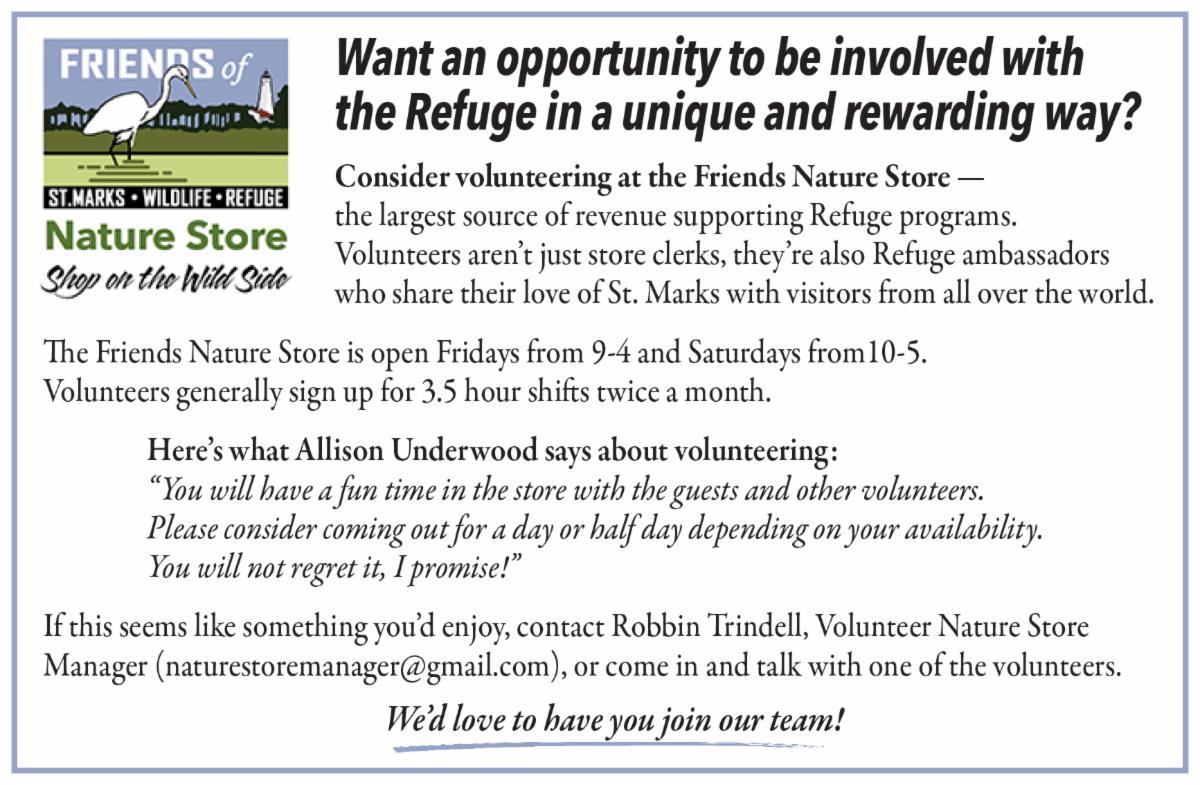
Taking a hiatus, whether from a project or a routine trail, can be deeply fulfilling. It creates space for new favorites, fresh perspectives, and renewed excitement. I hope these stories inspire you to step out of your routine, try something unplanned (like volunteering for Nature Store, or attending one of our engaging Sunday Talks, or one of the many other upcoming events this fall), and reignite your passion for a place that would truly take a lifetime to explore fully.
And remember to invite your friends to become our Friends.
| | |
Refuge Report
Summer Biology Seasonals say Farewell and a Heartfelt Thanks
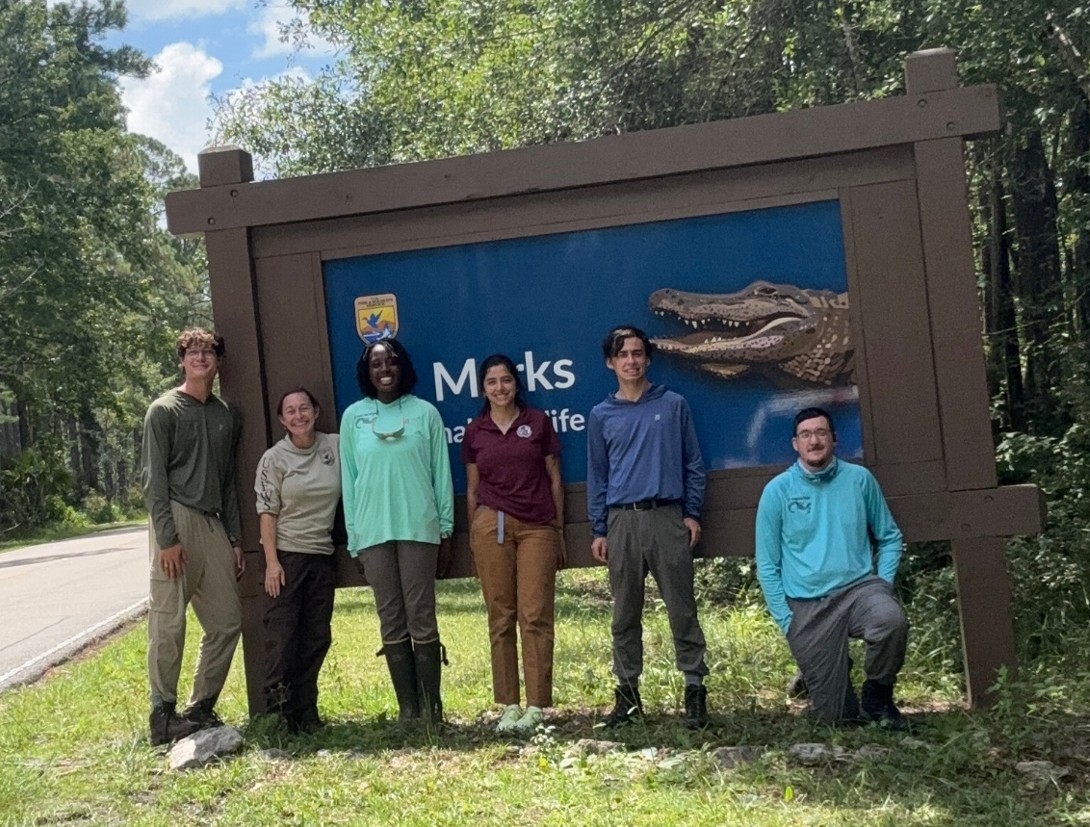
We are incredibly thankful to you all for your generous donation that allows us to work at the St Marks refuge. Throughout the summer we gained a ton of experience working out in the field on a wide array of tasks. For most of us this was our first time doing such intensive fieldwork, building up our skills and confidence that we will carry with us into out future careers. Not only has the work been rewarding, but we’ve gotten to meet tons of incredible people and make lots of great memories.
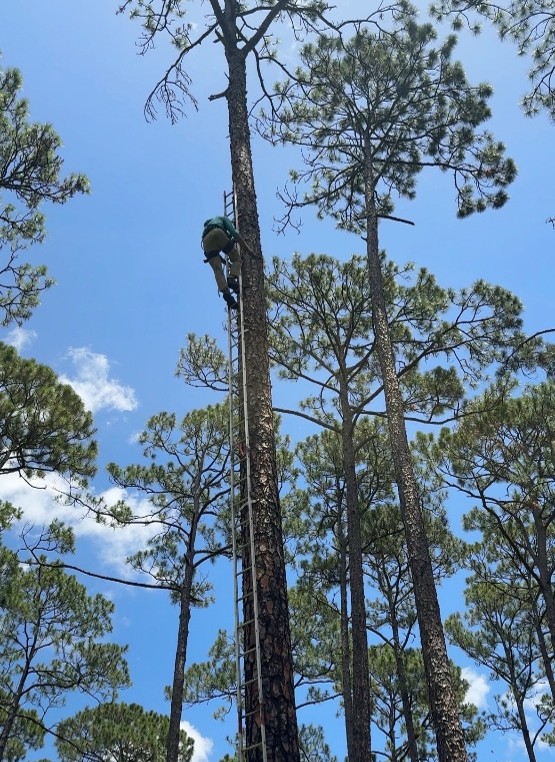
During our time here, we have taken on a diverse array of tasks, all of which in effort to improve the population of wildlife that live on the refuge. In the first half of the summer, our main daily responsibility was to monitor the many red-cockaded woodpecker clusters across St Marks. However, our introduction to them came during an internship swap at Tate’s Hell State Forest, where we learned how to use the peeper pole and camera to check the cavity interior. Each cluster on the refuge had their own interesting qualities and we often encountered unexpected critters. For instance, many cavities were occupied by bluebirds, flying squirrels, and other woodpeckers. One was even taken over by honeybees! Additionally, driving to each cluster allowed us to see many beautiful parts of the refuge that we wouldn’t normally encounter.
| | |
At one point, we even got to scale Swedish ladders to reach a 50ft high cavity (only a little scary!).
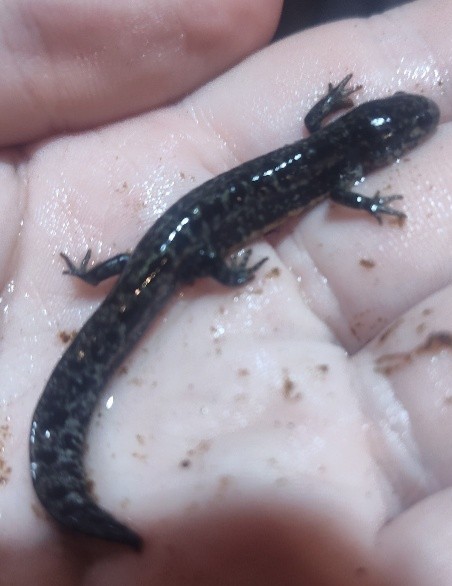
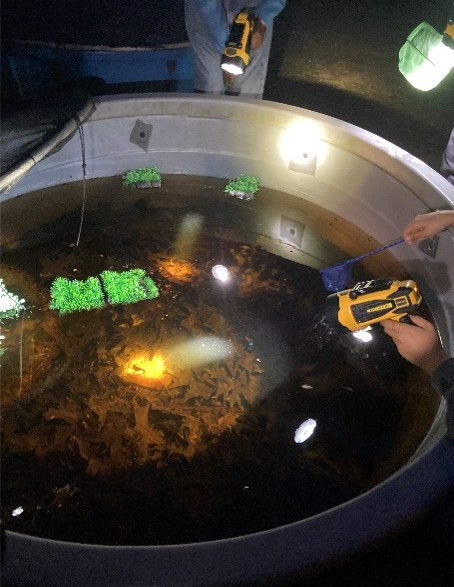
Unlike previous intern summer seasons, we were tasked with monitoring larval frosted flatwoods salamanders through mid-July, as they were very stubborn this year and delayed their metamorphosis unusually late. Every night, we would check the ~25 tanks for any newly emerged salamanders and remove any predators or wayward frogs. We were greeted each evening by a Chuck-will’s-widow, lots of tree frogs, and the occasional cottonmouth. As the larvae metamorphosized, we were able to collect tail clippings for genetic records and release them back into suitable ponds.
July marked the end of the RCW breeding season and the remaining salamander larvae had to be released, so our focus switched to habitat restoration. This involved a lot of herbicide mixing and spraying at several salamander ponds. This meant lots of long days baking in the sun, sinking knee-deep in mud, and getting eaten alive by mosquitos. It was a lot of hard work, but it was definitely worth it knowing the value of our labor towards the recovery of the species.
Throughout the term, we had a bunch of opportunities to engage with other side projects. For example, we traveled to St. Vincent NWR to help conduct sea turtle nest surveys. It was cool learning to identify the different turtle species by their tracks and nests. Several nests that were made the night prior had quickly been scavenged by the red wolves on the island. Their tracks were a common sight along the beach, alongside those of sambar deer and ghost crabs.
Our last visit followed a big storm, making the beach inaccessible by UTV. We ended up walking the majority of the shoreline and saw several black skimmer chicks that were washed up by the storm surge.
| | |
One of our favorite days was going out with Don Morrow as he took us along his shorebird survey route, where he told us a lot about the 22 species we encountered that day. He was very knowledgeable, and the information will definitely help to settle any future shorebird identification debates!
We also frequently went out with Caity and Ezra from FWC to conduct American oystercatcher and Wilson’s plover surveys. Watching them interact with their nests and observing their different behaviors firsthand allowed us to gain lots of insight into the different species. Getting to see their chicks was also really cool- they looked like little cotton balls of joy!
With summer coming to a close and the school year beginning, the team must endure a bittersweet goodbye. Lukas is heading back to USF in Tampa to earn his bachelor’s in environmental science. Nia is continuing her studies in coastal environmental science at LSU in Baton Rouge, Louisiana. Michael and Keegan will continue the work on the refuge through fall, preparing for the upcoming salamander breeding season. We are all incredibly honored to have been a part of this community and contributed to its long-lasting preservation. Thank you so much for your support! Sincerely, Lukas Allington, Keegan Finnerty, Nia Sampson and Michael Waycaster
| | |
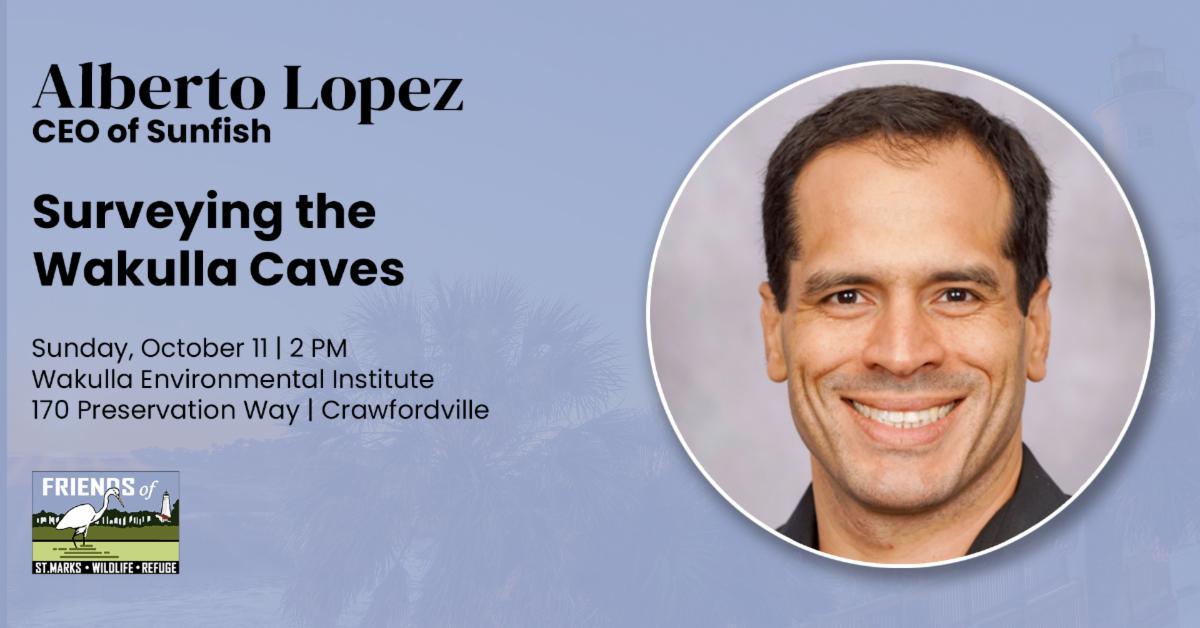
Join us for the October Second Sunday Talk, featuring Alberto Lopez, CEO of Sunfish. He will be sharing his experiences about mapping the underwater Wakulla springs
Register online to guarantee a seat.
| |
Friends of St Marks Seeking Treasurer for our Board of Directors
Are you looking for a meaningful way to lend your organizational skills to a community initiative that matters? Friends of St. Mark’s is seeking a dedicated, detail-oriented individual to join our leadership team as Treasurer. In accordance with our organizational bylaws, the Treasurer serves as the primary custodian of our financial integrity, directly overseeing the health and sustainability of our mission. If you take pride in financial precision and want to be the operational backbone of a vibrant community, this position is your chance to make a lasting difference.
You will lead the preparation of our annual budget, present clear monthly financial reports to the Executive Board, and ensure compliance with all necessary non-profit tax filings and audit requirements. No need to worry about navigating it alone, you’ll collaborate closely with our experienced bookkeeper and passionate board committed to shared governance and community impact. Whether you are an experienced finance professional or an organized volunteer looking to sharpen your leadership skills, stepping into the Treasurer role offers a uniquely rewarding way to support our organization and the St Marks National Wildlife Refuge. Contact Vice President Myrtle Baily @ myrbailey@aol.com and Secretary Robin Will @ robin.will12@gmail.com to help us keep our mission moving forward!
| | Sunday, November 8 at 2pm at Wakulla Environmental Institute. | |
Save the Date - November Second Sunday Talk
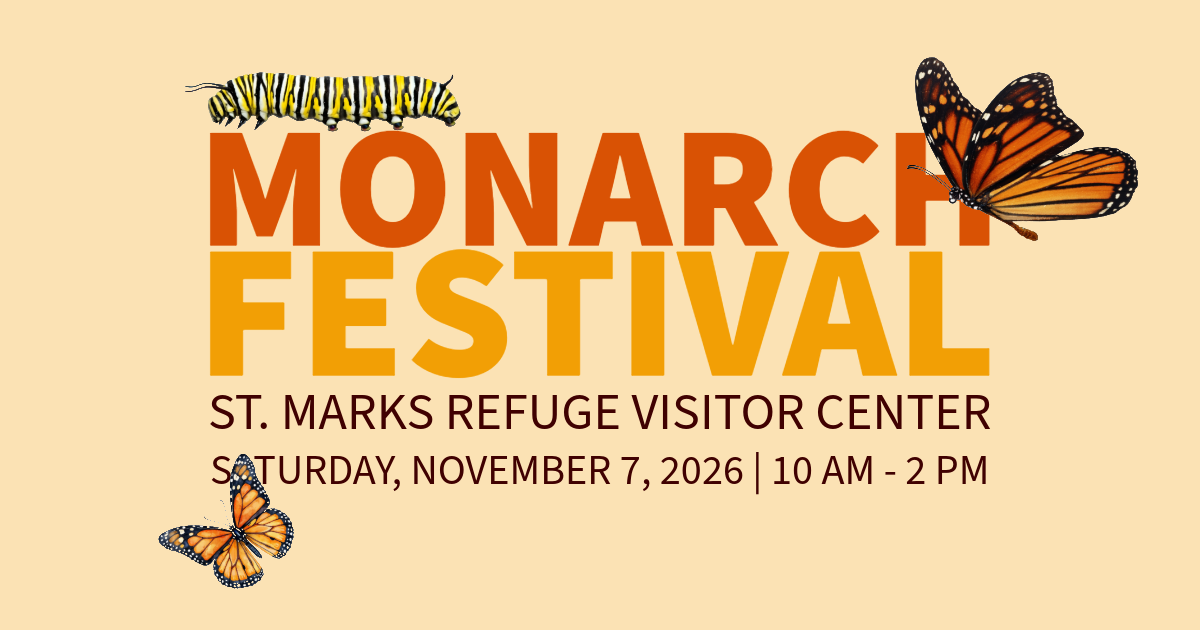
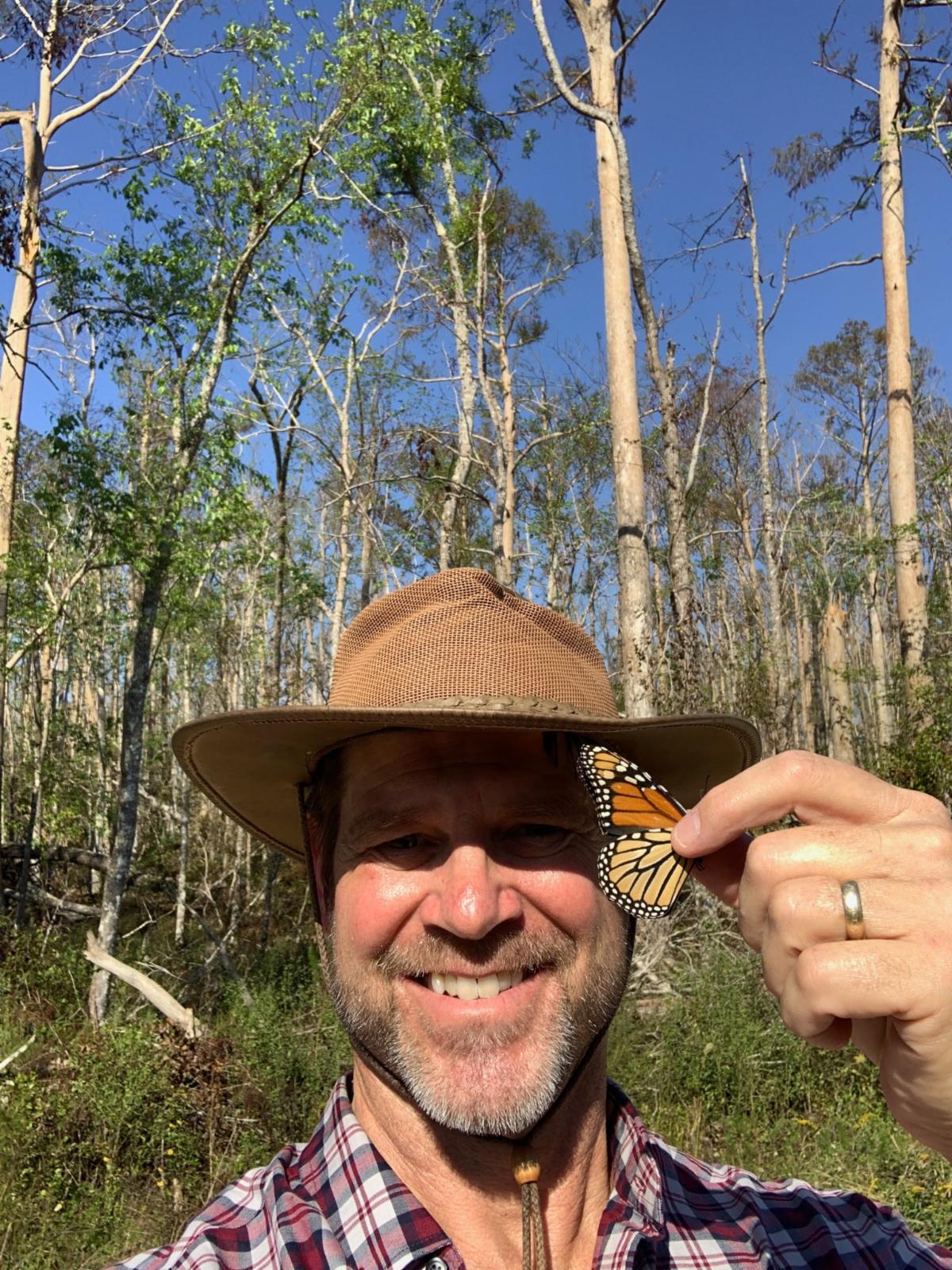
Can't get enough monarch butterflies? Plan to attend our Second Sunday talk the day after the Monarch festival featuring Dr. Ray Moranz.
Dr. Ray Moranz works as a Pollinator Conservationist Specialist for the Xerces Society for Invertebrate Conservation. His current work focuses on studying the ecology of monarch butterflies in the eastern half of North America. Ray earned his B.S. in Biology from Cornell University, his M.S. in Zoology from the University of Florida and his Ph.D. in Natural Resource Ecology and Management from Oklahoma State University.
Watch your emails for registration details coming soon.
| | | |
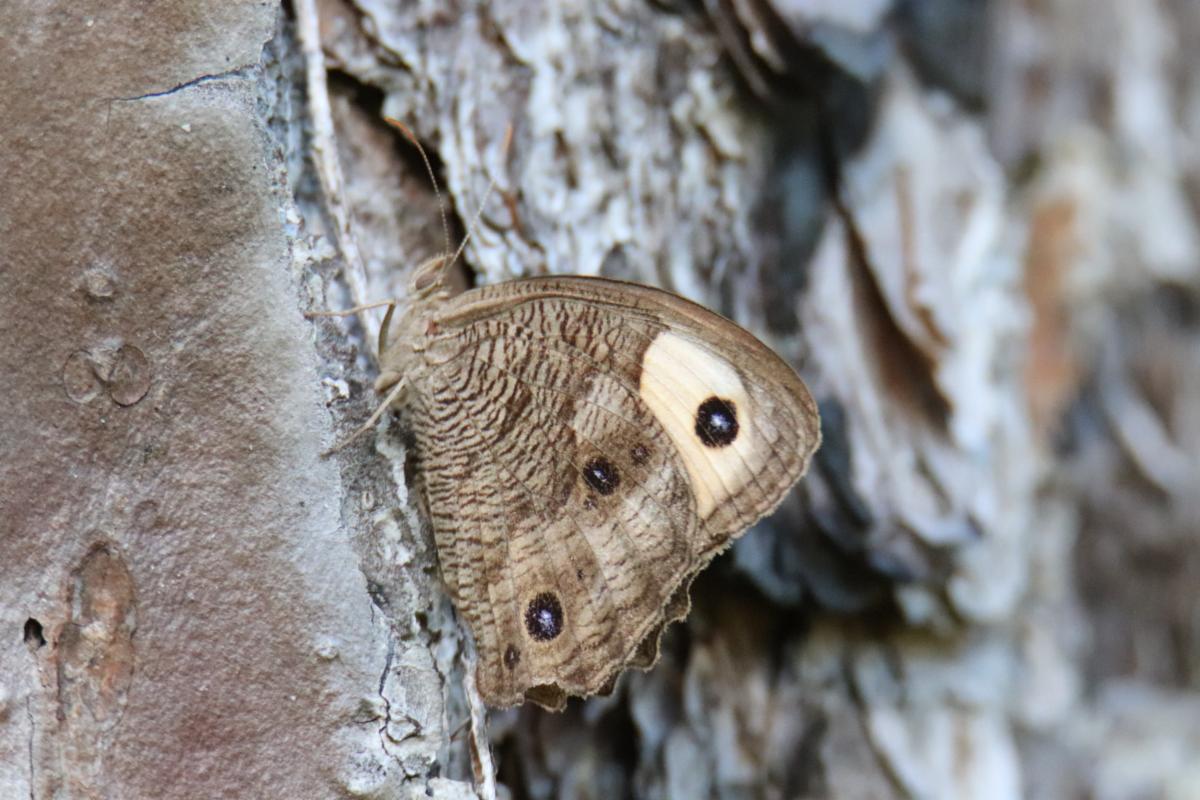
A maybe not so common butterfly: the Common Wood Nymph
Fluttering through the sun-dappled pine forests and grassy margins of northern Florida, the Common Wood-Nymph (Cercyonis pegala) is a master of understated charm. Though its soft, velvety brown wings might seem subtle from afar, a closer look reveals a striking pair of bright, yellow-ringed eyespots punctuated with iridescent blue centers on each forewing. In Florida and across the Southeast, these butterflies showcase a vibrant, creamy-yellow or orange patch that frames their forewing eyespots, creating a stunning contrast against their earthy, cocoa-colored undersides. Despite its name, the wood-nymph prefers wide-open spaces such as pine savannas, coastal meadows, and overgrown pastures where its erratic, bouncing flight path makes it look like a dancing brown leaf.
Unlike most flower-loving butterflies, adult wood-nymphs rarely sip nectar; instead, they prefer to feast on tree sap, rotting fruit, and fungi, drawing vital nutrients from decaying forest floors. They also possess specialized "ears" situated right at the swollen base of their forewing veins, allowing them to hear low-frequency sounds and sense approaching predators long before they arrive. When threatened, the prominent eyespots startle birds into striking the outer edges of their wings rather than their vital body parts, allowing the butterfly to escape with little more than a chipped wing. This blend of cryptic camouflage, specialized senses, and quirky diet makes Florida’s common wood-nymph a captivating treasure of the native ecosystem.
Sources:
https://alabama.butterflyatlas.usf.edu/species/details/39/common-wood-nymph
https://en.wikipedia.org/wiki/Common_wood-nymph
| | Become a member of the Longleaf Society today by clicking this graphic. Your monthly giving provides a tremendous boost to the Friends of St Marks Wildlife Refuge to keep providing the programs and services you have come to expect from this award winning organization. | | |
We Encourage our Friends to SHARE!
As almost all of you know, the Friends give 100% of their support to the St. Marks National Wildlife Refuge. An important way for you increase that support is to share our message. Therefore, when you get this newsletter, we encourage you to send it on to a friend. You can share it via email or through various other social media. Here's the link to the Friends Newsletter page. Scroll to the "current" entry and copy the link.
Text Courtesy Phillip Pollock
| | |
Bird Reports Assist Visitors
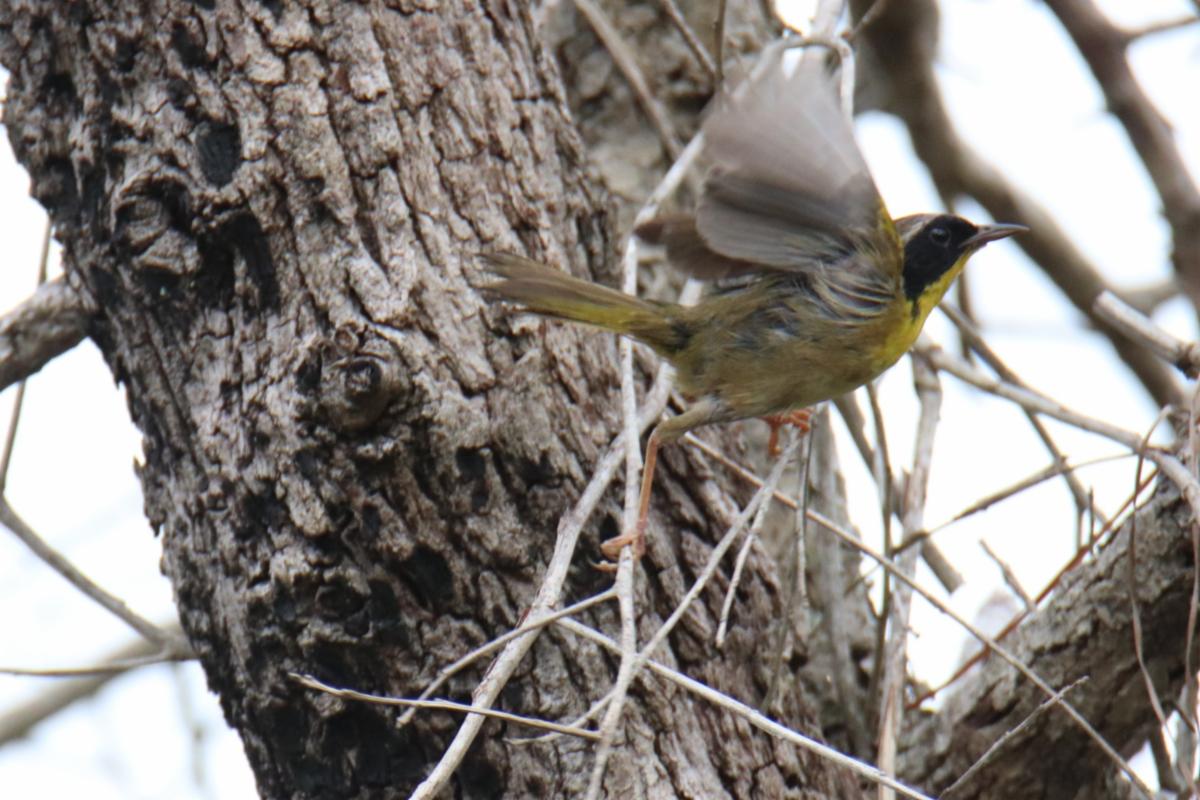
Don Morrow, St. Marks National Wildlife Refuge volunteer and expert birder, creates concise bird-sighting reports on a week-to-week basis. Read his current and past reports here.
Photo Courtesy Katasha Gruver
| | Have you considered including the Refuge in your will? The Friends of St. Marks Wildlife Refuge can provide information and guide you through the process. Just call the Refuge at 850-925-6121, and ask to be contacted by the Friends Board of Directors, or email us. | | |
Reflections newsletter is a benefit of membership for Friends of St. Marks Wildlife Refuge.
It also serves as an important supplement to
the Friends' website.
Both the newsletter and the web site provide members and the public information about volunteer activities and events at the Refuge.
Reflections editor: Katasha Gruver
| | | | |