|
Friends of St. Marks Wildlife Refuge
Reflections Newsletter - February 2026
| | |
Friends President's Message
Text and Photos Courtesy Katasha Gruver
Love and Legacy
“Legacy is not leaving something for people. It’s leaving something in people.” — Peter Strople
February often encourages us to think about love and the relationships that shape our lives. Many of you reading this newsletter already feel a strong connection to the St. Marks National Wildlife Refuge. Some might even say you love this place. I know I feel that way about this stretch of Florida coastline and the sense of calm and purpose it brings.
For some, though, their appreciation for the Refuge goes beyond their own personal experience with the land and wildlife. They see the Refuge as a community made up of the people who come here to explore, learn, and enjoy the outdoors. These individuals meet visitors where they are, whether it’s someone’s first visit or their hundredth. They share stories about recent wildlife sightings like an otter slipping through the water, an alligator sunning on the bank, or a long-awaited life bird, hoping others might have a similar moment of excitement. They offer tips about quiet trails or special spots that aren’t obvious on a map, helping others create memories that bring them back again and again.
Others show their dedication in quieter ways, working behind the scenes on tasks that are easy to overlook but essential to the Refuge’s success. Without their efforts, visitors would have fewer opportunities to experience the full range of what the Refuge offers. There would be fewer chances for young people to discover a career path, and fewer first encounters with nature that spark lifelong curiosity. Their work, whether it’s data entry, planning, or problem‑solving, is another form of care that directly benefits everyone who visits.
And then there are those who support the Refuge through their generosity. They give quietly and without expectation, yet their contributions help create the same opportunities and experiences that volunteers and staff work hard to provide. Their support is another steady, meaningful expression of love for this place.
All of these people, volunteers, donors, long‑time supporters, and Friends pour their time, energy, and heart into the Refuge. Because of them, the rest of us can simply drive out here whenever we want and trust that we’ll have a good experience. I always say, “The Refuge never disappoints”.
So during this month focused on love, we offer a sincere thank‑you to those who are leaving a lasting legacy at St. Marks National Wildlife Refuge. You know who you are. Your efforts enrich far more people than you may realize, and your legacy lives on in the experiences you help create.
Invite your friends to become our Friends and create heartfelt memories together!
| | |
Refuge Report
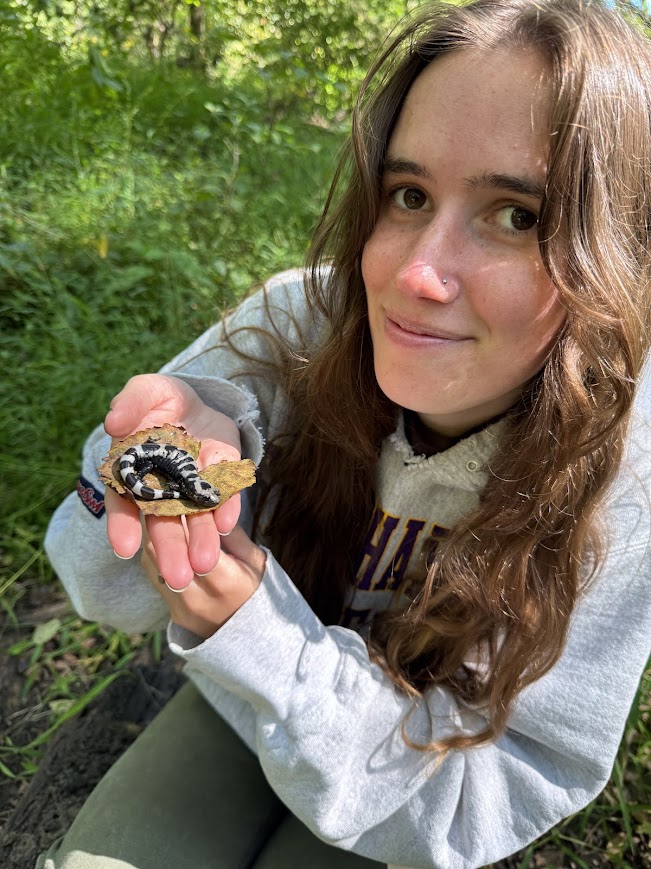
Welcoming Bethany Tibbetts, Spring Biology Intern
Hi folks! My name is Bethany Tibbetts, and I am so excited and grateful for the opportunity to get to work out here at St. Marks for the winter/spring 2026 season. This is such an amazing opportunity for me because it is allowing me to see a part of the country that I had never seen before, and to become fully immersed in all of the biodiversity the area has to offer!
I graduated in May of 2025 from the University of Vermont with a degree in environmental science and minors in Spanish and biology. I have always been interested in conservation, particularly involving aquatic ecosystems, so I was so excited to hear about this internship that aligned so closely with my passions and interests. In my free time I enjoy hiking, swimming, fishing, and looking for critters in various bodies of water. I have always loved spending time outdoors, and as a little girl when I learned that you could do that as a career I knew that was what I wanted.
I know that this opportunity is going to provide me with so much valuable experience that will help me with my future career goals. After the completion of this internship, I would like to keep bouncing around the country doing seasonal work for a while and eventually go back to school and get a Master's degree in something related to aquatic ecosystems or herpetology.
I am so thrilled at the chance to be here, and I intend on making the most out of these four months!
| | |
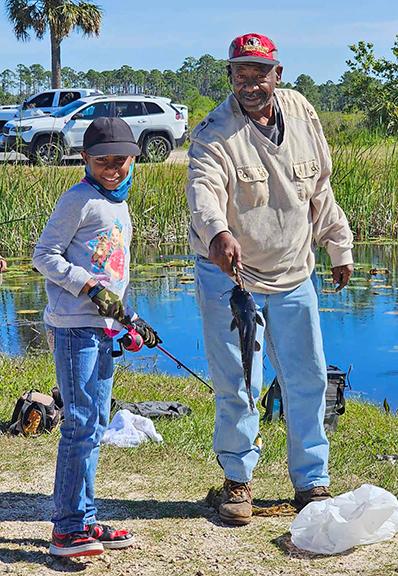
Family Fishing Day
Save the Date - April 4, 2026 from 9 to 12
Family Fishing Day is a family-friendly outdoor program designed to introduce children and their families to fishing while fostering an appreciation for conservation, outdoor recreation, and community partnerships.
Bring your sunscreen, hats, insect repellent, snacks, and beverage.
40 spots available. Online registration required.
To register, go the Refuge event listing on Eventbrite
**Fishing supplies provided while supplies last.
| | |
Nest Box Update: Winter Work, Wildlife Surprises, and Plenty of Mud
Text and Photos Courtesy Michael Hill
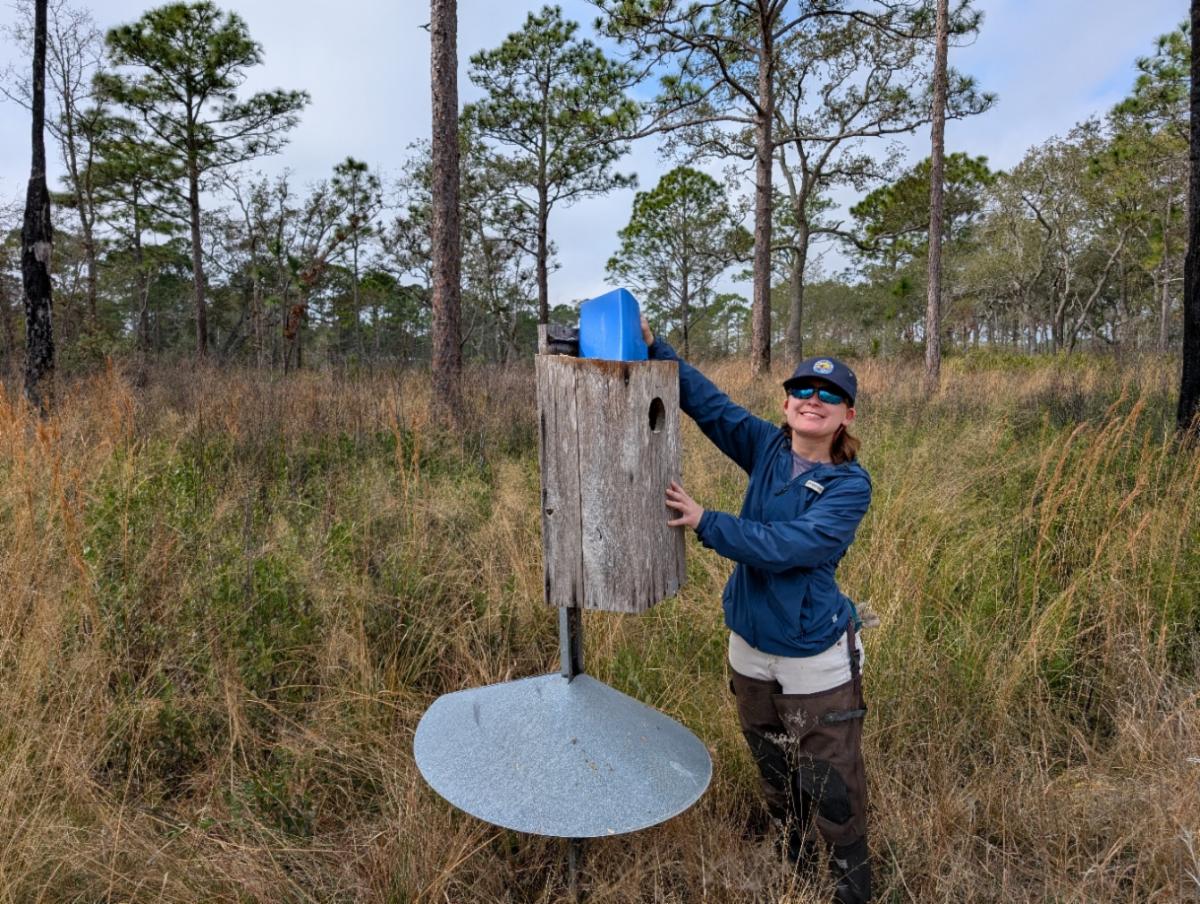
The nest‑box season is officially underway, and our team has already logged some memorable days in the field complete with low water levels, stubborn mud, and a few unexpected wildlife encounters.
Plum Orchard Pond: Clearing the Way for Wood Ducks and Warblers
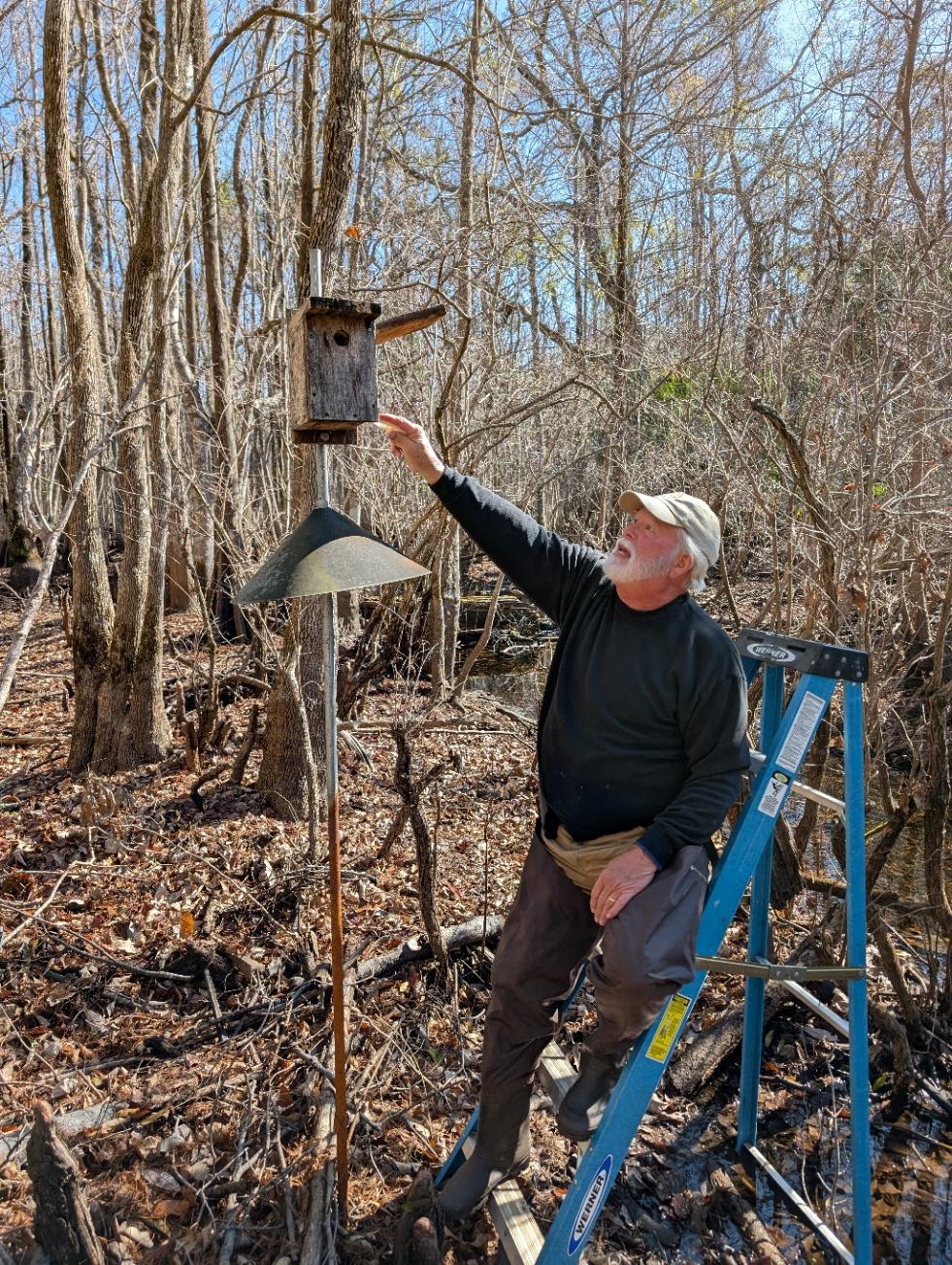
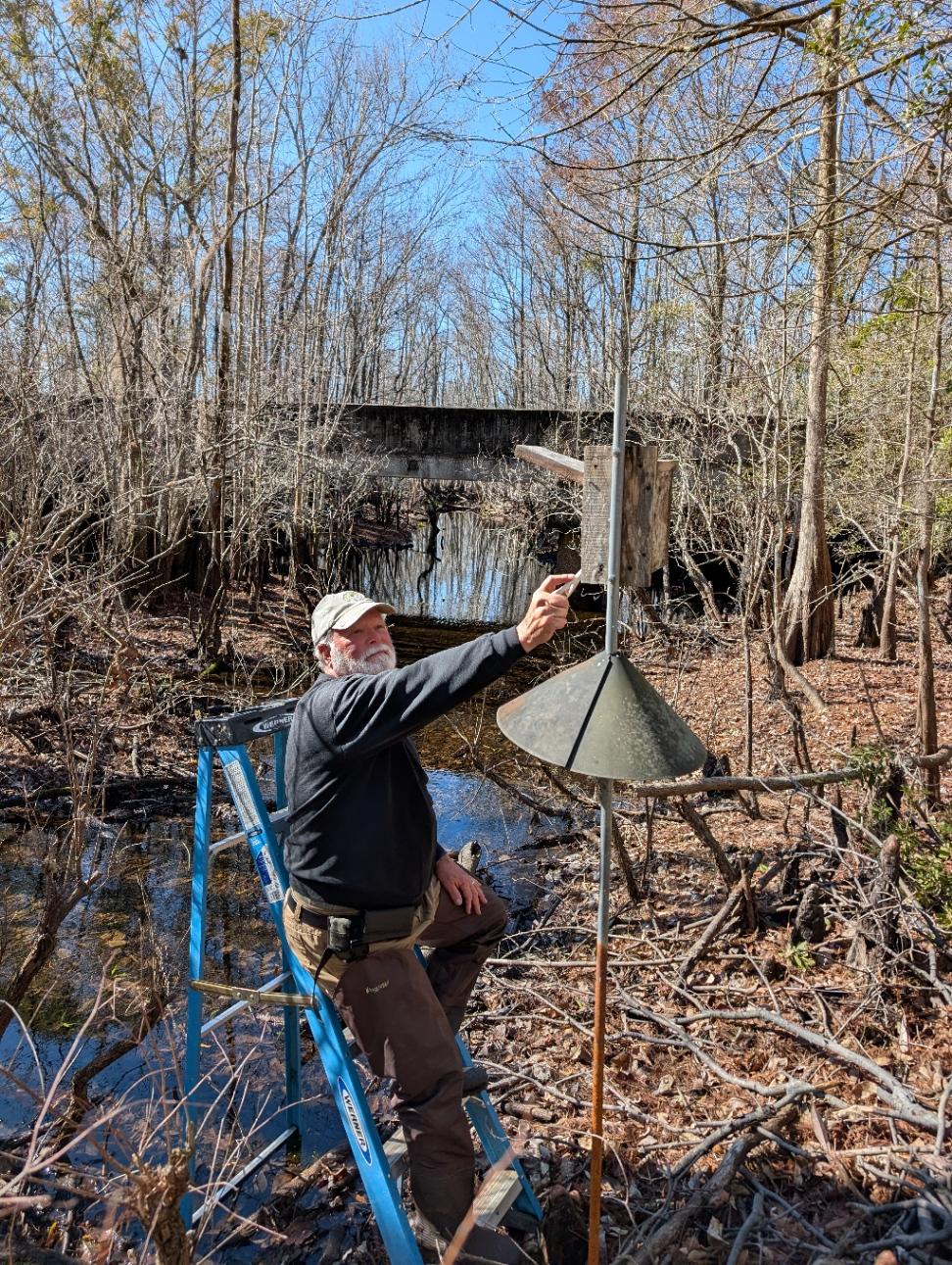
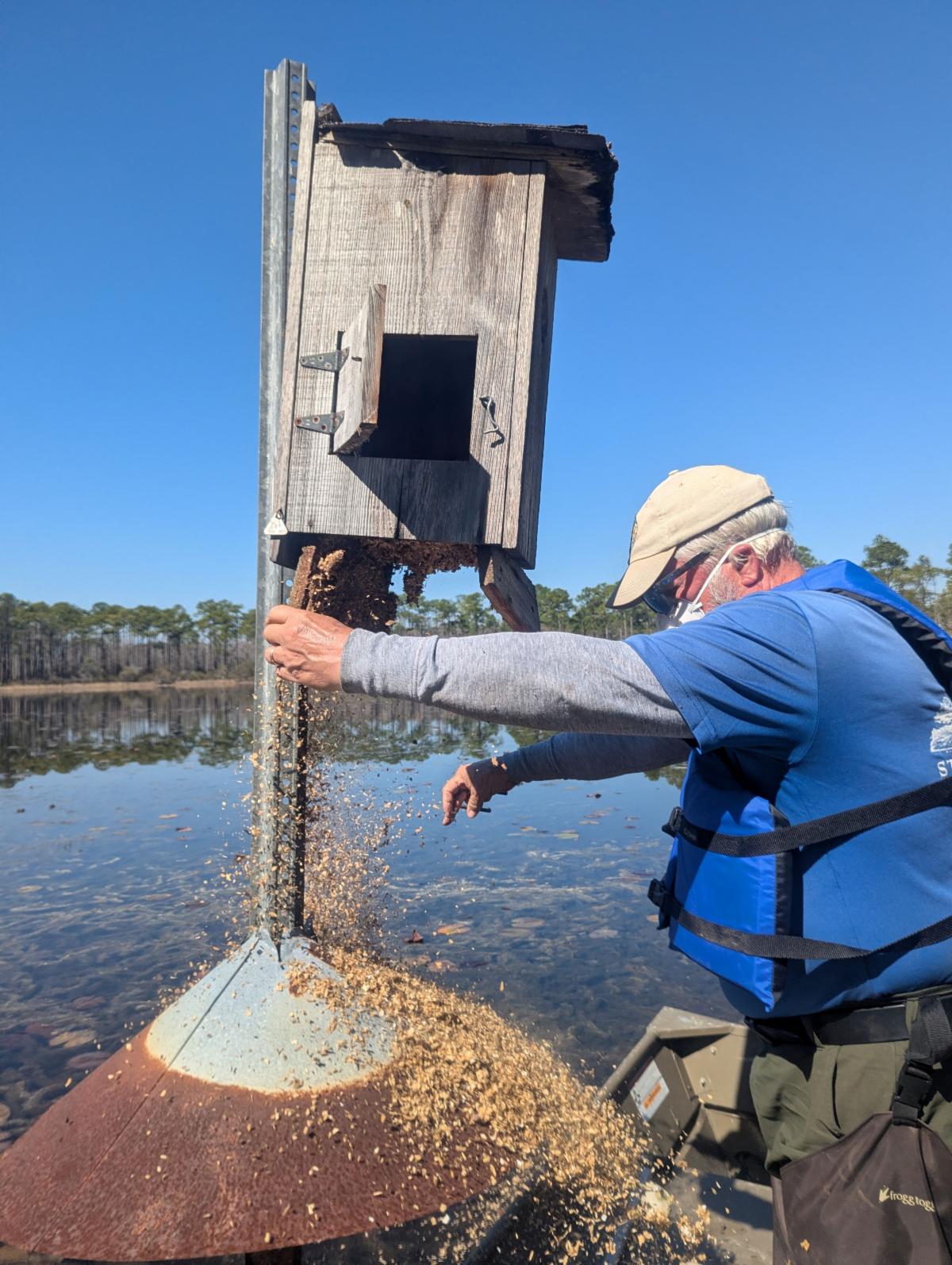
We began this year’s wood duck box cleaning at the northeast corner of Plum Orchard Pond. With invasive plants and unusually low water making the site inaccessible by boat, we hiked in on foot. The box there hadn’t been used last season, and after confirming it remained unused, we removed it entirely. The final remaining box on the southeast corner is severely weathered and will be replaced soon.
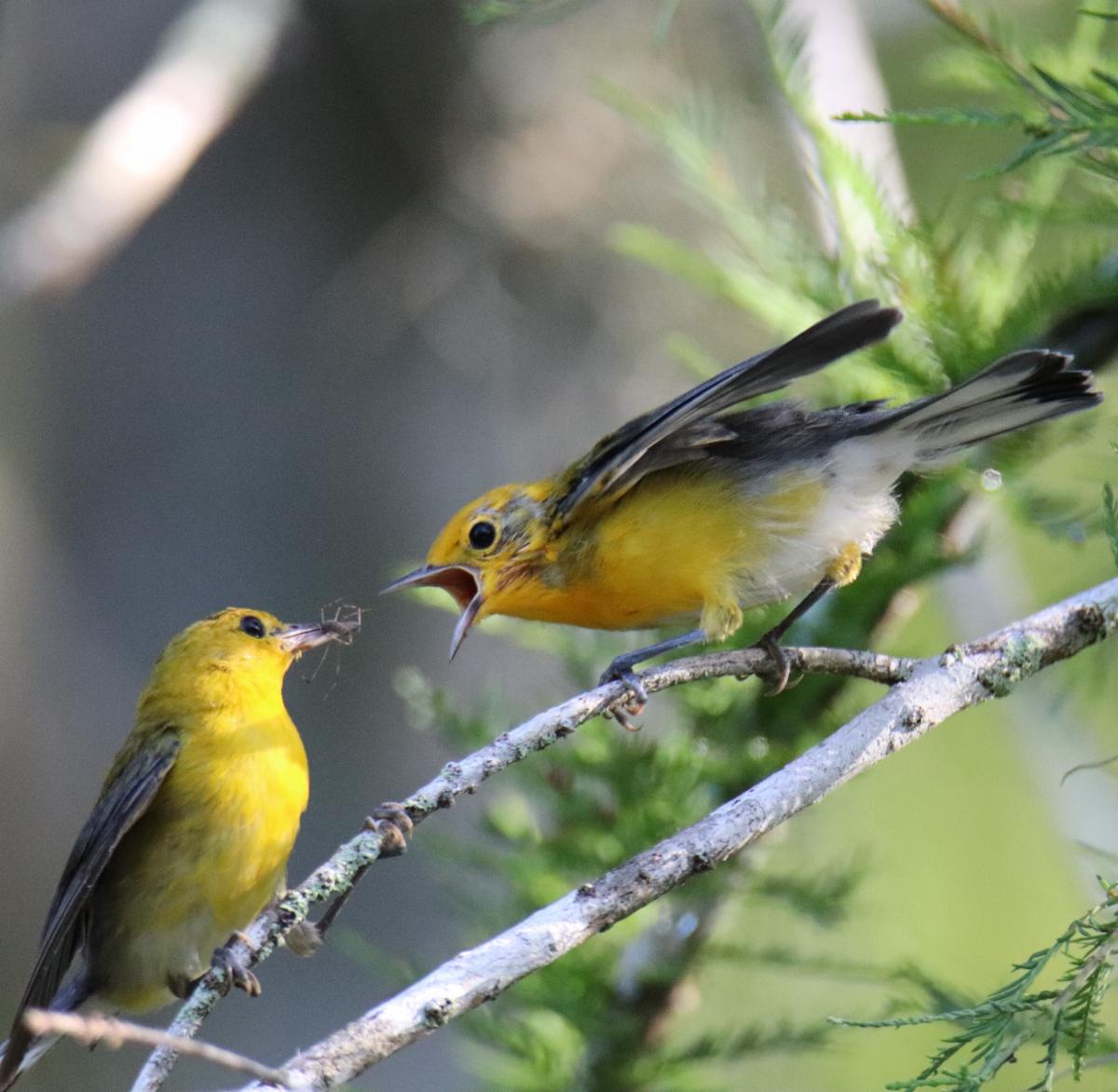
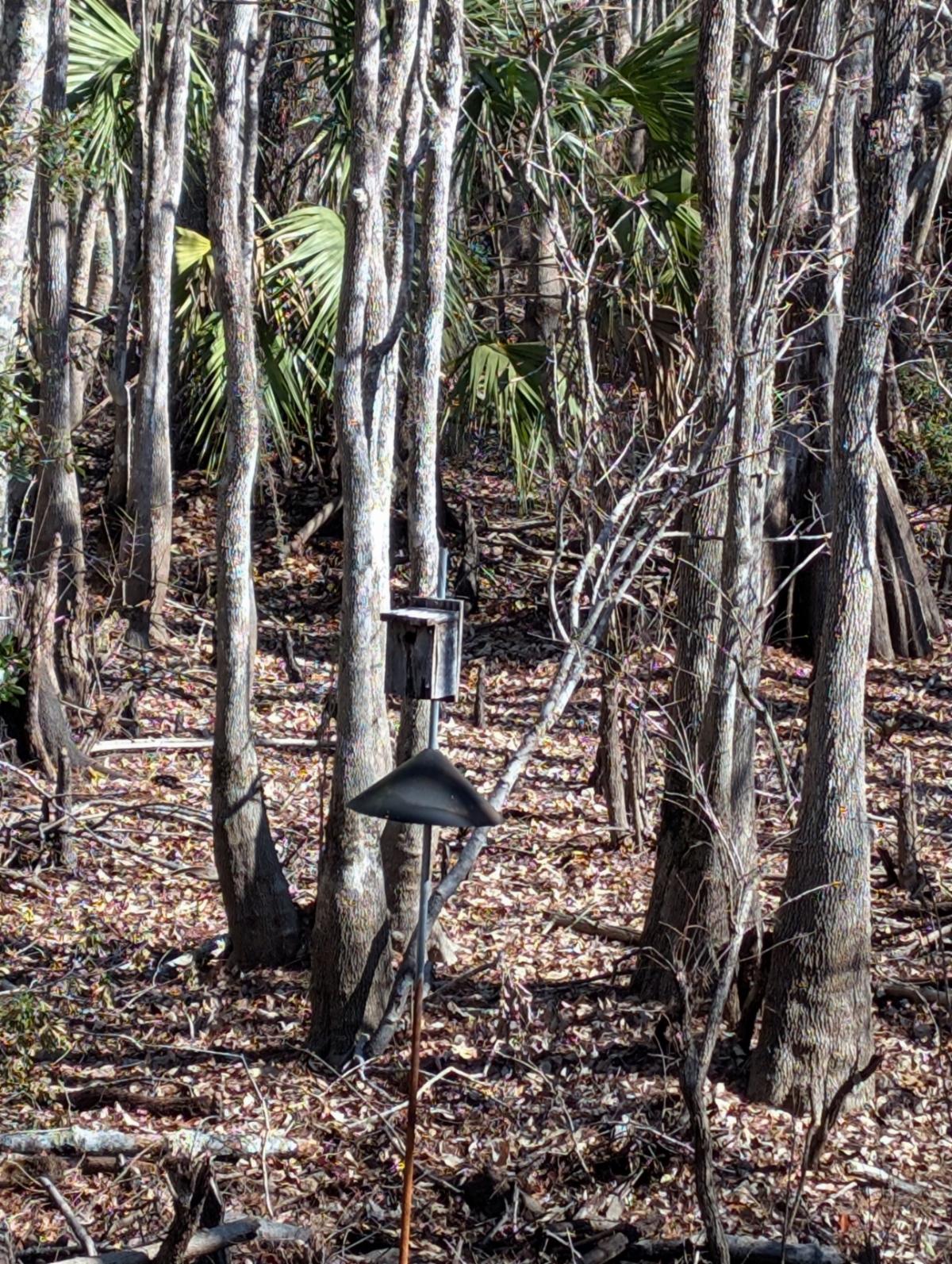
The highlight of the day, though, came from the Prothonotary Warbler (PROW) boxes installed about five years ago near the Twin Bridges. Two of the three boxes showed signs of use last year, a rewarding discovery. These tiny warblers build their nests one aquatic fern leaf or cypress leaf at a time, slowly filling the cavity nearly to the entrance hole. One of the original boxes showed significant wood rot, and we plan to reinforce it with new oak boards before the nesting season begins.
| | |
Fox Lake and Stella Pond: A Workout and a Mixed Bag of Nesting Activity
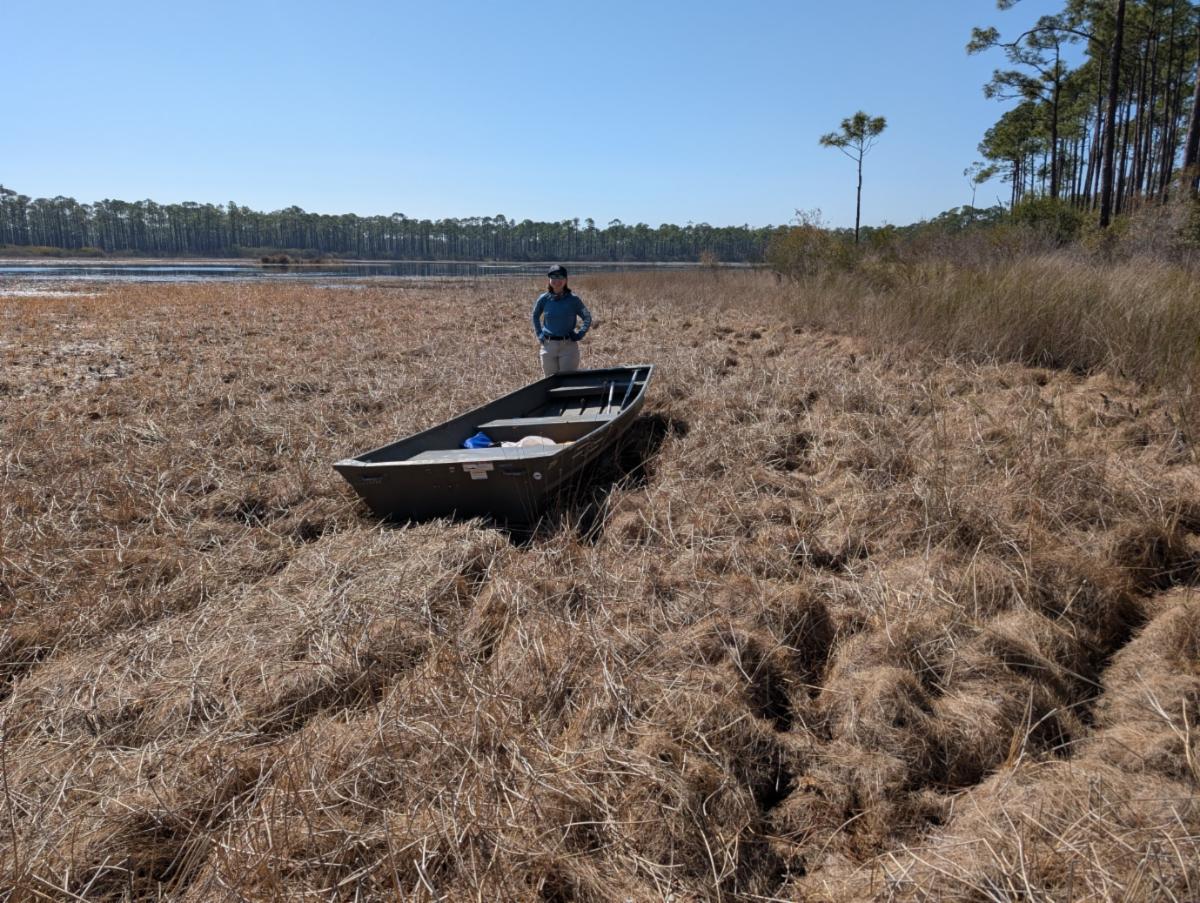
Heather and I spent Friday the 13th tackling boxes at Fox Lake and across the Panacea Unit. With water levels down nearly three feet, we found ourselves dragging the jon boat roughly 80 yards across exposed lakebed; an unplanned but effective workout.
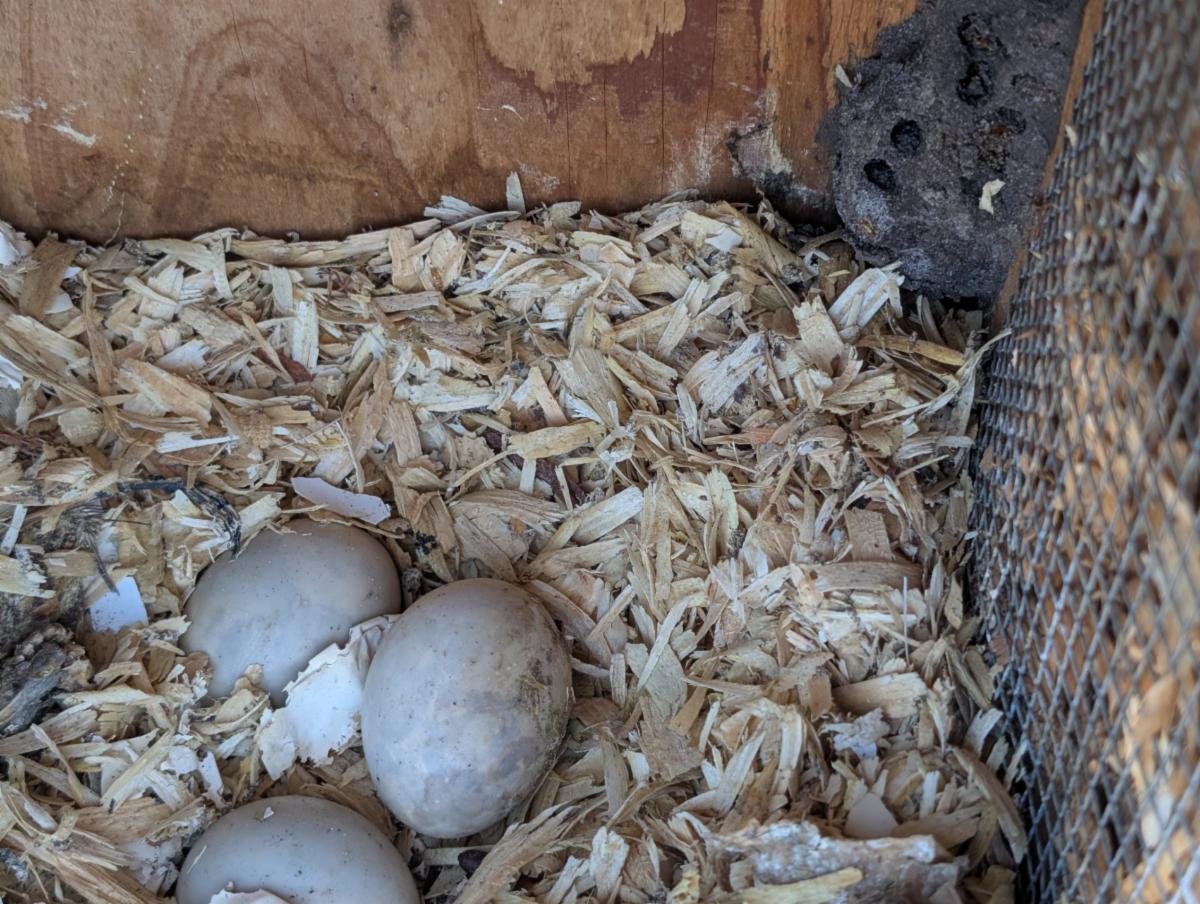
At Fox Lake, both wood duck boxes had been used. Stella Pond offered easier access thanks to a usable dirt launch, and we cleaned three boxes there. One had severe rot in both the bottom and roof, so we dismantled it to prevent a hen from attempting to nest in unsafe conditions. Another box showed no use, while the third had been taken over by bluebirds, a common occurrence on some lakes, including Silver Lake.
| | |
Wind, Mud, and a Tiny Bat: A Day of Refurbishing
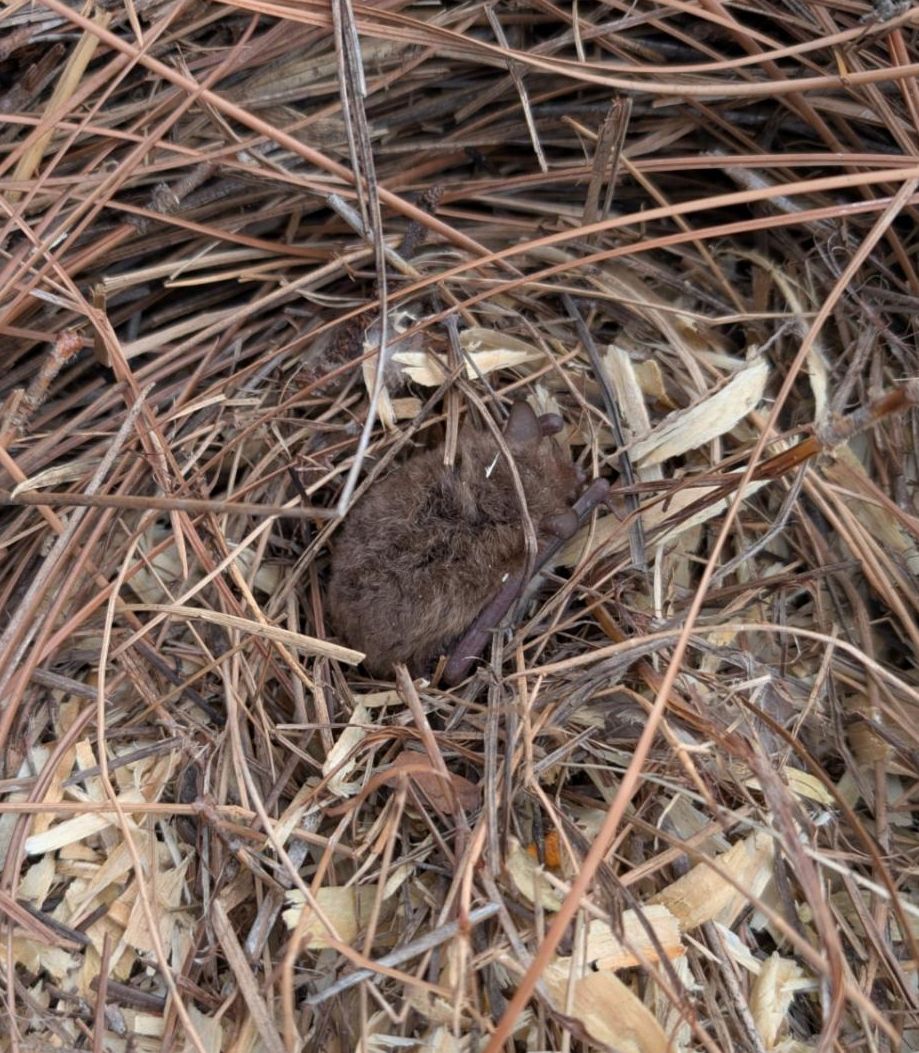
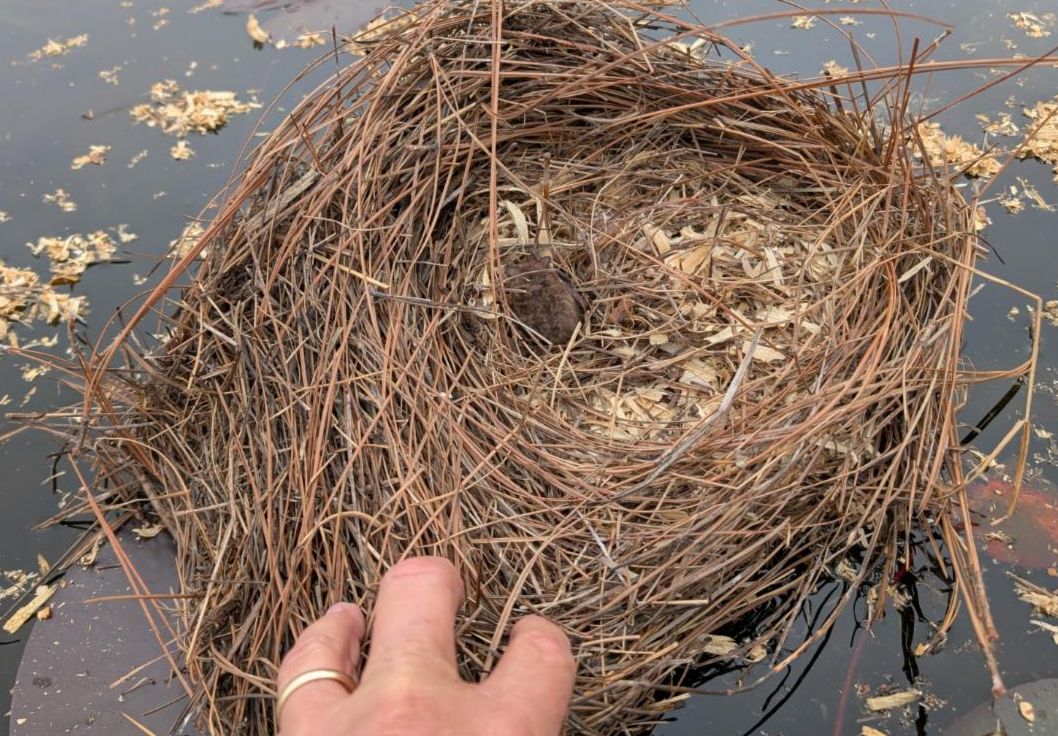
On our most recent outing, Heather and I refurbished four wood duck boxes across two lakes. Strong winds—steady at 20 knots—cut our day short, and drought conditions once again forced us to drag the boat through mud. Even so, the day delivered a remarkable surprise: a tri‑colored bat (Perimyotis subflavus), North America’s smallest bat, tucked inside one of the boxes.
The bat had settled atop an eastern bluebird nest, which itself sat atop an old wood duck nest,a perfect snapshot of how many species make use of these structures. After gently placing the bat on the water’s edge, we transferred him into a freshly cleaned and cozy wood duck box before closing it up.
We still have 12 boxes left to complete, which will take at least two more workdays, but the season is off to a productive and inspiring start.
| | |
The Florida National Scenic Trail in St. Marks National Wildlife Refuge
Text Courtesy Robin Will
Photos Courtesy Katasha Gruver
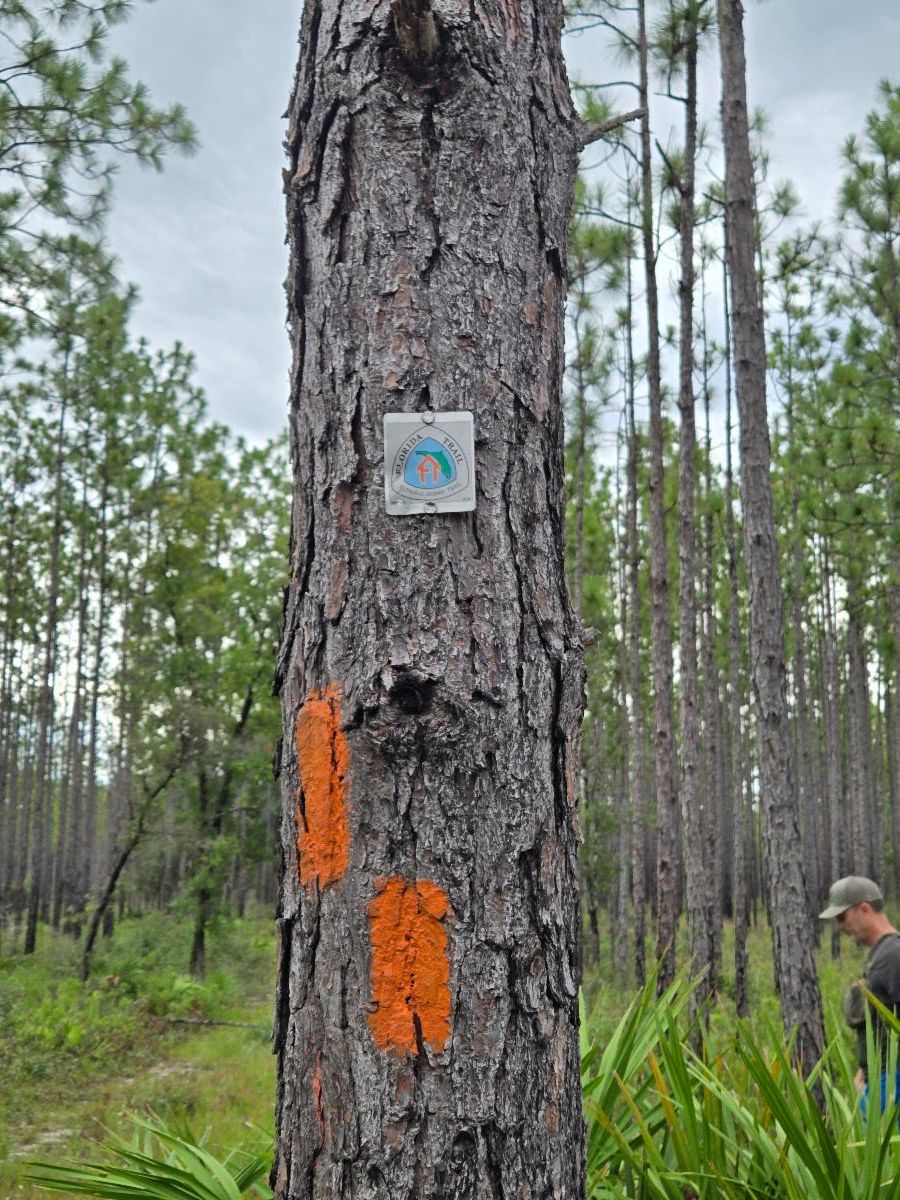
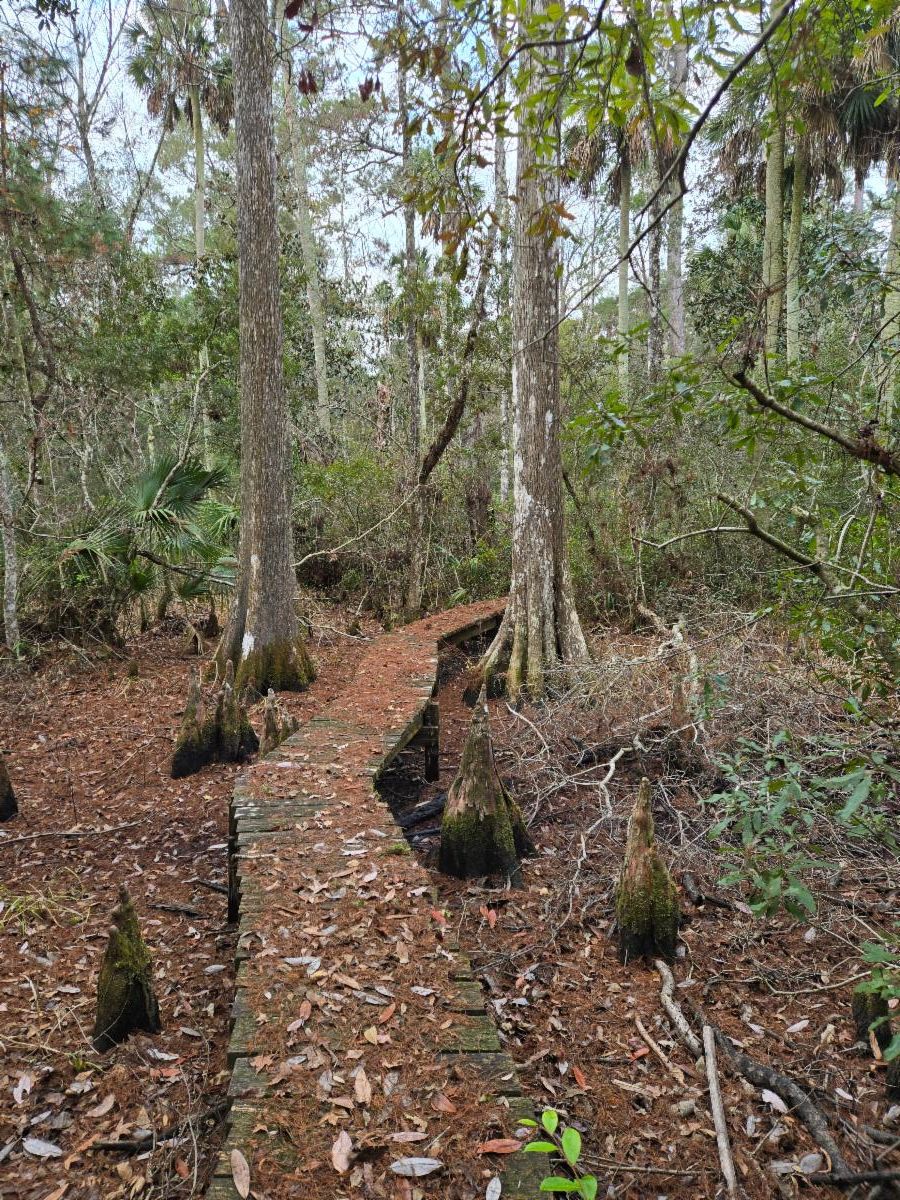
The Florida National Scenic Trail is one of only eight National Scenic Trails in the United States. This 1,500 mile trail traverses the length of the state from Big Cypress National Preserve to Gulf Islands National Seashore, and is maintained by the nonprofit Florida Trail Association, incorporated in 1964 (http://www.florida‐trail.org) and partners. St. Marks NWR is the only National Wildlife Refuge in Florida to offer a segment of this unique trail for hiking.
As a National Wildlife Refuge, St. Marks is managed to protect and enhance habitat for endangered species, waterfowl and native wildlife. Hikers will see evidence of forest and marsh management along this section of the Trail. Prescribed burns throughout the year may cause Trail segments to be closed temporarily. All plants and wildlife are protected by Federal law. As the Refuge encompasses a fragile environment, it is hoped that all trail users will respect the land and wildlife and leave it as they would like to find it.
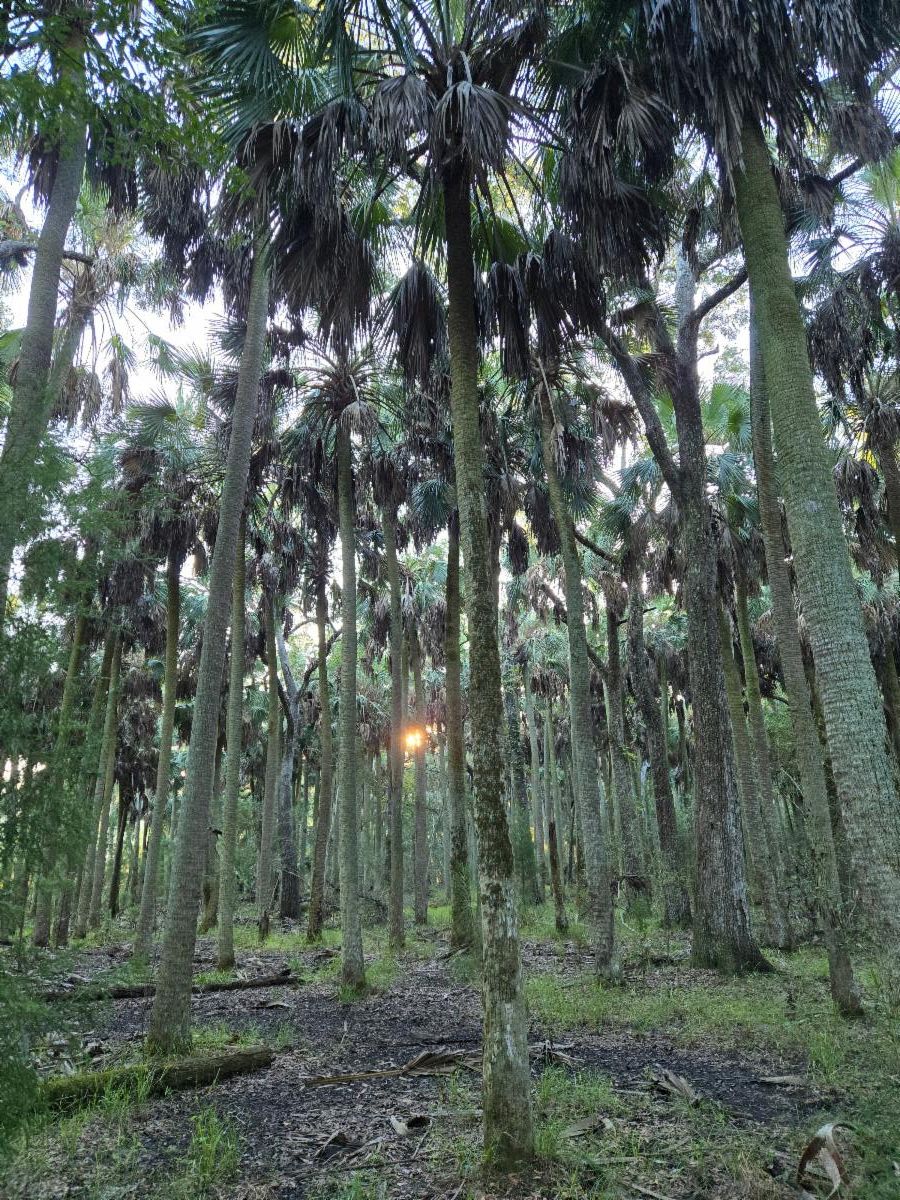
St. Marks National Wildlife Refuge encompasses over 87,000 acres of land along the Gulf of Mexico and is one of the oldest refuges in the National Wildlife Refuge System. Within the refuge is a wide diversity of sensitive habitats that provide food, cover, and protection for wildlife. Natural salt marshes, tidal flats, and freshwater impoundments attract thousands of waterfowl and other water birds. Hardwood swamps are home to night herons, black bears, and raccoons. Pinewoods offer food and cover for turkey, deer, owls and woodpeckers. Alligators bask year ‘round in the open marshes and swamps.
The Refuge has long been a major destination for birdwatchers and wildlife observers; but as anyone who has trekked the Refuge’s 45‐mile portion of the Florida National Scenic Trail or the other Refuge trails will tell you, there are hidden treasures here for everyone!
On March 8, from 2pm to 3pm at the Leon County Public Library, St. Marks NWR Trail Master and forester Travis Pollard will share his experiences walking the Florida National Scenic Trail and working on the St. Marks NWR segment. Please watch for registration and details on the Friends of St. Marks Wildlife Refuge website.
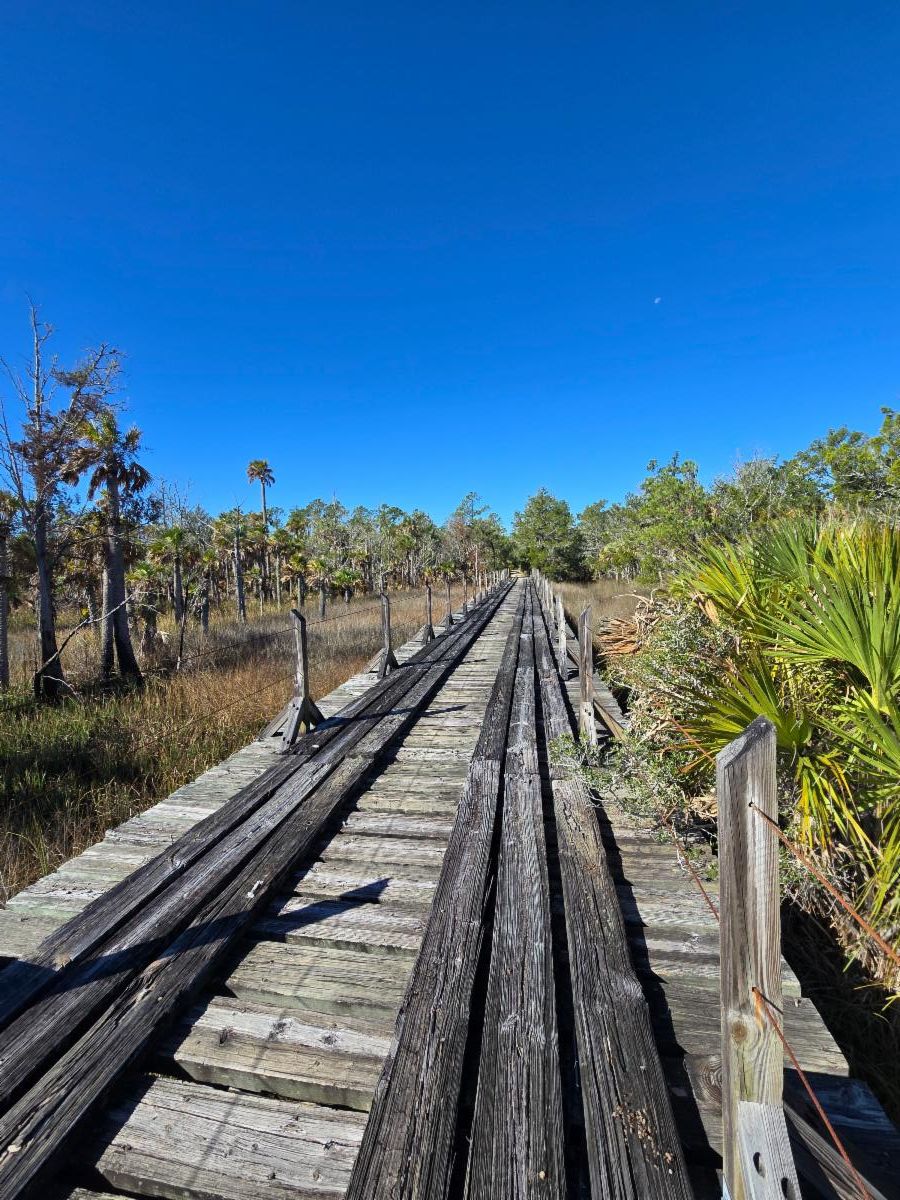
| | Bridge over Pinhook River on Florida Trail | | Bridge on Saw Dust Trail section of the Florida Trail | | Cathedral of the Palms section of the Florida Trail | | Become a member of the Longleaf Society today by clicking this graphic. Your monthly giving provides a tremendous boost to the Friends of St Marks Wildlife Refuge to keep providing the programs and services you have come to expect from this award winning organization. | | |
We Encourage our Friends to SHARE!
As almost all of you know, the Friends give 100% of their support to the St. Marks National Wildlife Refuge. An important way for you increase that support is to share our message. Therefore, when you get this newsletter, we encourage you to send it on to a friend. You can share it via email or through various other social media. Here's the link to the Friends Newsletter page. Scroll to the "current" entry and copy the link.
Text Courtesy Phillip Pollock
| | |
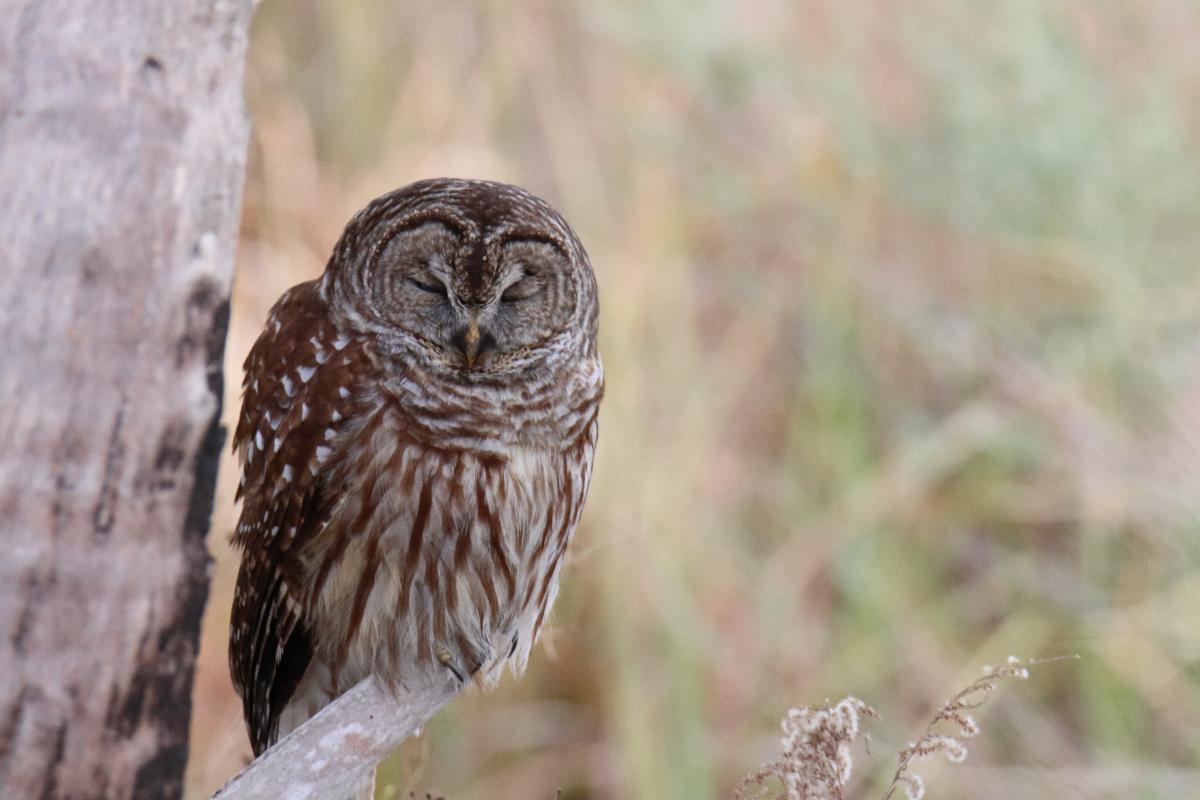
Bird Reports Assist Visitors
Don Morrow, St. Marks National Wildlife Refuge volunteer and expert birder, creates concise bird-sighting reports on a week-to-week basis. Read his current and past reports here.
Photo Courtesy Katasha Gruver
| | Have you considered including the Refuge in your will? The Friends of St. Marks Wildlife Refuge can provide information and guide you through the process. Just call the Refuge at 850-925-6121, and ask to be contacted by the Friends Board of Directors, or email us. | | |
Reflections newsletter is a benefit of membership for Friends of St. Marks Wildlife Refuge.
It also serves as an important supplement to
the Friends' website.
Both the newsletter and the web site provide members and the public information about volunteer activities and events at the Refuge.
Reflections editor: Katasha Gruver
| | | | |