|
February 4, 2026
--Leslie R. Dye, MD, FWCPDOH
“According to the World Conservation Union, invasive alien species are the second most significant threat to biodiversity, after habitat loss”.
|
| | |
Bad Seeds
While most of my gardening memories from childhood are good, there are some, like weeding in the hot summer, that are not. But one of the joys was having a canned tomato or frozen green bean from last season’s garden in the middle of winter. But even choosing seeds can be complicated.
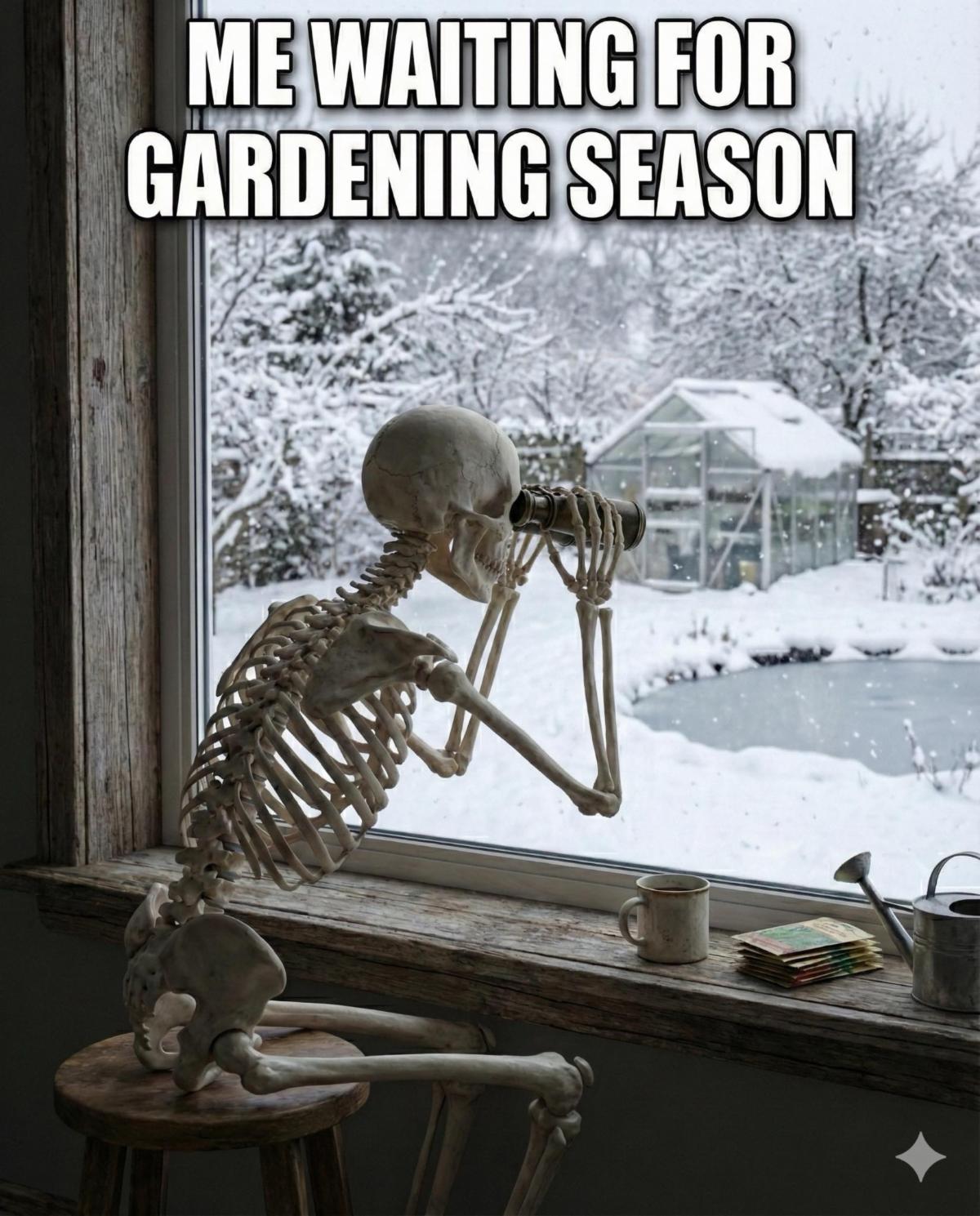
It seems that there are scams and cautions about everything, including purchasing or receiving plant seeds. As the winter chill sets in, many fantasize about spring sowing and start planning their upcoming gardens by February or early March. Not only do we want good seeds that will germinate, but we also want to avoid introducing invasive species into our biome.
So far, artificial intelligence cannot plant seeds (I might be wrong on this one)!
| | | |
Here are some tips that can be helpful:
Using Seeds obtained from produce
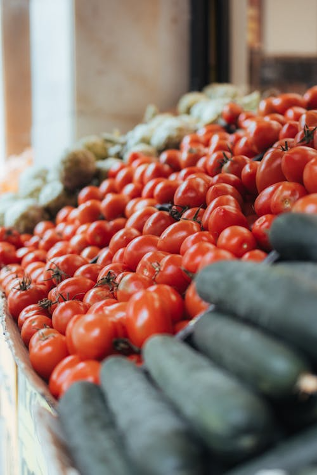
Seeds harvested from fruits and vegetables purchased at a store may or may not produce fruits or vegetables when planted. Many are hybrid products (cross-pollinated to produce a desired effect) and, even if they sprout, they likely won’t yield fruit or vegetables. You may have better luck with produce purchased at a local farmer’s market, particularly “heirloom” varieties.
| | | |
Seed label terminology
It is also important to understand the terminology when purchasing seeds:
-
Non-GMO: seeds have not been engineered genetically
-
Heirloom: seeds that have been saved and passed down from one generation of small and local farmers to the next without any modification. Technically, heirloom varieties must have been passed down for at least 50 years.
-
Organic: seeds have been harvested from plants grown without synthetic fertilizers, genetic engineering, pesticides, or irradiation.
-
Open-pollinated: seeds from plants that have been pollinated by insects, wind, birds, humans, or other natural methods.
-
Hybrid: seeds from plants that have been cross-pollinated with different-but-related plants over several generations.
Look for companies that clearly label their varietals and if you are growing a non-GMO garden, find those who have signed the Safe Seed Pledge, a commitment by seed companies to not knowingly buy, sell, or trade genetically engineered (GE) seeds.
| | (Facebook seed and plant swap group) | | |
Seed Swaps and Seed Libraries
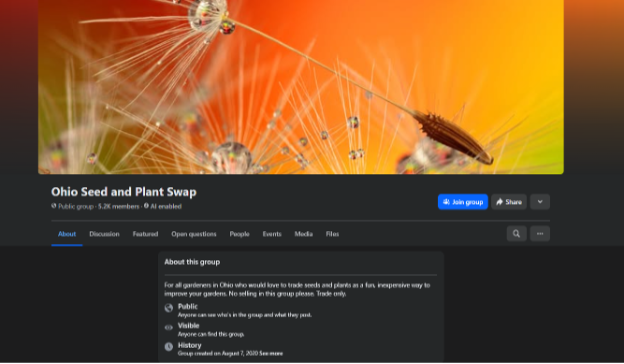
There are Facebook groups that one can join to swap seeds. It is a fun and relatively inexpensive way to enhance your garden. Some sites, like “Ohio Seed and Plant Swap” have trade only. Many seed swaps occur at the end of January.
| |
The annual seed exchange in Waynesville is February 5 at 5pm-6:30 pm at The Mary L. Cook public library. Per the annual seed exchange website from the library, “Come join us for the annual seed exchange. Bring seeds if you have them or just come and make new friends and get some seeds to start your own little garden.”
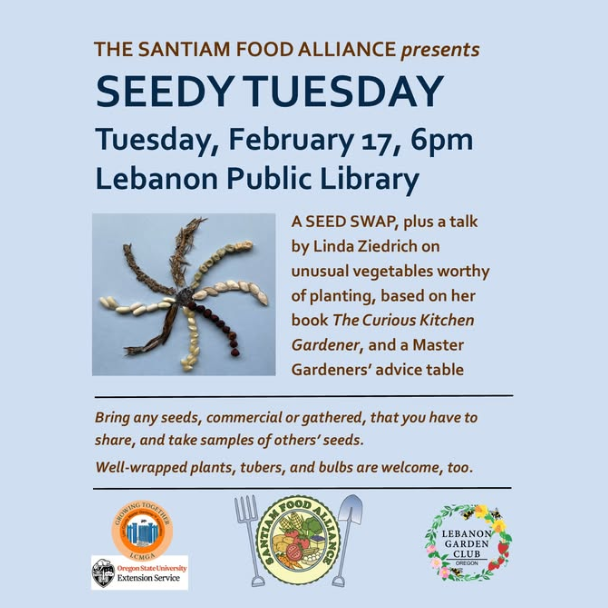
On February 17 at 6pm, there is a “Seedy Tuesday,” at the Lebanon Public Library that includes a seed swap and a presentation about unusual vegetables.
| | | |
There are also seed libraries.
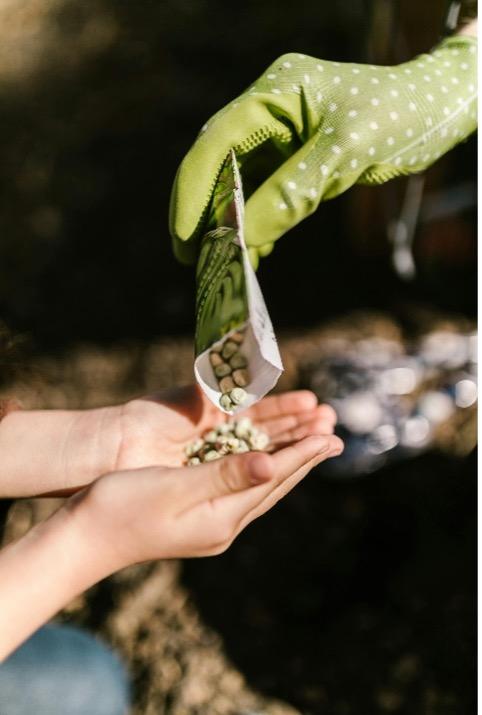
A seed library is a place where community members can get seeds free or for a nominal fee for the public benefit. Many seed libraries are open in public libraries and community centers. For some communities, getting folks to garden and grow some of their own food is the focus. For other communities, seed libraries may be created as an important step to develop a network of seed savers, to create locally adapted varieties, to respond proactively to climate change or loss of gene integrity due to GMOs or to preserve genetic diversity. Seed saving is something humans have done for over 10,000 years.
Many save their seeds after harvest to donate, but some donate leftover seeds after planting. Among other information, seed labels from libraries may provide the plant name and indicate how likely the seeds are to produce plants resembling the parent. The term “easy” in this context has nothing to do with ease of growing the plant.
For more information go to link: https://seedlibraries.weebly.com/
Some garden centers offer free seeds to charitable organizations, or for school or church projects.
| | | |
Risks to be aware of:
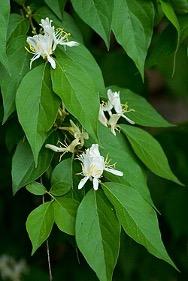
- Invasive Species: Seeds from outside your region can become invasive and outcompete native plants, harming local ecosystems.
-
Genetic Contamination: Swapping open-pollinated seeds with hybrids (F1) means saved seeds won't grow true to type; foreign genetics can also disrupt local plant populations.
-
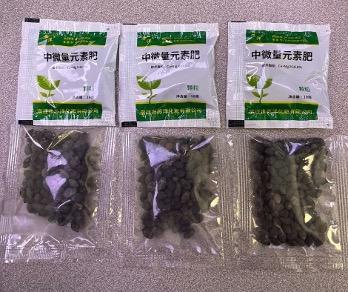
Mislabeled or Counterfeit Seeds: Online sellers or unvetted swap participants might mislabel seeds or sell AI-generated false promises, leading to disappointment.
- Pests & Diseases: While low risk, there's a possibility of spreading plant diseases or pests if seeds aren't properly handled, especially across different regions.
-
Patent Issues: Saving and sharing seeds from patented hybrid varieties is illegal.
| |  | |
How to swap safely:
- Know Your Source: Prioritize local swaps and seed libraries where participants often understand regional needs.
- Label Clearly: Always label seeds with the variety, date, and location/source to ensure clarity for others.
-
Focus on Heirlooms/Open-Pollinated: Choose these for saving seeds, and avoid hybrids if you plan to regrow from saved seeds.
- Research: Verify sellers online and know what's appropriate for your specific local climate and ecosystem.
- Communicate: Set clear expectations about what's being shared and encourage responsible sharing.
| | |
Intrepid gardeners, the snow will melt!
Take precautions now to make 2026 your best harvest ever!
| | | | |