|
Dear Friends,
I want to start by wishing you all a Shanah Tovah - a wonderful, happy and healthy new year, as well as Gemar Hatimah Tovah - that you and your loved ones should be sealed in the Book of Life for 5786 (and far beyond).
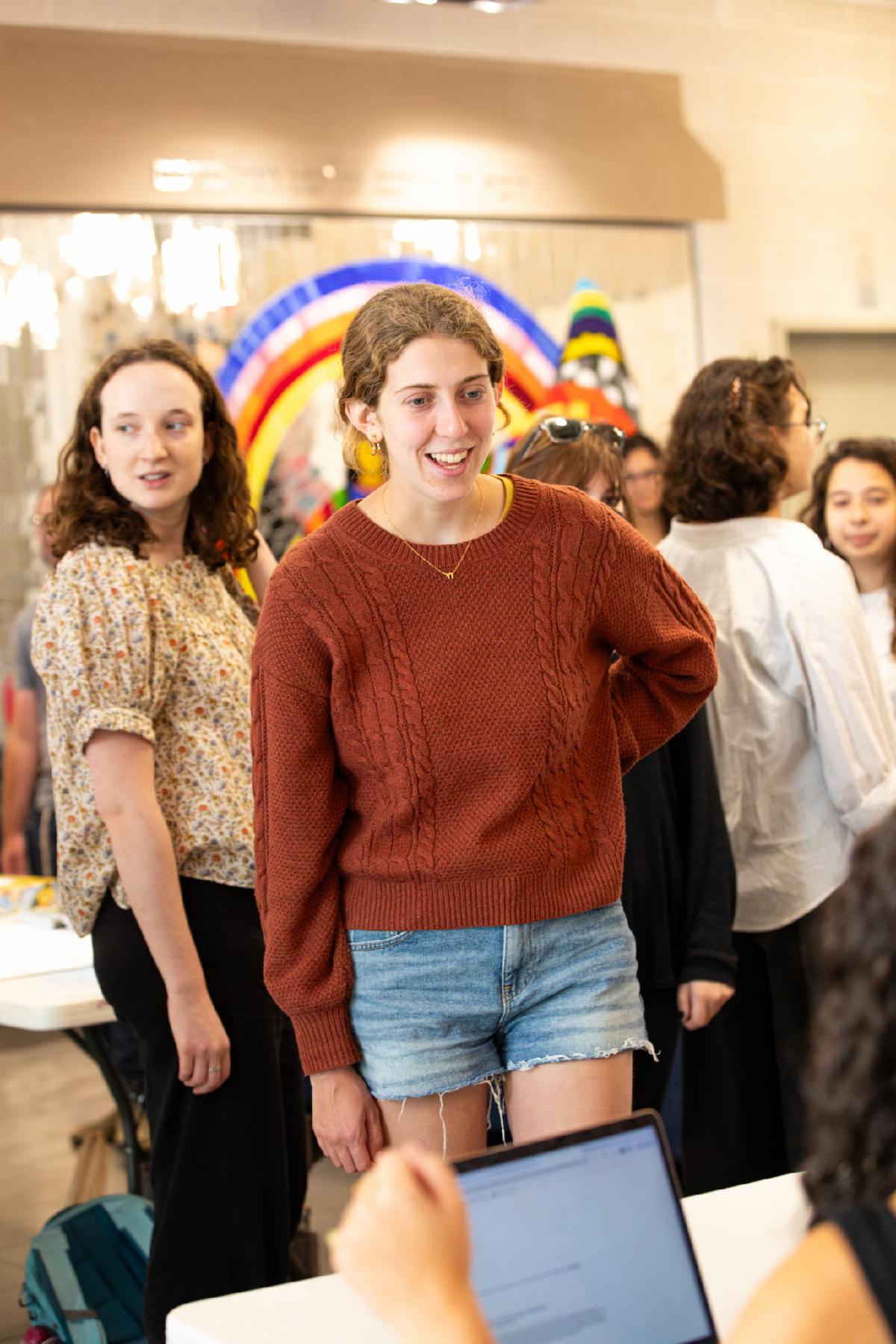
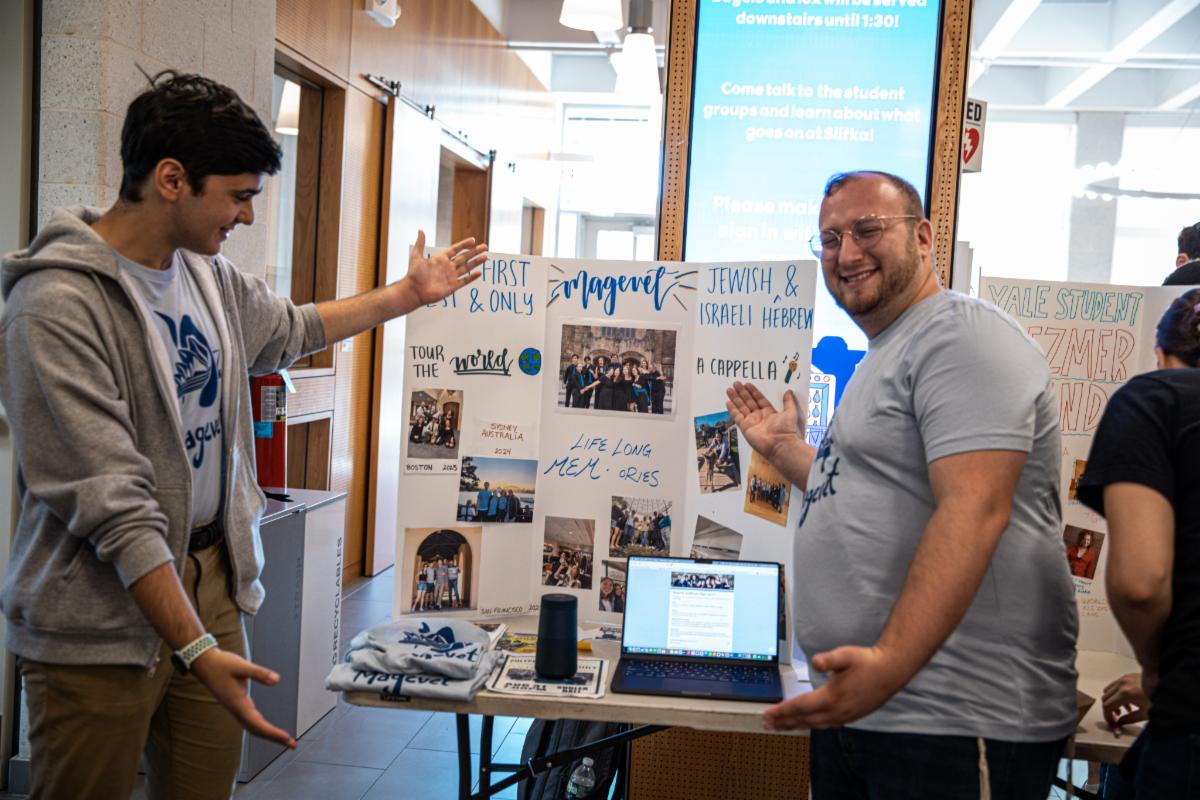
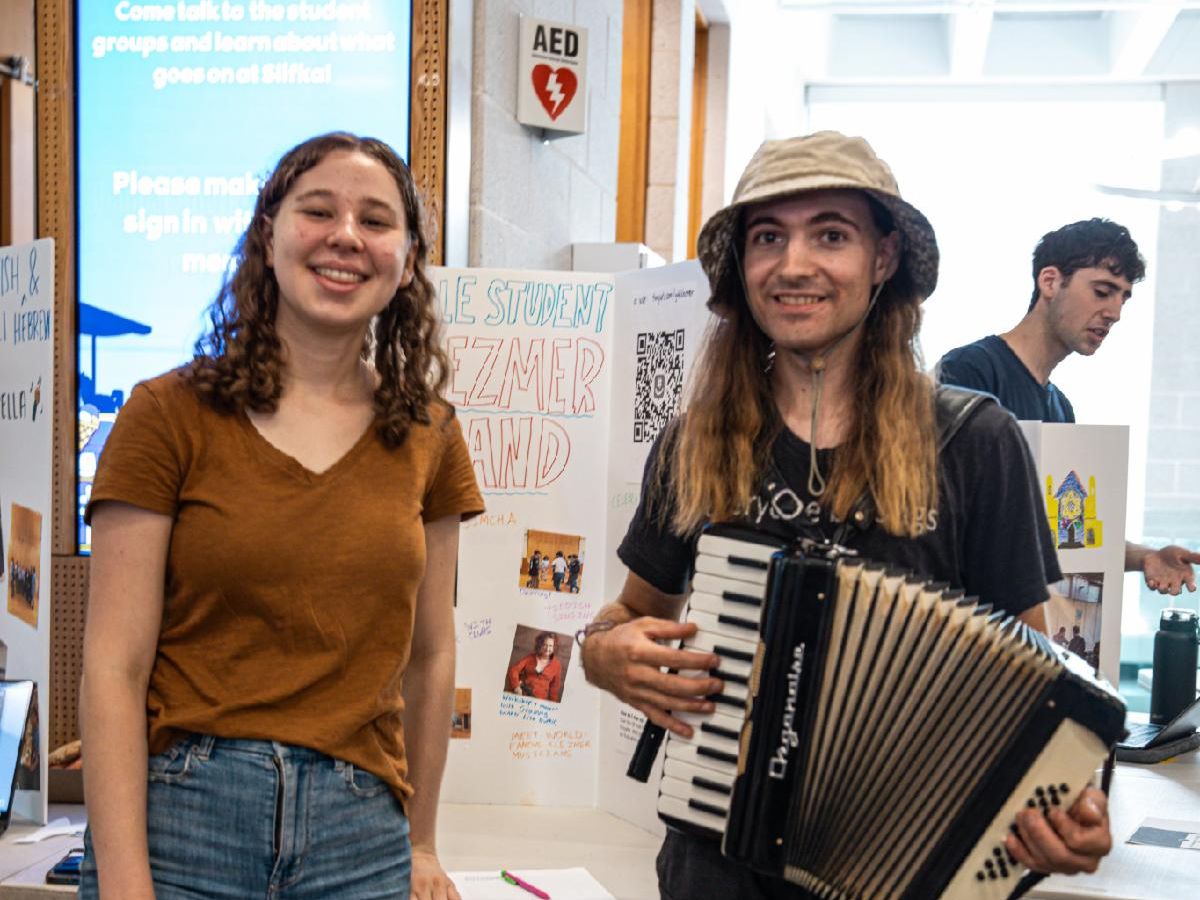
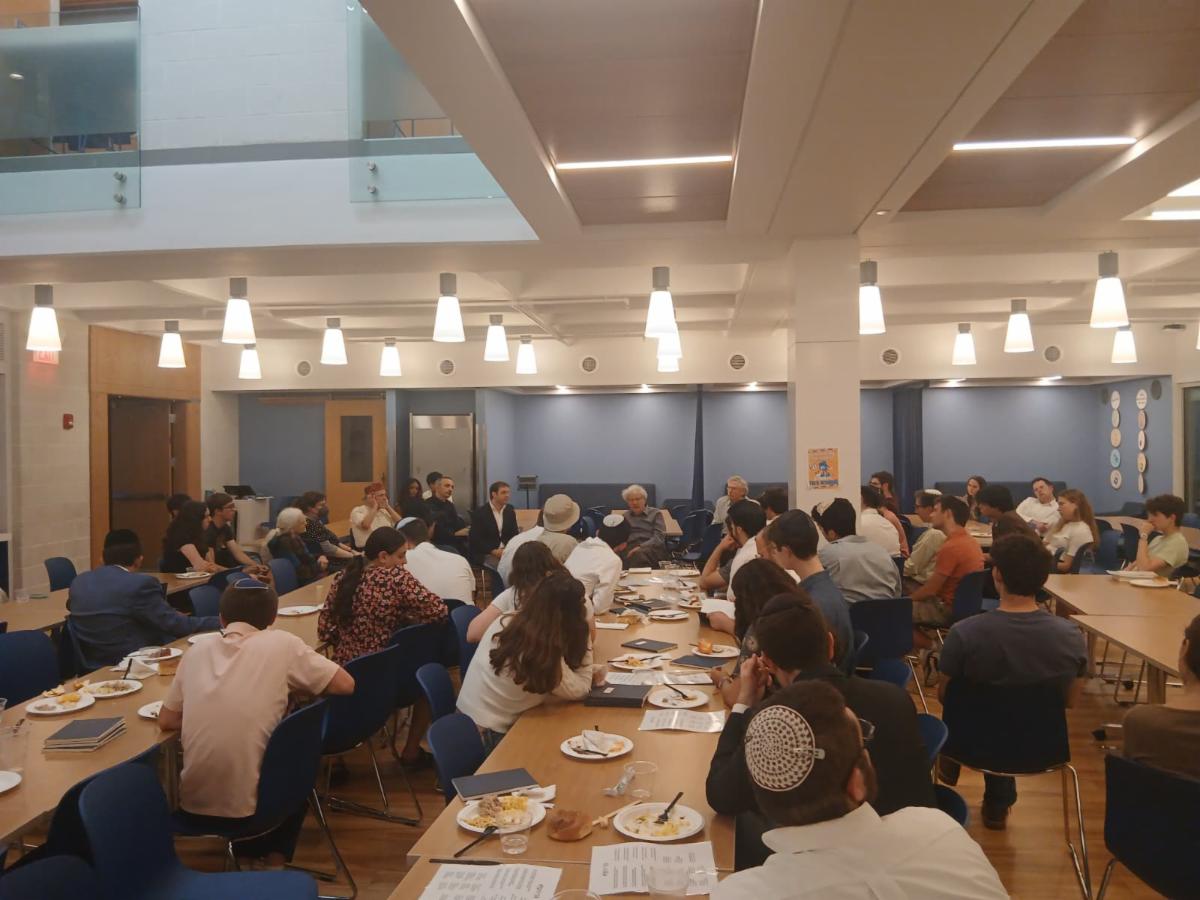
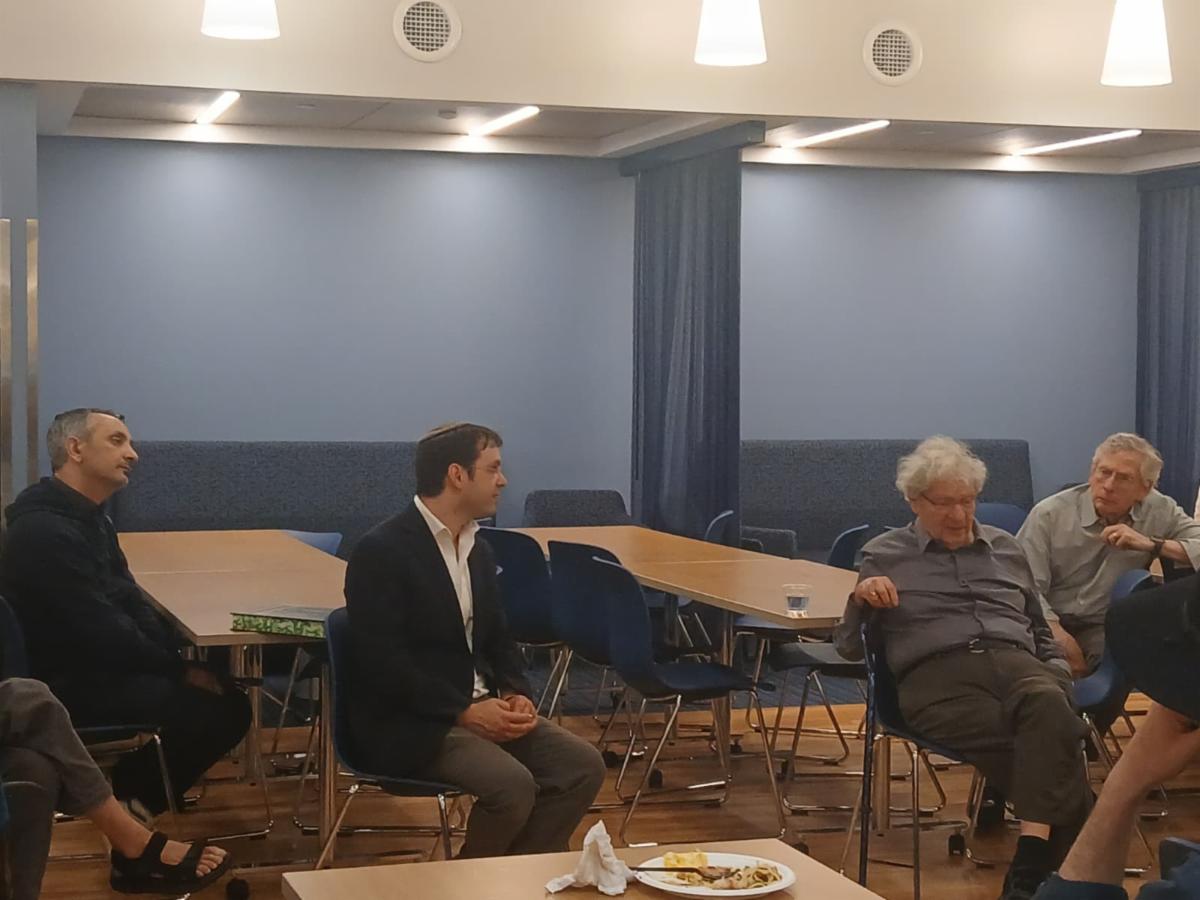
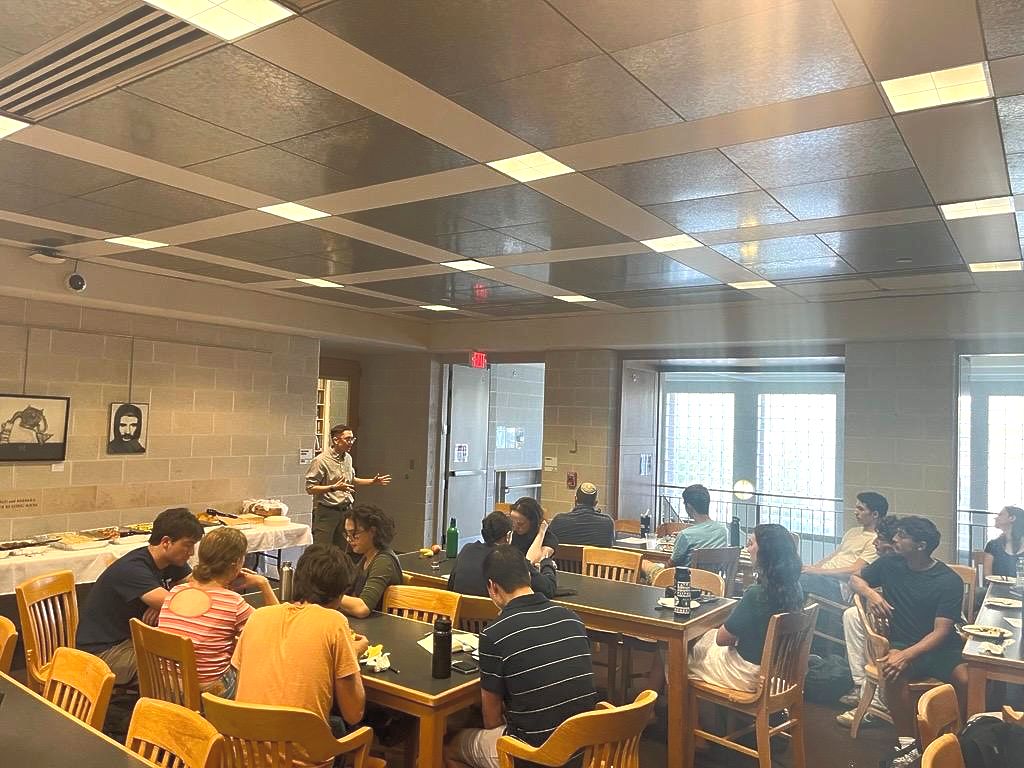
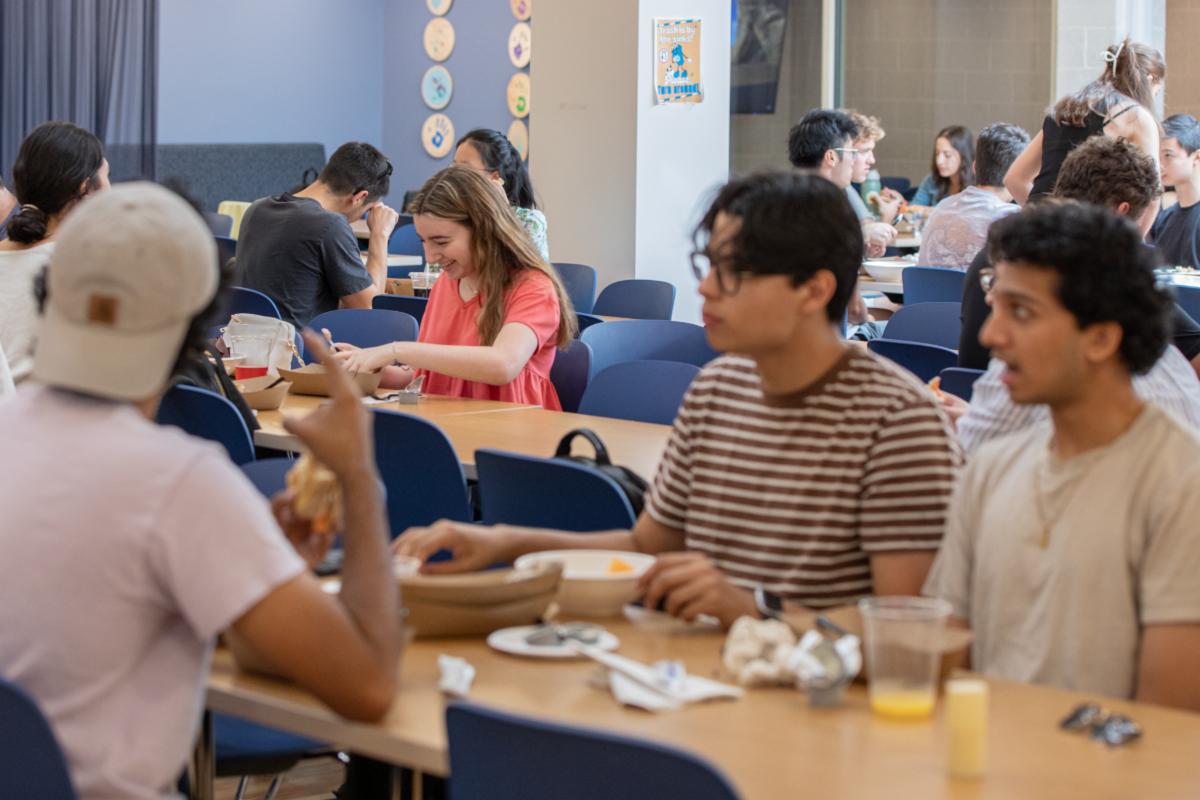
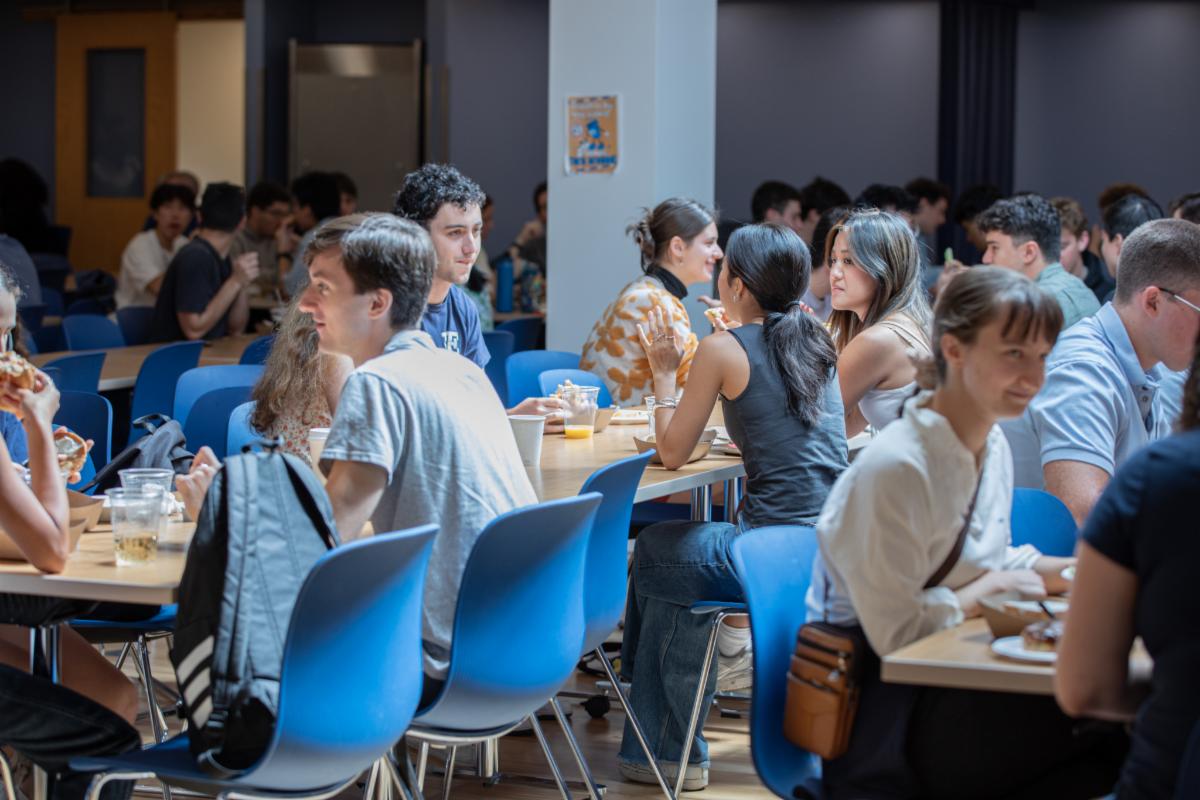
September has been full of energy and life at Slifka. Shabbat dinners have continued to be highly attended (200+). We held Reform, Traditional Egalitarian and Orthodox Rosh Hashanah services in three different spaces on campus, including at Battel Chapel, attended by more than 300 students and community members. We hosted more than 30 prospective students this past Shabbat, the Weiss Family Sukkah is going up in the back, and we’re gearing up for Yom Kippur. You can see more highlights from this past month below this letter.
I’ve had the opportunity to wish a happy new year personally to a number of folks over the past couple of weeks, and everyone says the same thing back - “I hope this new year will be better than the last one.” I wholeheartedly agree. It feels like brokenness is proliferating everywhere. That said, I also remember lots of people sharing the same sentiment last year at this time. In order not to let history repeat itself and have us be in this same position a year from now, we need to do something different today.
Our Rosh Hashanah and Yom Kippur liturgies proclaim that “Teshuvah (repentance), Tefillah (prayer), and Tzedakah (charitable acts) overturn the bad decree.” The most inspiring part for me of working at Slifka is that I believe we are training the next generation to engage with these values to help turn what is bad into better every single day. Here are some ways that we are putting this approach into practice:
Observation: Our society is polarized and fractured.
Intervention: Slifka Center focuses on community, listening, learning and exchange as a way to knit our people more closely together. We build this community one relationship at a time.
Observation: Our society encourages us to apply litmus tests to sort out who is “good” and who is “bad.”
Intervention: At Slifka Center we do not check students’ religious observances, political views, or family heritage before welcoming them into our community. What we do expect is that students be ready to respect, learn about, and contribute to the greater Jewish whole of which they choose to be a part.
Observation: Our society warns against exposure to “dangerous” ideas lest they spread and overtake “truth.”
Intervention: Slifka Center models insistence on being both welcoming and principled. We are clear about who we are (religiously pluralistic, committed to Israel, culturally vibrant, a reservoir of acts of kindness, a home for Jews and open to all), and allocate our assets (financial, personal, facility, etc.) only to projects that are in line with these values.
Observation: Our society chooses tiny data sets to make sweeping assumptions about what people think and believe.
Intervention: Slifka Center elevates pursuing in-person relationships as the best way to learn about people. Human beings are complex, and we must encounter each other as if they are as human as we are. Conversations between students at Slifka reveal shared visions of what vibrant communal Jewish life at Yale can be, and the ensuing relationships are strong enough to withstand differences.
Observation: Many universities are not taking the necessary steps to protect and support their Jewish students.
Intervention: Slifka Center works hard to make sure that the Yale administration understands what Jewish students need to thrive at Yale and how the administration can support those needs. To that end, I am in active conversations with the administration about recent and any future anti-Israel events organized by any recognized or non-recognized group on Yale’s property.
These actions are just a few of the ways that Slifka Center is contributing to making 5786 a better year. And they represent a life-long commitment that requires renewal. But the shofar at the end of Yom Kippur offers us one last jolting wake up call - the time to start again is now!
I want to encourage you to join us in this work in three ways:
Teshuvah: Think about ways that you can increase respect and understanding in the world by listening, learning, and sharing.
Tefillah: Offer your prayers and thoughts to those in need.
Tzedakah: Make a meaningful gift to Slifka Center today in support of Jewish students and Jewish life at Yale, our work helping our campus stay a great place to be Jewish, and the promise we are cultivating for tomorrow.
Together, we can make our case this Yom Kippur to be sealed in the Book of Life.
Shanah Tovah, and thanks as always for reading.
|