FRIENDS of UMAINE LIBRARIES NEWSLETTER | |
In This Issue:
- Immersive workshop and book launch: “Abolitionists and the Politics of Correspondence”
- Can our Teaching Build Resilience in a Time of Polycrisis?
- Tea with the Dean and Open Educational Resources (OER) Showcase
- Black inventors and their accomplishments
- New Exhibits in Fogler: All Maine Women and America 250: Women’s suffrage
- News from Special Collections and Projects: Jesse Jackson poster
| | |
Immersive workshop and book launch: “Abolitionists and the Politics of Correspondence”
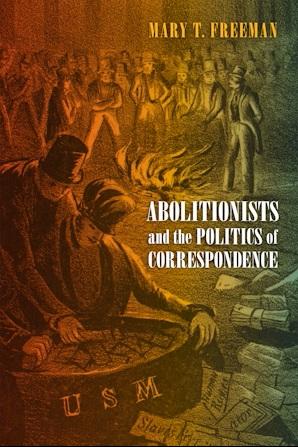
On Tuesday, March 24 at 3 p.m., Fogler Library will host an immersive workshop in the Special Collections and Projects reading room that serves as an essential prelude to the 4 p.m. launch of Dr. Mary Freeman’s new book, “Abolitionists and the Politics of Correspondence.” This session offers a unique opportunity to model the material culture analysis at the heart of Dr. Freeman’s scholarship and the McGillicuddy Humanities Center’s 2025–2026 Symposium theme, "Hard Copy: The Material Culture of Reading and Writing." No sign-up is required.
Dr. Freeman’s book focuses on how a disparate assortment of people — from everyday Americans to those on the political fringes — fueled abolition's coalescence into a mass movement. This workshop allows participants to engage with the physical writing and reading technologies of that era. By examining letters, journals, and publications from the Civil War period held within our own archives, workshop participants will explore what was written, how it was written, how the writers intended their audiences to receive their writing, and other critical questions.
We will consider how the physical nature of 19th century correspondence, journal-writing, and publication reflect the varying perspectives and enabled the political activity of activists, soldiers, and everyday people of all kinds. This workshop invites you to handle the tactile evidence of this history — the rag paper, the ink, and the epistolary and publication conventions — before joining us in Williams Hall 140 at 4 p.m. to hear Dr. Freeman discuss how these very materials helped forge a coherent and powerful movement against slavery. Snacks and drinks will be provided at the presentation.
| | |
Can our Teaching Build Resilience in a Time of Polycrisis?
Ecological pressures (resource depletion), temperature overshoot (> 1.5 degrees Celsius rise) and climate crisis are reshaping our economies, ecologies, and governance. How do we adapt and build resilience for our students in this age of polycrisis and transition?
Join us for a fast-paced energizing 90-minute event using Open Space principles to surface your ideas, spark collaborations, and design regenerative, community-connected teaching plans in line with Gov Mill’s Safety Guidelines & Maine’s bold climate goals.
This event is aimed at faculty but is open to all, including staff, students and community members. Everyone’s input is valued.
| | |
When: Tuesday, March 24 4:30-6 p.m.
Where: The Salon, Fogler Library or Zoom.
Refreshments courtesy of the Stephen E. King Chair in Literature.
| |
|
Save the Date! Tea with the Dean and Open Educational Resources (OER) Showcase
On Wednesday, March 25, from 3 p.m., join UMaine Dean of Libraries Daisy D. Singh for opening remarks, followed by a presentation from Tom Hardy, Open Educational Resources Librarian, and Casey Koons, Open Scholarship Librarian.
This showcase will provide an overview of Open Educational Resources (OER), including what they are, how they are created, and how they are used in teaching and learning. The presenters will discuss the benefits of OER for students and instructors and highlight current open education and open publishing initiatives at the University of Maine that support affordability, accessibility, and innovative scholarship across campus.
The event will take place in The Salon at Fogler Library, and will also be available online via Zoom. All are welcome to attend. Light refreshments will be provided.
| |
Black inventors and their accomplishments
The Patent & Trademark Resource Center is proud to present a new online research guide highlighting the amazing history of black inventors and their patents.
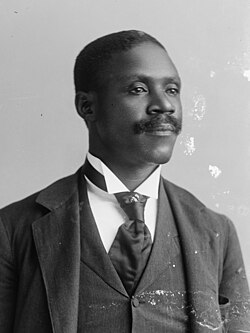
In August of 1894, George Washington Murray, US Representative for South Carolina’s 7th district, rose to give a historic speech on the House Floor. Murray was the only black congressman in the House at that point. He made an impassioned and eloquent speech, reminding those present of the many black inventors who had gotten patents in the past 50 years. He also put the names and patent numbers of 92 inventions into the record. That list has been laboriously compiled by a black patent office employee named Henry Edwin Baker, who had made supporting black inventors a priority. Patent applications at the time did not list the ethnicity of applicants (they still don’t), so Baker had to do a lot of investigating to find black inventors. The inventions spanned a wide range of technology, from biscuit cutters to ironing boards, steam engines to telephone transmitters. Some were even invented by enslaved people.
Our guide has information about George Washington Murray, as well as the full text of his speech and links to all 92 patents he listed. Our guide goes beyond his list as well, listing inventors he omitted, and patents that came later, into the 20th and 21st centuries. It has a gallery of 30 black inventors from the 18th to the 21st centuries.
We hope you’ll enjoy and learn from our guide about Black inventors and their patents!
Photo: George Washington Murray
| New Exhibits in Fogler: All Maine Women and America 250: Women’s suffrage | | |
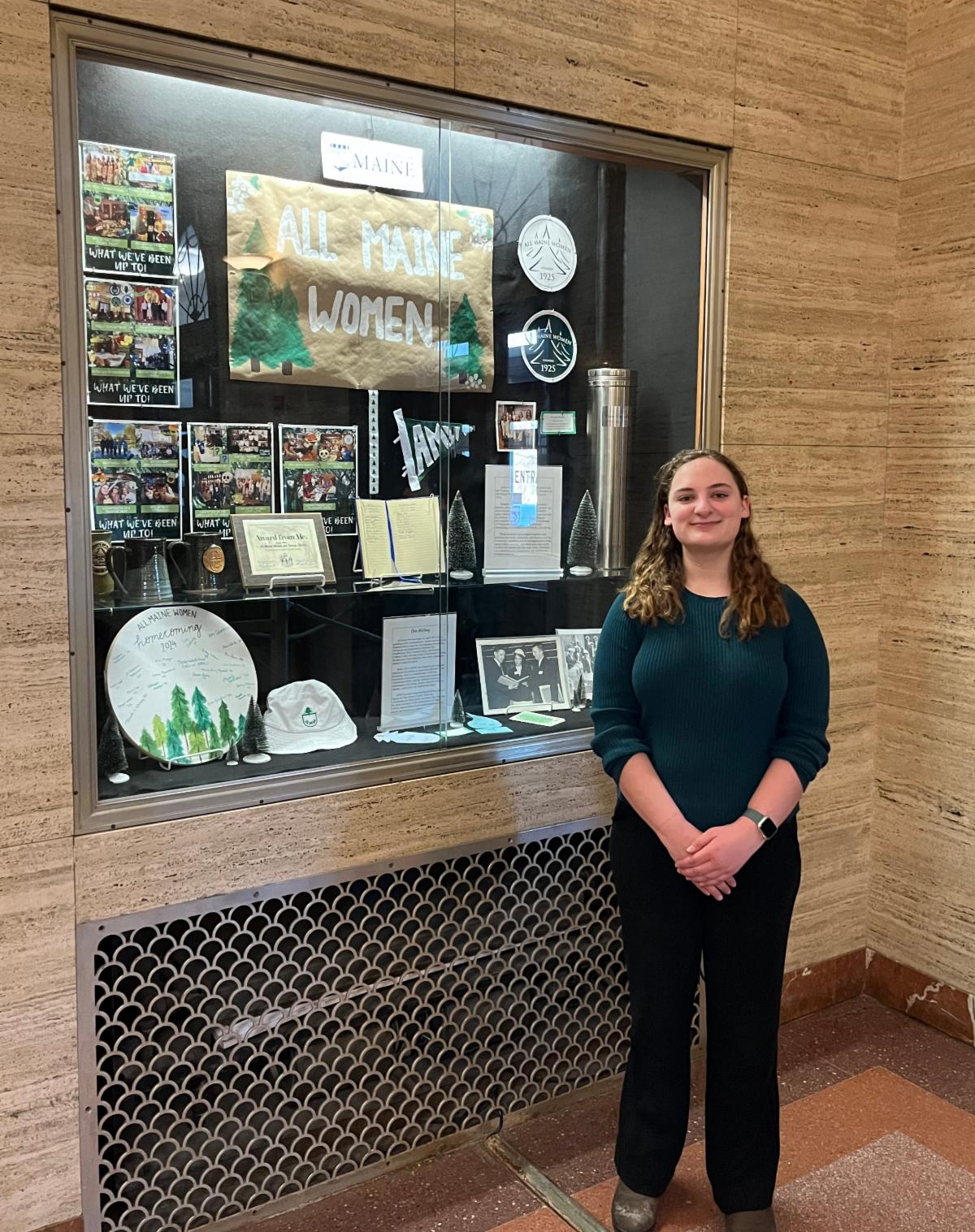
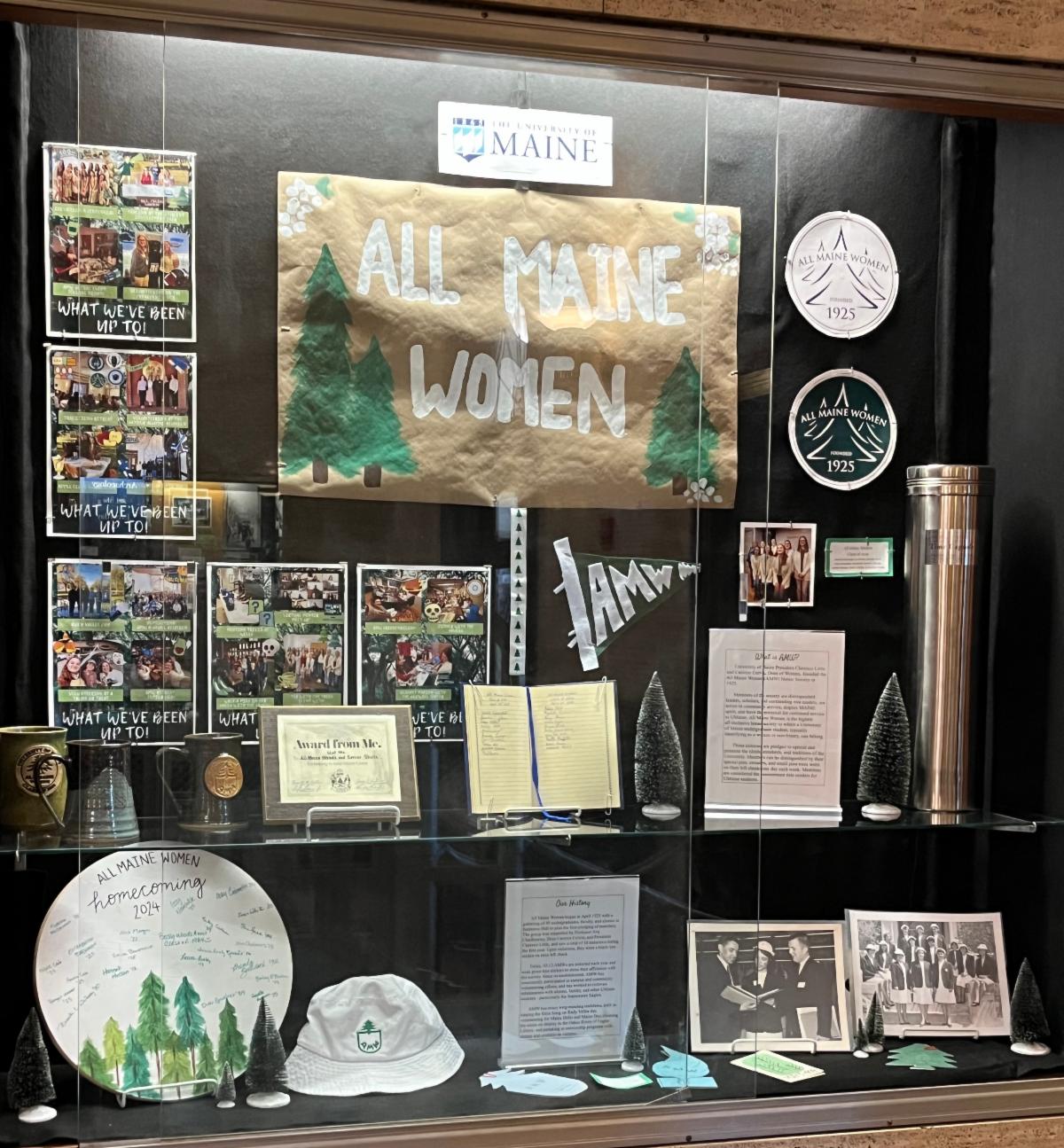
Fogler Library is hosting a new exhibit located at the north entrance of the library, featuring items showcasing the history of the All Maine Women Honors Society. The exhibit includes historic items from the University Archive, as well as more contemporary information regarding the activities of the All Maine Women Class of 2026.
| | |
The All Maine Women Honor Society was founded in 1925 to recognize distinguished leadership, scholarship and service to the University and campus community by outstanding women of the rising senior class.
Pictured in the photograph is Katharine Poulin, Historian & Alumni Relations Chair, All Maine Women. Poulin worked on putting together the exhibit with Fogler staff members Matthew Revitt, University Archivist and Rosie Seaber, Administrative Coordinator & Assistant Financial Manager.
| | |
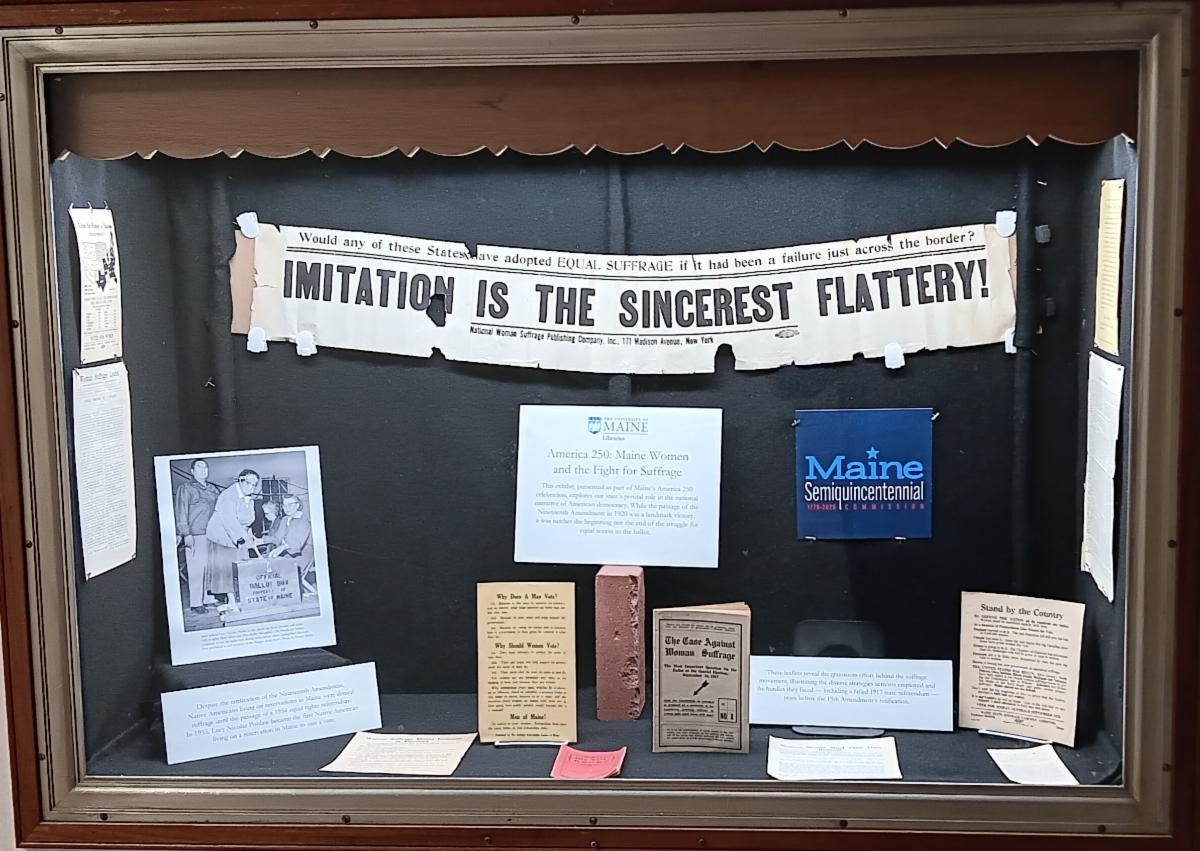
This year, Fogler Library is participating in Maine's statewide effort to honor the 250th Anniversary of the signing of the Declaration of Independence. The state has set a guiding theme for the year: democracy. As our first contribution, Fogler Library introduced a new exhibit, Maine Women and the Fight for Suffrage, which explores the role Mainers played in one episode of the national narrative of American democracy.
While the passage of the Nineteenth Amendment in 1920 was a landmark victory, our collections reveal that it was neither the beginning nor the end of the struggle for equal access to the ballot. The exhibit features critical items from the Isabel W. Greenwood Papers, including grassroots leaflets and pamphlets that illustrate the diverse strategies used by Maine suffrage activists. These documents reveal the significant hurdles the movement faced, including the failed 1917 state referendum that attempted to bring women’s suffrage to Maine years before the ratification of the Nineteenth amendment. We also highlight the often-overlooked timeline of voting rights for Wabanaki citizens. Despite the Nineteenth Amendment, Native Americans living on reservations in Maine were denied suffrage until a 1954 equal rights referendum. In 1955, Lucy Nicolar Poolaw (Penobscot) became the first reservation-based Penobscot citizen to cast a vote, a powerful reminder that the expansion of rights is a continuous, hard-won process. We invite the community to learn from these courageous stories and reflect on our state’s role in the nation’s ongoing journey toward equality.
| | |
News from Special Collections and Projects: Jesse Jackson poster
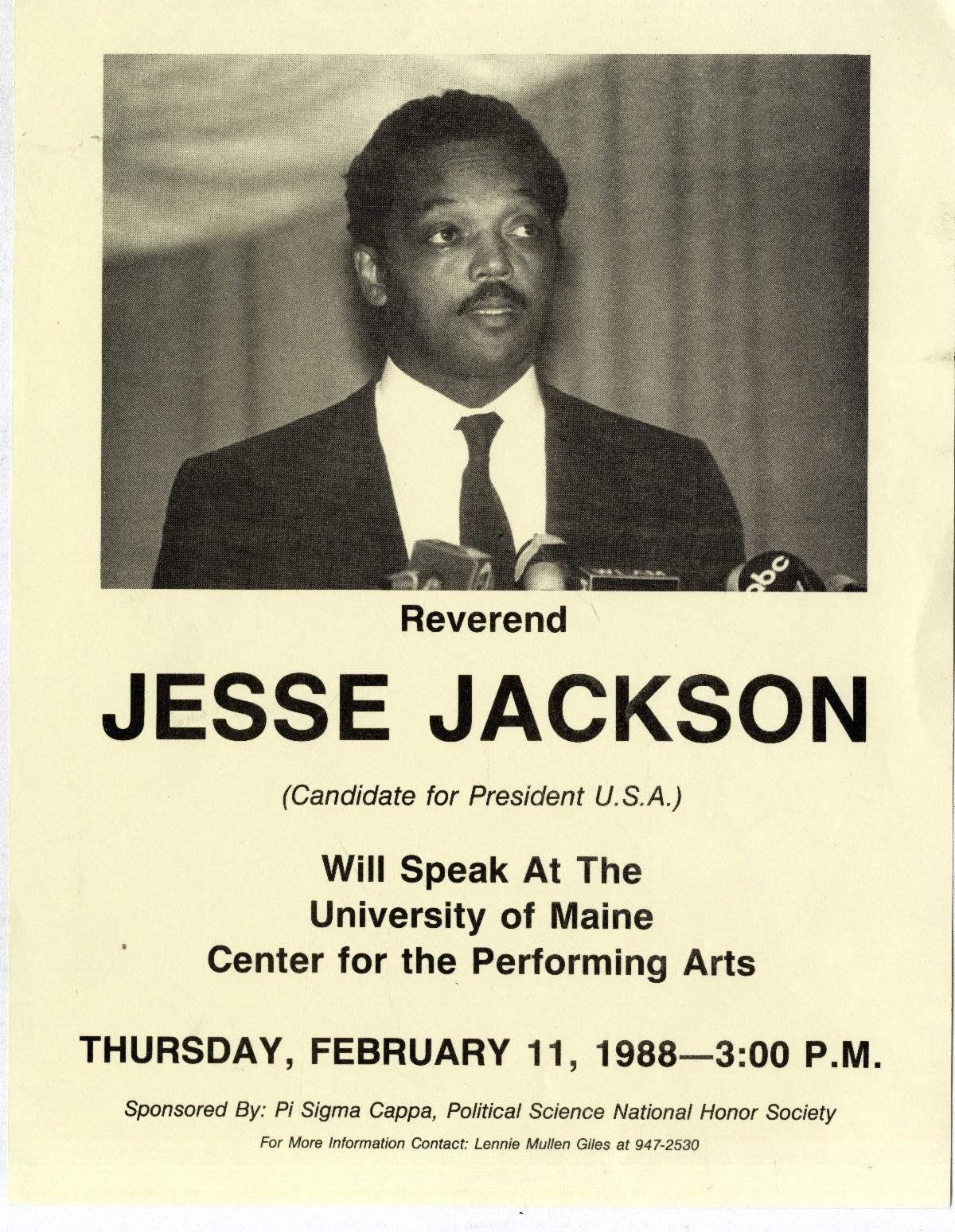
Local ABC affiliate station WMTW's story on Rev. Jesse Jackson's visit to Maine during his historic 1988 campaign, featured a digitized copy of a poster for the event that is available in Fogler Library's Digital Commons. Rev. Jackson visited the University of Maine on February 11, delivering a speech at the Center for the Arts, now the Collins Center for the Arts. His visit was part of a high-profile campaign that energized students and communities across the country and marked a pivotal moment in American political history.
The original poster is preserved in the University Archive and came to Special Collections and Projects from the Bureau of Labor. It stands as a powerful reminder of Rev. Jackson’s presence on campus and his enduring influence on generations of civic leaders and advocates.
| | Support Fogler by funding an item from our staff-curated wishlist, created to highlight the library’s most timely needs and the resources that will make the biggest impact. | | In complying with the letter and spirit of applicable laws and pursuing its own goals of diversity, the University of Maine System does not discriminate on the grounds of race, color, religion, sex, sexual orientation, transgender status, gender, gender identity or expression, ethnicity, national origin, citizenship status, familial status, ancestry, age, disability physical or mental, genetic information, or veterans or military status in employment, education, and all other programs and activities. The University provides reasonable accommodations to qualified individuals with disabilities upon request. The following person has been designated to handle inquiries regarding non-discrimination policies: Director of Equal Opportunity, 5703 Alumni Hall, University of Maine, Orono, ME 04469-5754, 207.581.1226, TTY 711 (Maine Relay System) |
| | | |