Message from the President David Bernstein | |
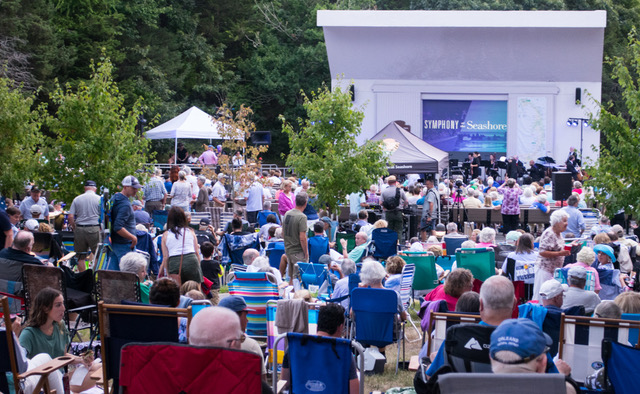
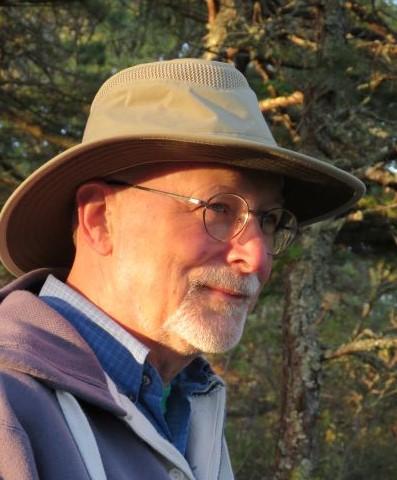
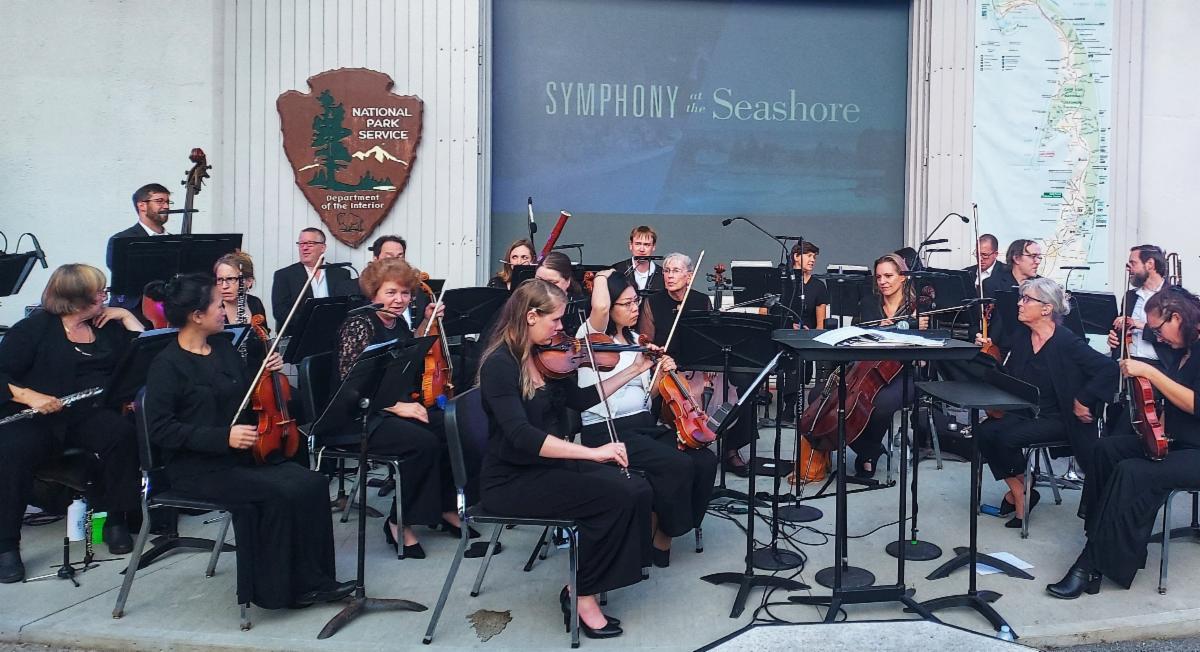
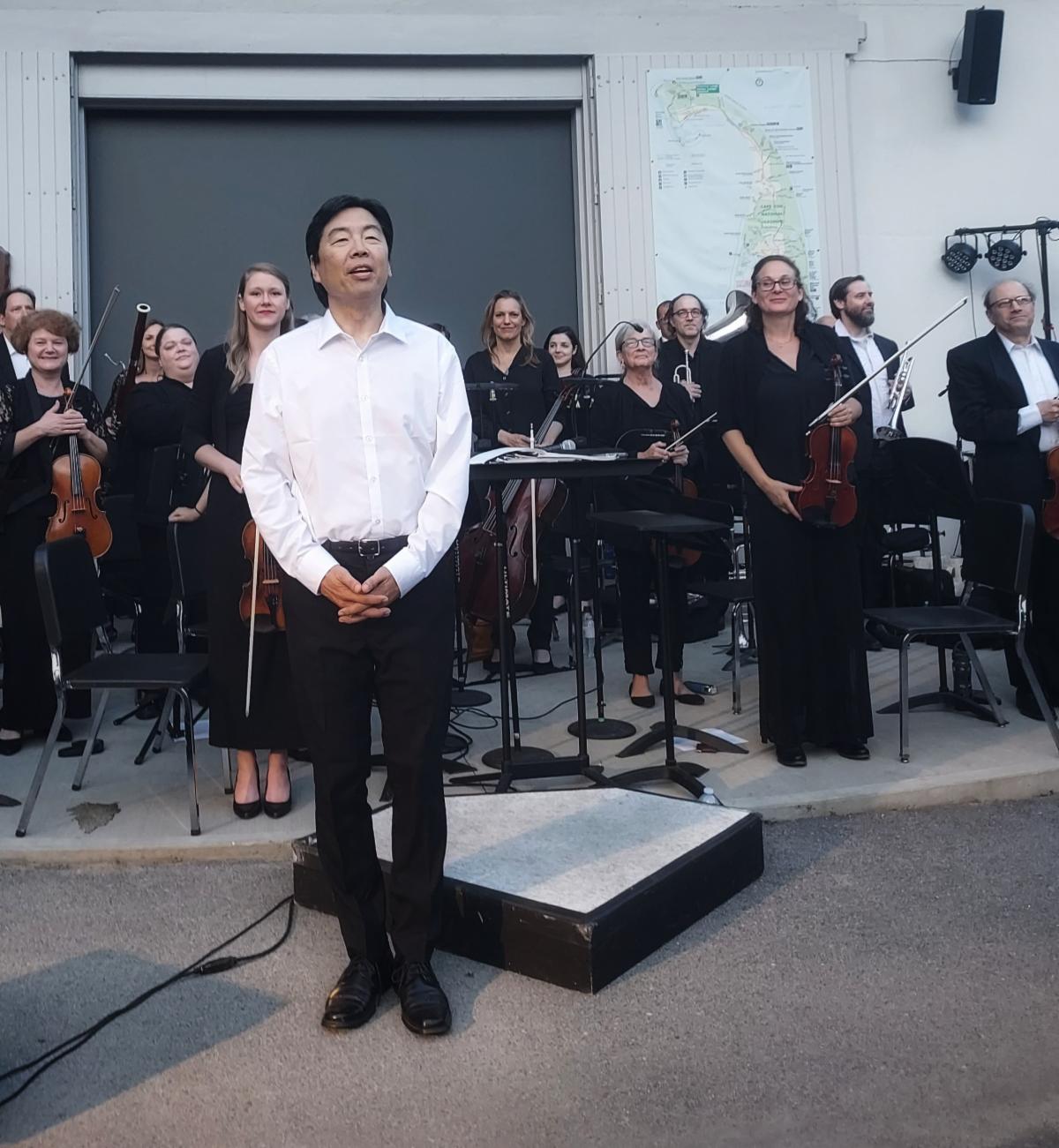
After attending the Cape Cod Symphony concert at Salt Pond in August, which was enjoyed by 2,500 people and co-sponsored by the Friends of the Cape Cod National Seashore, I realized that being President of the Friends is both an honor and a responsibility. It’s an honor to lead a group of committed members of the Board of Directors who are dedicated to enhancing the visitor experience at the Cape Cod National Seashore.
It is a responsibility to continue to raise money through memberships and donations and to spend the money supporting programs and projects when federally allocated funds are not adequate. The budget for National Parks is less than 1% of the federal budget.
| |
Before I joined the Board three years ago, I was a sometime visitor to the park. I enjoyed the beaches and many of the trails. In the past three years I’ve explored areas of the park I did not know existed. When exploring various areas, whether it is the Beech Forest Trail in Provincetown in the early spring or the Atlantic White Cedar Swamp trail in the winter, the experience is unique and uplifting. | |
Like many of you, I volunteer at the park, in my case as a substitute at the Salt Pond information desk. This affords me time to speak to people from around the world. Visitors are amazed and pleased that the seashore has not changed drastically over the years. Recently a visitor from Southern California remarked how lucky we are that the area is still natural with very few changes and wondered what it would look like if it was not a National Seashore. I shudder to think. | |
The Board has been working on a long-term strategic plan since March. With that plan as a guide, we are looking toward raising more money. According to the National Park Service, we average 4 million visitors a year which adds about $548 million annually to the Cape Cod economy. When I speak to visitors at Salt Pond, I often ask where they are staying. Many are staying in Harwich, Dennis, Yarmouth, and Hyannis. My hope is that, over the next few years, we can grow our membership and expand the amount of donations we receive, especially from businesses which benefit from the influx of visitors to the Seashore. | |
Changes are coming to the Seashore. We all know the effect that climate change is having on Cape Cod and the Seashore. We are lucky that many local experts and organizations are planning for these changes. This is evident when considering the Herring River Project and Coastal Resiliency Studies.
Another major change is that Park Superintendent Brian Carlstrom is leaving the Seashore for a new National Parks position in Denver. Brian has been an integral force of positive change within the Seashore. He will be missed; we, the Board members, wish him the best of luck.
| |
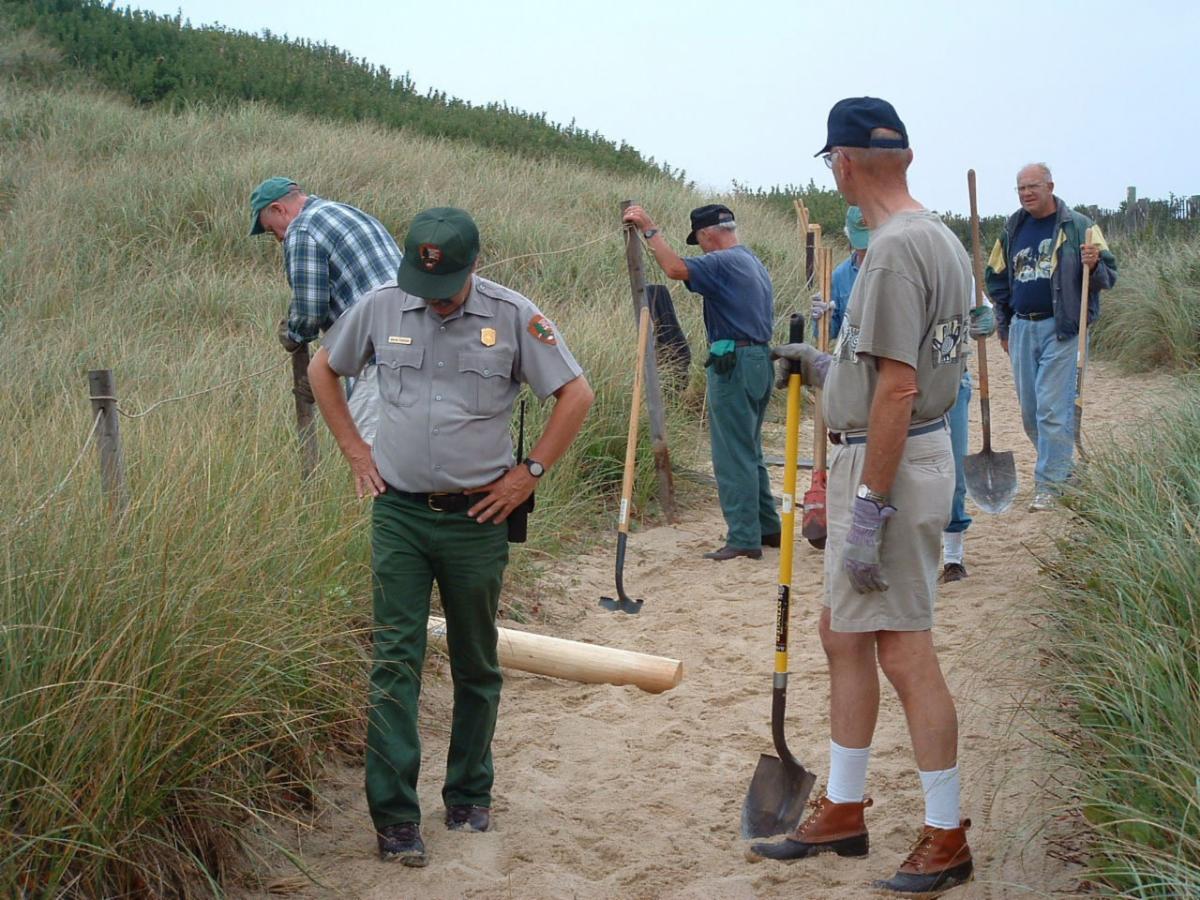
Recently we held an appreciation dinner for volunteers at the Seashore Headquarters. About 100 volunteers attended and learned that between Oct 1, 2020, and Sept 30, 2022, people volunteered more than 50,000 hours of their time.
We hope with the help and support of members, volunteers, and donors, we will continue to enhance the visitor experience at the Seashore as well as preserve this remarkable natural resource for future generations.
| |
David Bernstein, President | |
Another Successful Summer
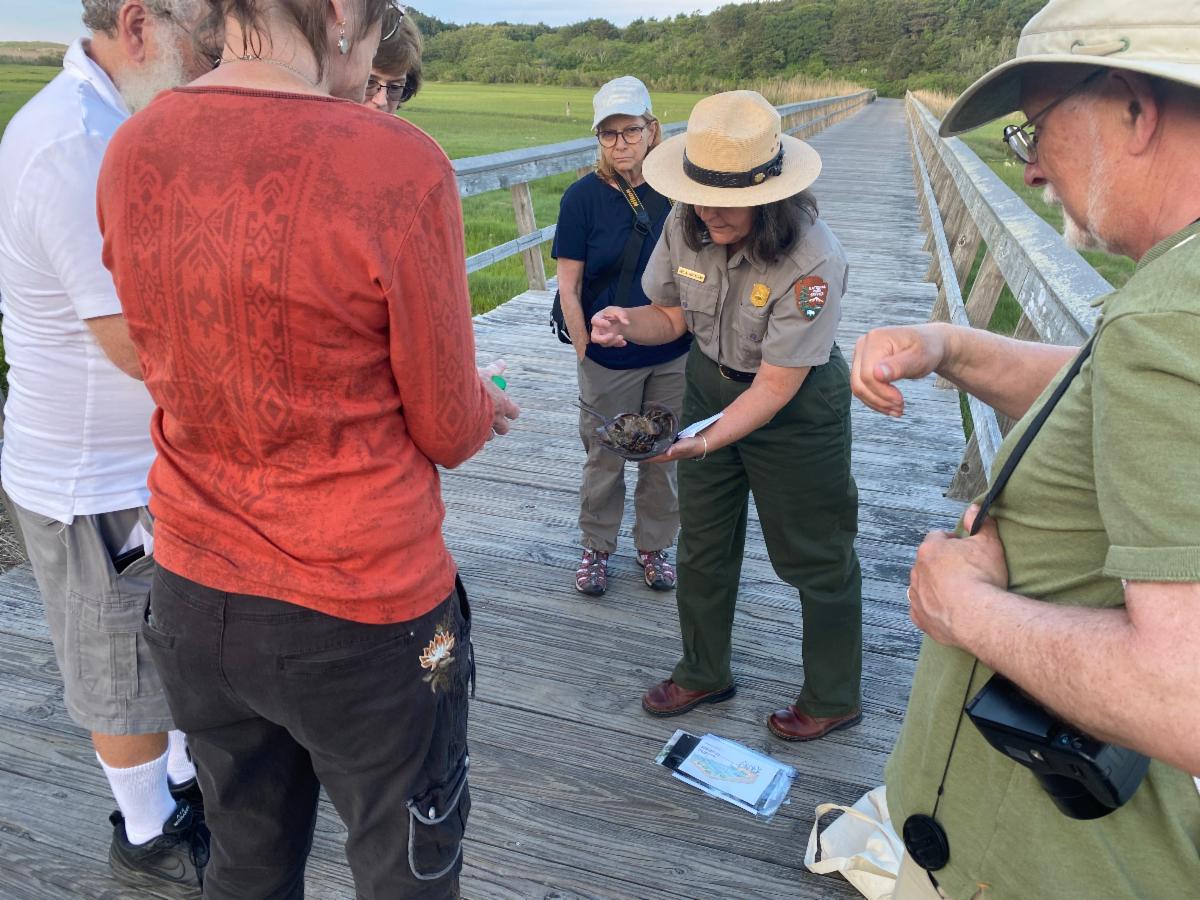
As we turn the page to fall, we reflect on another successful summer at the seashore. May through August is our largest concentration of visitors, seeing nearly two million of the four million annual visitors in those four months alone. This summer, we hosted nearly 500 ranger programs! We could not achieve the level of success with our interpretive operations without the support of our volunteers and the Friends of Cape Cod National Seashore. Visitors love the diversity of programming in the Evenings at Salt Pond series and look forward to the end of the summer for the culmination event: Symphony at the Seashore with Cape Symphony. A HUGE hats off and thank you to our Friends, park volunteers and visitors. We could not have the great summer without your support!
| |
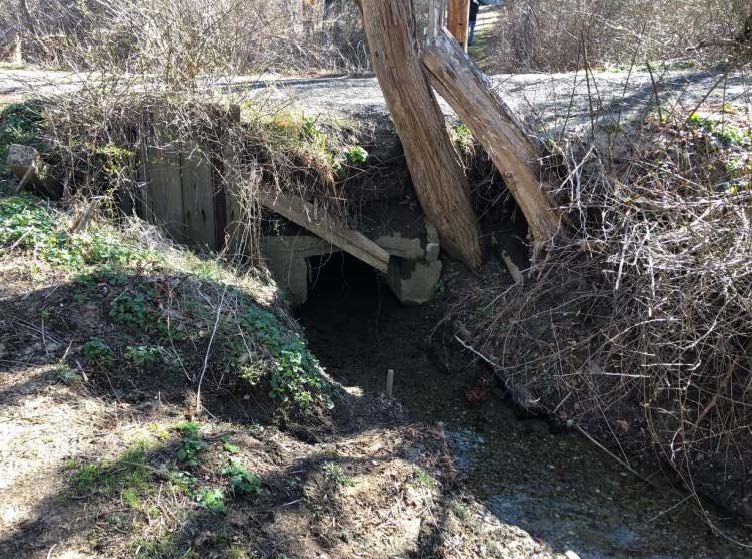 |  |
NS Awarded Nearly $460,000 in IRA Funding for Herring River Culverts
This coming year, Cape Cod National Seashore will benefit from more than $461,000 received from the Inflation Reduction Act to replace two failing culverts in the upper Herring River in Wellfleet, MA. This project is part of a nationwide effort to restore natural habitats and address climate change impacts.
The Herring River provides a critical link between Cape Cod Bay and freshwater pond spawning habitat for river herring (alewife and blueback herring) and migratory habitat for American eels and other diadromous species. River herring are a species of management concern in Massachusetts and play a critical role in the larger ecology of the Gulf of Maine. This project will eliminate two barriers to fish passage making the last one and one-half miles of stream and the breeding ponds more accessible to fish. Through this project, as well as other restoration efforts taking place in the Herring River estuary, the park hopes to improve habitat and breeding success of river herring. This project infuses much-needed funding to address critical ecosystem needs to restore healthy and resilient park lands while benefiting communities surrounding the park.
The full lists of fiscal year 2023 projects are available online:
| |
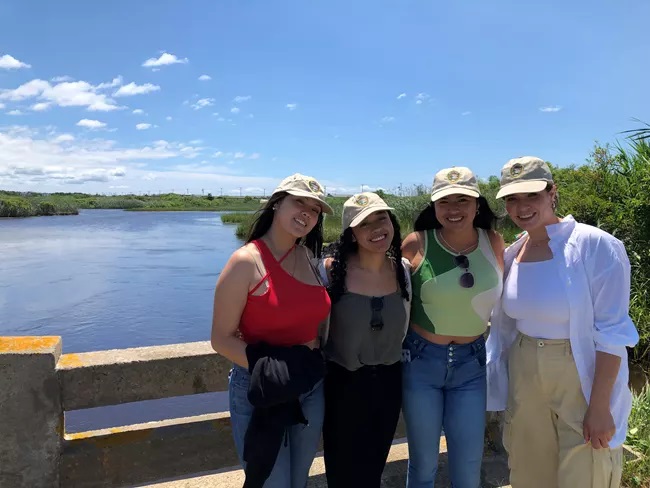 | |
Pátzcuaro Students Visit the Park in International Exchange
During the week of July 9, 2023, four young women from Mexico took part in an exchange program at Cape Cod National Seashore. Yolanda Peñaloza, Valeria Aguilar, Alejandra García, and Ireri Servín traveled from their hometown of Pátzcuaro in the state of Michoacán to learn about the Herring River Restoration Plan (HRRP).
The women’s program was organized by the Friends of the Herring River and supported by the National Park Service, International Volunteers in Parks Program which coordinates training opportunities for international students and international park staff in the US national parks. The group hoped that gaining insights from the HRRP would help them save their beloved Lake Pátzcuaro. “We four seek to give voice to the lake which will die without the help of everyone who loves her,” said Alejandra.
The women are 21-year-old students at the Universidad Michoacán de San Nicolas de Hidalgo. They are also senior interns at the Campamento de la Paz en Pátzcuaro, a leadership development and social action youth training program. “Because of the Campamento, I became passionate about making my community a better place,” said Yolanda.
Lake Pátzcuaro is located about 200 miles west of Mexico City and lies in the central basin of volcanic mountains, at about 6200 feet in elevation. The Lake Pátzcuaro basin is home to the Purépecha people. Purépecha leaders established the basin as the heartland of the Tarascan state, which once rivaled the Aztec Empire.
Today, Lake Pátzcuaro faces threats of deforestation, pollution, and the extinction of many native species, like the Lake Pátzcuaro salamander (Ambystoma dumerilii). The students hope to learn from successful ecosystem restoration projects, like the Herring River Restoration, to unite local communities and stakeholders and educate youth on the importance of cleaning and maintaining the lake and its unique ecosystems.
| |
Citizenship Ceremony
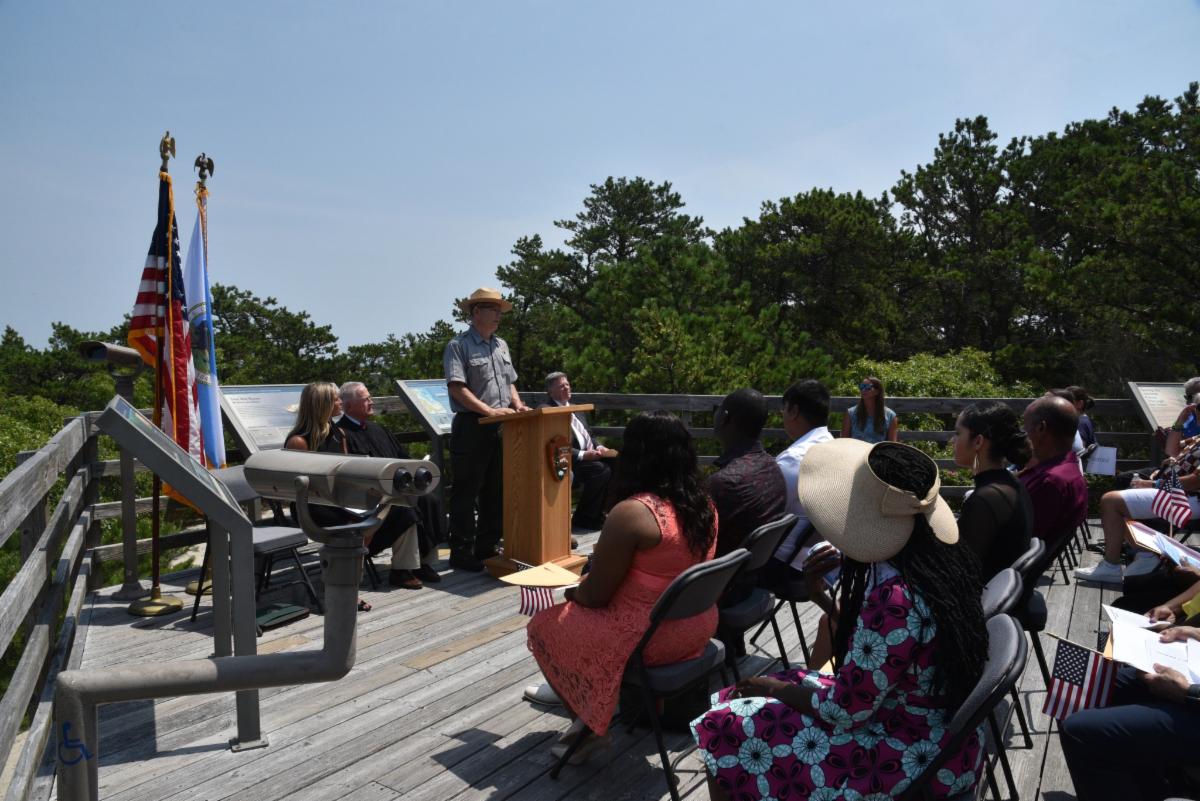
On July 13, Cape Cod National Seashore was honored to host a Citizenship Naturalization Ceremony at the Province Lands Visitor Center. Twenty-three people from 16 nations (from Jamaica to Turkmenistan) became United States citizens before Magistrate Judge Niedermeier, surrounded by friends and family. Special thanks to park employees John “Dig” Roberts and Dana Ayers for providing their musical talent. Even the whales and a bald eagle made an appearance!
| |
Friends of the Cape Cod National Seashore, PO Box 550, Wellfleet, MA 02667 508-957-0729
| |
E-News Editor: Betsy Bray Layout: Marianne McCaffery
Unless otherwise indicated, all photos courtesy of the National Park Service
| | | | |