From Flicker to Forever: Why Our Audiovisual Archives Matter
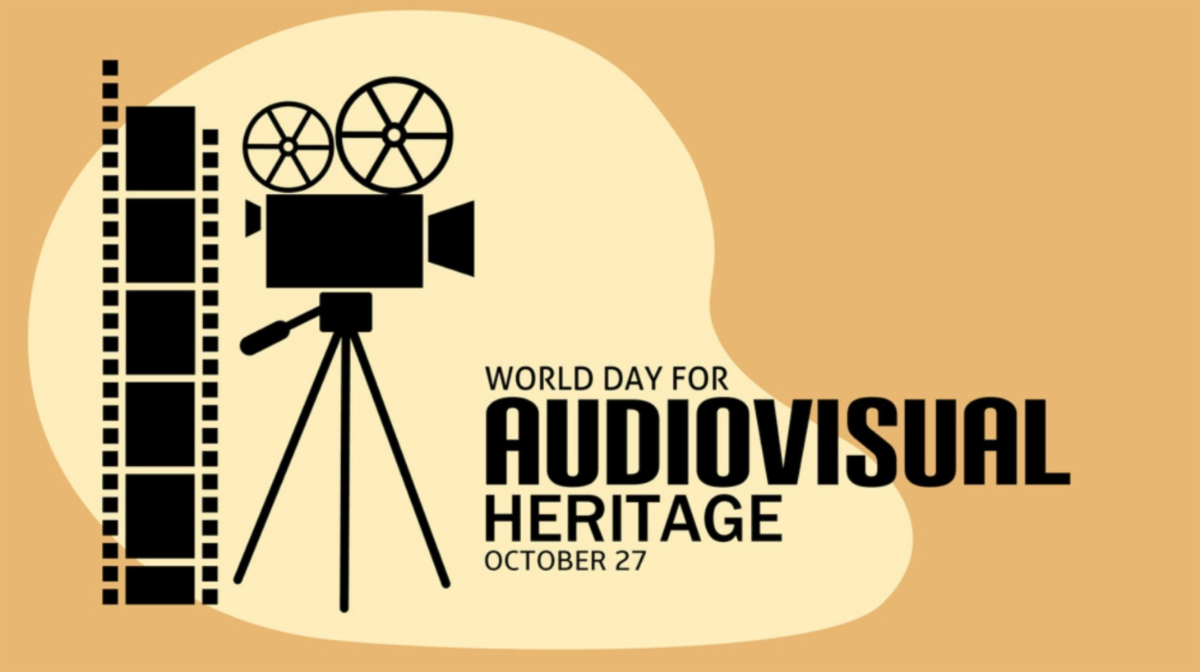
World Day for Audiovisual Heritage
This coming Monday, October 27—marked worldwide as World Day for Audiovisual Heritage—we pause to consider something deceptively simple yet powerfully important: the preservation of our audiovisual past. Film reels, audio recordings, news footage, old radio broadcasts, home videos—these are more than just nostalgia. They are windows into the worlds, voices, and cultures of yesterday.
Back in 1980, the United Nations Educational, Scientific and Cultural Organization (UNESCO) adopted its “Recommendation for the Safeguarding and Preservation of Moving Images,” a landmark recognition that moving-images, sound recordings and other audiovisual materials are part of our heritage. Then in 2005, UNESCO designated October 27 to raise awareness globally of the urgency and value of safeguarding these materials.
Why does this matter? Because audiovisual records capture things written history often cannot: the cadence of a voice long silent, the grain of a 16 mm film, the music and laughter in a living room from fifty years ago, the televised speech that shaped a nation. They are culture in motion—and when they vanish, so does part of our collective memory. As the United Nations notes: “moving images, aural and oral recordings …
resonate in ways that perhaps no other recorded media can.” United Nations
Yet these materials are fragile. They face threats both old and new: analog film that decays, magnetic tapes that lose their signal, formats and players that become obsolete, digitized files that sit unsaved in the cloud. In times of conflict, archives have been intentionally destroyed; in times of neglect, they simply disappear.
To mark this World Day, we reflect on three core ideas:
-
Preservation is urgent. Unlike paper documents that may last centuries, film and tape often degrade in just a decade or two if not stored carefully. National Today
- Access is essential. Preserved footage is only meaningful when people can discover, hear, view and learn. Modern digitization offers huge promise—but without proper rights, metadata, and usability, it remains locked away.
- Heritage belongs to us all. Audiovisual archives reflect every community: Indigenous voices, immigrant stories, youth culture, everyday life. Protecting these records fosters inclusion, representation, and understanding.
What can you do? If you run a library, museum, or archive—consider hosting a film screening, digitization drive, “open-day” of local broadcast archives. If you're an educator, select a piece of old audiovisual material and ask your class to reflect on what it teaches now. If you’re just curious—look up a local historic sound recording, film snippet or radio broadcast and consider how it connects to your city or culture.
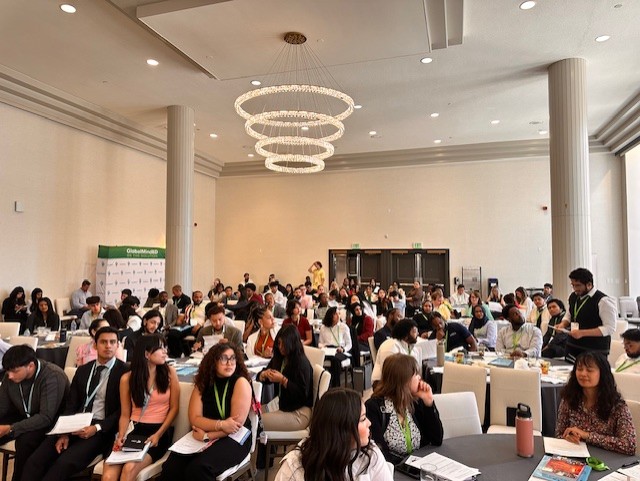
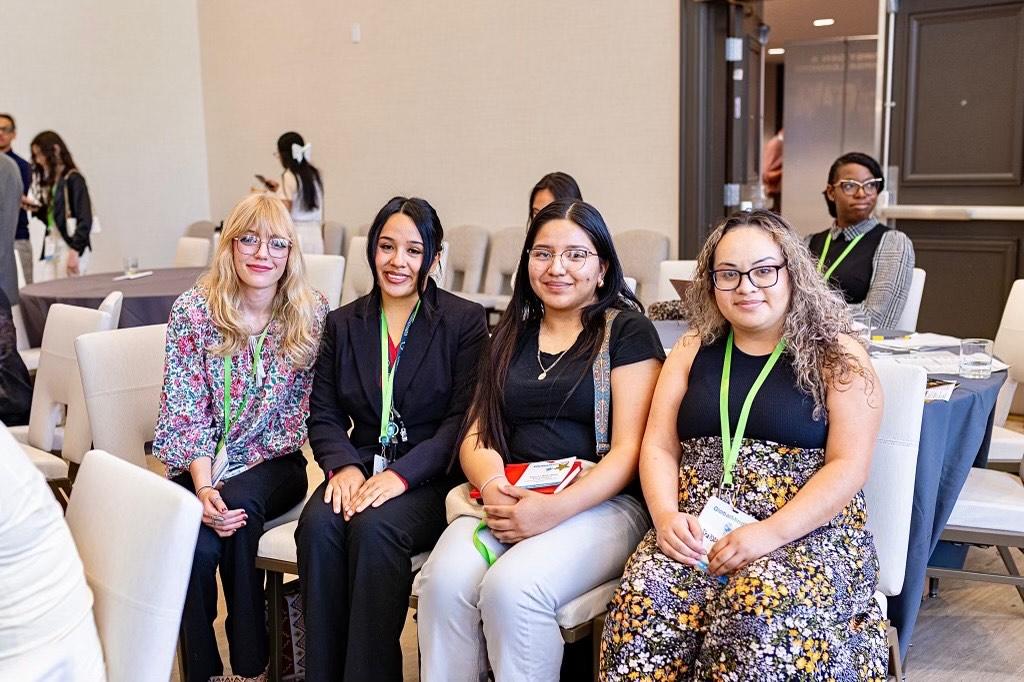
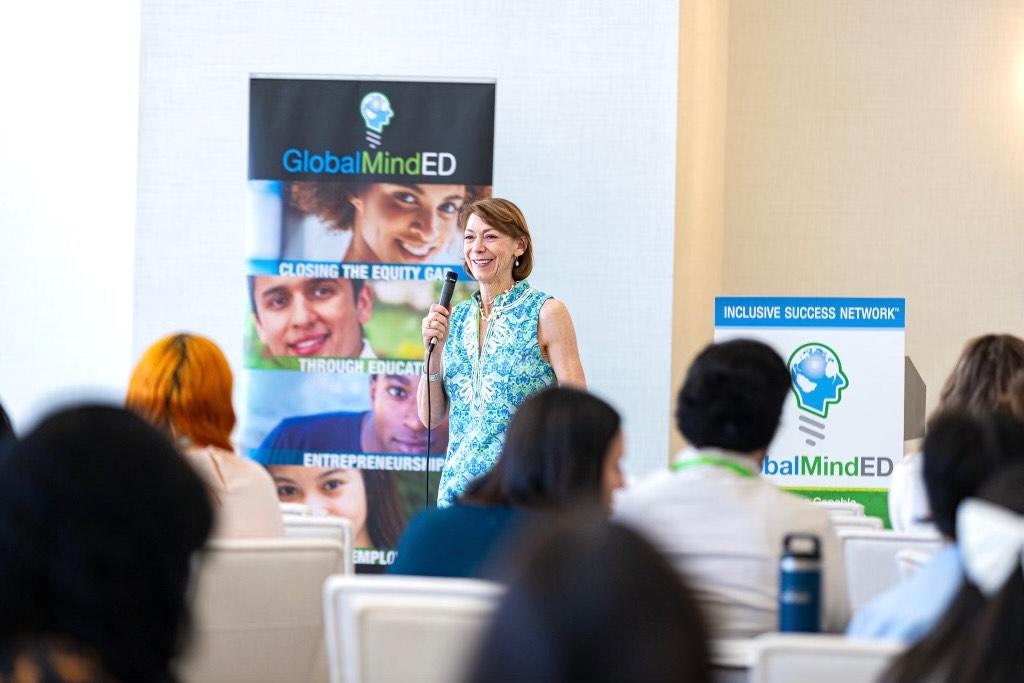
At GlobalMindED, we believe in the power of sound, image and story to connect us across time and difference. In support of the fight to safeguard audiovisual heritage — the reels, recordings and broadcasts that make up our living memory — we engage educators, storytellers, students and community makers in preserving, accessing and amplifying voices that might otherwise be lost. By offering workshops, facilitating digitisation initiatives, promoting archival literacy and building cross-sector partnerships, we ensure no culture, language or idea vanishes into silence or obscurity. Because preserving our audiovisual heritage isn’t just about protecting the past — it’s about preserving humanity’s capacity for creativity, diversity and connection.
|