|
The Latino Men’s Health Forum Round-UP
Issue 5, July 2025
| | | |
Genes, Gender & Ganas:
Unpacking Latino Men’s Cancer Risk
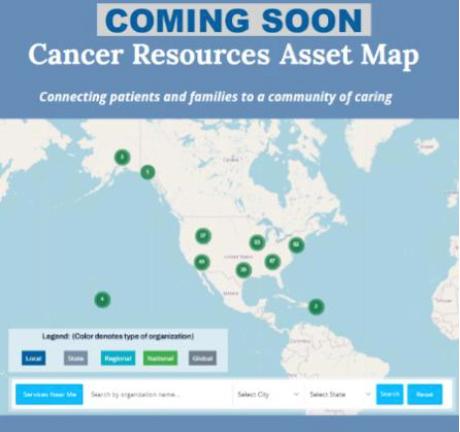
The excitement is building since June when we announced The Latino Cancer Institute's 7th Annual Forum – this year focused on Latino Men's Health – Spotlighting Cancer, An Unanswered Burden. In this issue, we announce some of the distinguished lineup generating this momentum, introduce our Honorary Committee championing Latino men's health, and share how TLCI is amplifying these critical conversations including our recent participation at the National Association of Hispanic Journalists (NAHJ) annual conference. And finally, we're launching our Cancer Resources Asset Map this fall and giving Forum participants an exclusive first look.
| |
Forum 1 Updates:
Breakthrough Science & Voices That Move Us
| | | |
Featured (Invited) Speaker:
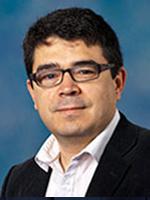
The Hidden Risk of Genetic Uncertainty – Prostate Cancer in Latino Men. Luis Carvajal-Carmona, PhD, Professor & Associate Vice Chancellor, UC Davis, CA, has been invited to present findings on genetic differences among Latino male subpopulations for prostate cancer—findings that could change clinical practice protocols.
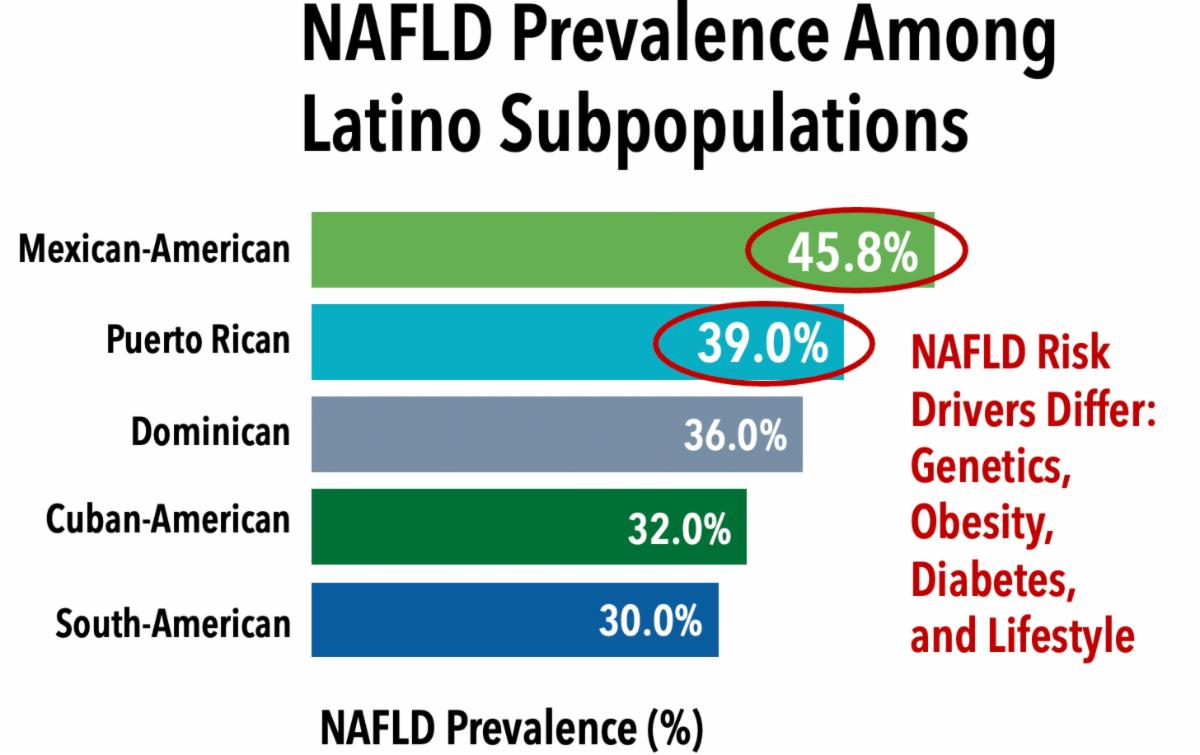
| | Did you know liver cancer is rising faster in Latino men than almost any other group? One key reason: a condition called Nonalcoholic Fatty Liver Disease (NAFLD). | | |
Liver Cancer and Latino Men: A Silent Crisis — About 42-48% of U.S. Latinos* are estimated to have NAFLD, making it the most affected racial/ethnic group in the U.S. This high rate is driven largely by Mexican-American men, who have the highest genetic and phenotypic risk, e.g., physical traits, lab results or clinical signs.
In everyday terms, that means many Mexican-American men carry both the biology and visible health patterns that increase their liver cancer risk—often without knowing it.
| | * Source: (Loomba R, et al. Hepatology 2012: 55(5):1389-98. doi: 10.1002/ hep. 25517), CDC (2023), Mayo Clinic Notes (2023) | | |
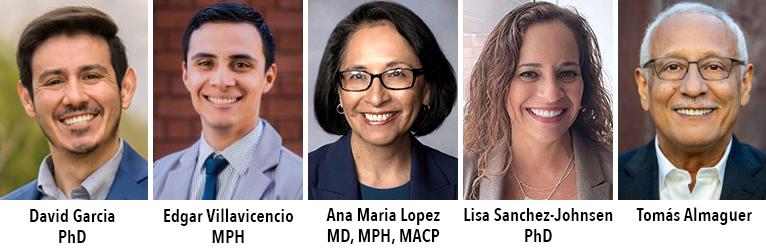
Joining us to talk about liver cancer risk in Latino men is a powerhouse team from the University of Arizona: David Garcia, PhD, who will speak on the science and the still unaddressed risk, followed by Edgar Villavicencio, MPH, on the Nosotros Program — an educational intervention reducing risk in Arizona’s Latino and Indigenous communities.
Reframing the Conversation: Ana Maria Lopez, MD, MPH, MACP, Integrative Oncology Medical Director, Department of Medical Oncology, Thomas Jefferson University, PA, presents "Lifestyle as Medicine"—moving beyond "obesity" to evidence-based lifestyle interventions that address the 14 cancers linked to weight.
Followed by a deep dive into “Culture Variables Underlying Latino Obesity” by Lisa Sanchez-Johnsen, PhD, Professor, Medical College of Wisconsin.
In the Spotlight: Ask the Men — Candid and compelling conversations with 3 prostate survivors, including Tomas Almaguer, Professor Emeritus, San Francisco State University, "The year I underwent radiation and hormone therapy treatment was the most difficult period in my life!”
| | |
September 12, 2025 | 9:00 AM – Noon PST (Virtual)
Register Now – Sept. 12th, Oct. 3rd and 24th
| | Forum 2: Machismo & Cancer Risk– A Key Driver of Latino Male Health? | | Where science meets culture — a driving principle at TLCI. In Forum 2, we explore the complex intersection of social and structural factors on health outcomes in Latino male population. | | | | |
Keynote:
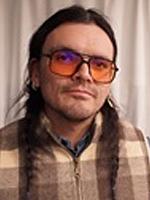
"Machismo: Hindrance or Coping Mechanism—How It Influences Health Behaviors, Access to Care, and Cancer Outcomes" presented by Luis Arturo Valdez, PhD, MPH, Assistant Professor, Drexel University, PA. Dr. Valdez shares how individual characteristics and societal factors might help or do harm in a Latino male’s cancer outcome, hence, machismo as both a barrier AND a survival tool.
| | The Health Links We Must Understand | | |
Stomach Cancer. Maria Constanza Camargo, PhD, National Cancer Institute. The hidden cancer crisis: stomach cancer incidence rates are 60% higher in Latino men compared to non-Hispanic whites. Camargo reveals how social determinants of health and other factors create this disparity—and what can be done about it.
| | |
Vida Sana: Diabetes as Cancer Risk—An Intervention Model that includes psychosocial support. Lisa Goldman Rosas, PhD, Associate Professor, Stanford School of Medicine, CA. Diabetes doesn't just increase cancer risk—it fundamentally changes how a Latino male experiences cancer diagnosis, treatment, and survival.
| | |
Colorectal Cancer Increasing for Latino Males Under Age 50! It’s no longer just older adults facing colorectal cancer. New data is shifting national screening guidelines. Learn why at our forum.
Resources for All – We Launch the Cancer Resources Asset Map – A Demonstration.
| | |
October 3, 2025 | 9:00 AM – Noon PST (Virtual)
Register Now – Sept. 12th, Oct. 3rd and 24th
| |
Our Distinguished Latino Men’s Honorary Health Committee
These influential leaders are joining TLCI to champion Latino men's health!
| | |
Dr. Eric Small, Professor of Medicine, UCSF, San Francisco, CA, and President, American Society of Clinical Oncology (ASCO). A global leader in prostate cancer research who understands our community—he was raised in Mexico and brings both scientific expertise and cultural insight to Latino men's health.
| | |
Orlando Padilla, President, CEO, and Founder of Padilla NetWorks, LLC., Las Cruces, NM. He leads a consulting firm specializing in global public policy and strategic management for Fortune 500 clients.
| | |
Rafael Vaquerano, President and CEO, Gardner Health Services, a Federally Qualified Health Center in San Jose, CA. He leads the organization in providing primary care, behavioral health, and ancillary services to underserved communities across Santa Clara and San Mateo counties, drawing on nearly 20 years of healthcare experience.
| | |
Frank Carbajal, MA, Founder of Silicon Valley Latino Leadership Summit (SVLLS) at Es Tiempo, LLC., San Jose, CA. He is also the co-author of "Building the Latino Future: Success Stories for the Next Generation," working to empower and develop leaders within the Latino community.
| |
Why TLCI Forums Are Different:
Scientific Depth + Community Insight
TLCI brings you key topics at a time when the stakes couldn’t be higher — featuring leading voices in the field, rigorous science, community perspectives, and direct access to presenters and peers. We don't just discuss disparities—we reveal the genetic, biological, cultural, and environmental mechanisms that create them.
Hear about –
-
Genetic discoveries explaining why prostate cancer affects Latino subpopulations differently
-
Biological insights into liver cancer predisposition among Mexican men
-
Cultural psychology research on machismo as both a barrier and a coping mechanism
-
Intervention science showing what actually works in Latino communities
-
Environmental epidemiology connecting workplace exposures to cancer clusters
-
Health economics revealing the true cost of delayed screening and late diagnosis
This is health empowerment through rigorous science.
How the Forums Connect
Across all three forums, TLCI weaves together the science of cancer and the lived realities of Latino men — from obesity and diabetes to environmental risks, the impact of machismo, and the unanswered burden of a cancer diagnosis. Together, these themes form a research-intensive, culturally grounded series. And at every opportunity, we look for emerging solutions.
| These aren't just educational events—their aim is to spotlight intervention tools that change health behaviors and save lives. | | |
Register for the Complete Male Health Forum Series
“Spotlighting Cancer, An Unanswered Burden”
| |
| | |
Forum 1:
September 12
Learn Why and How Latino Men Are at a Higher Risk for Cancer
Forum 2:
October 3
Machismo and Cancer Risk — A Key Driver of Latino Male Health?
Forum 3:
October 24
Risks for Younger Latinos — Testicular Cancer on the Rise; Lung Cancer, Vaping and the Hidden Dangers
| | | |
|
Take Action Today
Share: Forward to healthcare providers, researchers, and community leaders
Support: Donate to ensure this level of scientific programming continues despite funding cuts
Connect: Follow our updates @thelatinocancerinstitute on Facebook, Instagram, LinkedIn and Threads
| | | | TLCI Engagements & Featured Resources | |
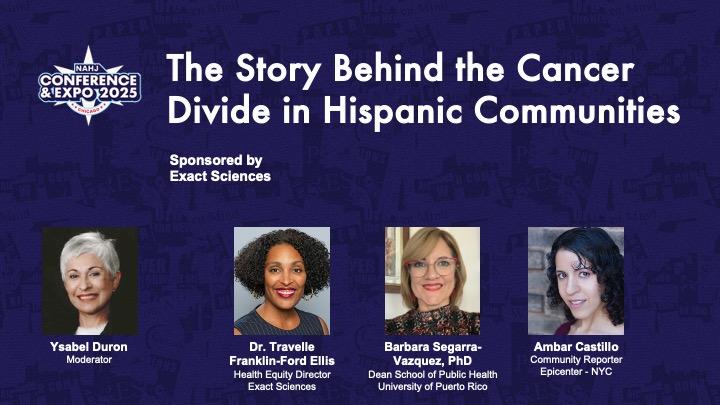
| | July 9, 2025, TLCI Founder Ysabel Duron joined the National Association of Hispanic Journalists (NAHJ) conference in Chicago, moderating a health plenary as part of the “Health + Safety” track. With more than 3,000 members nationwide, NAHJ represents a powerful platform to elevate discussions of Latino cancer risk in media conversations. Because when journalists understand the stakes, our stories reach the families who need them most. | | | | An Exciting Note: Ysabel met the president of the Latino Medical Student Association at NAHJ and invited him to join us at the Forum to talk about the challenges facing up-and-coming Latino doctors — so needed in our healthcare system, and especially in oncology! | | Also Coming This Fall: To support stronger, more informed coverage, TLCI is developing an updated Media Series Toolkit—designed to help journalists, healthcare providers, and advocates communicate effectively about Latino cancer risks and realities. Get ready: the 2025 TLCI Media Toolkit launches this fall. Sign up to get your Media Toolkit copy! | | |
Preview: Cancer Resources Asset Map Coming This Fall
While federal funding for health equity research faces cuts, TLCI is stepping up. This fall, we'll also launch our Cancer Resources Asset Map—an online searchable directory connecting Latino families to more than 300 organizations offering pathways to care, connection, and hope for Latino families, so no one faces cancer alone, no matter what happens in Washington. Organizations can apply to be on the map!
The map will be available to patients, families, community health workers, navigators, and healthcare teams. WE’LL PREVIEW IT AT OUR FORUMS — another reason to register for TLCI’s 2025 Free Virtual Forums today!
| | | | | |
And One More Item of Interest
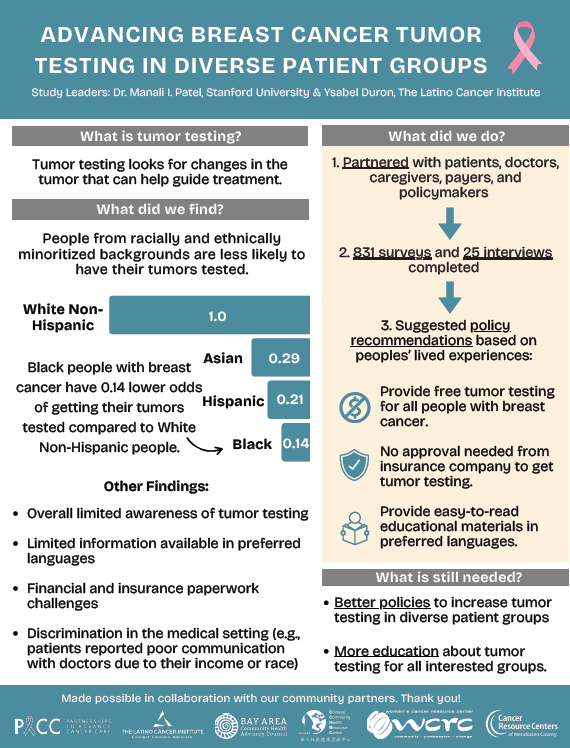
Collaborative Research Reveals More Disparities in Breast Cancer Care – TLCI's two-year project with Stanford, which included patient recruitment, engagement of five Bay Area agencies, two informative town halls, and multiple expert meetings, revealed that low-income, Spanish-speaking, and other vulnerable women with breast cancer have less access to critical tumor testing. This testing is essential for determining tumor changes and identifying the most effective treatment for cancer control. More details coming soon!
| |
|
Get Involved: Ways to Make an Impact Today
When federal research fails our communities, we need to step up!
We welcome your feedback, thoughts, and suggestions for this exciting work. To share your story or learn more about getting involved, email us at: contactUs@latinocancerinstitute.org.
| | | | | | |
Moving Forward Together
Thank you for joining us as The Latino Cancer Institute advances Latino health equity. We depend on your support to continue driving impactful conversations and initiatives that address health disparities and improve lives.
| | | | |