|
From Humble Beginnings to Yale Law: Meet Giovanni Sanchez and His Journey of Resilience and Impact
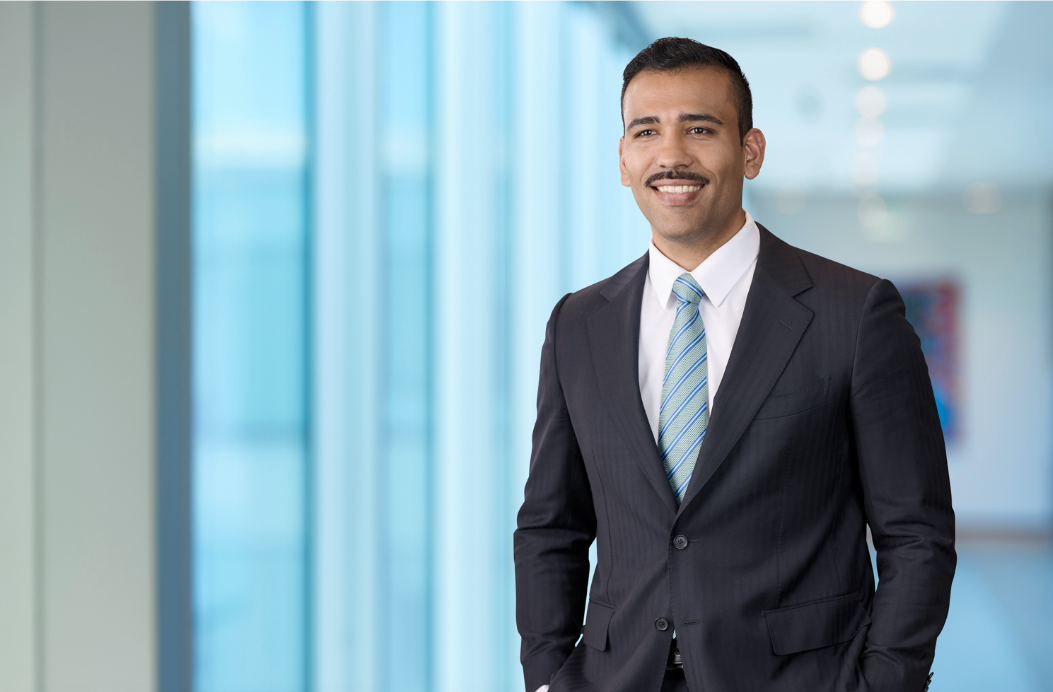
This Hispanic Heritage Month, GlobalMindED is proud to honor Giovanni Sanchez, whose remarkable journey embodies resilience, gratitude, and the power of mentorship. From growing up in a trailer park outside Dallas to becoming a Yale-trained lawyer and trial attorney, Giovanni’s path reflects both the challenges and opportunities that shape the Hispanic experience in America. His story reminds us that persistence, guidance, and community can open doors to extraordinary achievements—and that by lifting others, we strengthen the promise of the American Dream for all.
Tell us about your personal journey. (This encompasses both personal and professional aspects)
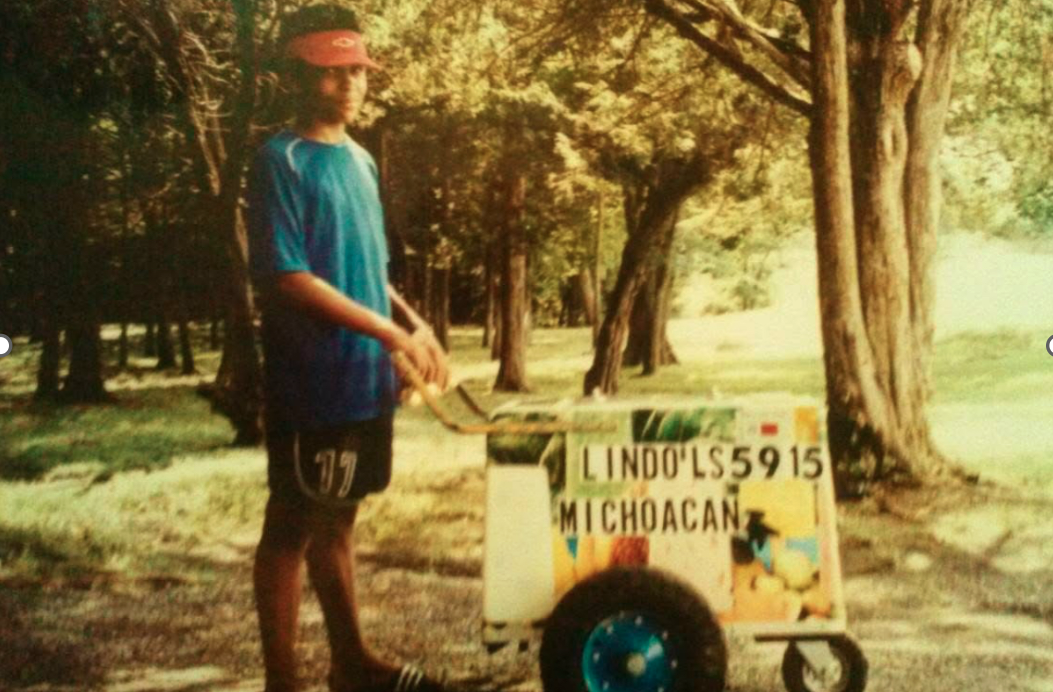
I grew up in a trailer park outside Dallas, the son of an undocumented plumber from Mexico and a Chicana mother whose family traces back to migrant laborers who picked hops in Washington state. In the fifth grade, my mom decided she would homeschool my sister and me. “Homeschool” mostly meant improvisation: some days we worked through a library book, some days we practiced soccer from morning until dark, and other days we tagged along with our parents on day gigs—delivering phone books, mowing lawns, selling Mexican popsicles—anything that paid cash.
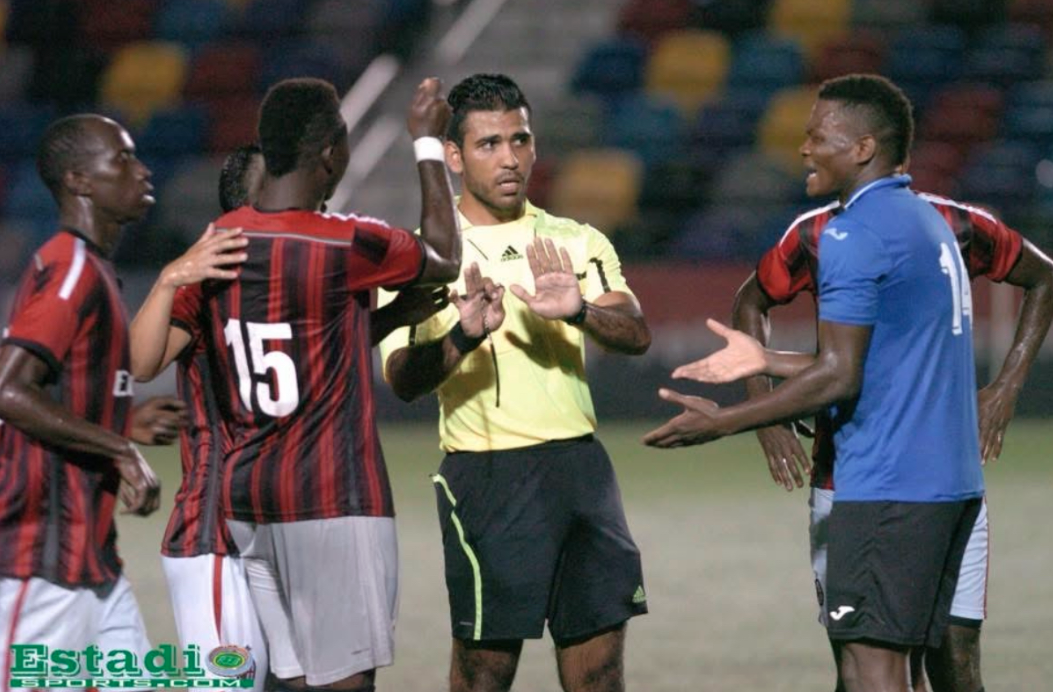
By fifteen, I was refereeing soccer games to earn my own money. At first it was neighborhood matches, but soon a veteran referee from the next town let me hitch rides with him to higher-level games an hour north. The drives were long, and in the car, he told stories and offered bits of advice that stuck more than he probably realized. He also insisted that I should think about education. Eventually, I bought a used GED-prep book, passed the test, and enrolled in community college.
Community college was the first real classroom I had been in for years, and I couldn’t get enough of it. I worked obsessively, not merely for the grade but because I was hungry to learn. When I graduated with my associates degree and transferred to Cornell University, I was stunned by the turn my life had taken. Three years earlier I had been working odd jobs, now I was walking across an Ivy League campus.
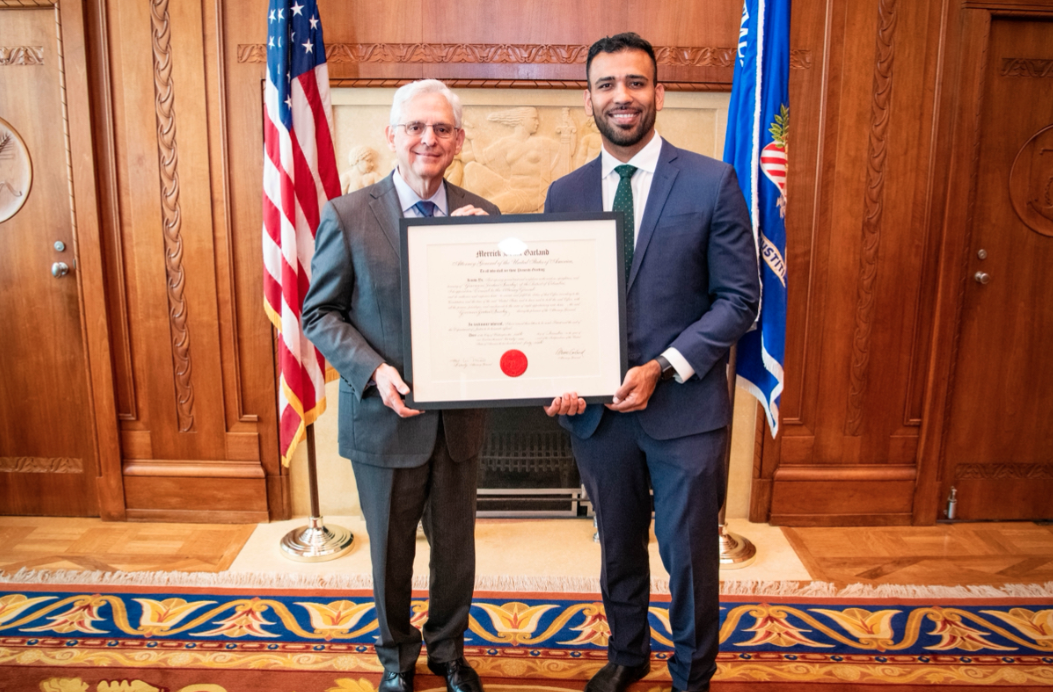
From Cornell I went on to Yale Law, graduating in 2019. After Yale, I spent two years working as a law clerk for federal judges in Washington, D.C.—one of them, future U.S. Attorney General Merrick Garland. A clerkship is a kind of apprenticeship: a one-year post where you work with a judge, helping research the law, think through cases, and draft opinions. It was an inside look at how the federal courts operate and how legal questions get translated into rulings with real-world impacts.
After my clerkships, I joined a national law firm in D.C. The most important case I worked on there was Sines v. Kessler, a lawsuit against the neo-Nazi and white supremacist groups behind the deadly 2017 “tiki torch” rally in Charlottesville, Virginia. I was part of the trial team during the month-long proceedings, which ended with a $25 million verdict for nine people injured in the violence. The case was later featured in the HBO documentary No Accident.
From there I went to the Justice Department, working in the Office of the Attorney General as a special assistant and then as counsel. Merrick Garland had just taken on the role, and I was part of a small staff that briefed him on the decisions that required his attention. My focus was on community policing, tribal law, and access-to-justice initiatives.
In 2023, I became a trial lawyer at Bartlit Beck. My job is to take complicated disputes and present them to a jury in a way that makes sense. The trials are high-stakes—usually involving hundreds of millions of dollars—and they cut across industries, from telecommunications to aerospace to finance. Growing up far from courtrooms, I learned early on how to explain things plainly. That has turned out to be a useful skill when trying a case to a jury of laypeople.
What pivotal experiences shaped your current path?
I wouldn’t have set out on this path without the people who stepped in at the right moments. As a teenager, it was a veteran referee who let me ride along to matches an hour north, and who, in the quiet of those long drives, pressed me to think about school. Years later, at Yale, a professor turned into a fierce advocate, guiding me through the thicket of clerkships and jobs I hadn’t imagined myself pursuing. Mentorship, for me, has never been abstract—it’s been the difference between doors that stayed closed and doors that swung open, between trying something and walking away.
What are the most valuable lessons you've learned through your work?
The lesson that has followed me from community college to the courtroom is persistence. At every stage, I’ve been confronted with something I didn’t know how to do—struggling through calculus at eighteen, or years later, unpacking the technical guts of a product at the center of a patent trial. What has mattered most is not arriving with the answers, but being willing to sit with the problem, put in the hours, and learn what the situation demands.
What drives your desire to contribute and make a difference?
What drives me is gratitude. I was fortunate to have people step in who pushed me, opened doors, and changed the trajectory of my life. I know how different things might have looked without them. That sense of gratitude leaves me wanting to give back, to help others who haven’t yet seen what they’re capable of and provide my own type of mentorship and guidance.
What are your highest hopes for democracy to unite, uplift, and inspire?
My highest hope is that we restore faith in the American Dream. For generations, it has been the story that bound people together—the belief that, no matter where you began, hard work could secure something better for you and your family. Lately that belief has frayed; too many people see the promise as out of reach or reserved for someone else. If democracy is to unite and inspire, it will be by making that dream tangible again, so that people can see it alive and thriving in their own lives and communities.
How can GlobalMindED support leaders like yourself in achieving your goals and advancing your aspirations?
What makes the biggest difference is connection. Those of us who want to give back need to be in touch with young people who have the drive but haven’t yet had the spark or the guidance to see where it can take them. GlobalMindED can play that role—creating the bridge between mentors and the students who most need them and making sure that talent and potential don’t go unnoticed.
Contact Giovanni Sanchez on LinkedIn.
|