|
Teaching Approaches
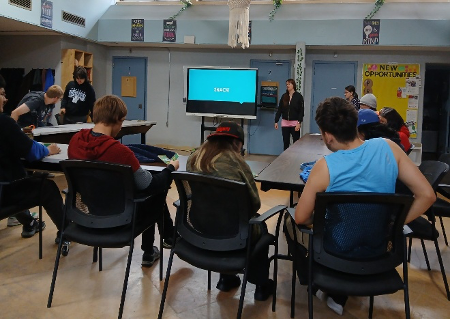
Gary teaches BrainWise in his private practice and consults with schools and youth agencies whose instructors teach BrainWise predominantly to groups, not individuals. Melissa teaches BrainWise to groups, sometimes with as many as 20 participants.
Both agreed that teaching BrainWise in groups offers many benefits, including peer interaction, sharing “Wizard Brain” and “Lizard Brain” experiences, collaborative work, mutual motivation, and engaging with others.
Working with individuals, on the other hand, allows the instructor to tailor the pace of the learning and customize the lessons to the participant’s unique challenges and learning style. Participants can also feel they are in a “safe place,” with minimal distractions. For participants with behavioral challenges, this is important.
Ultimately, the best approach often depends on the specific goals, the nature of the group or individual, and the available resources.
Creativity and Repetition
In addition to their work in schools, BrainWise instructors also teach the program in facilities that provide trauma-informed care to children and youth on an inpatient and outpatient basis. Some of these agencies are in Alberta, and participants may take BrainWise for multiple years.
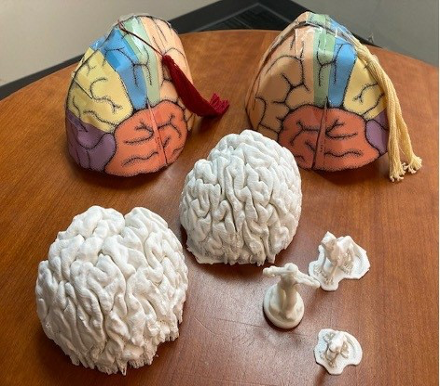
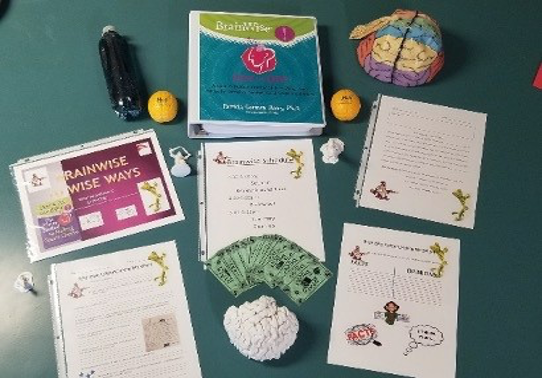
This continuing opportunity is welcomed by Gary, Melissa and Jocelyn, who report that their clients are excited to take ongoing BrainWise classes. They never run out of ideas for developing and offering engaging activities and are proud of the outcomes. They describe activities that range from art projects such as creating “brain caps” to brainstorming with older students on how to apply BrainWise skills in the workplace.
They even have found that changing something as simple as a class description from “BrainWise” to “BrainWise in Real Life” creates new enthusiasm. “THERE ARE SO MANY WAYS YOU CAN TEACH BRAINWISE!"
|