August - September - 2025 | | |
Welcome back to The Vine! We’re excited to share that it will now be a quarterly online publication—your seasonal dose of inspiration, ideas, and connection. Each issue is a true collaboration, with Susan Epstein and Beverly Rivers lending their expertise alongside mine to bring you stories that celebrate our members, offer practical gardening tips, and share timely lessons for the unique beauty and challenges of the Lowcountry garden. We are also including links back to some of our favorite past Vine articles—because good advice (and good stories) are always worth revisiting. Here’s to learning, growing, and thriving together—season after season.
Kim Ashley
Board Member
VINE Online Editor
| | |
Gingers
Every couple of months, we love strolling through Lowcountry gardens to see what’s stealing the spotlight—whether it’s in full bloom, showing off bold textures, or filling the air with fragrance. Late summer is prime time for the ginger family, Zingiberaceae, with its exotic, show-stopping members. Let’s shine a light on three of the best.
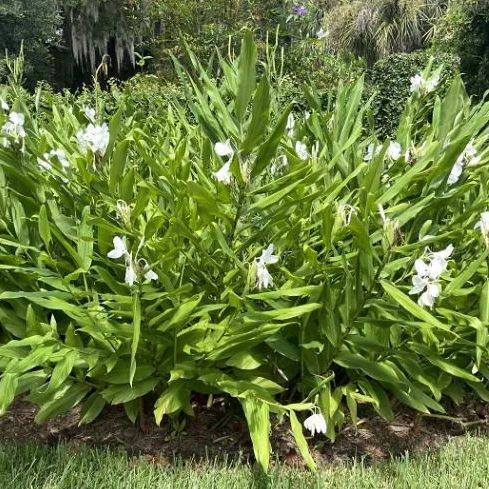
Hedychium coronarium, or Ginger Lily, has been a hardy perennial here long before our winters warmed over the past 25 years. Fragrant white blooms crown sturdy vertical stems that can reach 4–6 feet tall, while wide, elongated leaves emerge from late August into October. This beauty thrives in filtered sun to shade and prefers slightly acidic, moist to well-drained soils. A little winter mulch goes a long way in keeping it happy. Over time, it can form a dense mat of creeping rhizomes just beneath the soil surface, so occasional digging and dividing (and sharing) will keep the clump in check. Today, you can find plenty of cultivars in warm, cheerful colors, and some even flaunt striking variegated foliage.
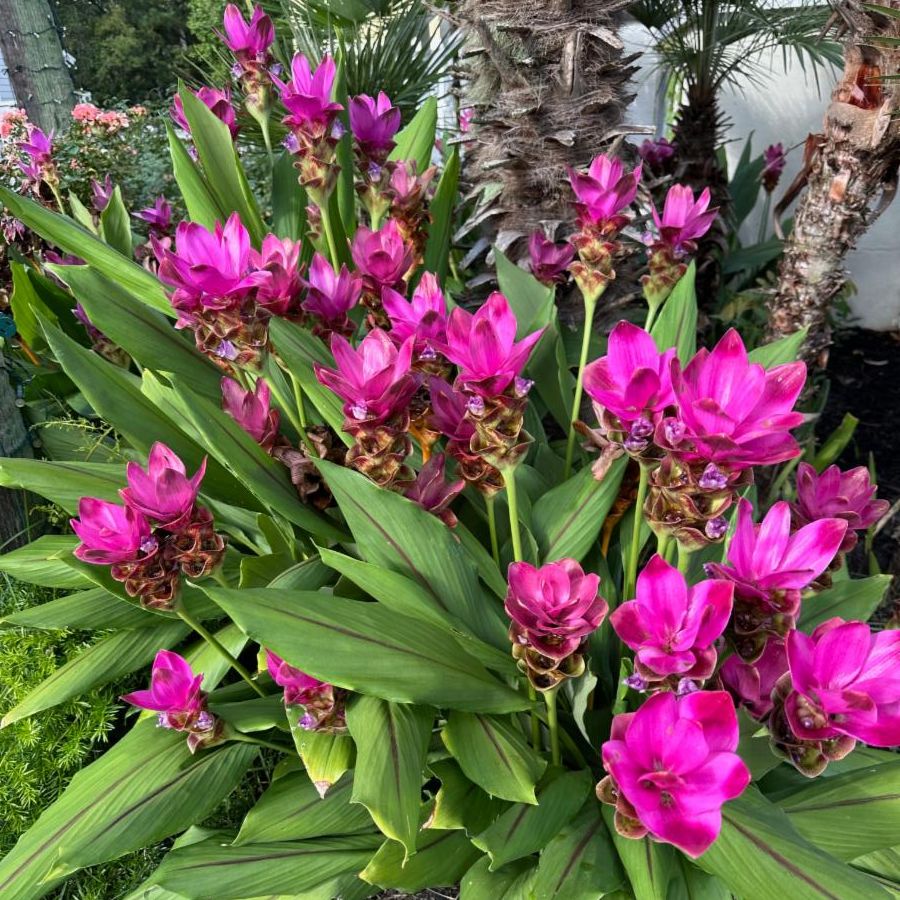
Curcuma longa, part of the ginger family, includes a variety of species and cultivars known for their broad, canna lily–like leaves, sometimes splashed with color. Depending on the type, they can grow anywhere from 2 to 7 feet tall, producing vivid, pine cone–shaped blooms that often appear close to the ground (and in some cases, pop up before the foliage). While many Curcumas are grown purely for their ornamental beauty, Curcuma longa is the plant that gives us turmeric. Several other species are also edible and valued for their beneficial health properties.
Alpinia is the largest genus in the ginger family, boasting over 200 species. Many have medicinal uses, but here in the Lowcountry, the star of the show is usually Alpinia zerumbet 'variegata'—better known as variegated shell ginger. Its striking green-and-yellow striped leaves seem to rise straight from the ground, making it a gorgeous filler for pots or mixed borders. The flower buds form at the tips of older stems, opening into pearly, shell-like blooms with an exotic flair. Sadly, we rarely see them bloom here if winter cold sends the top growth into dormancy. This ginger thrives in filtered sun to shade and prefers organically amended, well-drained soil.
Gingers thrive in our late summer heat and humidity, and their lush foliage and striking blooms make a bold statement. Whether tucked into a large pot or given a prime spot in the garden, they bring an exotic, tropical flair that’s hard to miss.
| | |
Weeding - the summer weeds explode this time of year, especially following good rains. Our job now is to try and pull them when they are young and small to reduce the dispersal of weed seeds. Dispose of all pulled weeds. Do not drop them into your beds or even into your compost piles where it is difficult to achieve high enough temperatures to destroy the weed seeds.
Mowing - Set your lawnmower's blade on the higher setting so the longer grass blades can offer shade to the roots. This shade helps to retain moisture longer and reduce weed seed germination.
Watering - the availability of fresh water has been strained by increased population and development in our area. We gardeners, as mindful stewards of our ecosystems, must be smart about our use of water. Lawns, with their shallow roots and full sun locations in our gardens, require the most water.
Utilize these practices to minimize water usage:
- Water in the early morning to keep the droplets from evaporating in the sun before they can properly hydrate the plant.
- Avoid watering late in the day when droplets will remain on the plant’s foliage during the night. This creates fungal issues that can weaken or kill the plant
- Use longer watering times (20-30 minute periods) and longer intervals between watering (3-5 days) to encourage plants and lawn roots to grow deeper, building up their resilience during periods of drought.
Remember that trees, shrubs, and perennials are established after 2-3 years of installation. If they have been watered properly during that time, they will not need any supplemental watering unless we experience a rare drought event.
Consider reducing your lawn size and shape to serve as an attractive ‘area rug’ with borders of trees, shrubs, and perennials, which will eventually require no supplemental water.
| | |
Many of the Lowcountry garden plants that we love and add to our gardens for their spring and early summer displays do not tolerate our mid-to-late summer extreme heat, hot sun, and oppressive humidity. As a consequence, some plants develop methods of survival that ultimately affect their appearance during August and into September.
Some plants wilt dramatically during the heat of the day, but they do not require water. Observe their appearance when the sun goes down or in the early morning; during these less stressful periods, their appearance will generally return to normal. Watering when not needed will lead to root rot
and death, eg, Fatsia, Edgeworthia, Abutilon, Farfugium.
Some plants will ‘head to the mountains’ by going dormant for the remainder of the summer. Plan by adding a few annuals or more heat-tolerant selections such as Curcumas (see Showstoppers above) to fill those spaces through the rest of the season. eg: Eucomis, Bletilla, Acanthus.
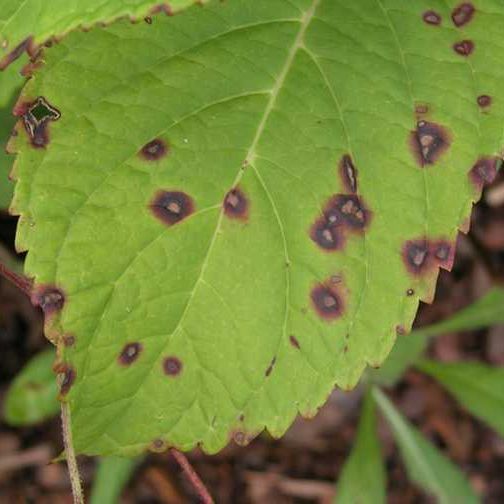
Some plants will develop spots on their leaves (fungal disease) from the excessive humidity and late afternoon thunderstorms, such as hydrangeas. This fungus is not harmful to the health of the plant. Try to avoid using fungicides, which have negative consequences for the soil’s health. Bear with the ‘imperfect’ appearance, knowing the leaves will drop in late winter (clean them up) and new foliage will be fine.
Using fungicides in the garden can be a helpful tool for managing plant diseases, but they should be used carefully and thoughtfully to avoid harming the environment, beneficial organisms, or your plants. Here are the best practices to follow:
Identify the Disease Accurately
- Before applying any fungicide, make sure you correctly identify the disease affecting your plants.
- Many problems that look like fungal infections (e.g., leaf spots or wilting) may be caused by insects, bacteria, viruses, or environmental stress.
- A local extension service or garden center can often help with identification.
Choose the Right Product
- Select a fungicide labeled for the specific disease and plant species.
-
Consider organic or low-impact options (e.g., copper, sulfur, neem oil, or biofungicides like Bacillus subtilis when possible.
-
Read the label carefully before using. Look for: Active ingredients, Target diseases, Safety precautions, and Application instructions
Use Fungicides Preventively
- Fungicides are most effective before or at the very early stages of infection.
- Once a fungal disease is established, fungicides can only slow it down—they won’t cure it.
- Avoid applying before rain (unless it’s a systemic product)
- Apply during dry, calm weather to reduce drift and ensure good coverage.
- Avoid spraying during intense sun or high heat, which can burn foliage or reduce effectiveness.
Follow Label Instructions Closely
- Do not exceed recommended rates or frequency of application.
- Pay attention to mixing instructions.
- Utilize recommended protective gear such as gloves and eye protection.
Practice Good Garden Hygiene
- Remove infected plant material from the garden and dispose of it (don’t compost diseased leaves or stems).
-
After handling diseased plants, always clean and disinfect your garden tools to prevent spreading the problem to healthy plants.
- Space plants properly for good airflow.
- Water at the base of the plant, not overhead, to reduce humidity and leaf wetness.
Protect Pollinators and Beneficial Insects
- Avoid applying fungicides during peak pollinator activity (early morning and evening are better).
- Check if the product is safe for bees and other beneficial insects.
Remember, not all fungi are harmful to the overall health of the plant. when confronting recurring issues, integrating fungicide use with cultural practices (crop rotation, resistant varieties, proper watering, and pruning) is more sustainable and effective in the long term.
| | |
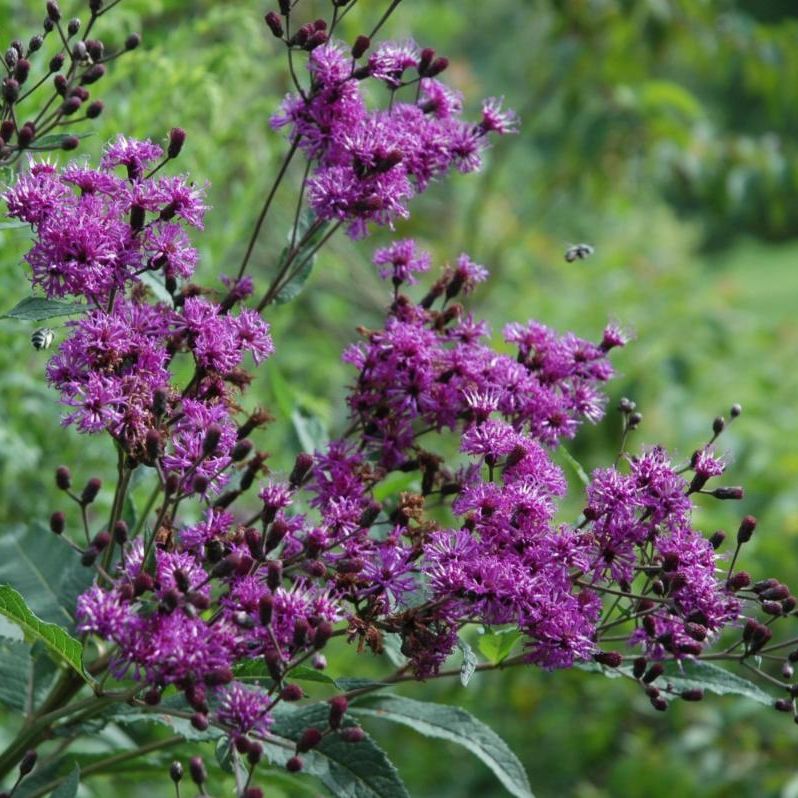
Vernonia glauca - Ironweed
Yes… here we go again. We have another native plant that’s a true powerhouse—adding beauty to late-summer perennial borders, feeding native bees, butterflies, and hummingbirds, serving as a host plant for certain caterpillars, and producing nutritious seeds for songbirds. And yet, despite all those virtues, its common name still manages to include the unfortunate word “weed.”
Back in early American farming days, “weed” didn’t mean useless—it just meant a plant growing where it wasn’t wanted. That’s how beauties like milkweed, sneezeweed, and Joe-Pye weed ended up with the label. Ironweed used to be every farmer’s headache—livestock turned up their noses at its bitter leaves, and it spread quickly by both seeds and rhizomes. Even after mowing or frost, those stiff stems stood tall like skeletal sentinels. Over time, it earned a spot on the “nuisance” list, and the weed label stuck. Ironically, today it’s a star in native plant gardens, celebrated for its vibrant late-summer purple blooms and its incredible value to pollinators—a total reversal from its old reputation.
From late June to September, Ironweed puts on a show with tall, sturdy stems topped with clusters of vivid purple blooms that bees can’t resist. Native bees even nest inside their hollow stems—so let them stand through winter until they naturally break down. Depending on the variety, it can reach 4–10 feet, thrives in sandy loam or clay, loves full sun (but tolerates a little less), shrugs off deer, and may self-seed enthusiastically—so pull extra seedlings to keep it in check.
| | |
Thinking about adding some eye-catching vines to your landscape? Before you plant, it’s worth considering the long-term reality. Will that vine turn into a garden thug, spreading faster than you can keep up? Will it need constant pruning to stay tidy? Is it prone to pests or disease? We’ve taken a closer look at some of the most common vines for our Zone 9 climate—and here are a few recommendations:
Plant These:
| | |
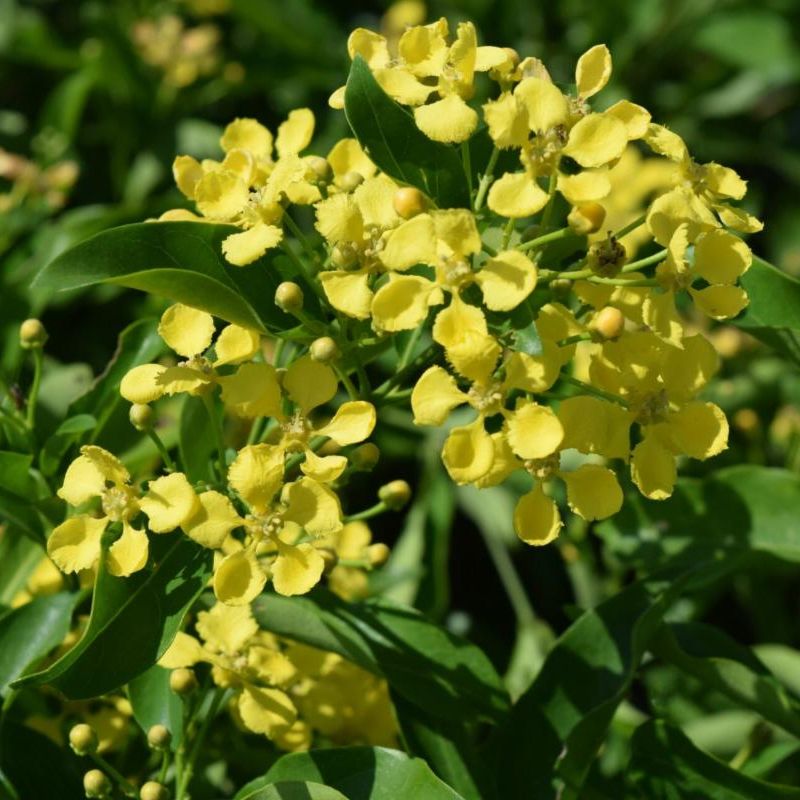
Butterfly Vine - Mascagnia macroptera
We can’t say enough good things about this vine! It’s a fast-growing evergreen that can grow 15-20 ft tall and wide. It produces bright yellow flowers in summer and fall, with its papery, tan seed pods resembling butterflies. The plant prefers full sun to partial shade, is drought-tolerant, resistant to disease and insects, attracts butterflies, and is deer-resistant. Wow, what’s not to love?
| | |
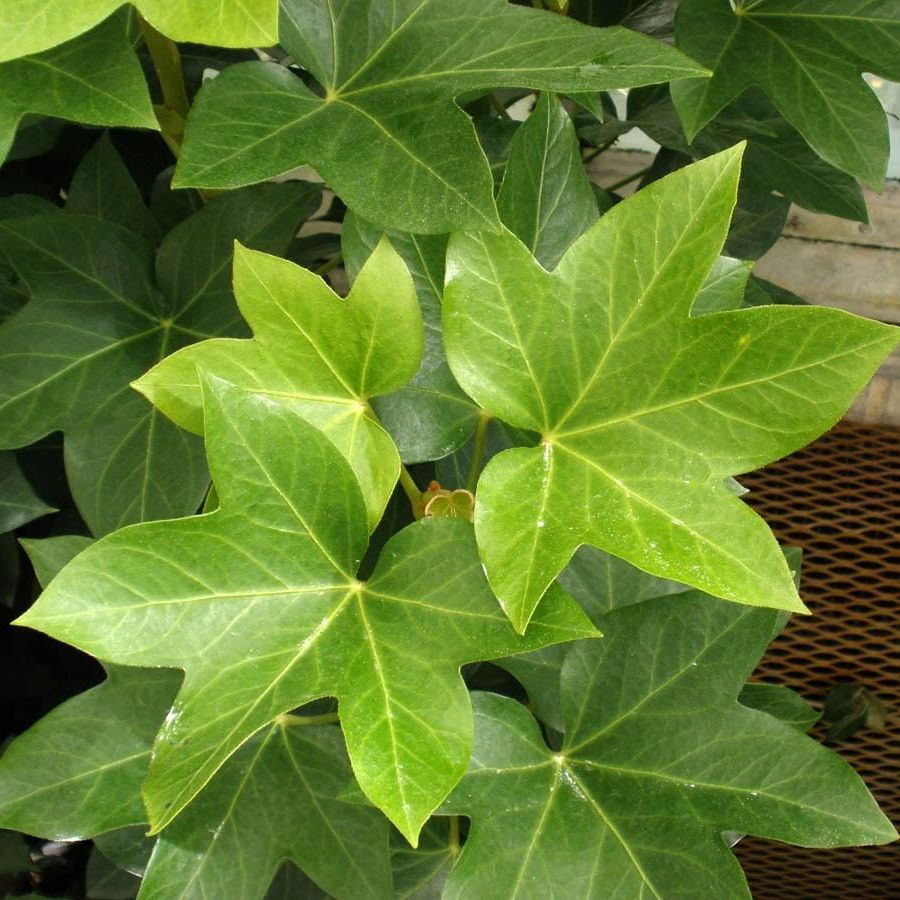
Fathshedera - x Fatshedera lizei
This distinctive hybrid of Fatsia and English ivy shows off large, glossy, lobed leaves—often beautifully variegated. Versatile and adaptable, it can be trained to climb like a vine or spill gracefully as a groundcover. It thrives in partial to full shade with well-drained soil, stays fairly low-maintenance, but may occasionally invite scale or mealybugs.
| | |
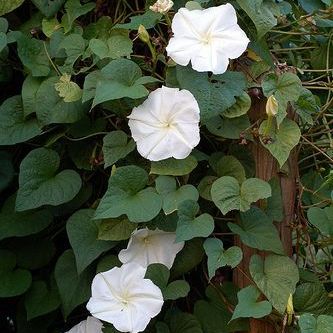
Moonvine - Ipomoea alba
This night-blooming morning glory shows off big, pure white flowers and charming heart-shaped leaves. The blooms open after dark, filling the air with a sweet fragrance. It’s low-maintenance, deer-resistant, and a lovely way to add a little moonlit magic to the garden.
| | |
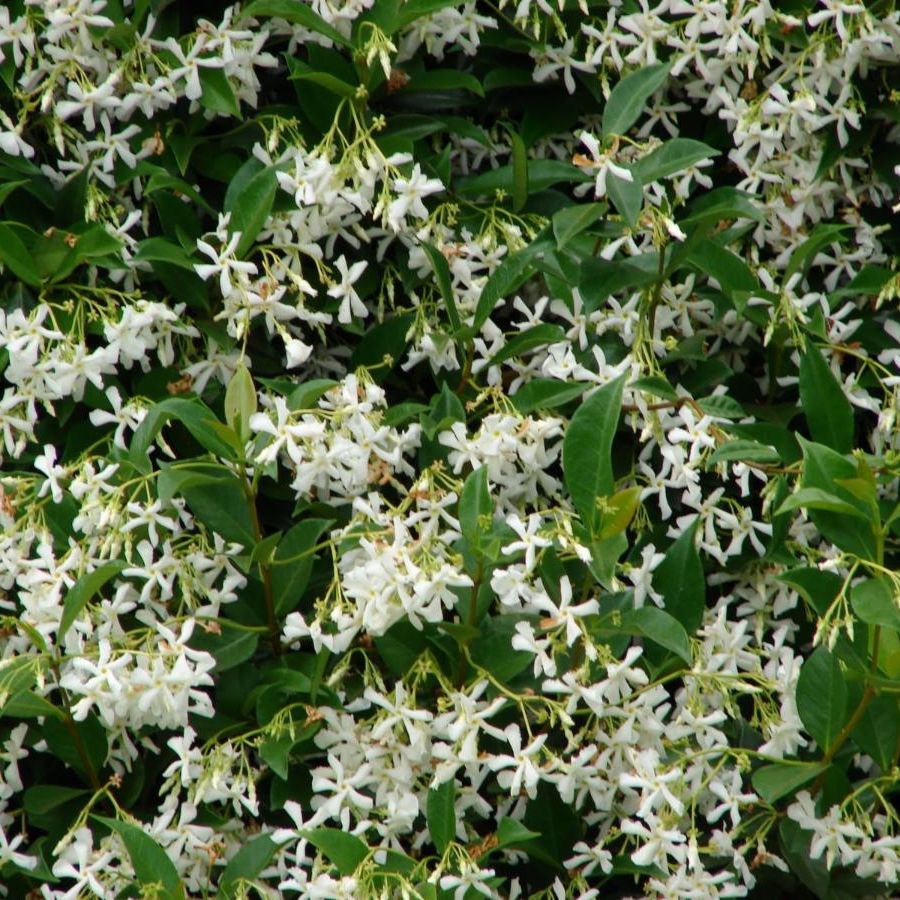
Confederate Jasmine - Trachelospermum jasminoides
A true Charleston classic—an evergreen vine with glossy, dark green leaves and intensely fragrant white blooms that fill the air in early spring. Hardy, low-maintenance, and wonderfully versatile, it can twine up trellises, spill over fences, or even be trained as a groundcover. Once established, it’s tough, drought-tolerant, and an easy way to add year-round charm and springtime perfume to your garden.
| | |
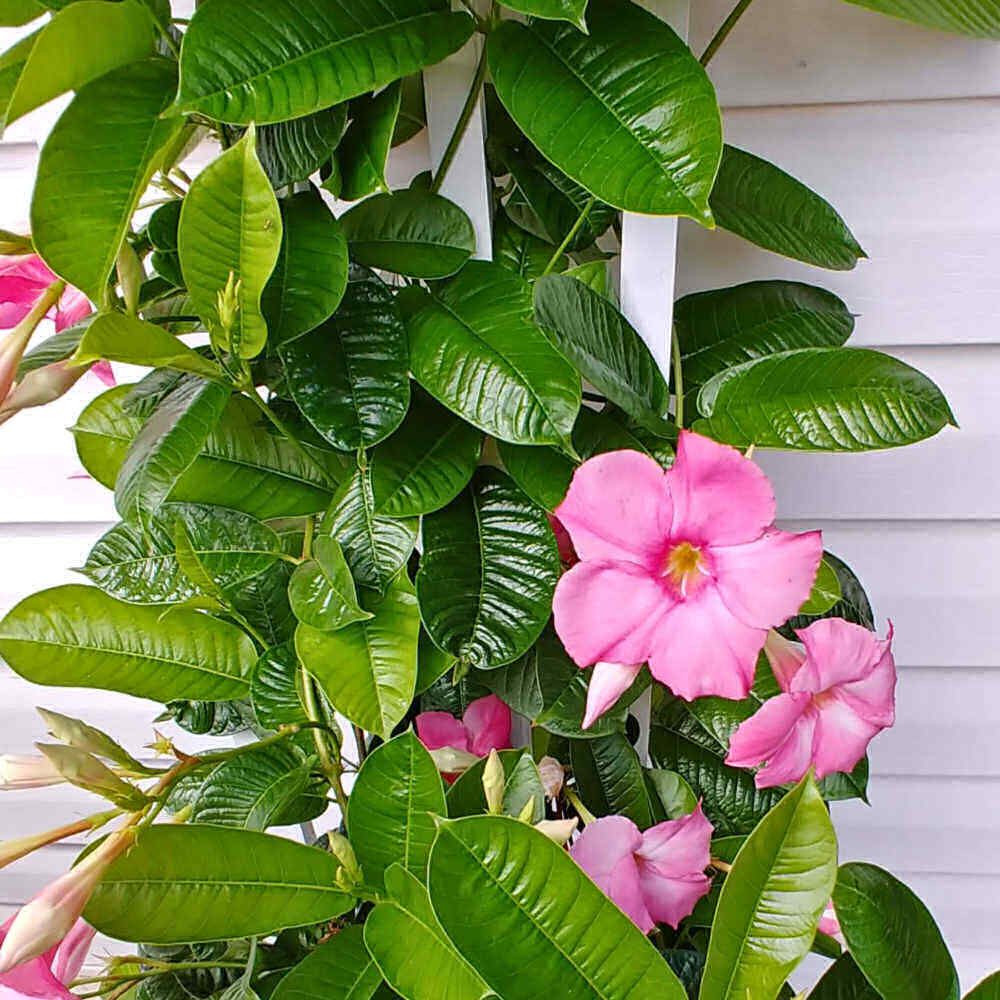
Mandevilla
These evergreen tropical vines boast big, broad leaves and thrive in warm, sunny spots with well-drained soil. They’re covered in brilliant, trumpet-shaped blooms in shades of red, pink, coral, yellow, and white—putting on a show that butterflies and bees can’t resist. Perfect for containers, they’ll bring a splash of color and a touch of the tropics to your garden.
| |
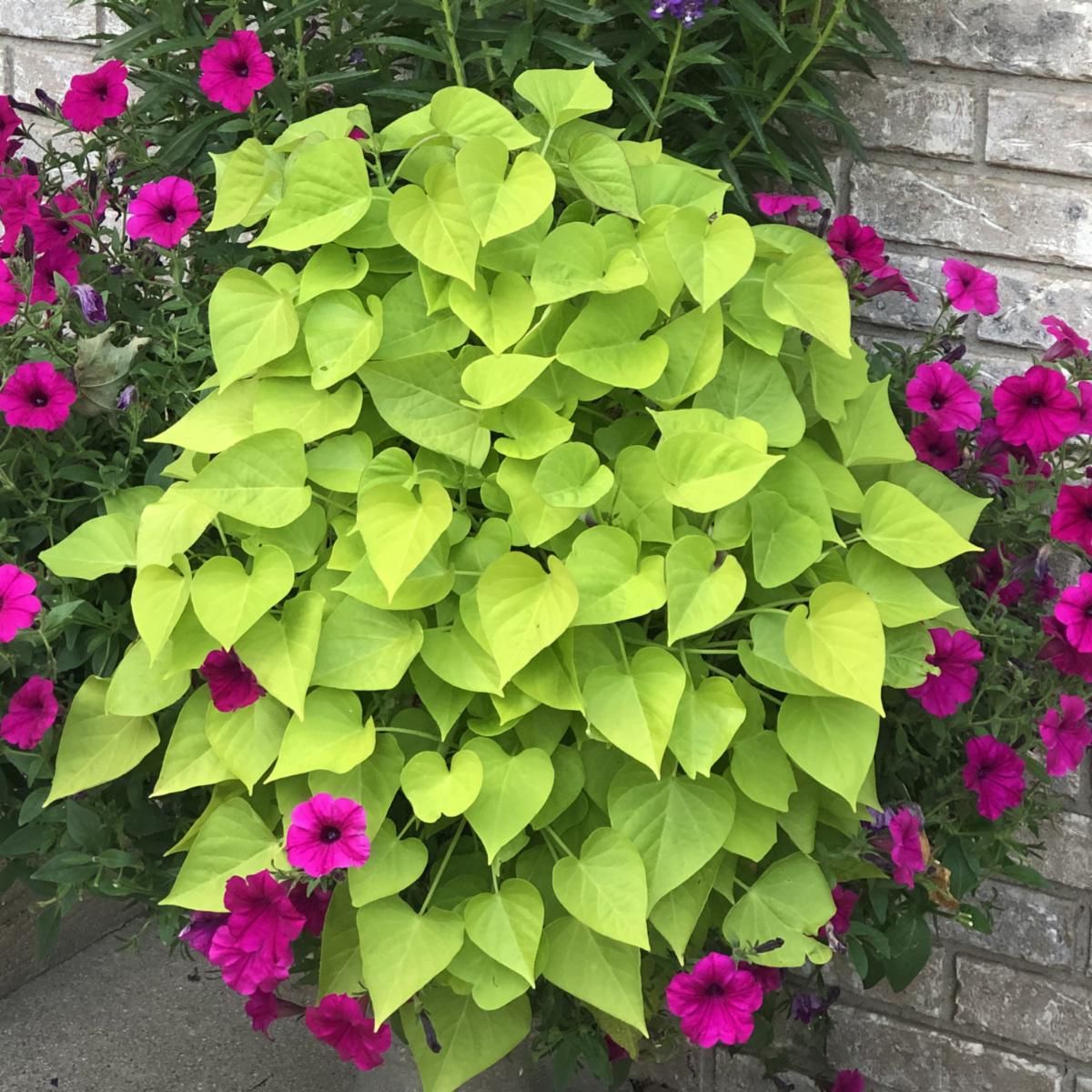
Sweet Potato Vine - Ipomoea batatas
This vine is all about the drama—its vivid, colorful leaves bring instant pop to any space. With foliage in eye-catching shades of lime green, deep purple, bronze, or variegated patterns, it’s perfect for spilling out of containers, trailing from hanging baskets, or creating a lush groundcover. Give it full sun for the richest color, and keep the soil consistently moist—this beauty doesn’t like to dry out.
| | |
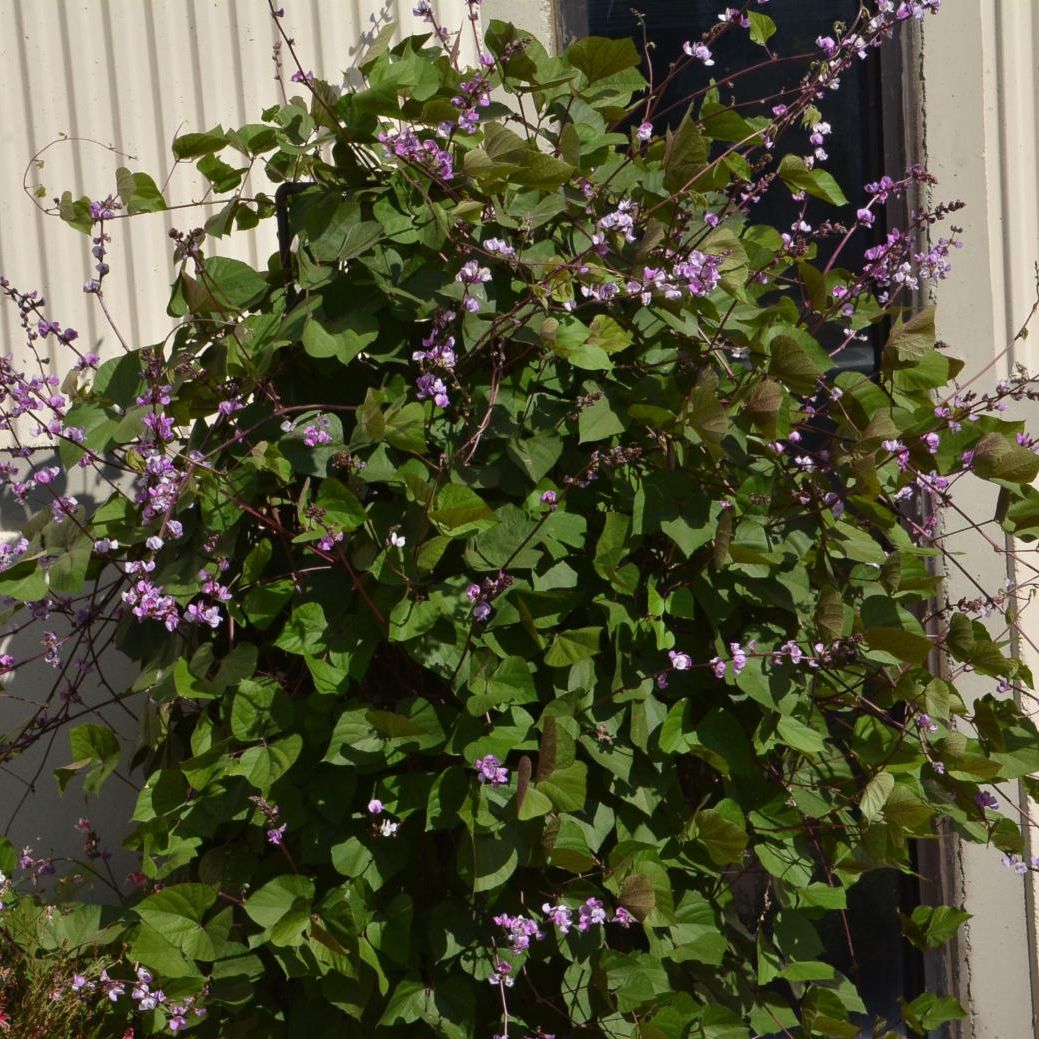
Hyacinth Bean Vine - Lablab purpureus
A fast-growing annual that can’t handle frost but makes up for it with gorgeous pinkish-purple blooms and shiny reddish-purple pods. It’s a showstopper in full sun and loves to climb, so give it a sturdy trellis or arbor. While it’s not considered invasive, it can spread quickly and cover structures—or neighboring plants—if you don’t keep it in check. Just a note: the pods are poisonous if eaten raw.
| | |
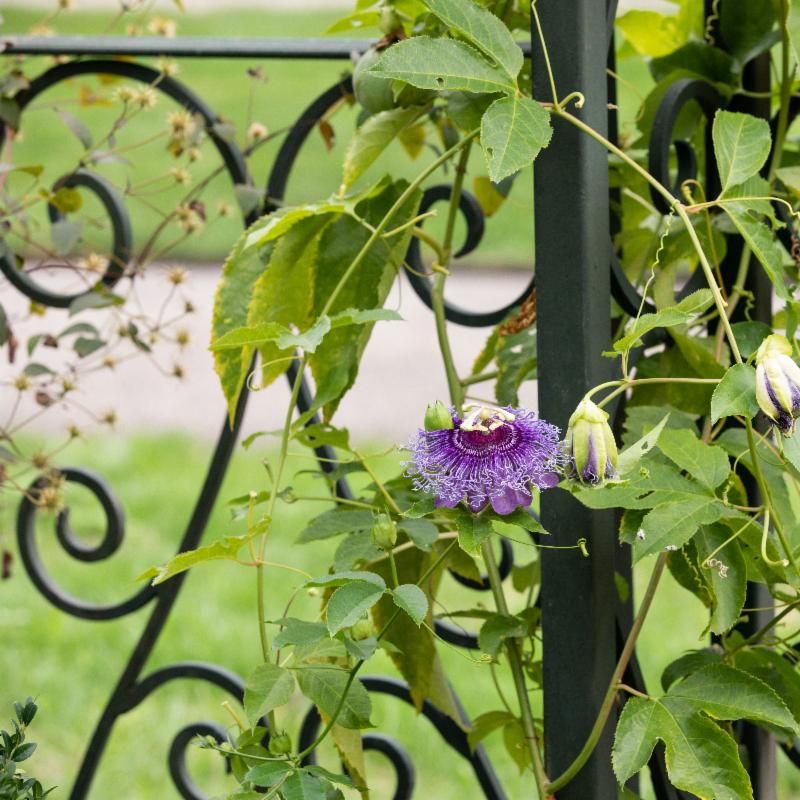
Passion Vine - Passiflora incarnata (aka May pop)
A vigorous grower that can reach up to 20 feet in a season. It climbs by sending out curly tendrils that grab onto trellises, fences, or anything nearby. While it’s beautiful and produces edible fruit, it spreads quickly and can become invasive if not managed. On the plus side, it’s moderately deer-resistant—so you might get to enjoy more of it than they do.
| | |
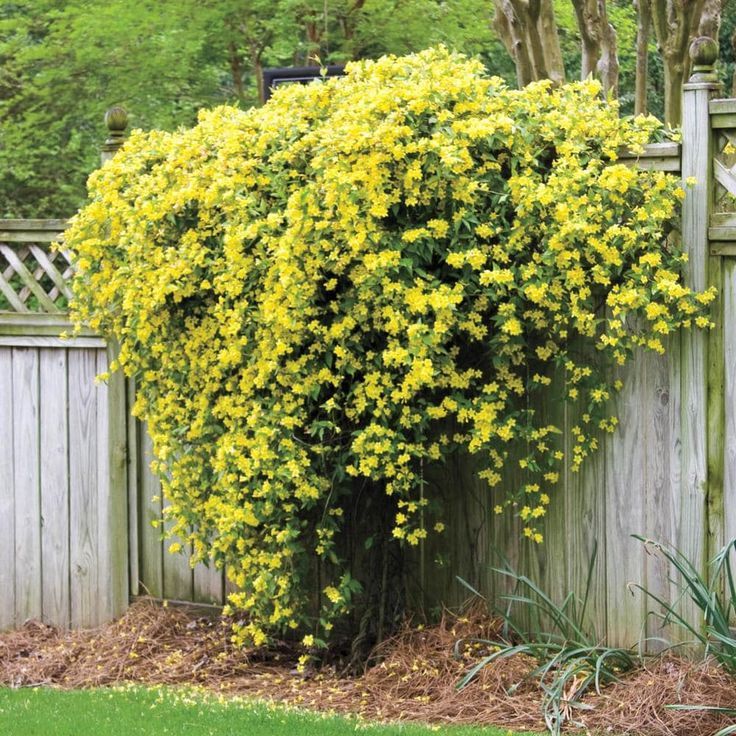
Carolina Jessamine - Gelsemium sempervirens
South Carolina’s state flower is a spring showstopper with glossy green leaves and fragrant yellow blooms. Fast-growing—up to 20 feet tall—it thrives in full sun to partial shade and slightly acidic soil. It can spread aggressively, all parts are toxic to people and animals, it’s prone to mildew in humid spots, and without pruning, it can smother nearby plants. Beautiful, yes—but best planted where you can keep it in check.
| | |
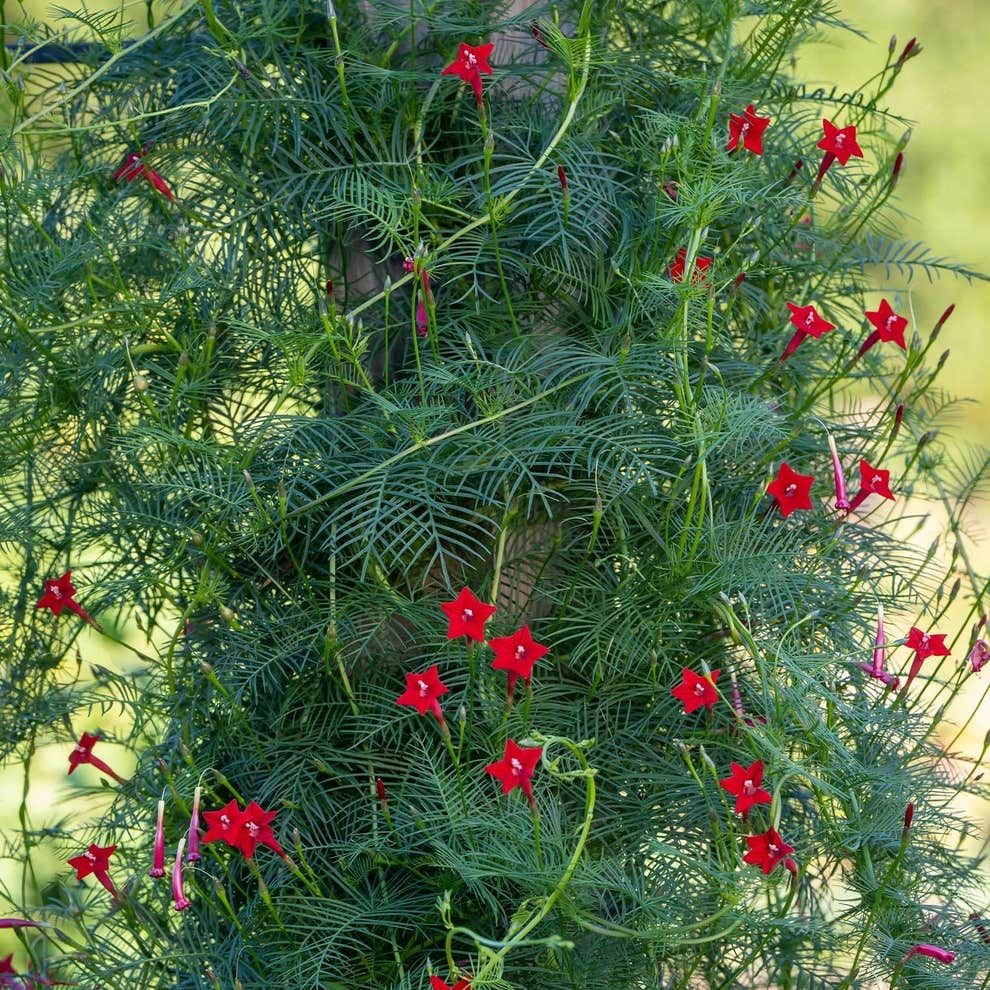
Cypress Vine - Ipomoea quamoclit
A twining, fast-growing annual that brings a burst of bright red, star-shaped blooms from June to October—and hummingbirds absolutely love it. It thrives in full sun and well-drained soil, and while it dies back with frost, it can easily self-seed and return the following year (sometimes a little too enthusiastically). One note of caution: it has moderate toxicity to humans, cats, dogs, and horses. So, if you want a low-maintenance hummingbird magnet and don’t mind a few surprise seedlings, it’s a charmer—but it’s best planted where pets and little hands can’t get to it.
| Never Plant - Garden Thugs: | | |
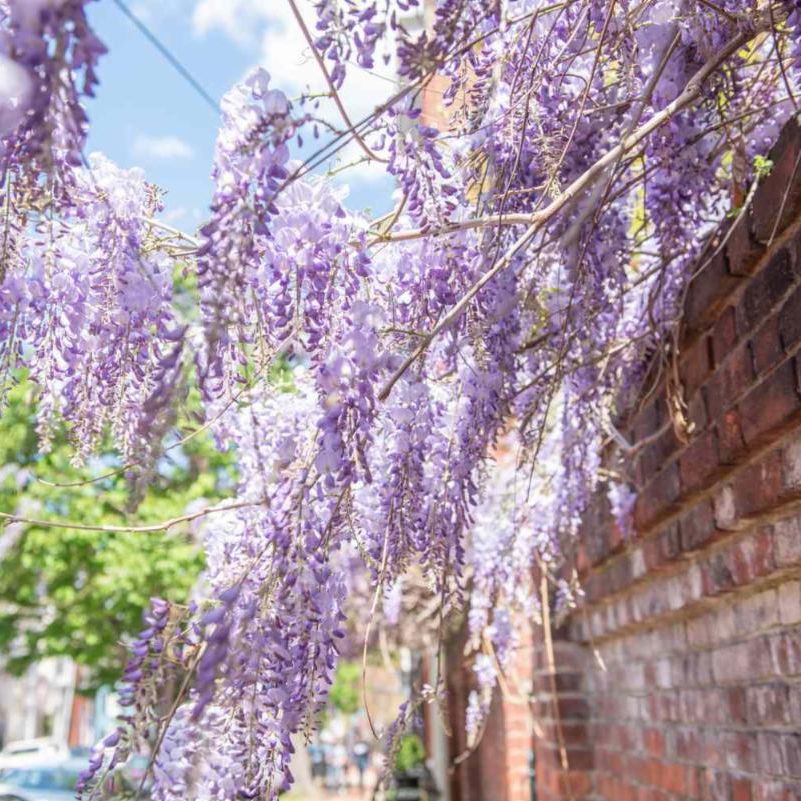
Chinese or Japanese Wisteria
One look at wooded roadsides in early spring and you’ll see why this plant is better admired from afar. Sure, it can look lush and appealing—but it’s highly invasive, quick to smother everything in its path, and incredibly hard to control once it takes hold. Unless you’re ready for a constant battle, it’s best to leave this one out of your garden plans.
| | |
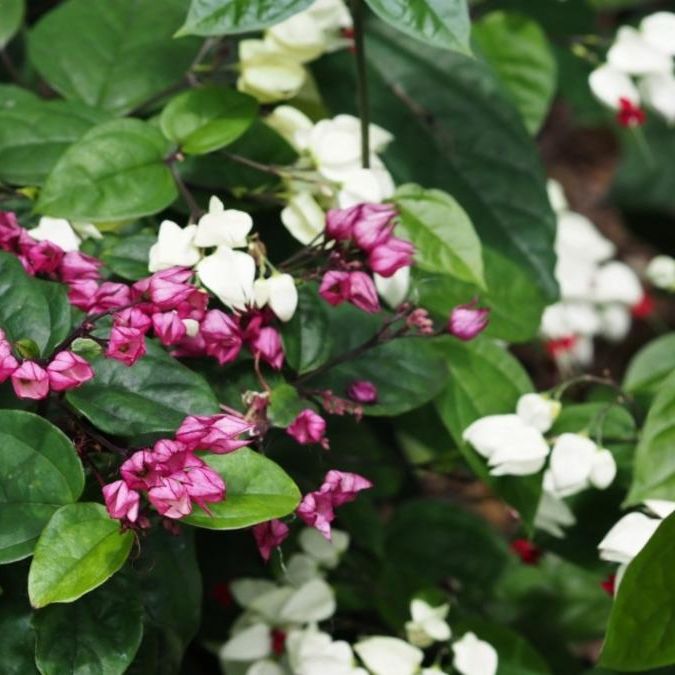
Bleeding Heart Vine - Clerodendron Thomsoniae
These vines are fantastic climbers, perfect for trellises, arbors, or fences, and they can bring gorgeous vertical interest to your garden. The catch? Some are aggressive spreaders. Without root barriers—or the containment of a pot—they can take off and pop up where you don’t want them.
| | |
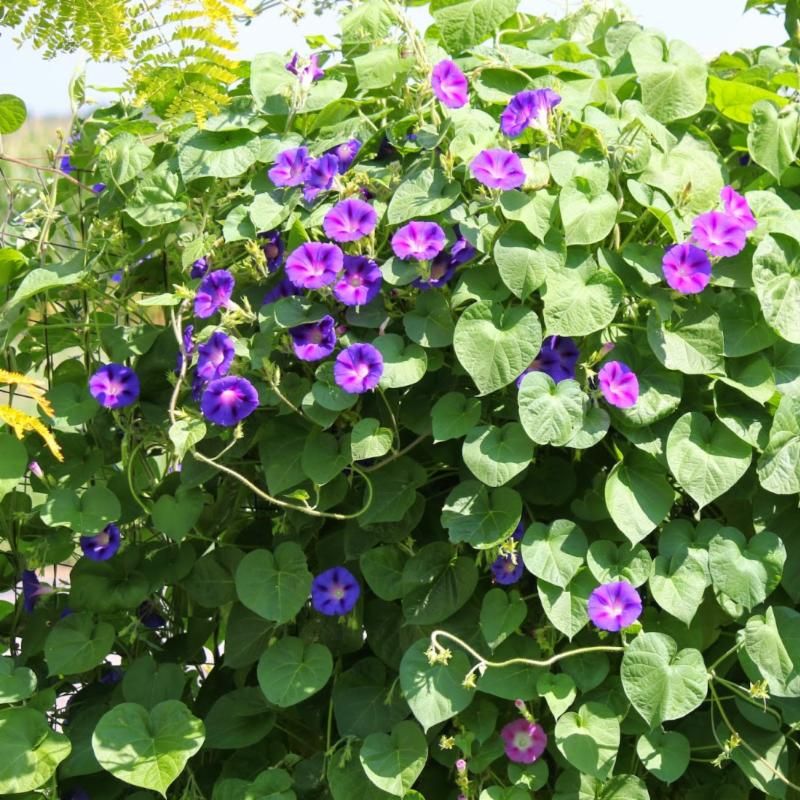
Morning Glory - Ipomoea purpurea -
These fast-growing flowering vines put on a show with vibrant, trumpet-shaped blooms that open in the morning and fade by afternoon. They’re great if you want quick color and plenty of pollinator action—but be warned, they self-seed like crazy. In our climate, that means they can spread fast and even become weedy or invasive.
| | |
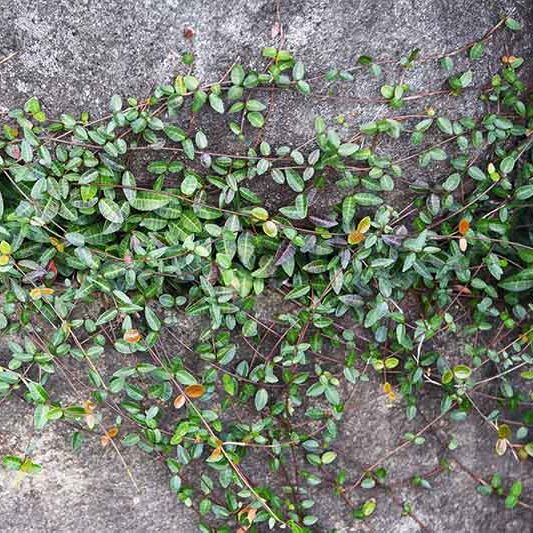
Asiatic Jasmine - Trachelospermum asiaticum
A tough, evergreen woody vine that makes a lush, low-maintenance-looking groundcover. It’s durable, handles heat and drought well, and creates a dense, tidy carpet of green. The flip side? It’s a vigorous grower that needs regular trimming year-round, even in winter. Without attention, it can become invasive, crowding out other plants by blocking air, water, and light. And if you ever want it gone, be prepared—removal often takes repeated herbicide applications and persistence. Curious about alternatives? Read more in our March 2025 issue of The Vine for other great plants to consider instead of Asiatic jasmine.
| | |
Mid- late summer (mostly) native perennial combinations for sun:
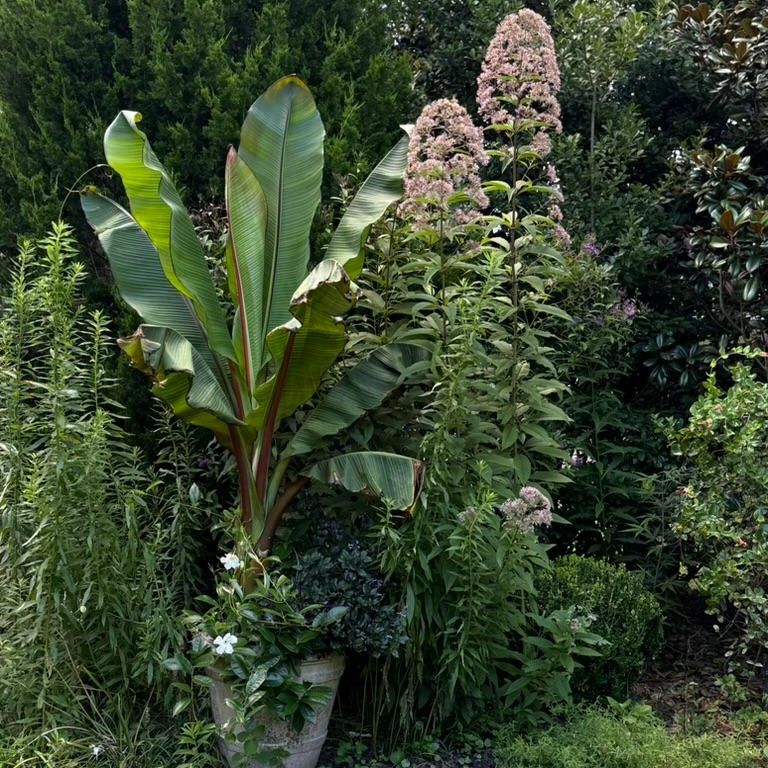
Joe Pye Weed, Ironweed, Ajania, and a container of Red Banana (Musa Abyssinian) under-planted with Plectranthus. These plants, combined or singularly, make a stunning show with their rose to deep purple colorations and contrasting foliage. All are wonderful pollinators.
The straight species of Joe Pye Weed and Ironweed is not for the faint of heart, as each one can reach 8’-12’, so best to place them in the back of the border. There are several dwarf or smaller varieties, however, on the market. Each plant begins to bloom in mid-July and carries through until mid-September or even a tad later. The cut flowers will also hold up for a
minimum of 10-12 days.
-
Ajania pacifica is a member of the aster family with complementary greenish-gray foliage on the ground layer almost year-round. In late September, it will reward you with lovely small yellow “mum” flowers that scream ”come and get it” to the pollinators.
-
The giant Red Abyssinian Banana does best in a container where it can be protected from excessive wind and freezing conditions. Plant Plectranthus around the base of the banana for an almost year-round combination of low maintenance, striking green to deep purple foliage and flowers. Both are tender and will suffer below freezing if not protected.
| | |
Mid- late summer combinations for shade:
Aspidistra, farfugium, and maidenhair fern all combine to make a beautiful, cooling, and textural combination for shade, perfect for Charleston! With adequate water, they can be showstoppers under our oak trees.
-
Aspidistra is a stunning ground cover with long, upright, strapping leaves. Depending on the variety, it will get to be about 1 to 3’ in height. It spreads by rhizomes, making it easy to divide and pass along to friends and family. The flowers are subterranean and can be found in mid-late winter if one digs gently around the base, making it a fun treasure hunt for children and adults, too! Too often, people don’t edit or clean up the plant, giving it a bad reputation with its shaggy and unkept appearance, but with some minor removal of tattered and brown leaves, it can be a showpiece. Want to dig deeper? Check out the February 2025 issue of The Vine for more on cast iron plants (Aspidistra) and why they deserve a spot in your garden.
-
The most popular, Farfugium, has shiny, large, round leaves with an all-yellow daisy-like bloom appearing in late fall. Reaching a height of 3’, it too spreads by rhizomes and can cover an area in a few years, making it a great pass-along plant. There are many other varieties to choose from as well.
-
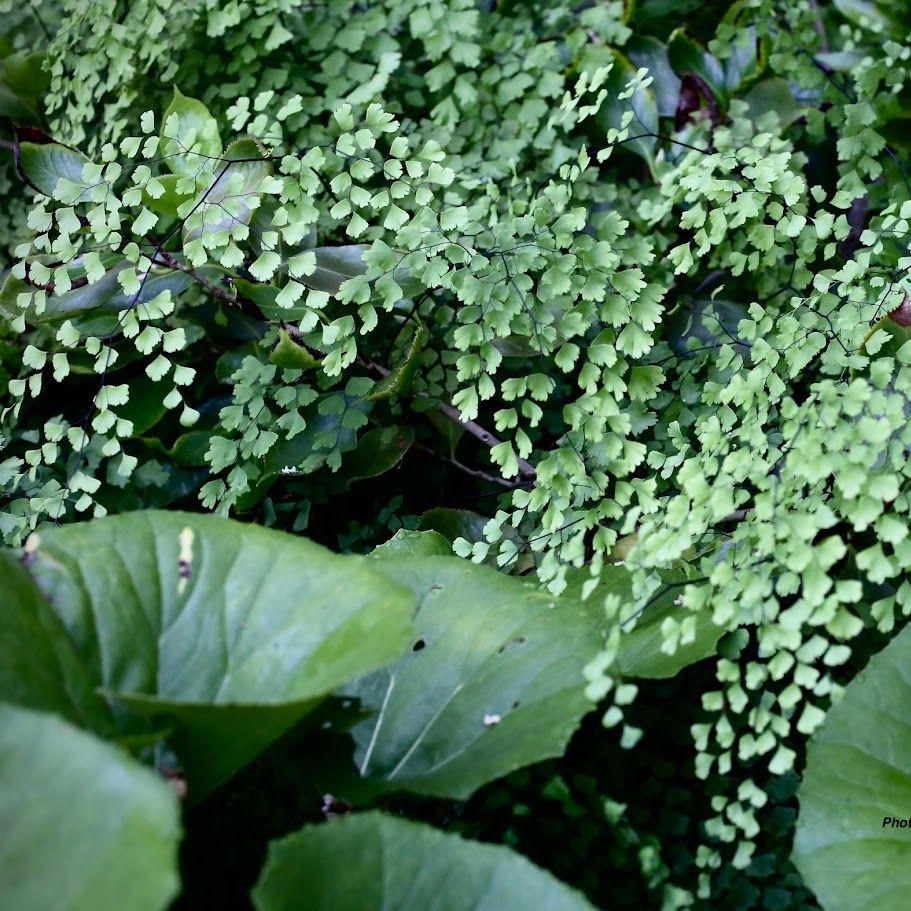
Southern Maidenhair fern is our native fern, and its fine texture and low growth habit make it the perfect companion to weave in and out amongst the coarser and larger-leaved aspidistras and farfugiums. It can be tricky to get established, but once done, it is easy to maintain. Learn more about this fern in our April 2025 issue of the Vine.
| | Taking Inspiration from our Members | | |
A Labyrinth
Years ago a friend was editing his garden and asked if I had any interest in an abundant amount of dwarf Mondo grass. Having a large garden, I rarely turn down any plants so a few days later, two 15 gallon buckets of dwarf mondo grass appeared. I wasn’t sure what to do with it, where to plant it
but it was a glorious gift. Thank you Ben!
I planted a little here and there but then decided I wanted to make a labyrinth. We had twin grandsons on the way and what a wonderful way to welcome them on their journey into this world. A labyrinth is different from a maze in that it is a single path in and a single path out, whereas a maze is usually multi-cursal. It is also referred to at times as a nautilus and as such,
a symbol of nature’s grace in growth, expansion and renewal. It reminds us of order among chaos as reflected in the precision of the spiral.
Probably the most well known labyrinth is in the Chartres Cathedral in France, ca 1200. It is designed for meditation and as a pilgrimage, leading the walker on a symbolic journey from earth to a heavenly or spiritual peace and back out again to reality. Since that time and possibly before, people have been designing elaborate and simple labyrinths in the garden.
Thomas Jefferson even referred to one at Monticello.
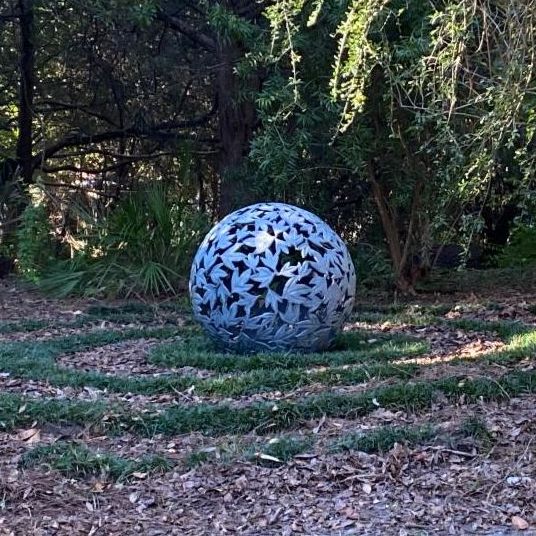
I selected a high point on the property and arranged the dwarf mondo around and around, carefully maintaining equal spacing until I reached the center. The next challenge was how to finish it. Originally, I placed a sundial in the center but since the maze was mostly in the shade, it was ineffective.
I found a giant globe and it fills the space nicely. The labyrinth is now a lovely destination in the garden and keeps me grounded while being a place of renewal. It is large enough to walk but small enough to sit nearby and contemplate.
Recently I noticed the surrounding plants have grown tall and created an opening to the sky and near the time of the summer solstice, the globe is illuminated for an hour or two, mid-day, just like the Occulus of the Pantheon in Rome or even the keyhole at Stonehenge! Purely serendipitous and another reminder of nature’s strength and beauty. It is always there but we have to be reminded to pay attention, look for it and be grateful for the gifts that come our way.
Susan McLeod Epstein
| | Do you have something extra special in your garden—a treasured heirloom plant, a cozy greenhouse, a swoon-worthy pergola, or maybe a quirky feature that makes your space uniquely yours? We’d love to showcase it in an upcoming issue of The Vine! The possibilities are as endless (and inspiring) as our members’ gardens. If you’d like to share, please reach out here. We can’t wait to highlight the beauty you’ve grown! | | |
The Vine Online offers members Lowcountry-specific, timely horticultural advice, following in the tradition of the HORT's original printed publication The Vine.
This gardening e-guide is sent exclusively to HORT members. Thanks for being a member.
Our Board Chair, Madeleine McGee is eager to hear your ideas and learn what's helpful and what's missing.
| | Continue learning and sharing with the Hort on Facebook and Instagram. | | | | |