|
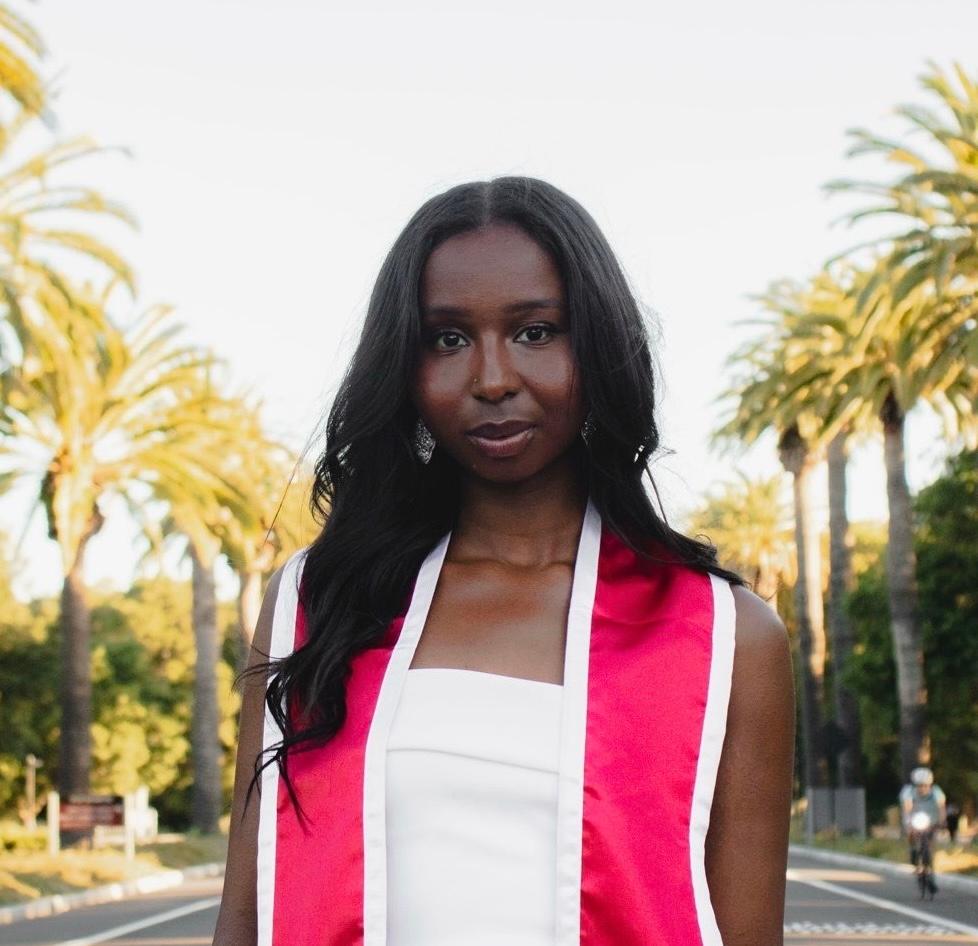
From Transfer Student to Founder of the Stanford Cultural Care Collective: Meet Warda Ali, Stanford Alumna, Researcher, and Mental Health Advocate
In celebration of International Women’s Month, we are honored to highlight Warda Ali, a first-generation Somali scholar, mental health advocate, and systems thinker whose journey reflects resilience, recalibration, and a deep commitment to culturally responsive care. From community college to Stanford University, Warda has transformed rejection into purpose, bridging research, policy, and lived experience to expand access and dignity in mental health and higher education. This Friday, she will bring her voice and vision to our community in a featured webinar, where she will share insights on identity, responsibility, and advancing collective well-being through culturally grounded leadership.
Tell us about your personal journey.
My story unfolded differently than I once imagined, shaped by community, rejection, mentorship, and a gradual redefinition of success on my own terms. I am a first-generation, low-income Somali woman raised by a single mother, and my understanding of care and belonging began long before I had language for it. Witnessing my mother’s quiet strength and the resilience within our community cultivated a deep sensitivity to emotional well-being that would later guide my academic and professional path.
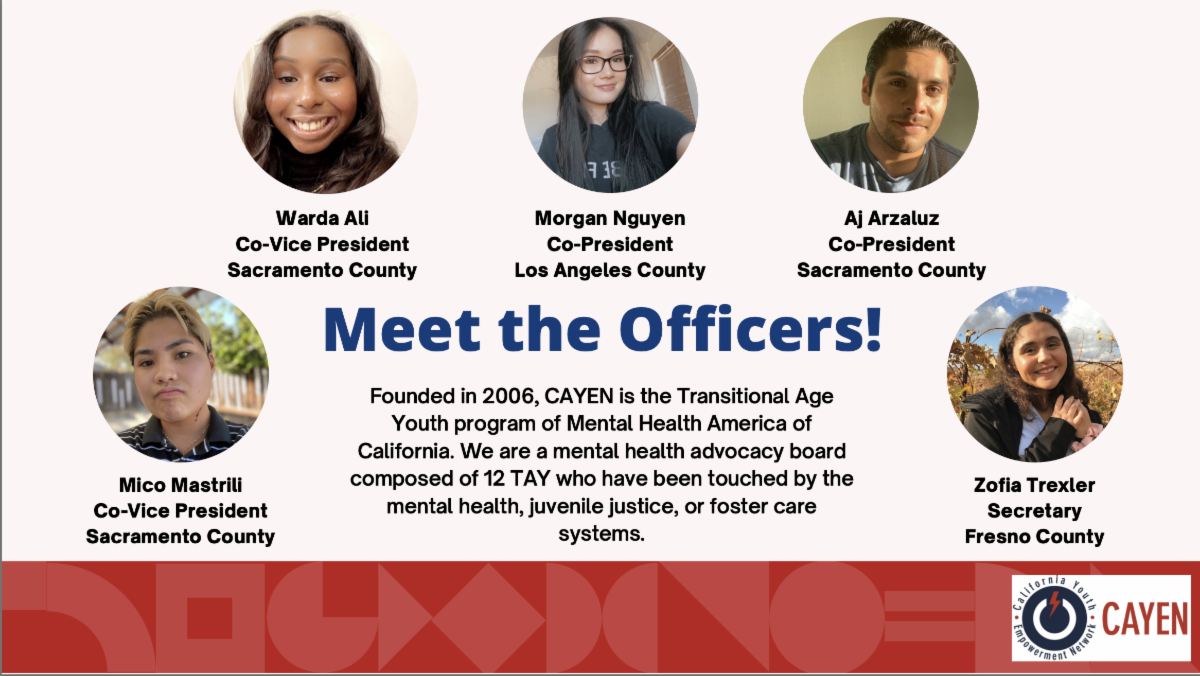
At eleven, my aunt introduced me to mental health community work through the Muslim American Society–Social Services Foundation. There, I learned that advocacy begins with listening, presence, and care practiced in everyday spaces. In high school and early college, I joined the California Youth Empowerment Network, serving as Board Vice President and engaging in statewide policy advocacy, including efforts connected to Senate Bill 224 expanding mental health education in California schools. These experiences shifted my focus from individual support to systems-level change.
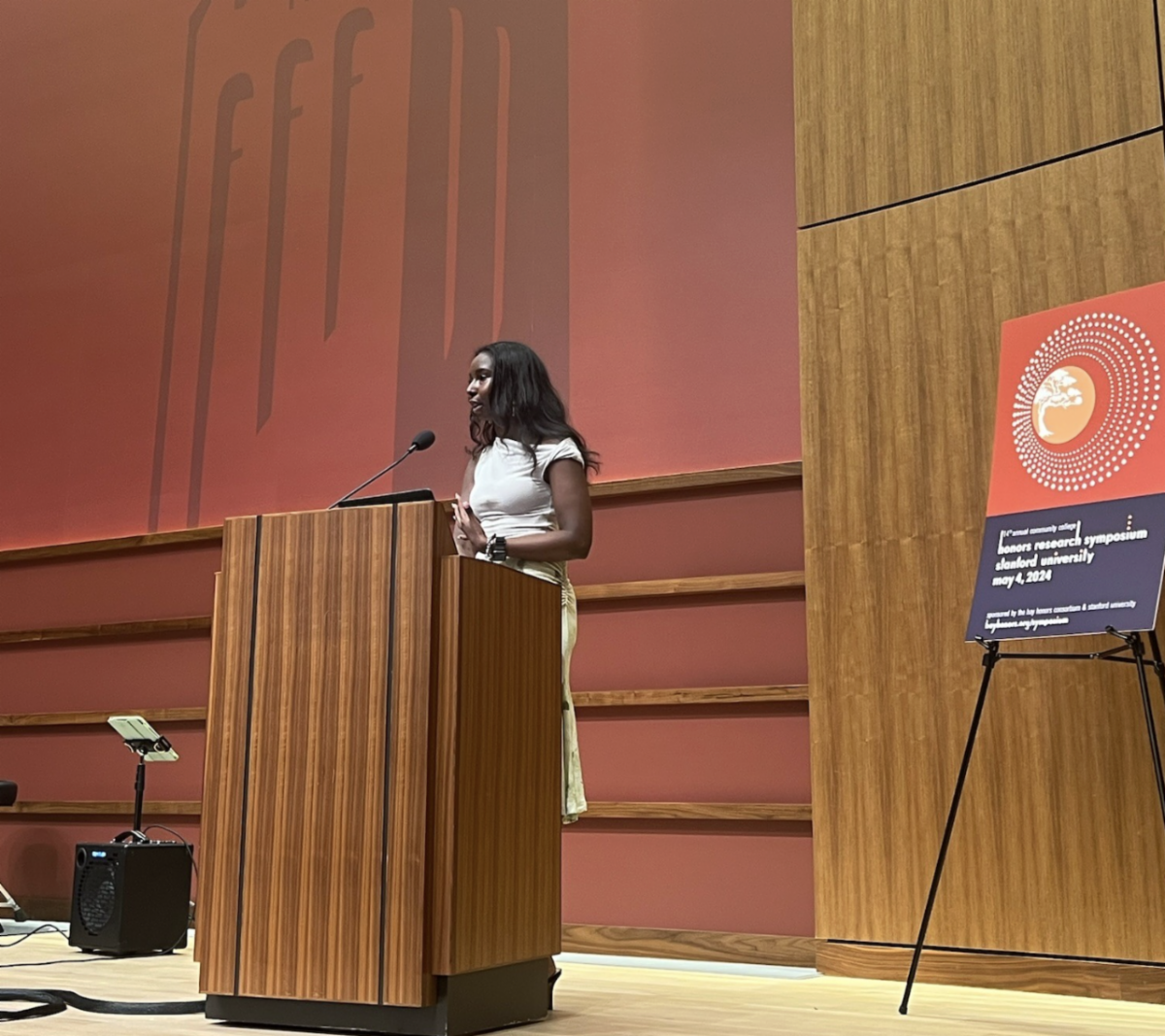
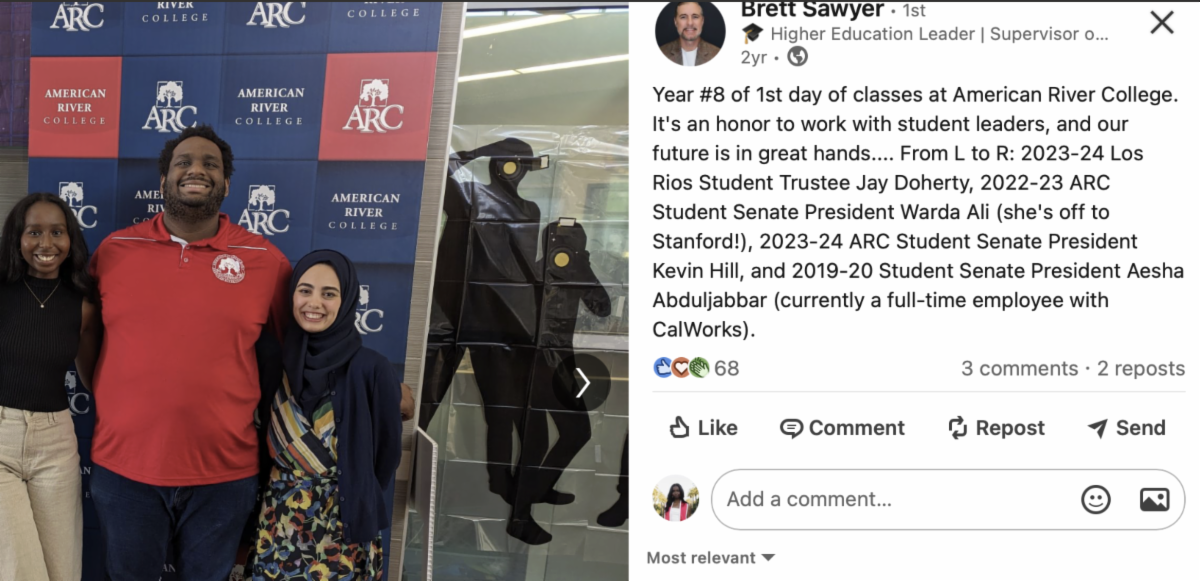
My academic journey was not linear. Rejection during my first undergraduate admissions cycle disrupted my sense of certainty and led me to community college. At American River College, I rebuilt confidence, served as Associated Student Body Senate President, and reframed rejection as recalibration. That season of restoration ultimately led to my transfer to Stanford University on a full scholarship, including the Jack Kent Cooke Undergraduate Transfer Scholarship. At Stanford, I studied psychology and medical humanities, centering culturally informed mental health care. My senior capstone led me to found the Stanford Cultural Care Collective, which bridges research and community insights to advance culturally responsive mental health education.
What pivotal experiences shaped your current path?
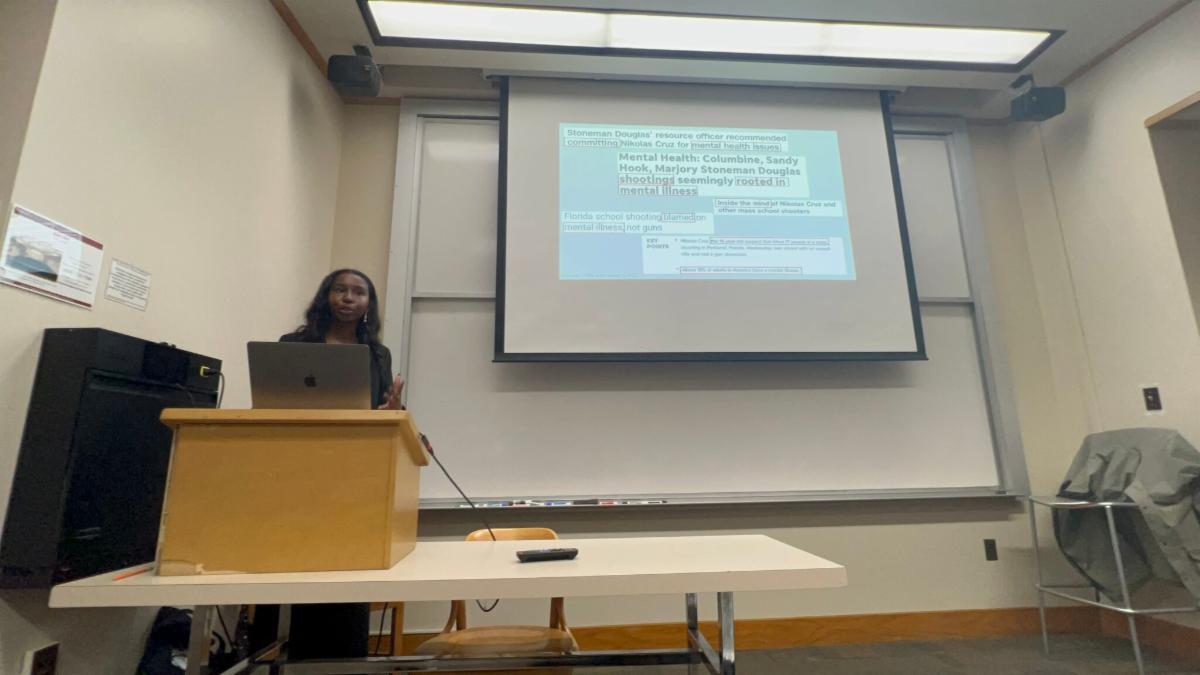
Early exposure to community mental health work shaped my values long before I recognized it as a career direction. Rejection during my first admissions cycle forced me to redefine success and adopt trust and acceptance as guiding principles. A summer research program at Johns Hopkins University further expanded my path. There, I examined media rhetoric following school shootings and how mental health is often positioned as a scapegoat, reinforcing stigma. Research became a disciplined form of inquiry capable of challenging harmful narratives and contributing to more responsible public dialogue. Together, these experiences aligned my commitment to culturally responsive mental health advocacy grounded in education, dialogue, and systems-level engagement.
What are the most valuable lessons you’ve learned through your work?
I have learned that growth is rarely linear and that uncertainty is not a signal to shrink, but an invitation to proceed with intention. Advocacy has taught me that listening is often more powerful than speaking, and that sustainable change requires humility and collaboration. Research has shown me that narratives carry weight and that scholarship must remain accountable to the communities it references. I have also learned that sustained contribution requires discernment. Service cannot come from depletion; preserving one’s capacity is a way of honoring responsibility.
What drives your desire to contribute and make a difference?
My desire to contribute is rooted in a sense of generational sacrifice. My family fled war in search of safety and stability, and I was raised by a single mother whose resilience was lived each day. Opportunity has never felt accidental; it carries obligation. I am driven by the conviction that knowledge, when used intentionally, can expand access, challenge harmful narratives, and build institutions that reflect the dignity of the communities they serve. Any achievement feels incomplete unless it is reinvested into the communities that first nurtured me.
What are your highest hopes for democracy to unite, uplift, and inspire?
I hope for a democracy that moves beyond individual advancement toward shared responsibility. One that not only protects rights, but cultivates moral imagination and asks what we owe one another. Unity must be built through policies and institutions that reflect the dignity of all communities. I hope for a civic culture where diverse histories are recognized as strengths, where participation is accessible, and where care is understood as civic responsibility.
How can GlobalMindED support leaders like yourself in achieving your goals and advancing your aspirations?
Support is most meaningful when it affirms leaders operating in in-between spaces—between disciplines, communities, and institutions. Convening educators, researchers, policymakers, and community-rooted leaders within shared dialogue enables ideas to mature collaboratively. Mentorship that offers both strategic insight and ethical grounding ensures that influence does not come at the expense of authenticity. By cultivating spaces of continuity and collective accountability, GlobalMindED can strengthen leaders’ ability to remain rooted in community while engaging thoughtfully with the institutions they seek to influence.
Connect with Warda Ali:
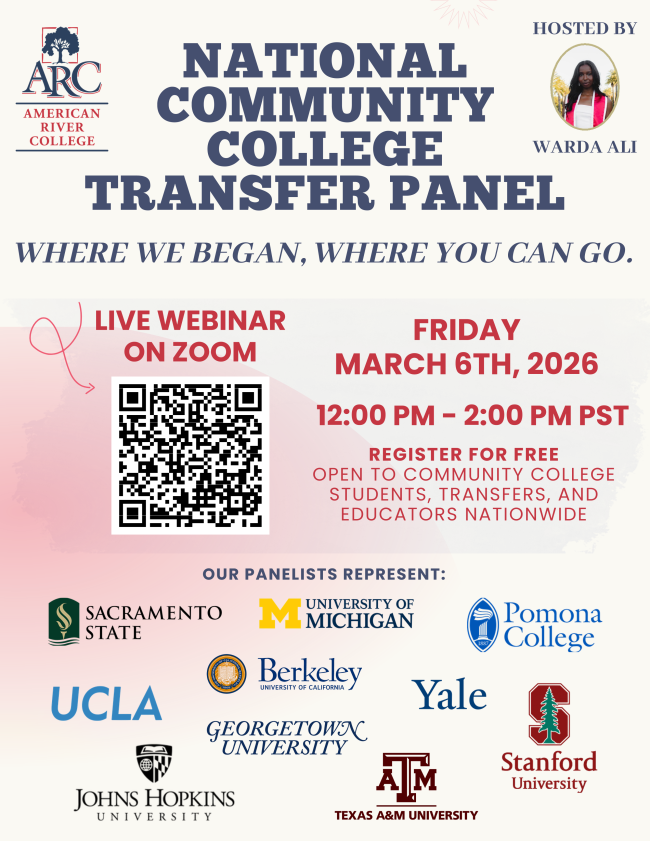
More information about the Webinar:
What is rarely shared about transferring is often what students need to hear most — and that is exactly where this conversation begins.
ARC–Stanford alumna Warda Ali is hosting a national transfer panel on March 6th from 12–2 PM PST, bringing together voices from across the country to speak honestly about the realities of transfer that go unspoken. Panelists will reflect on navigating transition, building belonging, and redefining what success looks like long after the acceptance letter arrives. This is not a traditional admissions conversation — it is a candid, student-centered space where lived experience is treated as expertise and transparency drives the dialogue.
Whether you began your journey at a community college, are actively exploring transfer, or are seeking a more honest picture of what the process truly involves, you are invited into a space built on shared insight, mutual learning, and the kind of guidance that changes outcomes.
Register here: lrccd.zoom.us/webinar/register
|