|
Dear Coalition,
We hope your new year has been unfolding in wonderful ways. As momentum continues to build across psychedelic research, public awareness, and legislation, we’re seeing meaningful developments that reflect both growing interest and measured progress. Below are key updates on emerging science, notable media coverage, organizations advancing the field, and policy developments to watch as this landscape continues to evolve. We’re grateful for your continued dedication to our shared mission of healing.
In gratitude and solidarity,
Nevada Coalition for Psychedelic Medicines
| | |
Psychedelics in the News
Recent coverage reflects growing public interest and a broadening understanding of therapeutic applications.
| |
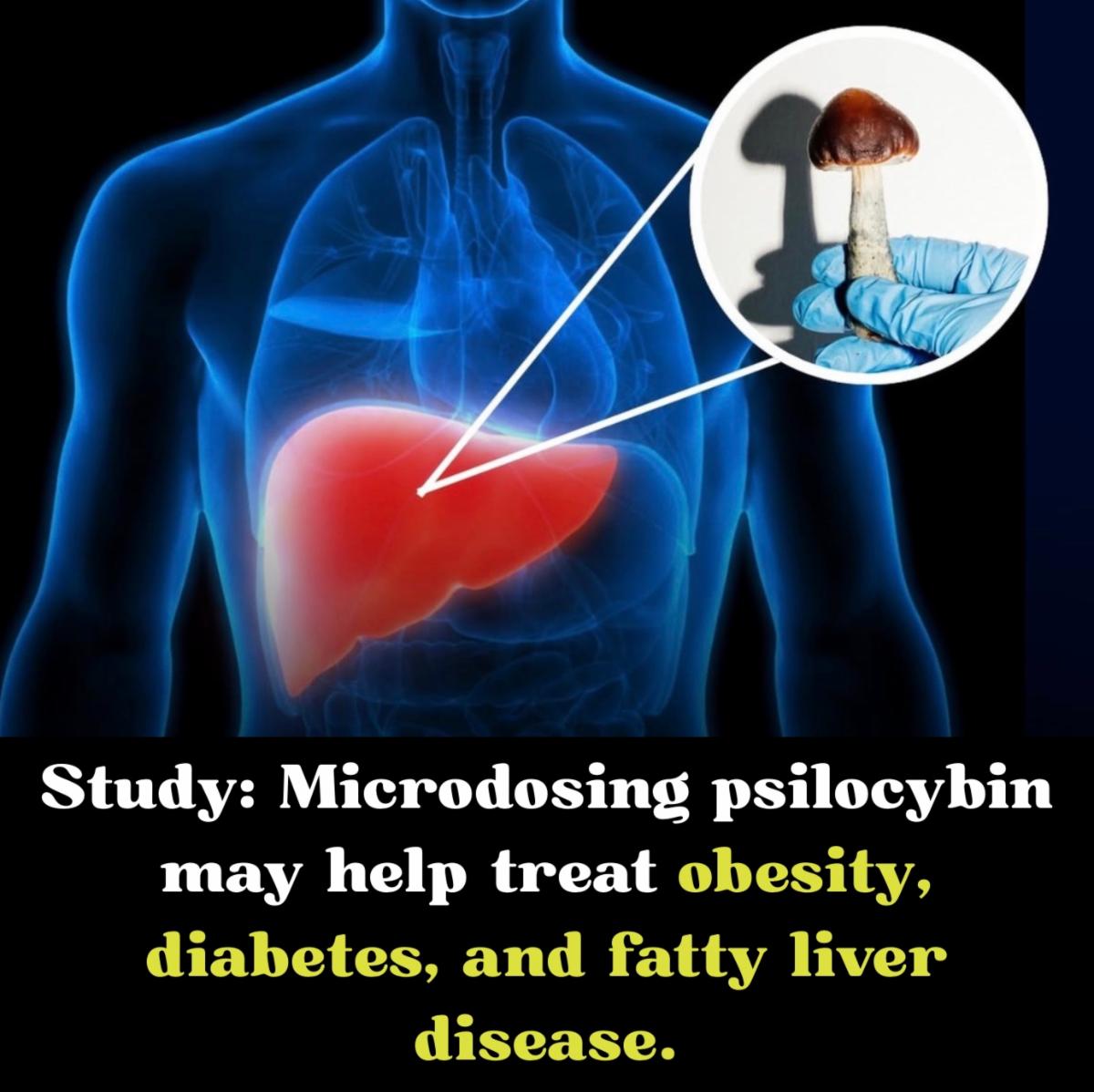
New preclinical research is exploring whether ultra-low doses of psilocybin might influence metabolic health through the body rather than perception or consciousness. The work was conducted in mice using a high-fat, high-sugar diet to model obesity-related metabolic dysfunction.
Researchers then tracked changes tied to weight trends, insulin signaling, blood sugar regulation, and liver structure. What stood out was the proposed mechanism: a liver-based serotonin receptor pathway.
Food intake stayed largely unchanged, making the metabolic shifts more notable. Still, results from animal models are an early signal, not a conclusion. The next step is carefully designed human research to test safety, dosing, and biological relevance.
| |
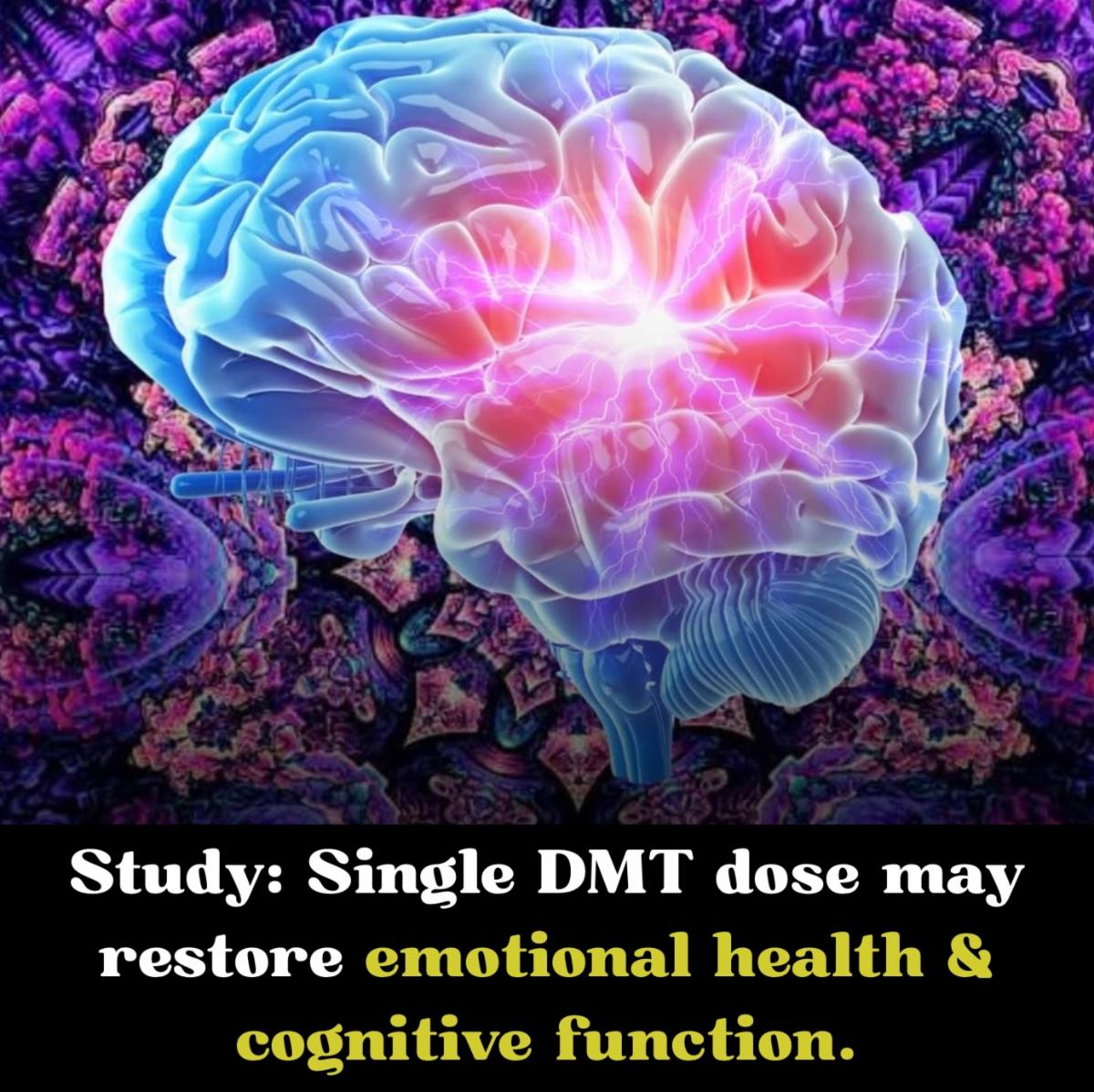
Depression often isn't just about feeling low, it can quietly dull joy, motivation, and the ability to think clearly.
New research is pushing scientists to look beyond symptom relief and toward what's actually happening inside the brain. In stress-related depression, key brain circuits can become disrupted, affecting both emotional response and mental performance.
Some approaches appear to help the brain reorganize and reconnect in healthier ways. That shift may explain why certain effects show up quickly and last longer than expected.
Instead of masking symptoms, this line of research asks a deeper question. What if healing means repairing the system itself?
| |
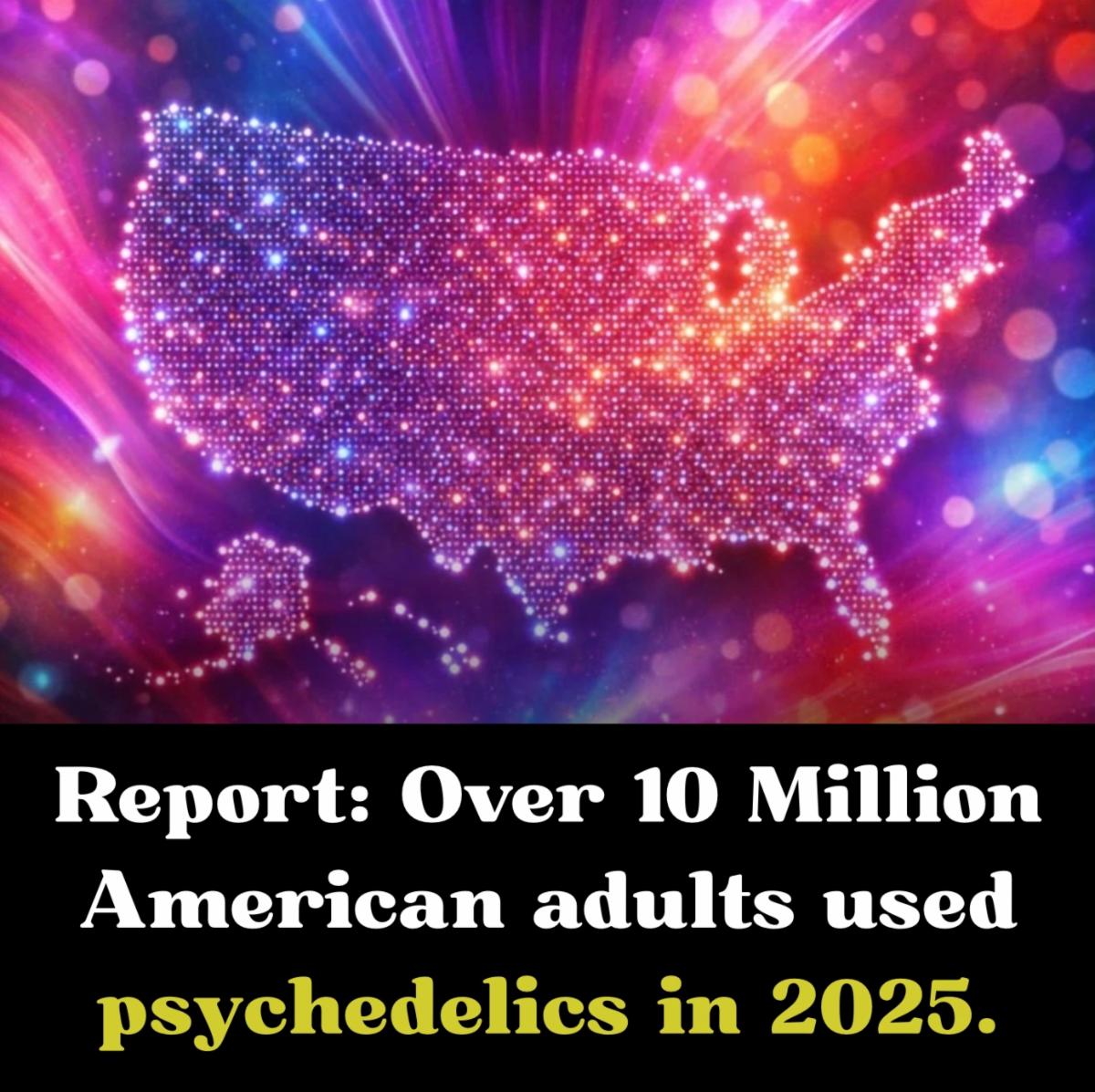
A new report from RAND offers one of the clearest national snapshots yet of how Americans explored altered states in 2025.
Built from a large, probability-based survey, it reflects real-world behavior beyond labs, headlines, or anecdotes. Millions of adults across the U.S. reported engaging in these experiences over the past year, revealing patterns that are far more widespread than many assume.
The data also looks at how often people engaged, not just whether they ever had. That distinction matters for policy, research, and public understanding.
As interest continues to grow, grounded data like this becomes essential.
| Organizations You Should Know | |
The Mission:
At Americans for Ibogaine, our mission is to advance public understanding and responsible medical access to ibogaine for addiction, trauma, and co-occurring mental health conditions. We promote scientific research, reduce stigma, and educate the public to accelerate the safe, evidence-based adoption of ibogaine therapy.
We achieve this through science-based education, strategic outreach, and partnerships with researchers, clinicians, policymakers, and community advocates. Collaboration is at the heart of our approach because lasting change requires diverse voices and united effort.
Through advocacy and research support, we’re working toward a future where individuals, families, and communities impacted by trauma and addiction can access new hope, effective care, and real healing.
| |
A Team Oriented Journey of Transformation
At Beond Service, no one walks this journey alone. Each Veteran & Service Member cohort participant becomes part of a close-knit team, working side by side and guided by a dedicated Veteran facilitator. Our 9-week program is rooted in the power of community, mutual support, and shared purpose, fostering transformation through courage, commitment, compassion and creativity.
Our shared mission is healing. Together, we heal, we grow, and we redefine what it means to serve – both ourselves and each other in a greater mission to help heal our own wounds and heal the world.
Developed by Veterans for Veterans
| |
The Mission:
Ambio Life Sciences was founded to set a new global standard for ibogaine treatment, where clinical excellence, cultural integrity, and transformative outcomes intersect.
With more than 50 years of combined experience, our founders lead the field in safety protocols, research, and the delivery of innovative, human-centric care.
Ambio operates world-class clinics dedicated to the treatment of addiction, traumatic brain injury, emotional trauma, chronic pain, and neurodegenerative conditions. We also support high-performance individuals, from special forces veterans to elite athletes seeking meaningful optimization.
As the world’s leading integrative ibogaine provider, we help individuals create lasting, adaptive change in their lives. Ambio is advancing a new future of health: one rooted in science, shaped by experience, built to ignite agency and inspire living.
| | |
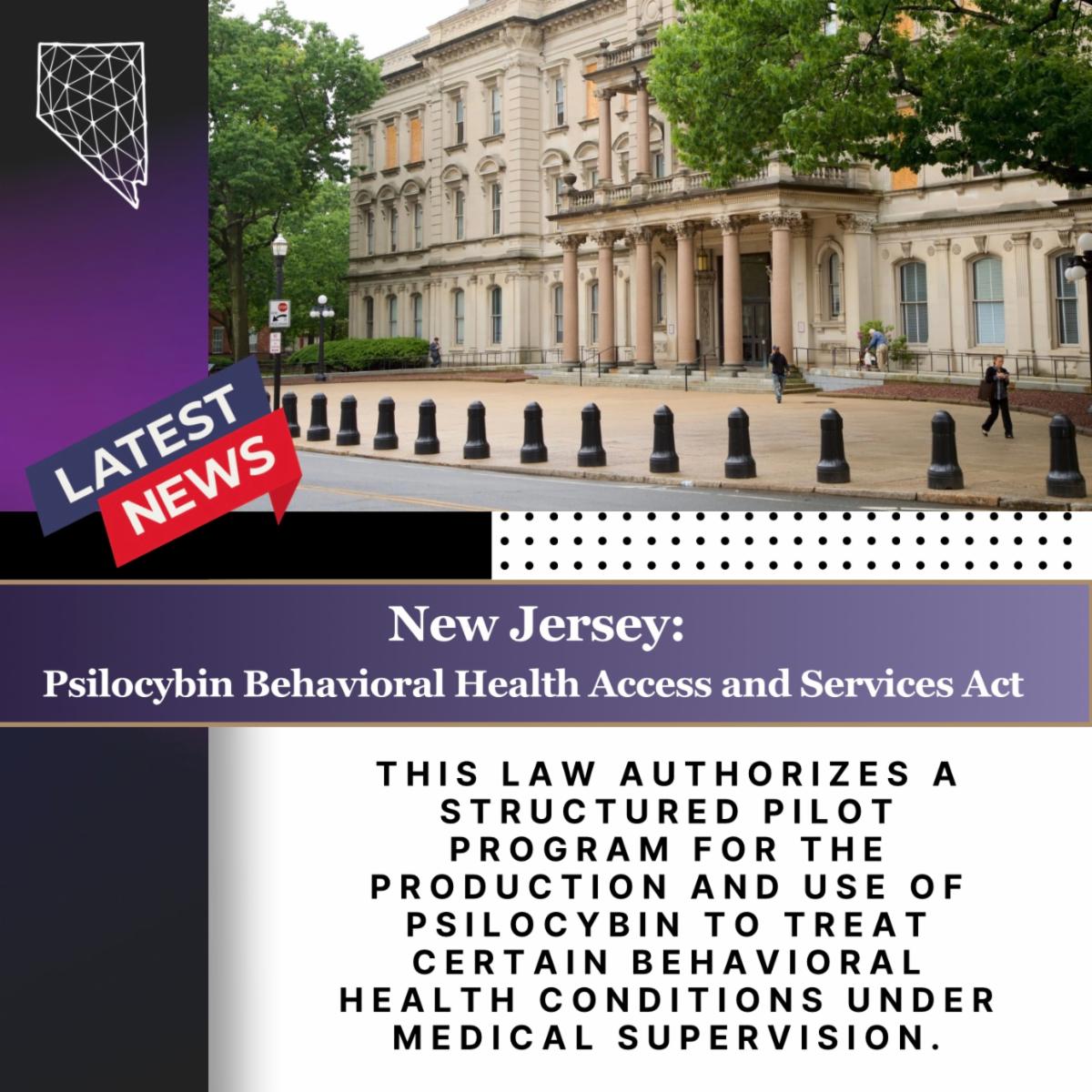
New Jersey: Psilocybin Behavioral Health Access and Services Act
- Purpose: This law authorizes a structured pilot program for the production and use of psilocybin to treat certain behavioral health conditions under medical supervision.
- Key Provisions:
- Hospital-Based Program: The Department of Health (DOH) will select hospitals in the northern, central, and southern regions to conduct psilocybin-assisted therapy.
- Advisory Board: Establishes a Psychedelic Therapy and Research Advisory Board to monitor outcomes and recommend future framework development.
- Patient Access: Limited to adults 21 and older with a written certificate from a licensed healthcare practitioner for a qualifying condition.
- Funding: Appropriates $6 million to the Psychedelic Therapy and Research Fund.
- Limits: Does not legalize recreational psilocybin or create a broad commercial market, focusing instead on research.
| | |
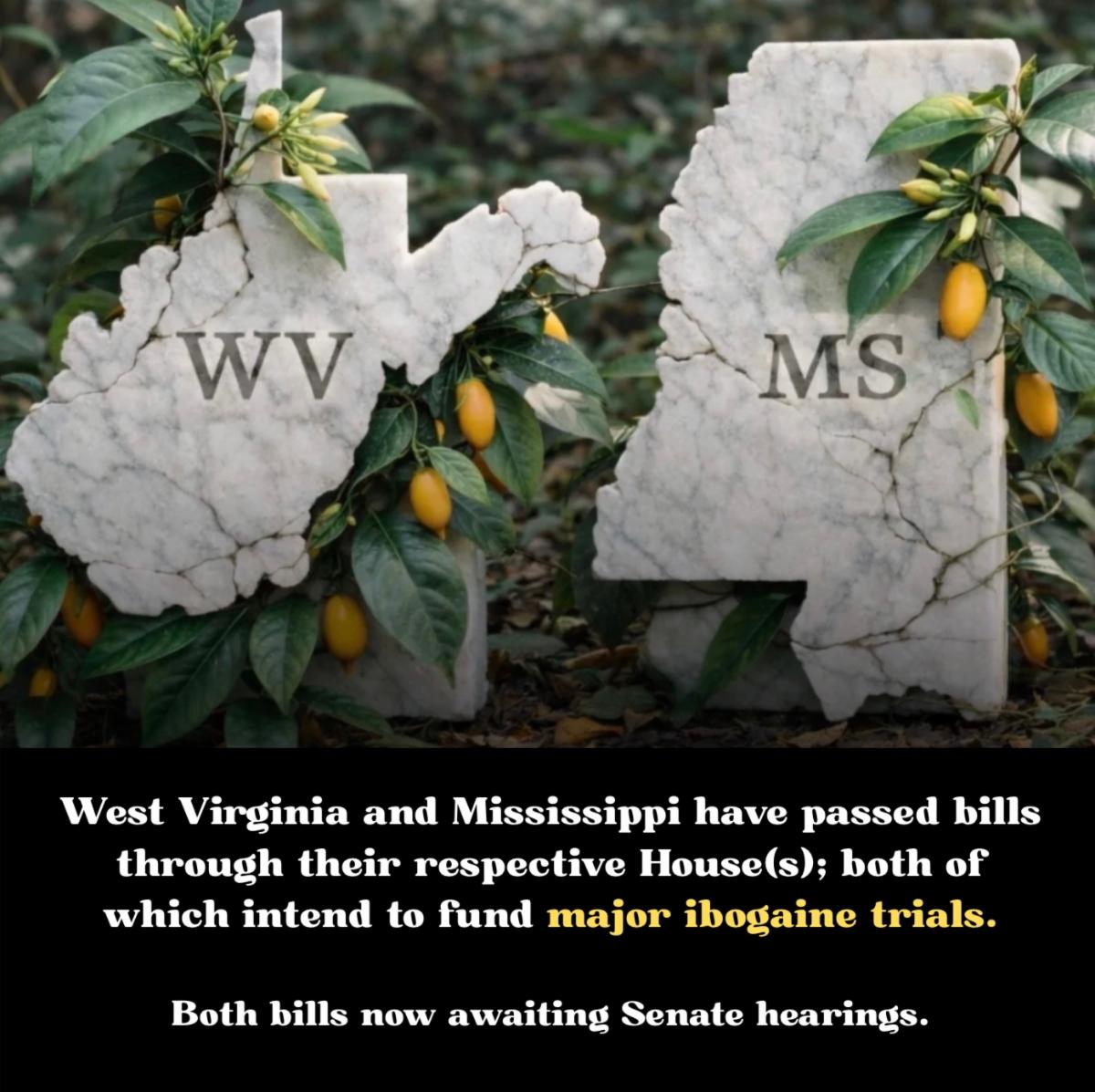
West Virginia HB 4626 (2026 Regular Session)
Topic: Ibogaine Drug Development Grant Program.
- Summary: Establishes a grant program through the Secretary of Health to fund FDA drug development trials for ibogaine to treat opioid use disorder and other mental health conditions.
- Status: Introduced on January 21, 2026; referred to the Committee on Health and Human Resources.
- Details:
- Requires applicants to match state grant funding.
- Establishes trial sites equipped for cardiac care.
- Mandates an institutional review board (IRB) to oversee research.
| | | |
Mississippi HB 314 (2026 Regular Session)
- Purpose: To authorize the MS State Department of Health to select a consortium to conduct clinical trials for ibogaine, targeting FDA approval for treating opioid use disorder and other mental health conditions.
- Status: As of February 6, 2026, the bill passed the House and was transmitted to the Senate.
- Consortium Structure: Must include a drug developer, a hospital, and an institution of higher learning.
- Funding & Requirements: The state will provide funding via an interagency contract, but only after the consortium verifies it has received matching funds from non-state sources.
- Safety & Oversight: If FDA-approved, a physician must supervise the administration of ibogaine in a hospital or licensed facility.
| | Nevada Coalition for Psychedelic Medicines | Contact Us |
| | | |