|
Dear reader,
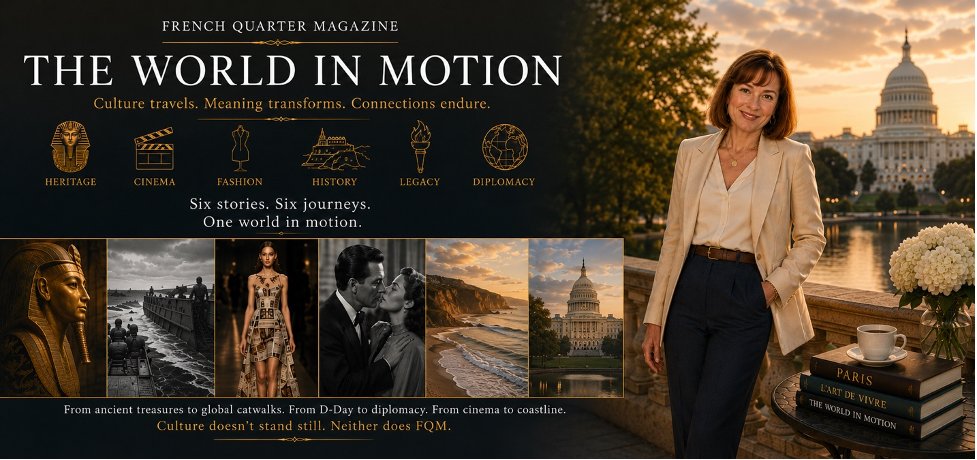
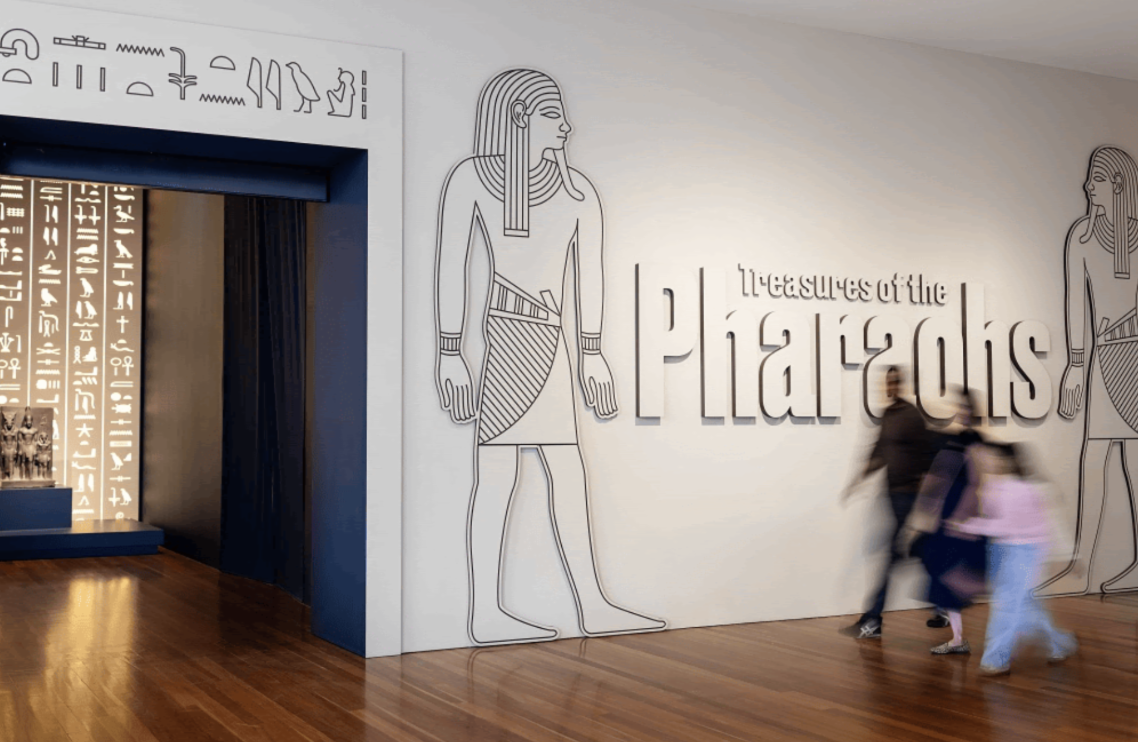
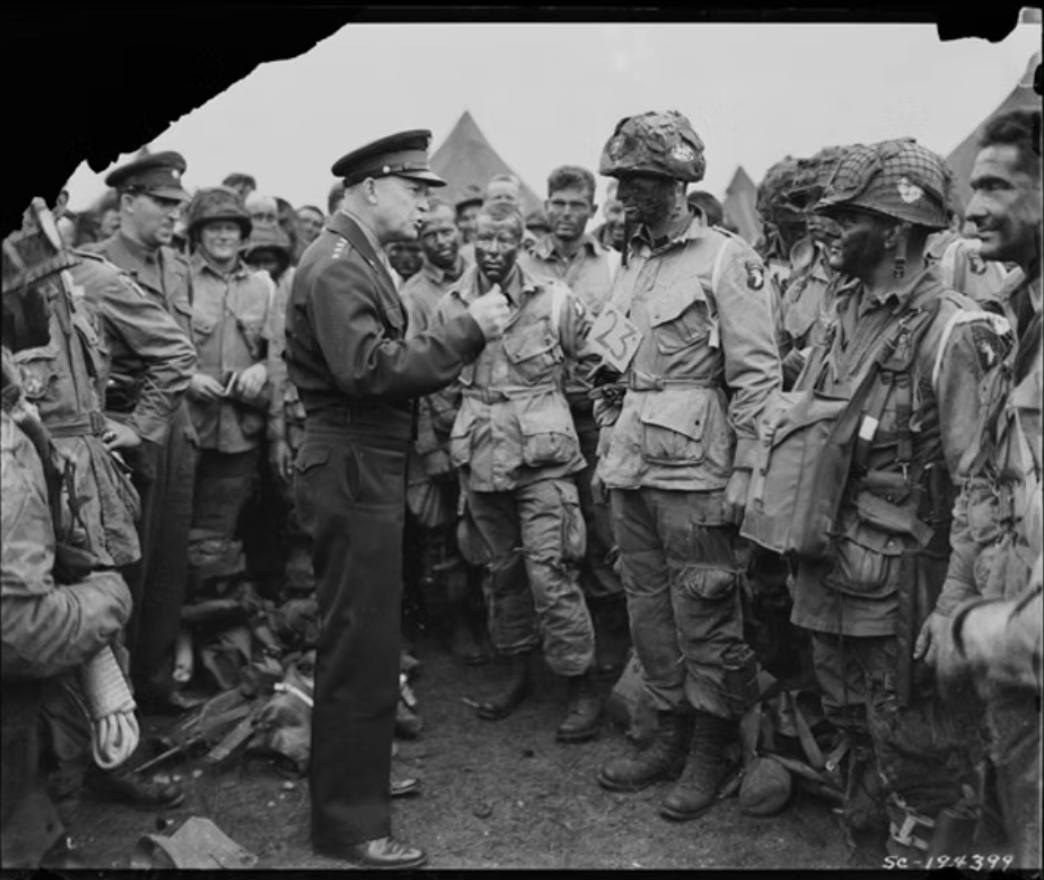
What happens when culture begins to move? A treasure leaves Egypt and encounters a new audience in California. A stretch of coastline in Normandy becomes part of the heritage of the world. A newspaper page jumps from the newsstand to the runway. French cinema crosses the Atlantic and becomes a language of diplomacy. And as America marks 250 years, we consider how the people shaping our own time may influence generations still to come.
This week, French Quarter Magazine follows culture in motion. Perhaps this is one of culture's greatest powers: it rarely remains where it began. Paintings travel. Films cross oceans. Fashion borrows and reinvents. Music needs no passport. Ideas born in one country can transform another. A place can belong geographically to one nation while carrying meaning for people around the world. And sometimes, the journey itself changes what something means. That thought feels particularly relevant in 2026. At a moment when nations are reflecting on identity, heritage and international relationships, culture continues to create connections that politics alone cannot manufacture.
The six stories we have selected this week appear, at first, to inhabit very different worlds. Pharaohs and fashion. D-Day and cinema. Ancient civilizations and contemporary leaders.
Look more closely, however, and they are all traveling. Welcome to The World in Motion.
Don't Just Read the World. Explore It.
If this week's correspondence demonstrates how culture travels, our Passport to Culture™ invites you to become part of that journey.
|