|
|
Practical Changemaking
From Values to Implementation:
Multi-solving for Health Justice
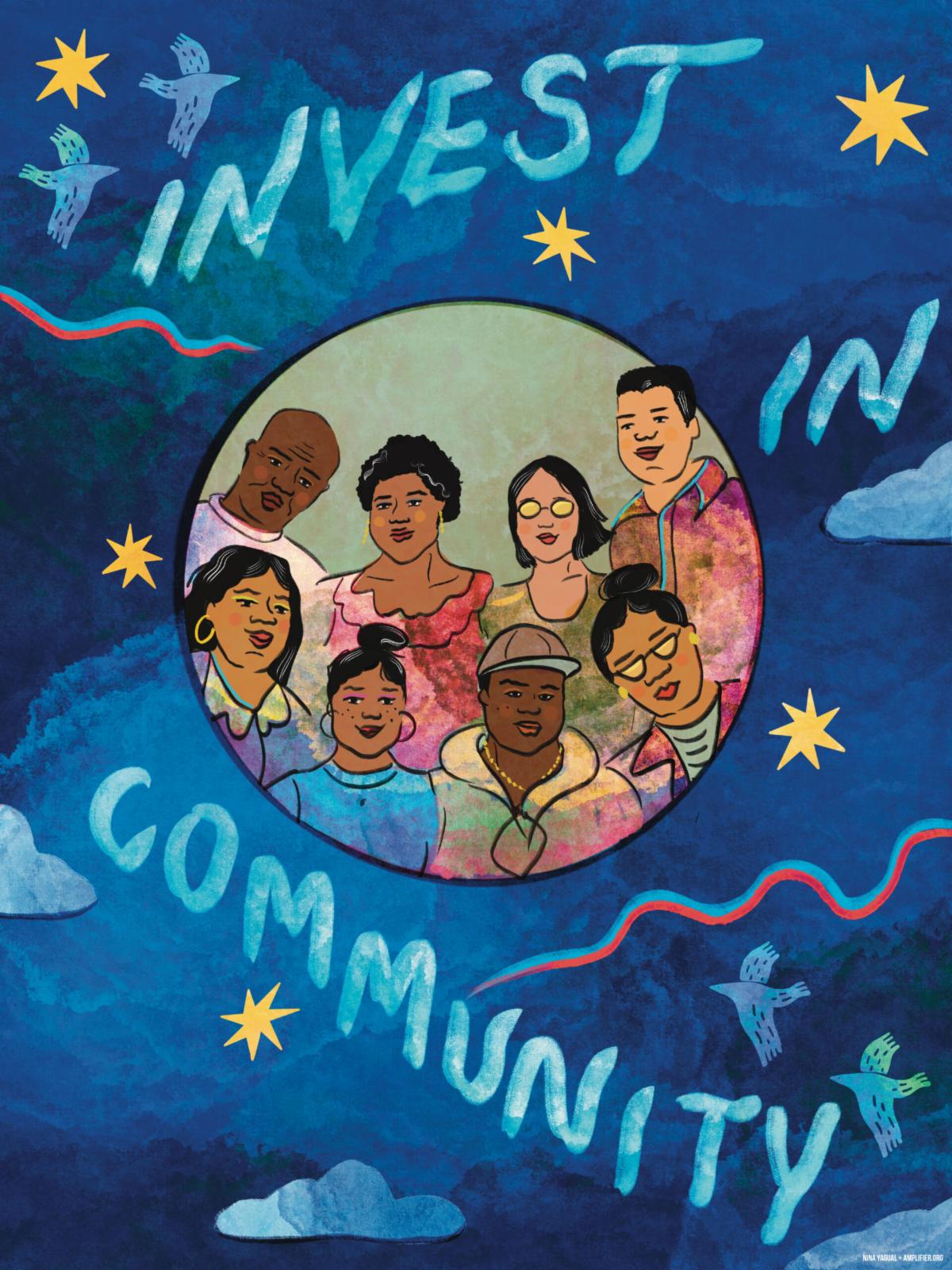
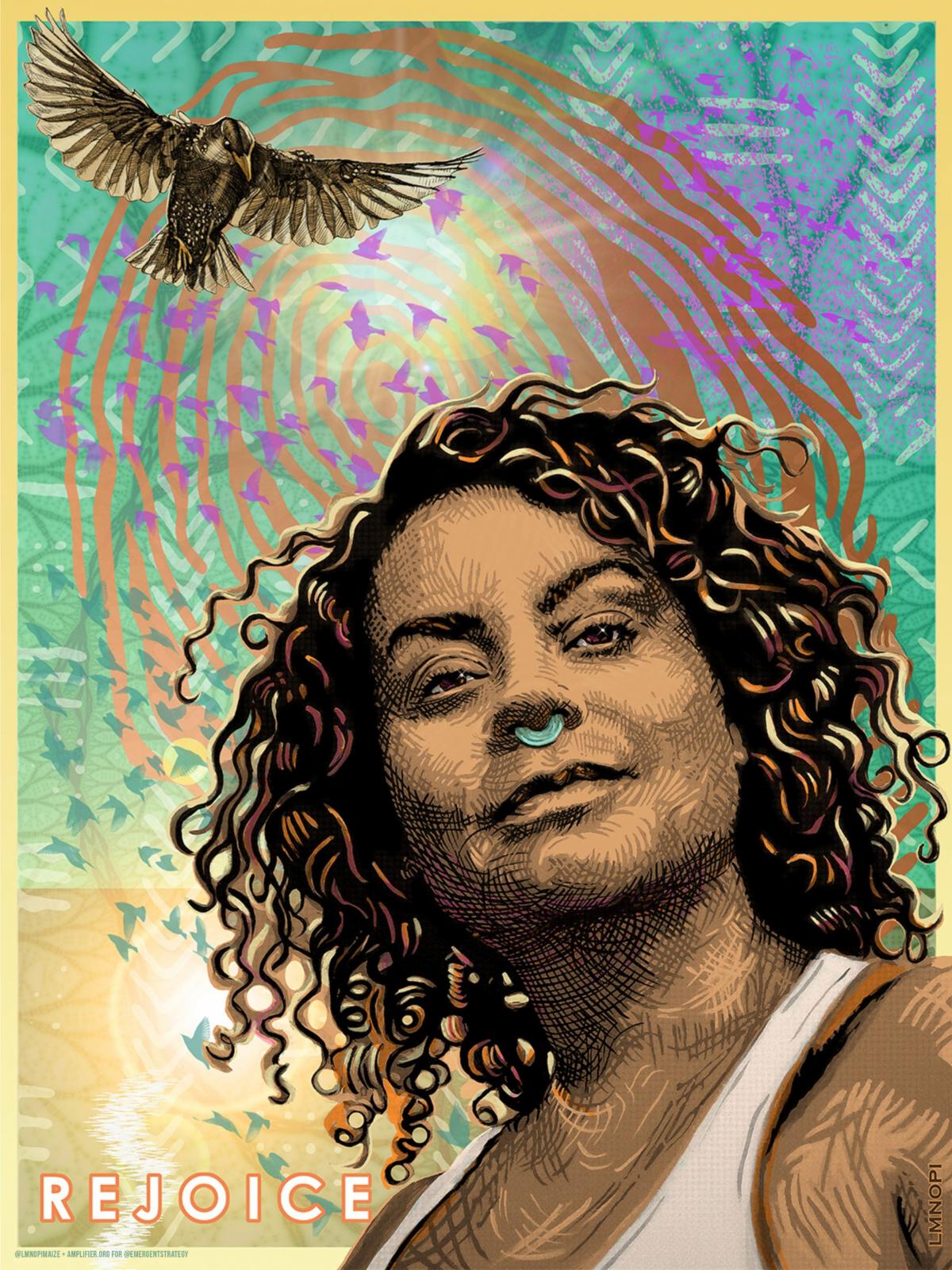
| | by Nina Yagual for Amplifier Art | |
|
"Data isn't the destination. Its value is helping communities build the evidence, leadership, and collective power needed to influence policy and create lasting change."
— Jonathan Scaccia, Evaluation and Learning Partner
| | | | |
|
Lasting health justice doesn’t start with slogans. It starts with a bridge: values and ideas translated into implementation plans that can survive real life—budgets, paperwork, stigma, staffing, data gaps, and power.
A key theme in current SDH (social determinants of health) research is that we’ve spent decades accumulating knowledge while progress on inequities has stayed limited. One reason is that many studies focus more on describing problems than on testing solutions, implementation methods, and policy pathways. Another reason is power: who gets to lead knowledge production, who is meaningfully engaged, and which issues are left in the “shadow” of policymaking.
The takeaway is not to abandon research—it’s to reorient research toward agency and action, including policy and implementation pathways, participatory methods, and attention to structural determinants. So this week’s question is simple but demanding:
What evidence and current developments show how to turn values and ideas into practical, durable, measurable change?
We’ll answer it by looking at implementation and multisolving in action—especially where communities are not treated as “subjects,” but as system designers. And we’ll keep it real about limitations: some evidence is small, some is low-certainty, and many interventions fail when incentives, governance, and sustainability are ignored.
|
| | | |
This month in Health Justice | | |
Multisolving means building systems that reduce harm in more than one place at once—through policy, practice, and trust
Multisolving is what happens when you stop treating health as a single pipeline from “care” to “outcomes.” Instead, you look at all the pathways that can either block access or support safety. Here’s what current developments suggest:
| | |
|
When Community-Led HIV Infrastructure Disappears | Communities are essential health infrastructure. A news report on community-led HIV organizations highlights how service disruption can translate into measurable closures when funding shifts. It describes how disruptions to The President's Emergency Plan for AIDS Relief (PEPFAR) funding led to local partners ending services and closing sites—especially organizations that supported key populations where formal systems often can’t reach people safely. The multisolving lesson: protecting outcomes requires protecting the community organizations that make access possible. |
| | |
|
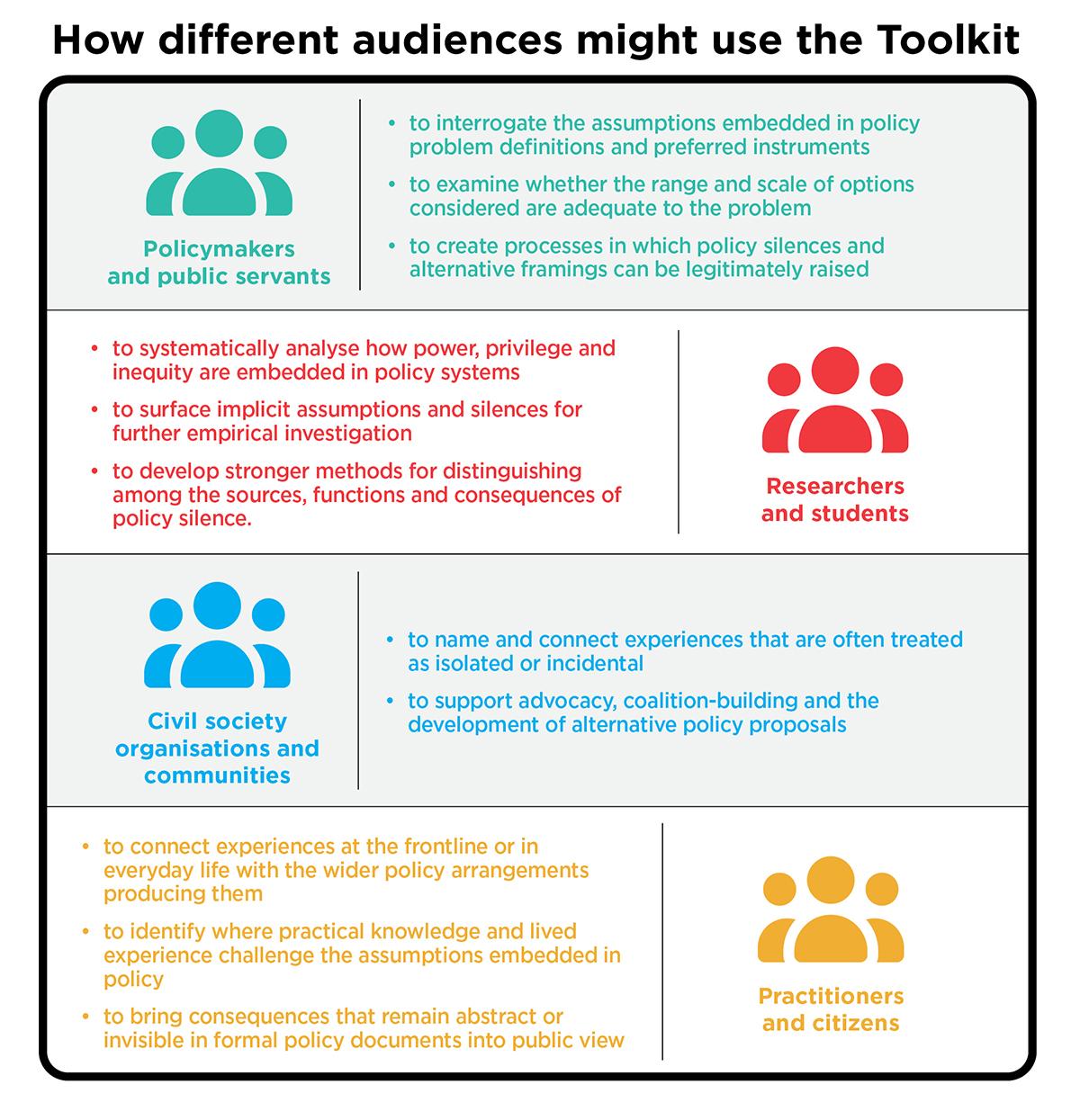
Privilege and policymaking are not neutral. A new toolkit aims to make “advantage” visible in policymaking—inviting people to examine what policy assumes, what it states, and what it leaves out. If health justice is about changing power, then tools that surface policy silences help coalitions target levers they can actually move. |
| | |
|
Effectiveness of implementation strategies for digital health implementation in chronic disease care | Implementation strategies need evidence—and sometimes the “small average effect” isn’t enough. A systematic review and network meta-analysis on digital health implementation strategies found that, overall, implementation strategies showed only a small average positive effect on implementation outcomes, with high uncertainty and evidence quality issues. When higher-risk studies were removed, effects attenuated toward null. The multisolving lesson: don’t assume technology adoption equals better care. Focus on implementation support that’s credible, context-aware, and sustained. | | | |
Administrative policy can create coverage loss. Investigative reporting on Medicaid renewal burdens points to how more frequent eligibility reviews and paperwork demands can push eligible people off coverage.
That’s multisolving in the negative: when a system adds friction, health outcomes follow. The unifying theme: practical change requires coordination across what policy says, what systems do, and what communities can sustain.
| | | | |
by LMNOPI for Amplifier Art | | by Camila-Rosa for Amplifier Art | | | | |
|
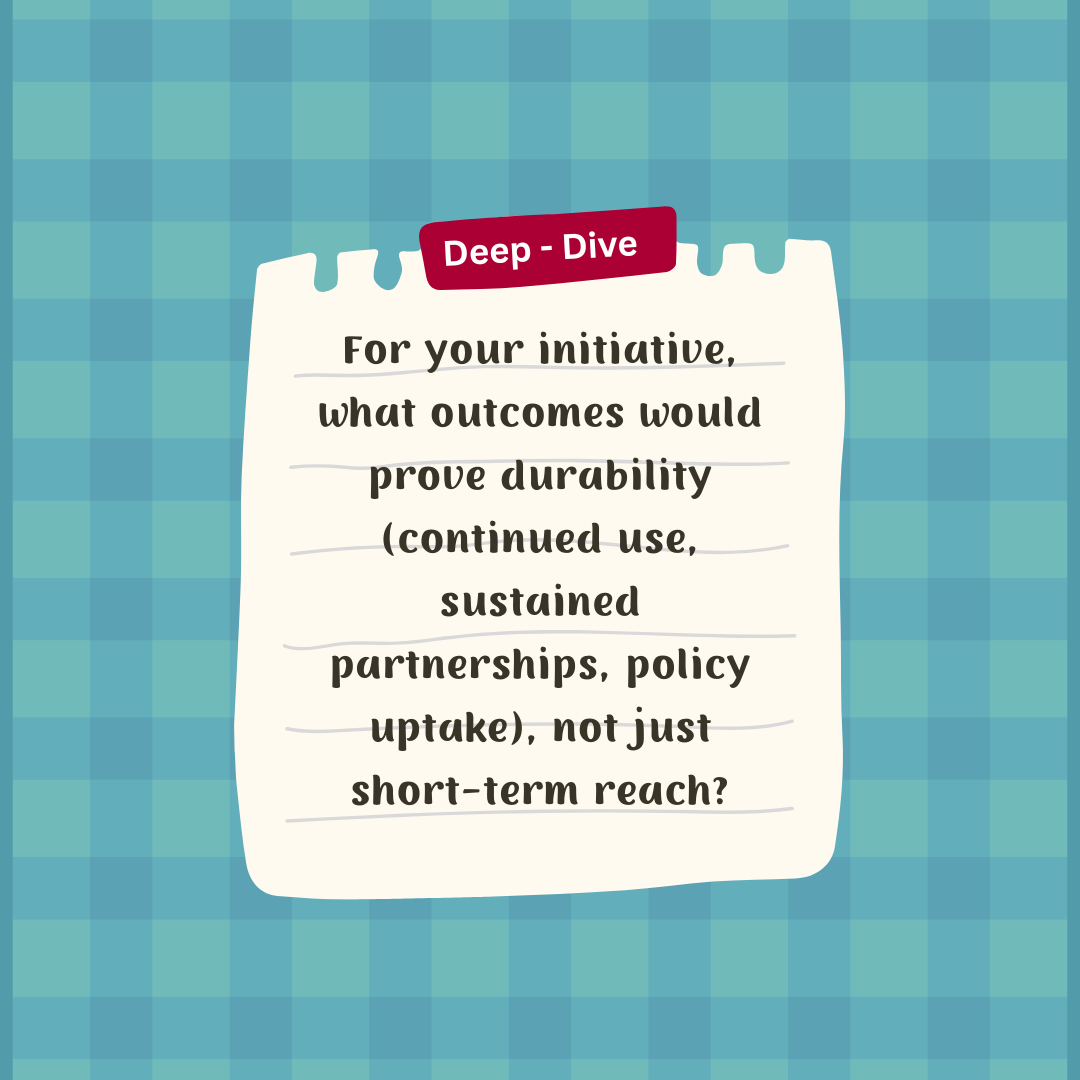
Are we measuring the right outcomes—or only what’s easy to collect?
The SDH equity reorientation article argues that gaps include descriptive dominance and insufficient attention to effective policy interventions, implementation pathways, and participatory approaches. It also points to persistent data gaps. Source
| | | |
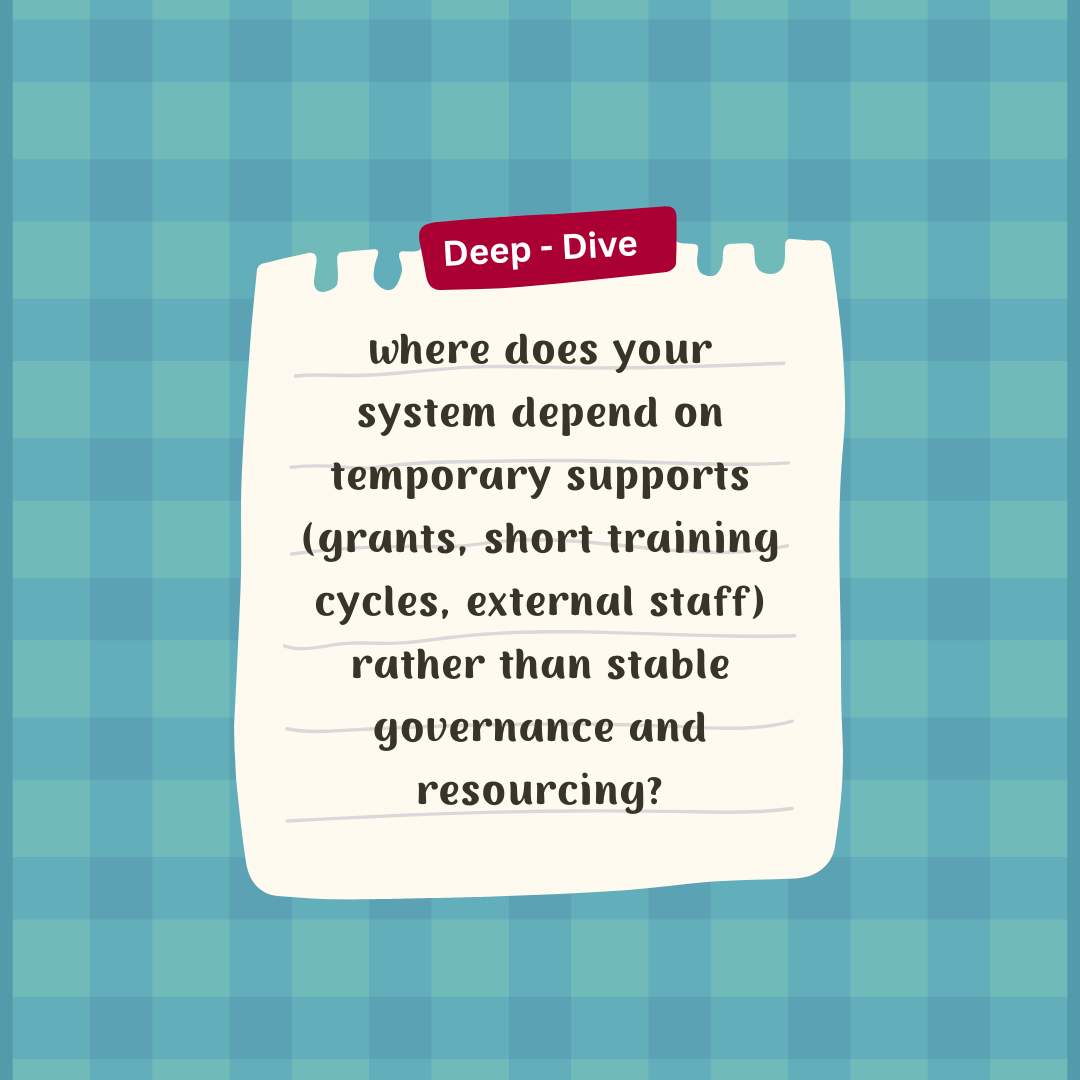
What does it take to integrate care into routine systems—not just add programs?
Two implementation-oriented studies from malnutrition care and implementation framing highlight different kinds of integration barriers:-
-
An Ethiopia study on integrating moderate acute malnutrition (MAM) into primary health care used CFIR to explore barriers and facilitators across policy, primary care, and community levels. It reports usefulness and feasibility, but also heavy reliance on external donor funding when there isn’t a dedicated government budget for supply chains, transport, storage, and supervision, plus understaffing and documentation burdens. Source
-
A digital health implementation review found that evidence quality and bias risks matter; the average effect on implementation outcomes was small, and after excluding higher-risk studies, effects attenuated toward null. It also found certainty rated as very low for many estimates. Source
| | | |
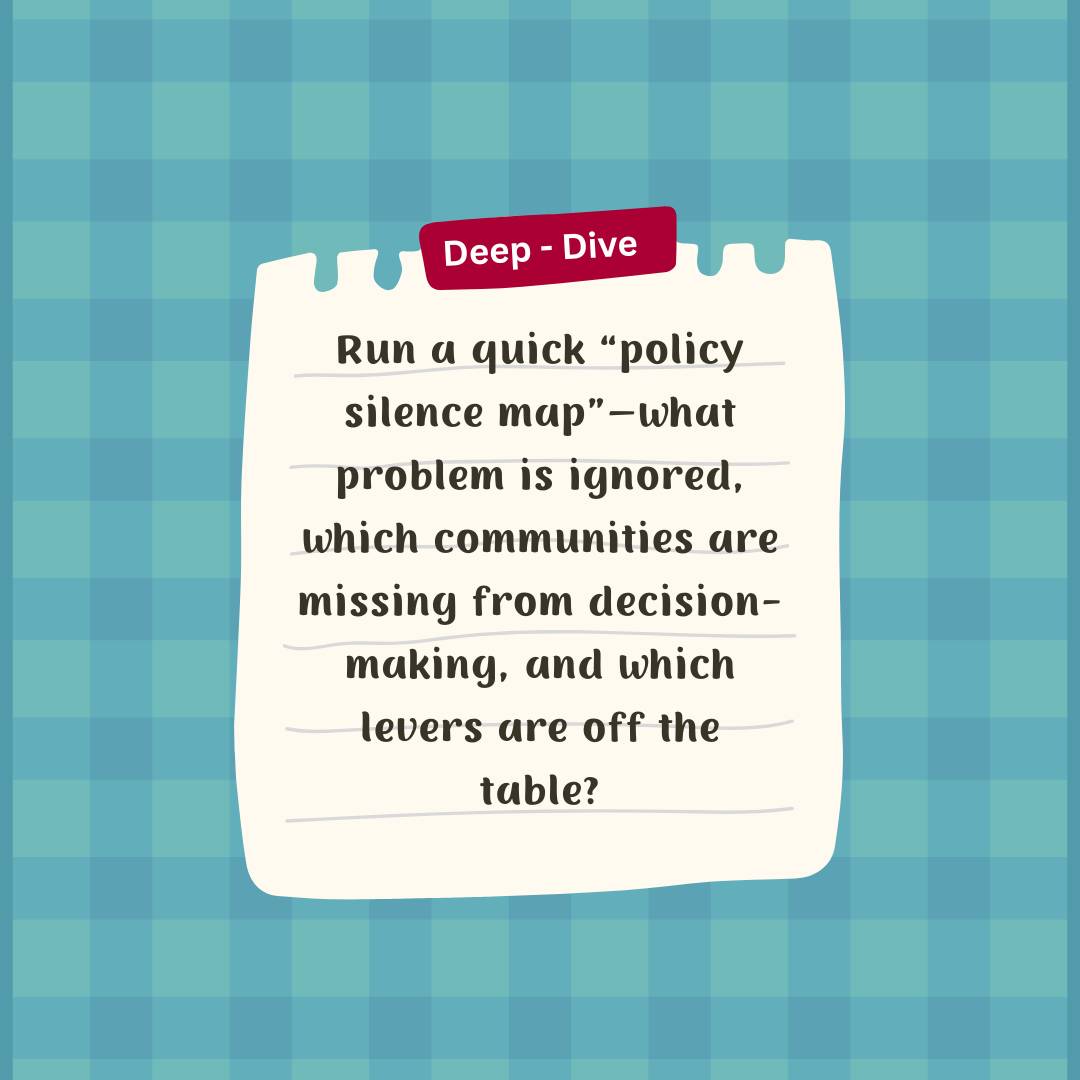
Who gets to define the “problem,” and who gets left in the shadows?
A privilege toolkit aims to help people see how policy upholds advantage by revealing what is assumed, stated, and excluded. This connects directly to health justice: if policy silences certain harms, your coalition will not be able to fix what isn’t named.
Source
| | | | | |
|
Building Equity Assessment for
Community Organizations and Networks (BEACON)
Source: BEACON
The BEACON assessment is an invitation to community collaborations, reflect and engage in dialogue, share power, and deepen our equity journey. By changing ourselves, we can work together to change the world—with equity, creativity and abundance.
| |  | |
The Water of Systems Change
Source: FSG
"Foundations involved in systems change can increase their odds for success by focusing on the least explicit but most powerful conditions for change, while also turning the lens on themselves.
The Water of Systems Change aims to clarify what it means to shift these conditions. We offer the “inverted triangle” framework as an actionable model for funders and others interested in creating systems change, particularly those who are working to advance equity."
| | | | |
| |
| |
| |
| |
|
RWJF seeks to fund one lead organization or consortium to serve as a national network-weaver for diversity, equity, inclusion, and belonging (DEIB) in the health professions. The selected grantee will connect and support leaders, organizations, and institutions across the ecosystem, strengthening relationships, aligning strategy and communications, and facilitating shared learning and collective action. By building the connections and infrastructure needed for collaboration, the grantee will help advance belonging, accountability, and systems change across health professions education and healthcare institutions.
Eligibility & Selection Criteria
- Applicants must be either public entities or nonprofit organizations that are tax-exempt under Section 501(c)(3) of the Internal Revenue Code and are not private foundations or non-functionally integrated Type III supporting organizations. The Foundation may require additional documentation.
- Applicant organizations must be based in the United States or its territories.
- Applicants must apply as a single organization but may represent a consortium. Consortium-based applications must identify one lead organization that will serve as the primary grant holder and be responsible for grant management, coordination, and reporting.
- Demonstrate the ability to manage large, complex grants and coordinate work across multiple partners.
- Applicants must have the capacity to operate at a national level and engage constituents across the health professions ecosystem.
Deadline for receipt of Letters of Intent: September 24, 2026 (3 p.m. ET)
| | | |
The RWJF Health Policy Fellows program provides the nation’s most comprehensive midcareer learning experience at the intersection of health, science, and policy in Washington, D.C. Fellows participate in the policy process at the federal level and leverage that leadership experience to promote policies, practices, and systems changes that advance the health of the nation.
The fellowship requires a full-time commitment with a minimum 12-month residence in Washington, D.C., which prepares individuals to influence the future of health and its drivers in the nation.
Eligibility & Selection Criteria
- Exceptional midcareer professionals from academic institutions, not-for-profit organizations, or government (including military; U.S. Dept. of Veterans Affairs; U.S. Public Health Service Commissioned Corps; and state offices who are not considered government officials under Section 4946 of the Internal Revenue Code);
- Applicants must have earned an advanced degree (master’s or doctoral degree);
- In addition, applicants must have developed deep subject matter experience in a health- related discipline and have at least 10 years of full-time work experience. Examples include but are not limited to medicine; nursing; public health; law; dentistry; economics and other social sciences (especially disciplines related to factors that influence population health, such as housing, transportation, nutrition, employment, education, and environmental and community conditions); health services and social work/behavioral health; and other health professions;
- Applicants whose official job description or responsibilities are primarily government relations or advocacy are not eligible;
- Individual candidates for receipt of award funds must be U.S. citizens, or permanent residents at the time of application. The RWJF Health Policy Fellows are placed in assignments in the federal government. Therefore, changes in federal policy or law may necessitate that RWJF consider adjustments in eligibility and grant terms, as well as placements in the program.
- Additionally, individual candidates for receipt of award funds cannot be related by blood or marriage to any Officer or Trustee of the Robert Wood Johnson Foundation, or be a descendant of its founder, Robert Wood Johnson.
Deadline: November 3, 2026
| | | |
The Frances R. Dewing Foundation is accepting applications from U.S.-based 501(c)(3) nonprofits and schools for projects that directly benefit children through early childhood and elementary education (up to sixth grade). Grants are awarded twice yearly (April 1 and October 1 deadlines) and prioritize innovative, project-based initiatives with clear, measurable impact. If you are launching or expanding a child-focused education program, this could be strong seed funding to support your work.
Deadline: October 1, 2026
| | | |
Funding: $50,000
Deadline: Rolling
Overview:
The Foundation for a Healthy High Point offers free grant writing support to eligible nonprofits serving Greater High Point (High Point, Jamestown, Archdale, and Trinity) that have identified an external funding opportunity of at least $50,000 aligned with social determinants of health and upstream solutions. Applications are rolling, decisions are made within two weeks, and if approved, the Foundation pays the grant writer directly, removing one of the biggest barriers to pursuing large state, federal, or national foundation grants.
Eligible organizations must:
• Be a 501(c)(3) for at least 3 years
• Serve High Point, Jamestown, Archdale, or Trinity
• Be pursuing a grant outside Guilford County of $50,000+
• Align with focus areas like healthcare access, economic stability, housing, education, and community conditions
Applications are accepted year-round, reviewed on a rolling basis, and organizations are typically notified within two weeks. This is an especially powerful opportunity for small and mid-sized nonprofits that don’t have full-time development staff but are ready to go after transformational funding.
| | | | | |
| Well-Being and Equity In The World Institute252 Daniel Webster Highway #1017 Nashua, NH 03060 US | | | | |