Logos for the Center for Research and Fellowships and the Fulbright top producing institutions

It's a Fulbright Friday!

September 1. Calendar on white background. 3D illustration.
We're about three weeks away from Georgetown's internal deadline for the Fulbright U.S. Student Program: September 1 at 12 PM NOON (not midnight) ET.
Lock your application in the portal by this time to participate in the campus committee review and mentorship process. All recommendations and required evaluations/application components are due by September 1.

Reminder: If you have not filled out the Fulbright Intent to Apply form, please do so today. Enjoy your weekend!

CRF-Sponsored Fulbright

Advising Open Houses

Aug

15

Fulbright Open House Office Hours (Application Questions)

10:30-11:30 AM ET

Zoom

Aug

18

Fulbright Open House Office Hours (Application Questions)

10:00-11:00 AM ET

Zoom

Fulbright-Sponsored

Webinars

Aug

12

Your Future with Fulbright: How to Pursue Graduate School Abroad

4:00 PM ET

Register

VISIT: Fulbright Recording


Cover slide for Fulbright application tips presentation including Fulbright and Georgetown logos
If you're new to the Fulbright U.S. Student Program application process or want to revisit some topics about applying through Georgetown, visit this recording, which is about 18 minutes in length.

Advising Corner

WRITTEN COMPONENTS FORMATTING


It is important, when entering your written text into the Fulbright application portal, that you follow Fulbright's instructions with respect to character count (including spaces and punctuation) and not using hard returns to create paragraphs.


The text boxes in the portal provide guidance about entering text for components including:

A image with two columns one showing the correct way to format essays without paragraphs and the second showing the incorrect way
  • Abstract/Summary of Proposal: ("This field has a 1,750-character limit, including spaces and punctuation.")
  • Short Answer 1 - Flexibility and Adaptability: ("This field has a 2,000-character limit, including spaces and punctuation. Do not use hard returns for paragraph breaks.")
  • Short Answer 2 - Community Engagement: ("This field has a 2,000-character limit, including spaces and punctuation. Do not use hard returns for paragraph breaks.")
  • Short Answer 3 - Impact of Fulbright Award: ("This field has a 1,000-character limit, including spaces and punctuation. Do not use hard returns for paragraph breaks.")
  • Statement of Grant Purpose - English Teaching Assistant: ("This field has a 3,000-character limit, including spaces and punctuation. Do not use hard returns for paragraph breaks.")
  • Statement of Grant Purpose - Study/Research: ("This field has a 6,000-character limit, including spaces and punctuation. Do not use hard returns for paragraph breaks.")


It is likely you are using Word, Google documents, or a similar program to write these application components. Be sure you are checking the character count.

A demonstration of a paragraph with capitalized section keywords

Examples


In the first example above, column one demonstrates what not to do, that is creating paragraphs. Column two demonstrates one continuous block of text, which is what you should do.


Sometimes applicants, in statements of grant purpose, like to introduce new sections of their essays with keywords (for example, Background, Research Question, Methods, Timeline, Curriculum, Host Country). Example two demonstrates how, if you wish to do so, you might use capitalized keywords to indicate sections within the text box feature of the Fulbright portal.


Why This Is Important


Following the formatting directions is important because all of the information you input in the application portal will be made into a .pdf for the Fulbright application reviewers.


If you use hard returns/paragraphs, your answers may be cut off in the .pdf version that is created for them, and they won't receive your full answers.


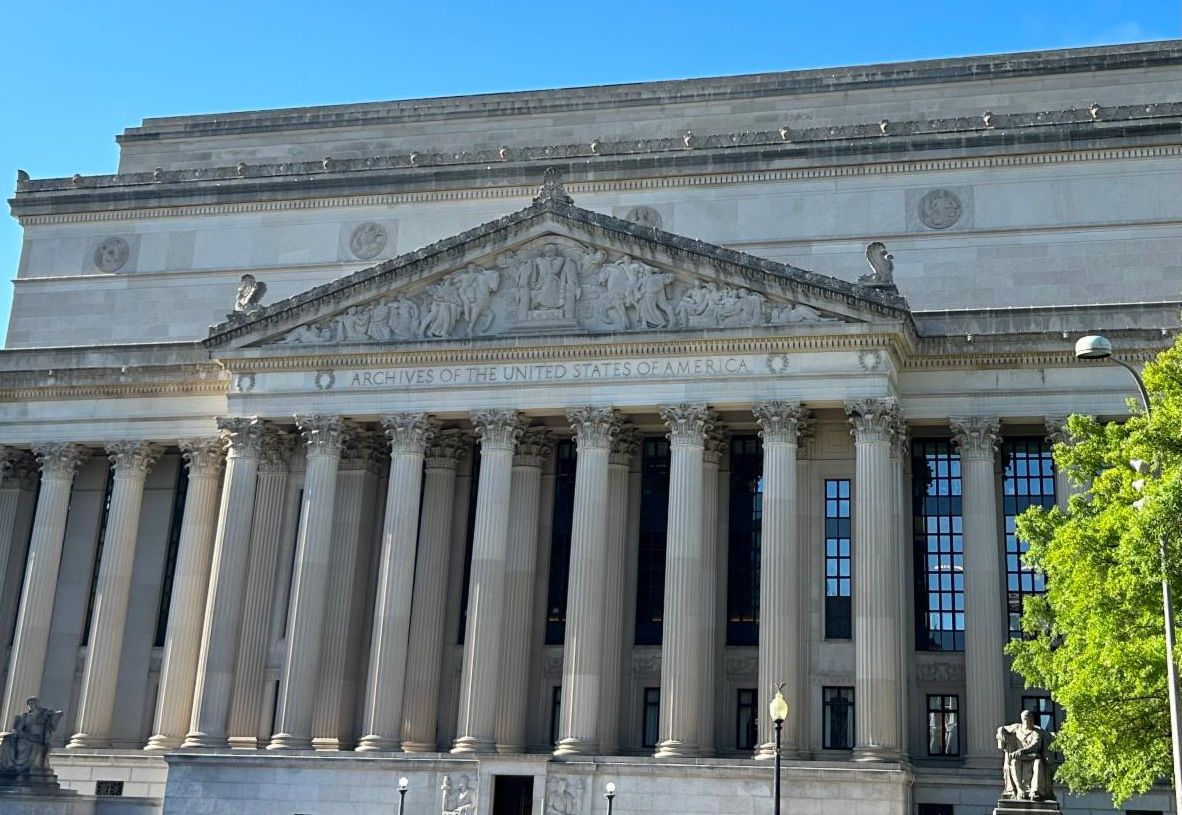
The exterior of the National Archives Building in Washington DC with a blue sky behind it

Fulbright Friday Archive

If you recently signed up for the Fulbright Friday email list, you can catch up on past editions from this application cycle:


  • August 1, 2025 – Advising Corner: Mentorship Process
  • July 25, 2025 – Advising Corner: Transcripts
  • July 18, 2025 – no edition issued
  • July 11, 2025 – Advising Corner: Abstracts
  • July 4, 2025 – no edition issued
  • June 27, 2025 – Advising Corner: Research Affiliations
  • June 20, 2025 – Advising Corner: Study/Research Recommendations
  • June 13, 2025 – Advising Corner: ETA Recommendations
  • June 6, 2025 – Advising Corner: Foreign Language Evaluations
  • May 30, 2025 – Advising Corner: Short Answer Question 3 (Impact of Fulbright Award); Also: Fulbright Türkiye
  • May 23, 2025 – Advising Corner: Short Answer Question 2 (Community Engagement)
  • May 16, 2025 – Advising Corner: Short Answer Question 1 (Flexibility and Adaptability); Also: Fulbright Malaysia
  • May 9, 2025 – Advising Corner: English Teaching Assistant Statements of Grant Purpose; Also: New Award
  • May 2, 2025 – Advising Corner: Research/Study Statements of Grant Purpose; Also: New and Undersubscribed Awards
  • April 25, 2025 – Advising Corner: Getting Started; Also: Listing Georgetown University as Your Institutional Affiliation
mac_book.jpg

Contact Us!

Be sure to schedule an appointment with an advisor to discuss your application well before the September 1 internal deadline.


Note: We have many Fulbright advising requests at this point every summer, and it may take some time to schedule an appointment. Given that, if you plan to apply for a Fulbright grant, please continue developing your application in advance of your appointment.


Schedule an Appointment

It's a Fulbright Friday!

Advising Appointment

Start Your Application

Fulbright Canvas Course