|
Welcome to week two of Nonfiction November! We're highlighting new and bestselling nonfiction books for elementary ages that are perfect for earth and environment bookshelves. These books on animals, ecosystems, weather and more make great use of humor, narrative and facts that will engage and inspire young readers.
Keep reading to learn how you can win a class set of the books featured in today's newsletter.
| |
|
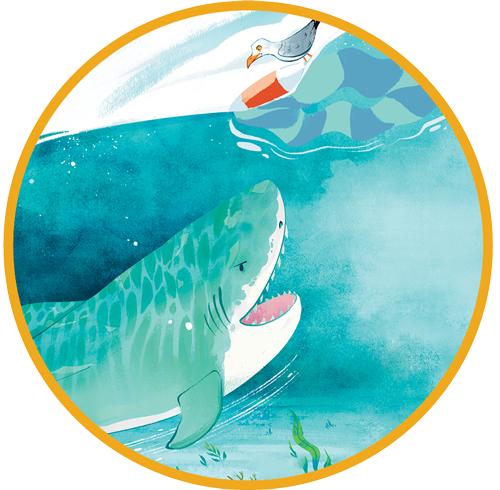
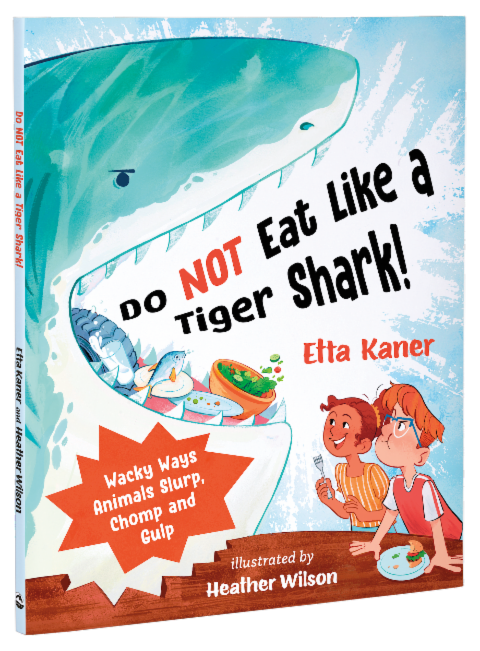
A humorous look at the unusual ways that animals eat and drink.
“Rowdy fun, with a few morsels of fact on the side.”
—Kirkus Reviews
| |
DID YOU KNOW?
Tiger sharks will eat just about anything they come across, including the trash people dump in the water.
| |
|
NEW! Illustration Nonfiction | Gr. 1–3
Hardcover $21.95 | Ebook $17.99
| Curriculum connections: animals, ecosystems, digestive system | |
|
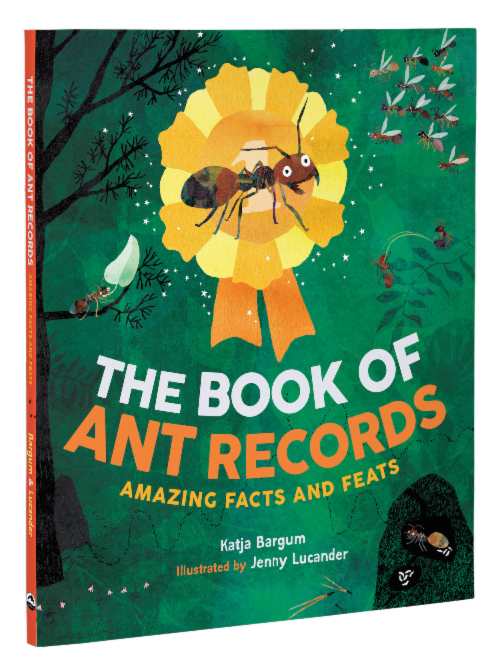
Illustration Nonfiction | Gr. 3–6
Hardcover $24.95 | Accessible Ebook $19.99
| Curriculum connections: animals, ecosystems, geography | |
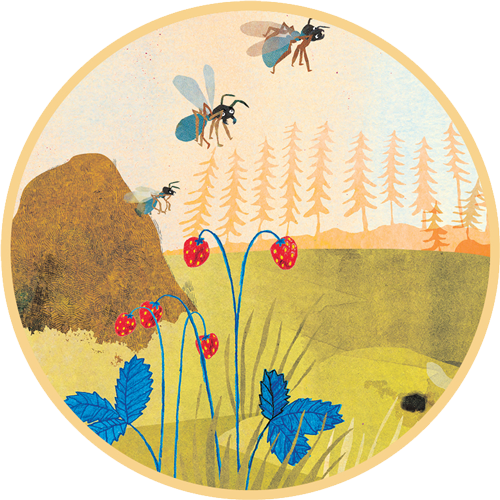
Ants may be small but they have amazing abilities. | |
DID YOU KNOW?
Dracula ants will sometimes consume the bodily fluids of their own larvae...and the larvae don't die!
| |
|
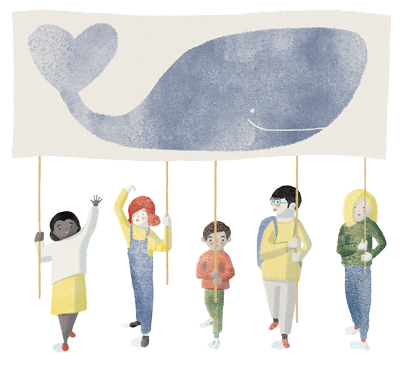
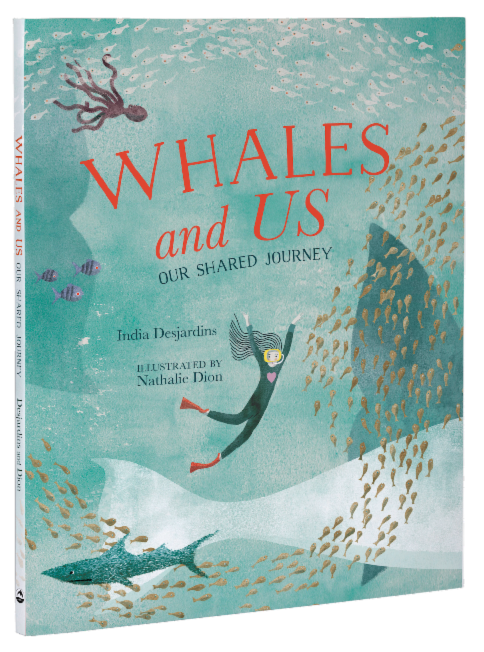
Explore the history, environment, biology and behaviours of whales. through facts, stories and legends.
“Visually stimulating and loaded with interesting facts.”
—Montreal Review of Books
| |
DID YOU KNOW?
The prehistoric ancestors of cetaceans were land mammals! Some whales still have traces of their land-based ancestors, such as pelvic and leg bones.
| |
|
Illustrated Nonfiction | Gr. 3–6
Hardcover $24.95 | Ebook $19.99
| Curriculum connections: animals, ecosystems, restoration, culture literature | |
|
Illustrated Nonfiction | Gr. 1–3
Hardcover $21.95 | Ebook $17.99
| Curriculum connections: animals, ecosystems, social-emotional learning, self-management, empathy | |
|
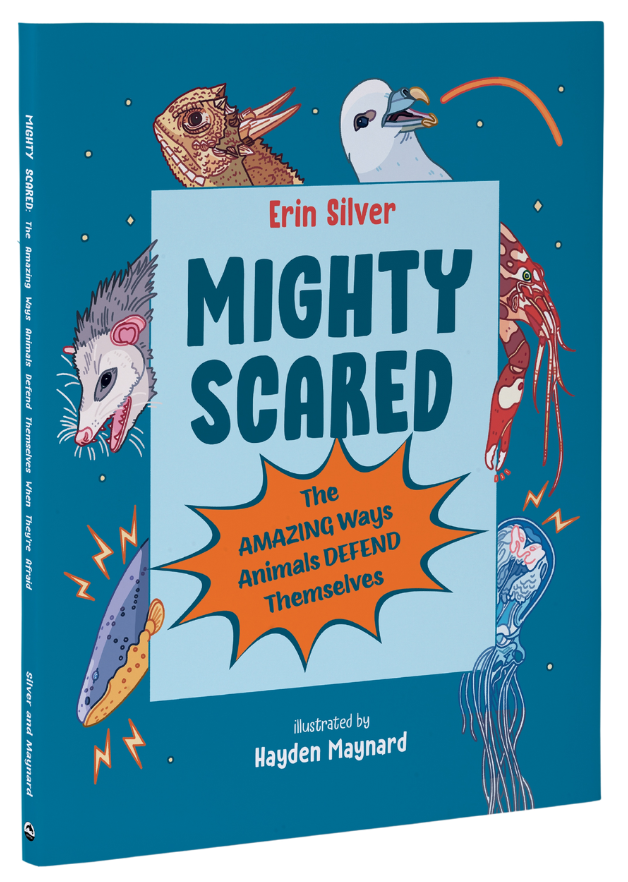
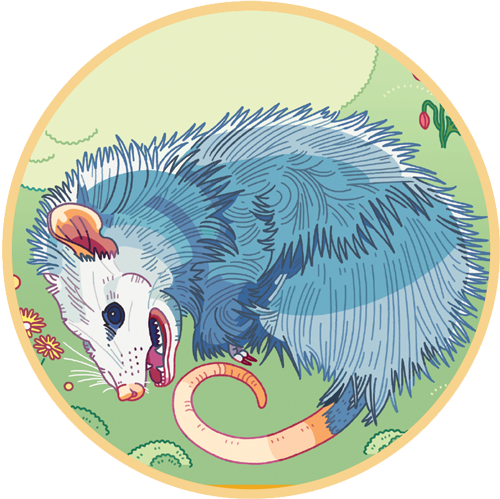
Learn about the unique and disgusting things that animals sometimes do when they're scared!
★ “A thoroughly engaging, fact-filled book with audacious and memorable animal responses to predators. A must-have for every library.”
—School Library Journal, starred review
| |
DID YOU KNOW?
Pistol shrimp can disrupt sonar and underwater communication with the strength of their large claw snapping shut!
| | |
|
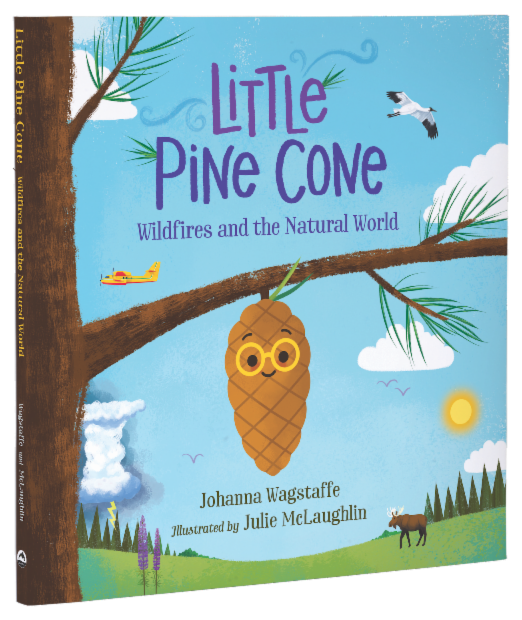
Examine what wildfires are and how they are started and managed, using the life cycle of a Jack pine cone to illustrate the concept.
“This brightly illustrated picture book explains the life cycle of a pine tree in an age-appropriate and easily understood way...Engaging and attractive. ”
—School Library Connection
| |
DID YOU KNOW?
Fire tends to move faster uphill. It can spread quickly on the steep slopes of mountains!
| Curriculum connections: plants, ecosystems, fire ecology, weather, climate, emergency response | |
|
Illustrated Nonfiction | Gr. 1–3
Hardcover $21.95 | Ebook $17.99
| |
|
Illustrated Nonfiction | Gr. 1–3
Hardcover $19.95 | Ebook $16.99
| Curriculum connections: weather, animals, ecosystems, social-emotional learning, self-management, empathy | |
|
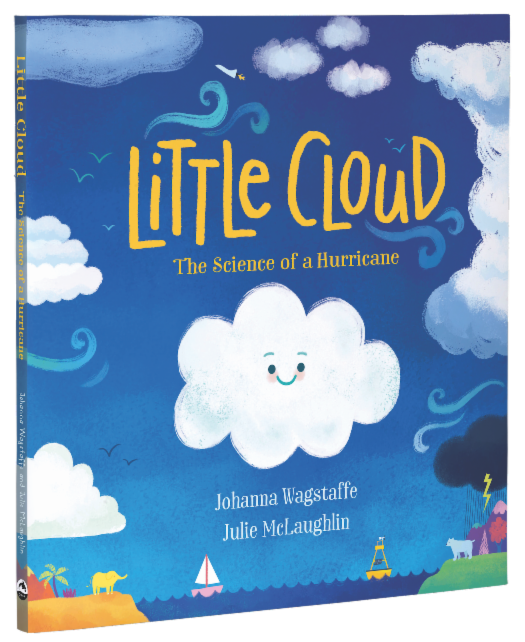
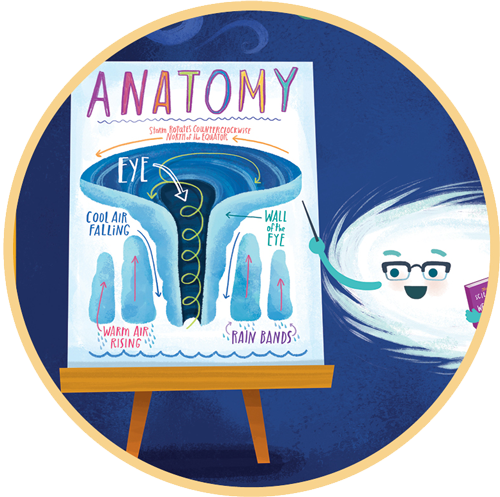
Follow the origin of a hurricane, from a little cloud to a life-threatening storm.
“Rarely has severe weather been so sweetly packaged as in this story of Nate, a little cloud that becomes a hurricane.”
—Booklist
| |
DID YOU KNOW?
Hurricanes, typhoons and cyclones are all the same kind of storm. What they're eventually called is determined by where in the world they form.
| | |
|
|
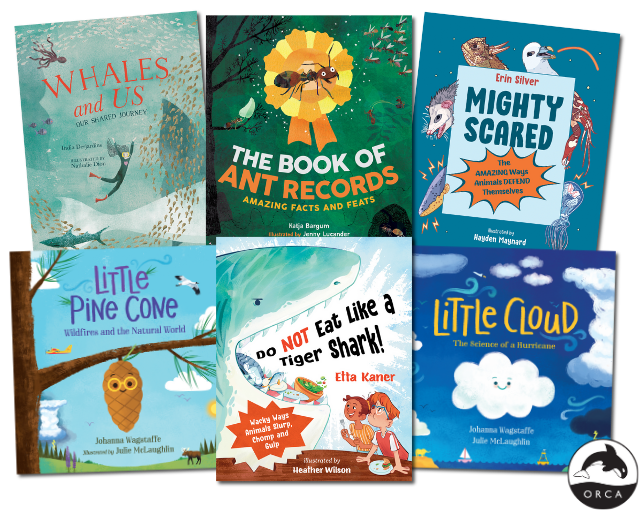
Win this email's collection of six middle-grade nonfiction books for grades 1–6!*
Enter by November 17, 2024.
Know a teacher who could use these books in their classroom? Forward them this email!
| | |
Download this new grid for a full list of curriculum resources for Orca's 2024 Nonfiction Books, including themes, reading levels, links to teacher guides and more! | |
*This giveaway is open to educators in Canada and the US. Giveaway closes on Sunday, November 17 at 11:59pm EST. The winner will be contacted directly and announced in a forthcoming newsletter. | | | | |