Fundraising Talks
News and updates from the USM Office of
Advancement Research
| | |
Principal gifts may be rare and complex, but they are never accidental. This article from bwf reveals the ecosystem that makes these gifts possible. "Where Strategy Meets Insight" explores how frontline fundraisers and prospect development professionals can unlock transformational giving when they share data, strategy, and accountability from the start. The article delves into why principal gift success depends on disciplined collaboration and intentional portfolio design. It also discusses the importance behind deeper, insight‑driven movement, not just meetings or proposals. The article highlights the ways prospect development uses analytics, timing, and donor psychology. Click here to read more.
| | Nonprofits are entering 2026 with a myriad of challenges and opportunities thanks to rising costs, shrinking donor pools, and rapid shifts in digital fundraising. A new analysis from the Forbes Business Development Council highlights four trends nonprofit leaders should prioritize this year: the growing role of AI as an efficiency tool, heightened donor expectations around data privacy, the stabilizing power of monthly giving programs, and the increasing demand for highly personalized supporter experiences. While donor participation declined in 2025, especially among small‑gift donors, generosity remained strong, showing nonprofits the need for smarter systems rather than bigger budgets. The four trends emphasize that effective fundraising in 2026 will require pairing new technology with intentional, trust‑building practices. Nonprofits that strengthen privacy transparency, cultivate recurring donors, and personalize outreach at scale will be positioned to navigate uncertainty. These strategies can help organizations build a more resilient and relationship-centered foundation for the year ahead. Click here to read more. | | | |
Many nonprofits unintentionally push donors away through everyday behaviors that weaken relationships and erode trust. This article from NonProfitPRO outlines eight common mistakes that undermine donor retention. Some mistakes the article outlines include making relationships feel transactional to delaying thank‑yous, ignoring donor interests, and failing to communicate changes or concerns. Poor record‑keeping and disregarding communication preferences also send the message that donors aren’t understood or valued. These mistakes may seem small, but over time they can cause even your most loyal supporters to disengage. Overall, donor stewardship requires timely communication, personalized engagement, and consistent transparency. Click here to read more about these common pitfalls.
| | | This article from Fundraising Report Card explores how nonprofits can thoughtfully increase their average donation amount without sacrificing donor volume or long‑term revenue. The article opens with an explanation as to why averages alone can be misleading. Higher average gifts don’t always translate to higher income, especially if they come at the cost of losing low‑dollar donors. To raise average donation size, organizations need strategies that strengthen giving across the spectrum, such as improving major donor cultivation to adjusting suggested giving arrays in ways that push donors toward slightly higher levels. The article also outlines practical strategies, including refining ask amounts, reducing option overload, tying dollar levels to specific outcomes, and tailoring donation requests to different donor segments. These small adjustments, when grounded in donor behavior and continuous testing, can lead to meaningful revenue growth. Ultimately, nonprofits that understand their data and use it to guide personalized, intentional fundraising will see the strongest improvements in average giving. Click here to read the full article. | | | |
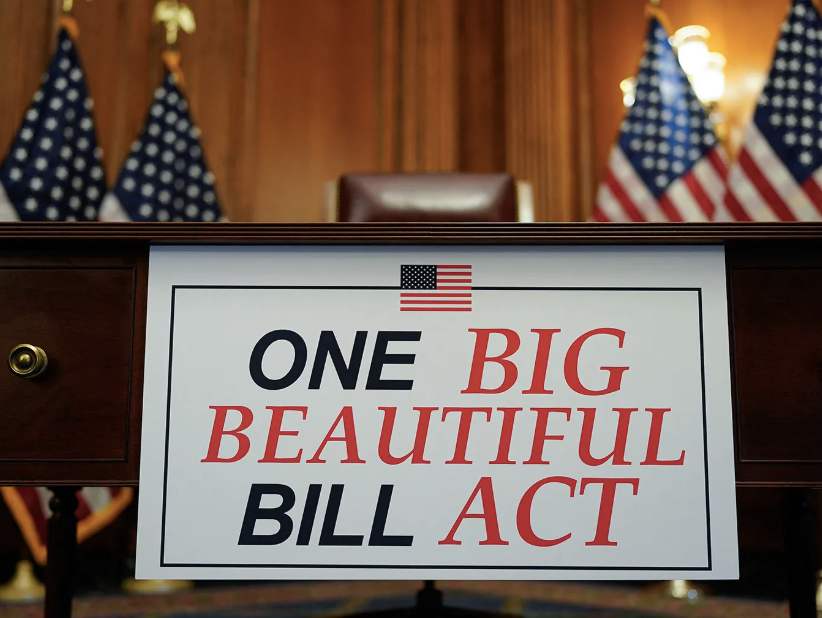
Tax season is upon us and new charitable deduction rules under the One Big Beautiful Bill Act (OBBB) are shaping how individuals and corporations plan their giving for this year and the future. The law introduces new deduction “floors,” which means that donors must exceed minimum contribution thresholds before receiving any tax benefit. This has prompted many to adopt strategies like gift bunching or increased use of DAFs. DAFs are seeing significant growth because they allow donors to make one large, deductible gift in a single year while distributing grants over time. Corporations are rethinking their philanthropic approaches, from consolidating multiyear giving to exploring inventory donations, accelerated deductions, or reclassifying certain payments as business expenses. Click here to read more.
| | |
Inheritance in the USA is less common and smaller than many people assume, with 70 to 80 percent of households never receiving any inheritance at all. Even when inheritances occur, most are modest, the typical amount for middle‑ and lower‑wealth households ranges from under $10,000 to about $200,000. On the other hand, the wealthiest families receive much larger inheritances, often in the hundreds of thousands or millions. These families also benefit from family resources long before formal transfers take place. As the Great Wealth Transfer approaches, these disparities will widen. For nonprofits, this concentration of wealth is both a challenge and an opportunity. Engaging affluent families early and thoughtfully can position your nonprofit to become part of these families' future estate planning. With so much money poised to change hands, proactive conversations around bequests, donor‑advised funds, and charitable trusts will be increasingly important. Click here to read more.
| | | | |