|
In this Issue
- New Book: The Evolution of Consciousness - Chapter Two - Purposeful Evolution Part I
- New Articles on the History of Science Fiction
- The Evolution of Science Fiction YouTube Series
- New CFC Website
- New Expanded CFC YouTube Channel
| |
Tom Lombardo
Director of
The Center for Future Consciousness
| Tom Lombardo's Books on the Future, Wisdom, Psychology, Science Fiction, and Future Consciousness |
|
|
New Book: The Future Evolution of Consciousness
Chapter Two - Purposeful Human Evolution & Future Consciousness Part One
|  | |
Dear Friends and Colleagues,
As introduced in the May issue of the newsletter, over the last couple of years I’ve been working on a new book “The Future Evolution of Consciousness.” As everyone is aware, there are an incredible variety of current approaches that attempt to constructively address the many challenges in contemporary times.
It seems to me that the key factor to focus upon both in addressing our present problems and creating a positive future is to significantly evolve our consciousness. As such, I’ve been writing a book on this topic.
Beginning with the May issue, I have been publishing online, in Future Consciousness Insights, roughly once a month, drafts of each consecutive chapter in this new book.
In May I started with the Introduction to the book. The complete Introduction is available for viewing on my Center for Future Consciousness website:
https://centerforfutureconsciousness.com/wp-content/uploads/2024/05/evol-of-consciousness-intro.pdf.
In this issue I include Chapter Two: Purposeful Human Evolution and Future Consciousness - Part One
See: https://centerforfutureconsciousness.com/wp-content/uploads/2024/08/evol-of-consciousness-chp-2-part-one.pdf
The total published set of draft chapters of the book is available for reading on my Center for Future Consciousness website at:
https://centerforfutureconsciousness.com/the-future-evolution-of-consciousness/.
I am looking for feedback and comments on the book. After reading any parts of the draft chapters you can send any comments or feedback to my email: tlombardo1@cox.net.
|  | |
The Future Evolution of Consciousness
Thomas Lombardo
Chapter Two: Purposeful Human Evolution and Future Consciousness - Part One
“We are not fallen angels but risen apes.”
William Calvin
Building on the general framework of cosmic evolution, two key ideas are examined in depth in this chapter: purposeful evolution and future consciousness.
Purposeful evolution and future consciousness were introduced in the previous chapter as significant emergent factors in the ongoing evolution of evolution. Purposeful evolution is a natural expression and further amplification of the universal process of the evolution of evolution.
Moreover, humanity is able to engage in purposeful evolution because we possess future consciousness.
Understanding the powers of future consciousness is of critical importance in thinking about the future evolution of consciousness. I see purposeful evolution through future consciousness as a distinctive and highly empowering driving force in both the past and future evolution of humanity and consciousness.
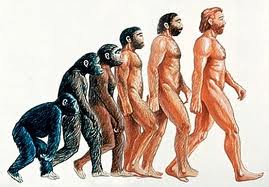
I explain the dynamics and connection between purposeful evolution and future consciousness in this chapter by describing their development in the evolutionary history of life and humanity. The capacities of future consciousness and purposeful evolution emerged in humanity (and to lessor degrees in other earthly animals) in the context of the overall trajectory of the evolution of life and humanity on the earth.
In examining the past evolution of life and humanity and the emergence of purposeful evolution and future consciousness, I delve into the past evolution of the general phenomenon of consciousness, highlighting a number of important features in the evolution of animal consciousness.
The distinctive capacities of future consciousness emerged out of the foundational abilities of animal consciousness. Future consciousness is a particular set of evolved capacities within the more general phenomenon of consciousness.
Describing the past evolution of consciousness (on the earth) will also serve as a foundation for speculating on the future evolution of consciousness in later chapters. Understanding the past is a pre-requisite for thoughtfully considering the future.
The Evolution of Life and the Earth
As a manifestation of the general process of increasing complexity in cosmic evolution, the earthly environment, in which life evolved and continues to evolve, is an exceedingly complex, dynamic, and multi-faceted reality. There is an intricate and highly organized spatial and temporal structure to the earthly environment, with dimensions of both relative stability and change. Due to a variety of natural processes at the geological, chemical, and meteorological levels, as well as those at work in the initial formation of the solar system, the earth, beginning from its initial creation roughly four and a half billion years ago, evolved into a multi-level constellation of complex forms, substances, structures, and pattens of change. The evolutionary hierarchy of nature, from the subatomic to the atomic, molecular-chemical, geological, and ecological is embedded in the composition, structure, and dynamics of the earthly environment; the earth is a multi-level hierarchal concatenation and integration of parts within parts within parts.
All earthly life is dependent on this complex earthly environment in the sense that living forms utilize, and in fact, require various resources and physical conditions in the environment in order to perpetuate, and to advance and evolve their existence. Life utilizes energy, including the radiant solar energy, and various chemical substances drawn from the environment in constructing, maintaining, and further evolving its complex structural forms and energetic processes. As a general principle, life has built upon and incorporated diverse features and components of the highly evolved and complex solar-heated earthly environmental reality, in which it is embedded and continues to evolve.
The earthly environment includes both rhythmic and repeating transformational patterns, and elements of chaos, disruption, destruction, and novel twists and turns. It would be a mistake to think that the ecology of the earth in which life has evolved has ever been an entirely stable and harmonious reality. Far from it. The belief in an orderly harmony of nature—of a peaceful co-existence of its parts and unchanging rhythmic processes and interactions—is simply not true. The environment of the earth has undergone numerous highly disruptive upheavals and transformations throughout its history, both relatively localized or global in scope, and life has repeatedly adjusted and adapted to this dynamic reality, undergoing a plethora of biological transformations, as it continuously evolves diverse new ways in which to protect itself and secure whatever resources are necessary for its existence and continued perpetuation.
Hence, although we customarily distinguish between the living and non-living, the physical environment of the earth, in which lives exists and evolves, is an exceedingly complex, dynamic, and multi-faceted reality, providing a great deal of contextual structure and dynamic ambience supporting (and at times challenging) the existence of life. Life did not evolve in a vacuum, or within some relatively simple physical surrounding. Moreover, life ingests and incorporates into its form and composition numerous complex chemical substances existing in its earthly physical environment. Life is made up out of ingredients of the earth, which in many cases evolved on the earth. When we come to the issue of the evolution of consciousness it is important to keep in mind that consciousness, at least as manifested on the earth in living forms, evolved in a highly complex and dynamic physical environment. This evolved earthly physical environment supports and fuels the existence and evolution of life and consciousness.
Arising out of the conglomerate mixture of complex chemical molecules that emerged in the early history of the earth, and probably involving a sequence of stages of increasing chemical complexity, a significant early milestone in the evolution of life was the coalescence of an exceedingly intricate, internalized self-replicating genetic “code”—embodied in the DNA molecule—that all presently existing life forms on the earth share in common. From the simplest life forms, such as bacteria, which first appeared on the earth billions of years ago, to advanced mammals and primates, all life possesses a common genetic foundation or core, embodied within the same highly complex chemical molecule, DNA. All earthly life is genetically related and connected together in its evolutionary history through an underlying ancestral genetic line contained in the varied configurations of this core DNA molecule.
Differences among species are, to a significant degree, due to variations within the DNA code of these different species. The distinctive configuration of the DNA molecule of a particular species (the genotype) roughly determines the distinctive set of bodily structures and physiological, biochemical, and behavioral processes within that species (the phenotype). The distinctive genetic make-up of a life form supports a set of inherited anatomical structures and functional capacities that are adapted and attuned to the current conditions of its environment, both to its dangers and its resources.
Once the DNA molecule configured in the early history of life on earth, the further ongoing evolution of life is usually explained through the dual process of genetic variations in offspring and the natural selection of those variations most successful at reproducing and perpetuating their existence. Although self-replicating, the DNA molecule manifests variations (or mutations) across successive replications or generations, and the particular genetic code of a species at a point in time appears to be a product of the natural selection among DNA variations among its species members over successive generations of that species’ ancestral line. Over enough generations of the natural selection of genetic variations, species are transformed and even branch apart, creating new species.
All in all, although building on earlier developments in physical evolution, the emergence of genetically coded life forms and the subsequent proliferation of incredibly diverse species on the earth, represents a significant jump in the process of cosmic evolution. Empowered by a complex and dynamic molecular coding substrate, which can progressively transform through natural selection across successive generations, life has evolved in a complex and transformative environment that continually challenges life’s survival capacities, provoking ongoing evolutionary changes within its diverse genotypic and phenotypic expressions.
* * *
You can complete the reading of this book installment--with added references and footnotes--at Purposeful Human Evolution and Future Consciousness
https://centerforfutureconsciousness.com/wp-content/uploads/2024/08/evol-of-consciousness-chp-2-part-one.pdf
| New Articles on the History of Science Fiction | 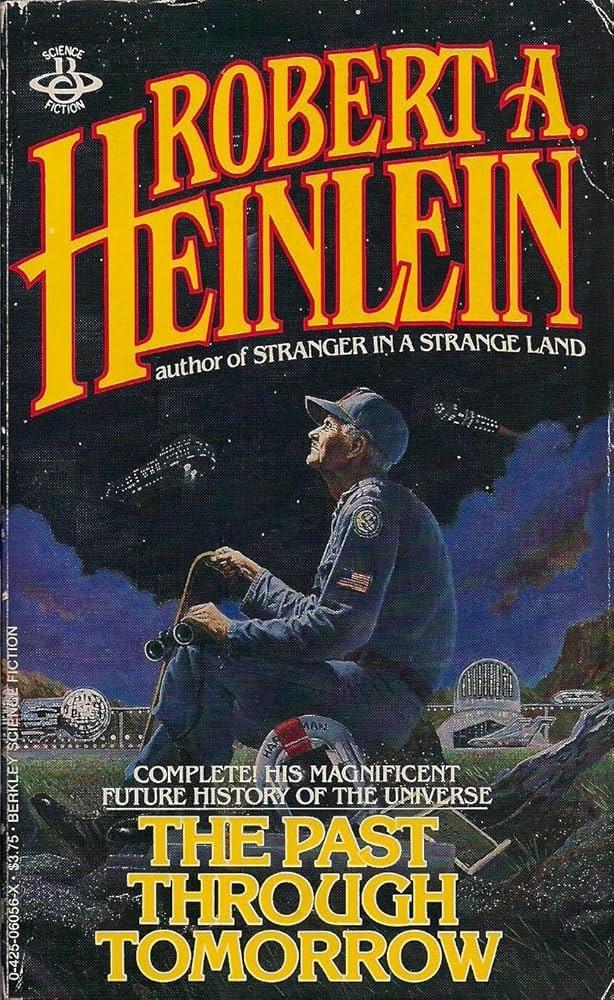 | |
This last month I published two companion articles in:
Roberto Poli (Ed.) Handbook of Futures Studies. Cheltenham and Camberley, UK: Edward Elgar Publishing, Inc. July, 2024.
See: https://www.e-elgar.com/shop/usd/handbook-of-futures-studies-9781035301591.html
The two articles are: "Science Fiction Futures: Historical Foundations" and "Science Fiction Futures: Contemporary Developments." Together the two articles provide a relatively comprehensive history of science fiction that focuses on science fiction about the future and deals primarily with science fiction literature.
Both articles are now available on my CFC website. Last month I included the opening of "Historical Foundations" essay in the newsletter, with the link to the complete article on my website. This month I include the "Contemporary Developments" article; the beginning of the article is included below. The complete article is linked at the end of the opening part of the article.
|  | |
Science Fiction Futures:
Contemporary Developments
Abstract
This article presents a history of science fiction literature on the future from the 1940s to the present. For the period covered in this article, major historical influences on the genre are described, including the “Cold War” and the threat of a nuclear holocaust, the 1960s counter-culture, and the rapid contemporary evolution of computer technologies. Major movements in science fiction are examined, such as the New Wave, Cyberpunk, and cosmic space opera. A representative sample of influential writers and publications across all these periods of science fiction are discussed. Key topics and themes of the genre, such as robots and artificial intelligence, human evolution, dystopias and global disaster scenarios, and “world building” are described. Interactive influences between science fiction and human society are also described. In the conclusion a comprehensive summary of areas of the future addressed in science fiction is provided.
Introduction
Continuing the history of science fiction literature about the future begun in the previous article in this volume, “Science Fiction Futures: Historical Foundations,” this article presents a history of science fiction approaches to the future from the 1940s to the present. See the previous article for a definition of “science fiction” (hereafter SF) and an explanation of the origin of the expression.
A much more extensive discussion of SF from the 1940s to the present can be found at my online video webinars The Evolution of Science Fiction, Modules 12 through 17 (Lombardo, 2023). References throughout this article identify relevant webinars from this online source. Bibliographical references for stories and novels cited in this article are not included, since these fictional works generally have multiple publishers, and a reference list would be exceedingly long given the huge number of publications mentioned in this article.
The Golden Age
Ushering in what is generally referred to as the “Golden Age” of SF (circa 1939 to 1950), and after achieving great success as a SF writer, Campbell became editor of Astounding magazine in the late 1930s. In this role he attempted with great enthusiasm and determination to shape the future direction of SF toward specific purposes and goals. With a strong emphasis on scientific credibility, as well as improved literary quality, Campbell envisioned SF as narrative “thought experiments” about the future in which hypothetical (or possible) future scientific-technological developments impact humanity, creating problems and challenges that need to be solved by the central protagonists in the stories. For Campbell, rather than being a form of escapism, SF was a “laboratory” for ideas on the future, a literary and imaginative medium through which the future could be intelligently envisioned and proactively created. Emphasizing the need for humanity to recognize that we live in a world of rapid change, Campbell believed that SF was highly relevant to understanding modern times and its challenges and problems (such as global conflict and nuclear weapons), and that it could be immensely influential in creating a positive and desirable future. Viewing the future through the eyes of SF—as he understood the concept—Campbell was proactive and optimistic, in fact, even utopian. Moreover, even though Campbell was highly enthusiastic and knowledgeable about the physical sciences and technology, he increasingly saw the central importance of future human psychological evolution.
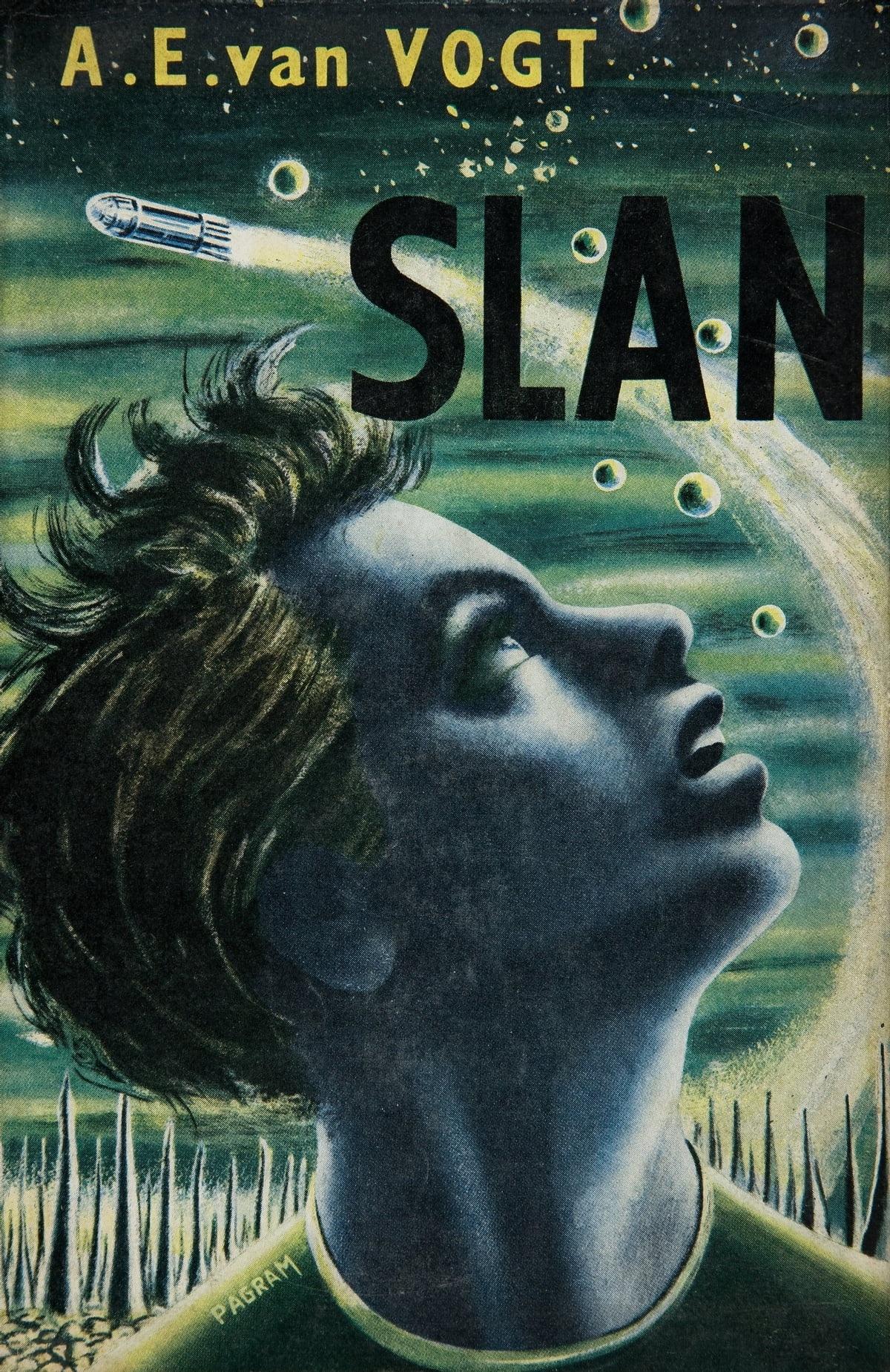
Just as Gernsback had “discovered” and mentored many emerging new writers for his magazines in the 1920s and 1930s (See Lombardo, “Science Fiction: Historical Foundations” in this volume), Campbell, especially in the late 1930s and throughout the 1940s, drew together and to various degrees guided the development of a whole new set of writers. Among the most popular of these new writers were Asimov, van Vogt, and Heinlein. Aside from writing in the 1940s the Foundation stories under Campbell’s guidance, Asimov also, with Campbell’s strong input, wrote his famous I, Robot stories (1940-1950) in which the “Three Laws of Robotics,” as guiding ethical standards for the future development of robots and artificial intelligence, are first formulated and “tested out” in fictional narrative scenarios. In later decades, Asimov continued to explore the future of robots, and the possibility of productively partnering with them, in his “robot detective” stories. See for example, The Caves of Steel (1954) and The Robots of Dawn (1983). On the theme of robots in the future, another well-known Golden Age writer, Williamson, wrote “With Folded Hands” (1947) and The Humanoids (1948), describing how robots designed to serve and protect humanity could lead to disastrous consequences.
| 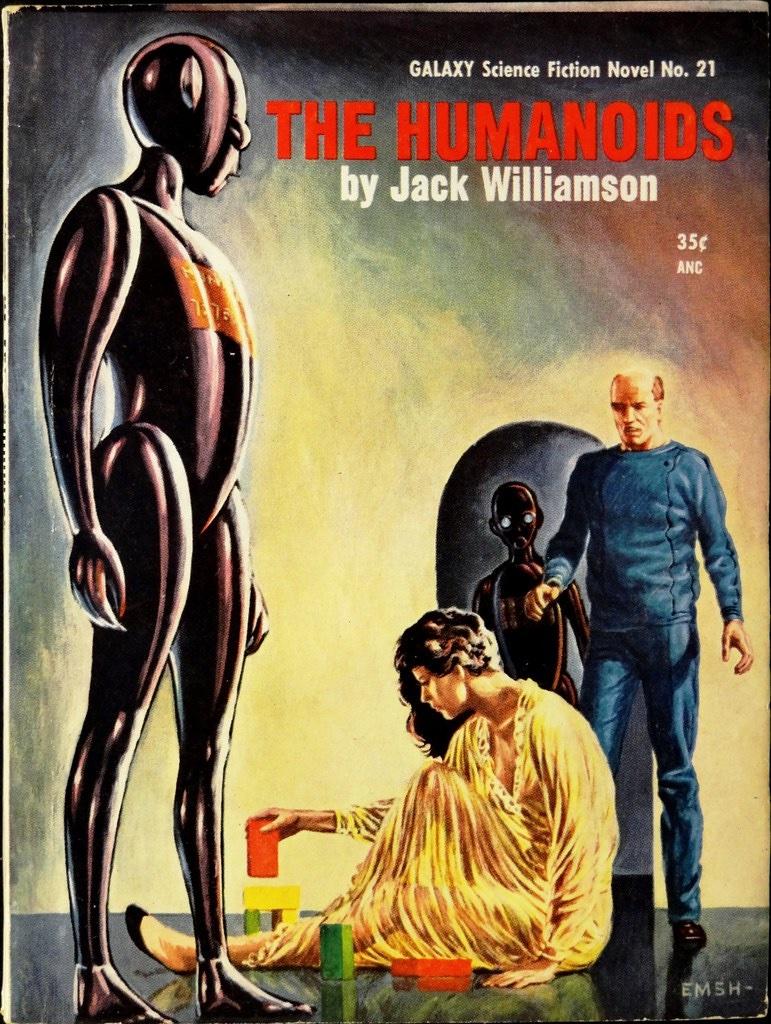 | |
Van Vogt wrote one of the most influential SF novels of the 1940s, his tale of future evolved “superior humans” titled Slan (1940), originally serialized in Astounding. Describing the various challenges a group of mutant super-intelligent and telepathic humans might face, Slan is also a “thought experiment” on how normal humans might react to the emergence of a species that challenged our sense of superiority. (Wells had previously considered a similar question in Food of the Gods.) It is noteworthy that although Campbell strongly enforced scientific credibility in the stories he published, he was deeply fascinated with the future possibilities of “psychic powers” in humans, as examined in Slan, an area viewed with considerable skepticism by the scientific establishment. Hence, what is considered scientifically credible is often up for debate. Still, to re-emphasize the point that SF has recurrently delved into future human evolution, including the future of the conscious mind, one area that repeatedly has been examined is the possible emergence of psychic powers, such as telepathy, telekinesis, and clairvoyance.
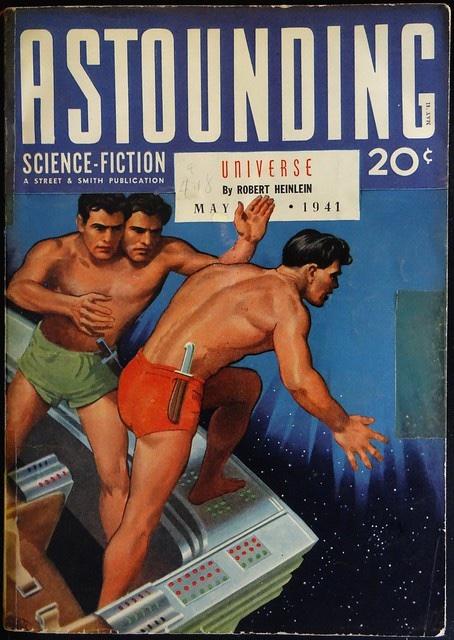
The most popular and frequently awarded SF writer of the 1940s and 1950s was Heinlein, who began regularly writing stories and serialized novels for Campbell in the late 1930s. One of the most politically conscious SF writers of his era, Heinlein covered an immense diversity of futurist topics with great clarity of expression and astute intelligence. Among his many famous stories, he wrote about the future of transportation in “The Roads Must Roll” (1940); travel to the moon in “Requiem” (1940) and The Man Who Sold the Moon (1950); a dystopian Christian fundamentalist takeover of the USA in “If This Goes On...” (1940); outer space travel and “generation ships” in “Universe” (1941) and Methuselah’s Children (1941); a foreign invasion of the USA in The Day After Tomorrow (1941); techno-enhanced human cyborgs in Waldo (1942); genetic engineering, extended human longevity, and reflections on the meaning of life in Beyond this Horizon (1942); time travel into the past and the future in “By His Bootstraps” (1941) and “All You Zombies” (1959); an alien invasion of the earth in The Puppet Masters (1951); personality simulation in Double Star (1956); future war and the military in Starship Troopers (1960); free love, psychic powers, and religion in Stranger in a Strange Land (1961); the aftermath of World War III in Farnham’s Freehold (1964); and computer consciousness, freedom and individualism, and a war of independence on the moon in The Moon is a Harsh Mistress (1966).
As Campbell realized in the early years of Heinlein’s publications, through his stories, set in different but connected periods of time, Heinlein was creating a “Future History” of humanity filled with memorable characters and dramatic challenging events, which extended outward thousands of years into the future. All Heinlein’s “Future History” stories were eventually collected in the giant anthology The Past Through Tomorrow (1967).
|  | |
Complete reading the essay at: Science Fiction Futures: Contemporary Developments
https://centerforfutureconsciousness.com/wp-content/uploads/2024/07/sf-futures-contemporary-developments-final-copy-inset-references.pdf
| |
The Evolution of Science Fiction:
Complete YouTube Series
|  | |
Consisting of thirty-four videos, I recently completed, with the superb help and support of Tery Spataro, my Evolution of Science Fiction Webinar Series. All the videos on the playlist, chronologically ordered, are available for viewing on my You Tube channel at:
https://www.youtube.com/playlist?list=PLIvBA8u8-18QzwxllJrzh6OAKVAUYfNmS.
The series consists of videos covering each major period in the evolution of science fiction from ancient times to the first two decades of the twenty-first century. For those viewers interested in a condensed accelerative overview of the entire history of science fiction, you can watch the “Comprehensive History of Science Fiction” video (part of the series) at:
https://www.youtube.com/watch?v=8Dqu4YJvXrA&list=PLIvBA8u8-18QzwxllJrzh6OAKVAUYfNmS&index=30&t=9s .
For those unfamiliar with the series, here’s a quick introduction to its content:
“Combining colorful slide presentations and in-depth analysis, in these webinars, based on my emerging book series Science Fiction: The Evolutionary Mythology of the Future, I examine the evolutionary history of science fiction from ancient to contemporary times. I delve into the mythological origins and dimensions of science fiction; fantasy versus science fiction; the rise of the modern scientific world view; utopias and dystopias through the ages; the Enlightenment, Romanticism, and Gothic horror; the impact of evolutionary theory on science fiction; Wells, Stapledon, and the integration of futures studies and science fiction; robots, techno-intelligence, and aliens; time travel and alternate realities; fantastical adventures, space exploration, and the emergence of Space Operas; the Golden Age, the Silver Age, the New Wave, Feminist Science Fiction, Cyberpunk, Steampunk, and the "New Weird;" social, psychological, and religious science fiction; and numerous other key themes and dimensions of science fiction. Covering science fiction literature, art, cinema, and comics, I discuss in depth the appeal, value, and influence of science fiction on the modern world and the impact of intellectual and cultural trends on the evolution of science fiction.”
| |
New Center for Future Consciousness Website
| |
The Center for Future Consciousness website has been totally redesigned and moved to a Word Press platform allowing for continual and speedy updates and revisions in the future. The website address for the Center is still the same address (url) as before: www.centerforfutureconsciousness.com. And all the content of the previous website is still available on the new website.
Some of the most significant updates to the new website, include:
-
An updated and complete listing of all my published books (CFC Book Page) with new reviews and extended descriptions of my newest books.
-
An updated list of my Library of Best Science Fiction Novels, adding over 60 new novels to the previous list and including over twenty newly listed and ranked novels of the last two decades.
-
An updated list of my Library of Best Science Fiction Movies, adding over 100 new movies to the previous list and now covering movies up to 2024.
|
New Expanded CFC
YouTube Channel
| |
With the hard work of Tery Spataro, the CFC YouTube Channel has been greatly expanded. Among the sixty available videos and podcasts on the CFC Channel are all the previous Evolution of Science Fiction Webinars—twenty-eight two-hour videos—now free for viewing.
Go to Tom Lombardo YouTube Channel: https://www.youtube.com/@tomlombardo75/playlists for the complete listing and links for all CFC videos.
The playlists on the CFC Channel include:
- Introduction to the Center for Future Consciousness
- The Future
- Philosophy
- Contemporary Trends and Theories
- Future Consciousness & the Evolution of Consciousness
- The Evolution of Science Fiction Webinar Series
- Other Science Fiction Presentations
|
|