|
Greetings!
We are happy to let you know that we are entering a bonus time of the year for IRI. If you are kind enough to join as an IRI Member after October 1st, it is our tradition to reward you with an extension of your membership for the next FULL YEAR, with quarterly mailings. Joining now also gives you a year-end gift two years in a row!
Story #1 is a great fulfillment of our vision: a personal travel vehicle that stays away from ANY fillup station (gas, petrol, or e-charging) and available in the US in 2025. A solar-electric car whose the price is right for those on a limited budget and a limited top speed of 25 mph. The Squad Mobility website says that even in the Netherlands it charges with the sunshine sufficiently for daily errands. The short video is also gratifying.
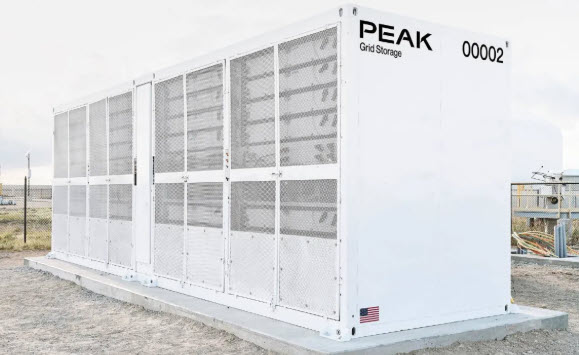
Story #2 is a fulfillment of the series of reprints on the emergence of sodium-ion batteries to replace the volatile and expensive lithium-ion ones. With a 20-year lifespan and the world's largest soda ash reserve, this product and the Peak Energy company look like they are headed for growth, making grid electricity more stable and less expensive.
Story #3 is more of a vision of the future for the big data center companies that need enormous amounts of energy by Google.com. While there is some factual information about their "secret" investments in nuclear fusion and the incremental improvements that investment has brought about, the claim that "Microsoft controls infinite power" may be questionable. One conclusion we can agree on is their statement that the "USDOE’s Milestone-Based Fusion Development Program is crucial for industry validation."
Story #4 is a breakthrough for women, especially those diving into the East China Sea, while they are studied by a team from Scotland and can stay under longer than any other humans that have been studied, even with an average age of 70. Chronicles of female divers in this part of Asia date back 3,000 years.The team found that their oxygen levels also remained stable. The women dove repeatedly for two to 10 hours each day and spent an average of 56 percent of the time beneath the surface — more underwater time than many aquatic mammals, including beavers, polar bears and sea otters, the researchers say.
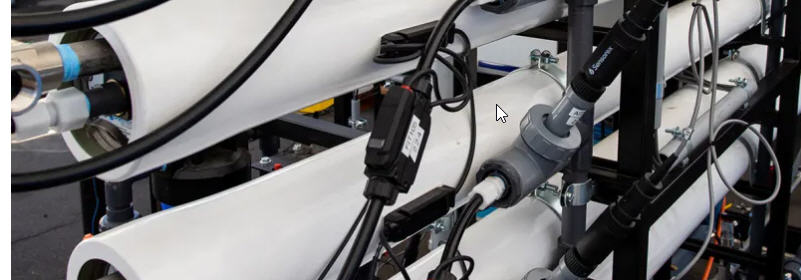
Storyt #5 is an exciting new development by a US company called Active Membranes with advanced reverse osmosis membranes for desalination. With less than 3% of the world's water coming from fresh water resources and the UN warning about upcoming water scarcity, many of those countries have access to salt water so this technology will help them survive. The company states: "Desalination to meet these crisis it needs to become economically and environmentally sustainable at any scale."
Thomas Valone, PhD,
Editor
|