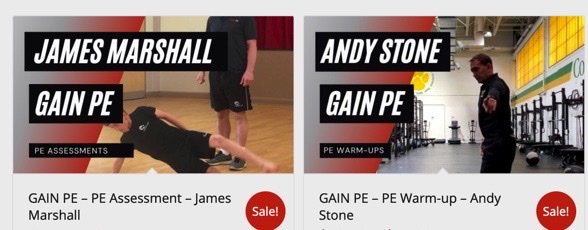
James Marshall takes you through a sequence of movement assessments and exercises to help you and them gauge their progress. Using minimal equipment (except for the Mark 1 eyeball), you can see pupils being assessed and how they can help each other learn.
Andy Stone takes you through his 5 part warm-up framework that incorporates different movement patterns that both educate and develop pupils. He then shows 10 different variations. The complexity comes in the variety and children who take part develop into competent and proficient movers who enjoy the warm-ups rather than sleepwalk through them.
Are children born athletic or do they learn to be athletic?
By Andy Stone
We don’t have a body independently controlled by a brain; we inhabit our body through proprioception, interception, and sensory-motor neurons. It is the interaction of these and more that is the home of athleticism.
Athleticism is the ability to have precise, adaptable control of your body in space and with exact timing.
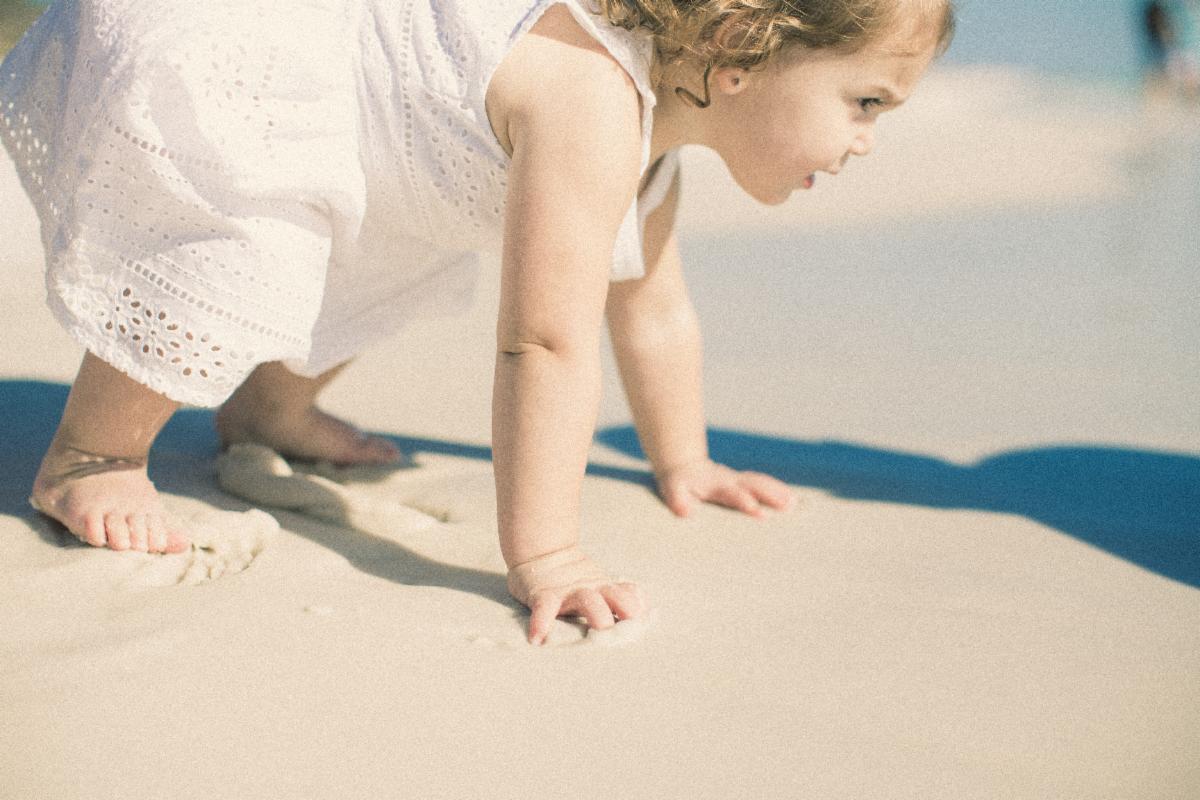
We are not born with that ability. Babies start off not being able to hold their head up, which takes 3-4 months. The world is a mystery to babies; their arms and legs are little help navigating it. They don’t start crawling till around 6 months. With time, they learn to move in the world through exploration and curiosity.
At first it may seem random but as they move and grow they slowly figure out how it all works. We all start out physically helpless but some children become great movers while others struggle.
One answer to this puzzle is the differences in the quantity of children’s movement. Some children move and explore more than others. Studies have put accelerometers on babies to measure the differences in activity levels between babies. The differences were surprising. The amount of time babies were active ranged from 1.5 hours to 12 hours of movement.
This is a huge difference.
Some children are moving and exploring over 10 hours a day more than other children. The more active children are internalizing the world, their body and movement so much more than less active children. Babies learn through intentional movement.
A useful analogy is that of a musician learning to play an instrument. The more they practice the better they can play. Through experience they can better control their instrument. They have more dexterity in their fingers and develop a more sophisticated, discerning ear.
Genetics plays a role, but potencial will never be realized if there is not a large amount of quality and intentional practice.
It is the same with movement and controlling the body, athleticism. The more time children spend in movement; the better control of their body they will develop (cont).
Period Power
by Angela Respecki
Like anything else as we know, informing and providing students with appropriate researched information or places to find information can lead to success all around.
This occurrence happens at least once a day for most PE Teachers….today for me twice. In a chat or in a PE Log, female students mention their period whether in grand detail or in a mere attempt for me to recognize that perhaps, she is communicating that she feels unwell today.
My remedy is to inform. With all the current research and information available and everyone rocking out to “Period Power”, I said yes too.
My reaction since attending Dr. Stacy Sim’s “Women are Not Small Men” Course and numerous conferences on female physiology and how to train females with their cycles is to level up and share.
This experience has been magic. The bottom line is they want to know more and the responses have been so positive as well as genuine and grateful, each girl seemed to forget that they had actually been communicating that they were not feeling well in the first place.
Angela is a P.E. Teacher in the Phillipines.
@Arespecki
Athletic children (cont.)
Toddlers learn through movement
To understand how experience and practice improves movement skills we need to understand how our brain and body interact with the world when we move.
It is understood that we develop representations/maps of our body and environment in our neocortex.
We use these maps to know the position of our body in relation to objects in the world. These maps interact with other maps of propreceson, interception, and maps of sensory neurons to create meaningful movement.
Like any map the more detailed and more precise it is, the more useful it can be.
To better relate to this, close your eyes and picture the room. If it is a familiar room, you will be able to picture it in great detail.
A room you just walk into, you will have the rough details but not like a room you know.
Now imagine your body. Can you sense the position of your foot or fingers clearly? A good athlete will be able to feel and see their body’s position in more detail than a poor mover. This awareness comes from your access to maps that are laid down in the neurons of your brain.
The more you move and practice intentional movement and interact with objects; the more accurate your maps become, which allows more precise and accurate control.
As a coach or teacher it is important to be clear about your beliefs about this nature or nurture business with athleticism.
Do you really think you can improve the athletic ability of your students and athletes or are you just working to increase basic capacities: strength, speed, and endurance?
As a coach we are developing sport skills that are practiced and rehearsed but those are different from body awareness and control, basic athleticism.
By being clear that yes, athleticism can be taught, you have taken the first step to understanding how you can help your students/athletes learn to be more athletic.
Then, we can move on to how best to accomplish the task of teaching athleticism.