GCBA News
News from the Department of Genetics, Cell Biology and Anatomy
| | |
Leadership Message
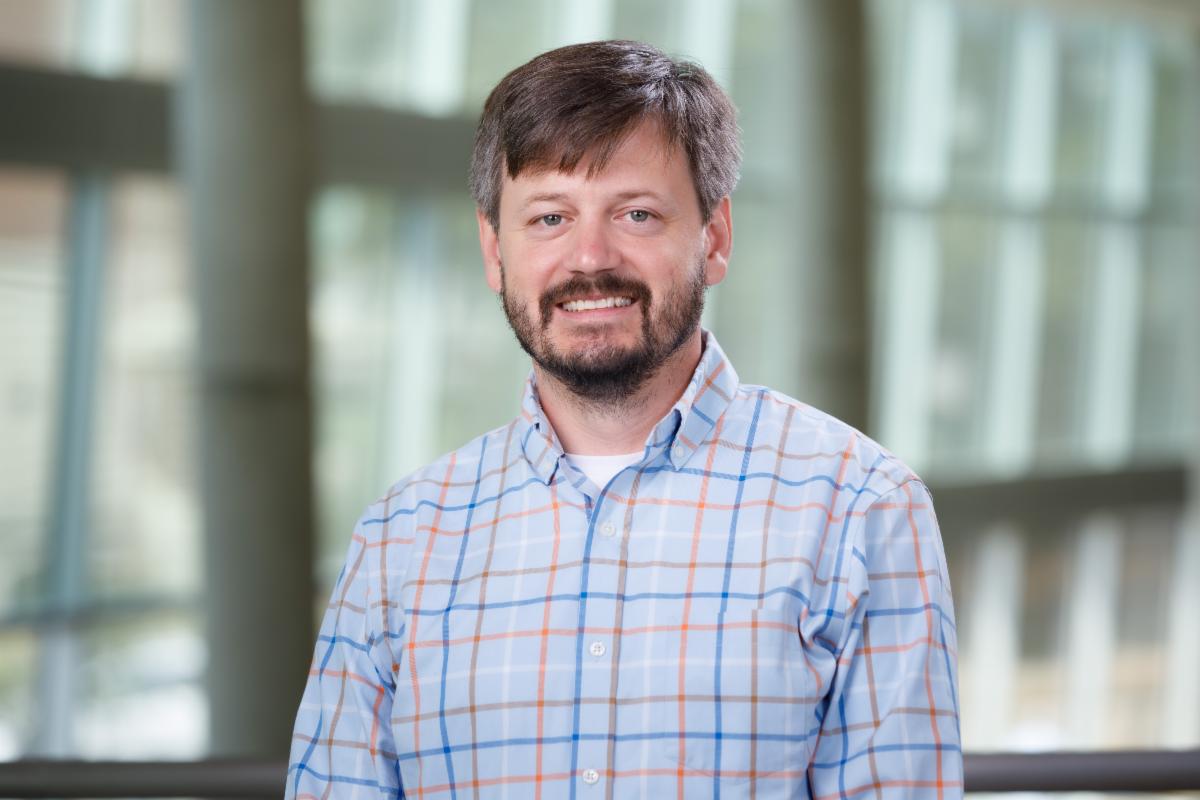
Kyle Hewitt, PhD
| | |
“It is the tension between creativity and skepticism that has produced the most stunning and unexpected findings of science.” – Carl Sagan (In Broca’s Brain)
As students completed their fellowship writing workshop, it should not go unnoticed that one of the most powerful ways we can engage with this tension between creativity and skepticism is through scientific writing. Writing is not just a task to complete an assignment. Writing is a process that sharpens ideas and thinking. Good scientific writing requires clear descriptions and rationale for our hypotheses, and the best writing demands an examination of the strength of supportive evidence or possible gaps in reasoning. While creativity generates the ideas that drive our research, writing forces us to think skeptically about the assumptions that are needed to test those ideas, allowing for more coherent and persuasive arguments.
Writing is one of the most important activities in intellectual growth. Whether it is a manuscript, a fellowship, or a dissertation chapter, synthesis of published literature and critical evaluation of how your data fits within that framework is needed. What does this result actually mean? Are there other explanations? Does the evidence really support my conclusion? In this way, writing transforms observations into understanding. The writing process exposes weaknesses in logic, clarifies connections, and informs the creative pursuit of determining the next set of testable hypotheses.
While my writing/learning on this subject is likely sub-optimal or unclear (and in the true embrace of the scientific method, I may be wrong), the message is this: Computers cannot learn for you. In an era when artificial intelligence tools have advanced science in amazing and important ways, text generation using AI is not a substitute for thinking. Writing is hard work. The mental effort of organizing ideas, defending interpretations, and responding to critique is how scientists develop their judgement, opinion, and voice. I encourage students to write as a core component of daily scientific activity and professional growth. As you embrace and explore the tension between creating and critically evaluating your own science, think and process through writing.
| | |
Profile of the Month
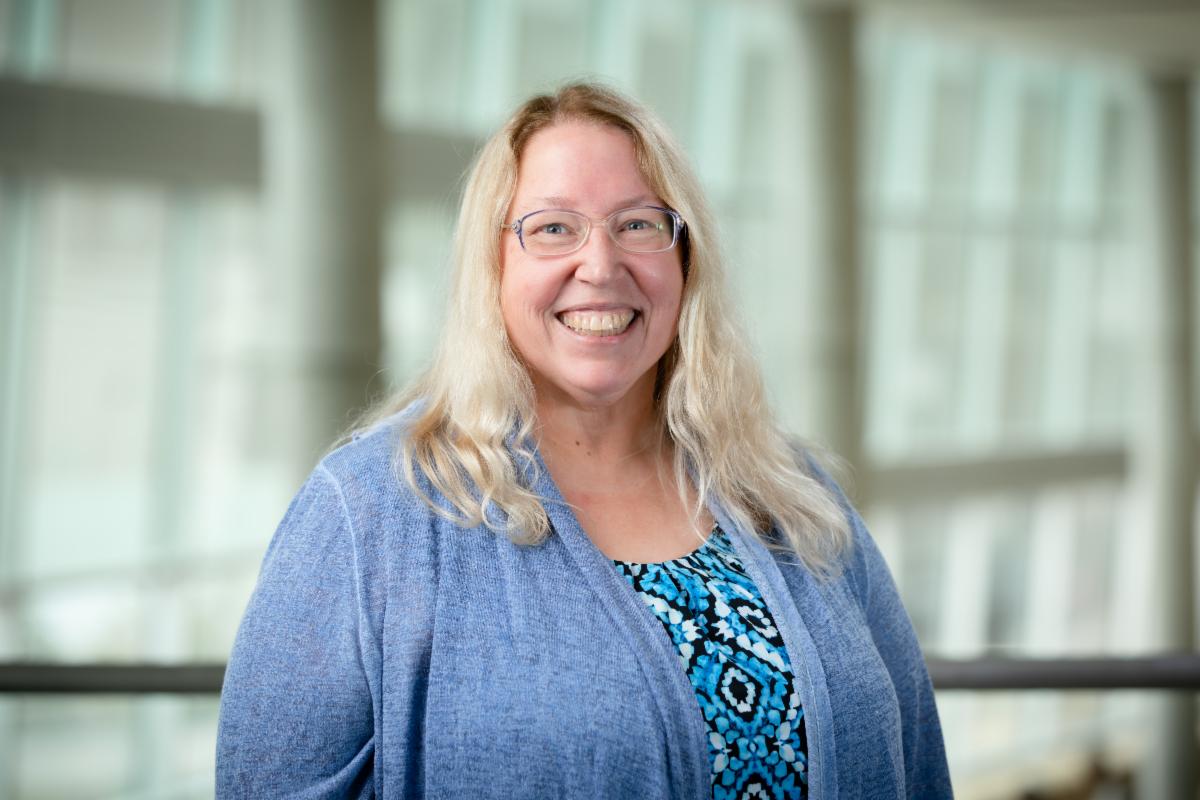
Crystal Miller, MPA, Departmental Administrator
| |
Preferred Name:
What do you do for the department?
- I administrate all operational aspects of the department, including finances, human resources, space, grants, and contracts. That said, none of this work happens without our administrative team. While we cross-train when possible, the volume and complexity of our responsibilities require each of us to specialize in certain areas. My role is to ensure that, as a team, we successfully complete all the work necessary to support our faculty, staff, postdocs, and students and to do all of that within the rules and regulations that we are required to comply with.
Hometown:
What do you think you can teach others in the department?
- My expertise is in grant and financial management. If you have questions about grant applications, budget management, effort reporting, or related processes, I am always happy to help.
What is your favorite part of your job?
- I truly enjoy working with everyone in the department. Helping solve problems and making day-to-day operations run more smoothly is the most rewarding part of my job.
What is the most challenging part of your job?
- Honestly, it’s planning food and beverages for department events—while staying within our limited budget!
Best piece of advice you’ve ever received or a favorite quote:
- “Put others first.” It wasn’t something my dad said out loud, but it was something he modeled for us every day. I try to do that as well.
Favorite food:
- A good Nebraska raised T-bone steak with hashbrowns on the side, a great mixed green salad, and my mom’s peach pie.
Favorite place to vacation or favorite activity outside of work:
- Anywhere outside. I love the quiet of rural places. I grew up on a farm in rural Nebraska, and it remains one of my favorite places to visit. I also love to spend time in my garden and flower beds.
| | |
Faculty Achievements
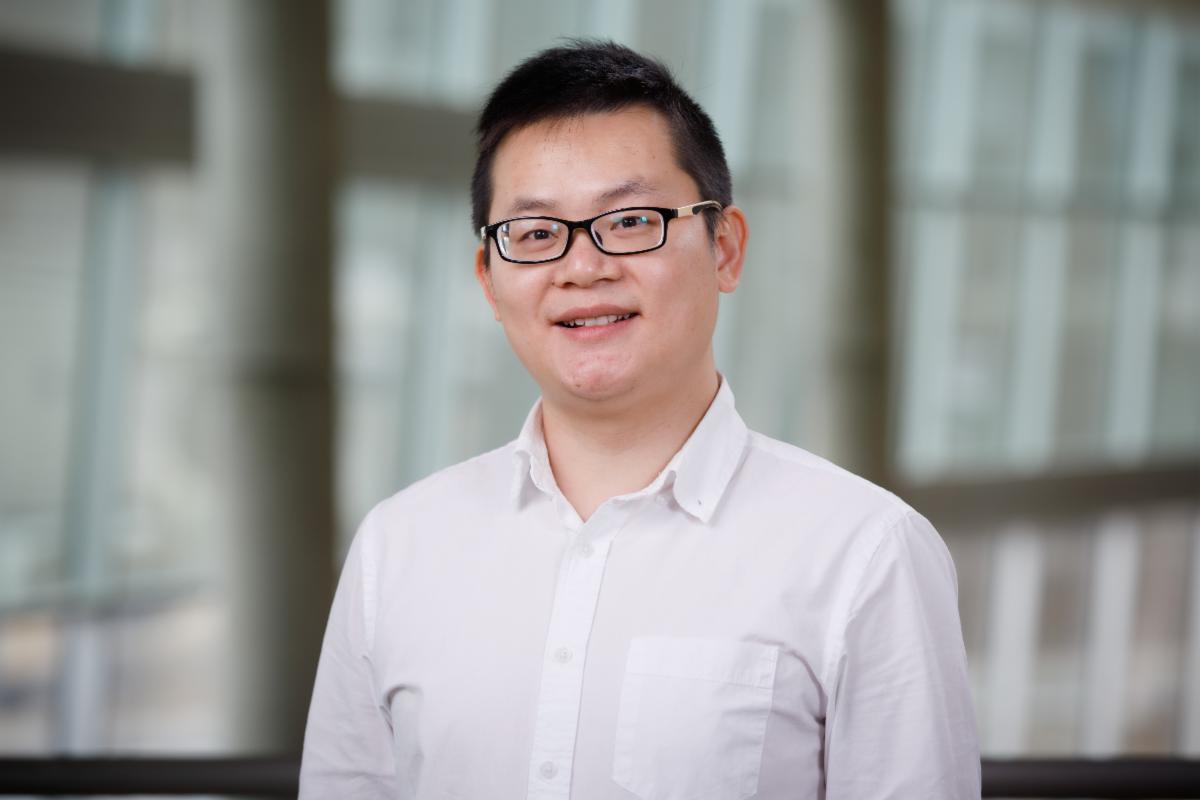
Shibiao Wan, PhD is the recipient of the 2026 Joseph P. and Harriet K. Gilmore Distinguished New Investigator Award. The award symposium is scheduled on March 19, 2-4 pm.
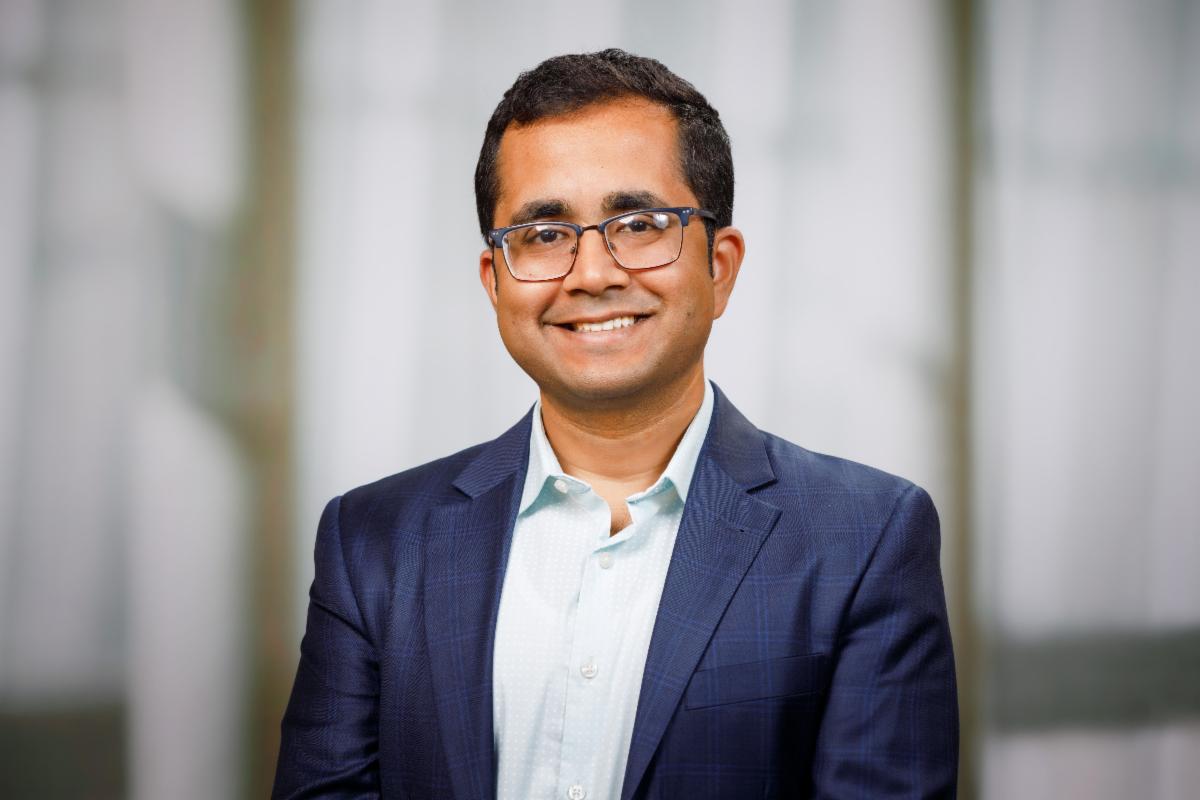
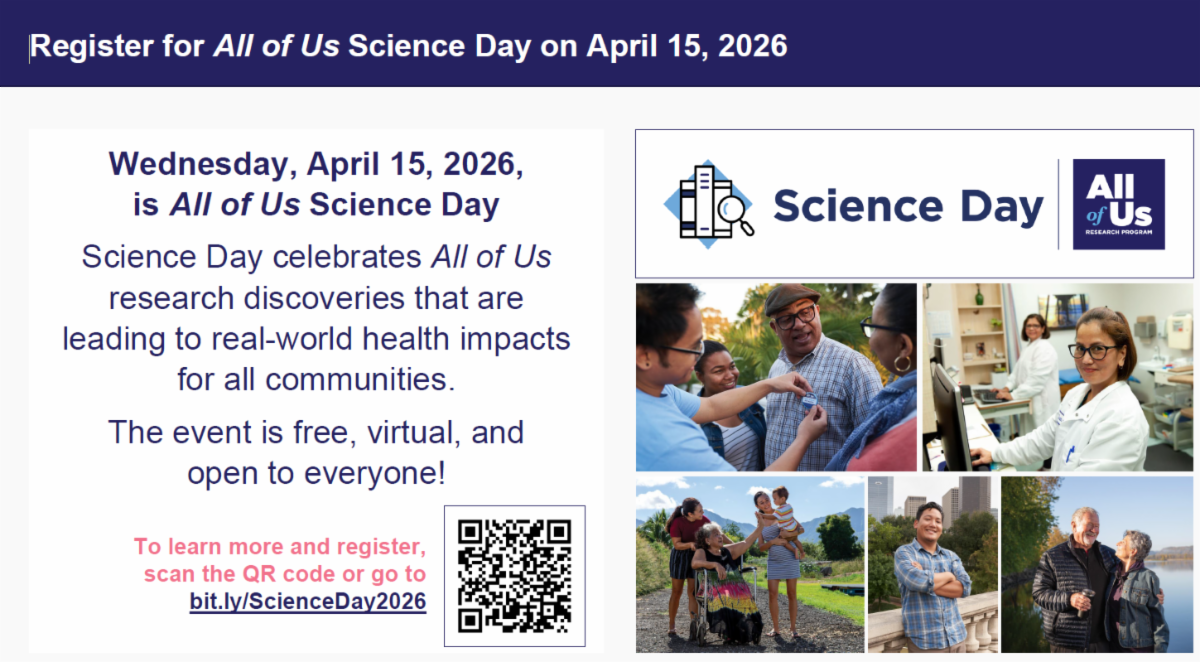
| | | Sandipan Brahma, PhD was awarded a project within the Nebraska Center for Molecular Target Discovery and Development. | | | NIH - All of Us Science Day - April 15th - register using qr code | | |
Department Community Enhancement
| | | | Celebrate Scientist Day - March 14th | | |
On March 14, we celebrate Celebrate Scientist Day, a day dedicated to recognizing the curiosity, persistence, creativity, and discovery that scientists bring to our world. Appropriately, this day also coincides with Pi Day (3.14) — honoring the mathematical constant π — making it a fitting moment to celebrate inquiry, precision, and innovation across disciplines.
Why Celebrate Scientists?
Scientific discovery shapes nearly every aspect of our lives — from medical treatments and public health advancements to technological innovation and environmental stewardship. But beyond the breakthroughs and publications are the people: the individuals who ask questions, test ideas, navigate setbacks, and persist in pursuit of knowledge.
Celebrate Scientist Day reminds us to:
- Recognize the impact of scientific research on society
- Appreciate the dedication behind every experiment and dataset
- Encourage the next generation of scientists
- Celebrate collaboration across labs, classrooms, and disciplines
Honoring Science in Our Department
In the Department of Genetics, Cell Biology & Anatomy, science is not abstract — it is daily life.
- In Research: Faculty, post docs, students and staff scientists explore the fundamental mechanisms of life, investigate disease processes, and push forward discoveries that improve health outcomes. Celebrate the countless hours of conducting experiments, troubleshooting, refining protocols, analyzing data, and mentoring trainees.
- In Teaching: Our faculty scientists bring science alive for students — guiding them not just in content knowledge, but in critical thinking, ethics, and scientific reasoning.
- In Service: Science extends beyond the lab — through outreach, peer review, collaboration, and leadership that strengthens our academic and medical communities.
Today, we celebrate faculty, post-docs, graduate students, technicians, staff scientists, and all who support scientific advancement — because science is a team effort.
Ways to Celebrate as a Department
Here are some simple and meaningful ways to recognize Celebrate Scientist Day:
Gratitude Notes for Scientists - Write short notes thanking mentors, collaborators, or lab partners.
Celebrate Curiosity - Find a unique paper that applies to your discipline and/or research and gather as a lab to present the findings, discuss how it could be applied to your research and think through all the ways the new knowledge can be applied.
Final Thought
Science is built on persistence. It thrives on curiosity. It requires collaboration. And it advances because people care deeply about discovery.
On March 14, let’s take a moment to celebrate the scientists among us — and the culture of inquiry that defines our department.
Here’s to curiosity, collaboration, and continued discovery.
Happy Celebrate Scientist Day!
| | Global Recycling Day - March 18th | | | |
“Recycling is not just about waste — it’s about responsibility.”
Each year on March 18, we recognize Global Recycling Day, an international day dedicated to raising awareness about the importance of recycling and environmental sustainability. This day reminds us that recyclable materials are not waste — they are valuable resources that can be repurposed, reused, and reimagined.
In a world facing climate challenges, resource depletion, and growing waste, recycling is one small but powerful action that contributes to long-term environmental health.
Why Global Recycling Day Matters
Global Recycling Day highlights the idea that recyclables are the planet’s “Seventh Resource,” alongside water, air, coal, oil, natural gas, and minerals. Recycling:
- Conserves natural resources
- Reduces landfill waste
- Saves energy
- Lowers greenhouse gas emissions
- Supports sustainable economic systems
But beyond environmental impact, recycling represents something deeper: a mindset of stewardship and shared responsibility.
Connecting Recycling to Our Department
As a department committed to Research, Teaching, and Service, Global Recycling Day aligns naturally with our values.
Research
Scientific research often focuses on innovation, efficiency, and sustainability. Whether we are studying biological systems, cellular processes, or genetic mechanisms, we understand that efficient use of resources matters. Lab sustainability — reducing plastic waste, properly sorting materials, and being mindful of energy use — reflects responsible science.
Teaching
In classrooms and labs, we have the opportunity to model environmental responsibility for students. Small habits — recycling properly, minimizing waste, printing thoughtfully — demonstrate that scientific leadership includes environmental awareness.
Service
Service extends beyond people to planet. Caring for our shared environment strengthens our communities and protects future generations.
Small Actions, Big Impact
Recycling may seem like a small, everyday task — but collective action adds up. When we recycle thoughtfully, reduce waste, and encourage sustainable habits, we contribute to a healthier environment.
On March 18, let’s take a moment to reflect on how our daily choices — in labs, classrooms, offices, and homes — impact the world around us.
Because sustainability is not just about systems. It’s about stewardship.
Happy Global Recycling Day!
| | |
Arrivals and Departures
No changes in February!
| | |
February Publications for GCBA Faculty, Students, Post Docs and Staff.
Peer Reviewed:
-
Hussein HA, Pereira AJ, Jensen-Smith H, Lai RY, Conda-Sheridan M. Peptide-Based Dual-Readout Biosensor for the Detection of the Anti-Foot and Mouth Disease Virus Nonstructural Protein Antibodies. ACS Sens. 2026 Feb 16:XXX. doi: 10.1021/acssensors.5c03488. Epub ahead of print. PMID: 41697973.
-
Dunne JB, Rujchanarong D, Park Y, Spruill L, Jensen-Smith H, Schwamborn K, Hollingsworth MA, Macdonald JK, Hulahan TS, Taylor HB, Sandusky GE, Mehta AS, Drake RR, Ford ME, Nakshatri H, Angel PM. Spatial Proteomics of the Normal Breast Collagen Stroma: Links to Density and Body Mass Index. J Proteome Res. 2026 Feb 13. doi: 10.1021/acs.jproteome.5c00623. Epub ahead of print. PMID: 41685602.
-
Singh S, Gupta NK, Ahsan AU, Oladapo A, Mata LO, Buch S, Kulkarni A, Periyasamy P. Lead optimization of AMS-17 identifies AMS-4 as a modulator of inflammasome-driven cocaine-associated neuroinflammation. Biochem Biophys Res Commun. 2026 Mar 26;806:153409. doi: 10.1016/j.bbrc.2026.153409. Epub 2026 Feb 5. PMID: 41666604.
-
Wu X, Sun M, Li L, Wang J, Wan S. Leveraging Artificial Intelligence and Large Language Models for Cancer Immunotherapy. Adv Sci (Weinh). 2026 Feb 25:e21936. doi: 10.1002/advs.202521936. Epub ahead of print. PMID: 41736575.
-
Otakhor KO, Zaidi MAA, Oberley-Deegan R, Ponnusamy MP, Fisher KW, Schott MB. Rab5 Nucleotide Binding Promotes Oxidative Metabolism to Fuel Hepatocellular Carcinoma Cell Proliferation. J Biol Chem. 2026 Feb 25:111321. doi: 10.1016/j.jbc.2026.111321. Epub ahead of print. PMID: 41759726.
| |
Department of Genetics, Cell Biology and Anatomy
985805 Nebraska Medical Center
Omaha, NE 68198-5805
402-559-8325
https://www.unmc.edu/genetics/
| | | | | |