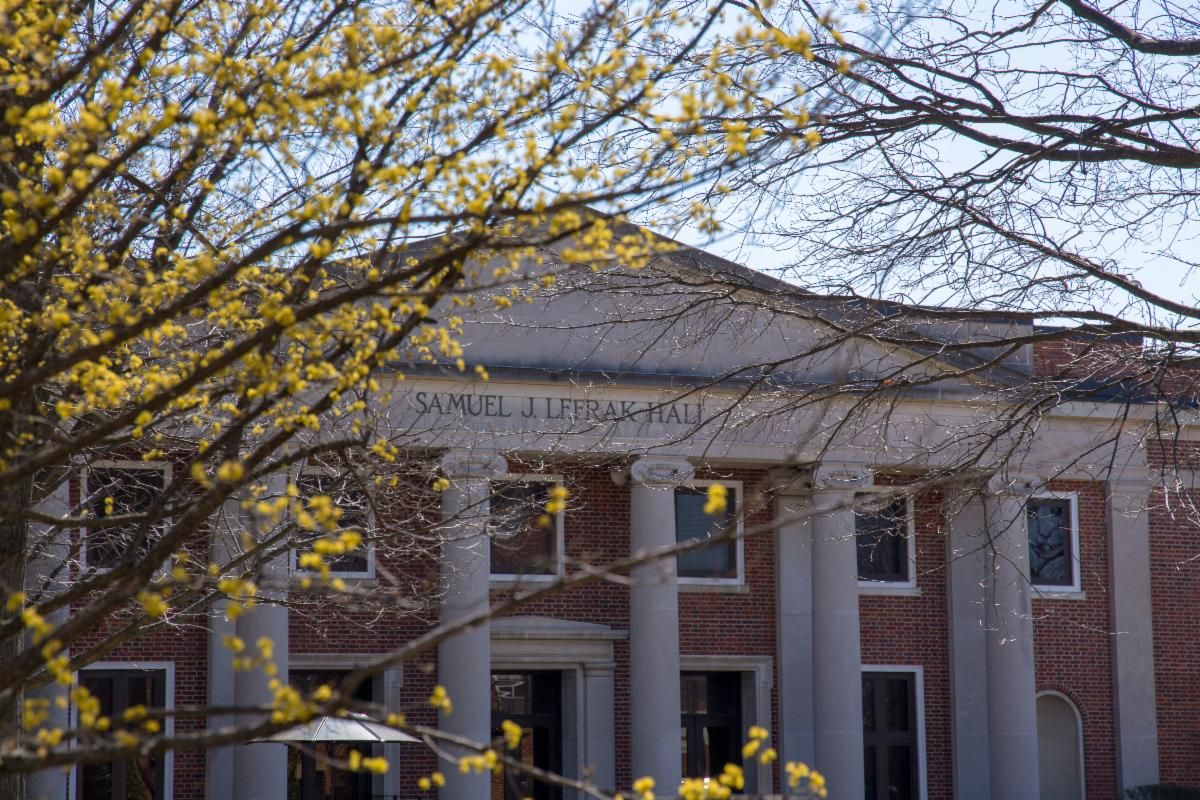
This image features a scenic view of LeFrak Hall at the University of Maryland, College Park, during a bright spring day. The red-brick building is showcased in its traditional Neoclassical style, with prominent white columns and a grand pediment partially framed by the vibrant yellow blossoms of a tree in the foreground. The sunlight highlights the building's historic facade, which houses various academic departments like Geography and Criminology, capturing a peaceful and scholarly atmosphere on the campus.

Dear GeoTerps and friends,


Spring is undeniably in the air — a season of renewal, hope and future potential. In that spirit, I would like to highlight one of our most exciting and rapidly growing initiatives: the GEOG High School Hub.


It has been four years since we hosted our first high school banquet, inviting teachers to nominate outstanding students from fields connected to geographical sciences. These students joined us for a celebration of their achievements and an introduction to what modern geography is all about. The idea was sparked by Professor George Hurtt, who has led this effort ever since.


That initial seed quickly sprouted into a robust high school summer internship: a virtual, six-week paid program where students are paired with volunteer faculty to gain hands-on research experience. The combination of paid positions and volunteer mentorship keeps the program intentionally small — up to 12 students each year. With nearly 300 applicants annually, selecting each cohort has become both a challenge and a privilege.


This program is sustained almost entirely through fundraising, and I would like to extend my deepest thanks to all who have supported it. On behalf of our department, our students and the broader geography community — THANK YOU.


The internship was only the first leaf. This summer, we are expanding further by offering three Terp Young Scholars courses, welcoming high school students from Maryland and around the world into our introductory classes. These courses are already filling quickly, giving us an exciting opportunity to share what we do as geographers with an even broader audience.


This success is no accident. Over the past year, our advising team—Robyn Gausman-Burnett, Byron Marroquin and Keith Yearwood—along with our outreach coordinator, Renata Johnson, launched the “Request a Geographer” campaign. Geographers have been requested frequently and enthusiastically! Thanks to all faculty and graduate students who have volunteered their time, visiting high schools across the region and introducing geographical sciences to new audiences. Every visit has planted another seed.


I can’t wait to see how it blooms.


Thank you, thank you, thank you — and Happy Spring, everyone!


Tatiana Loboda

Chair and Professor

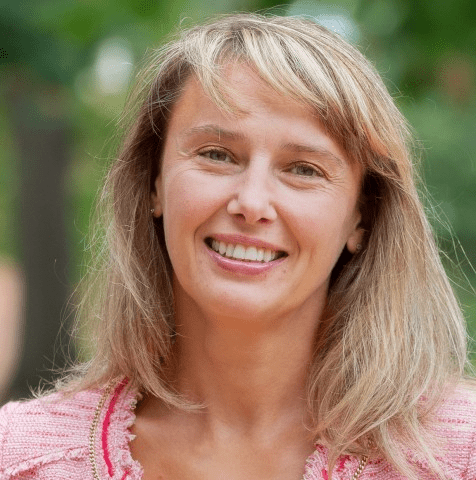
Headshot of a smiling woman with blonde hair, wearing a pink textured jacket, set against a soft-focus green outdoor background."

Visit the Chair's Blog for timely perspectives and insights.


RESEARCH HIGHLIGHTS

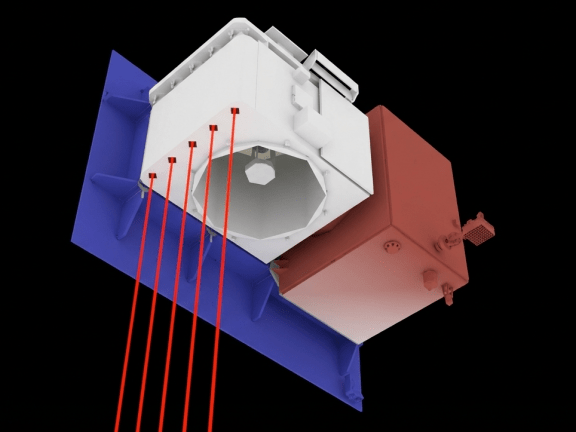
UMD Researchers to Play Leading Role in New NASA Satellite Mission


The Earth Dynamics Geodetic Explorer (EDGE), a satellite mission concept aimed at monitoring changes in Earth’s terrestrial, coastal and ice-covered regions, was selected by NASA to launch as early as 2030.

Read more


Often Overlooked, Trees Outside Forests Store a Significant Share of Maryland’s Carbon


Non-forest trees make up nearly one-quarter of the state’s annual tree-related carbon absorption, according to new research.

Read more


Top 10% of Consumers Account for Outsized Share of Global Material Use, Study Finds


Analysis of 168 countries highlight deep inequalities in household material use. 

Read more


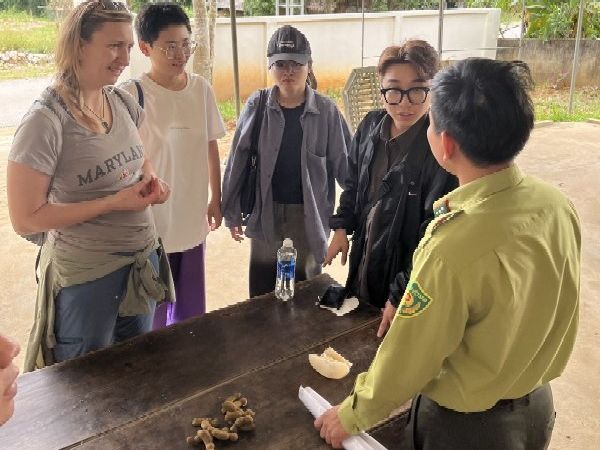
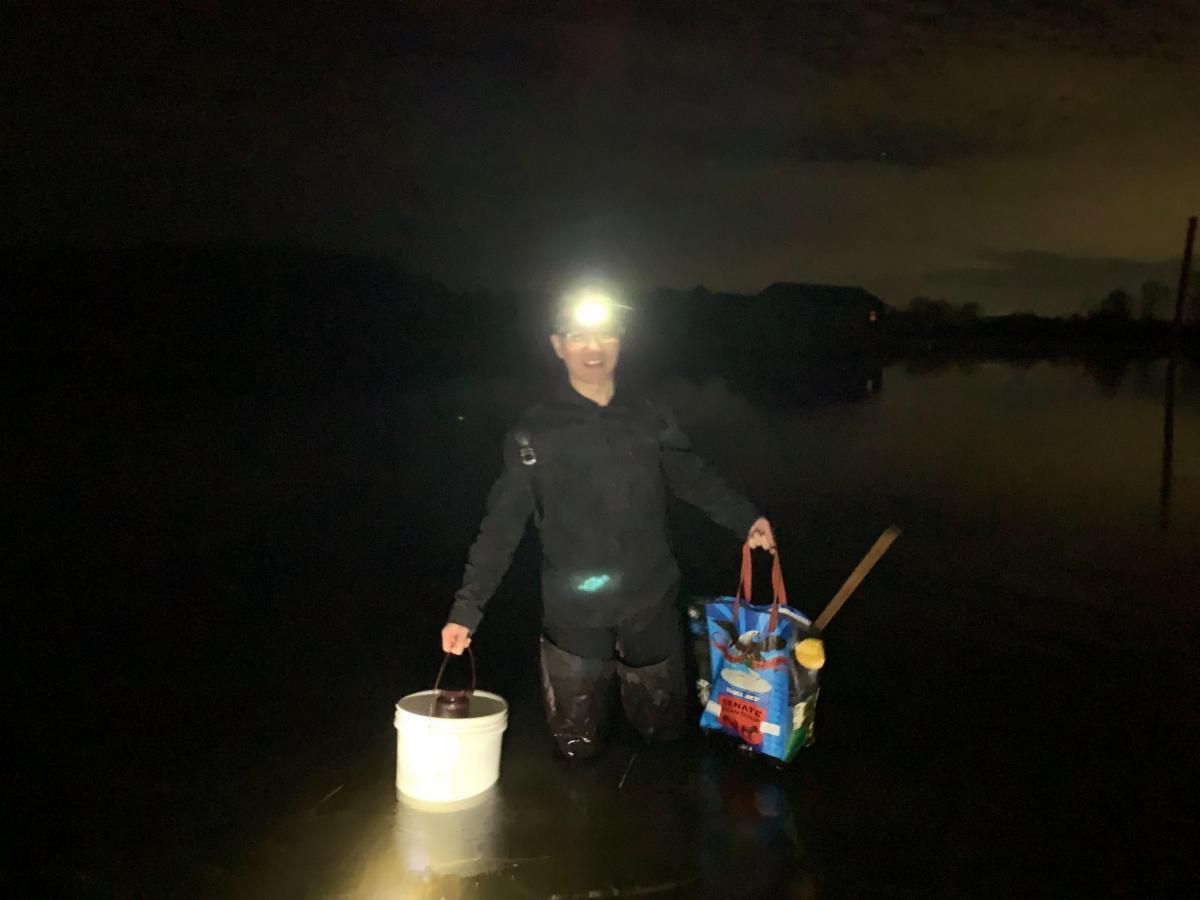
New Studies Reveal Where and Why Conservation Crime Happens


Research in Vietnam finds that conservation crime is driven by lived pressures and place-based dynamics that extend far beyond protected area boundaries.

Read more


Assistant Professor Danghan Xie’s Path to Coastal Resilience


Growing up in a coastal town in China, Xie saw how firsthand floods and typhoons disrupt daily life. Today, he combines geospatial science, remote sensing and coastal process modeling to help protect communities from rising water. Read more


Wild Ambitions for AI


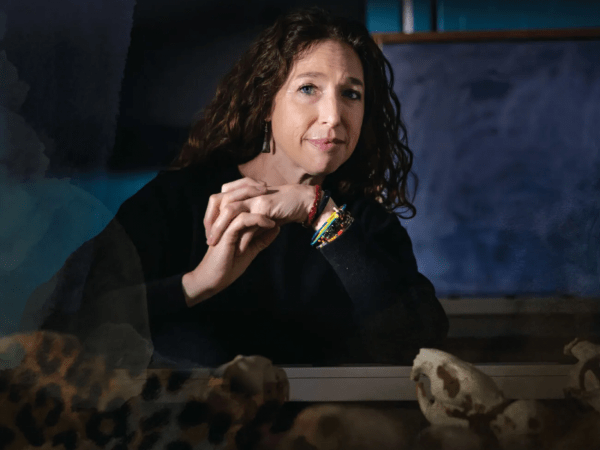
An illegal trade in animals is booming worldwide. Now, a UMD conservation criminologist is turning to artificial intelligence to snare smugglers and expose their networks (TERP magazine).

Read more

GEOG NEWS

AWARDS AND HONORS

IN THE MEDIA

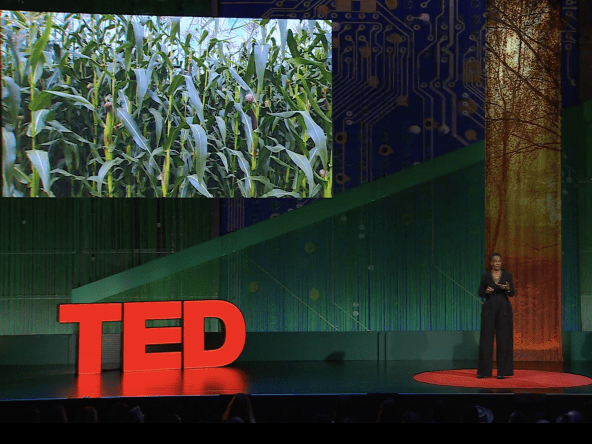
A woman in a black jumpsuit presents on a TED stage with a green circuit-board backdrop and a large screen showing a corn crop.

Assistant Professor Catherine Nakalembe Explores Gap Between Climate Data, Small Farmers in New TED Talk


Nakalembe shows how existing tools can better support food security in Africa.

Watch the TED talk


A professional headshot of a woman with strawberry-blonde hair and blue eyes, smiling warmly while wearing a blue textured blazer and pearl earrings against a soft, blurred outdoor background.

Cold Coverage Insights from Associate Professor Sinéad Farrell


Following a historic snowstorm, several media outlets turned to Farrell to explain the lingering “snowcrete." Check out the stories in The Baltimore Banner, ABC's WMAR-2 News and the interview in TERP Magazine.


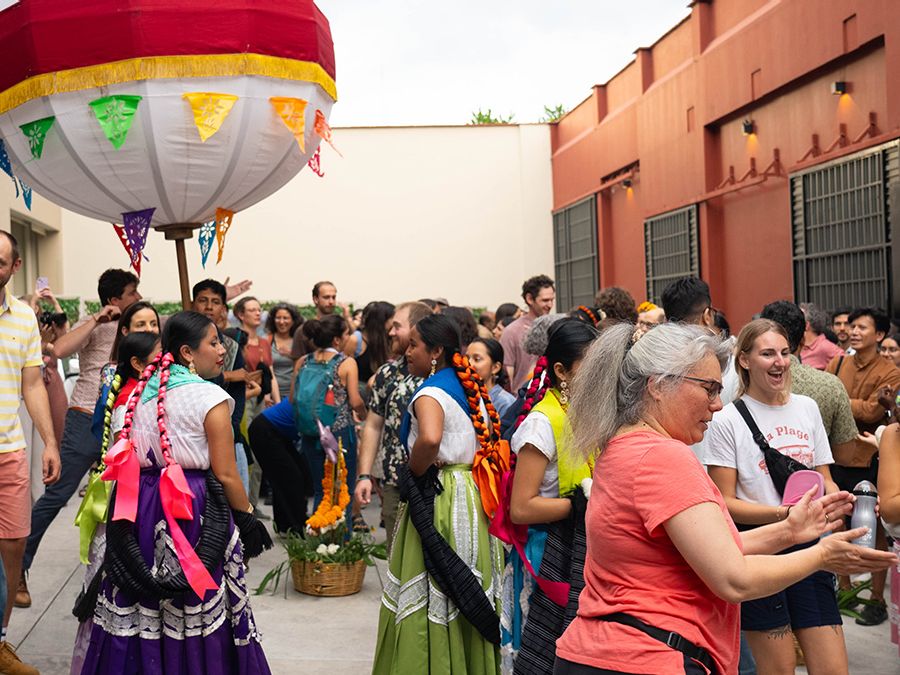
A large, diverse group of people gathers in an outdoor courtyard in Oaxaca, Mexico, for a lively social event. In the foreground, two women in traditional Oaxacan dress—vibrant purple and green skirts with intricate white lace and ribbons braided into their hair—stand near a large, white and red decorative ceremonial balloon (marmota) adorned with colorful papel picado flags. Around them, many other attendees in casual attire are smiling, talking, and dancing. The background features warm, terracotta-colore

Eos: 'Creating Communities to Help Interdisciplinary Scientists Thrive'


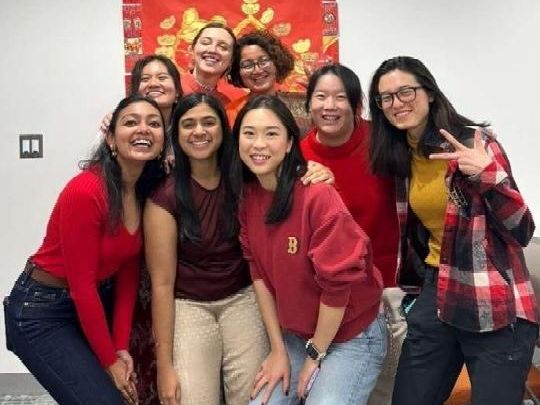
Global Land Programme's Laura Vang Rasmussen, Rachael Garrett, A. Sofia Nanni, Navin Ramankutty and Ariane de Bremond discuss the challenges interdisciplinary scientists face and how global communities can provide support and impact.

Read the article in Eos

STAFF CORNER

A woman with shoulder-length wavy dark hair smiling warmly at the camera. She is wearing a grey wool coat with a faux-fur collar and a small pendant necklace. She is standing indoors in front of a window with closed white blinds; a red plant is partially visible in the background.

Quick Chat With Anna Wood


With more than 20 years of experience in research administration, research coordinator Anna Wood joined GEOG in June 2024, supporting projects funded by government agencies and private foundations. 

Read the Q&A


NEW MAP ALERT

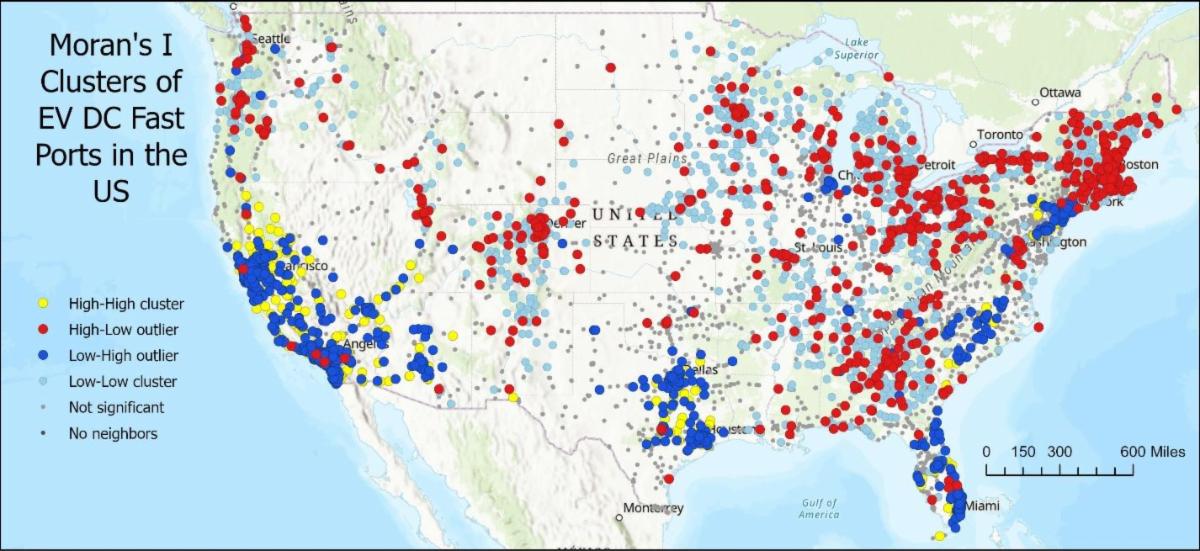
This map illustrates the spatial distribution of EV DC Fast Ports across the United States using Moran’s I cluster analysis to identify statistically significant patterns. The data reveals a high concentration of infrastructure along the West Coast (particularly California) and the Northeast corridor, characterized by a dense mix of "High-High" clusters and "Low-High" outliers. In contrast, the Midwest and Southern regions exhibit a "scatter-shot" pattern of "High-Low" outliers, representing isolated charging hubs in major cities like Dallas, Chicago, and Atlanta. Meanwhile, the Great Plains and interior regions show significantly lower density, with most ports appearing as isolated points or statistically insignificant locations, highlighting the current geographic disparities in high-speed charging accessibility.

Map of spatial autocorrelation (Moran’s I) for electric vehicle DC fast-charging infrastructure across the United States. Spatial clusters and outliers are classified as follows:

  • High–High in yellow (hot spots), where stations with a high number of DC fast-charging ports are surrounded by similarly high-capacity stations;
  • High–Low in red, where high-capacity stations are surrounded by low-capacity stations (spatial outliers);
  • Low–High in dark blue, where low-capacity stations are surrounded by high-capacity stations (spatial outliers);
  • Low–Low in light blue (cold spots), where stations with few ports are surrounded by other low-capacity stations.


By student Karim Abdallah, GEOG 473 (GIS and Spatial Analysis), spring 2026. Courtesy of senior lecturer Naijun Zhou.

EVENTS

April 2: GEOG Seminar with Mike Falkowski, lead scientist at Earth Fire Alliance, at 3:30 p.m. in River Road 325 and on Zoom. See upcoming seminars on the Department Calendar.

April 10: Department Committee Meeting at 10 a.m. River Road 325 and on Zoom. See the Department Calendar.

April 15: Information Session: Master of Science in GIS and Graduate Certificate in GIS or Remote Sensing at noon EDT via Zoom.

April 20: High School Awards Banquet for Exceptional Geographical Sciences High School Students at 6 p.m. in Stamp's Grand Ballroom. RSVP to attend or volunteer.

April 22: Information Session: Master of Science and Graduate Certificate in Geospatial Intelligence at noon EDT via Zoom.

April 25: Maryland Day at 10 a.m. to 4 p.m. at the Earth Sciences tent on the Glenn L. Martin Hall lawn. We need volunteers! Please pick a shift

May 15: Department Awards Luncheon at 1:30 to 3:30 p.m. in Stamp's Prince George's room. RSVP for the luncheon.

May 20: UMD Main Commencement Ceremony at 6 p.m. in SECU Stadium.

May 22: BSOS Commencement (GEOG Ceremony) at 12:30 p.m. in the Xfinity Center.


View this email as a webpage