GLOBE News Brief – July 2026 | | Matching GLOBE Observations to NASA PACE Satellite Data! | | |
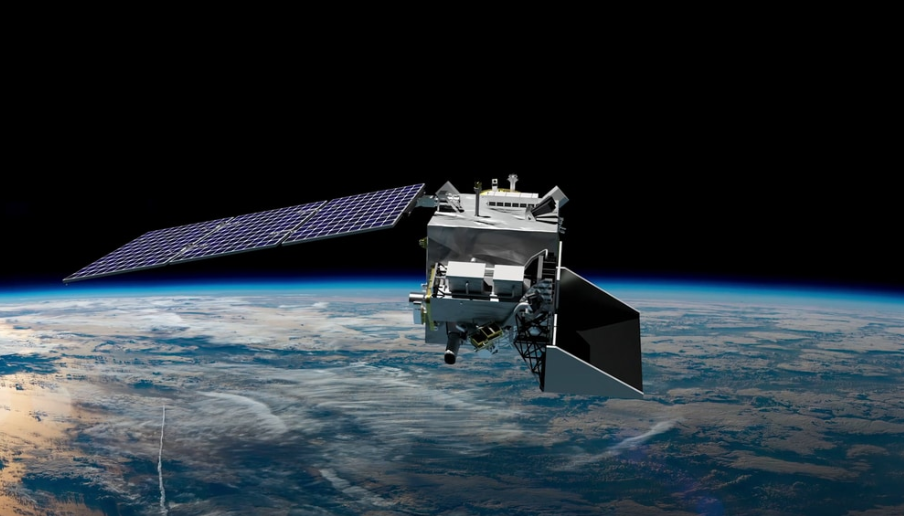
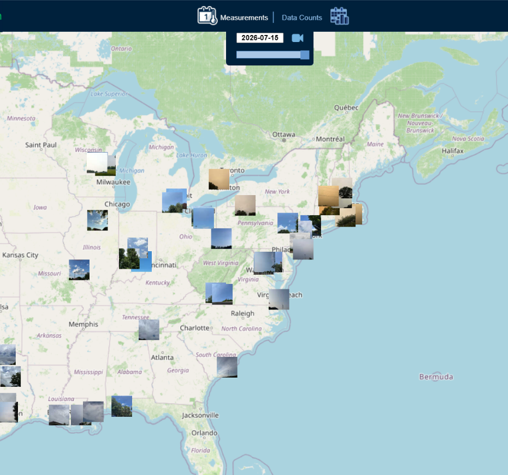
The GLOBE Clouds team is excited to announce that, starting in August, your Clouds observations can be matched with NASA PACE satellite data when made within 15 minutes of a PACE satellite passing overhead. This is in addition to the satellite comparisons already available.
Join the GO Connect on 27 August for details about an upcoming data collection opportunity. From 15 September to 15 October, you'll have the chance to collect Clouds observations for PACE scientists working at NASA!
| | |
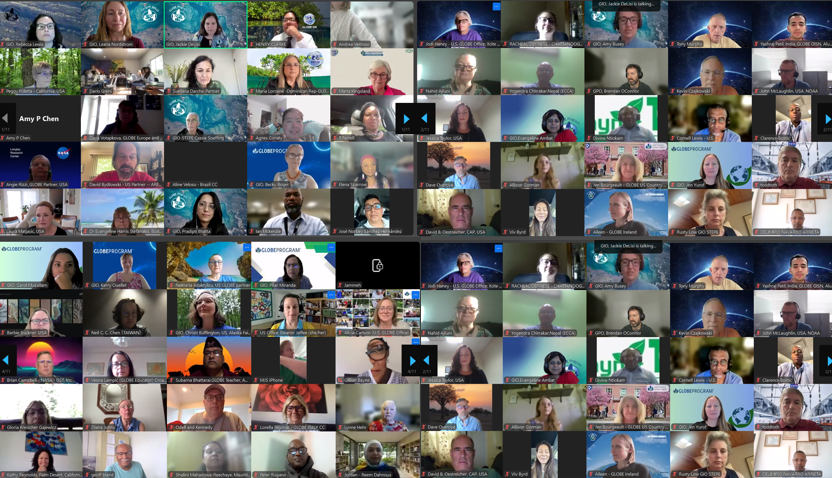
The next GLOBE Annual Meeting, originally planned for the end of 2026, will now take place virtually in 2027. This additional planning time will allow for stronger connections to NASA missions and satellites—work that will enrich conversations and learning across our global network.
When the community comes together virtually in 2027, participants from GLOBE’s 127 countries can look forward to a dynamic program of keynote speakers, interactive breakout sessions, and collaborative exchanges designed to make the most of this expanded focus and celebrate the GLOBE community. Stay tuned for details!
| | Reporting Wildfire Smoke Through Clouds Observations | | |
Wildfires are a global issue. Large blazes are currently active in Canada, Europe, South America, Africa, and the United States. Smoke from large fires can travel hundreds, even thousands, of miles from the source, obscuring our skies and affecting air quality.
GLOBE volunteers can use the GLOBE Clouds tool to report skies that are hazy or obscured by smoke. Learn more about how you can help build a clearer picture of how wildfire smoke affects skies, landscapes, and communities!
| | Congratulations to YLACES Grantees! | | |
In 2026, YLACES awarded 48 new grants, including 9 Student Research Symposium grants and 39 research equipment grants. These awards help students move beyond collecting data to asking questions, investigating environmental issues, and presenting their findings. Twenty-one of the 2026 awards will help support GLOBE at sites in 6 U.S. states and 9 countries. Learn about the GLOBE YLACES grantees along with other program updates.
| |
GLOBE Cup Challenge
Results from the Challenge
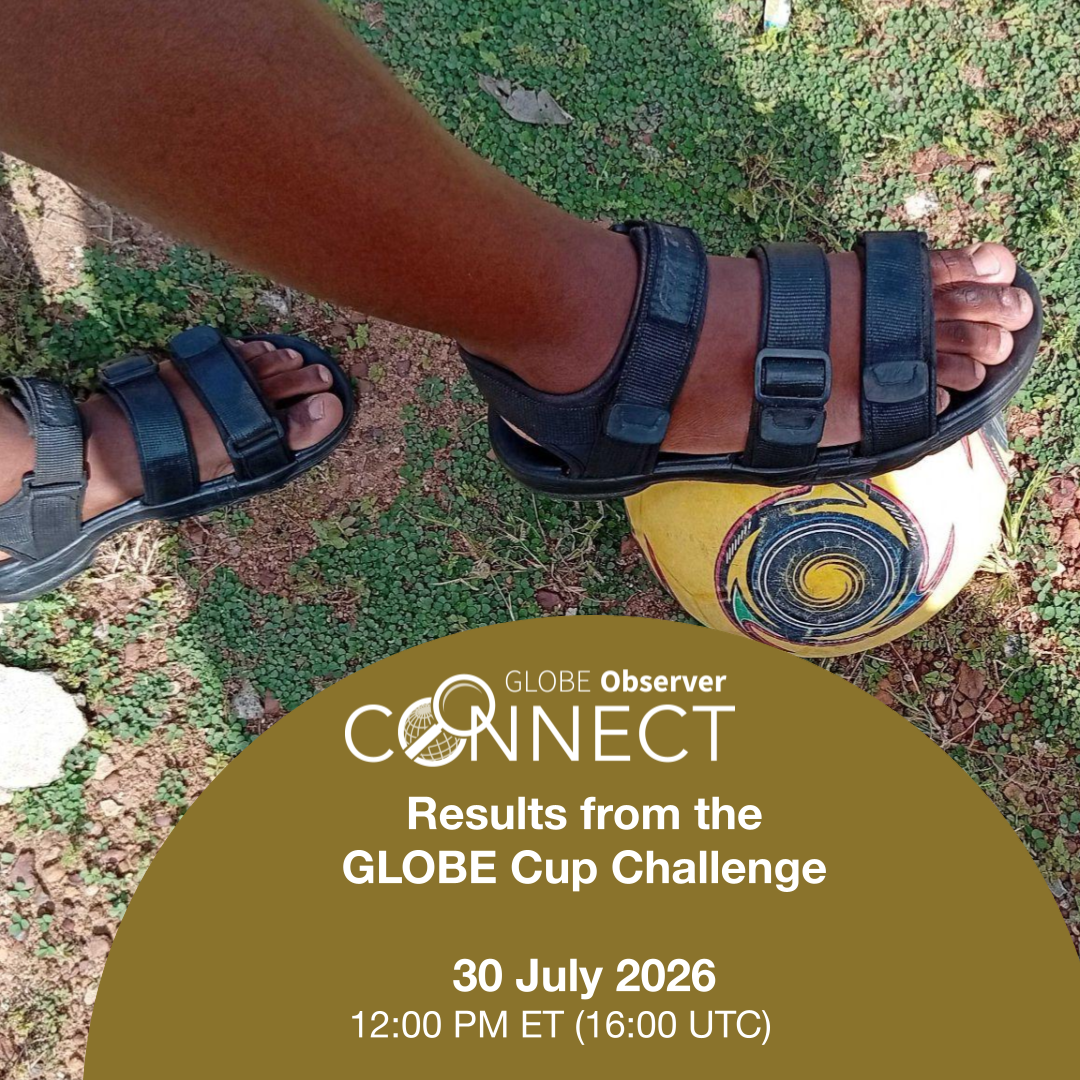
The 2026 World Cup concluded on 19 July with Spain becoming World Cup champions—and, with that, our GLOBE Cup Challenge has come to an end.
During the World Cup — from 11 June to 19 July — GLOBE participants in regional teams visited local soccer (football) fields, parks, schoolyards, or anywhere people play to take observations of air temperature, surface temperature, and land cover.
We are excited to share the final results of the GLOBE Cup Challenge at the GO Connect session on 30 July at 12 pm ET (16:00 UTC) (details below) and then immediately after on our website.
| |
Trees Around the GLOBE
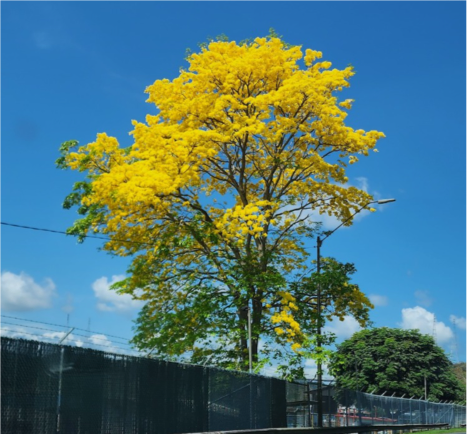
Intensive Observation Period: Tree Check Month
1–31 August
This Intensive Observation Period (IOP) asks GLOBE volunteers to take as many Tree Height and Land Cover observations as possible during the month of August 2026 and to note any pests or signs of damage in the trees or surrounding land cover. Learn more and join the IOP!
Upcoming Webinar
Webinar Recording
| |
Upcoming Webinars
Results from the GLOBE Cup Challenge
30 July at 12 pm ET (16:00 UTC)
Which GLOBE team won the GLOBE Cup Challenge? Join us to hear the results and to recognize the winning teams. Dr. Eric Brown de Colstoun from NASA Goddard Space Flight Center and Dr. Kevin Czajkowski from University of Toledo will share highlights from the data submitted and will answer questions. Come share what you learned during the challenge. Learn more and register.
| |
Meet PACE
27 August at 12 pm ET (16:00 UTC)
Introducing the PACE (Plankton, Aerosol, Cloud, ocean Ecosystem) satellite. Starting in August, your Clouds data will be matched to the PACE satellite. Your observations will provide additional insight and verification to scientists developing cloud products with PACE data. Dr. Andy Sayer and Dr. Carina Poulin from the PACE mission will join Marilé Colón Robles from the GLOBE Clouds team to introduce the PACE mission, the satellite, and a new Clouds Challenge to collect Clouds observations worldwide aligned with PACE. Learn more and register.
| | North American Phenology Campaign | |
Observing Green-Down
The North American Phenology Campaign focuses on monitoring and reporting plant phenology data, contributing to GLOBE's long-term environmental record. In this campaign, participants will observe and report plant green-down. Learn more in the upcoming webinar on 19 August.
North American GLOBE Phenology Campaign Green Down Webinar
19 August, 3–4 PM ET
Learn how to support your organization or school in monitoring tree fall color change at your site and sharing data with GLOBE's global network. The webinar will share tips and resources for making this data collection successful with your audience, and all attendees will be able to request a free green-down citizen science kit! Register for the webinar
| | |
Stay tuned for details on additional regional campaigns launching over the next few months!
Find more events and opportunities on the Events page of the GLOBE website. Read Stars Stories under News and Events. Have a GLOBE story to share? Submit a Stars Story!
| | Additional News and Information | |
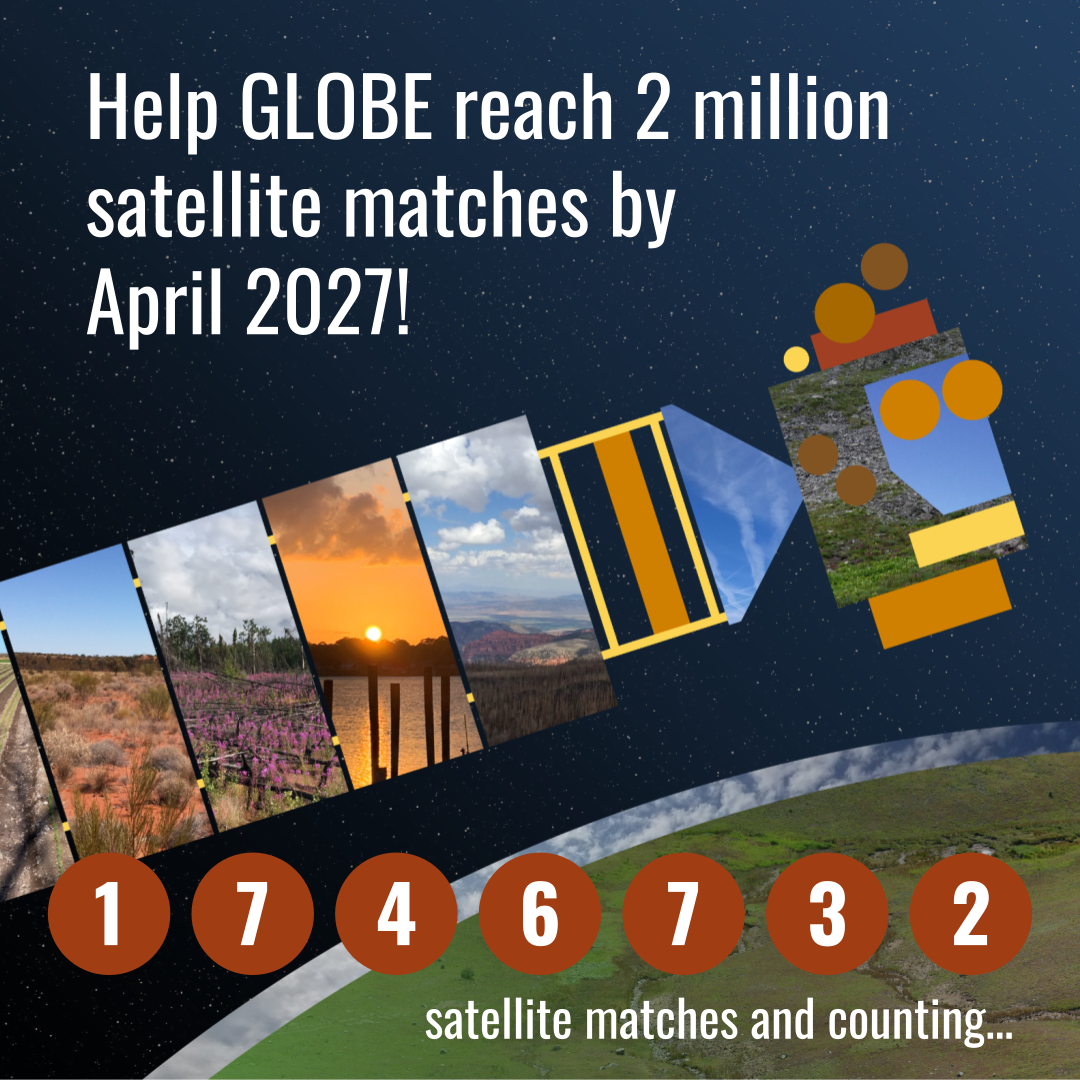
1,746,732 Satellite Matches to Date!
2 Million Satellite Matches by April 2027
When you submit Clouds and Land Cover observations via the GLOBE Observer app and they align with satellite flyover timing, you receive an email from NASA containing satellite data that correspond with the data you submitted.
Help us reach our goal of 2 million satellite matches by April 2027 by making an observation today. To date, NASA has made 1,746,732 matches (10,551 since the June News Brief)! Only 253,268 matches to go...
| |
NASA Science Article
GLOBE Mission Earth Educators Participate in Land Cover Community of Practice
This specialized community of practice was led by NASA Langley Research Center to refine how students interact with NASA's land cover data (MODIS, Landsat, and Sentinel-2). Their collaboration focused on four key areas: data collection, curriculum integration, student research, and validation. Learn more.
|
Reminders
GLOBE.gov Updates
Find important information about GLOBE website updates and recently fixed issues, new protocol training requirements, and the process for becoming a trainer or mentor trainer.
How Do You Use GLOBE.gov?
How do you currently use GLOBE.gov, or how have you used it in the past? What website features (outside of resources on the website, training, and data entry and retrieval systems) are most important to you? Take this short survey!
GLOBE Publications
GLOBE data have been used in many scholarly works, including theses, dissertations, and peer-reviewed papers. Submit your GLOBE publication(s) and browse the collection of recent and past submissions.
GLOBE International STEM Network (GISN)
If you're not already a member, the GISN welcomes scientists and STEM professionals to increase participation across all six GLOBE regions. Visit the GISN webpage to learn more and apply for membership.
| | | | |