GWP NEWSLETTER | JULY 2021
|
|
Dear GWP Friends and Colleagues,
We really hope that you and your families are staying healthy and safe, and we are excited to share with you all the things that have been brewing in the Global Wildlife Program over the last six months.
|
|
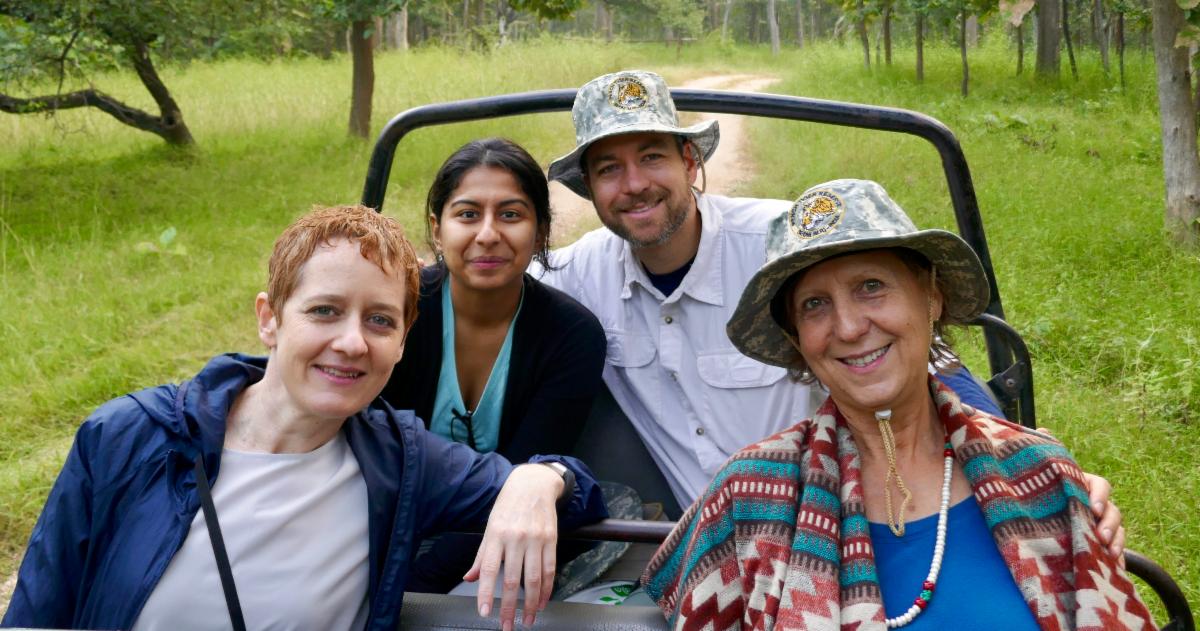
The GWP began this year with a new manager—Lisa Farroway, who joined the global coordination team at the World Bank. Lisa has been engaged in the GWP since its start, initially when she was at the CITES Secretariat, and then in her previous role as Regional Technical Advisor at UNDP where she was the global focal point for GWP and supported the design and implementation of multiple GWP projects in Asia. |
|
"I’m a longtime fan of the GWP and I’m looking forward to working with GWP partners and projects in my new role as we kick off the GEF-7 coordination phase."
– Lisa Farroway (pictured left), with Hasita, Elisson, and Claudia at Pench Tiger Reserve, India, during the 2017 GWP Annual Conference.
|
|
We are excited to commence the Global Environment Facility's (GEF)-funded GEF-7 coordination grant and support the increasing number of GWP projects underway so that the GWP can continue to make positive impact for people and wildlife. We also offer a hearty congratulations to all the GEF-7 national projects that have been CEO Endorsed!
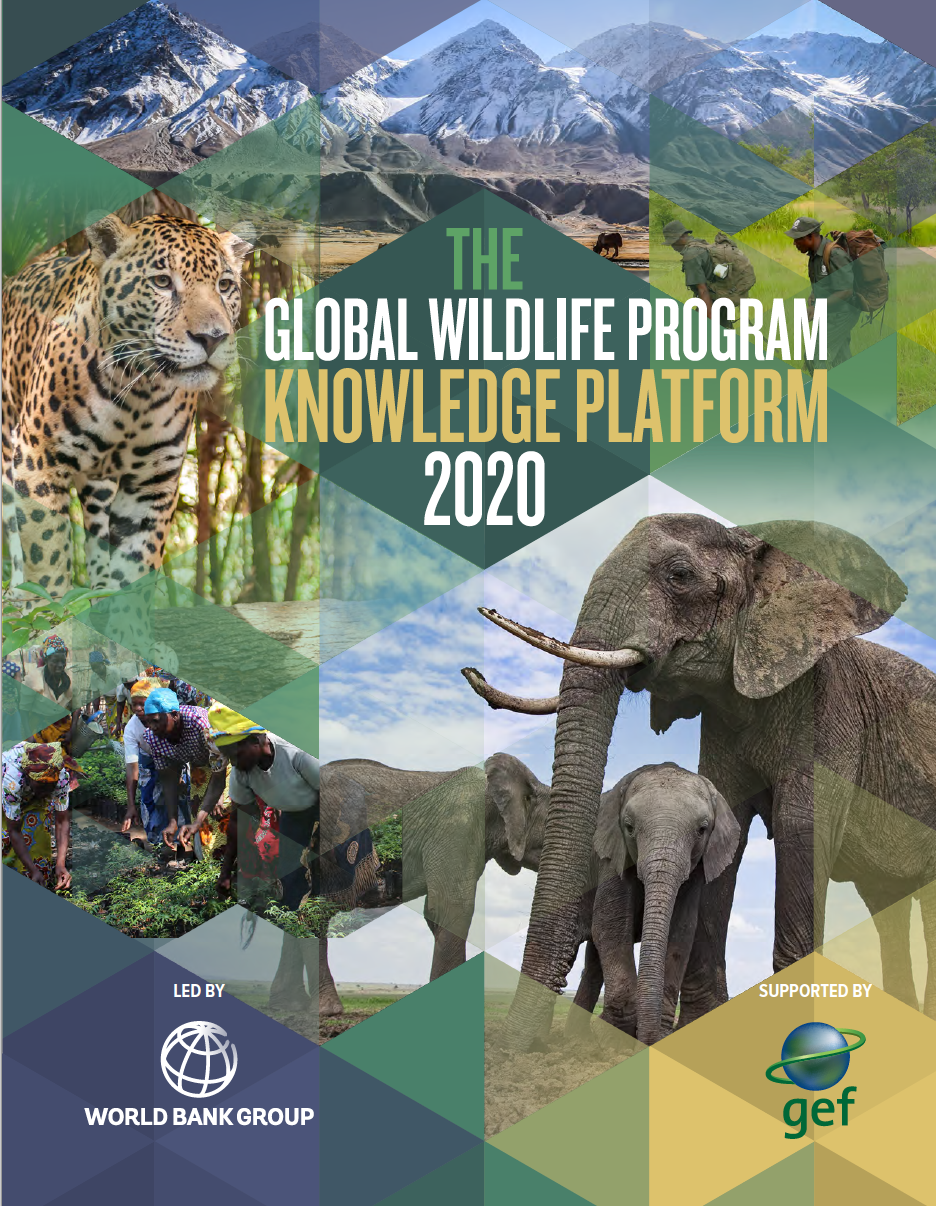
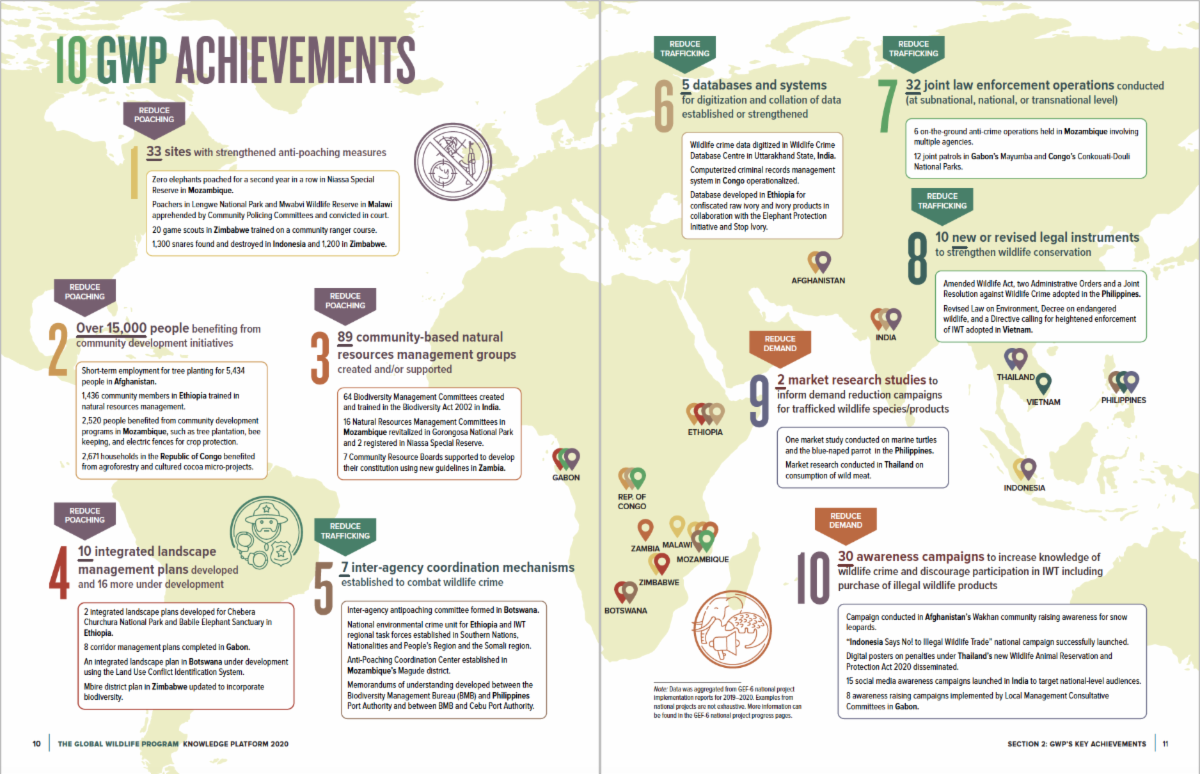
Talking about impact, the 2020 GWP Knowledge Platform report is out! This report curates the information from all the GWP national projects and provides a summary of progress towards the program’s outcomes to date. The report also presents challenges that GWP projects have faced in the last year including as a result of the pandemic and we know that one of the big blows to the conservation sector has been the complete halt of the nature-based tourism sector.
|
|
Protected areas and communities have lost a significant source of revenue from the loss of tourism and this topic is covered in-depth in the latest GWP publication “ Banking on Protected Areas”. The report estimates that the return on public investment in protected areas is at least six times the cost. Read more about it in the featured section below.
The beginning of this year has also been a pilot for hosting virtual training workshops. In partnership with Alexandra Zimmerman from the IUCN’s SSC Taskforce on Human-Wildlife Conflict, four training sessions were conducted with 32 countries represented, including three joining from the Amazon Sustainable Landscapes program. For GEF-6 projects in East and Southern Africa, five communication training workshops were organized, as a follow-up from earlier such sessions for Asia in 2020. We have received positive feedback from these trainings and the GWP will consider how to integrate virtual exchanges along with thematic in-person conferences in the future.
Our partners have also been working on innovative and interactive platforms and training modules, with updates from ADB, ICCWC, IUCN, UNDP, and WWF below.
We encourage you to read through the newsletter and as always, let us know if you have any comments or feedback. And, please note, our newsletter is now available in French and Spanish!
|
|
Warm regards, the GWP Team |
|
Have you seen our latest Instagram videos for Earth Day, World Wildlife Day & World Wetlands Day? |
|
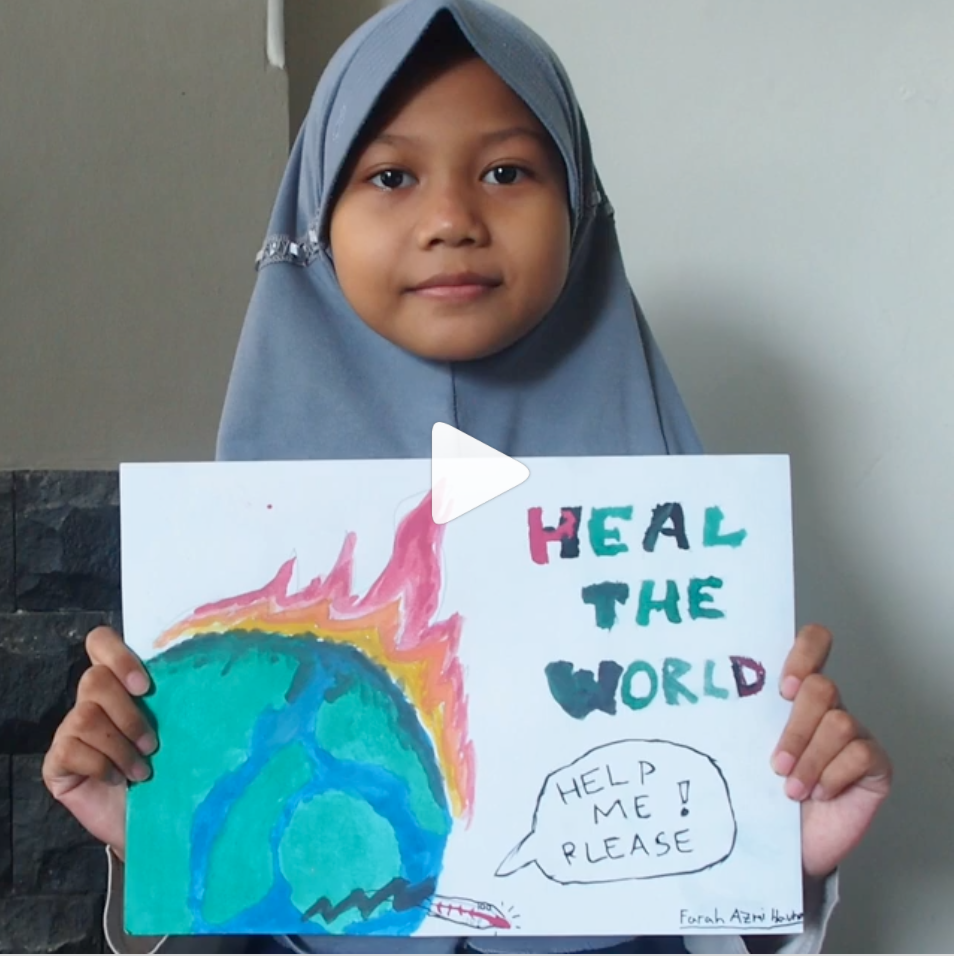
In honor of Earth Day, kids and family members of GWP colleagues around the world shared what they think and love about our planet and what actions they would take to protect the Earth. |
|
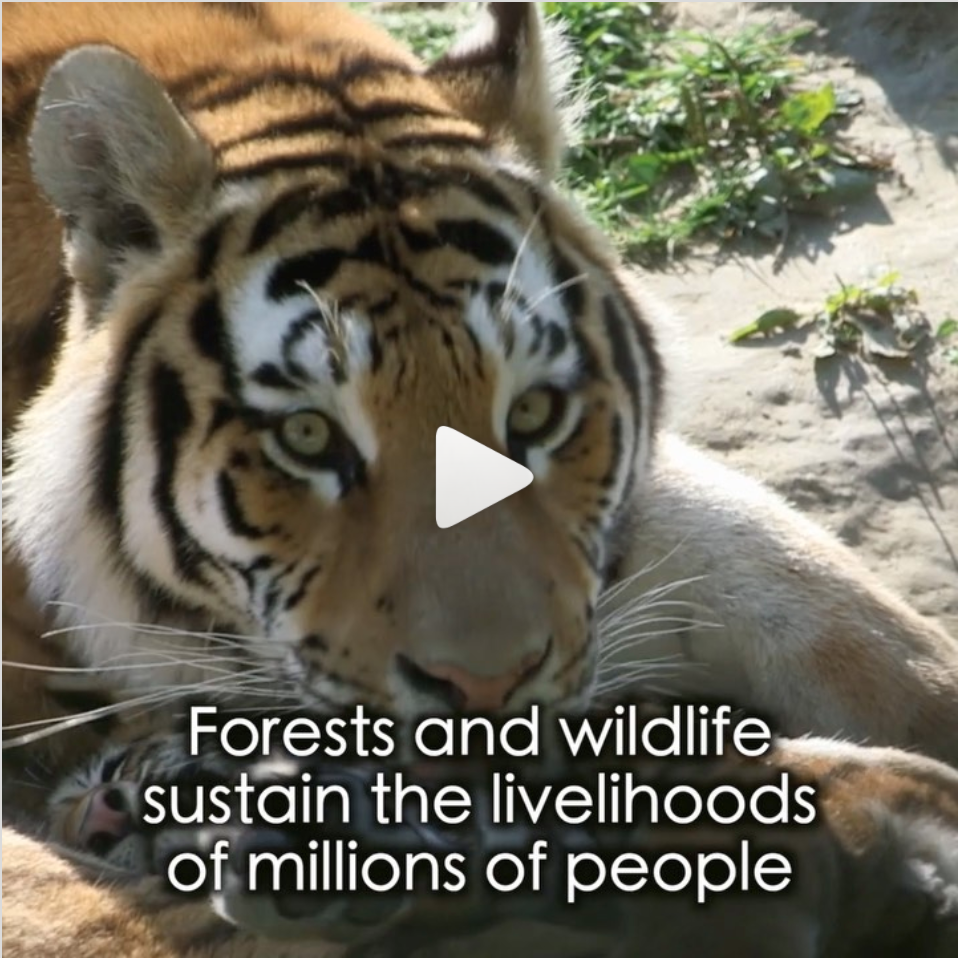
In celebration of World Wildlife Day this video points out the GWP's role to conserve wildlife & promote forest-based livelihoods to help sustain people & planet. |
|
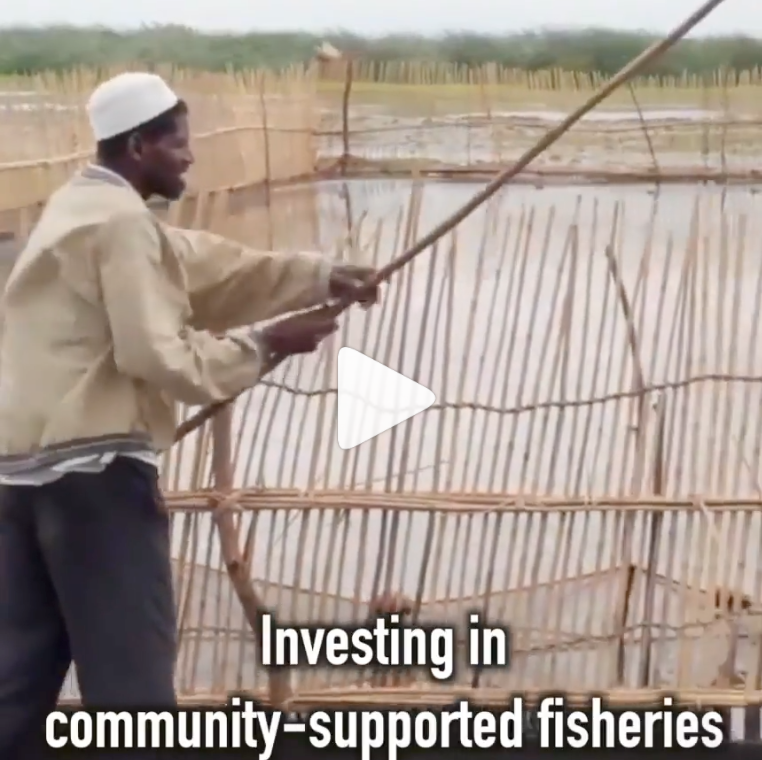
For World Wetlands Day, this video highlights our partnership with Malawi to invest in the Elephant Marsh wetlands to become the country's first community-managed protected area. |
|
Global Wildlife Program Knowledge Platform 2020 |
|
Section 2 shows 10 of the GWP’s top achievements in 2020 with examples from projects. The results of the global coordination grant are presented in section 3. Section 4 highlights the progress and accomplishments of the GEF-6 national projects and section 5 introduces the national projects that joined the GWP under GEF-7.
The challenges, adaptive management, and lessons emerging across the GWP are discussed in section 6, including the many ways in which GWP projects adapted to COVID-19 impacts across 2020.
|
|
Banking on Protected Areas |
|
A new report supported by the GWP makes the case that the promotion of sustainable tourism in protected areas should be included in COVID-19 economic recovery plans, an investment that creates local jobs, improves incomes and protects biodiversity.
The report contains important statistics including income multipliers and return on public investment in protected areas, specifically—Lower Zambezi National Park, South Luangwa National Park (Zambia), Chitwan National Park (Nepal), Abrolhos Marine Reserve (Brazil) and Mamanuca Islands (Fiji)—as well as contributions to local economies.
Additional materials related to the report including a guide on how to implement this methodology, a 30x30 global biodiversity note, and a green recovery note can be viewed here.
The report was launched on June 14th with a keynote speech from Karin Kemper, Global Director of the Environment, Natural Resources and the Blue Economy, World Bank, and Urvashi Narain, Lead Economist, World Bank, presented on the findings of the report. Their joint blog can be viewed here.
|
|
Conference Proceedings from the GWP's Annual Conference 2020 |
|
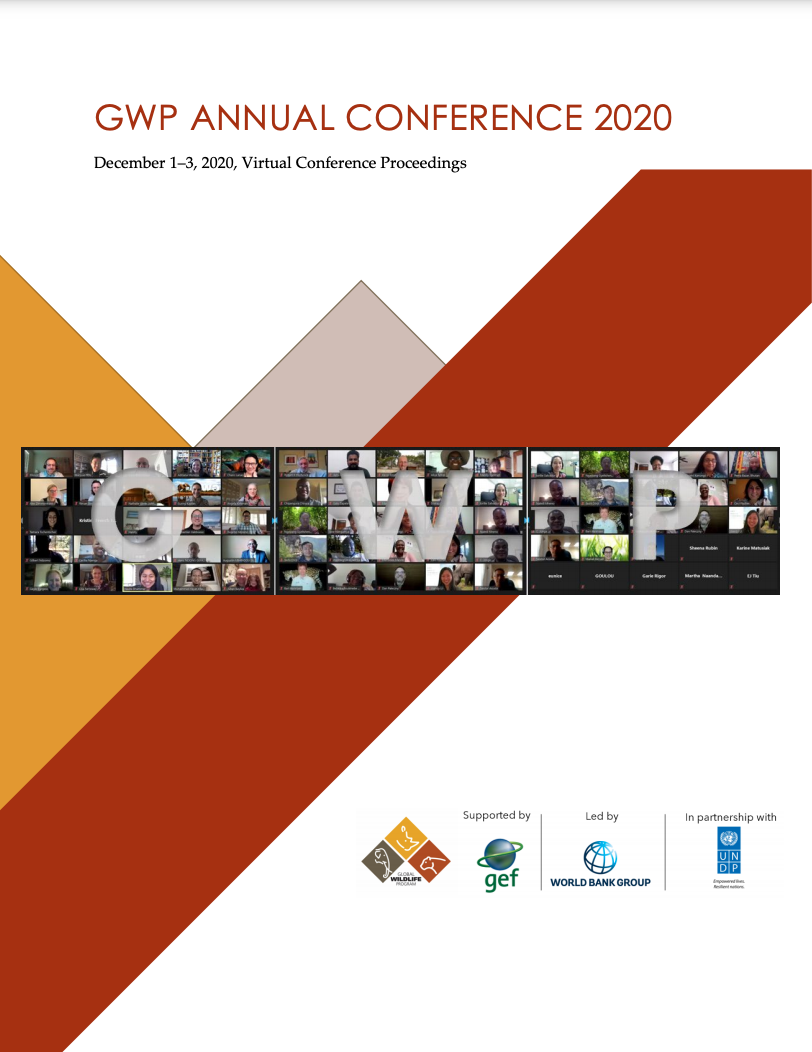
The GWP hosted its fourth GWP Annual Conference December 1–3, 2020. Due to COVID-19-related travel restrictions and health concerns, the conference was held virtually with over 150 participants registered, representing 28 out of 32 GWP countries.
The conference had five technical sessions and two networking sessions and covered topics such as adapting to COVID-19 risks and opportunities, findings from UNODC's latest World Wildlife Crime Report, and principles of good project design & implementation.
The GWP virtual tour of projects is here.
|
|
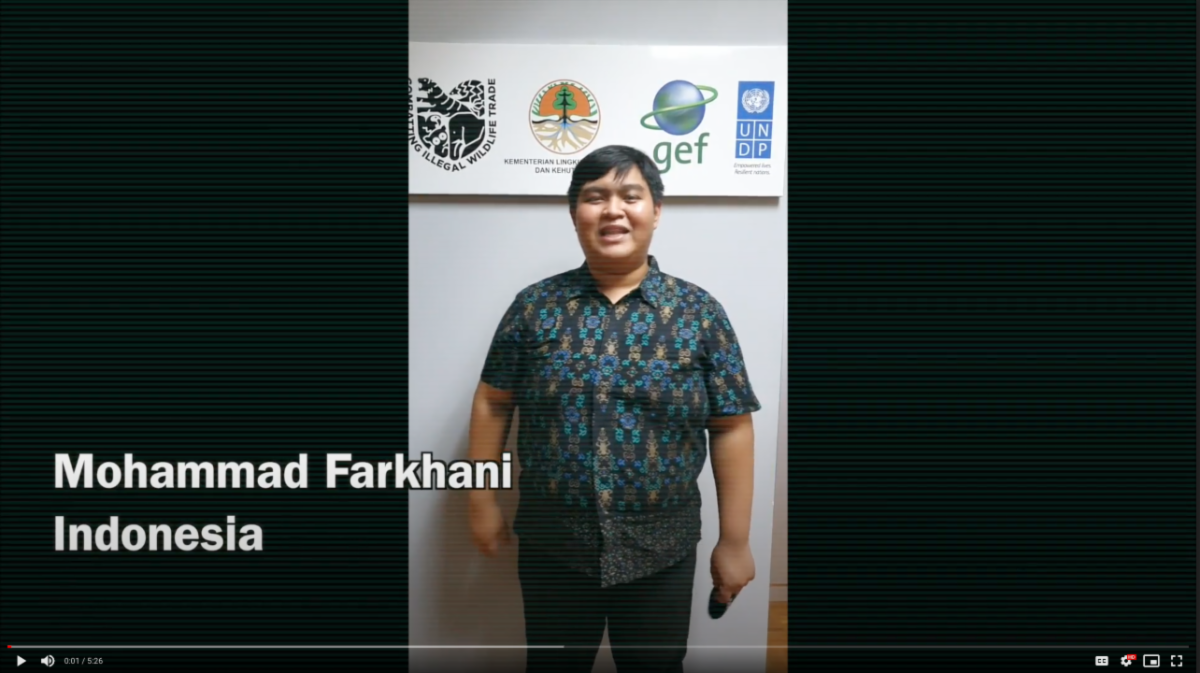
Replay this video to hear GWP teams on the ground discussing their work with the GWP and how they've navigated the COVID-19 crisis:
"While COVID-19 brings us a lot of negative impacts whether on health, economy, etc., it also gives us opportunity to advocate about the illegal wildlife consumption.... Our work is even more meaningful when we are working hand in hand."
–Dararat Weerapong, Thailand
"Thorough our COVID prevention work our community teams have visited every community within the reserve and supplied assistance and guidance to community members."
–Peter Trevor, Mozambique
"Such a platform is the need of the hour to address contemporary environmental challenges. I am glad to be a part of the Global Wildlife Program."
–Siddharth P. Nair, India
|
|
Now in French:
A guide for implementing community-based electric fences to mitigate human-elephant conflict
The purpose of this technical guide is to assist GWP countries plan, design and implement community-based electric fences to address human-elephant conflict.
|
|
Facilitating donor coordination to combat IWT |
|
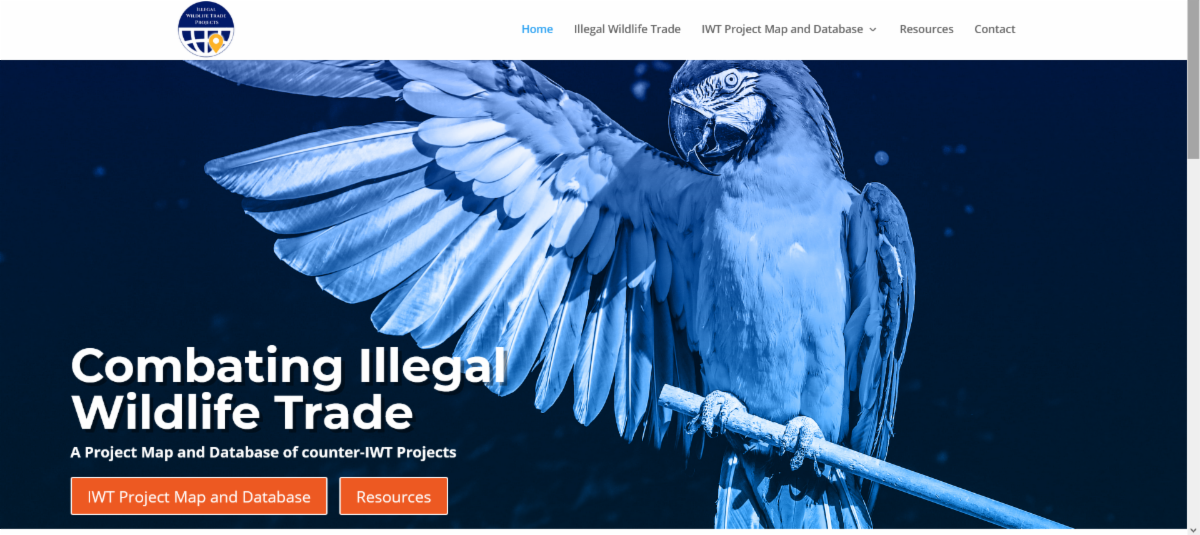
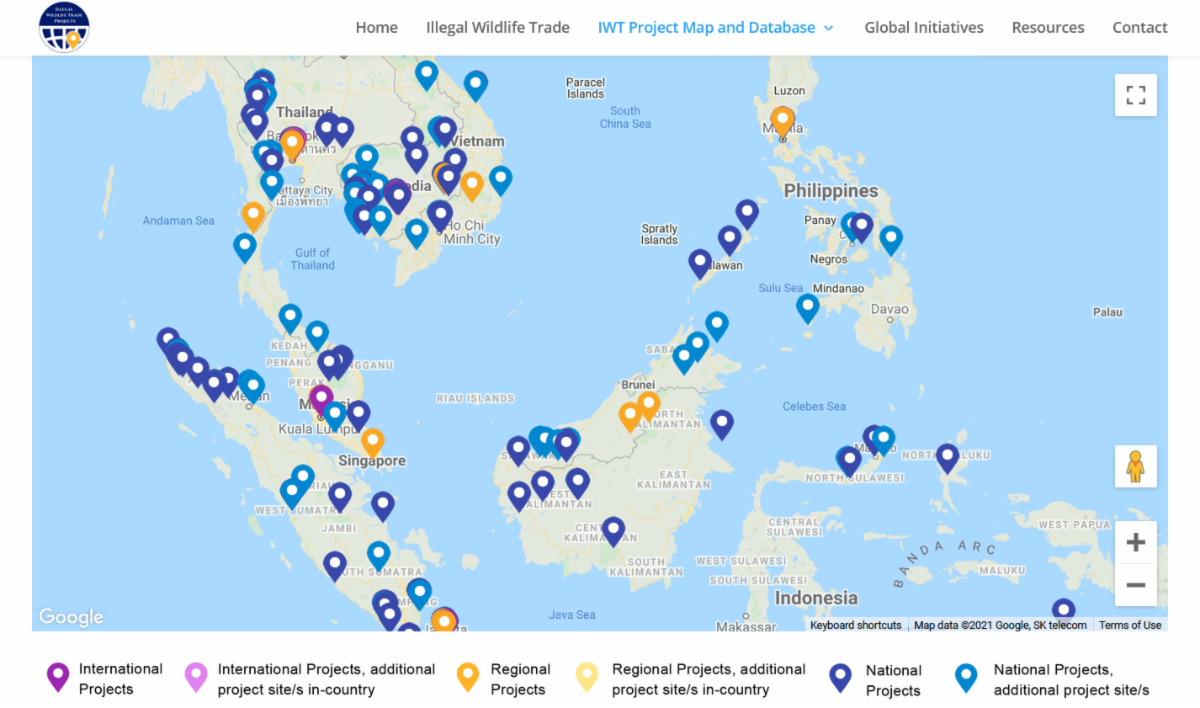
Launched in May 2021, the IWT Project Map and Database initially presents detailed and disaggregated information on counter-IWT projects, including data on project partners, locations, and funding from eight Southeast Asian countries: Cambodia, Indonesia, Lao PDR, Malaysia, the Philippines, Singapore, Thailand, and Vietnam. Efforts are underway to cover other countries and regions worldwide.
In addition, the website showcases examples of work underway in selected countries, lists global initiatives combating IWT, and links to the most relevant resources and tools.
If you would like to submit information on counter-IWT projects you are involved in to the database, please contact Cecilia Fischer at: cfischer.consultant@adb.org. |
|
Together Against Wildlife Crime –
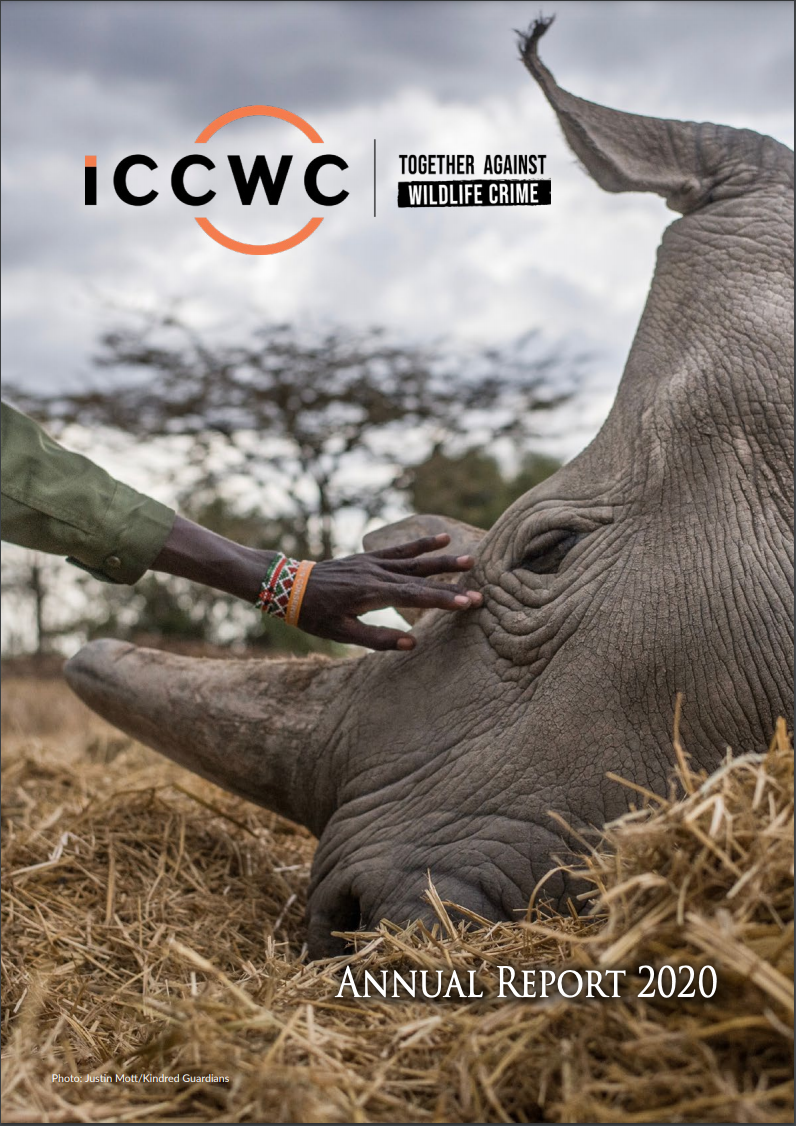
The International Consortium on Combating Wildlife Crime (ICCWC) Annual Report 2020
|
|
ICCWC's Annual Report showcases how the Consortium’s work with over 100 Member States and other stakeholders has helped enhance the capacity of customs, police, wildlife authorities and the entire criminal justice system, enabling a strong, consistent, coordinated and increasingly effective response to wildlife crime.
The report provides examples of how ICCWC assessments have led to positive changes in penal codes, where technical support has helped build capability, where operational support contributed to the arrest and prosecution of criminals involved in wildlife crime, and more.
|
|
How do you manage human-wildlife conflict in a rapidly changing climate? |
|
Human-wildlife conflict (HWC) is becoming more frequent, serious and widespread and a global concern for conservation and local livelihoods and development. To enable nature-friendly agriculture and ensure food security alongside biodiversity conservation, we have to take a close look at how communities can live sustainably alongside wildlife near protected areas. This is a topic being addressed by over two-thirds of GWP projects. This blog by Alexandra Zimmermann and James Stevens from IUCN's SSC Human-Wildlife Conflict Task Force discusses what needs to happen for communities to be able to coexist alongside wildlife. |
|
Women fighting wildlife crime |
|
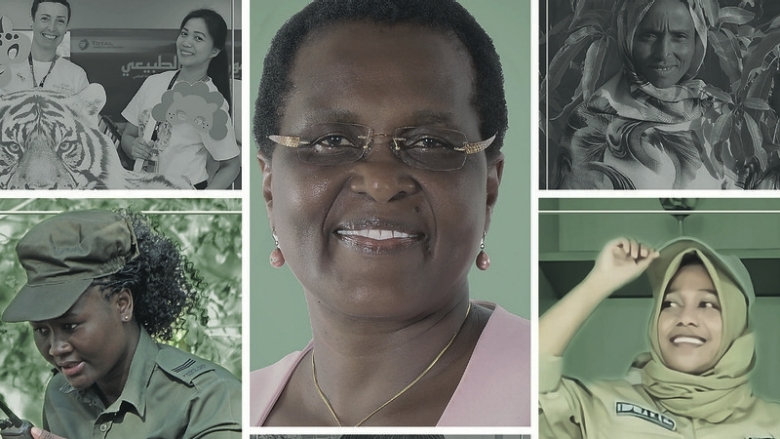
Women are leading the charge to combat the scourge of wildlife crime, with the help of UNDP-supported projects under the GWP and related initiatives.
Through positions such as influencers in their communities, frontline defenders and wildlife managers, government decision makers, legislators, scientists, and business leaders–women are working to protect wildlife for the benefit of ecosystems, economies and people.
|
|
Turning the Tide: how shipping companies are accelerating action against wildlife trafficking |
|
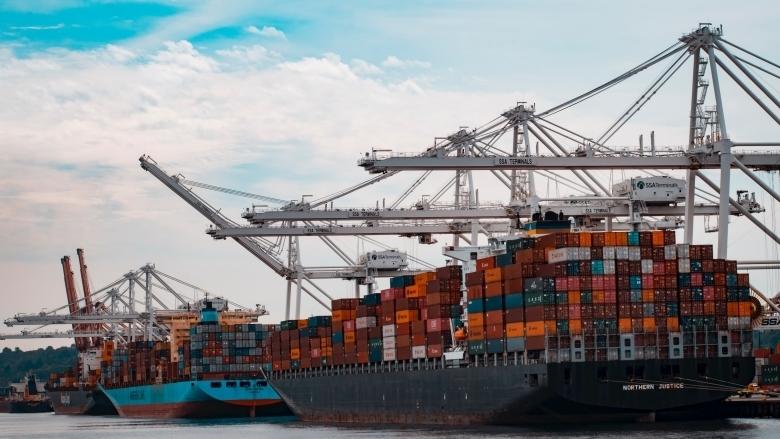
Maritime transport is the chief avenue used by smuggling networks for illegal wildlife products such ivory, pangolin scales, and timber. Through the UNDP-fronted maritime trafficking project that is part of the GWP global coordination grant, shipping companies are strengthening wildlife law enforcement at strategic ports.
USAID will provide $2 million in additional funding to support UNDP's Port Project to expand current activities as well as target locations under a three-year contract signed in December 2020. Activities began in January 2021 and will deepen existing capacity and collaboration across key East Africa IWT exit ports—Mombasa, Dar es Salaam and Zanzibar seaports—and expand to Kampala dry port in Uganda. The USAID grant will be an essential increment to UNDP’s investment to build capacity and collaborative multi-sector partnerships in ports for wildlife trafficking from East Africa, ultimately supporting a reduction in IWT from Africa to Asia.
|
|
Institute of Chartered Shipbrokers (ICS) course launched to prevent & detect IWT in maritime supply chains |
|
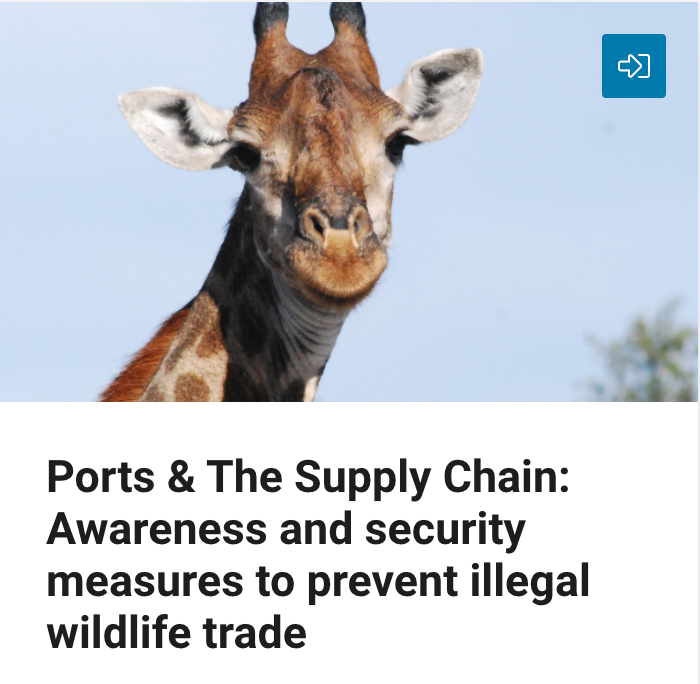
Under the UNDP maritime project (part of the GWP coordination grant) a unique course has been developed and launched for private sector and government stakeholders through ICS online training programs. Live online delivery of the course "Ports & The Supply Chain: Awareness and security measures to prevent illegal wildlife trade" began in December 2020 and live sessions have been attended by a wide range of stakeholders from 22 countries, including Kenya, Tanzania, and Uganda. The course can also be taken in self-paced mode as part of the ICS Online Academy. The online course is free and available to interested stakeholders, with preference given to private sector and government. For further information or to register to take the course, please email undpportsproject@ics.org.uk. |
|
Knowledge & insight on the sustainability impacts of market-based tools and approaches |
|
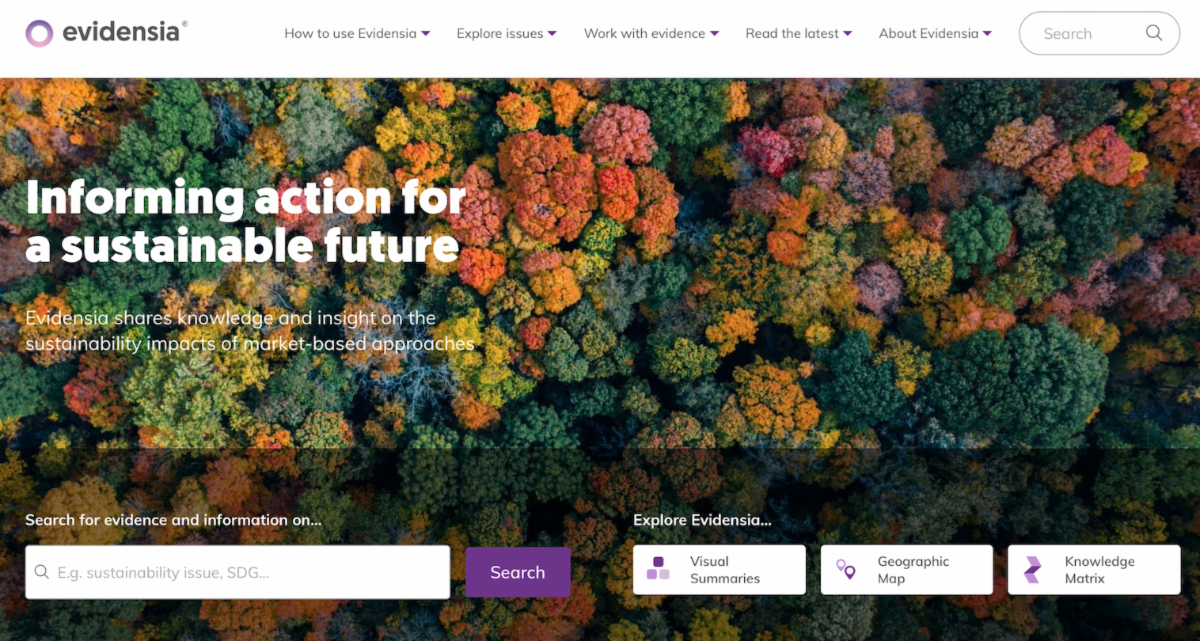
Founded in 2019 by ISEAL, WWF, and Rainforest Alliance, the Evidensia platform hosts the largest online library of credible evidence on the impacts of market-based approaches to inform sustainability action and policy. It has a growing number of partners working to put evidence and science at the heart of sustainability practice and policy, including some of our partners such as UNDP, CI, and WWF. The platform covers topics such as livelihoods, supply chains, plant and wildlife conservation, and rights of Indigenous Peoples and Local Communities. You can search for evidence by theme, sector, region/country, SDG and other filters. You can sign up for Evidensia's bi-monthly newsletter via their website below. For more information or to speak with the Evidensia team, please contact evidensia@isealalliance.org.
|
|
Replay GWP's Virtual Knowledge Events |
|
April 2021
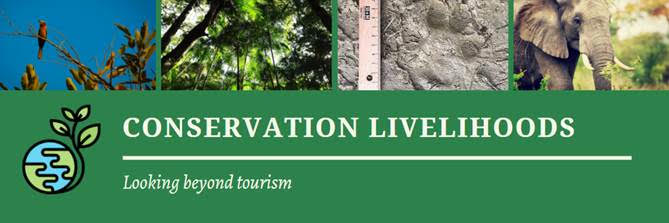
This webinar focused on local, viable, and scalable solutions for conservation-based livelihoods that go beyond tourism. The keynote speaker was Sue Snyman from the African Leadership University’s School of Wildlife Conservation who presented the newly released “ State of the Wildlife Economy in Africa” report. It was followed by five lightning talks and innovative models from Latin America, Asia and Africa of businesses and economic activities that directly depend on wildlife or forests for their core business or contribute to conservation through their activities. |
|
Other past webinars can be found here.
To receive regular updates about virtual events email:
|
|
Follow the GWP on Twitter via @WBG_Environment |
|
Subscribe to the GWP Newsletter here
GWP Program Video:
|
|
|
|
|
|
|