GWP NEWSLETTER | MARCH 2022
|
|
Dear GWP Friends and Colleagues, |
|
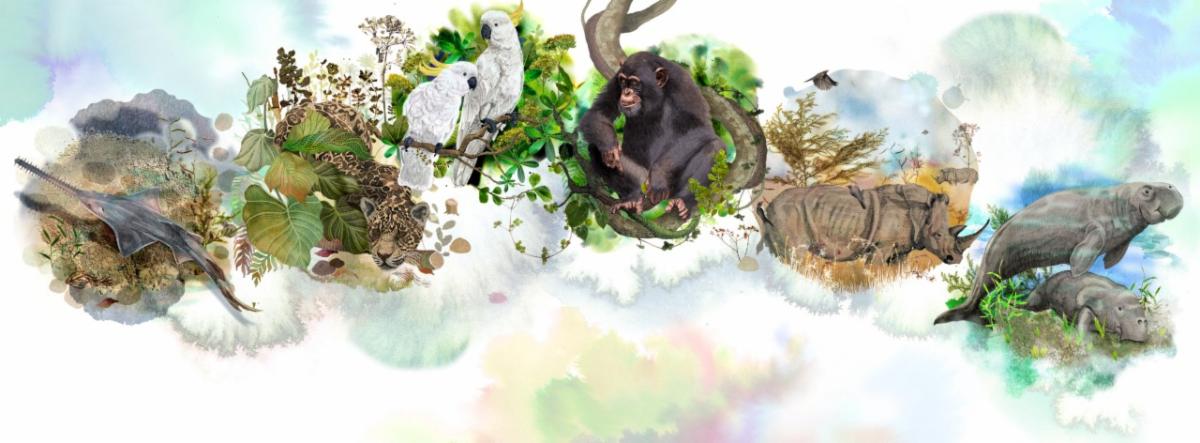
Happy World Wildlife Day! This year’s theme “Recovering Key Species for Ecosystem Restoration” highlights the important role that wildlife plays in keeping our economies and ecosystems healthy. The GWP partnered with the Global Environment Facility (GEF) to showcase some of the species being conserved by the GWP projects in an interactive story.
As efforts to protect key species and habitats continue, we reflect on our annual conference in early December that brought together colleagues from all our projects. We are thankful to all participants, the panelists, moderators, and GWP Program Steering Committee members who contributed to the conference.
The GWP Philippines project, executed by the Biodiversity Management Bureau –
Department of Environment and Natural Resources and supported by the Asian Development Bank, came to a close in November 2021. In the first webinar in the GWP Legacy Series, the Philippines team shared their achievements, project impact, and best practices for combating illegal wildlife trade (IWT).
Read more news from the GWP and our partners below, and a reminder that our newsletter is now available in French and Spanish so please share these resources with your peers.
|
|
Warm regards, the GWP Team |
|
World Wildlife Day 2022: An exploration of endangered wildlife and their ecosystems
|
|
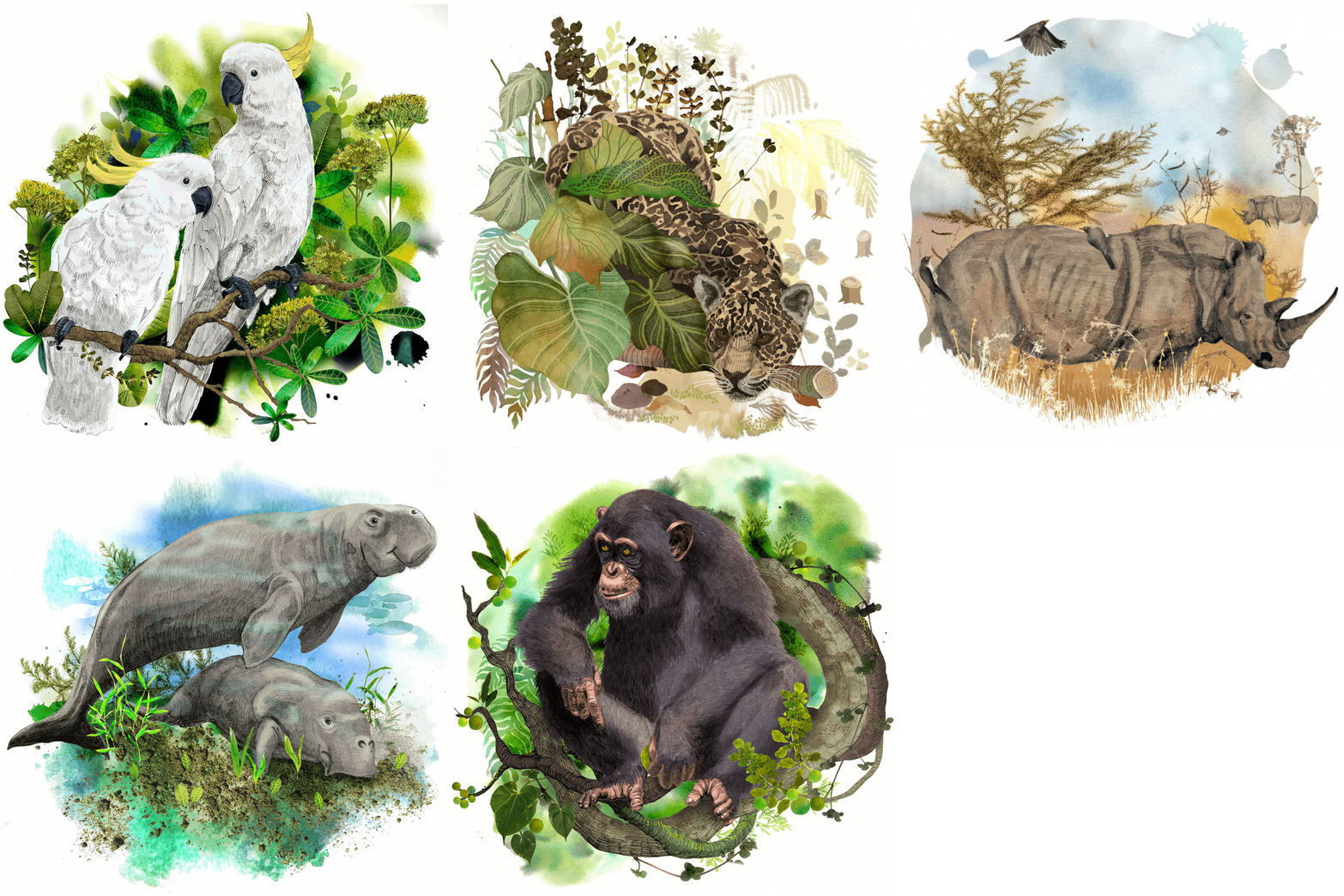
We are celebrating this year’s World Wildlife Day theme by zooming in on six species, which are central to our collective efforts on wildlife and ecosystem conservation for sustainable, inclusive development. Find out more about the species, threats, and what the GEF, GWP, and GEF Agencies are doing to protect wildlife and their habitats.
|
|
Working Together for Wildlife Conservation:
Recap of the GWP Annual Conference
|
|
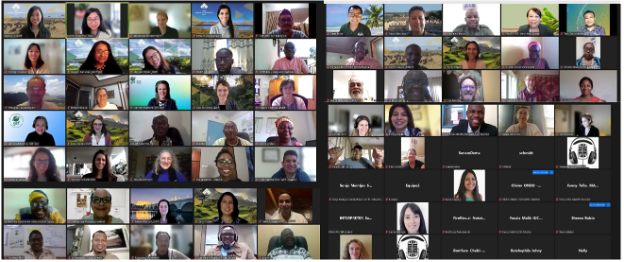
Over 200 participants joined our annual conference this year representing all 32 GWP countries. The conference, held online from November 30–December 2, 2021, brought together GWP project teams, governments, GEF Agency staff supporting GWP projects, partners, and technical specialists and practitioners.
|
|
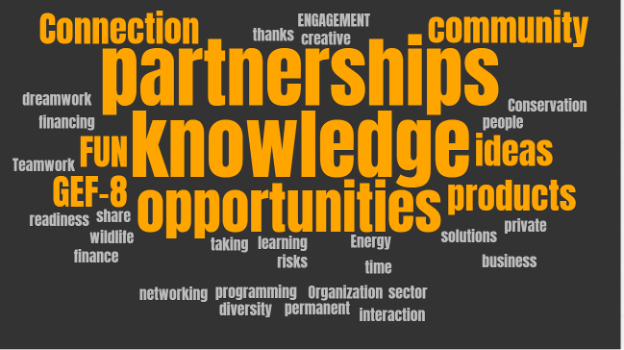
The conference put project experiences at the center and highlighted presentations from projects in panel discussions and through the GWP Knowledge Market where projects “traded” their good practices, technical needs, and presented work that could benefit other GWP projects. Discussions and exchange continued on the accompanying Howspace online platform.
Although all of our attendees and projects are “winners” these attendees earned the following conference awards:
BEST KNOWLEDGE MARKET PITCH: Ricardo Moreno from Panama
BEST KNOWLEDGE NEED/SHARE: Team Thailand
BEST COLLABORATION ON HOWSPACE:
- Augustin Mihindou from Gabon
- Muhammad Yayat Afianto from Indonesia
- Tasila Banda from Zambia
BEST PROJECT RESOURCES UPLOADED ON HOWSPACE: Team Philippines
|
|
Have you noticed our updated GWP logo?
The new GWP logo was launched at the conference and better symbolizes the diversity of species and regions of the program across Africa, Asia, and Latin America and the Caribbean.
|
|
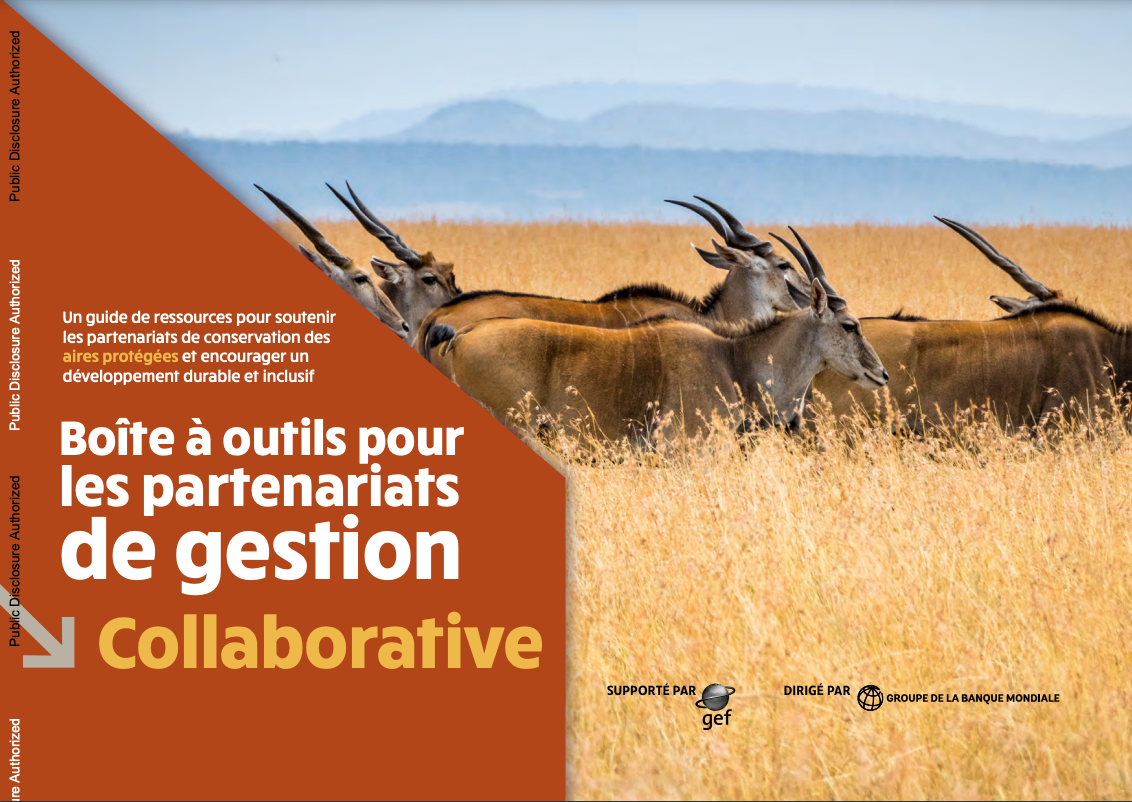
Now in French: The Collaborative Management Partnership Toolkit
|
|
The Collaborative Management Partnership (CMP) Toolkit is now available in French. It is one of the most comprehensive reviews of CMPs in Africa and serves as a reference guide for governments and implementing partners who are considering CMPs as a way to address challenges such as insufficient funding for protected area (PA) management. While the case studies and lessons in the Toolkit are derived from PAs in Africa, they can be applied to private and community PAs and others around the world. Two virtual deep-dive training sessions on CMPs attended by 140 participants were held in February.
View the Toolkit in French or in English with related resources here
|
|
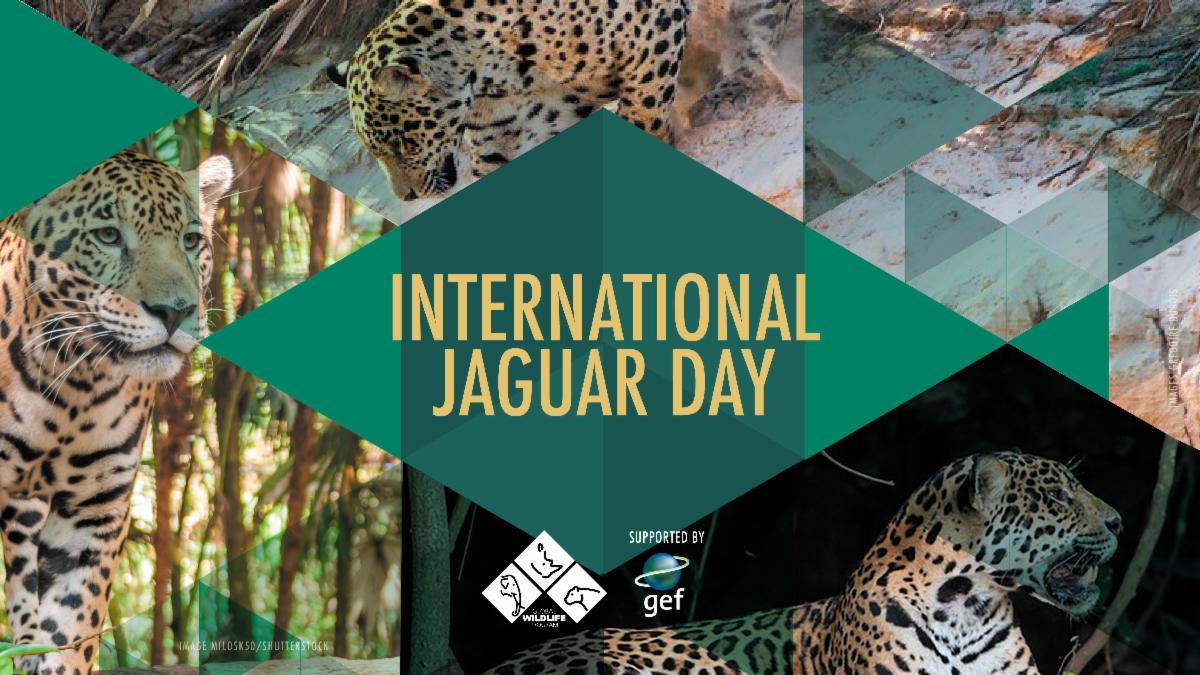
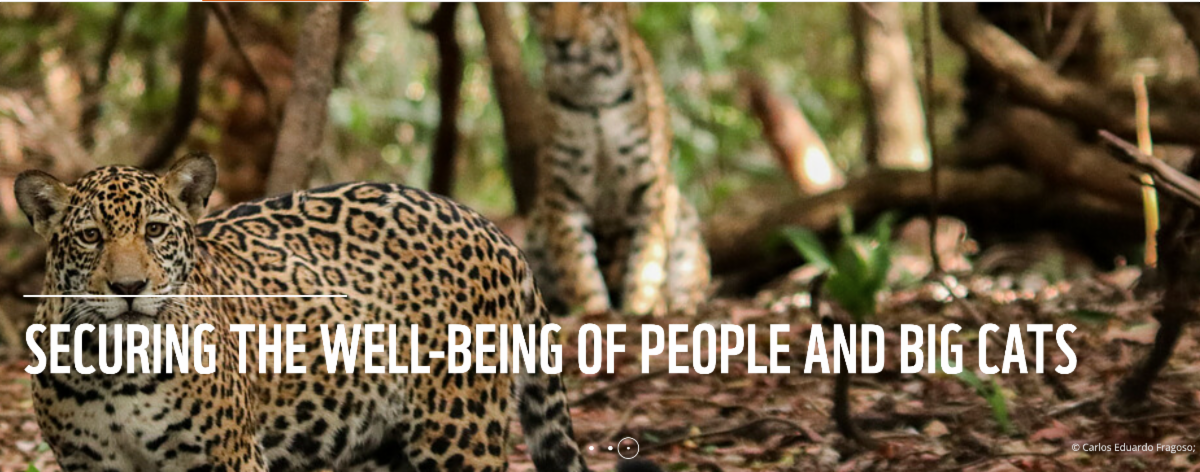
The 3 C’s Vital for Jaguar Conservation: Coordination, Connectivity, and Coexistence |
|
How are these three components being put in action by the GWP and our in-country partners in Belize, Ecuador, and Panama to conserve jaguars and their habitat? The three GWP projects look at jaguar conservation holistically addressing multiple threats to jaguars such as habitat loss and fragmentation, human-jaguar conflict, and the trafficking of jaguar parts.
Published in honor of International Jaguar Day in November, the feature story is available in English and Spanish.
|
|
GWP Legacy Series – Co-hosted with the ADB and the GWP Philippines team |
|
As the GWP Philippines project has come to a close, the country team shared their achievements in a recent GWP Legacy Series webinar along with best practices for combating IWT. This included lessons learned from multi-sectoral efforts to amend the 20-year-old Philippine Wildlife Resources Conservation and Protection Act, machine learning tools, law enforcement and awareness raising, and repatriation of seized wildlife. |
|
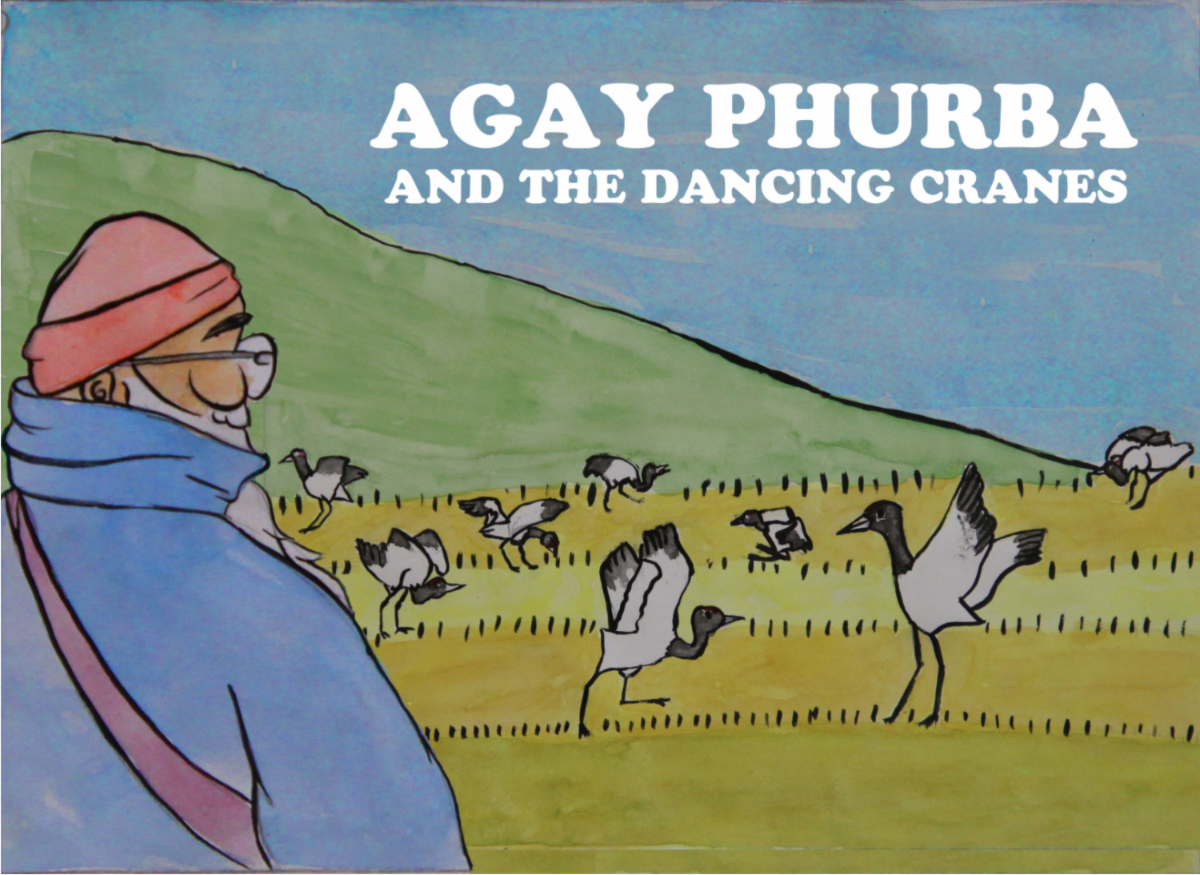
GWP Bhutan: A story by children—for children—on conservation |
|
"Agay Phurba and the Dancing Cranes" is about the challenges and threats facing the endangered, black-necked crane told by the youth from Trashi Yangtse who visited the picturesque Bumdeling valley as part of a week-long storytelling workshop and spoke with Agay Phurba, who has been taking care of the cranes’ roosting ground for about 40 years. This initiative was carried out by Bhutan’s new ecotourism project funded by the GEF, supported by UNDP, in partnership with READ Bhutan.
Read about the book’s publication and find it in English and Dzongkha (Bhutan's national language) here. You can also watch a video of the book here on Facebook.
|
|
UNDP: Reducing Maritime Trafficking of Wildlife between Africa and Asia |
|
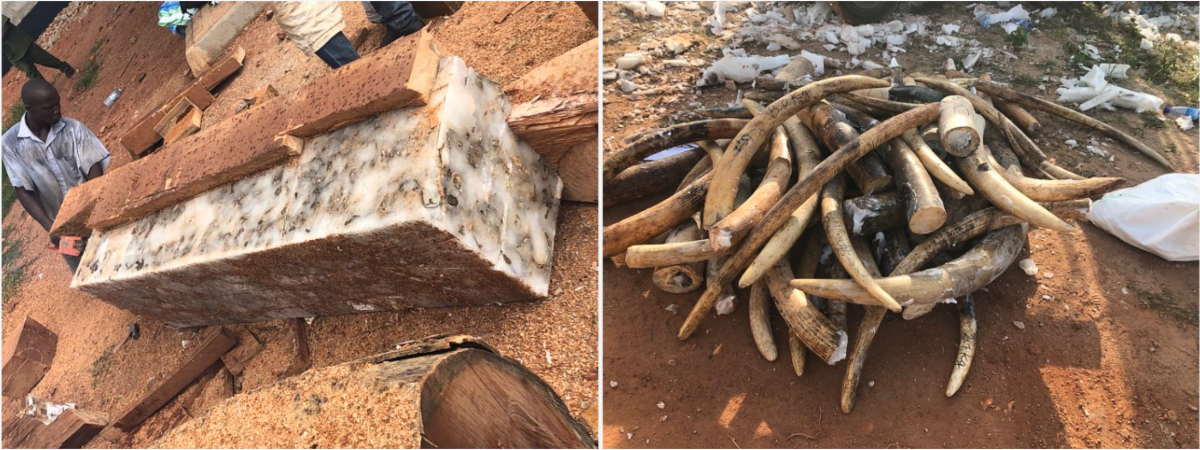
Photo Story: One Step Ahead – Ever-changing concealment methods for illegal wildlife products keep law enforcement officials on their toes
|
|
Learn how Uganda's largest seizure of ivory and pangolin scales was discovered and how law enforcement officials must constantly adapt detection methods, training programs and surveillance strategies to keep up with the ever-evolving concealment methods and changing routes used by traffickers. This story was developed with input from the Uganda Revenue Authority. |
|
Video: Combating Illegal Wildlife Trade through Ports |
|
|
|
How is wildlife illegally traded from source to market countries around the world? By volume, shipping containers are the most commonly used method. This video was developed with technical support from United for Wildlife, TRAFFIC, UNODC, and WWF to raise awareness on the issue, impacts, and scale of IWT through containerized cargo. |
|
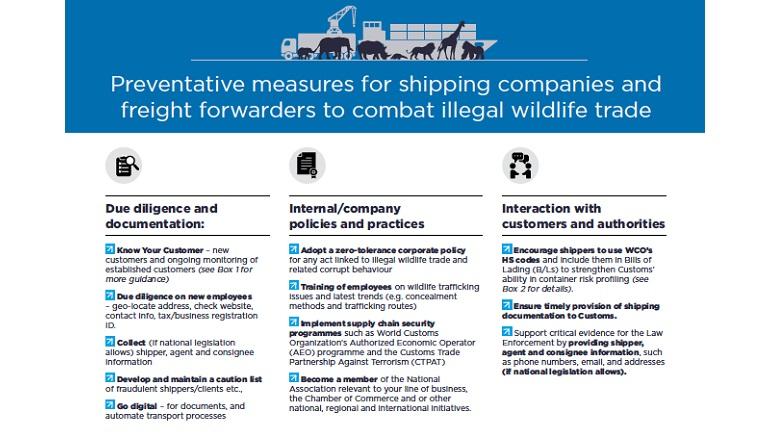
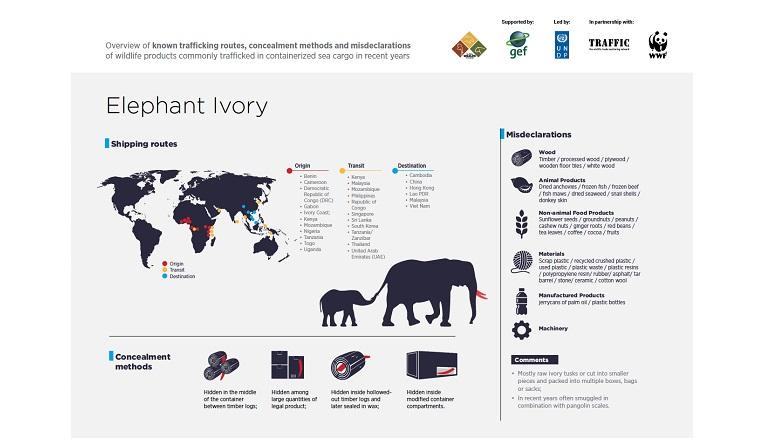
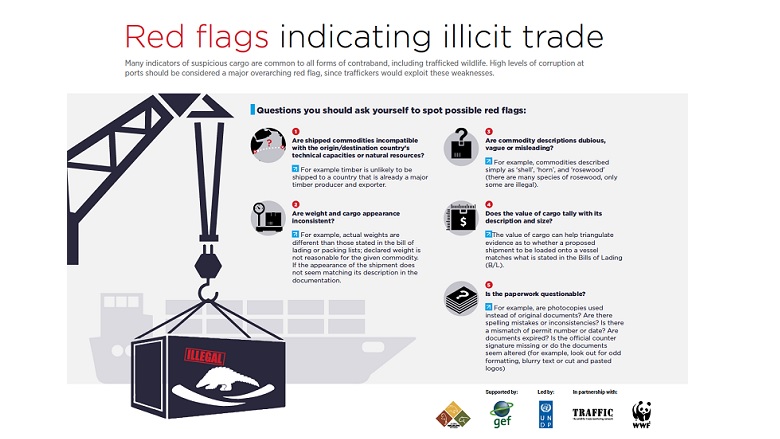
Fact Sheets were developed to provide solutions to combat IWT, pick up on red flags, misdeclarations, and ever-changing concealment methods: |
|
Limited seats still available: Free, self-study online training course "Ports & The Supply Chain" |
|
This course contains four modules and is open to port-based stakeholders, export and import actors working through ports, as well as government and law enforcement agencies. The modules are:
Module 1: Sea Ports and Port Operation Management
Module 2: Key Documentation
Module 3: IWT and Its Effect on Environment, Economy, and Sea Port Security
Module 4: Measures to Prevent Illegal Wildlife and Other Illicit Trafficking Through Sea Port Supply Chains
|
|
New WWF global initiative: Living with Big Cats |
|
This new WWF initiative will focus on reducing the costs and increasing the financial and social benefits for communities living with big cats, promote healthy and connected habitats for big cats, and advocate for policy change to address human-wildlife conflict (HWC) holistically. |
|
Follow the GWP on Twitter via @WBG_Environment |
|
Subscribe to the GWP Newsletter here
GWP Program Video:
|
|
This newsletter is published by the GWP Coordination Team
We welcome your submissions of news, events, and publications at
|
|
|
|
|
|
|