GWP NEWSLETTER | DECEMBER 2022
|
|
Dear GWP Friends and Colleagues, |
|
The GWP coordination team at the World Bank is back after hosting this year’s GWP Annual Conference in Kenya in partnership with the government of Kenya and UNDP. The conference provided a forum to share experiences among GWP project teams from Africa, Asia, and Latin America and the Caribbean on wildlife conservation for development. We were excited to join over 80 participants who traveled to the conference, and others who joined virtually. The conference discussions revived the energy and enthusiasm for conservation action and collaboration across the GWP.
The annual conference was the first of many opportunities to connect with partners in-person. At the recent CITES COP19 in Panama, the GWP hosted a side event that showcased how through the GWP, governments have strengthened their national efforts to combat the illegal wildlife trade (IWT), leveraging a range of synergies with CITES implementation. The GWP also co-hosted a side event on gender and IWT with WWF and the government of Panama. Many thanks to colleagues from Ecuador, Ethiopia, Indonesia, Panama, Tanzania, and Thailand for presenting their project experiences at these events. Further GWP side events are planned for the GEF pavilion at the upcoming CBD COP15 in Montreal.
We are excited to share that the World Bank was recently announced as the lead agency for the GEF-8 Wildlife Conservation for Development Integrated Program. With the experience and lessons from the GWP to build on and scale up, we are looking forward to developing the new program and enhancing conservation and development outcomes.
The GWP has launched some new resources for you to explore that you can link to below: a Conservation Technology e-book, a Guidance Note on Strengthening Inter-Agency Coordination to Combat Wildlife Trafficking, and a new resource library on ecological corridors and connectivity.
|
|
Warm regards and best wishes for 2023,
The GWP Coordination Team, World Bank
|
|
GWP Annual Conference 2022
‘Wildlife Conservation for Development’
|
|
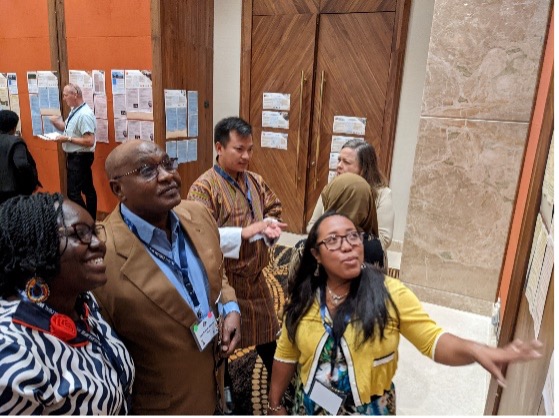
This year’s GWP annual conference had 80 participants joining in-person in Nairobi, Kenya, and others joining virtually for targeted hybrid sessions. The conference agenda was filled with vibrant discussions on GWP’s priority technical themes including human-wildlife conflict, law enforcement, protected area management, nature-based tourism, and sustainability for conservation financing. GWP projects presented posters on their greatest impacts for people, wildlife, and landscapes, identified common knowledge needs, and shared ideas and opportunities for collaboration. A site visit to the Maasai Mara helped participants learn more about conservancies and wildlife management. |
|
Ecological Corridors and Connectivity E-library launched |
|
The GWP in partnership with the Amazon Sustainable Landscapes (ASL) Program delivered a series of training events to support both GWP and ASL national projects on their planning and implementation activities related to ecological corridors and connectivity. An up-to-date collection of resources, articles, guidelines, books, webpages and more on ecological corridors and connectivity is now available to peruse.
This resource library is a part of the broader knowledge series that was launched in April 2022, it can accessed here. |
|
Conservation technologies to combat IWT:
E-book launch
|
|
With the help of technology, protected area authorities, rangers, NGOs and practitioners are combating poaching and IWT and monitoring wildlife. Explore this conservation technology e-book developed by the GWP to find out more about what technologies are on the forefront of conservation. |
|
Guidance on strengthening national inter-agency coordination to combat wildlife trafficking |
|
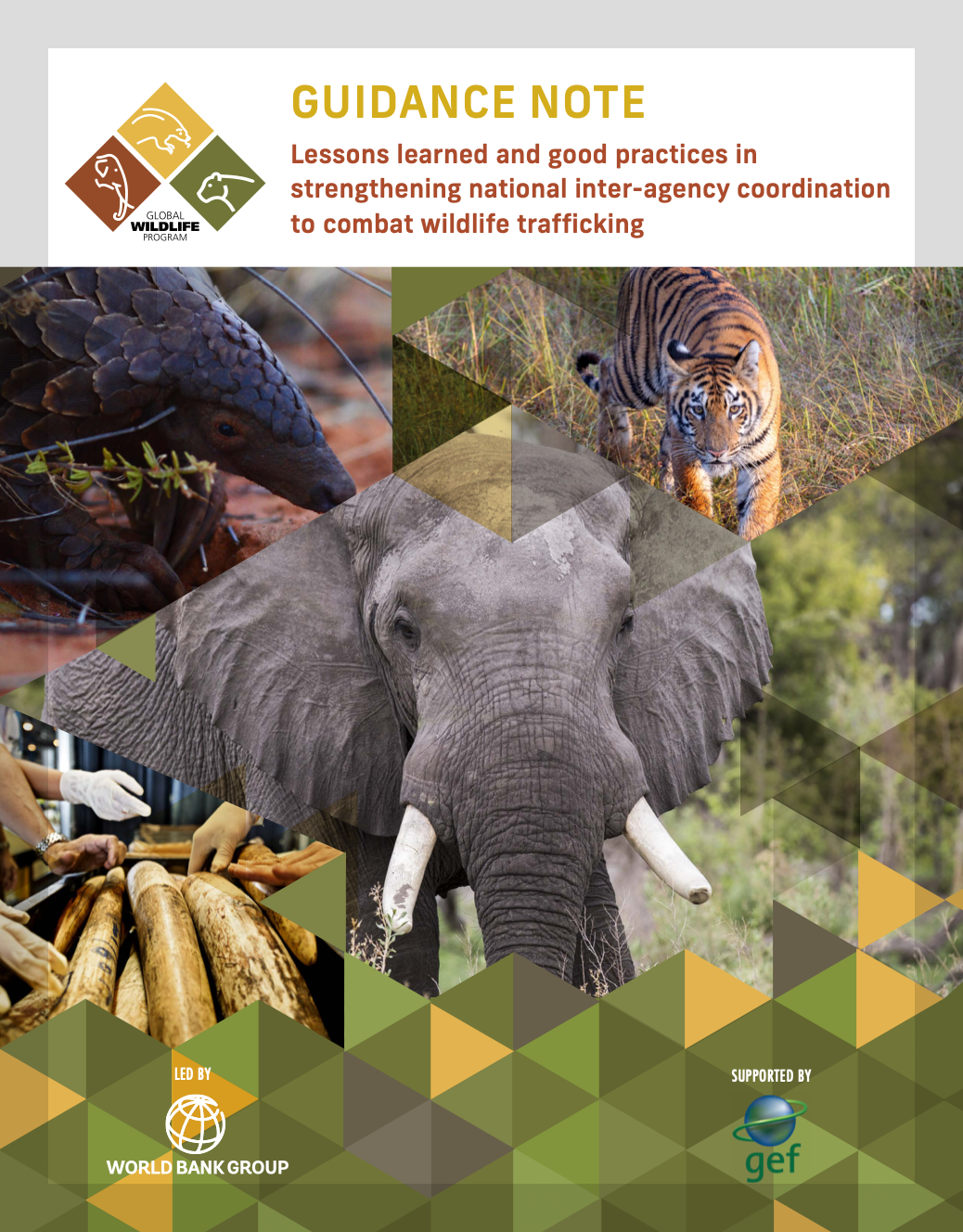
This new GWP guidance note illustrates the most recurrent challenges, experiences, and lessons learned across GWP projects to support national and subnational-level coordination among law enforcement agencies responsible for addressing wildlife trafficking.
It is informed by interviews with GWP project teams and the virtual knowledge workshop held in May 2022.
|
|
From GWP projects & partners |
|
Combating illegal wildlife trade in Thailand |
|
Watch the video of the GWP project in Thailand to learn about how it is combating IWT domestically and internationally by strengthening collaboration, promoting coordination between law enforcement agencies, and increasing public awareness to reduce demand for illegal wildlife parts and products.
|
|
|
The project is executed by the Department of National Parks, Wildlife and Plant Conservation, with TRAFFIC, TRACE, and IUCN, and supported by UNDP. |
|
Latest in a series from the GWP Bhutan ecotourism project |
|
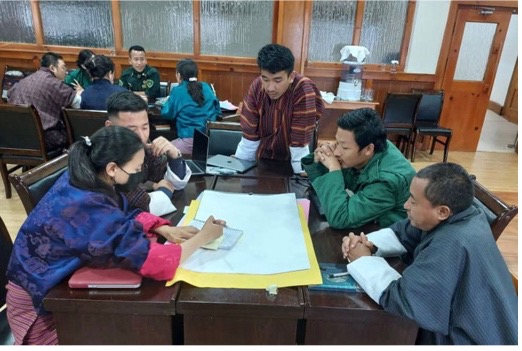
An article on the ecotourism product development workshop, which aimed to enhance the capacity of the project stakeholders within and outside the project landscape and provide a platform for knowledge and experience-sharing for the project coordinators in the landscape districts and beyond. The workshop also focused on creating awareness and developing a common understanding of the mandatory project requirements during the implementation phase. |
|
Rats in Tanzania help fight the illegal wildlife trade |
|
With support from USAID and UNDP through the GWP, work is underway to train African giant pouched rats to put their specialized skills to use by screening shipping containers for pangolin scales. Photo credit: APOPO
|
|
“We need all hands-on deck”: Q&A on preventing IWT through shipping supply chains |
|
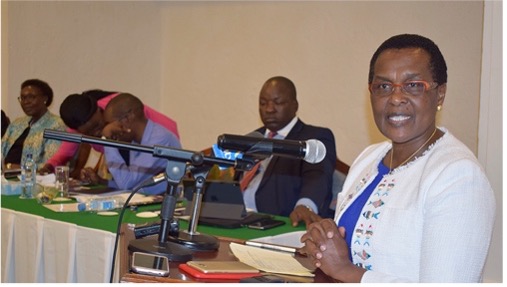
A GEF Voices interview with Nancy Karigithu, Kenya’s Ambassador and Special Envoy for Shipping and the Blue Economy, on the development of the new International Maritime Organization (IMO) guidelines to prevent IWT through shipping supply chains. |
|
Recent publications and news |
|
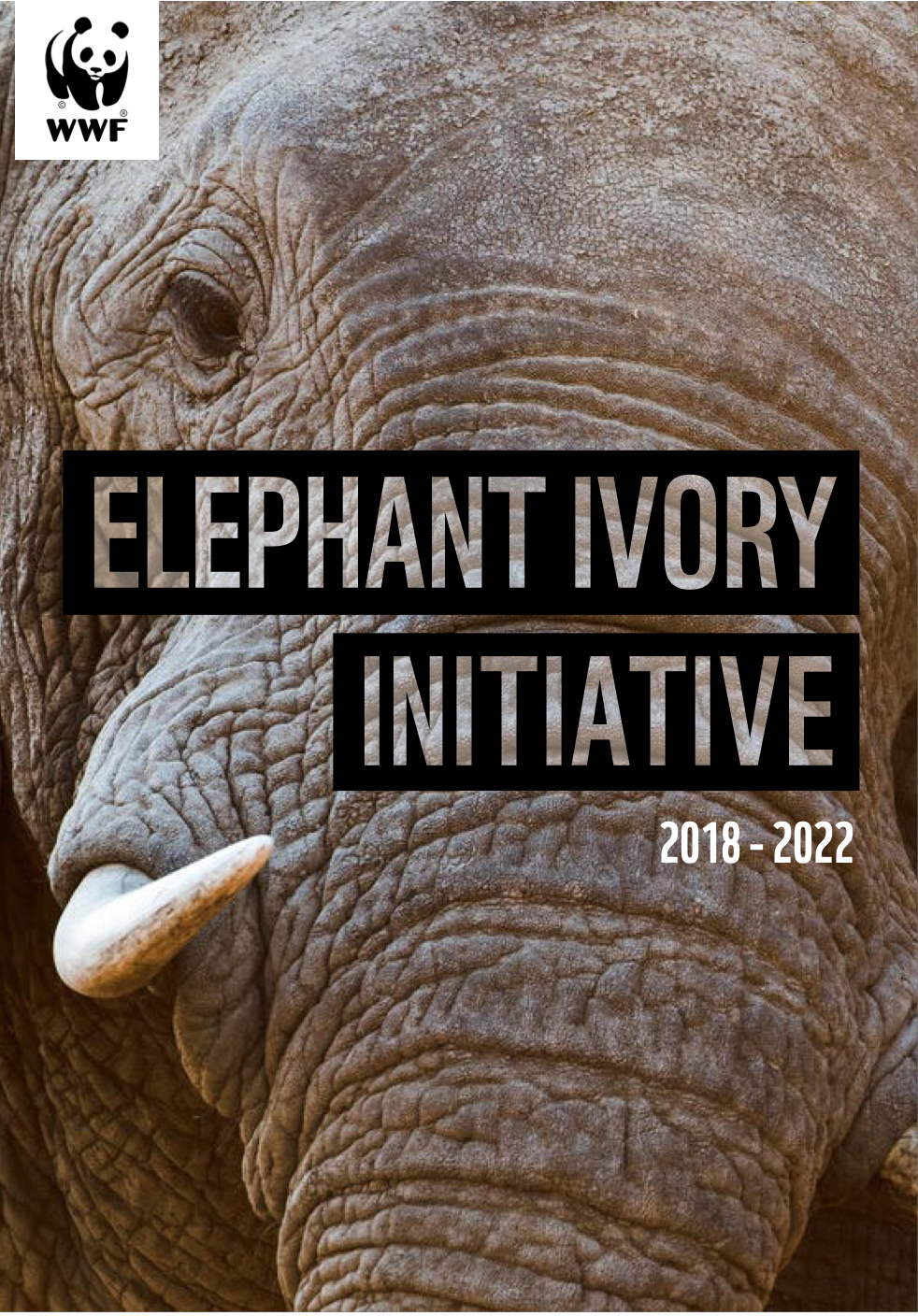
WWF wraps up its four-year Ivory Initiative |
|
From 2018 until 2022, WWF launched the Ivory Initiative to close ivory markets in Asia using two tightly linked and mutually reinforcing approaches, focusing on reducing consumer demand and policy engagement to strengthen laws and law enforcement.
This report summarizes what the Initiative achieved, while also highlighting some of the main lessons learned by WWF and its partners.
|
|
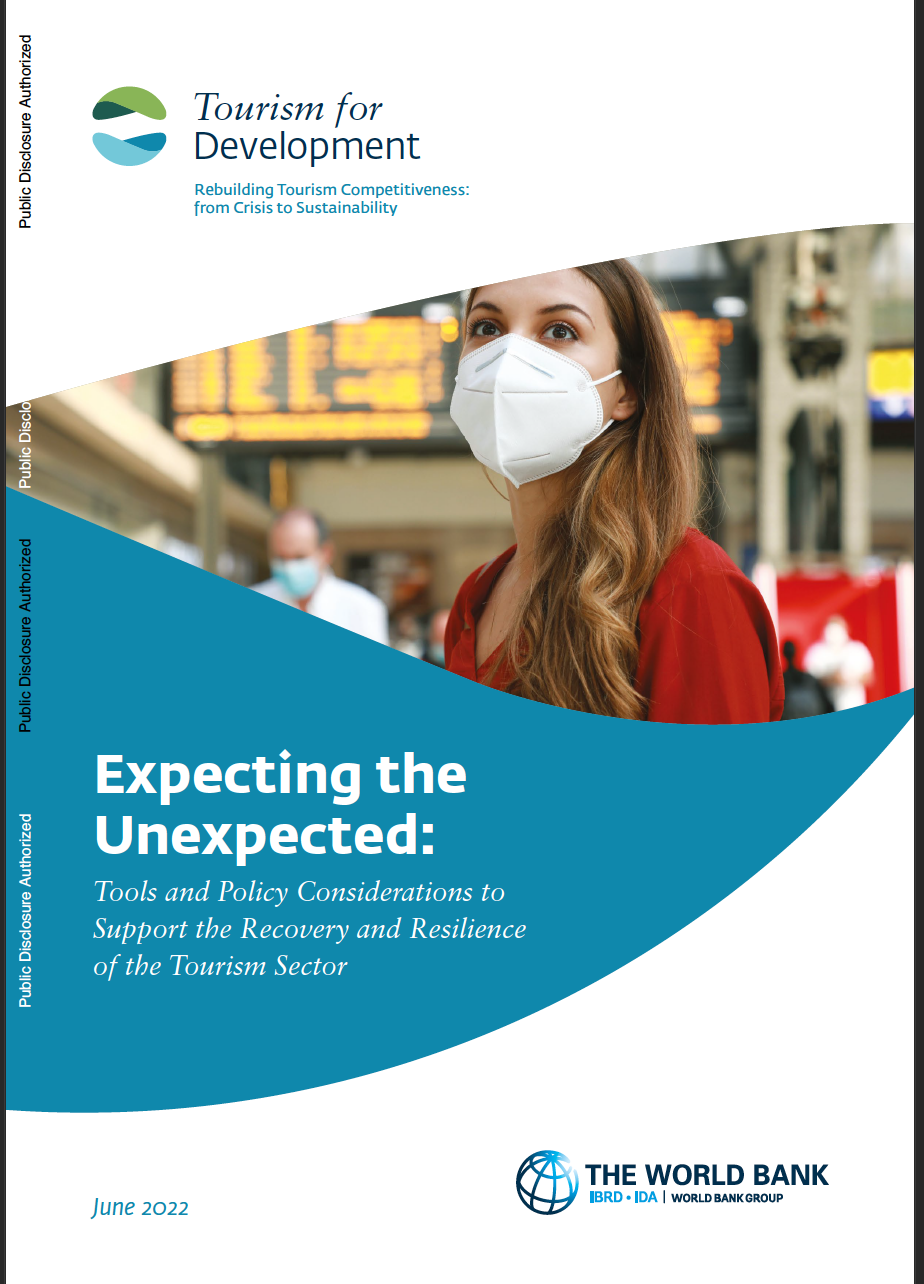
World Bank releases "Expecting the unexpected: Tools and policy considerations to support the recovery and resilience of the tourism sector" |
|
COVID-19 and the sudden demand-side contractions in travel and tourism activities during 2020–2021 precipitated unprecedented shocks to the global tourism economy resulting in broader macroeconomic implications, particularly for highly tourism-dependent countries.
This report provides insights on the types of interventions governments have implemented and policy considerations for supporting the recovery and resilience of the tourism sector going forward. An updated version of the GWP’s NBT tools and resources guide will be launched in December 2022 through a webinar ( details below).
|
|
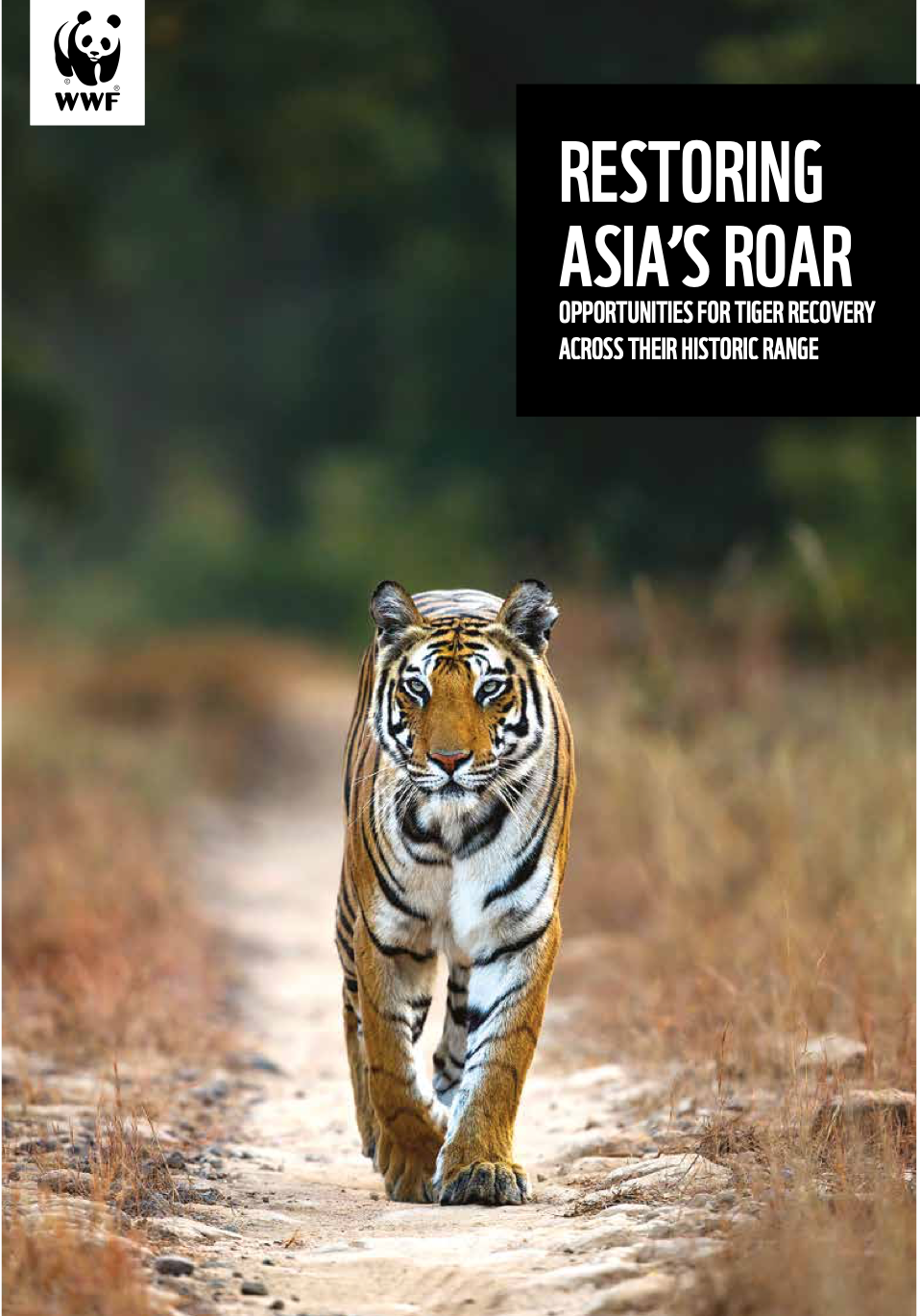
Restoring Asia's Roar: Opportunities for tiger recovery across their historic range |
|
This report demonstrates that the current tiger range, which has shrunk by 95% over the past 100 years, has the potential to increase by an additional 1.7 million km2, which is more than double its current size. The range recovery areas identified cover landscapes across 15 countries, including all current tiger range countries and five where tigers are believed to be functionally extinct—Cambodia, Kazakhstan, Lao PDR, Pakistan, and Vietnam. |
|
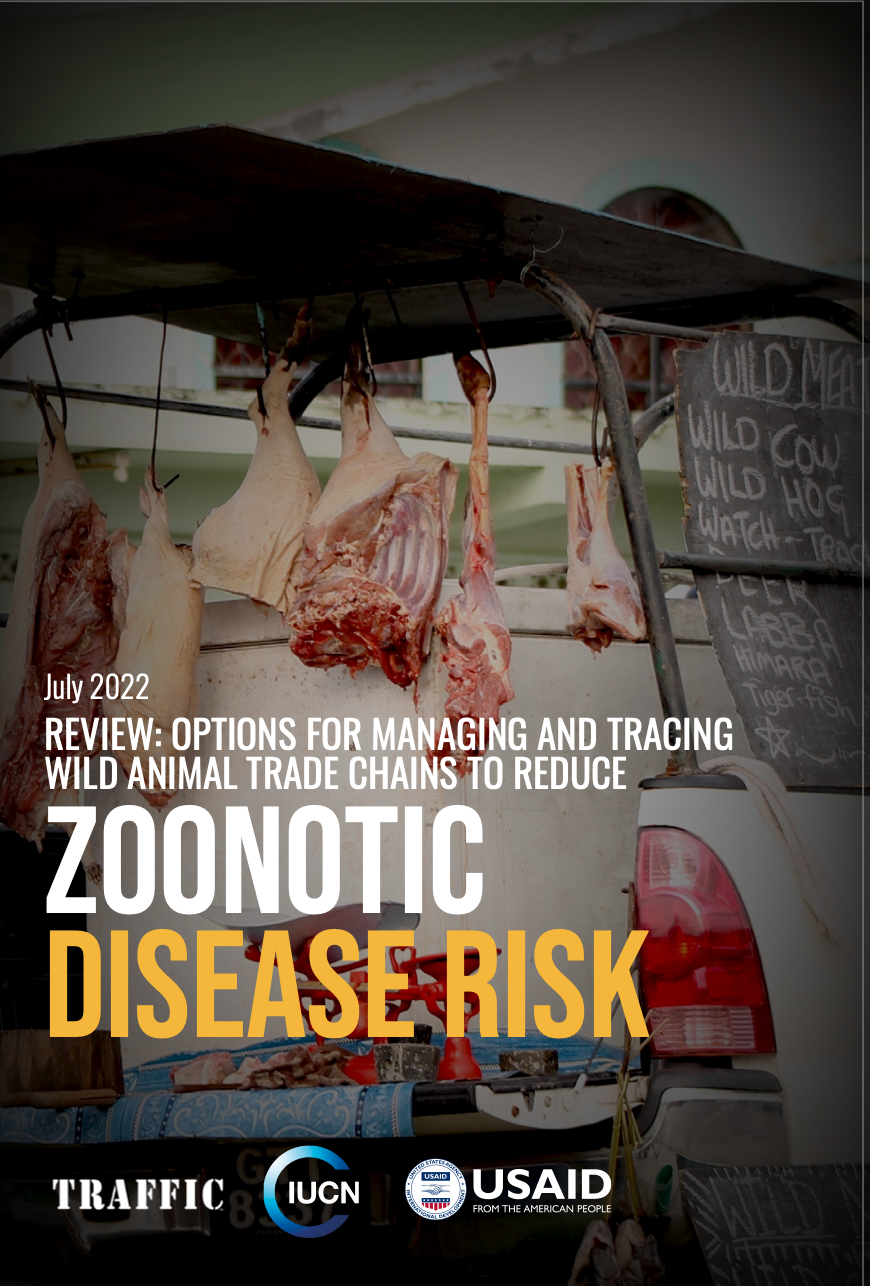
TRAFFIC outlines options for managing wild animal trade chains to reduce zoonotic disease risk
This review assesses how supply chain management and traceability tools could be adapted to wild animal trade chains to reduce zoonotic disease risks and outlines lessons, gaps, and opportunities to improve supply chain management and traceability.
|
|
Launch of Big Cats Big Opportunities YouTube Channel |
|
A new YouTube channel launched by USAID highlights the extensive conservation work of the global community of civil society and international organizations, governments, communities, Indigenous Peoples and the private sector towards big cat conservation. The Big Cats Big Opportunities YouTube Channel will profile livestream events and relevant video content. |
|
Resources for the Resilient Recovery of Nature-Based Tourism
Nature-based tourism destinations face new opportunities and challenges in their recovery from COVID-19. Join this webinar to learn about new resources and innovations for pandemic recovery in the second edition of the GWP’s Tools and Resources for NBT Report.
Tuesday, December 13, 2022 I 8:00 AM EST, 14:00 CET
|
|
(After registering, you will receive a confirmation email containing information about joining the meeting.) |
|
- October: Public participation in corridors and connectivity (recording)
- August: The Inside Out of Wildlife Crime Linked to the Internet (recording / presentations)
- July: Sharing Tourism Benefits with Local Communities around Protected Areas (recordings: English / Spanish / presentation)
Other past webinars can be found here.
To receive regular updates about virtual events email:
|
|
Follow the GWP on Twitter via @WBG_Environment |
|
Subscribe to the GWP Newsletter here
GWP Program Video (updated May 2022):
|
|
This newsletter is published by the GWP Coordination Team
We welcome your submissions of news, events, and publications at
|
|
|
|
|
|
|