Fall 2024

What to do, and what NOT to do!


Landscape design, consultation, and plant shopping

services for homeowners

LOW MAINTENANCE

SUSTAINABLE

ENVIRONMENTALLY RESPONSIBLE


"Autumn is a second spring when every leaf is a flower."

~ Albert Camus


"As long as one has a garden one has a future;

and as long as one has a future one is alive."

~ Frances Hodgson Burnett in her book "In the Garden"


DID YOU FORGET TO PLANT BULBS?

THERE'S STILL TIME!


1 Hour Bulb Consultation - $125

Want to help pollinators and have another season of color, but don't know where to start? I'll provide a list of recommended bulbs by area, with numbers and sources to buy, and instructions for planting. You can usually plant until early December, so don't cross this off your to-to list just yet.


WANT MORE DETAILS ON AN ENLIGHTENED (AND LIGHTER) FALL CLEANUP?


2 Hour Fall Garden Maintenance Consultation - $250

Get all your fall maintenance questions answered, plus ideas for fall and/or spring planting. (You'll be surprised at how much you don't need to do to have a healthy, beautiful landscape.)

Visit the Garden Mentor website

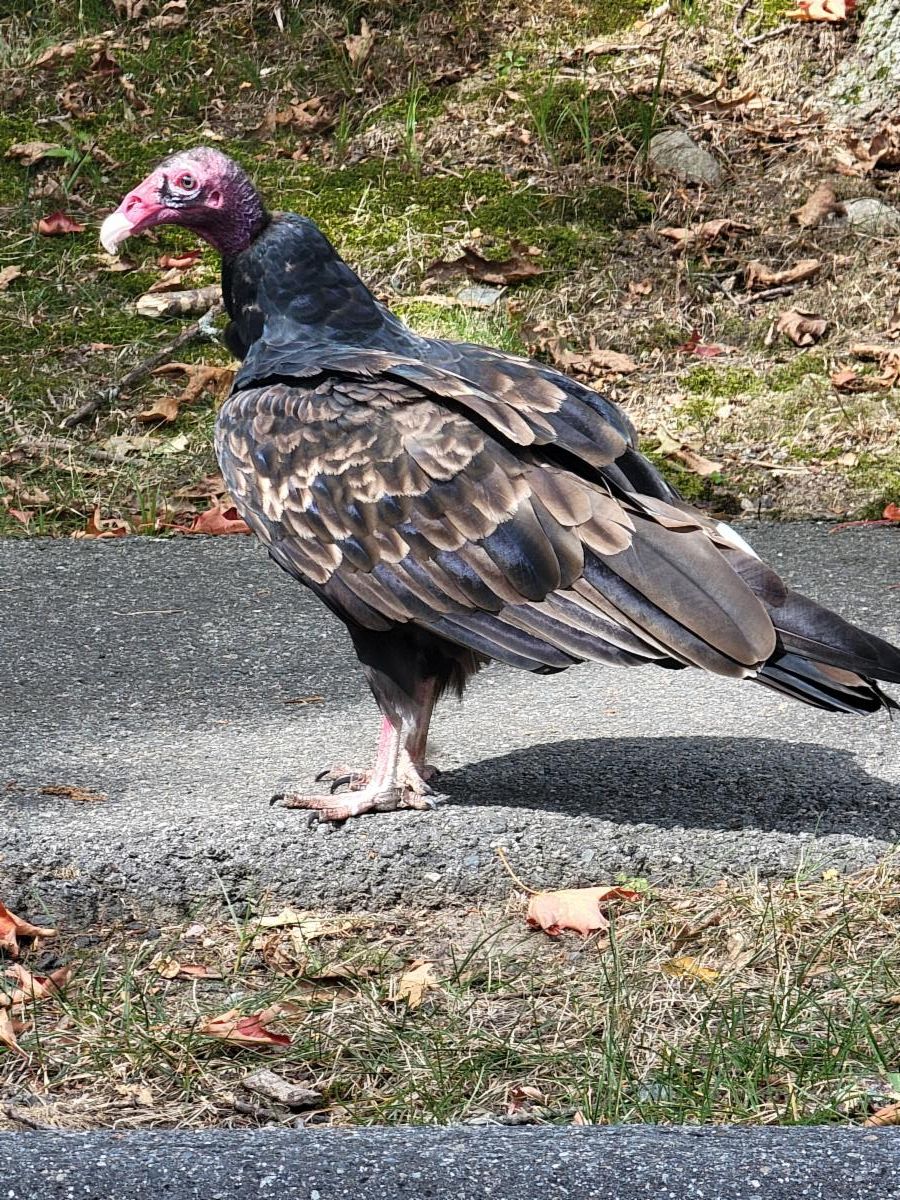
YIKES! I SAW THIS VULTURE HANGING OUT ON THE SIDEWALK ON LINDBERGH AVENUE


There was a dead squirrel in the road - clean up crew. Needless to say, I didn't wait to see it happen.

Crocus March 15 2022

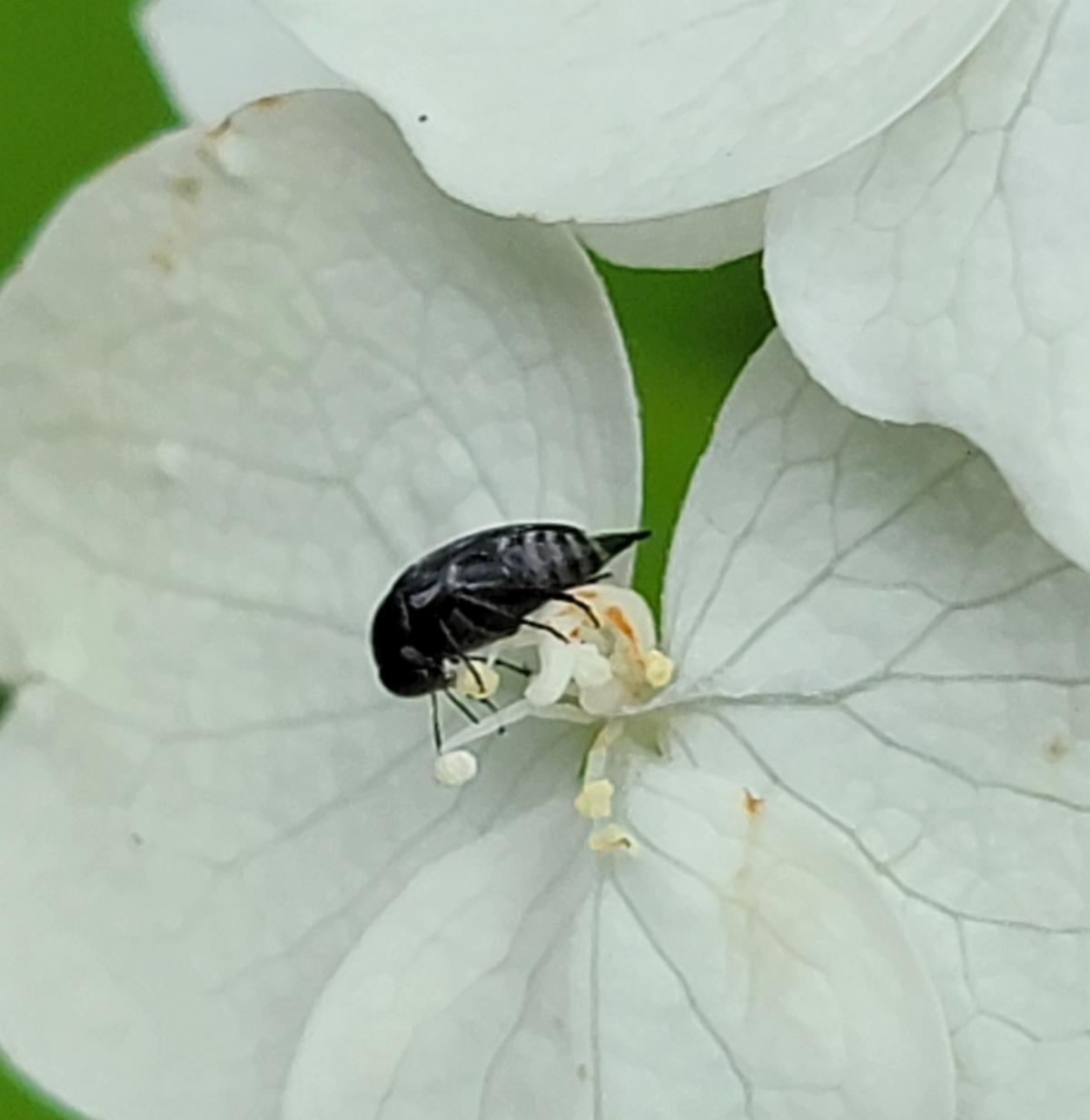
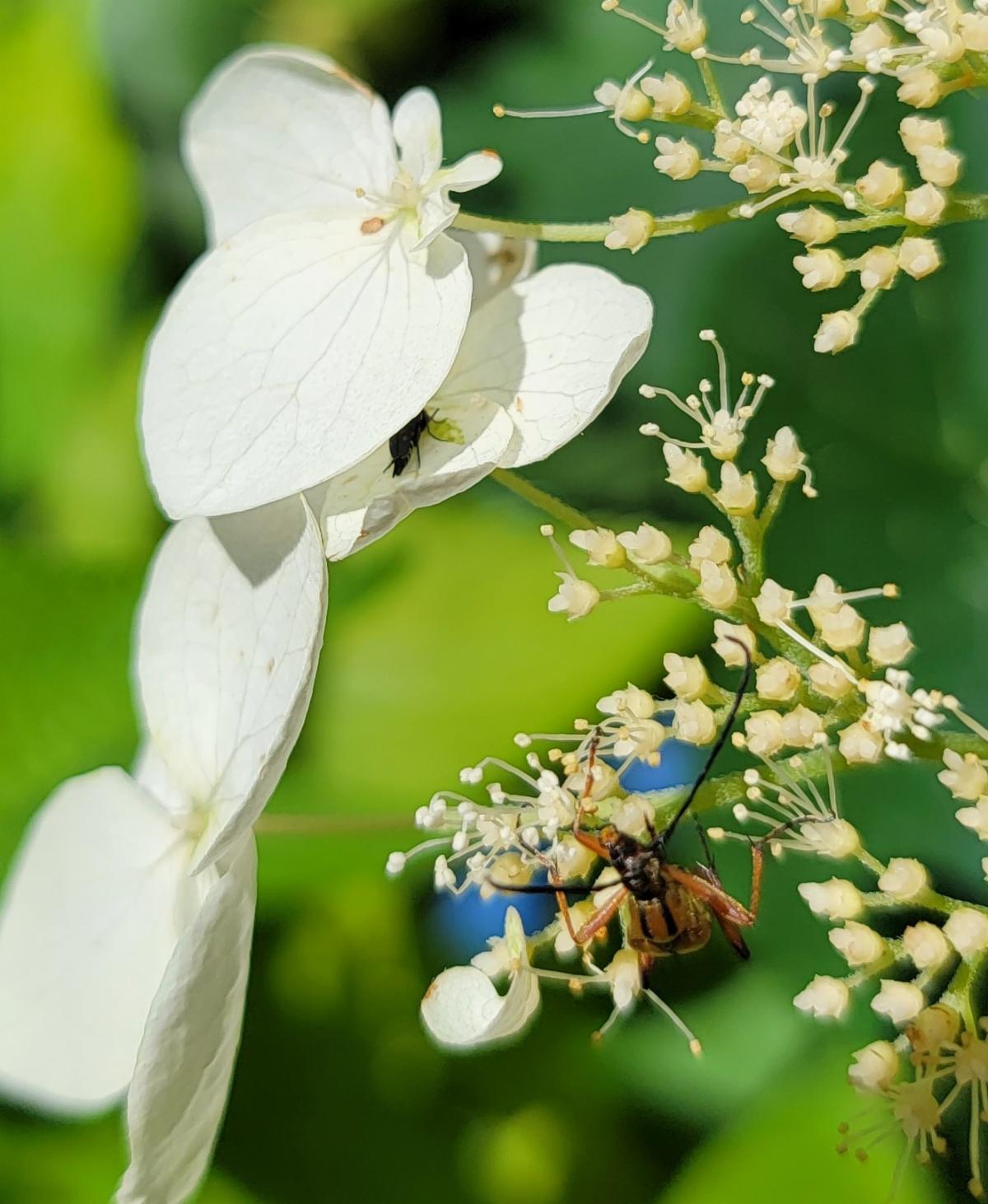
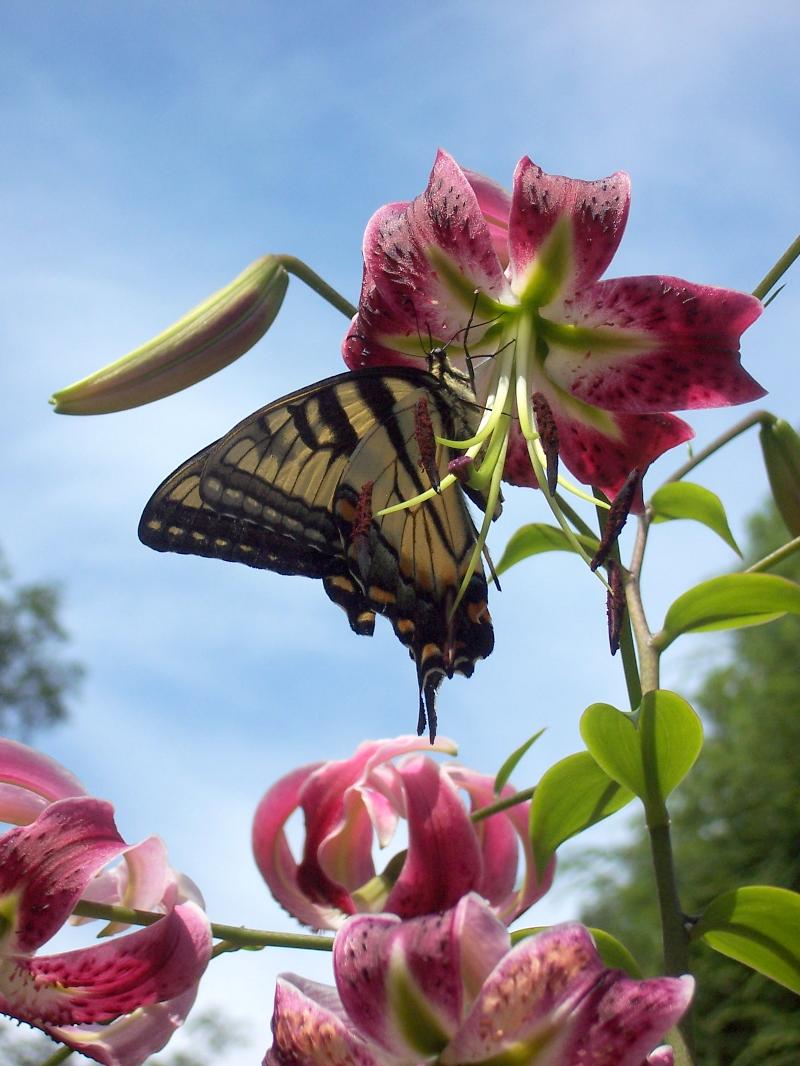
MORE POLLINATORS THAT ARE NOT BEES


Top - tumbling flower beetle

Bottom - flower longhorn beetle


Both on native Hydrangea arborescens 'Haas Halo'

tumbling flower beetle
flower longhorn beetle

FUN, HELPFUL AND JUST PLAIN INTERESTING LINKS


A GREAT watering tool!


Insects Need Our Help. How to Support Insects at Home


Feeding Birds: An Eco-gardener's Approach


Outwitting the Critters with Aromatic Plants


Boston Globe's next 'Ask the gardener' columnist is Uli Lorimer from Native Plant Trust. Here's his first column.


BIRDS WOULD LIKE YOU TO LEAVE YOUR PERENNIAL STALKS AND SEEDHEADS UP


Goldfinches LOVE to eat the seedheads of the agastache 'Golden Jubilee' in my perennial beds!


"One of our most vegetarian songbird species, the American goldfinch (Spinus tristis) is particularly fond of plants in the aster family like sunflower, coneflower, and thistle, but will also visit other plants that produce copious seed, like warm season grasses and evening primrose. Goldfinches don't start nesting until mid/ late summer because, unlike most songbirds, their nestlings are fed primarily a diet of regurgitated seeds, not insects, and seeds are less abundant in spring. Don't forget that planting native wildflowers is not the only way to feed seed-eaters; woody plants like birch, alder, and elm are also prolific producers of tiny, dry seeds that finches will gobble up as well."

(Courtesy of Grow Native Massachusetts newsletter)

DEHYDRATED, THIRSTY AND DYING TREES


This summer we had a month (September 16 was the 27th consecutive dry day) without a drop of rain, and in that month there were some very hot days. Trees suffered, both newly-planted and old, established specimens. I consider my trees the MOST important part of my landscape. I always water them in a drought. It is not so costly to replace a dead perennial or bush - but a dead mature tree is another matter. And it cannot be replaced at its current size in your lifetime. (I like to call them "veteran trees" for their many years of service.)


If you did not water them during the dry spell, your trees must get some extra attention before winter sets in! Lengthy, deep waterings (use a sprinkler) are a priority. And remember, tree roots extend as far as, or further than, the leaf canopy of the tree - so dumping a bucket of water at the trunk is not useful. Water an inch a week unless we get an inch of rain. You can measure rainfall (or water from a sprinkler) by inserting an empty tuna can level with the ground. Be sure it is in an open area and not under trees or structures that might deflect rainfall. When the can is full, we got an inch!

TAKE ONE OF MY GARDENING CLASSES!


My Needham Community Education classes for fall and winter are now available for online signup. All classes start at 7 pm in Needham, just click on the class for info and to register:


'Low-Maintenance Gardening: Fall Workshop' (Wed. 10/16, Wed. 10/23)


''Stop the Mulch-scaping and Start Landscaping' (Wed. 12/13)


I'd love to see you at one or more of these in-person gardening classes!


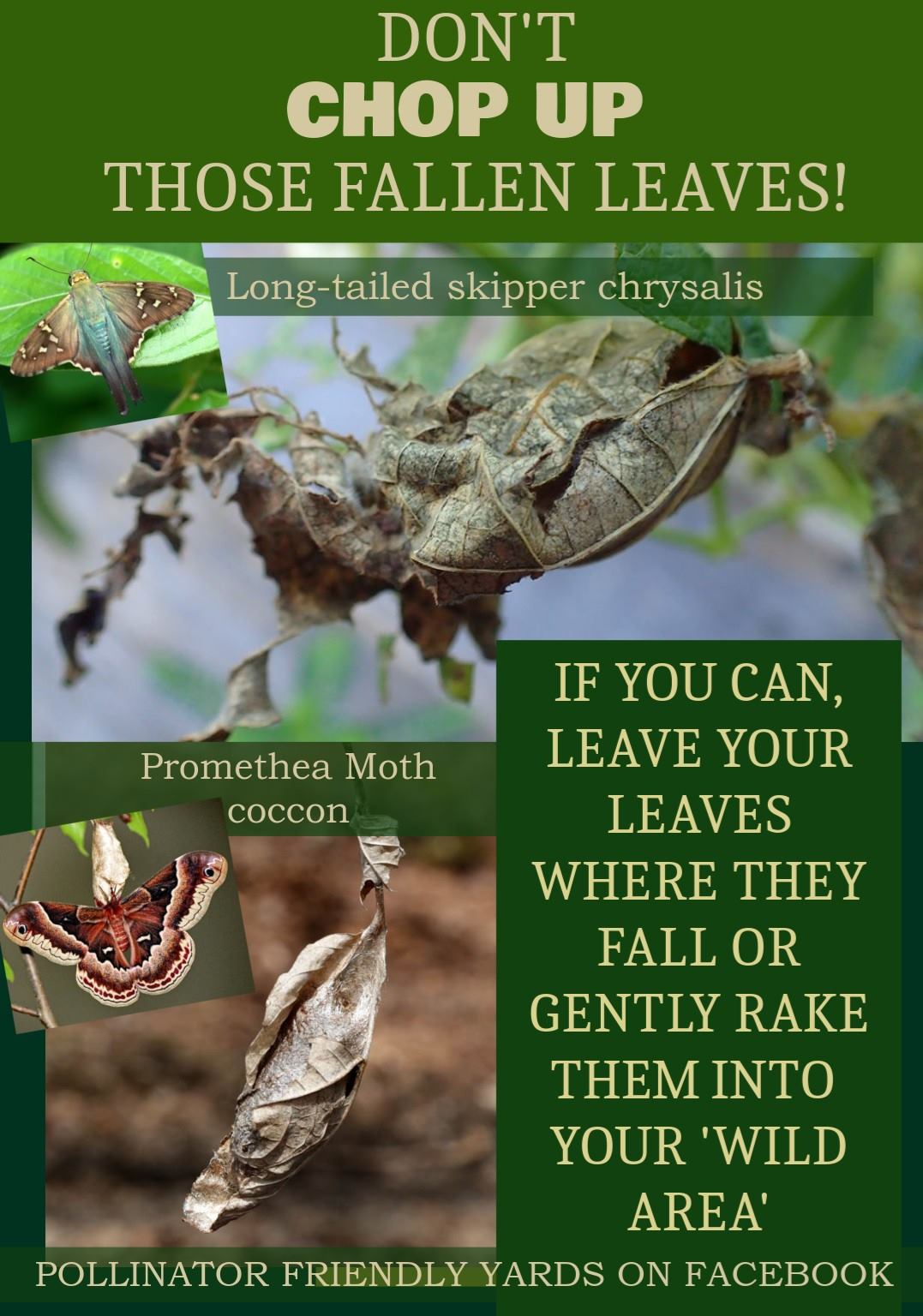
ANSWERING YOUR QUESTIONS ABOUT "LEAVING THE LEAVES"


Even I have wondered about some of these, so here goes:


Won't plants be unable to push up through whole leaves or thick layers of leaves?

Many plants, especially woodland natives, have no trouble pushing up through 2-6" of leaves. In my own garden, I generally let them stay in the shrubby and treed areas - no problem. For areas where perennials are growing, I wait until I see a bumblebee in my yard in early spring, then hand remove those if they seem to be impeding any plants. Many of the leaves in perennial areas, if they are even slightly sloped, will blow or wash away over the winter anyway.


How will rainfall get into the soil if it is covered with leaves?

Leaves slow down water from extreme rain events and allow it to percolate into the soil. The leaf layer of an oak forest can hold all the water of a 2" downpour! (Our rain events are usually 1" or less.) And a study in Maryland found that by leaving leaves on landscapes, soils held on average 32% more carbon.


Of course, you can't let leaves accumulate on your lawn ((it will smother grass), clog sewers, or leave a slippery layer on paths where you walk. But there are LOTS of places they can stay and do their pollinator protection and soil enrichment thing


P.S. You'll also save money. At a local garden center, I saw bags of "leaf mulch" a/k/a chopped leaves, being sold for $12.99 for a small bag.


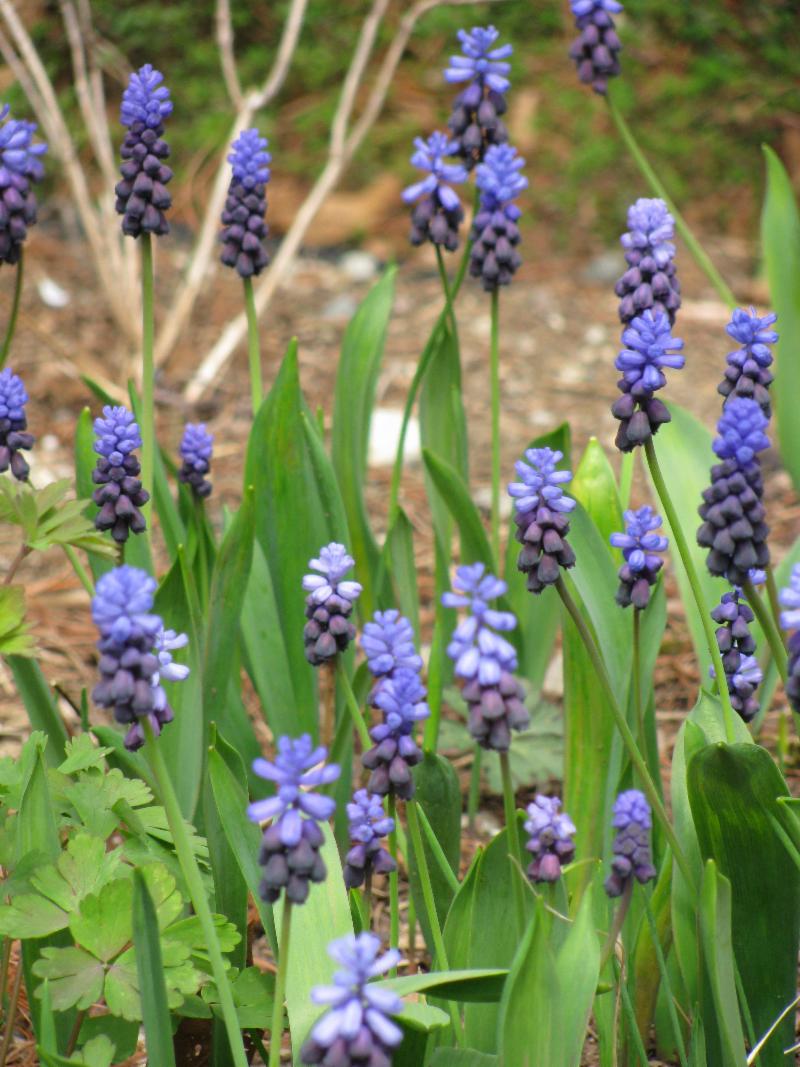
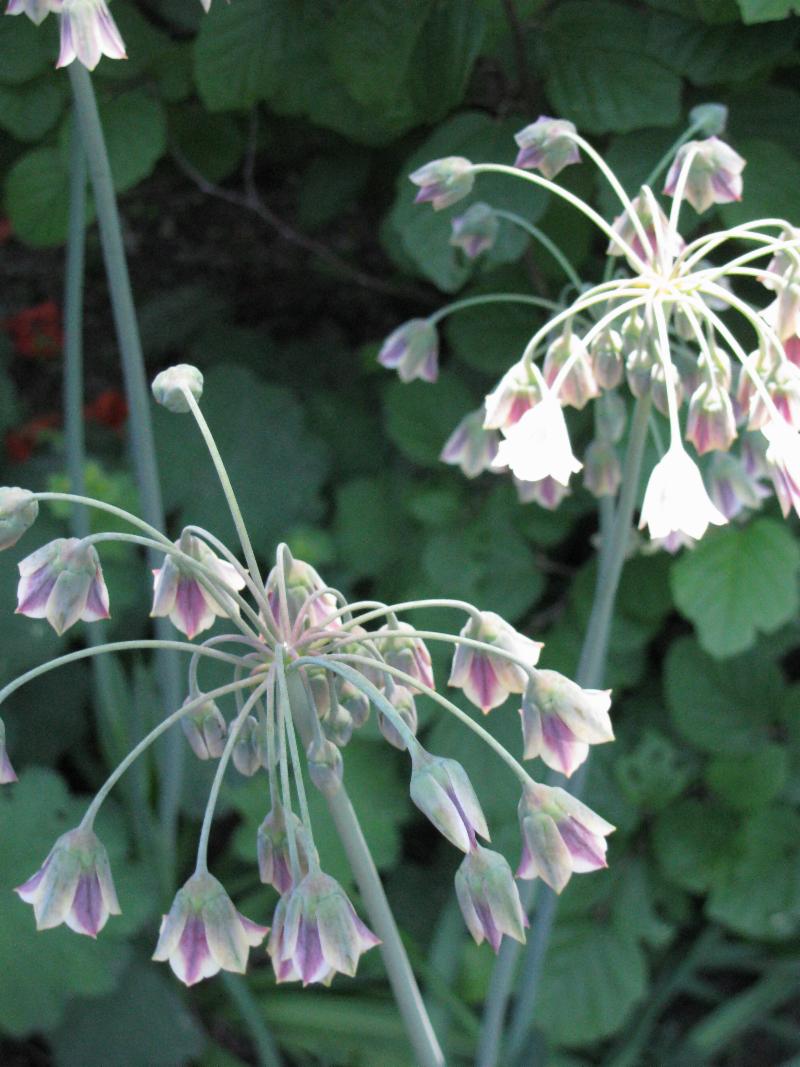
TWO BULBS RABBITS WON'T BOTHER!

(in my experience, that is. When it comes to rabbits, never say never!)


Top - Muscari latifolium April-May


Bottom - Allium siculum bulgaricum May-June


I hope this newsletter has made you a more well-informed gardener, or perhaps even made you decide to start gardening. If you're a hands-off type who just likes to enjoy the garden, some of the design ideas may appeal to you. If you have specific concerns about your landscape or need more than a few tips, why not make an appointment to meet with me for a consultation? I can give your entire landscape the benefit of my experience and prepare an individualized list of suggestions for improvements. Initial consultations are two hours long and only $250. If you are an existing client, followup consultations can be from an hour long to whatever you require at the hourly rate of $100. 

Let me show you how to make your landscape more beautiful and less work!


Garden Mentor

Joanne Neale, Owner/Designer


CONTACT JOANNE (text or email is best!)

781.444.3553 / 617.823.9494 (mobile)  

jmneale@gmail.com

https://gardenmentor.net


Serving Boston and the Metrowest area


“An addiction to gardening is not all bad when you consider

all the other choices in life.” Cora Lee Bell


Linkedin