GARDENING WITH MARK AND BEN

March, 2025

INTERIOR WORLDS


Back in November, we pledged that we would commit to living our lives outdoors this winter, inspired by the near-arctic “Winter Cycling Capital of the World” Oulu, Finland. While this exceptionally “wintery” winter has challenged Ben’s commitment to biking, and his city’s commitment to bike lane maintenance, we have indeed been racking up our time outdoors.

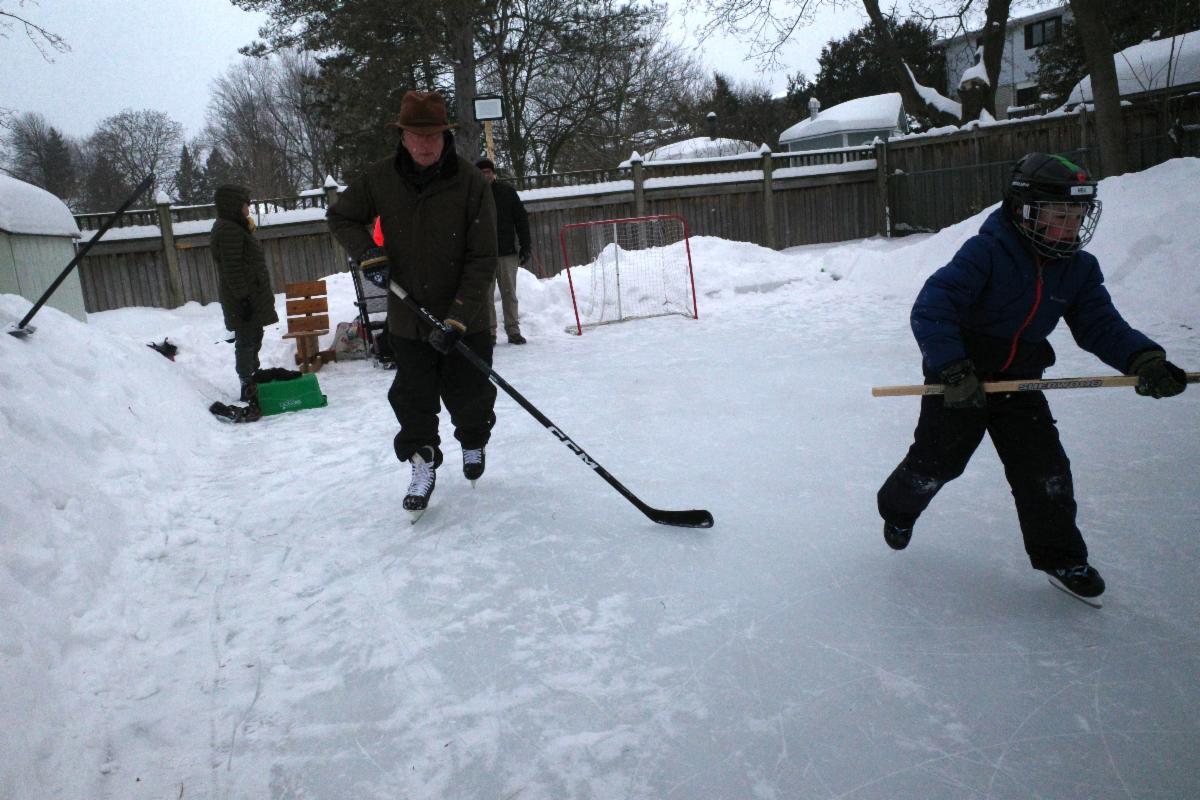
In the park behind Ben’s house and in a backyard two doors down from Mark, outdoor rinks have seen much use as kids and grandkids find their “skating feet”.


This past weekend, Ben took son Peter out onto Guelph Lake for a first-ever ice fishing experience. An invite from a friend read:

“Good times guaranteed, fish are not”. Indeed, good times were had but not any fish. 

Therefore, our self-assessed score for outdoor living this winter hovers around a B/B+, at least until the bike lanes clear or when Ben kicks off his maple-sugaring project next week. Not bad.


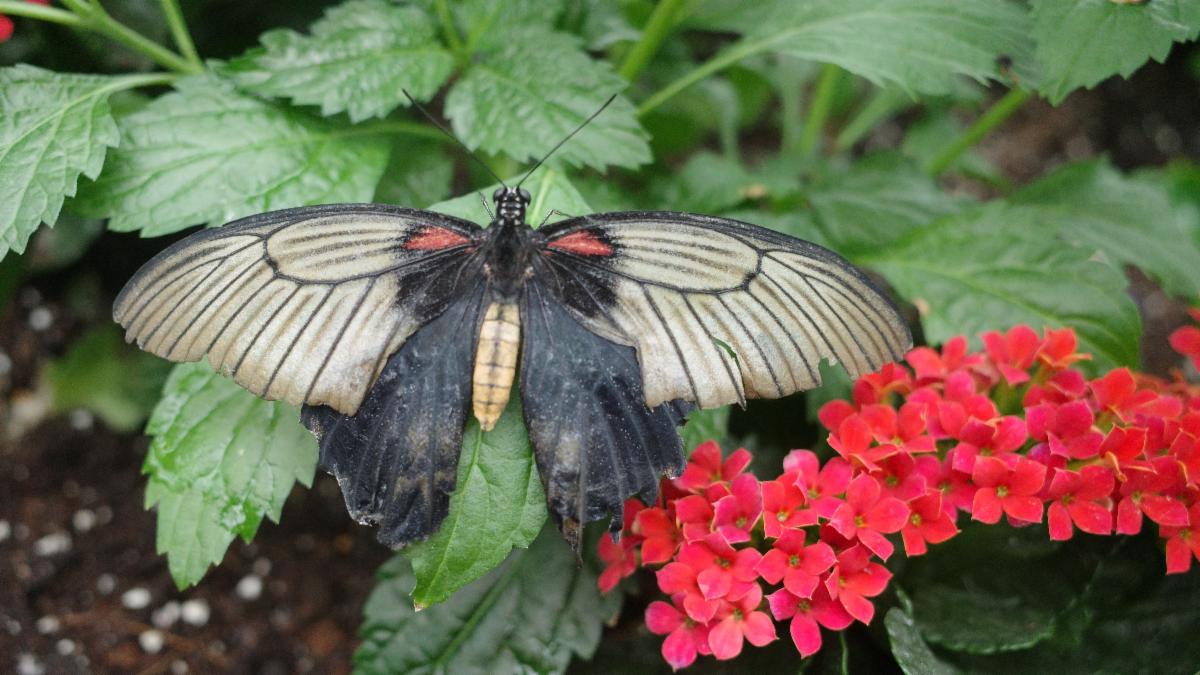
The “Great Indoors” have otherwise been the primary backdrop of our lives. Fortunately, we found ourselves at the Niagara Parks Butterfly Conservatory on a recent family trip with about half the total children/grandchildren. Butterflies like confetti until they stop to perch on a nearby flower, or on your head, is truly a charming experience for a February day.  The humid air of a lush greenhouse also delivers that infusion of fresh oxygen we so crave at this time of year. 

Ben and wife Sam took a second helping down Niagara Parkway at the Niagara Parks Floral Pavilion, which further validated that if there is a public greenhouse within a day’s drive of you, now is the time to visit. People often ask what happened to the Cullen Gardens miniatures, and you can find a small collection of them behind the Floral Pavilion. A nice throwback.


At home, the great indoors have given us ample time to catch up on reading. Since taking an indefinite leave from social media back in December, Ben has for the first time in years been getting through the books much faster than they accumulate. One of his favourites from February was North Woods by Daniel Mason.

This is a historical fiction that covers various inhabitants of a single homestead in New England over roughly three centuries. While there are perspectives from settlers, artists, soldiers, industrialists, naturalists, and even ghosts who occupy one place over time, the overarching story is about how natural history precedes us and continues after us in a way that is more compelling than any human drama. Highly recommend!


As we transition from this wintery winter toward whispers of spring, we will continue enjoying this great natural wonder and the seasons as they come.


Mark and Ben Cullen

Merchants of beauty and beans.

www.markcullen.com

www.cullensfoods.com

www.foodandsheltergoods.com

www.treesforlife.ca

THINGS TO DO THIS MONTH

Buy garden seeds or look in your area to find out about Seedy Saturdays and Seed Exchanges, which are a great way to find heritage varieties and meet local growers. If you're going to buy your seed from a seed company or retailer, it's still early enough to get a broad selection.


- Before the end of the month, you can begin sowing your cooler season crops such as onion, leeks, broccoli, cauliflower and kale which are okay to transplant up to a month before last frost. It helps to protect them with a row cover, but starting seeds in March is a good opportunity to lengthen your growing season.


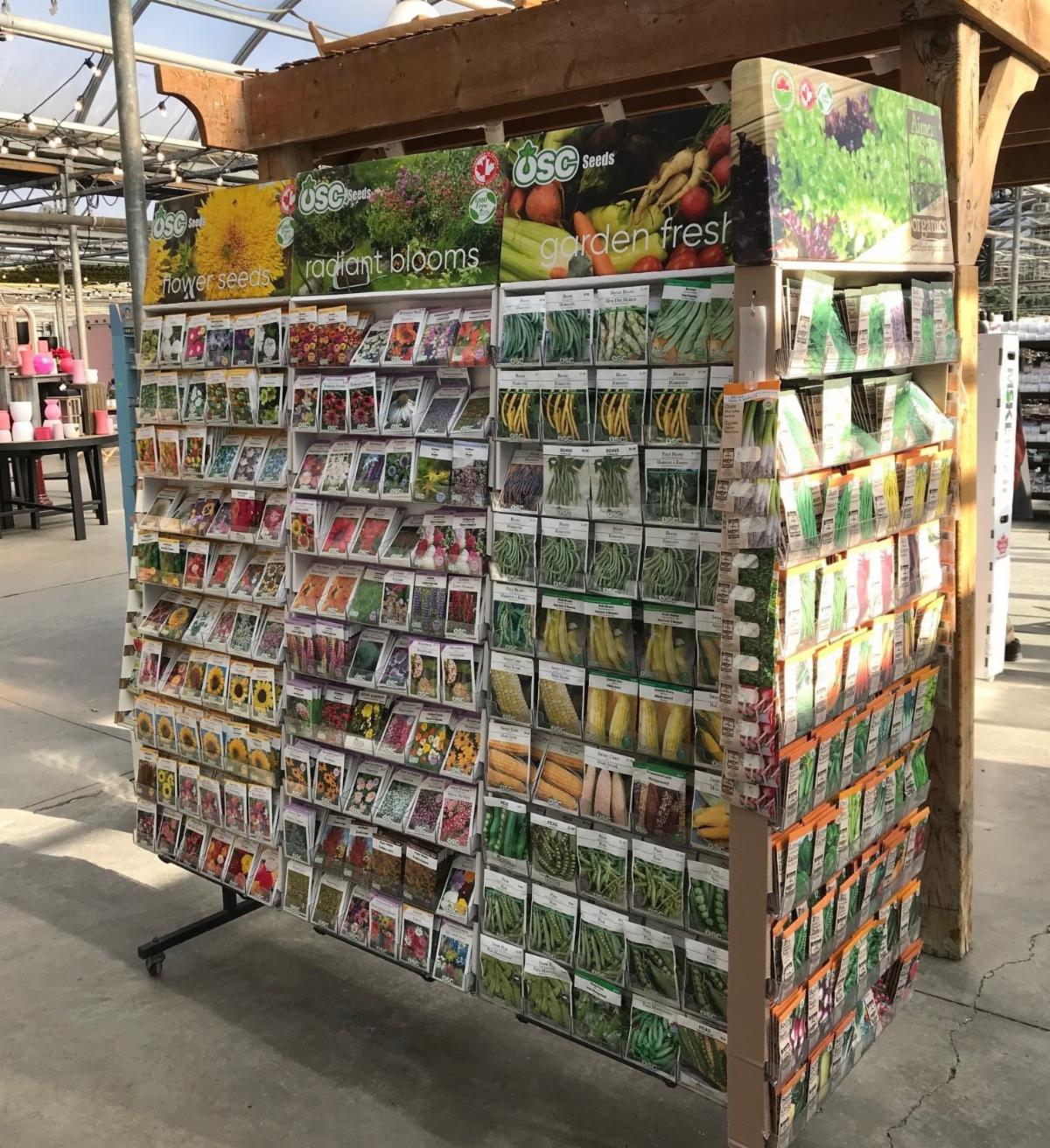
- March is the month to get sowing. Get a head start: plant your vegetable seeds and slow-germinating flowers seeds indoors now. Seed orders are arriving in the mail and the seed racks at the garden centres are filled with a great selection. Don't forget about the seeds you collected from your garden last year.- It's time to prune apple trees, thinning out old, thick branches and dead wood to open up the tree for spring.


- If there's still snow where you are, take the opportunity to knock snow and ice off your shrubs, evergreens and trees to prevent broken limbs.


- Purchase tuberous begonias, dahlia and canna lily bulbs and start them indoors. The begonias will root best in a seeding tray full of damp peat moss on the top of your fridge, where the low ambient heat that comes up the back of it will kick-start your begonia tubers into putting down roots. The canna lily bulbs are best started directly in one-gallon pots in a sunny window. Start your dahlia bulbs inside using 1-gallon pots and a quality potting mix, which will give you a jump on their blooming season.


- Branches of spring-flowering trees and shrubs can be cut and forced into bloom indoors. Wait for the flower buds to begin swelling and then harvest the branches with a pair of sharp pruners. Choose branches at random from all parts of the plant to maintain the natural shape. As soon as the branches are cut they should be placed in water. Treat branches like any cut flower and keep the vase full of clean water. Keep branches away from hot air vents and heat sources to prolong the life of the blooms. A short list of branches that are easy to force indoors includes: Forsythia, Camellia, Redbud, Dogwood, Flowering Cherry, Crabapple, Witch Hazel and Pussy Willow.


- When the snow has melted, cut back the standing perennials in your yard (the ones that we told you last fall to leave alone): monarda, rudbeckia, Shasta daisies and the like. Most of them break off at the base and are easy to clean up, if you have a strong back.

BIRDS IN FOCUS:

March To Do List -

Clean those bird feeders and bird houses

By Jody Allair


This topic is one I get asked about regularly. So to keep up the tradition in the March newsletter, I am once again including my key tips for maintaining a safe environment for birds around your home.


Setting up a bird feeder, bird bath or bird house in and around your property makes life easier for birds and our lives more enjoyable. Birds can become ill, however, from leftover bits of seeds and hulls that have become moldy or from droppings that have accumulated on and around feeders. So now that March has arrived and temperatures are starting to creep up, you should make sure to give your feeders, bird baths and houses a good cleaning before our first migrants start to arrive. 

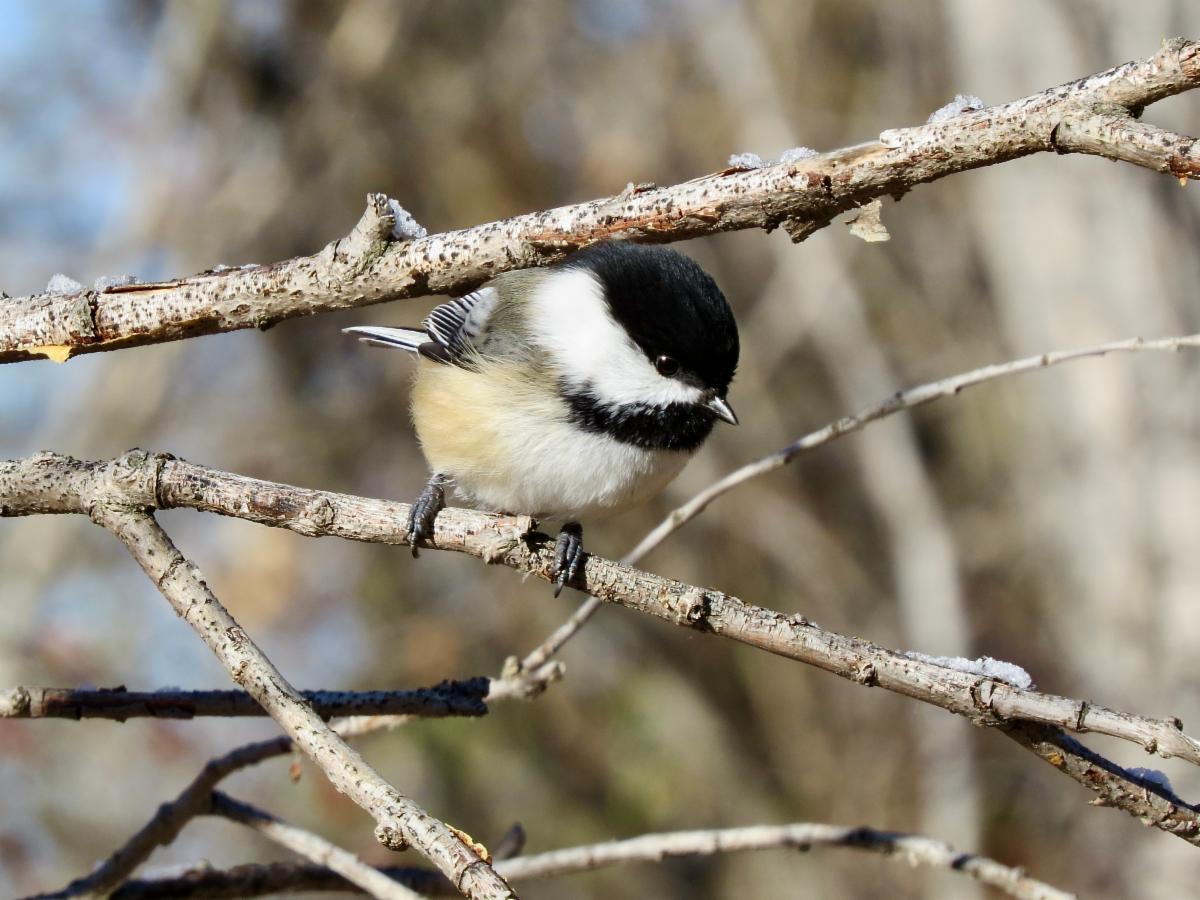
Black-capped chickadee

Photo credit: Jody Allair

Follow these simple steps in order to create a safer environment for your birds:


  • Clean feeders and birdbaths. Every two weeks, scrub and soak feeders with 10% chlorine bleach solution (one part bleach to nine parts water). Rinse feeders thoroughly and allow to completely dry before refilling. Only use feeders that are easy to clean.
  • Clean the ground under feeders. Regularly rake and discard bird food and droppings under feeders as they can become moldy or spoiled.
  • Move your feeders around. Regularly change your feeder placement to limit the concentration of droppings and seed wastes.
  • Temporarily remove feeders. Take down your feeders for two weeks if a sick bird appears at your feeder or if a disease outbreak like Trichomoniasis has been reported close to you.
  • Consider using feeders that do not allow the birds to stand in their food. Droppings are more likely to come into contact with food on open trays and platform feeders.
  • Always discard any seed that has become wet. Harmful molds can grow on wet seeds.
  • As for cleaning out your bird houses, just remove any leftover nest material from the nest box and discard. Always a good idea to wear a mask and gloves for this task. If the nest box is quite dirty (i.e. filled with droppings) then use the cleaning solution listed above AND make sure you rinse and dry thoroughly before putting it back up.


And as always, please keep your cats from roaming outside and consider treating any windows that have had bird strikes with either a Feather Friendly product or build your own Acopian Bird Savers.


Good Birding!


Jody Allair

Director, Communications

Birds Canada

Connect with me on Bluesky and Instagram at: @JodyAllair

TREES FOR LIFE

Volunteer Tree Planting Opportunities


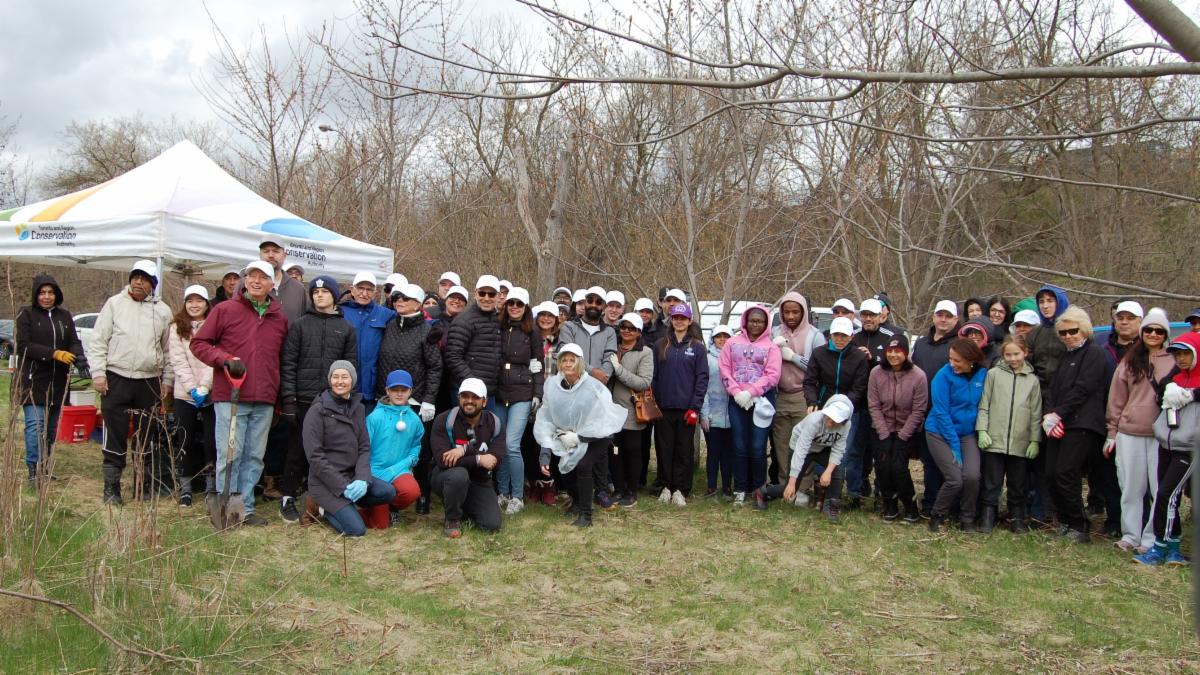
Join Trees for Life at our next community planting event! Sign up here to receive volunteer information so you can join one (or all!) of our tree planting events in 2025. See you there.

Harrowsmith’s Best Spring Harvest Recipes


Nine top recipes featuring grilled chicken, tender asparagus spears, delicate fiddleheads, luscious eggs & a raspberry chocolate cake.

https://www.harrowsmithmag.com/49903/harrowsmiths-spring-recipe-collection

For more seasonal recipes, as well as Mark and Ben's regular gardening column, pick up a copy of Harrowsmith's Spring issue, available on newsstands now. Better yet, as a subscriber to this newsletter, you can get a one year subscription to Harrowsmith for a special price of $29.95. 

Click here to learn more.

Facebook