GARDENING WITH MARK AND BEN

March, 2026

Pre-Party


March is the pre-party. The snow hasn’t quite said goodbye, the garden beds are still resting, and yet — if you look closely — the light has changed. The days are stretching. The sun feels warmer on your face. And for gardeners, that’s all the invitation we need.

This is the season of indoor gardening.

A tray of seedlings on a sunny windowsill is more than just a head start on tomatoes — it’s a reminder that spring is on its way. Whether you're growing microgreens on the kitchen counter, herbs under lights, or starting your favourite annuals from seed, you’re participating in the determined optimism that defines gardeners everywhere.

If you’ve never tried starting seeds indoors, begin simply. A few pots, a quality seed-starting mix, and reliable light are all you need. Keep the soil consistently moist (not wet), give seedlings plenty of brightness, and turn trays regularly so young plants grow straight and strong. It doesn’t have to be perfect — plants are forgiving.

March is also a perfect time to refresh your houseplants. Give them a gentle shower to remove winter dust, trim away tired growth, and start feeding lightly as they wake up with the lengthening days. You’ll be amazed how they respond.

If you’re really itching to get out of the house and, like us, you’ve had your fill of winter sports – now is a great time to check out any number of Seedy Saturday events happening across the country (https://seeds.ca/events/). You might also be lucky enough to live within distance of a public greenhouse or botanical garden. 

Royal Botanical Garden is currently featuring Bloomland in Oz, where floral design and lush greenery will take you on a journay through The Wonderful Wizard of Oz. Mark recently attended with friends Tony DiGiovanni and Frankie “Flowers” Ferragine- worth the drive to Burlington!

Tickets at https://www.rbg.ca/things-to-do/by-season/special-events/winter-exhibit/

And let’s not forget the joy factor. Indoor gardening connects us to the rhythm of the seasons even when we’re still wearing boots outdoors. It brings green into our homes when we crave it most. It reminds us that growth is always happening — even when we can’t yet see it in the landscape.


Before long, we’ll be back outside preparing beds and dreaming up new designs. But for now, let’s embrace this quieter season. Sow a few seeds. Try something new. Grow a pot of parsley on the windowsill. Let March be the month you garden inside.


Thanks for growing with us —

Keep looking for green beneath the white.

Warmly,

Mark & Ben Cullen

www.markcullen.com

www.foodandsheltergoods.com

www.treesforlife.ca

Monthly gardening wisdom one week early for subscribers.

THINGS TO DO THIS MONTH

Purchase tuberous begonias, dahlia and canna lily bulbs and start them indoors. The begonias will root best in a seeding tray full of damp peat moss on the top of your fridge, where the low ambient heat that comes up the back of it will kick-start your begonia tubers into putting down roots. The canna lily bulbs are best started directly in one-gallon pots in a sunny window.


Branches of spring-flowering trees and shrubs can be cut and forced into bloom indoors. Wait for the flower buds to begin swelling and then harvest the branches with a pair of sharp pruners. Choose branches at random from all parts of the plant to maintain the natural shape. As soon as the branches are cut they should be placed in water. Treat branches like any cut flower and keep the vase full of clean water. Keep branches away from hot air vents and heat sources to prolong the life of the blooms. A short list of branches that are easy to force indoors includes: Forsythia, Camellia, Redbud, Dogwood, Flowering Cherry, Crabapple, Witch Hazel and Pussy Willow.


Buy garden seeds or look in your area to find out about Seedy Saturdays and Seed Exchanges, which are a great way to find heritage varieties and meet local growers. If you're going to buy your seed from a seed company or retailer, it's still early enough to get a broad selection.  


March is the month to get sowing. Get a head start: plant your vegetable seeds and slow-germinating flowers seeds indoors now. Seed orders are arriving in the mail and the seed racks at the garden centres are filled with a great selection. Don't forget about the seeds you collected from your garden last year.


When the snow has melted, cut back the standing perennials in your yard (the ones that we told you last fall to leave alone): monarda, rudbeckia, Shasta daisies and the like. Most of them break off at the base and are easy to clean up, if you have a strong back.


It's time to prune apple trees, thinning out old, thick branches and dead wood to open up the tree for spring. 


Before the end of the month, you can begin starting your cooler season crops such as onion, leeks, broccoli, cauliflower and kale which are okay to transplant up to a month before last frost. It helps to protect them with a row cover. Starting seeds in March is a good opportunity to lengthen your growing season.


BIRDS IN FOCUS:

March To Do List - clean those bird feeders and bird houses

By Jody Allair


This topic is one I get asked about all the time. So to keep up the tradition in the March newsletter, I am once again including my key tips for maintaining a safe environment for birds around your home.


Setting up a bird feeder, bird bath or bird house in and around your property makes life easier for birds and our lives more enjoyable. Birds can become ill, however, from leftover bits of seeds and hulls that have become moldy or from droppings that have accumulated on and around feeders. So now that March has arrived and temperatures are starting to creep up, you should make sure to give your feeders, bird baths and houses a good cleaning before our first migrants start to arrive. 

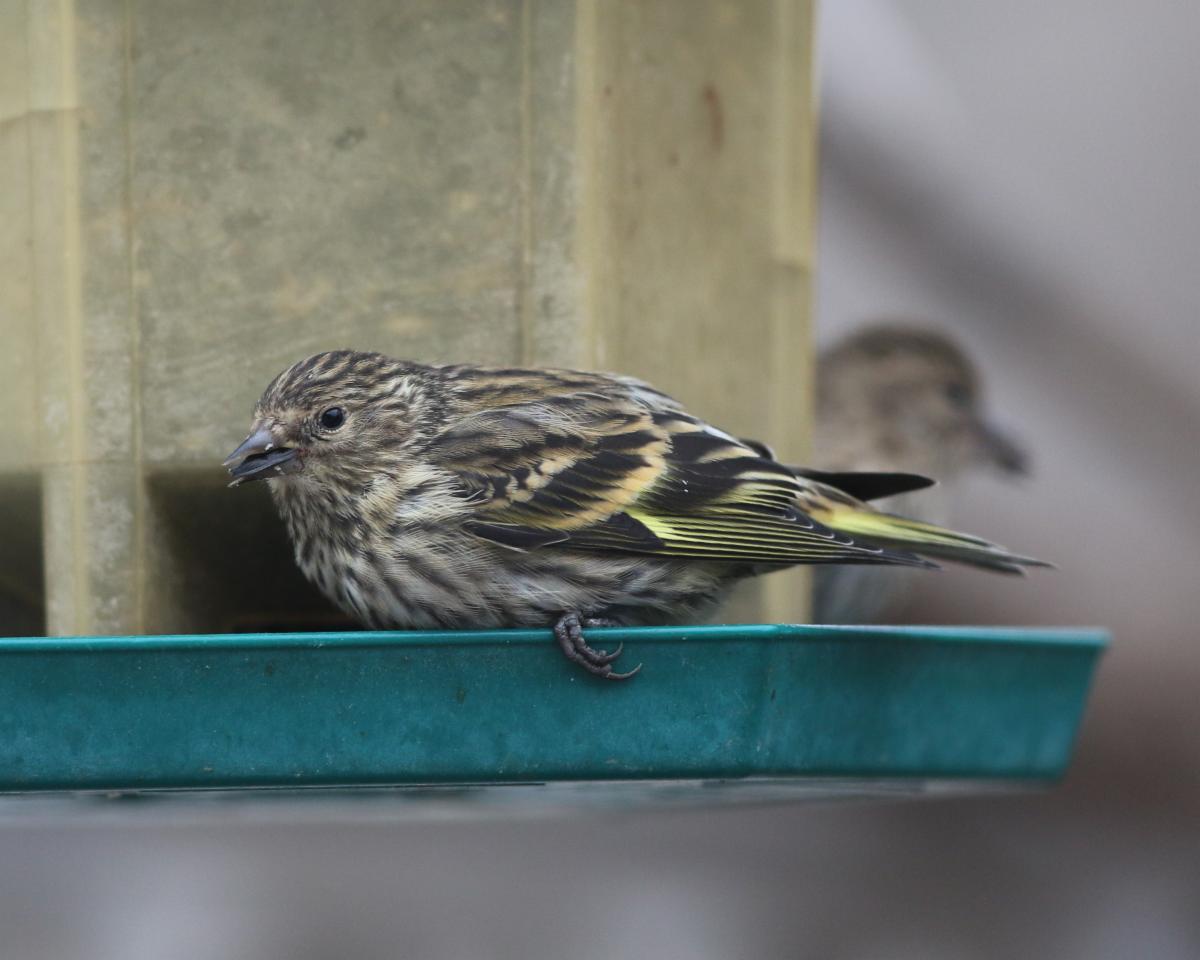
Pine Siskin

Photo Credit: Jim McCabe

Follow these simple steps in order to create a safer environment for your birds:


• Clean feeders and birdbaths. Every two weeks, scrub and soak feeders with 10% chlorine bleach solution (one part bleach to nine parts water). Rinse feeders thoroughly and allow to completely dry before refilling. Only use feeders that are easy to clean.

• Clean the ground under feeders. Regularly rake and discard bird food and droppings under feeders as they can become moldy or spoiled.

• Move your feeders around. Regularly change your feeder placement to limit the concentration of droppings and seed wastes.

• If a sick bird appears at your feeder or if a disease outbreak like Trichomoniasis has been reported close to you. take down your feeders for two weeks or until the outbreak subsides.

• Always discard any seed that has become wet. Harmful molds can grow on wet seeds.

• As for cleaning out your bird houses, just remove any leftover nest material from the nest box and discard. Always a good idea to wear a mask and gloves for this task. If the nest box is quite dirty (i.e. filled with droppings) then use the cleaning solution listed above AND make sure you rinse and dry thoroughly before putting it back up.


And as always, please keep your cats from roaming outside and consider treating any windows that have had bird strikes with either a Feather Friendly product or build your own Acopian Bird Savers.


Good Birding!


Jody Allair

Director, Communications

Birds Canada

Connect with me on Bluesky and Instagram at: @JodyAllair


OFFER FROM FOOD & SHELTER

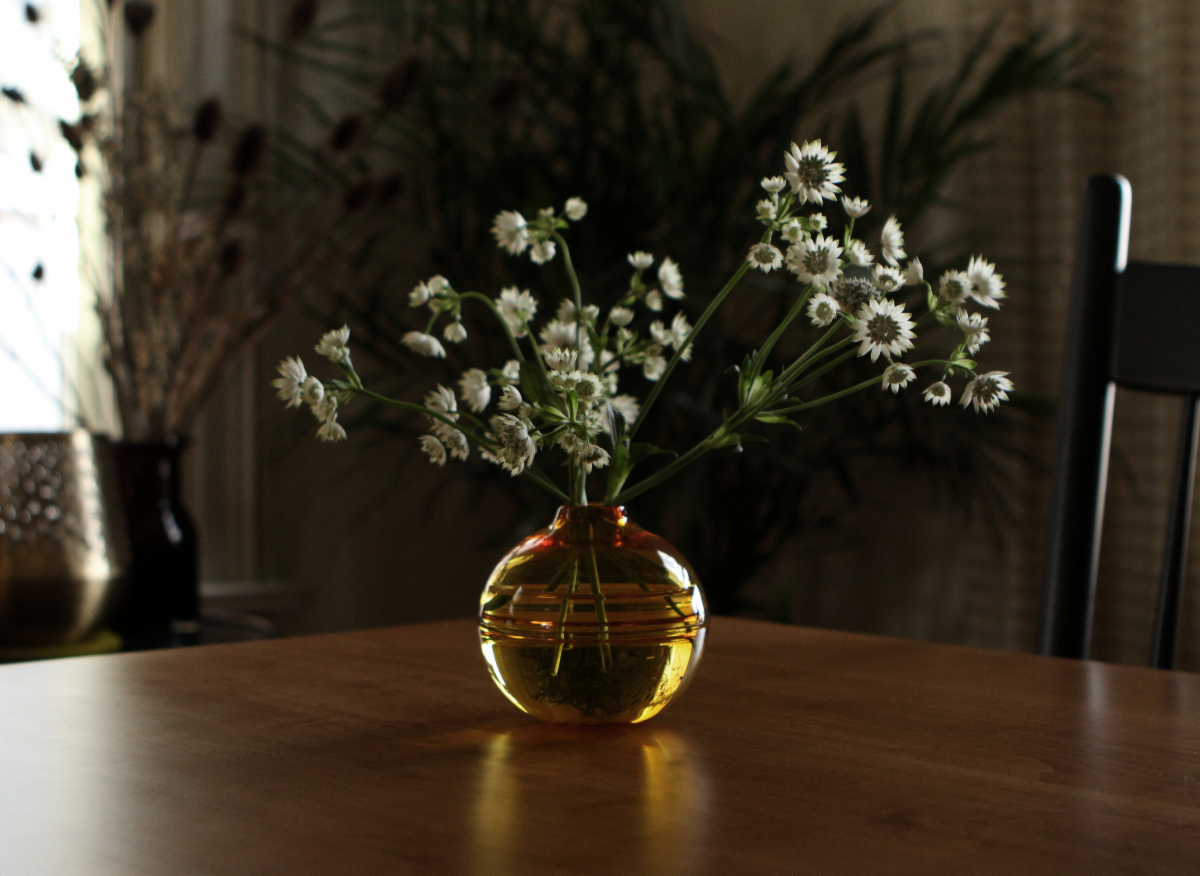
Refresh your home this month with Canadian handmade Glass and Ceramics


25% off the collection


code: marchnewsletter


www.foodandsheltergoods.com/collections/glass-and-ceramic

Harrowsmith's Feature Recipe

Edamame Dip

Edamame are young green soybeans that are harvested while they are immature. This dip is entirely plant-based and gets its creaminess from silken tofu, and it packs an herbaceous punch with both basil and cilantro.

~ As a subscriber to this newsletter, you get a special rate, 1yr subscription to Harrowsmith for $29.95. Click here to learn more.

Facebook