GARDENING WITH MARK AND BEN

November, 2025

Of Pumpkins and Poppies


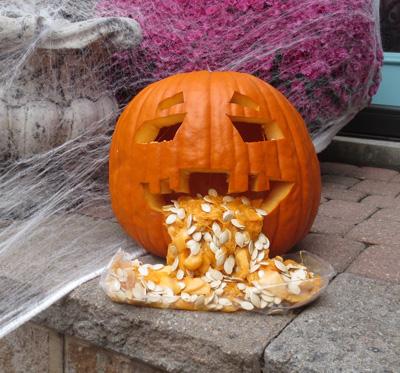
The day this newsletter is sent to your inbox is October 31st.  If you are the parent of young children, chances are you will not read this until after the candy has been given away at the door and picked up in a pillow case at other people's door. 

The pumpkin, however, will still be on the porch. A little worse for wear, lips curling under the loss of moisture with the brief passage of time. Looking scarier than it did on Friday.

What do you do with it?

You may think that a couple of experienced gardeners like us would know a thing or two about growing pumpkins and you would be right. A bit late for that. BUT we also know something about the pumpkin at your place that you may not have considered: it is 92% water.   

The other stuff is 6.5% carbs, 1% protein and .1% fat.

We are not going to wax on about the health benefits of consuming your jack-o-lantern.  Not in our wheelhouse.

BUT we do know that it would be a crime if you did not give your garden or compost the benefit of a rotting pumpkin. It can only come to good.

Place your pumpkin on the ground, or the top of your compost, and chop it into pieces with a shovel. Walk away. Enjoy the game or some knitting. Mother Nature will take over from here, hitting your minced pumpkin with frost and rain. In time, not that much time, it will “melt” into the soil or the compost, adding nutrients and water as gravity pulls its goodness downwards.

If we have managed to convince you that this is a good idea, your next job is to rescue the pumpkins that your naïve neighbours put out for trash or “green garbage” pickup. Place these in your garden or compost.

There is almost no limit to the capacity a small garden has for melted, rotting pumpkins. They do not smell and you just made a small step towards saving the planet.

No diesel-powered trash trucks needed.

Instead, you just retrieved a valuable resource from the landfill.


Of Poppies

After you receive this newsletter, November falls upon us with a message about poppies and the loss our country has experienced through acts of war. Remembrance Day is November 11, of course. We hope that you will take more than a moment to remember the cost of our freedom and democracy through the sacrifice of more than 117,000 Canadians who died defending us. And the more than 2 million Canadians who volunteered for military service during times of war.

That said, there is something that you should know about the poppy, perhaps the most recognized symbol of Remembrance Day.  

When Canadian John McCrae penned the poem In Flanders Fields in 1917 he was exposed to an abundance of Flanders poppies in bloom quite literally “among the crosses, row on row”. 

If you were to visit Flanders in Belgium today, or next spring during poppy time, you see precious few poppies in bloom, other than those cultivated by Belgians.  

So, what happened to the fields of poppies that Lieutenant-Colonel McCrae saw that April? 

Answer: the seeds lie dormant under the soil.

If poppies do not bloom naturally now, why did they bloom during the first world war?

The seeds were generations old, lay dormant under the soil at that time and with the churning of the land through artillery fire and traffic, the disturbance brought them to the surface where they germinated and bloomed, many, it is thought, after generations of dormancy.

The Flanders poppy is a fussy plant. It grows in open soil and requires lots of sun. The plants die with frost, but the seeds persist in the soil until ideal growing conditions come round once more.

We pray that the reason for the next generation of natural Flanders poppy regeneration is for a cause supporting peace.

And now you know.


This November, don’t throw out your pumpkin. Sow a few Flanders poppy seeds this fall or early next spring. The spring time blooms will cause you to slow down a bit in your hurried life and perhaps you will reflect, once again, on the deep and valuable meaning of Remembrance day.


May your garden sleep well late this fall, under a blanket of fallen leaves that you raked off the lawn, onto the soil.  More on THAT below in our list of “things to do in the garden”.


Yours as ever,


Ben and Mark Cullen

www.markcullen.com

www.foodandsheltergoods.com

www.treesforlife.ca

THINGS TO DO THIS MONTH

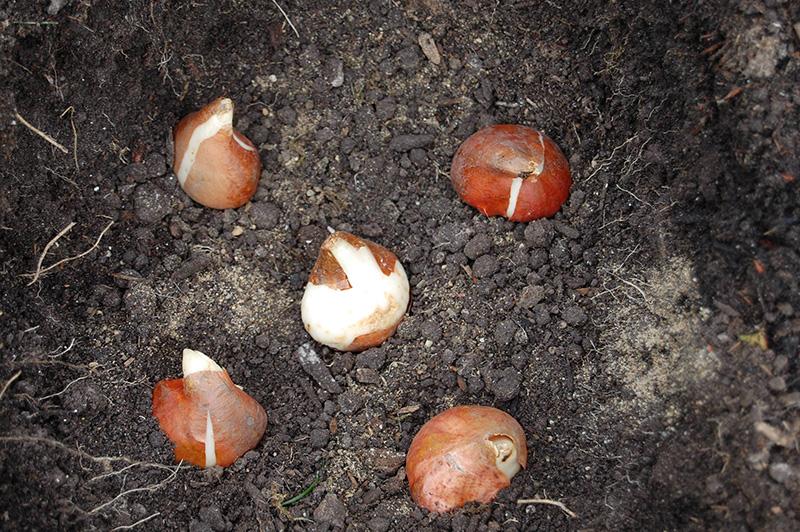
Plant spring flowering bulbs . It is getting late, in most parts of Canada, to plant daffodils and narcissus as they need about 6 weeks free of ground frost to put down roots before winter. Tulips, crocus and hyacinths, on the other hand, are very happy planted in the ground at this time of year. This may be late in the bulb-planting season, but you will get some great deals at your local retailer, who is blowing bulbs out of the store before they get stuck with them over the winter.

Plant a tree. Fall, even late fall, is the perfect time to plant. A newly planted tree may produce some roots this fall and even if it doesn’t it will enjoy the damp late fall rains, and the slow melt of snow come spring. We have much better luck with fall planted trees than spring planted trees. Many garden retailers offer great deals on end-of-season inventory.

Christmas wrap. The first gifts that you should wrap for the Christmas season are your evergreens.  We wrap two layers of burlap around upright evergreens, especially our junipers and cedars (which are very susceptible to salt burn). One layer prevents wind damage, the other snow and ice. The yew hedge gets wrapped with a double layered piece of burlap, supported by 2" x 2" stakes hammered into the ground. This is a gift to yourself.

Lawn mower. We put our gas power mower to bed by cleaning the cutting deck and spraying it with lubricating oil. We empty the gas from the tank as it can go gummy in the carburetor next spring. Start the machine: after removing gas from the tank, let the motor run until it runs out of gas. Remove the connection from the spark plug and wipe the exterior down with an oiled cloth.

Fertilize the lawn. What? With the leaves off the trees and a cold bite in the air, this is not what you will feel like doing. We don't always feel like walking the dog either. But it must be done. 

Feeding your lawn now, builds up natural sugars at the root zone which will help keep your lawn healthy and green next spring. You will minimize snow mould, white powdery mildew and brown spot during the thaw by fertilizing this time of year. Truth is, this is the most useful application you will make all year. We use a 12-0-18 formula, to ensure the best performance come spring.

Hungry vermin. Rabbits, mice, rats and other vermin love to chow down on the bark of young fruit trees. Well, they don't LOVE it, they do this out of desperation and hunger. 

The solution is simple and inexpensive. Wrap a spiral shaped plastic protector around each fruit tree in your yard this weekend. Do this for the first 5 or 6 years of its life. After that, the bark is so tough, even a sharp-toothed rabbit will have lost interest in it.

Water. You will soon shut off the outdoor faucets to prevent freezing, but before you do, be sure that established plants in your yard are well watered. We have had reasonable amounts of rain this fall, but the evergreens and shrubs under the eve and soffit of your home are protected from most rain. Be sure to soak all permanent plants deeply before the freeze up. Truth is, being frozen in ice is better insulation than dry soil. Who knew?

Rake leaves onto your garden. Off your lawn, on to your garden. Or into your compost pile. Either way, they will rot down over the winter and provide needed nourishment to all plants that grow. Do not put them to the curb.

By now, you should have brought indoors frost-tender plants such as spider plants or tropical hibiscus. Make sure they are free from insects and diseases that could spread to your other houseplants and treat or repot if necessary.

There is little more to do out of doors after you have completed these tasks. Other than to gloat over the fact that you have done it all and deserve a rest through our long Canadian winter. 

BIRDS IN FOCUS:

Invite Winter Birds to Your Garden with Project FeederWatch

By Olivia Carvalho


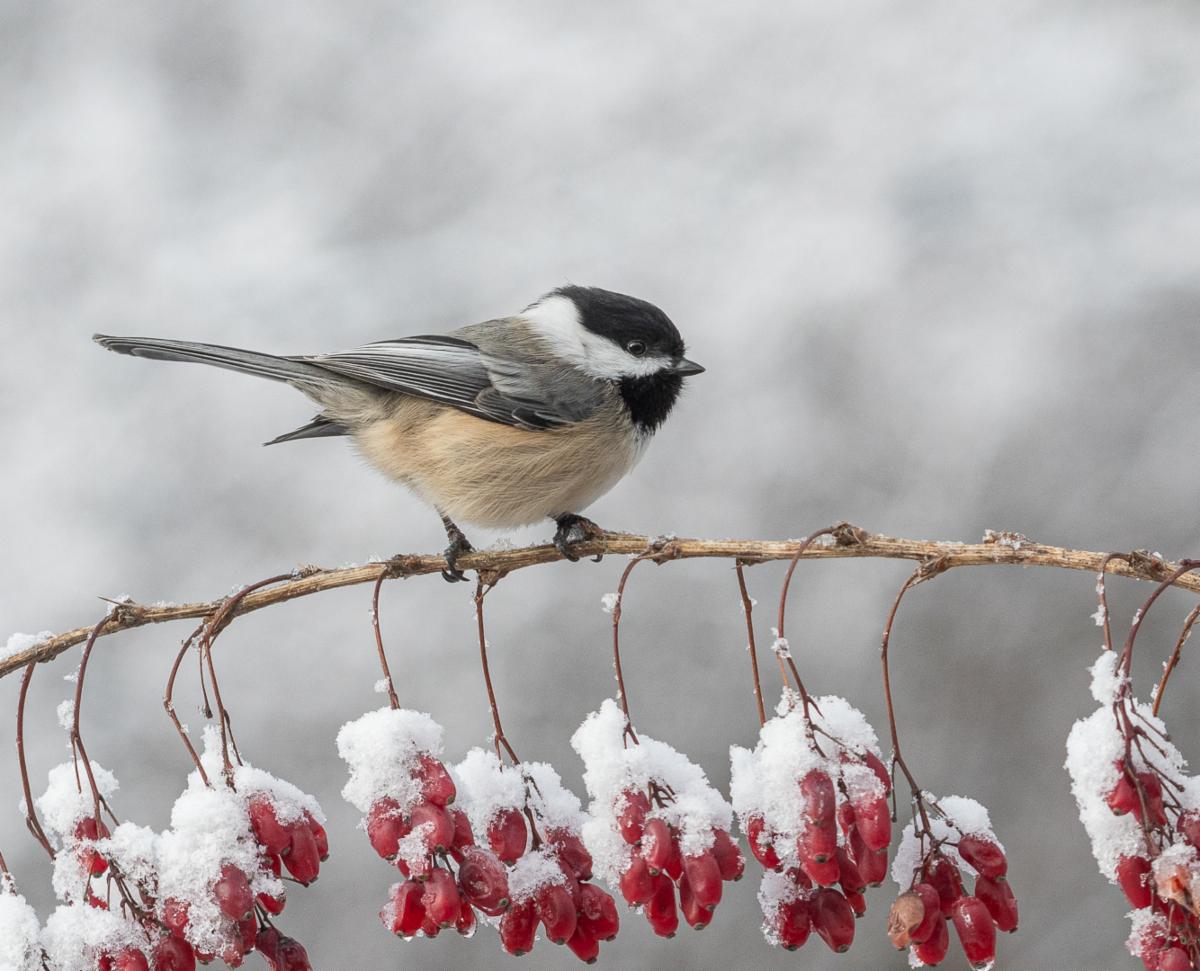
On a frosty morning, when the garden lies quiet under a thin layer of snow, there’s something special about the flutter of a Black-capped Chickadee at the feeder. Those quick visits for a sunflower seed might seem like small, private moments, but together they add up to something much bigger.

For nearly four decades, Project FeederWatch has invited people across North America to count the birds that visit their yards each winter. Every checklist contributes to one of the longest-running datasets on winter bird populations in the world, helping scientists understand how our familiar backyard visitors respond to changes in weather, habitat, and food sources.

Black-capped Chickadee

Photo credit: Katherine Waybrant, Kitchener, ON

What I love about FeederWatch is how it deepens your connection with your own backyard. You don’t need to be a bird expert, just bring your curiosity! Over time, you’ll start to notice patterns: who arrives when, what they prefer to eat, and how your gardening choices make a difference.

If you’ve planted native shrubs with berries, left seed heads standing, or added dense shrubs for cover, you’re already creating a welcoming space for winter birds. Those summer “leftovers” help create an essential buffet for our winter guests!

For me, FeederWatch is as much about the ritual as the birds themselves: a warm cup of tea, a good view of the garden, and the pleasure of seeing who drops by. Register now and join me for the 39th season of Project FeederWatch. I can’t wait to hear how your garden helps birds thrive this winter. 

Happy birding!


Olivia Carvalho

Community Engagement Specialty

Birds Canada

pfw@birdscanada.org

MONTHLY OFFER FROM FOOD & SHELTER GOODS

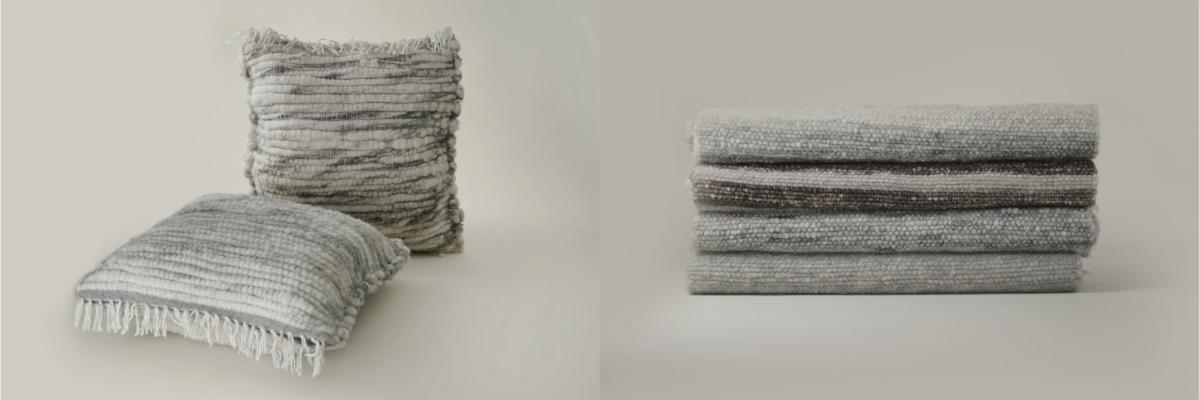
Stay warm with 20% off our Textiles Collection.


Code: Novembernewsletter


TREES FOR LIFE

Support tree planting projects in your community AND win big with the Trees for Life 50/50 charity raffle.


Draw deadline: November 15, 2025

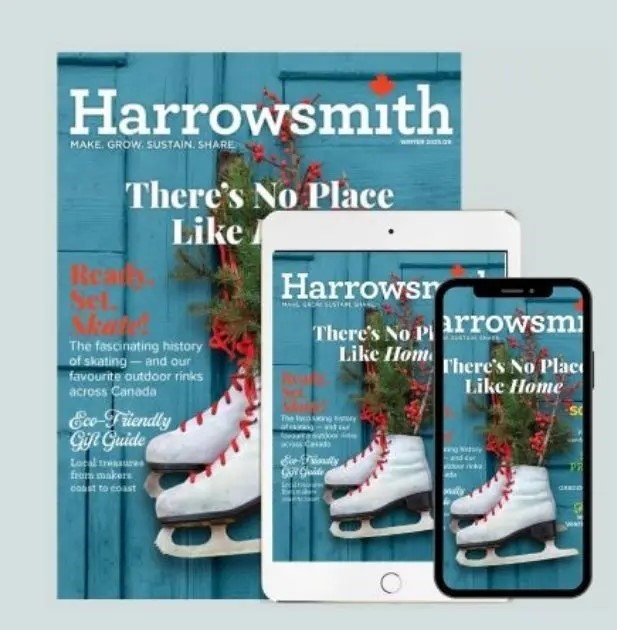
Harrowsmith Winter 2025/2026

Harrowsmith magazine invites readers to enjoy the best of Canadian winter in its latest issue, available November 10 on newsstands. Whether it’s getting outside on some of the most beautiful skating destinations in Canada, cooking up a cozy batch of soup or dreaming of the gardening season ahead.  


As it enters its 50th year of publication, Harrowsmith remains a trusted resource and companion for Canadians who love the land and live from the heart. From enjoying the great outdoors to hunkering down at home, Harrowsmith is more relevant than ever — and this issue has readers covered for the season ahead. 

Facebook