|
GARDENING WITH MARK AND BEN
September, 2025
| |
|
Why is September the Best Gardening Month?
We were standing in the front yard of Mark’s home just over a week ago, chatting with a neighbour when a cool breeze blew in from the west. All conversation stopped. We looked at each other incredulously. What just happened? The heat of a remarkably long and hot summer moved out, that’s what happened. And a late August breeze said a gentle hello, reminding us that a new season, a cooler, wetter one, is just around the corner.
If you live where a record heat wave occurred this summer, where no rain arrived for weeks, for some in eastern Ontario and Quebec, up to eight weeks: if you live in a part of Canada that has experienced record forest fires, you might agree that the answer to the question “Why is September the best gardening month?” has already been answered. It is cooler and wetter. Days are shorter. Morning dew is heavy. And most of us will not experience a killing frost for another month or more, providing the benefit of colour and a productive harvest in the next few weeks in the garden.
September is a magical month in the garden for other reasons.
| | |
First, you can sow grass seed and know that it will grow. Be sure to put down fresh soil or triple mix (equal parts soil/compost/sand), spread the seed and water it in. Be sure to buy the best quality grass seed available as that is the pedigree of your lawn. Forever. Well, maybe not forever, but for a long time.
Sod can be laid in September and it will grow. Guaranteed. Not that we are able to guarantee anything but the people selling it to you might. Make sure that you lay it on top of a minimum four to six centimeters of quality soil to give the roots a quality home for years to come.
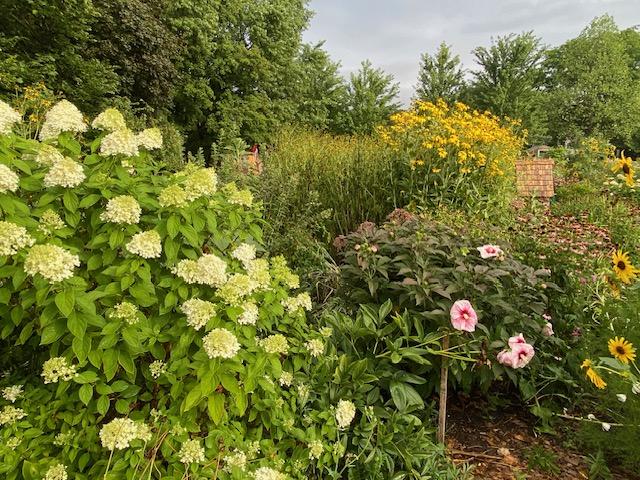
Second, while many perennials will begin to look a little “shop worn” their roots are good and ready for the plant to be lifted and divided into smaller plants, that will grow into large plants over time. This is a fun job, and if you choose the right plants (any perennial with dense roots like monarda, hosta, veronica, rudbeckia etc.) If you lack space in your garden to add more plants give them away or place them at the end of your driveway with a “free to a good home” sign. You will be amazed how quickly they disappear.
Third, prune. Have a look around your yard. Do you have a hedge looking straggly? A flowering shrub that reminds you of the cookie monster or a shaggy dog? Get out the pruners and give a haircut to anything that needs it. If you do this now, early in September, many permanent plants will produce a second “flush” of growth before the cold months of winter.
| | |
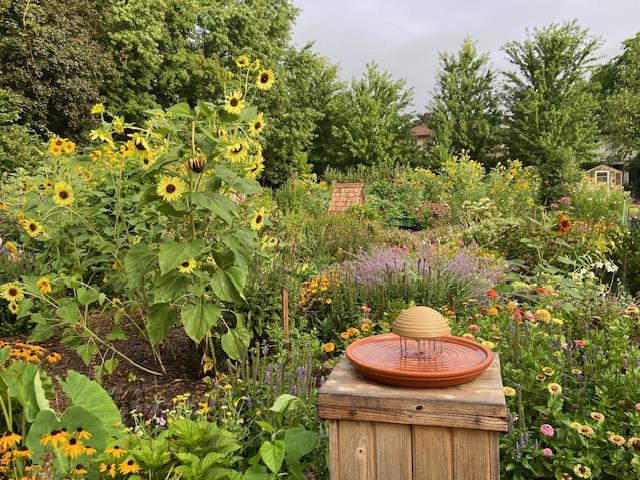
Fourth, add water to the garden. Insects are preparing to hunker down for the winter even now, and before they do they need access to clean water. So do birds including the many that migrate through our communities this time of year on their way south. Bird baths, shallow saucers of water: virtually anything that holds water is helpful.
Fifth, remember those tropical plants that you put outdoors in spring? They likely thrived there as most do. Now is the time to bring them indoors. Don’t wait for heavy late fall frost before you move them to the warmth of central heating. The cell structure of tropicals begins to shut down when temperatures drop to 10 degrees or so. Once indoors, check them for insects on the underside of the leaves and spray or wipe them down with insecticidal soap.
Sixth, plant a tree. It is no mistake that National Tree Day, a little-known event that is the result of an act of parliament, is Wed. September 24. Help to make the day better known: tell your neighbours and friends and ask local kids to help you plant trees in your neighbourhood. Trees are a miracle of nature: they produce oxygen, store carbon and when you want to have a picnic, they provide the perfect place to thrown down the blanket.
For public tree planting events and to learn how you can help maximize the urban tree canopy in Canada go to www.treesforlife.ca
It will be a while before leaves change colour in most parts of the country. Early October is usually our marker for the beginning of that show.
Enjoy. Sit. Listen. Invite the family over to help with the harvest. And reflect on a long hot summer that is now behind us. Listen: your garden is taking a deep breath. It is relieved that the cool, damp months of autumn are here.
This is home.
Ben and Mark Cullen
Beauty activists
www.markcullen.com
www.foodandsheltergoods.com
www.treesforlife.ca
| |
|
Harvest your garlic. Ideally, you would have done this in August, but no harm. Dig it, dry it in the sun for 10 days and store it in a cool, dry place until you are ready to use it.
Seed and/or sod your lawn. This is the #1 month of the season to overseed a thin lawn, start a new lawn or lay sod. My dad, a career gardener, used to say that if you lay sod upside down in September it will grow. Don’t try it. The stuff is too expensive should your experiment not work. And Dad has been gone for 19 years so there is no holding him to it.
Dig and Divide. September is the perfect month to dig and divide perennials that are big, out of hand or just ready for division. Peonies divide best this month. Hostas, day lilies, monarda (Bee Balm), rudbeckia, Echinacea: virtually all perennials with a dense fibrous roots or fleshy roots (like a hosta)
Plant spring flowering bulbs. The boat has arrived from The Netherlands and we recommend that you check out the selection at your favourite retailer for the best selection of the season. Fact is, they don't generally replenish the 'hard to find' varieties of tulips, daffodils, narcissus, hyacinths and the like later in the fall season. Even if you just store your new purchases in your garage for a few weeks, at least you have the varieties and colours that you really want.
Compost: a. empty your bin/dig up and spread your compost pile b. fill it up again. Not to oversimplify this, but your garden needs the natural goodness that is contained in your backyard composting unit and your now-empty composting unit will provide a valuable service this autumn when the leaves fall and you yank your spent annuals and veggie plants out of the ground.
Cut and bring indoors. Many of the flowering plants in your yard, annual and perennial, are in perfect shape for sharing. Cut fresh flowers and bring them indoors to bloom on the table. Enjoy the colour and fragrance where you live. Change the water every second day to keep them fresh longer.
Feed hummingbirds. Hordes of hummingbirds are moving south into the more densely populated parts of the country. Enjoy them. Plant hummingbird-friendly perennials. Fill your hummingbird feeders and sit back. Enjoy. The moment only occurs, quite like this, in September (with apologies to Newfoundlanders who don't generally see hummers.)
Harvest. As we have said before, the more you harvest the more you WILL harvest. Fruiting plants like tomatoes and peppers just keep producing when ripe fruit is removed when ready.
Prune. This is the best month to prune cedar hedges (though any month will do) as one last surge of growth will occur about mid-month that will soften the look and fill in bare patches. Prune all summer flowering shrubs that have finished their bloom cycle, and boxwood, yews and junipers.
Protect pollinators. Don't clean up your garden too much. Remember that a little bit of messiness, rot and decay are the friends of beneficial insects, frogs, toads, snakes (good snakes) and the like. You want these creatures for healthy biodiversity in your garden.
| | |
BIRDS IN FOCUS:
Fall Tips for Your Bird-Friendly Yard
Guest Post By Olivia Carvalho
Fall is a season of preparation, and the way we care for our gardens can help birds throughout the winter. Migrants require energy-rich foods to fuel their long journeys, while year-round residents like nuthatches, cardinals, and goldfinches rely on local resources to survive the cold days ahead.
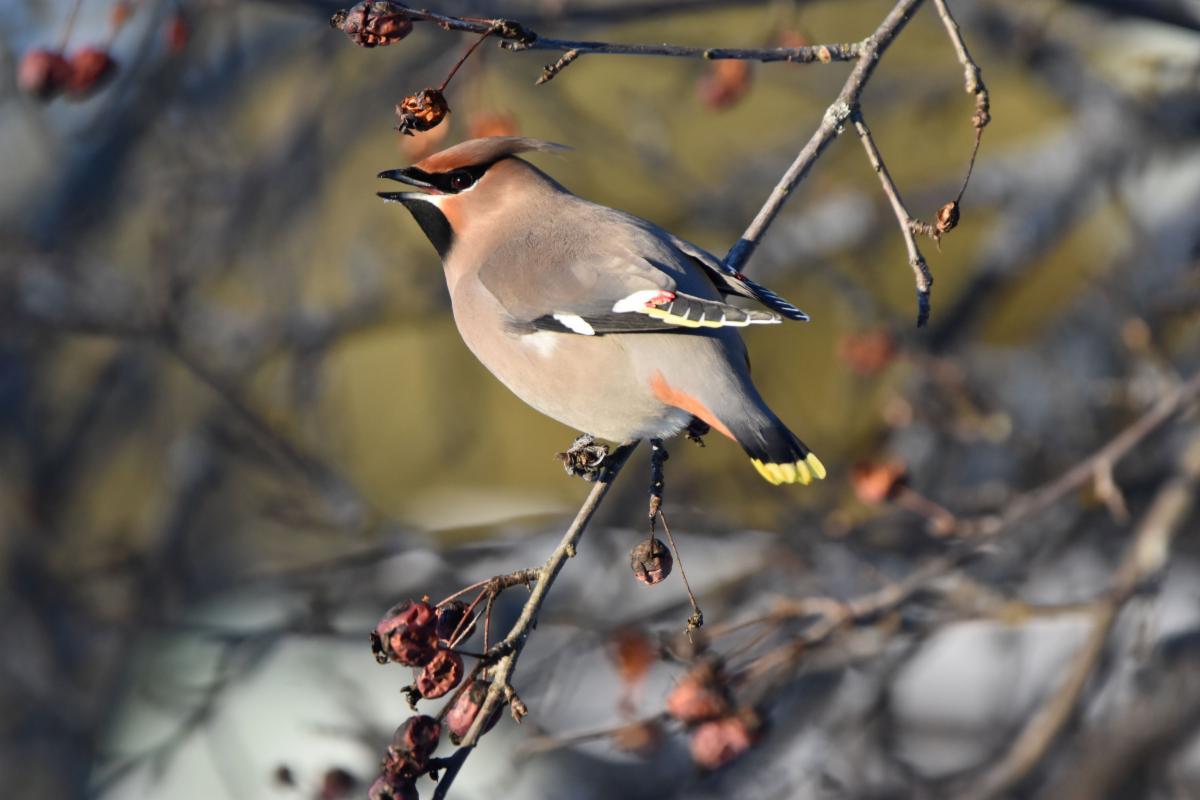
Planting native species in our gardens helps to create a bird-friendly habitat in all seasons. Fall is a great time to add asters and goldenrod because they provide nectar and seeds, berry-producing shrubs, like viburnum, attract robins and waxwings, and native grasses offer shelter as well as food. Cooler soil temperatures and autumn rains help these plants establish strong roots before winter, ensuring they are ready to burst into life come spring.
| | |
Bohemian Waxwing
Photo credit: Kate Dalgleish
| | |
Rethinking fall clean-up is another simple way to help. Instead of cutting everything down and bagging leaves, consider leaving stalks, seedheads, and brush piles to create sources of food and shelter. Birds like sparrows scratch among fallen leaves for insects, while Downy Woodpeckers cling to dried flower stems, showing us that delaying clean-up until spring helps turn your garden into a natural feeder.
As the weather cools, bird feeders can be a lifeline. Stocking them with black-oil sunflower seeds, suet, or nyjer is a joy for us and essential for birds. By joining Project FeederWatch, which begins November 1, you can even turn your bird counts into valuable data that helps scientists track population changes across North America.
By caring for our gardens now, we ensure that birds will have the food and shelter they need when winter arrives. This fall, let’s rethink our gardens as active spaces for birds in every season.
To find native plants in your region, head to www.birdgardens.ca
Olivia Carvalho
Community Engagement Specialist
Birds Canada
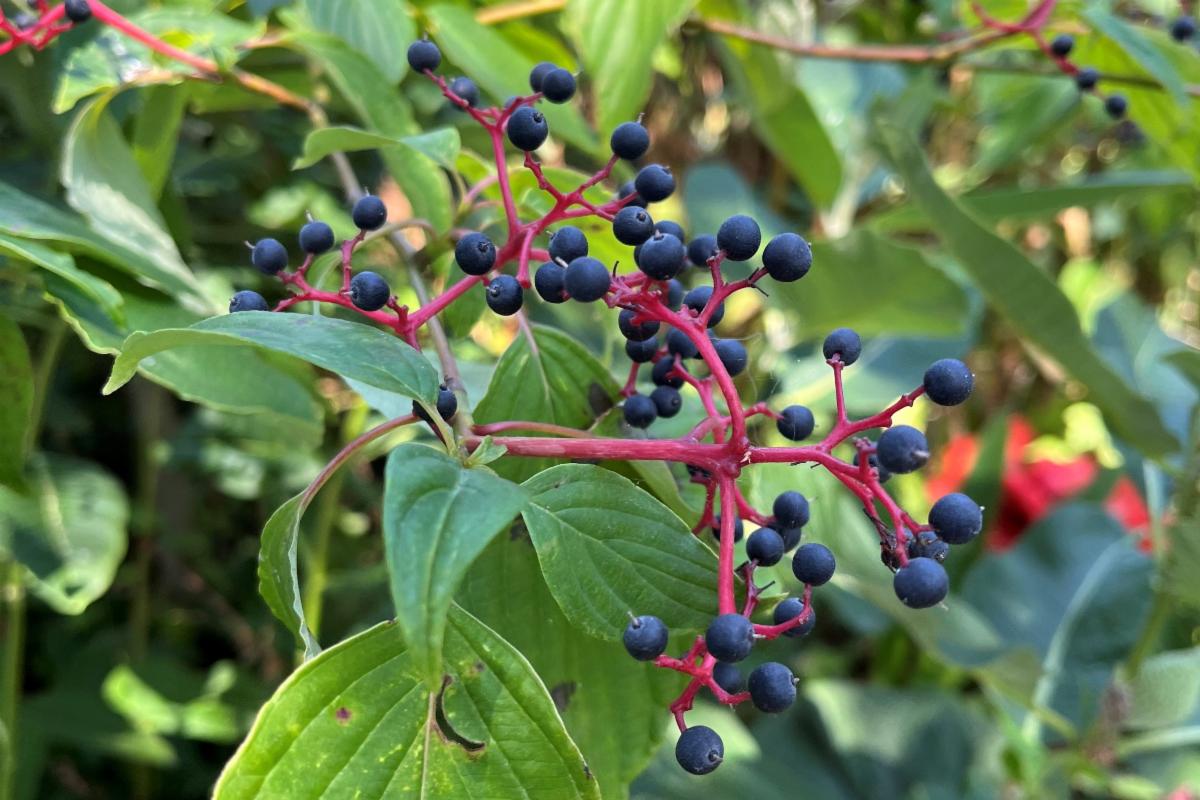
| | Our dogwood shrubs were loaded with berries this year. As they ripened, we watched as the birds waited for the perfect time to feast. We're not sure what they were waiting for.... but they picked the plants clean in one day! Incredible. | | MONTHLY OFFER FROM FOOD & SHELTER GOODS | | |
Food and Shelter Goods is a 100% Canadian curated collection of extraordinary gifts and household essentials. Food and Shelter Goods is owned by Ben's sister/Mark's daughter, Heather.
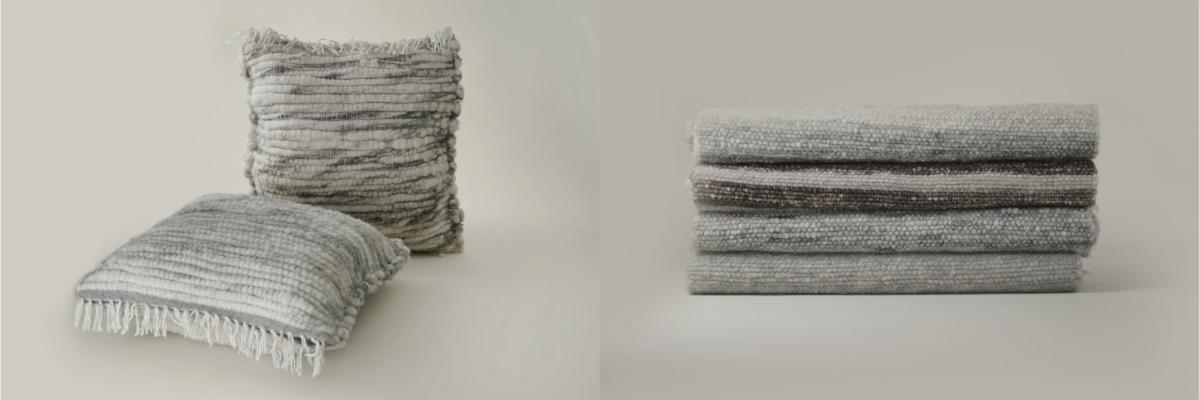
As weather gets cooler, warm up with woolens.
30% off Textiles Collection for the month of September
Code: newsletterseptember
| | It feels like we blinked and it's already September! We wrapped up an incredible August at Trees for Life with our annual golf tournament on August 21st. This year, the tournament raised over $155,000! | |
Around here, September is not only time to head back-to-school, it's also when our fall planting events get rolling. Visit treesforlife.ca/events to see what events are coming up and register to volunteer.
And if you're looking for other ways to support Trees for Life, look no further. You can help grow a greener, healthier Canada and win big with the Trees for Life 50/50 raffle! The jackpot is currently at $335. Tickets are 1 for $5, 5 for $20, 15 for $30, 50 for $50, or 150 for $100, and the raffle ends on November 15th. Get your tickets today!
When you purchase a ticket, you’re helping bring more trees to the places where Canadians live, work, and play, including schools, hospitals, parks, and neighbourhoods.
| | |
For more seasonal recipes, as well as Mark and Ben's regular gardening column, pick up a copy of Harrowsmith's Canadian Almanac, available on newsstands now. Better yet, as a subscriber to this newsletter, you can get a one year subscription to Harrowsmith for a special price of $29.95. Click here to learn more. http://harrowsmithmag.com/cullens
| | | | |