November, 2025

Become Their Voice

November always reminds us to slow down and focus on gratitude — even in the middle of hard things. When we started Become Their Voice, it was built from both loss and love.


As we enter the holiday season, it’s also important to remember that this time of year can bring heightened stress, emotional strain, and mental health challenges for many. For some, the pressure and expectations of the holidays can even trigger relapse or renewed struggles with substance use. Extending compassion — to ourselves and to others — can make all the difference.


Gratitude doesn’t erase pain, but it can open the door to healing. Thank you for helping us continue to share awareness, education, and hope with our communities.


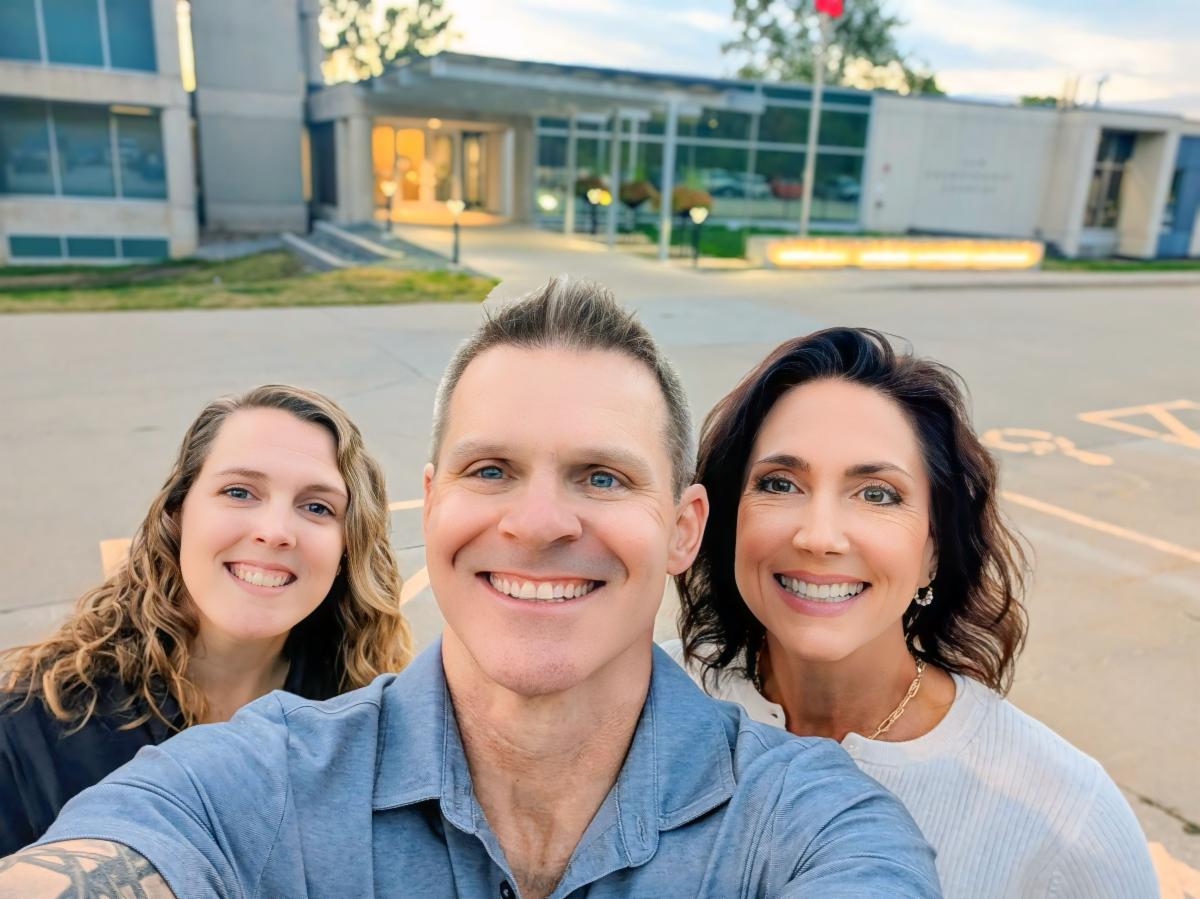
-- Deric and Kathy Kidd

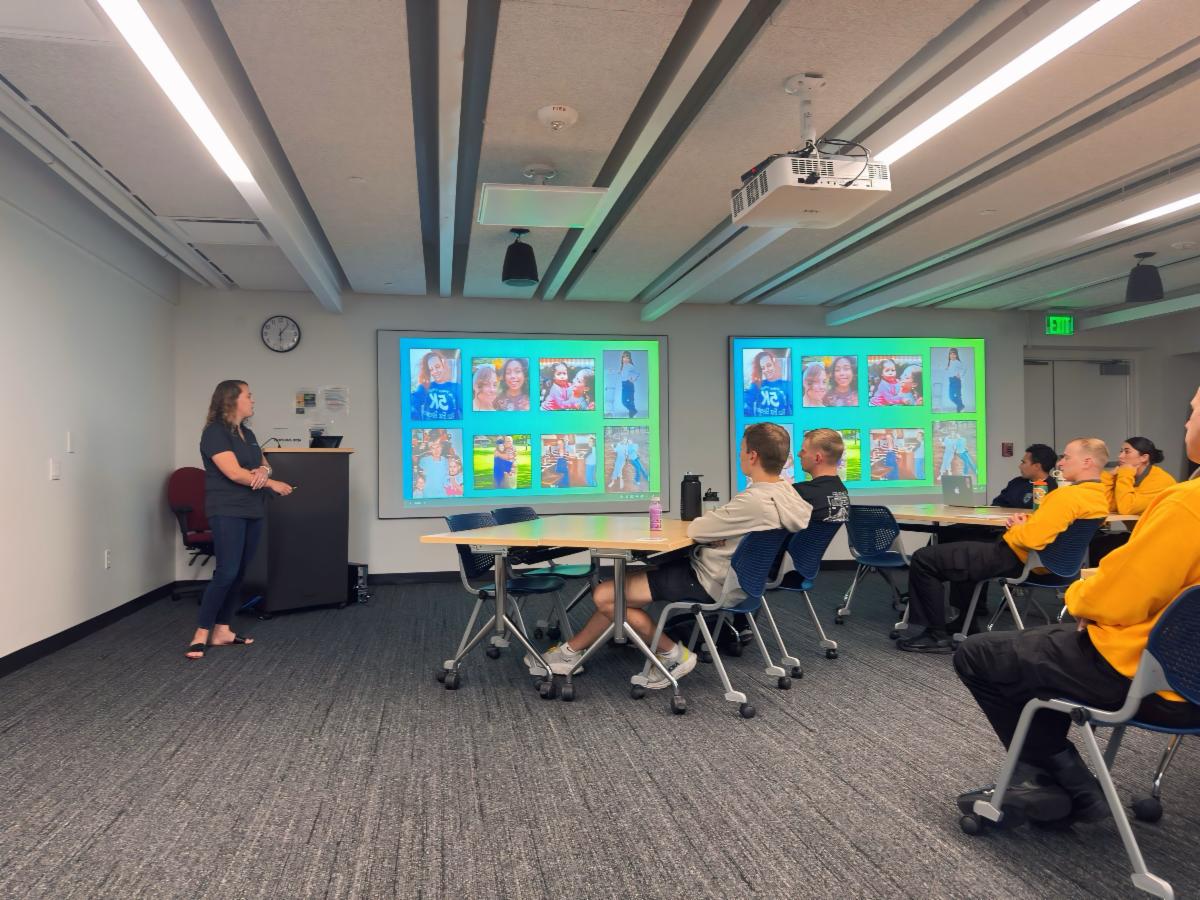
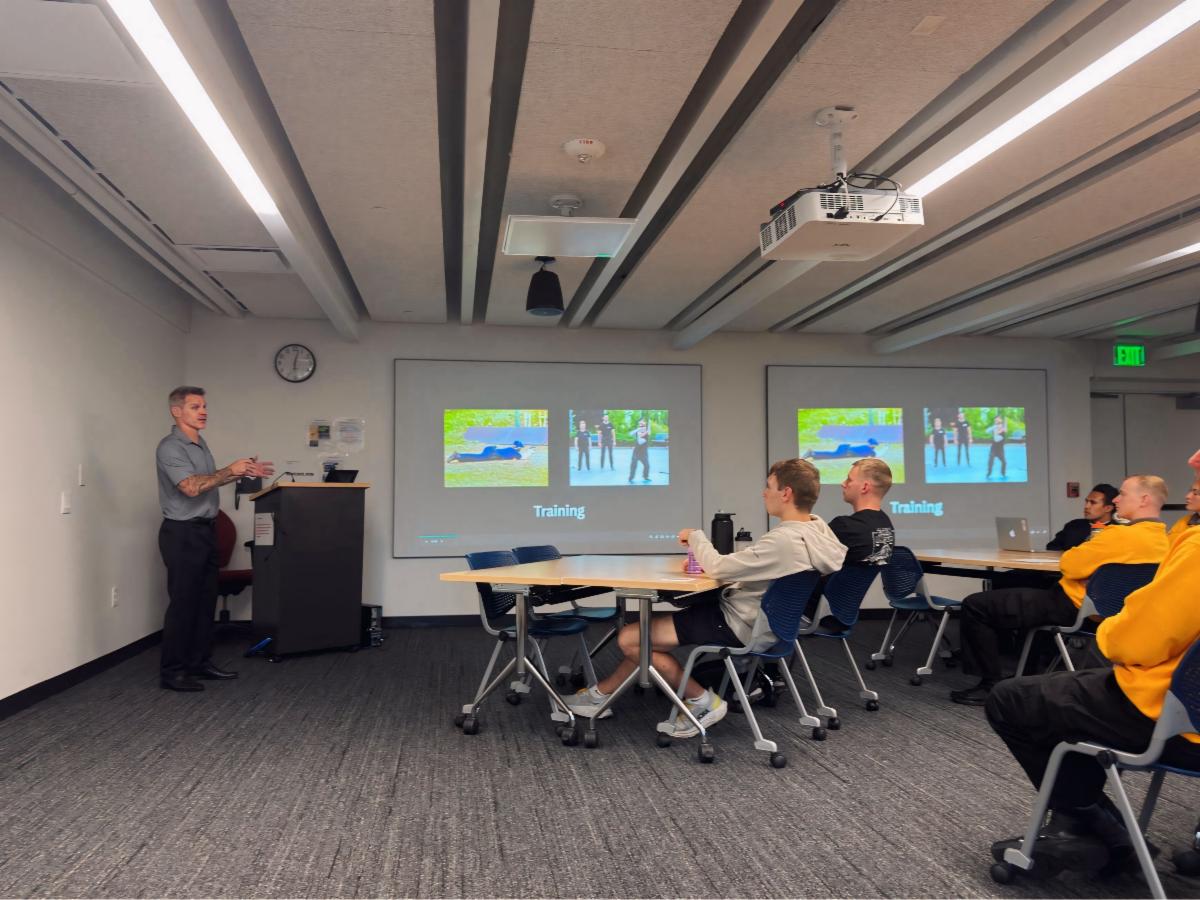
BTV connecting with future law enforcement.


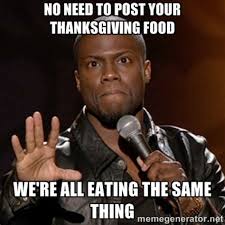
NOT feeling "the gratitude" and warm fuzzies

of the season?


Ah, Thanksgiving — that magical time of year when we’re supposed to feel thankful, joyful, and full of inner peace… but instead, we’re stuck in traffic behind a minivan full of screaming kids, our turkey timer’s broken, and someone just brought up politics before the rolls hit the table.


Let’s be honest — gratitude is a beautiful concept, but it’s a lot easier to post about than to feel in real time. Especially when life hasn’t exactly been handing out blessings like Oprah giving away cars.

Maybe this year feels off. Maybe there’s an empty chair at the table. Maybe your “thankful heart” feels more like “running on fumes.” And maybe, just maybe, you’d like to skip the pumpkin pie pep talk and take a nap instead.


When Gratitude Feels Like Homework


We’ve all heard the advice: “Write down three things you’re grateful for every day.”


Okay, Brenda — but today I’m just grateful my stretchy pants still fit and that my family didn’t burn down the kitchen.


Sometimes, the pressure to be thankful makes us feel worse. Because when gratitude becomes an expectation, it starts to sound like a chore. And honestly, forcing ourselves to feel something rarely ends well.


So, What If We Just… Didn’t Force It?


Here’s a radical idea: what if gratitude didn’t have to be Pinterest-perfect?


Maybe it’s just noticing small things that didn’t go completely wrong today — like the dog didn’t eat the pie, or Uncle Joe fell asleep before his political rant gained momentum.


Maybe it’s remembering that gratitude isn’t about ignoring what’s hard — it’s about finding one tiny bright spot in the middle of the chaos. Even if that bright spot is just gravy that actually tastes like gravy.


The Bottom Line


You don’t have to feel grateful all the time. You don’t even have to pretend. Sometimes gratitude sounds less like “I’m so blessed” and more like “I survived that meal without yelling.” And that counts.

So this Thanksgiving, give yourself permission to feel whatever shows up — joy, sadness, exhaustion, or a weird mix of all three. Because being human is something to be grateful for… even when it’s messy, noisy, and covered in cranberry sauce.


Small talk with relatives that your teenager ONLY sees on the holidays isn't the ONLY stress they have during the holidays.

Why Teens Feel the Pressure


  • Routine changes: School breaks mean time away from structure, teachers, and friends — the very things that often help teens feel grounded.
  • Social comparison: Teens see perfectly staged holiday posts and begin to feel like their own lives don’t measure up.
  • Family stress: Gatherings can bring up tension, grief, or uncomfortable emotions that are difficult to navigate.
  • The “shoulds”: Teens often feel they should be happy, grateful, or festive — and when they’re not, guilt and confusion can follow.


The truth is, these emotions are normal. As the video points out, the key is not to avoid or deny stress but to learn how to manage it — with compassion and balance.

Why Does Drug And Alcohol Use

Spike During the Holidays?


The holiday season is often portrayed as joyful, comforting, and full of connection — yet for many, it’s the most emotionally complex time of the year. Behind the lights, parties, and family gatherings, stress levels soar. Studies show that drug and alcohol use rises sharply between Thanksgiving and New Year’s Day, with overdose deaths increasing by 20–25% compared to the rest of the year. It’s not simply about celebration — it’s about coping.


For some, the season highlights what’s missing: loved ones who have passed, strained relationships, or financial pressure that makes it hard to “keep up.” Loneliness and grief are amplified when the world seems to be celebrating. Add in constant social gatherings, unlimited access to alcohol, and the pressure to appear happy — and it becomes easy to reach for substances to numb, escape, or manage overwhelming emotions.


Even those in recovery face unique challenges. Old environments, familiar triggers, and “just one drink” mindsets can unravel progress made during the year. Routines change, accountability fades, and stress runs high — creating the perfect storm for relapse.


And yet, awareness is powerful. Recognizing this seasonal pattern allows us to step in earlier, check on those we care about, and build intentional support systems. The holidays can still hold joy and connection — but they must also hold honesty. When we understand the “why” behind increased use, we can better protect ourselves and others from becoming another heartbreaking holiday statistic.


“There’s no healthy amount of alcohol. Every sip decreases blood flow to your brain — and your brain controls everything you do.”

— Dr. Daniel Amen, Diary of a CEO Interview

The cold hard truth.....there is NO part of alcohol that is good for us. NONE.


Are you thinking....but, it's just one drink....


Or...I just drink on the weekends....


The moment alcohol touches your lips, your body begins reacting — and none of it is benign. Within six minutes, alcohol reaches your brain. Because it easily crosses the blood-brain barrier, it starts altering brain chemistry almost instantly.


  • Your brain releases a rush of dopamine.


  • This creates a temporary feeling of relaxation or euphoria — but it’s artificial. Your brain quickly reduces its own natural dopamine production in response. Over time, this means you need more alcohol to feel the same “lift,” and your baseline mood drops when you’re sober.


  • Blood flow to the brain decreases.


  • Dr. Amen’s SPECT scans show that even small amounts of alcohol cause measurable reductions in cerebral blood flow — especially to the prefrontal cortex, the region responsible for judgment, impulse control, and decision-making. Reduced blood flow here can lead to risk-taking, poor emotional regulation, and decreased focus.


  • Neurotoxicity begins almost immediately.


  • Alcohol triggers inflammation and oxidative stress in brain cells. Even moderate use increases shrinkage in the hippocampus (the memory and learning center). This is why “brain fog” and short-term memory problems are common after drinking.


  • Your body sees alcohol as poison — not food.


  • The liver prioritizes metabolizing alcohol above everything else, temporarily halting fat burning and nutrient absorption. This is why even social drinking can interfere with weight management and hormone balance.


  • Sleep is disrupted — even if you “pass out.”


  • Alcohol suppresses REM sleep, the most restorative stage. You may fall asleep faster but wake up groggy, anxious, and unrefreshed. Over time, this leads to hormonal imbalance, increased stress hormones (cortisol), and emotional volatility.


  • The next-day impact lingers longer than you think.


  • Functional brain imaging shows that blood-flow reductions can last for days after just one night of drinking. Mood changes, slower processing speed, and poor concentration aren’t just hangover symptoms — they’re neurological side effects.


Feeling like everyone else’s holiday is “perfect” online?


It might just be the highlight reel. Social media often shows the happiest moments of festive gatherings — the laughs, the decorations, the matching sweaters — but not the behind-the-scenes: the stress, the quiet moments, the cancellations, the hard memories.


When we compare our real life to someone else’s edited feed, it’s easy to feel left out, less than, or disconnected. According to e-Counseling, what we’re seeing is not the whole story — and the brain fills in the gaps with “they must have it all together” even when they don’t. 


What you can do:


  • Limit your scrolling or schedule a “social media break” during the holiday week.


  • Remind yourself that you only see one part of someone’s story — the highlight.


  • Focus on meaningful moments in your own life: even small ones count.


  • Connect offline: call a friend, write a note, take a quiet walk — something real.


Because real life doesn’t have to be perfect to be valuable.


DID YOU KNOW?


  • More than 22% increase in overdose rates during the holiday season compared to the rest of the year. 


  • About 94% of respondents in recovery for substance use said they felt overwhelming or moderate stress during the holidays. 


  • While most people assume suicide rates go up during the holidays, research shows December often has fewer suicides than other months.


  • Among people with a diagnosed mental illness, 64% say their symptoms worsen during the holiday season. 


  • A survey found that 89% of U.S. adults experience stress during the holiday season, and 41% say their stress increases compared with other times of the year. 


RESOURCES


Mental Health & Substance Abuse Resources for Children & Teens in Iowa


Your Life Iowa


Services: 24/7 mental health and addiction support via call, text, chat, and email.


Call/Text: 855-581-8111


Orchard Place (Des Moines)


Services: A cornerstone for children’s mental health in Des Moines since 1886, Orchard Place offers inpatient, outpatient, in-home, and community-based services for ages birth–21. In 2024, they served over 6,000 youth with a 92 % satisfaction rate. 


Website: orchardplace.org


Ellipsis (Central Iowa)


Services: Offers a continuum of care—including school- and community-based counseling, crisis shelter, residential treatment, transition support, and after-care—for children and families 


Website: ellipsisiowa.org


MercyOne Genesis Behavioral Health (Quad Cities region: Davenport, IA + IL)


Services: Provides inpatient psychiatric care for children (ages 8–17), plus adult inpatient and outpatient services 


Website: aaidd.org, genesishcs.org, genesishealth.com


Hillcrest Family Services (Dubuque)


Services: Provides adolescent residential treatment on a licensed, landscaped campus in Dubuque—helping behaviorally challenged teens via nationally accredited care. 


Website: rosecrance.org


Rosecrance Iowa (Multiple Locations)


Services: A large Midwest provider with residential and outpatient mental health and addiction care for adolescents and adults. Locations include Sioux City, Quad Cities, and Northwest Iowa—treating over 7,000 people annually. 


Website: manningrecoverycenter.com


Iowa Department of Health and Human Services (HHS) – Behavioral Health


Services: Statewide behavioral health services, including crisis services and provider listings.


Email: SUD.PG.License@idph.iowa.gov


Iowa Substance Abuse Hotline


Services: 24/7 confidential hotline for substance abuse information and referrals.


Call: 866-531-7211


Southwest Iowa Region Mental Health & Disability Services


Services: Mental health services across various counties in southwest Iowa.


Website: swiamhds.com


Phone: 712-328-5645


Child Health Specialty Clinics – Creston


Services: Support for children and youth with special health care needs.


Contact: Phone: 641-782-9500


Children and Families of Iowa


Services: Mental health and substance abuse services for children and families.


Contact: Phone: 515-288-1981


Children's Square USA


Services: Behavioral health services for children and youth.


Phone: 712-322-3700


Child Health Specialty Clinics – Sioux City


Services: Support for children and youth with special health care needs.


Phone: 712-224-5437


Child Health Specialty Clinics – Carroll


Services: Support for children and youth with special health care needs.


Phone: 712-792-5530


Children at Home Program – Iowa Family Support Network


Services: Assistance for families raising a child with a disability.


Phone: 888-425-4371


YSS (Youth and Shelter Services)


Services: Mental health and substance abuse services for youth.


Phone: 515-233-3141


Community and Family Resources


Services: Substance abuse treatment for adolescents.


Phone: 515-576-7261


Compass Pointe Behavioral Health Services


Services: Behavioral health services for adolescents.


Phone: 712-336-0010


Children and Families of Iowa – Cornerstone Recovery Center


Services: Substance abuse treatment for adolescents.


Phone: 515-965-5505


Covenant Medical Center Horizons – Family Centered Recovery Program


Services: Substance abuse treatment for adolescents.


Phone: 319-272-2222


Crossroads of Pella – Edge of Recovery


Services: Substance abuse treatment for adolescents.


Phone: 641-628-1212


Family Counseling Center and Clinic – Youth and Shelter Services Incorporated


Services: Mental health services for adolescents.


Phone: 515-233-2250


First Step Mercy Recovery Center – Mercy Medical Center Des Moines


Services: Substance abuse treatment for adolescents.


Phone: 515-643-6500


Gilbert Alber PC


Services: Mental health services for adolescents.


Phone: 563-547-2474


Heartland Family Service


Services: Mental health and substance abuse services for adolescents.


Phone: 712-322-1407


Clive Behavioral Health (Clive)


Services: Offers around‑the‑clock inpatient behavioral health care for children and adolescents at its Clive facility, with both inpatient and outpatient programs.


Website: clivebehavorialhealth.com


Phone: 844-680-0504


Prairie Ridge Integrated Behavioral Healthcare


Services: Offers a full continuum of care—including crisis intervention, outpatient mental health, and substance-use treatment—across several Iowa communities. 


Website: prairieridge.net


Cherokee Mental Health Institute (Cherokee)


Services: A state-run psychiatric hospital serving adolescents and adults from 41–56 counties, with inpatient capacity for youth behavioral needs. 


Phone: 712-225-2594


Pain Into Purpose: Our Story...


EVENTS IN IOWA


November Events:


AC4C: Change, Growing Together Through it All

  • When: November 5th, 2025
  • Focus: Featuring keynote speaker Matt Bennett and closing keynote speaker Jason Kilmer.
  • Why It Matters: Many topics will be covered including organizational health for leaders, classroom management, stigma, drug trends, and marijuana and mental health


Awareness Month: National Family Caregivers Month

  • When: November 1–30, 2025
  • Focus: Recognizing and supporting family caregivers, many of whom provide vital care to loved ones with mental health or substance use challenges.
  • Why It Matters: Highlights the importance of caregiver mental health and resources for those supporting others.


Awareness Month: Movember – Men’s Mental Health

  • When: November 1–30, 2025
  • Focus: International campaign focusing on men’s health, including mental health and suicide prevention.
  • Why It Matters: Encourages open conversation and proactive support for men, who are at higher risk for suicide but often less likely to seek help.


Community Event: Veterans Day Mental Health Focus

  • When: November 11, 2025
  • Where: Events held statewide (local VFWs, VA centers, and community organizations)
  • Focus: Honoring veterans and raising awareness about PTSD, suicide prevention, and substance use challenges affecting military service members.
  • Why It Matters: Veterans are disproportionately impacted by both mental health struggles and substance misuse; local events often include resource fairs and screenings.


Training: QPR Suicide Prevention Training (Virtual)

  • When:
  • November 12, 2025, 9–10:30 AM CDT
  • November 25, 2025, 5–6:30 PM CDT
  • Focus: “Question, Persuade, Refer” training to recognize suicide warning signs and connect people with help.
  • Why It Matters: Continues to build grassroots prevention skills across Iowa communities.


Community Walk/Run: Out of the Darkness Community Walk – Des Moines

  • When: November 2, 2025
  • Where: Water Works Park, Des Moines, IA
  • Focus: Organized by the American Foundation for Suicide Prevention (AFSP) to raise funds and awareness for suicide prevention.
  • Why It Matters: Brings together survivors, families, and advocates to show support and raise money for lifesaving programs.


Upcoming Events in December:


Make It OK to Talk About Mental Health and Illnesses

  • When: December 11, 2025, 8:00 am-9:00 am
  • Where: Online (virtual)
  • Focus: A free one-hour presentation for the public and those interested in raising awareness about mental health, illness and stigma.


Teach to Heal – Mental Health in Our Schools (Clear Lake)

  • When: December 15-16, 2025
  • Where: Clear Lake, Iowa
  • Focus: Training / workshop series for school counselors and teams on mental health systems, developing action plans in schools.


Boundaries, Cultural Pressures, and Thriving Strategies Workshop

  • When: December 13, 2025, 10:00 am-12:00 pm
  • Where: Davenport, Iowa
  • Focus: A mental health workshop focused on boundaries, cultural pressures and thriving strategies.


If your organization has an upcoming event and would like us to add it to our newsletter, please contact us.

Why Donate?


Make a lasting impact.


Your donation directly supports initiatives that raise awareness about the connection between mental health and substance abuse, helping to prevent tragedies and support those in need as well as their families.


Support a meaningful cause.


Funds go towards education, advocacy, and outreach programs that provide resources to individuals and families affected by mental health and addictive challenges. This includes grants, scholarships, and funding to bridge the gap for recovery programs. Click on the link below for full details.


Tax-Deductible contribution.


As a 501(c)(3) non profit, donations to the the Sebastian Kidd Foundation are tax-deductible, allowing you to support a vital cause while receiving potential tax benefits.


If you know someone that would enjoy our newsletter, please forward it on. They can use the link below to subscribe.

If you would like to read our previous newsletters, use the link below.

Sebastian Kidd Foundation


Become Their Voice is funded by the Sebastian Kidd Foundation, a registered 501(c)(3) non profit organization. 92-0524029

Contact Us

Email: DericAndKathyKidd@BecomeTheirVoice.org

Website: BecomeTheirVoice.org


Facebook  Instagram  YouTube  LinkedIn