|
This is a newsletter created by the Gender Team of the UNFCCC | |
Major outcome on gender and climate change
| | Gender and climate change at COP 30 in Belém | |
| |
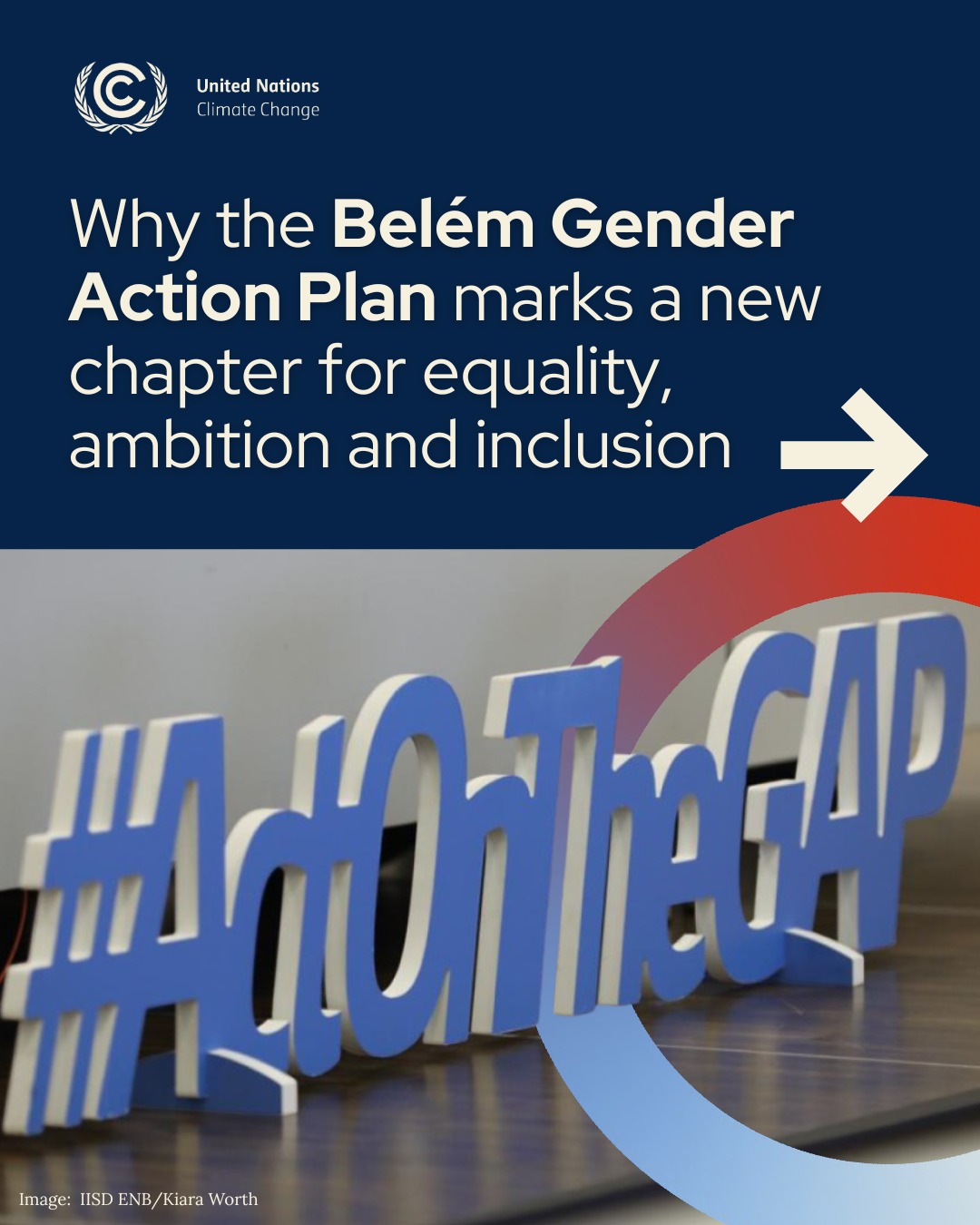
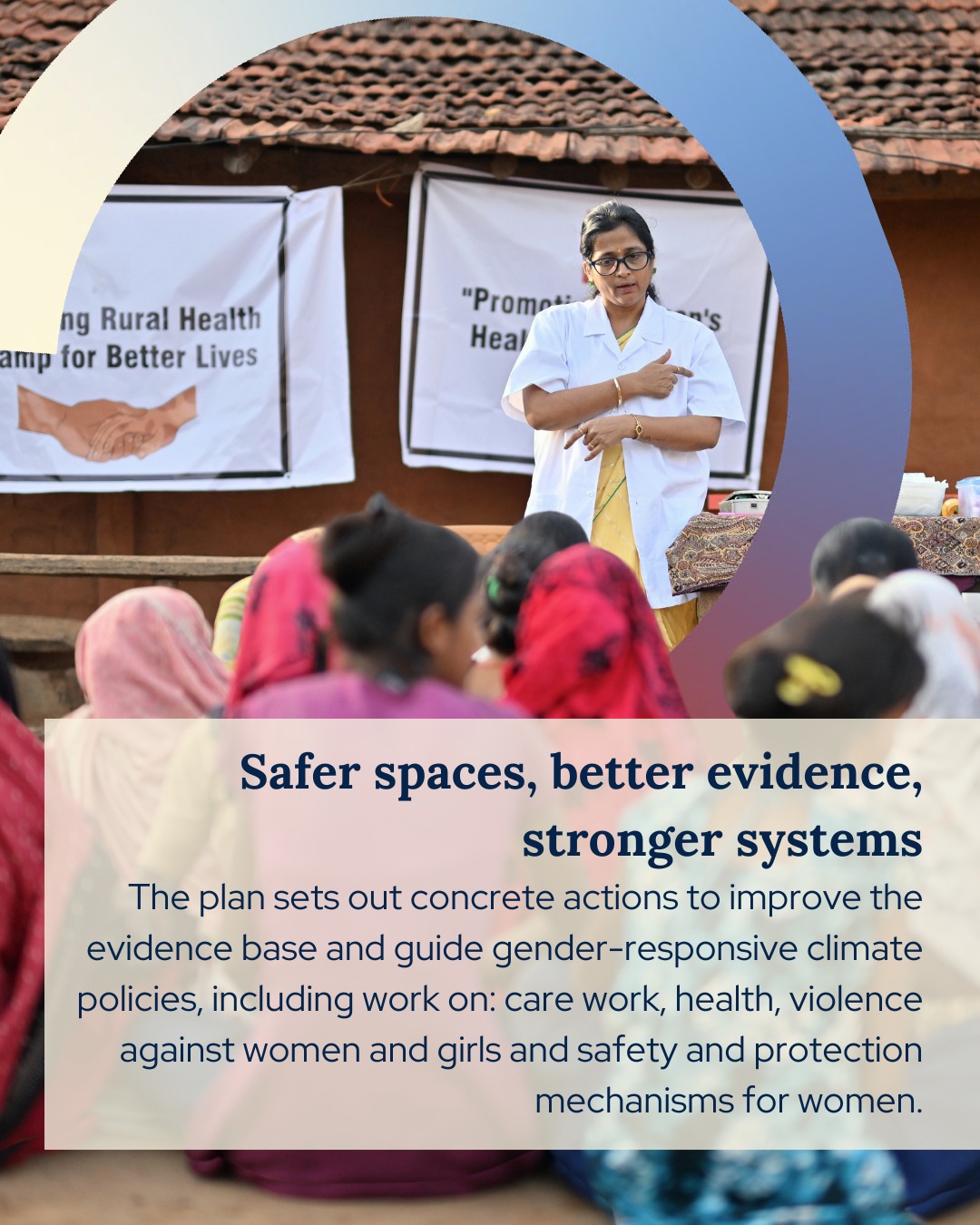
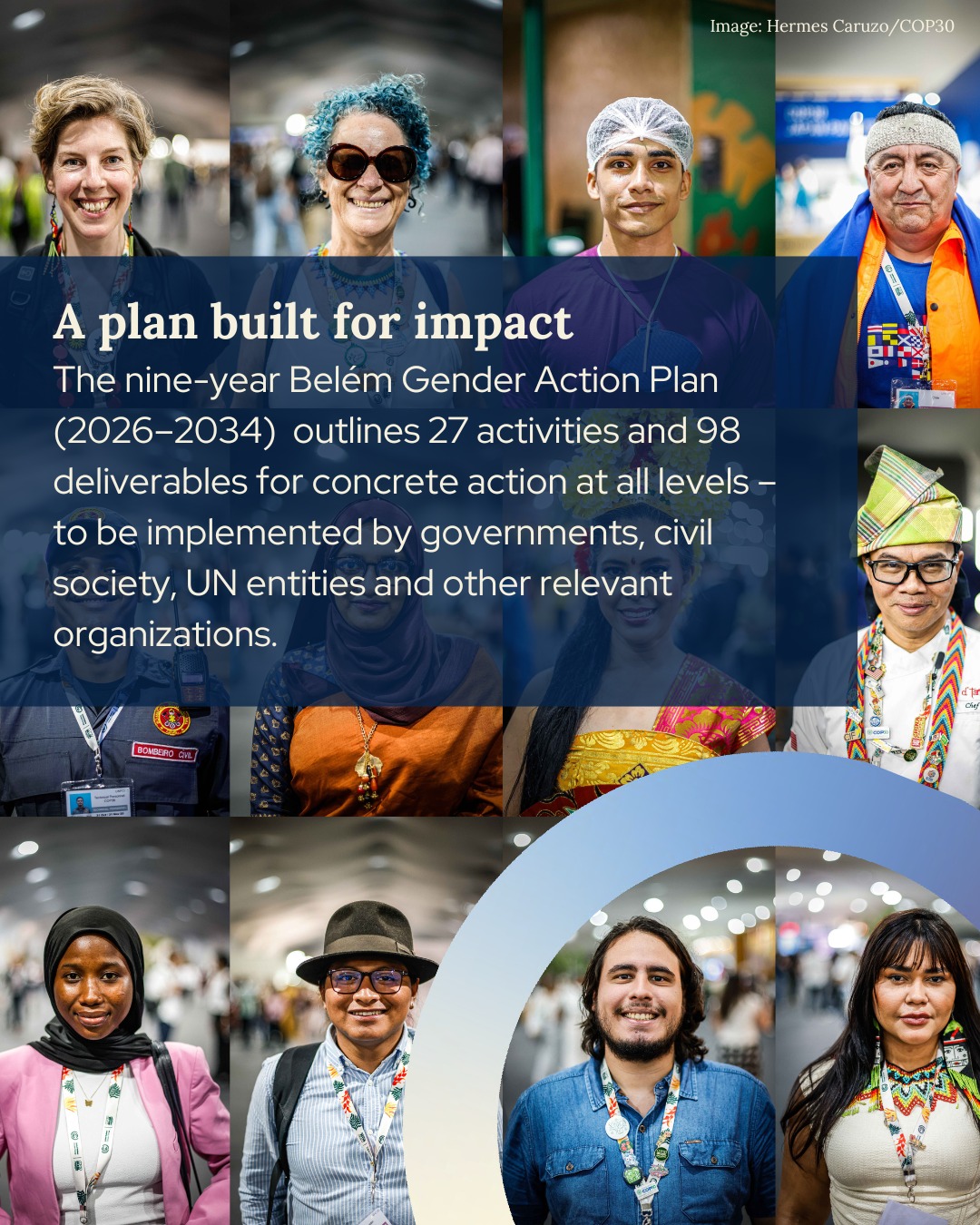
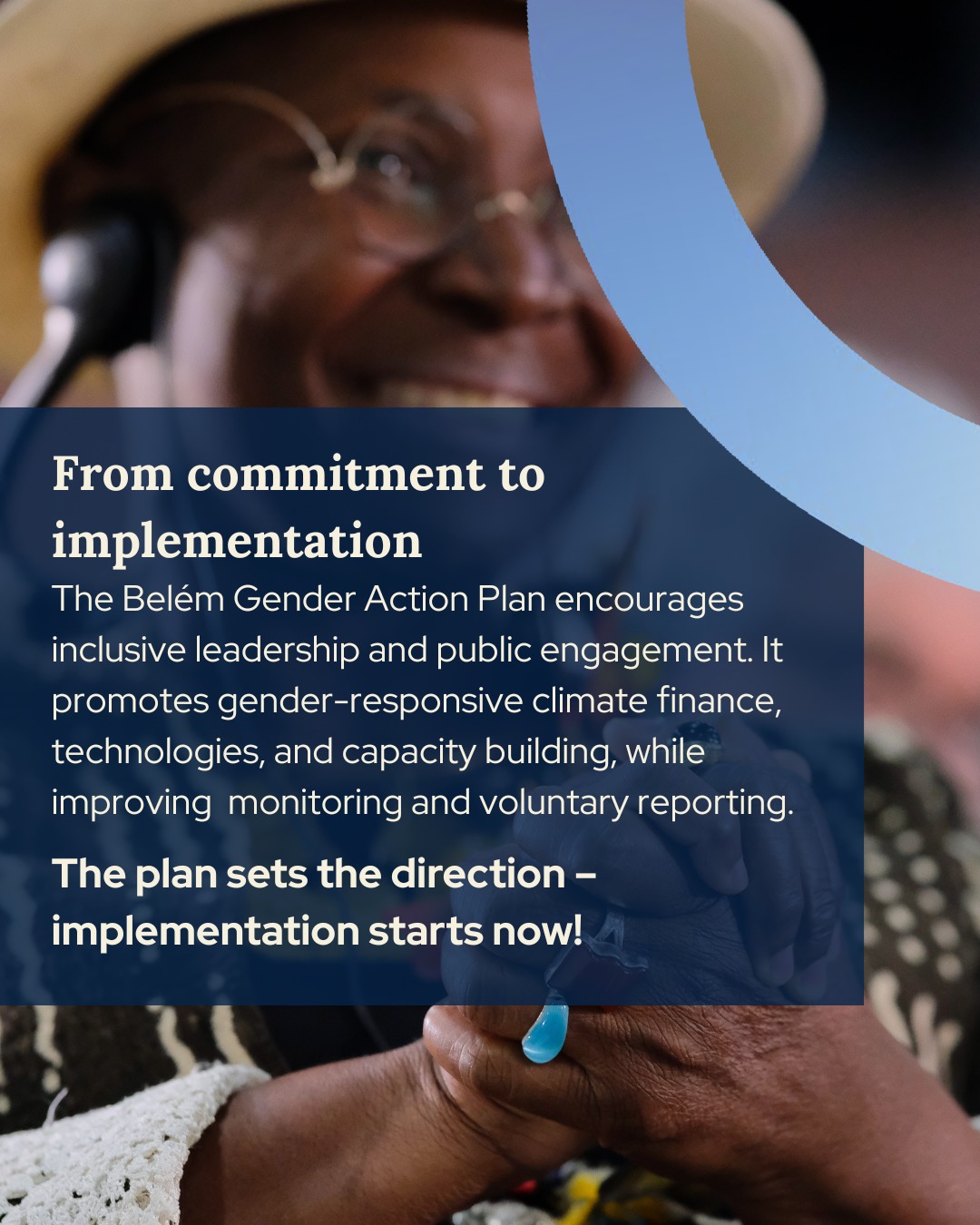
COP 30 reached important outcomes across different thematic areas and nearly half of those decisions included references to gender. In addition to the adoption of the Belém Gender Action Plan (GAP), other key decisions relevant for gender and climate change include:
- The UAE Just Transition Work Programme (JTWP), including the decision to develop a just transition mechanism;
- The Global Goal on Adaptation (GGA);
- The Belém Technology Implementation Programme;
- Finance decisions including matters relating to the Adaptation Fund (AF), Guidance to the Global Environment Facility (GEF) and Guidance to the Green Climate Fund (GCF). Notably, in the latter, the COP urged the Board to actively contribute to the implementation of activities under the Belém GAP (paragraph 16, COP 30 decision).
🔗 Check the Advance Unedited Versions (AUVs) of all COP 30 decisions here.
| | Calls for submissions – COP 30 decisions | | As COP 30 concludes and preparations for future sessions continue, there are several opportunities to stay engaged in the process, as demonstrated by the calls for submissions below: | | |
COP 30 High-Level Dialogue on Gender – Gender Day
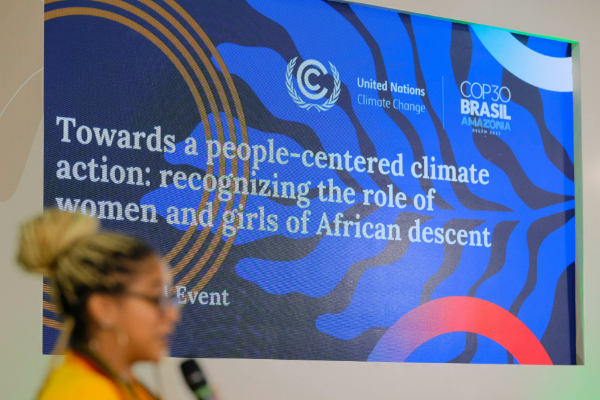
"Towards a people-centered climate action: recognizing the role of women and girls of African descent"
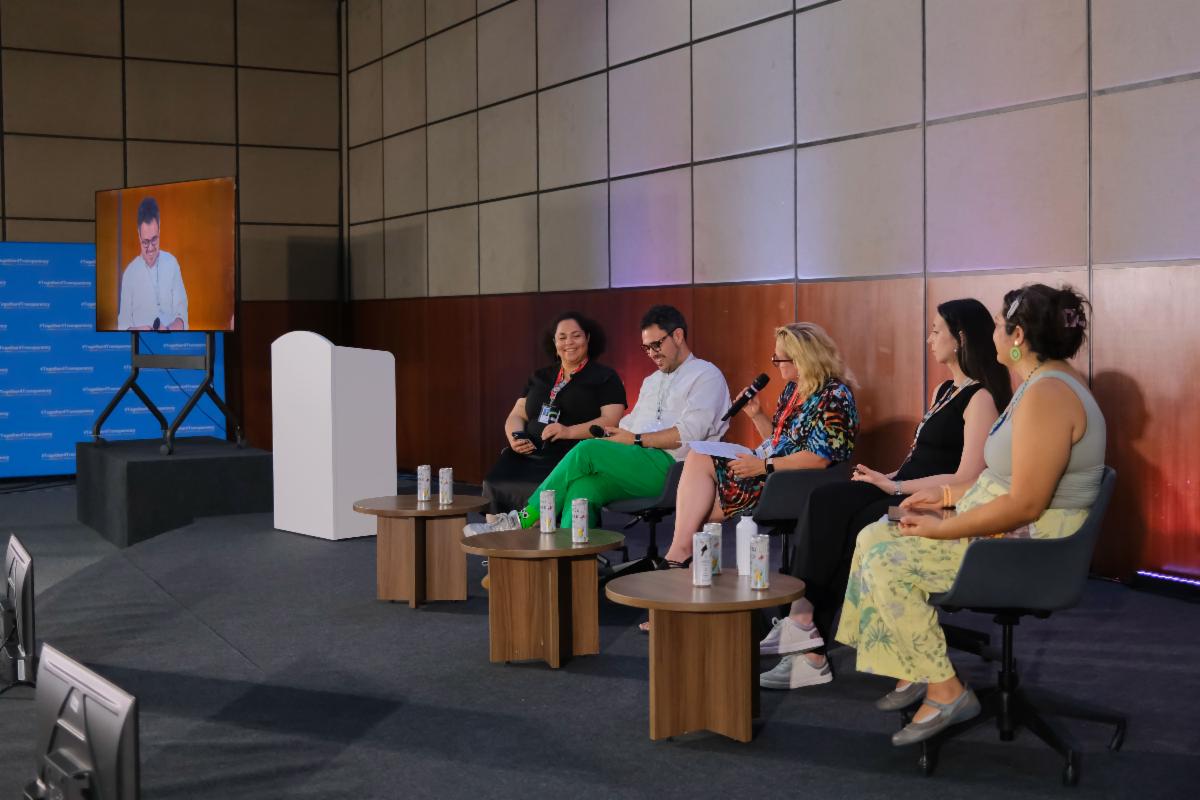
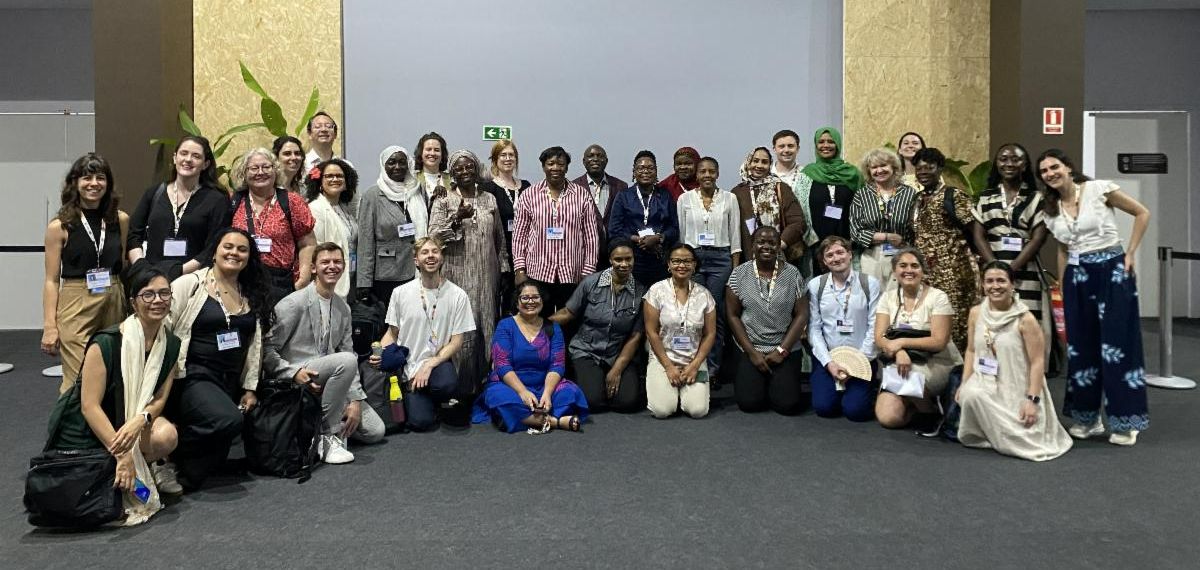
| | The COP 30 High-Level Dialogue on Gender, held on the 20 November 2025, underscored the leadership of women and girls of African descent in driving resilient and equitable climate solutions, bringing together high-level representatives and community leaders to emphasize the need for inclusive, evidence-based, and community-driven approaches across adaptation, mitigation, and climate finance, while providing a space for reflection and exchange on advancing more just and gender-responsive climate governance. | |
Gender and Environment Data Alliance - GEDA Event
"Transforming Climate Action at COP 30 and Beyond: Accelerating Inclusive Progress Through Gender Data"
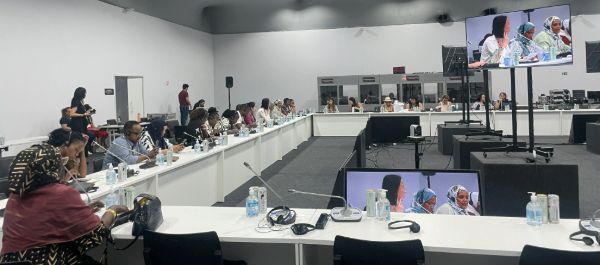
| The COP 30 GEDA Event, held on 18 November, highlighted the essential role of gender-environment data in shaping inclusive and evidence-based climate action. Participants received updates on how intersectional and gender-disaggregated data can support key COP 30 processes, including the new Gender Action Plan, the Global Goal on Adaptation, and just transition efforts. The session also presented GEDA and its small grants program as tools to strengthen community-driven data collection and use. Through brief presentations, a panel discussion, and interactive dialogue, the event created a space for networking and exchange, emphasizing the need for stronger data systems to ensure climate action responds to the needs of marginalized groups. | National Gender and Climate Change Focal Points (NGCCFPs) | The Informal Networking Meeting with National Gender and Climate Change Focal Points (NGCCFPs), held on 10 November, provided an opportunity for participants to receive key updates on COP 30 negotiations related to the new Gender Action Plan (GAP). The session also offered an overview of gender-related events at COP 30 and a brief presentation of mandated reports, including the 2025 case studies on gender balance in side events and gender composition across the Rio Conventions. The meeting concluded with a Q&A segment and a closed discussion space focused on priority topics identified by NGCCFPs. It served as a valuable moment for participants to connect, exchange insights, and discuss issues of shared interest. | Walk-in Q&A on Gender and Climate Finance | The Walk-in Q&A on Gender and Climate Finance, held on 17 November, provided the National Gender and Climate Change Focal Points (NGCCFPs) and other government representatives with an open space to engage directly with climate funds on accessing finance for gender-responsive climate action. Building on previous capacity-building sessions, the discussion focused on practical questions related to proposal development, gender indicators, women-led initiatives, and barriers faced by vulnerable countries and local organizations, offering participants an opportunity to clarify processes, exchange experiences, and identify areas for further guidance from the funds. | 🔗 For more information on gender events at COP 30, including summaries and recordings that will soon become available, please visit our official webpage here. | | |
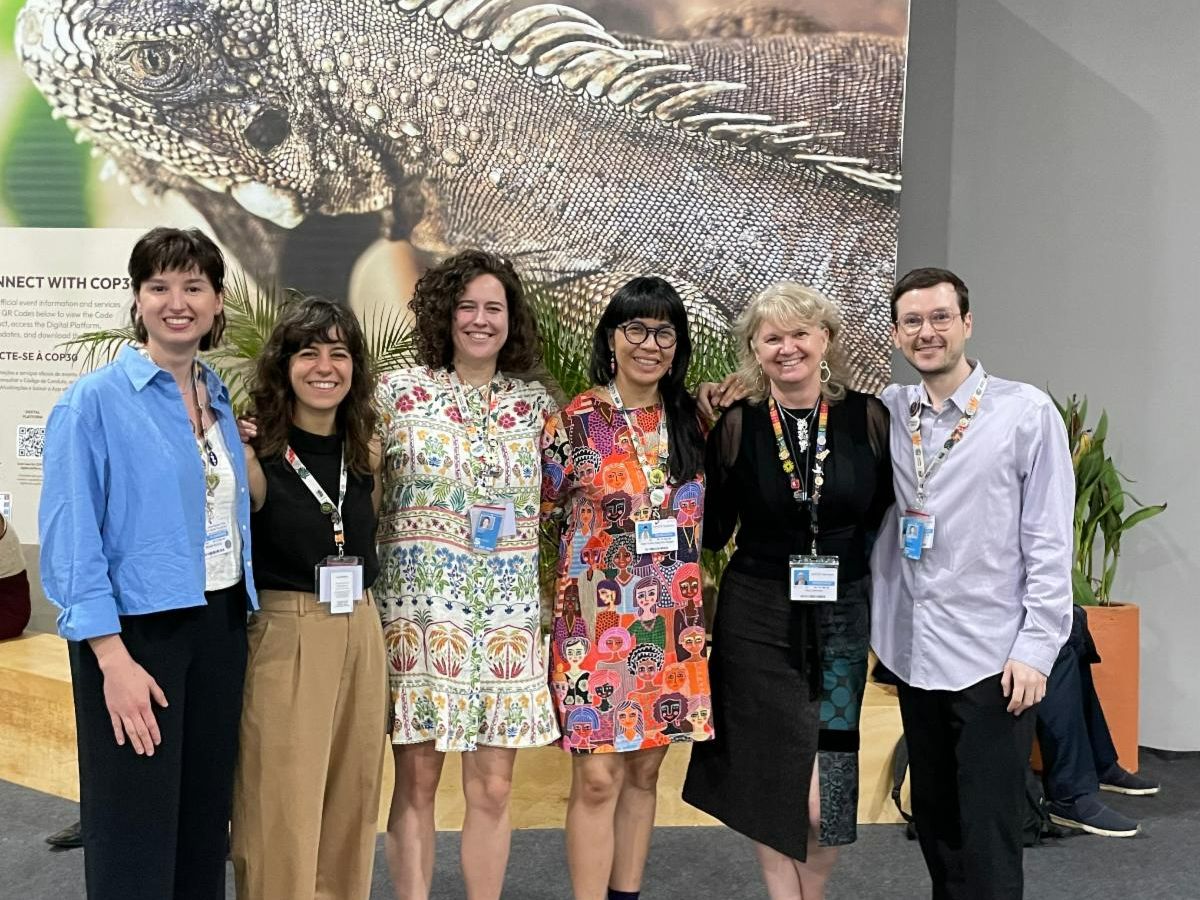
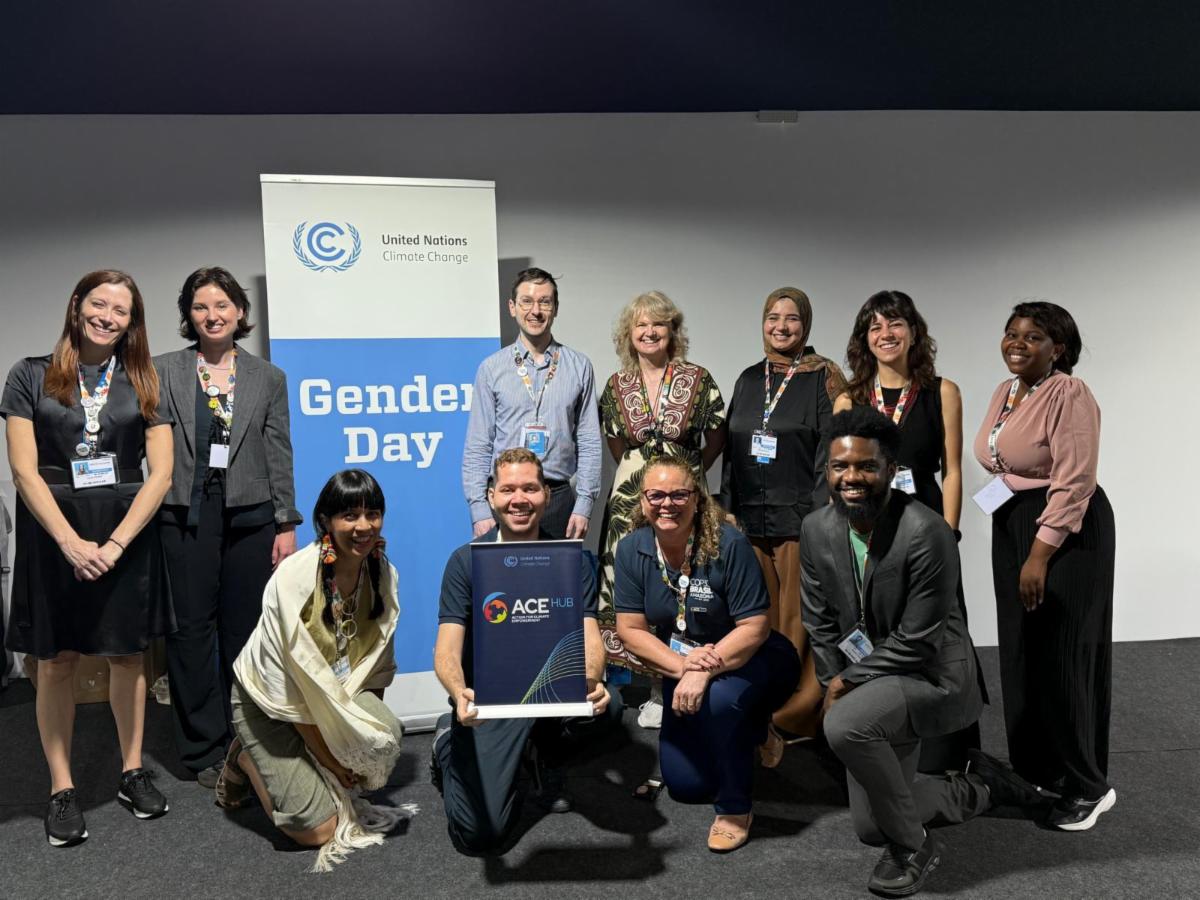
The Gender Team (Fleur, Wiebke, Alma, Gabriela, and Julia) would like to extend its sincere appreciation to everyone who contributed to advancing more gender-responsive and inclusive climate action throughout COP 30.
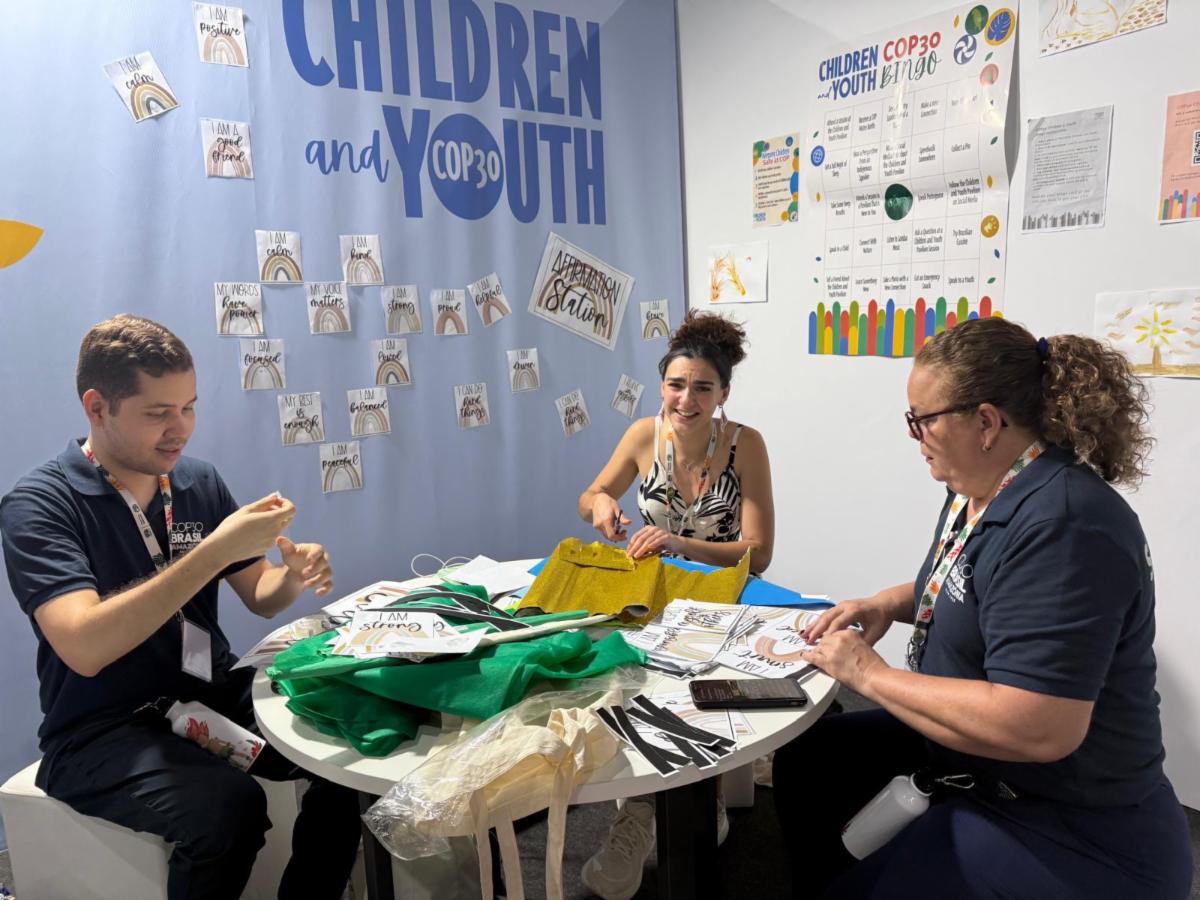
We are especially grateful to our colleagues and volunteers (Ben, Michelle, João, and Patrícia) whose direct support during the conference was invaluable. We also warmly thank our colleagues from the Action for Climate Empowerment (ACE) team, along with many other colleagues and external partners who supported this work in different ways. Your collaboration, dedication, and shared commitment to meaningful impact made this work possible and are deeply appreciated. As the year comes to a close, we wish everyone a well-deserved period of rest and renewal, and look forward to continuing this important work together in 2026.
| | Promote best practices, share resources and foster knowledge exchange focused on the nexus of Gender and Climate Change with our LinkedIn Community. Join us here. | | | | |